Zero Waste Staying in Jeju — Hoping for the Day Zero-Waste Lodging Is No Longer Special
An interview with the operator of Stay Hojae, a Jeju accommodation run with the hope that the sea of Gimnyeong and Jeju Island will stay clean for a long time to come.
Zero Waste Staying in Jeju — Hoping for the Day Zero-Waste Lodging Is No Longer Special
Stay Hojae dreams of a day when zero-waste accommodations become so commonplace that its philosophy is no longer considered special.
Words Chloe Kim
Interviewee Park Solhui (operator of Stay Hojae)
At first glance, Stay Hojae seems like a romantic, sentimental lodging that fits perfectly with the resort island of Jeju — but as with anything, you have to look closely to see its true character. This house holds the deep consideration and care of an operator who thinks seriously about the environment: a wish for travelers to stay in a safer, cleaner environment, and further, a hope that the sea of Gimnyeong and Jeju Island itself will remain clean for a long, long time. We hear from Park Solhui, who runs Stay Hojae in Jeju, modeling it after the zero-waste accommodations she experienced during her years as a travel writer.
Please introduce Stay Hojae.
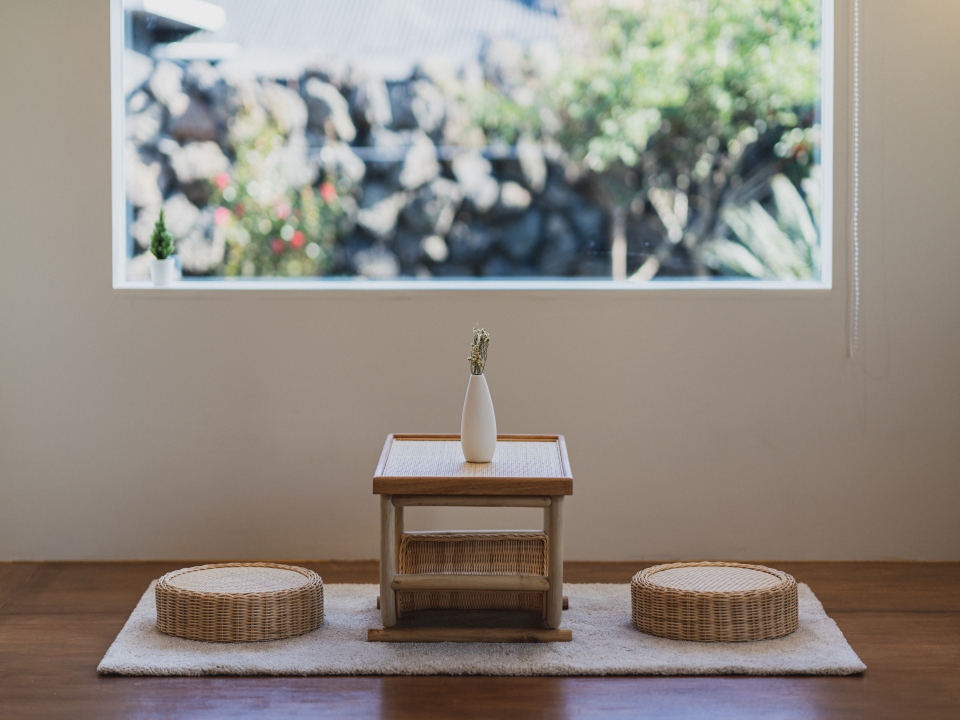
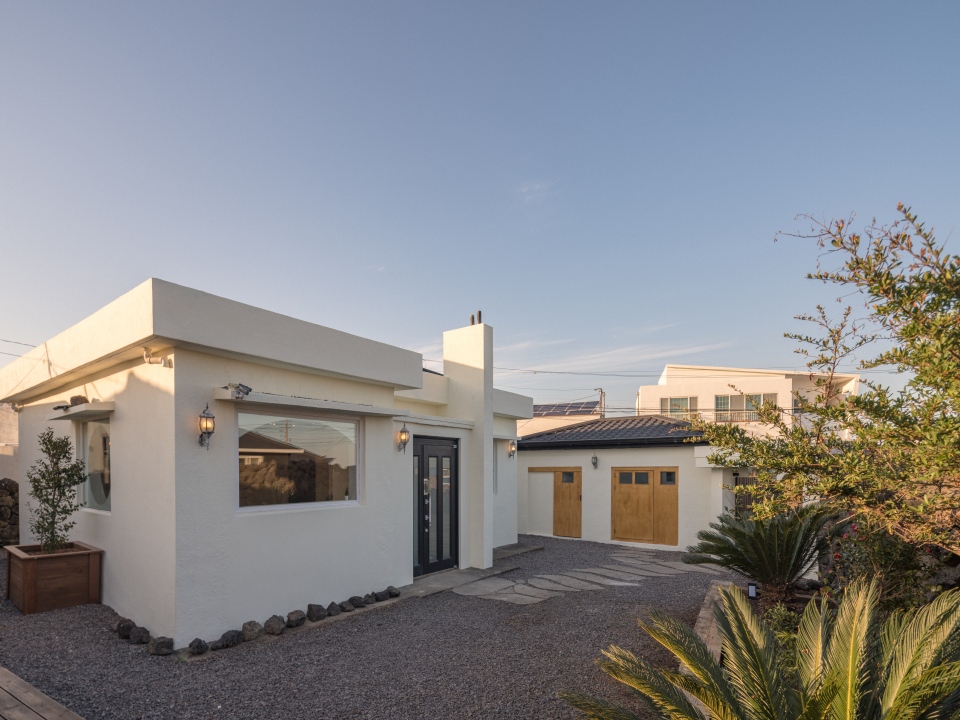
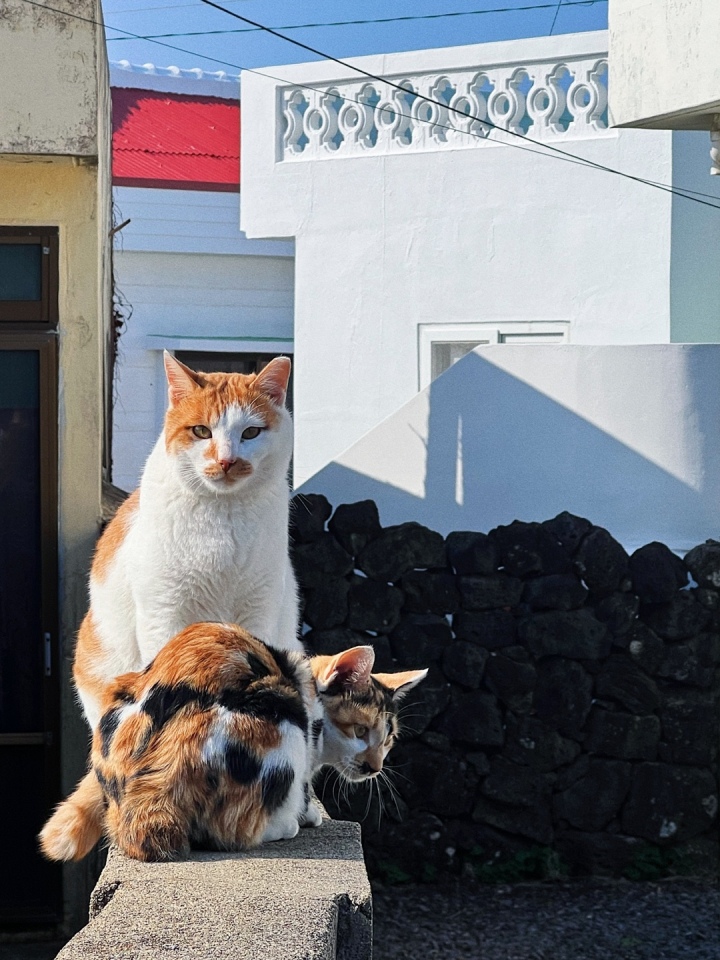
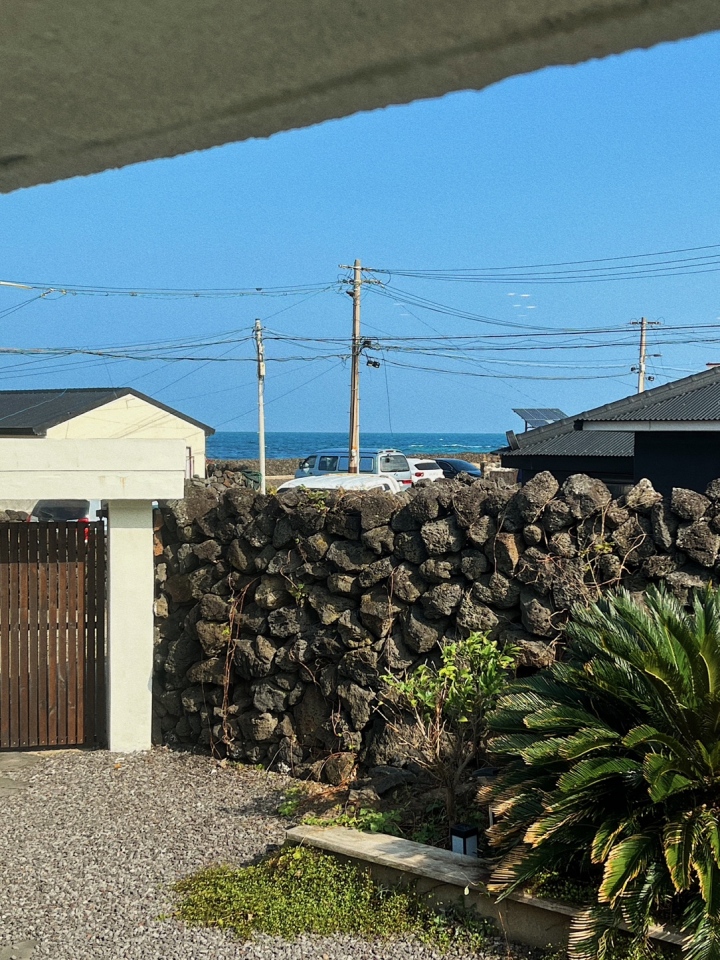
Stay Hojae is a private standalone stay located in Gimnyeong-ri, a quiet seaside village on the east side of Jeju. Neighborhood cats wander around the yard, and you can catch a glimpse of the sea through the window. We never really thought of ourselves as a ‘zero-waste stay’ — we were just naturally operating this way — but as keywords like zero waste and carbon reduction started gaining attention, we ended up doing an interview like this.
What zero-waste elements can guests experience at Stay Hojae?
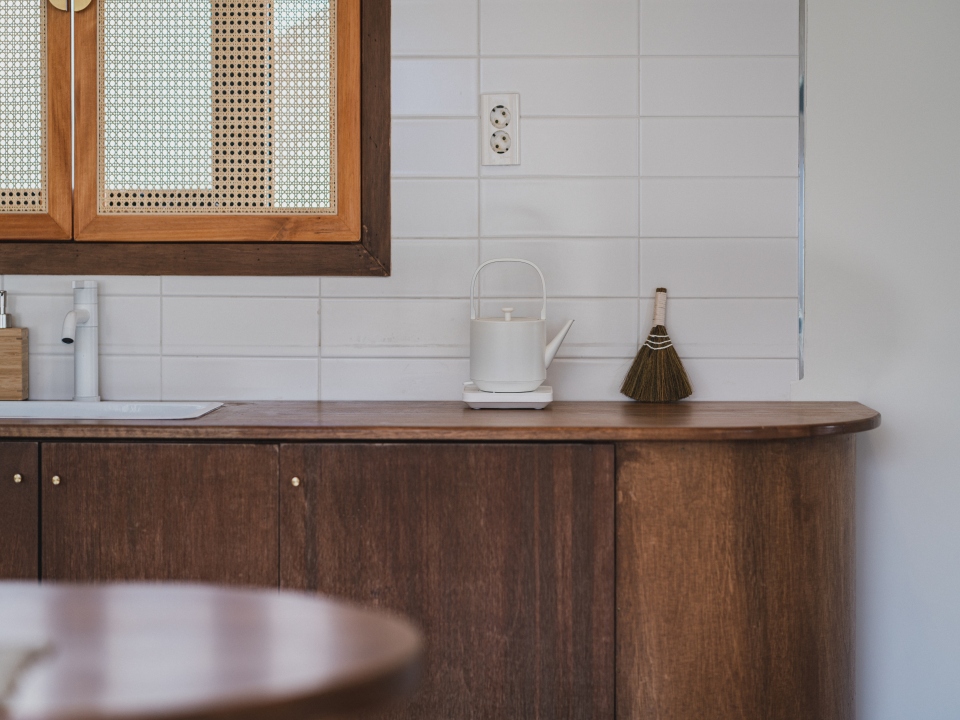
First, to avoid using plastic water bottles, we've set up a direct-line water purifier, and we offer fragrant herb water made with rosemary or mint picked from the yard. Our coffee drip bags come from a local roastery a ten-minute walk away, and our welcome snacks are also products made in Jeju. This minimizes the carbon footprint from shipping and gives guests a real taste of Jeju's locality.
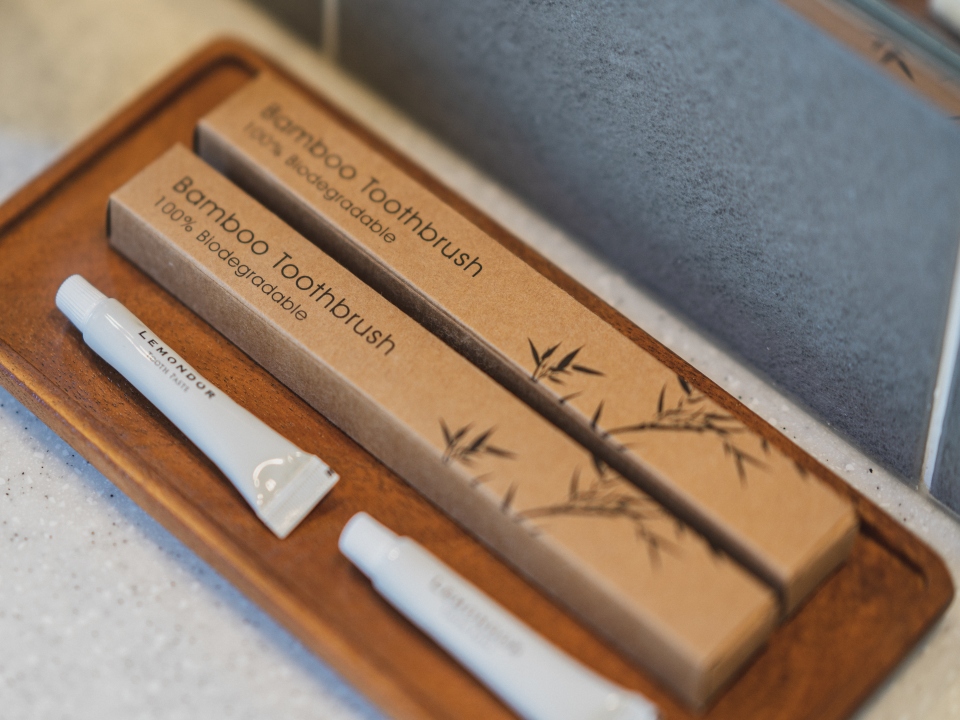
For amenities, we try to avoid plastic or disposable items as much as possible, using bulk products instead of single-use containers. Instead of disposable plastic combs and non-woven slippers, we provide sanitized wooden brushes and leather slippers. Instead of disposable plastic toothbrushes, we offer bamboo toothbrushes. We also use biodegradable trash bags, even though they're more expensive. When cleaning, we avoid chemical detergents and deodorizers as much as possible, using citric acid and phytoncide instead. Our hand wash is made as an effervescent tablet that's refilled, rather than a liquid product.
What led you to run a zero-waste accommodation?
I worked as a travel writer for about a decade, traveling and writing both in Korea and abroad, before moving to Jeju in 2016. Given the nature of the tourist destination, I often witnessed the enormous amount of waste generated by lodgings, cafés, and food trucks, which made me feel troubled. When I opened Stay Hojae in early 2021, I simply thought about ways to reduce waste without lowering guest convenience, and applied them. It's almost too natural and obvious to me to call it a ‘turning point’ — it just felt like the right thing to do.
Among the places you visited as a travel writer, is there a zero-waste accommodation that stands out in your memory?
Casia Cottage and Green Bay Resort in Phu Quoc, Viet Nam. Phu Quoc is similar to Jeju in that it's a resort island off the southern mainland. Because of its island nature, it developed as a tourist destination without adequate waste treatment facilities, leading to serious marine pollution — so awareness about the environment seemed even higher there than on the mainland.
At Casia Cottage, I found that they used natural detergents when cleaning rooms and air-dried all the laundry. Many hotels do rapid laundering with harsh detergents and dryers in their linen rooms. Casia Cottage used a cinnamon-based mosquito repellent instead of harsh pesticides, and I felt it was truly eco-friendly that they used vegetables and herbs grown in their own garden as restaurant ingredients. Green Bay Resort had its own refill system, providing glass-bottled water in every room. Among the room amenities, I could hardly find any plastic products. This was in 2019, when awareness of plastic waste wasn't as high in Korea as it is now, and I hadn't seen this kind of effort in other parts of Viet Nam either, so it was quite surprising.
Honestly, since it was a trip from a few years ago, my memory might not be entirely accurate, but what matters is that the fresh shock I felt back then has had a huge influence on how I run Stay Hojae today.
Were you originally very interested in environmental issues?
I've been interested in environmental issues since I was a teenager, and even as a student I was part of environmental clubs and kept donating to and subscribing to environmental organizations. I still personally support Greenpeace. At home, I use bamboo toothbrushes, solid toothpaste, sochang towels and dish cloths, dish soap bars, and shampoo bars.
Still, running a zero-waste accommodation can't be easy.
It's not that difficult, actually. I only do as much as I can manage, and only as much as I think guests can accept without feeling uncomfortable.
There are still many people who find zero-waste items like solid toothpaste unfamiliar. I felt it was still a bit premature for a lodging, so we use it at a level that doesn't cause discomfort for guests. Also, I don't want to do zero waste just for the sake of zero waste. For example, even if we provide solid shampoo to reduce plastic, if guests use it once or twice and throw it away, or if the container it comes in is disposable, it doesn't really mean much. Right now, we're compromising with bulk shampoo.
In any case, the reason I try to run things in as eco-friendly a way as possible is also because I believe what's good for the planet is good for people too. We use disposables in the name of ‘hygiene,’ but personally, I think unverified chemical ingredients are far more dangerous than everyday germs. That's also why I clean with citric acid and phytoncide instead of chemical products. Honestly, it would be much easier to just provide disposable cups, slippers, and combs and throw them away. But that doesn't sit right with me. So I chose to wash, sanitize, and disinfect the amenities every time instead. It's better to be physically inconvenienced than mentally uncomfortable.
How do guests respond?
Stay Hojae doesn't put zero waste front and center. These efforts are something you'd barely notice unless you look closely at our Instagram account. You could call it a kind of ‘quiet zero waste.’ For guests who don't bring their own toothbrush, we charge a fee for a bamboo toothbrush, and at first I was a little worried this might cause resistance. But thanks to a notice explaining that the fee is donated to an environmental organization protecting Jeju's seas, most guests thankfully participate willingly. We also often receive positive feedback through the guestbook or reviews.
So the bamboo toothbrush fee gets donated to a Jeju environmental organization.
Save Jeju Sea, which conducts marine debris cleanup work all around Jeju, happens to be based in Gimnyeong. I match the amount guests pay for the bamboo toothbrush and donate that combined sum to Save Jeju Sea. If you're visiting Jeju and want to try something a little special, joining a beach cleanup could be a meaningful experience!
What can travelers do to practice sustainable travel?
There's no need to be too solemn about it — I think it's good to start with easy things. Like not throwing away the bamboo toothbrush you used at Stay Hojae, but taking it home and continuing to use it, or using public transportation or an electric vehicle while traveling. Choosing a locally run accommodation over a large hotel, and discovering your own local favorite spot instead of a famous hotspot, are also great ways to support the local economy while adding depth to your trip.
Tell us about Gimnyeong, where Stay Hojae is located.
Gimnyeong-ri is a quiet seaside village on the east side of Jeju. It's a perfect place to feel the real, authentic side of Jeju by wandering through its alleyways. Gimnyeong Seongsegi Beach has some of the clearest water in all of Jeju, earning it the nickname ‘Gimnyeong Maldives Beach,’ and if you're lucky, you might even spot dolphins. Having lived in Jeju for a long time and visited many neighborhoods, I still haven't found a place quite like Gimnyeong.
How do you hope travelers will enjoy this place?
Many travelers come to Jeju and rush around driving, just taking photos to prove they were there before leaving. I hope people have a trip that leaves more of a mark on their hearts than on their social media feeds. Even if you only visit one place, I hope you stay longer, look more closely, and enjoy things slowly. If you stay at Stay Hojae, try walking the alleys for a few days as if you were a local. Watch the camellia trees or migratory birds over the neighbor's stone wall, gaze at the sea, stop by the neighborhood bakery for some bread, brew coffee for breakfast, greet the cats that visit the yard… I hope you can stay and leave with that kind of unhurried ease.
Lastly, I'd like to hear about your future plans and goals.
I want to show that a zero-waste stay can sell well and that guests can still be satisfied. If guests feel inconvenienced, Stay Hojae itself won't be sustainable. Something as small as switching trash bag liners to biodegradable ones doesn't cause guests any inconvenience at all.
I once heard that ten loose zero-wasters help the planet more than one perfect zero-waster. I often bring this up when I meet other accommodation owners, though change isn't easy. Still, there's clearly an appeal to younger generations pursuing ‘meaning out’*, and I'd love to show that it can actually help with bookings. Ultimately, I hope zero-waste stays become so ordinary that they no longer stand out or draw special attention at all.
*Meaning out: Expressing one's beliefs or values through consumption habits, often shared on social media.