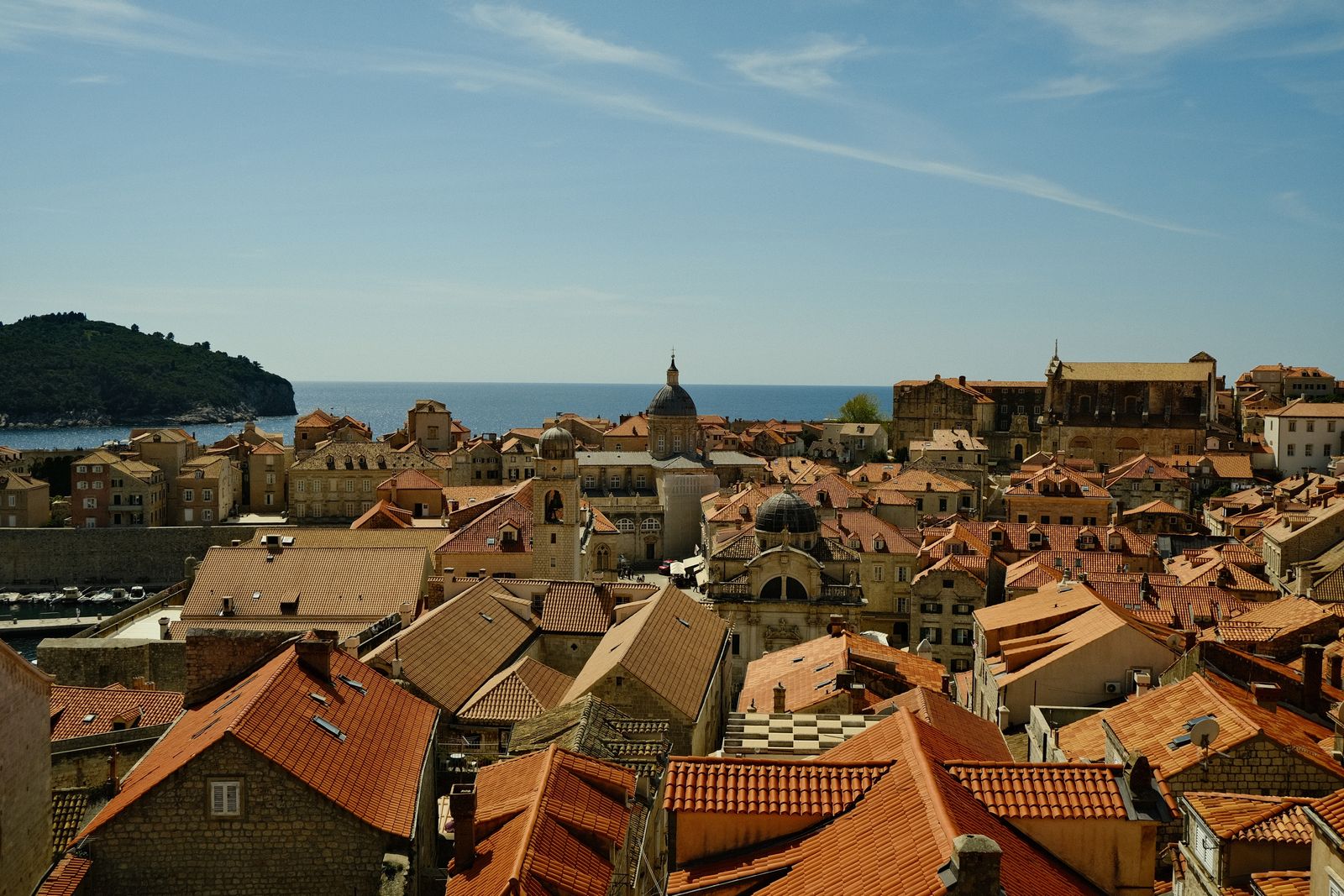
As emerald Adriatic waves crash against Croatia’s ancient walls in a spray of white foam and the sky slowly fills with sunset color, Dubrovnik’s old town steals the traveler’s heart.
Words & Photos Hur Taewoo
In collaboration with Croatian National Tourist Board (CNTB)
Dubrovnik
The area around Pile Gate is bound to be crowded from early morning. Tour buses and Ubers unload people without pause, and visitors from all over the world get ready to enter the Walls of Old Town. The plane trees in Brsalje Square, just outside the gate, seem used to the sight. They shake as many leaves as there are visitors, gently scattering the glaring sunlight. Trace the etymology of Dubrovnik and you find “city of the oak forest,” but that must be a very old picture. Now the dominant scenery around the old town is its sturdy limestone walls, its fortresses, and the waves of the Adriatic.
Dubrovnik, in the south of Dalmatia, has long been the Adriatic’s trading hub linking the Balkans with Western Europe. Silver, beeswax, and other goods produced in the Balkan interior passed through here and went by sea to Italy, while textiles and crafts from Western Europe were distributed eastward. The Slavs of the Balkans called it Dubrovnik, while the Italians called it Ragusa. The Republic of Ragusa, which won its independence from Venice in 1358, grew into a trading power in the 15th and 16th centuries, when Mediterranean commerce flourished. But the glory of the small state did not last long. Weakened by the 1667 earthquake and changing trade patterns, the Republic of Ragusa was abolished under French rule in 1808. Dubrovnik’s history continued through the wars and political upheavals that followed.
The best way to absorb the charm of Dubrovnik’s old town is to wander it on foot all day (though with ordinary vehicles barred from entering, there is no alternative anyway). The moment you step through Pile Gate, Baroque, Renaissance, and Gothic
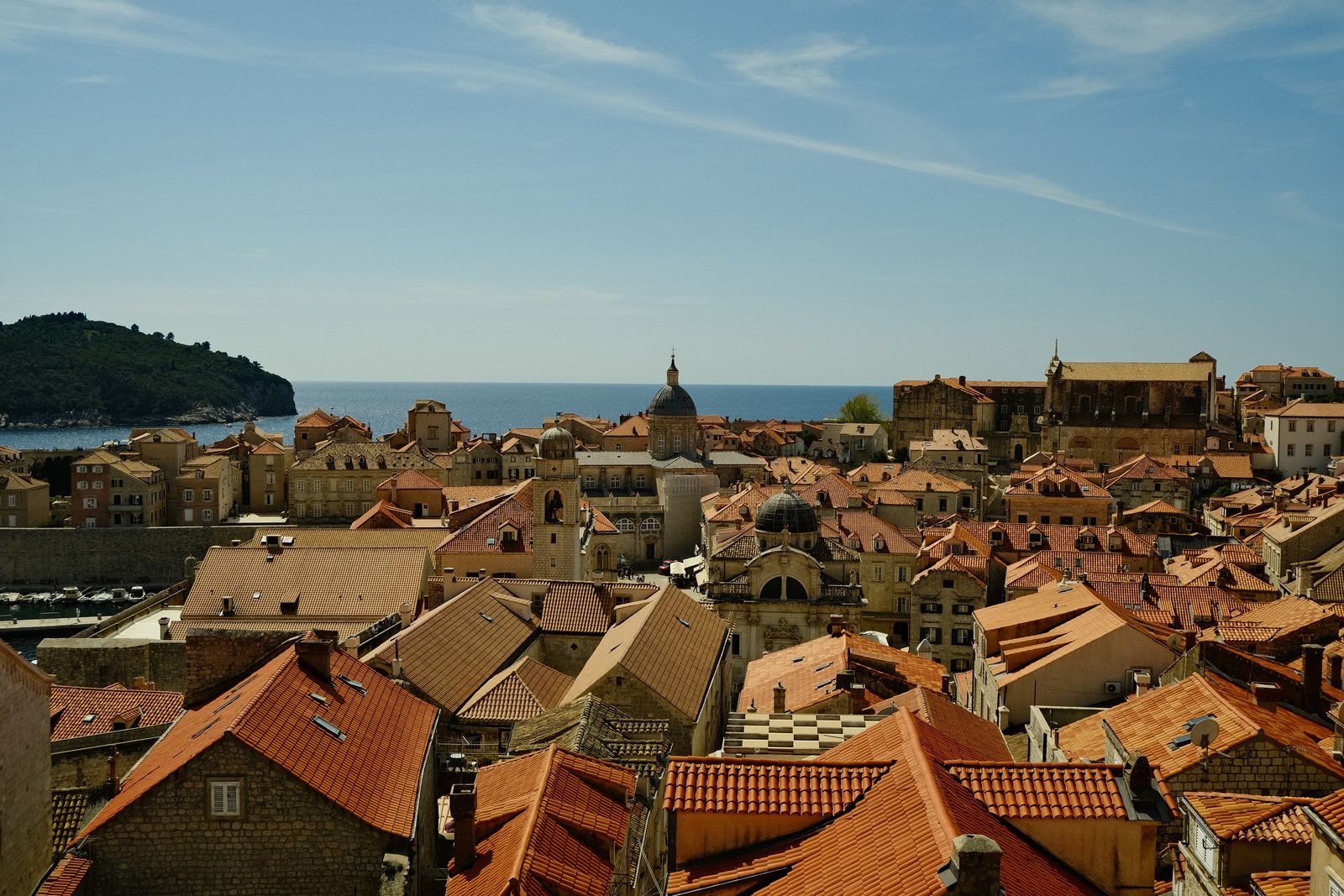
buildings, narrow alleys, and red roofs unfold on both sides of the main street, Stradun, like a stage set. The walls, which withstood both the great earthquake and the shelling of the 1991 war of independence, have been preserved almost in their original form, while palaces and churches have been carefully restored to faithfully recreate the past. From 10 a.m., when groups of travelers, including cruise passengers, pour in, until the early afternoon is the old town’s peak time. The crowds lining the streets and walls prove its status as a world-famous destination. Looking down from Minčeta Tower, the highest point on the walls, I can’t help thinking that Dubrovnik’s golden age is now. About 1,500 residents live inside the walls, yet as of 2025 annual visitors top 2.5 million. You need patience to snap even a single souvenir photo in the midst of it. Still, there are places where you can forget the bustle and indulge in history itself: the cloister of the Franciscan Monastery and Church, the courtyard of the Rector’s Palace, the altar of the Cathedral of the Assumption of the Virgin Mary, all places steeped in centuries of stillness.
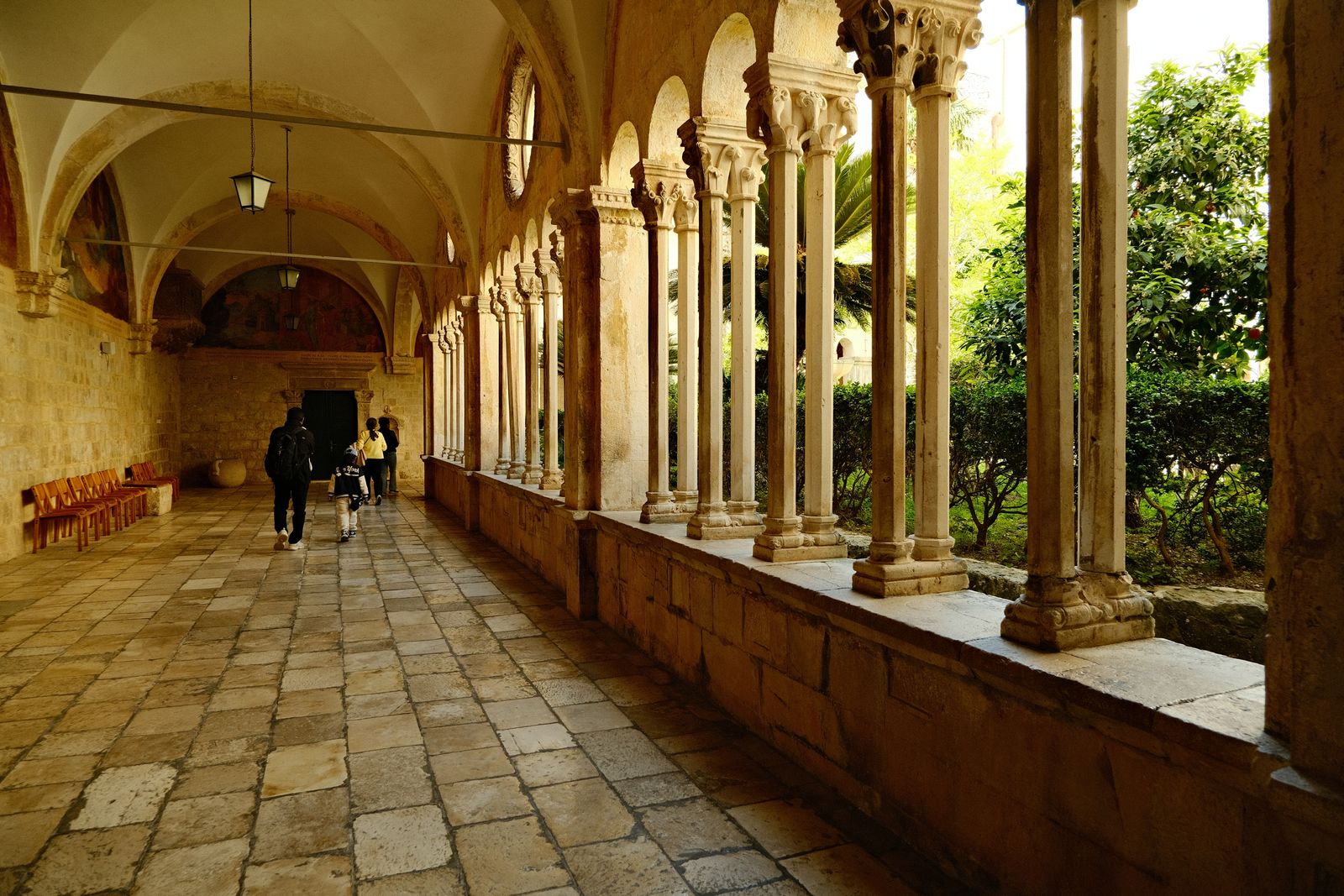
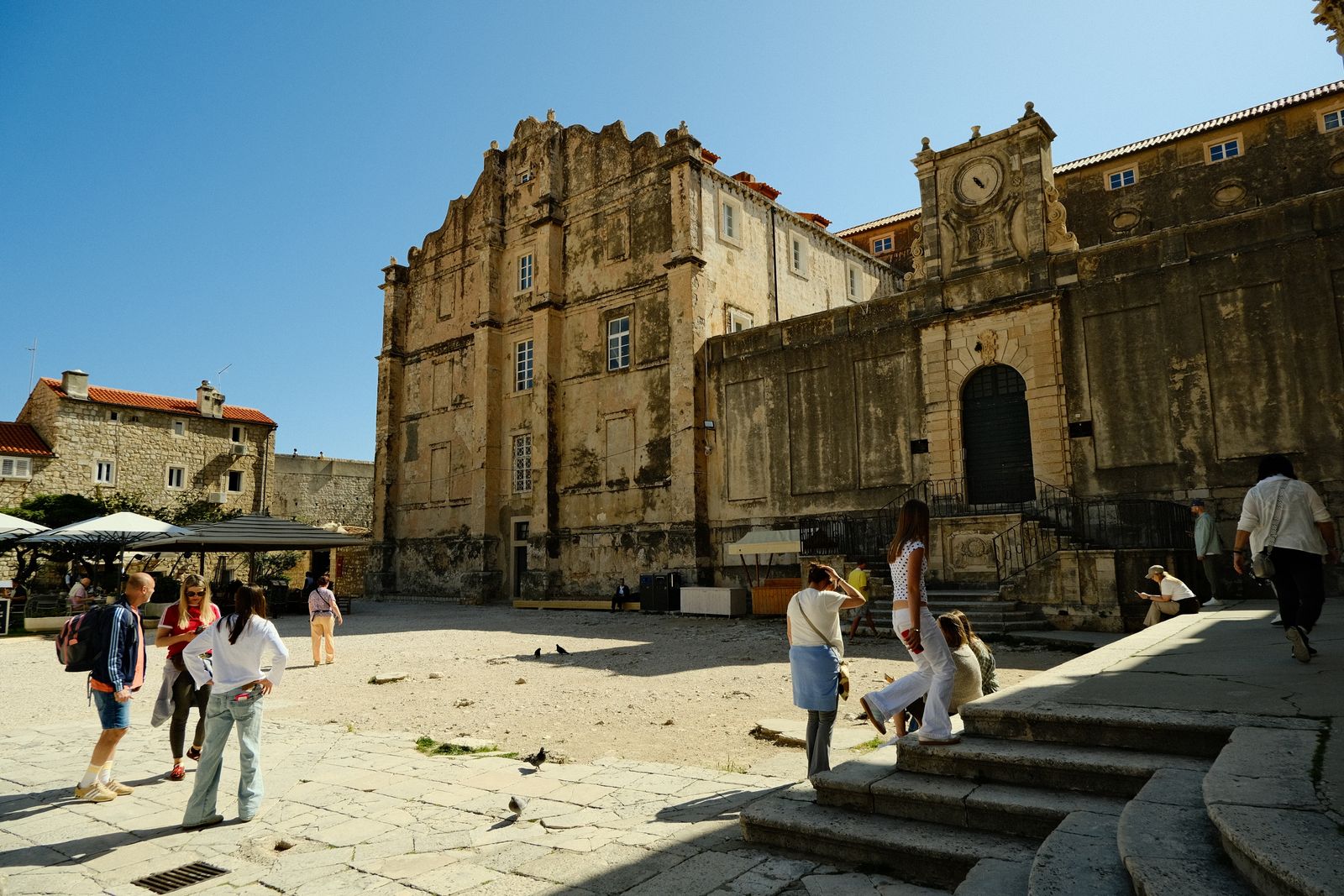
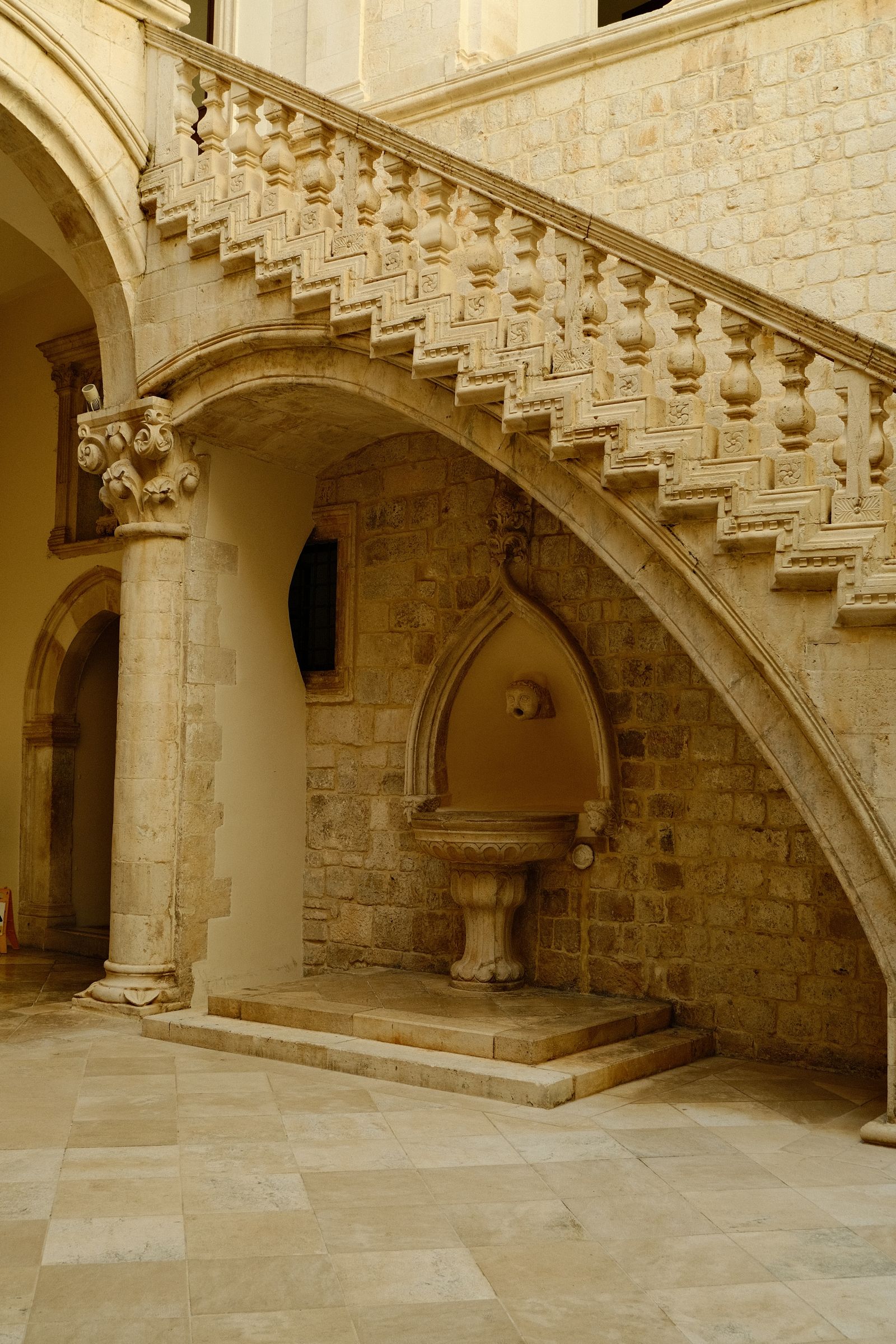
The Franciscan Monastery and Church holds more than 700 years of history. The displays include objects once used by the friars and artifacts associated with Dubrovnik’s nobility, and its Mala Braća Pharmacy (Ljekarna Mala Braća), which opened in 1317, is one of the oldest pharmacies in Europe. The Rector’s Palace, once the residence and office of the Republic of Ragusa’s rector, is now a museum holding some 20,000 historical artifacts from the 15th to the early 20th century. Inside the building, which blends Gothic, Renaissance, and Baroque styles, its rooms, dungeon, and courtroom have been preserved intact. The Cathedral of the Assumption of the Virgin Mary was rebuilt in the Roman Baroque style in 1713 on the site of a 12th-century church. It houses historically important religious relics, and the large altarpiece behind the main altar in particular is believed to be the work of Titian.
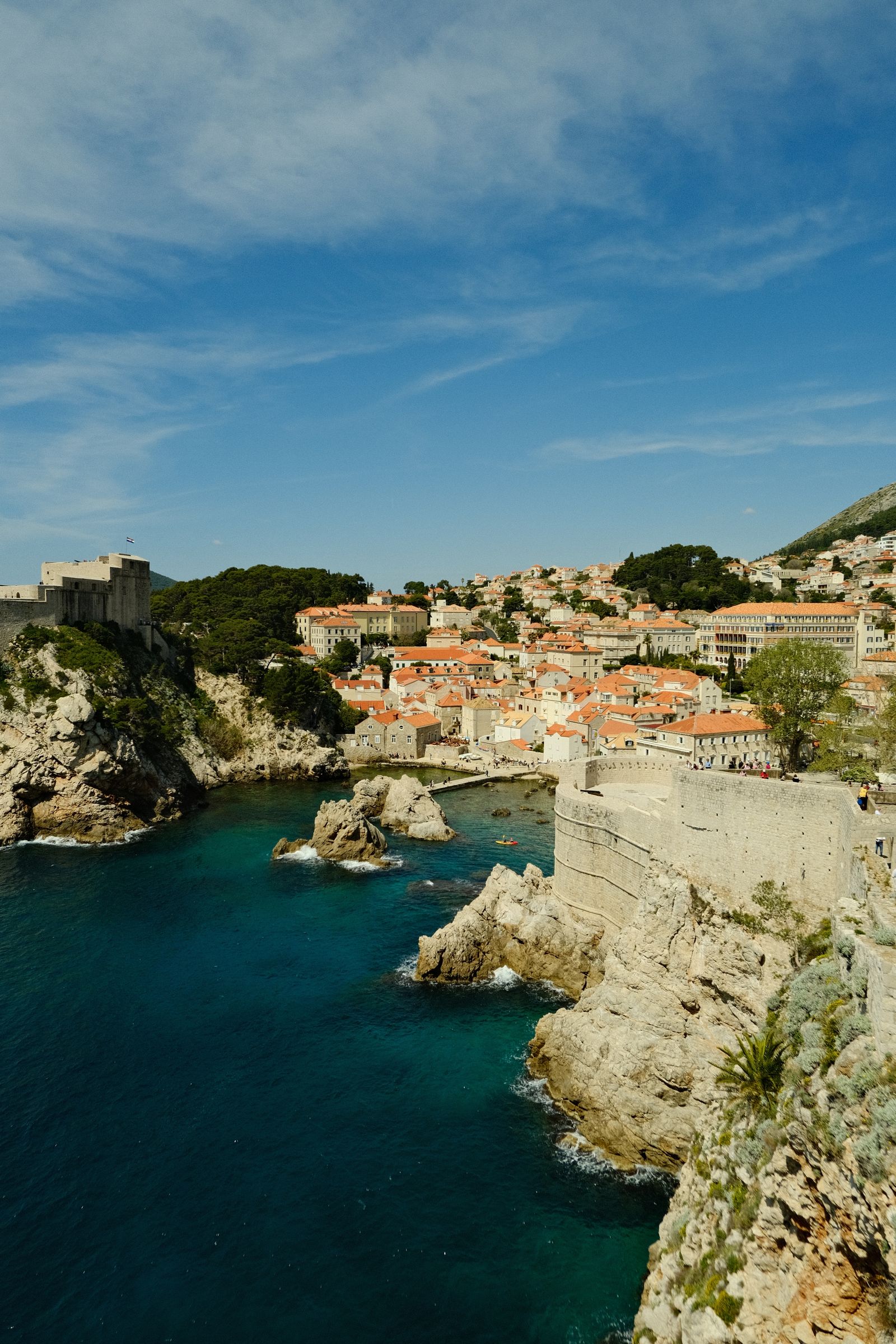
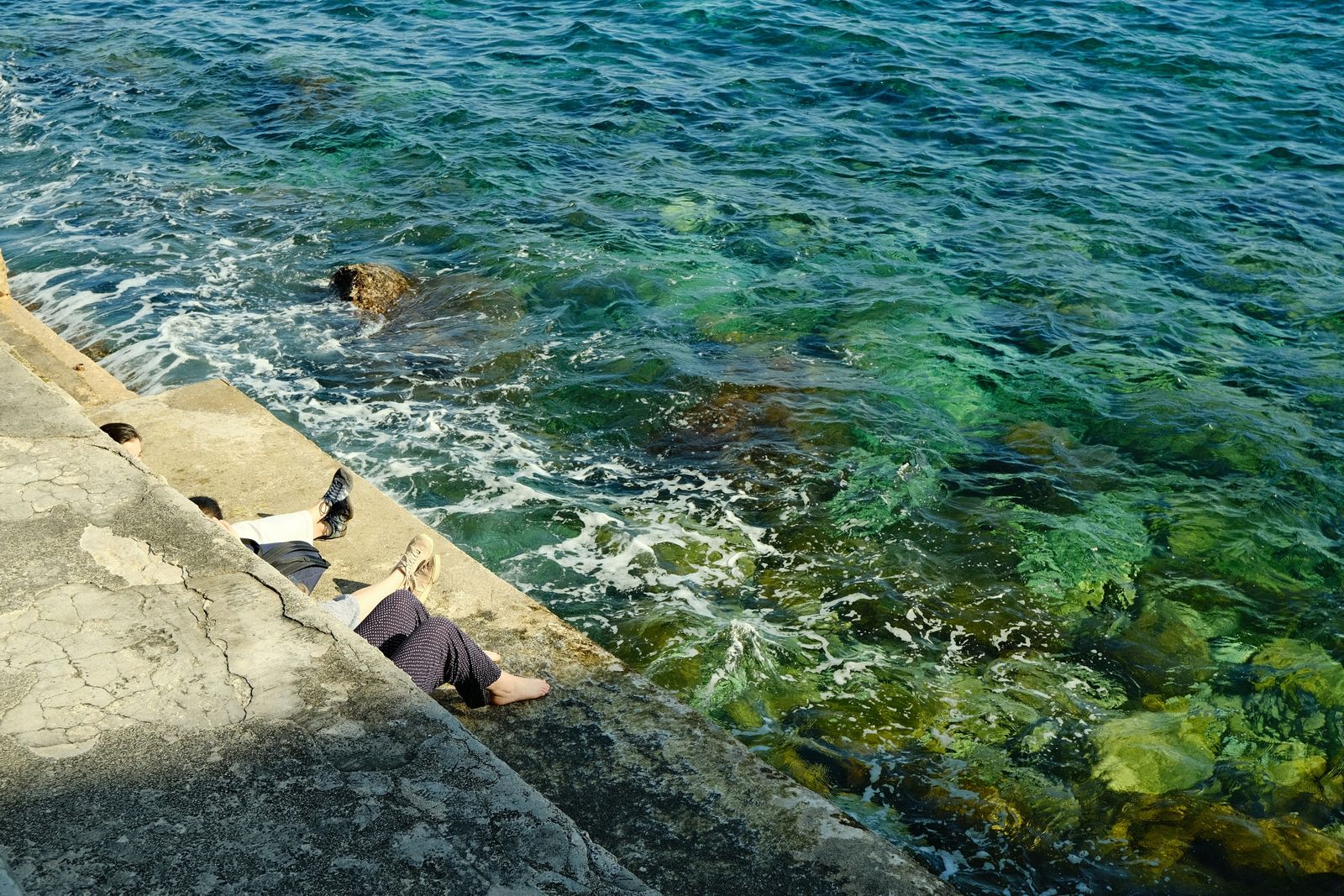
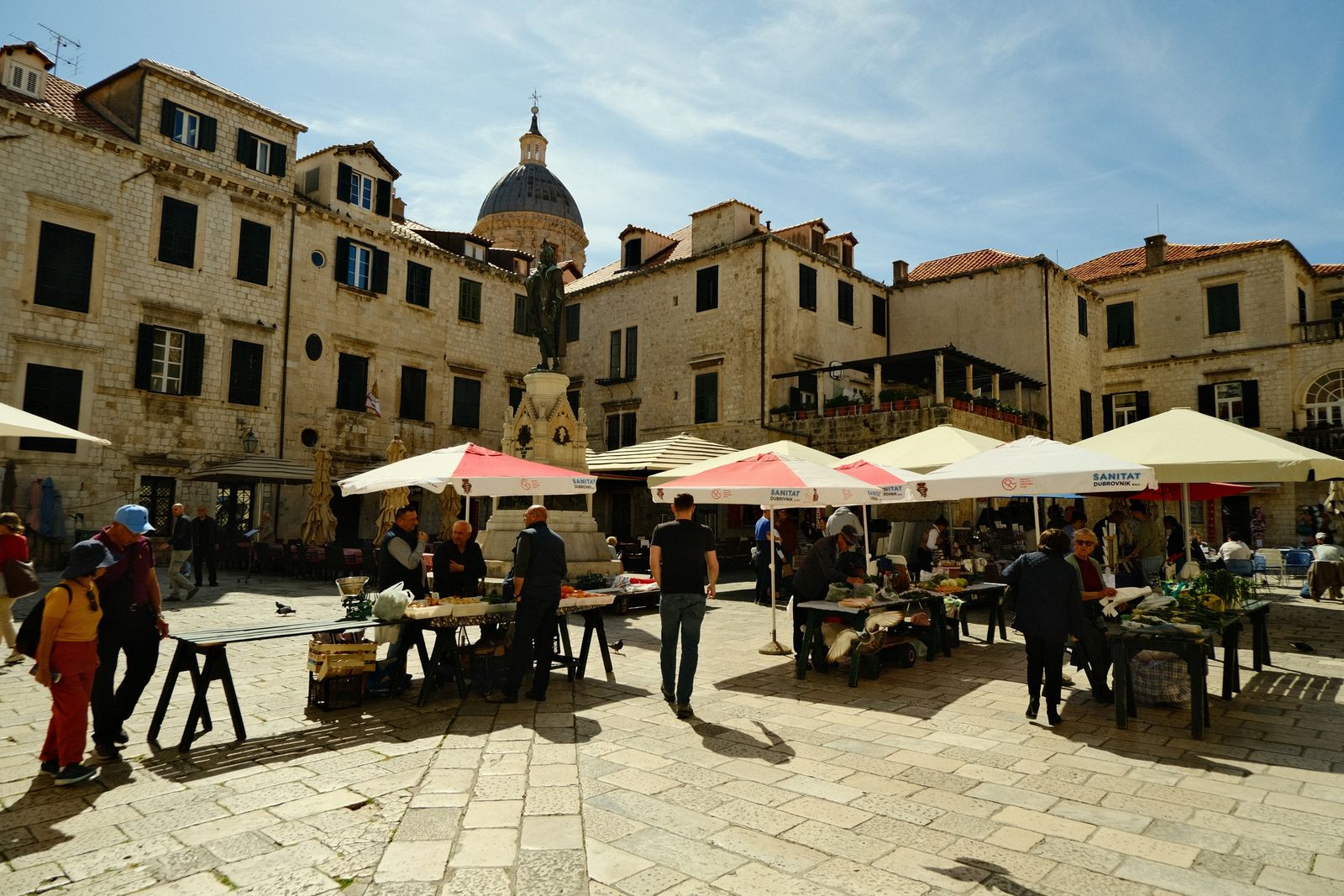
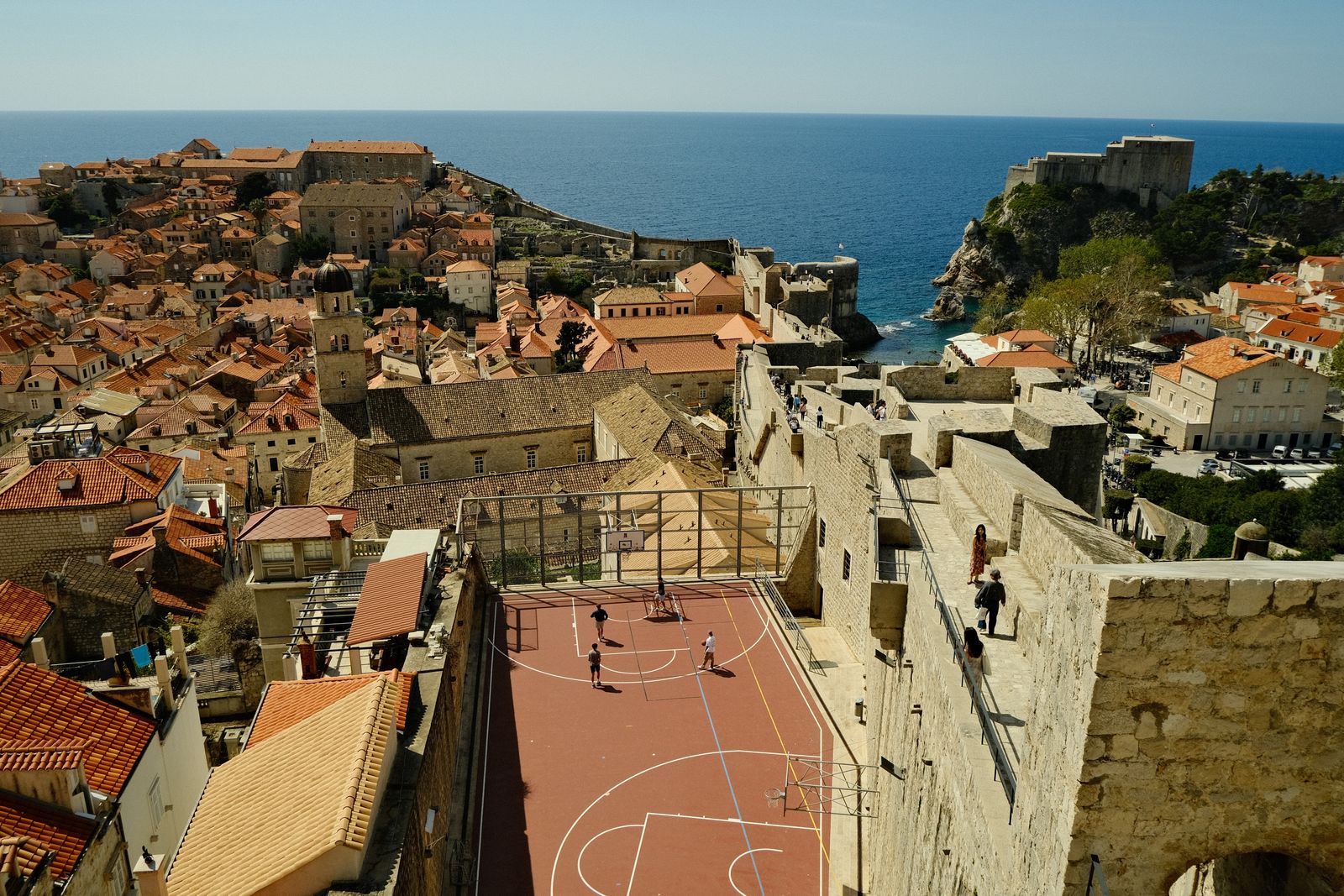
The small pleasures you stumble upon in Dubrovnik are worth praising, too. Stalls open at the little local market in Gundulić Square, and children’s laughter rings out from playgrounds and basketball courts. Turn your head as you walk the walls and you may see laundry fluttering outside the window of a modest home. Life flowing as naturally as breathing amid the evidence of history: isn’t that the true heart of Dubrovnik that travelers should feel? In the late afternoon, once the tourists have left, not only Stradun but also Fort
Lovrijenac, west of the walls, grows quiet. Completed in the 15th century, Fort Lovrijenac was responsible for defending the city against the Republic of Venice. Perched atop a cliff about 37 meters above sea level, it offers a sweeping view of the Adriatic and all of Dubrovnik, and it is also famous as a filming location for the drama “Game of Thrones.” Time your visit and head to the fort for the sunset that symbolizes the Adriatic. The sea breeze and the sunset’s red glow across the deep-blue water make a fitting farewell to Dubrovnik.
To See
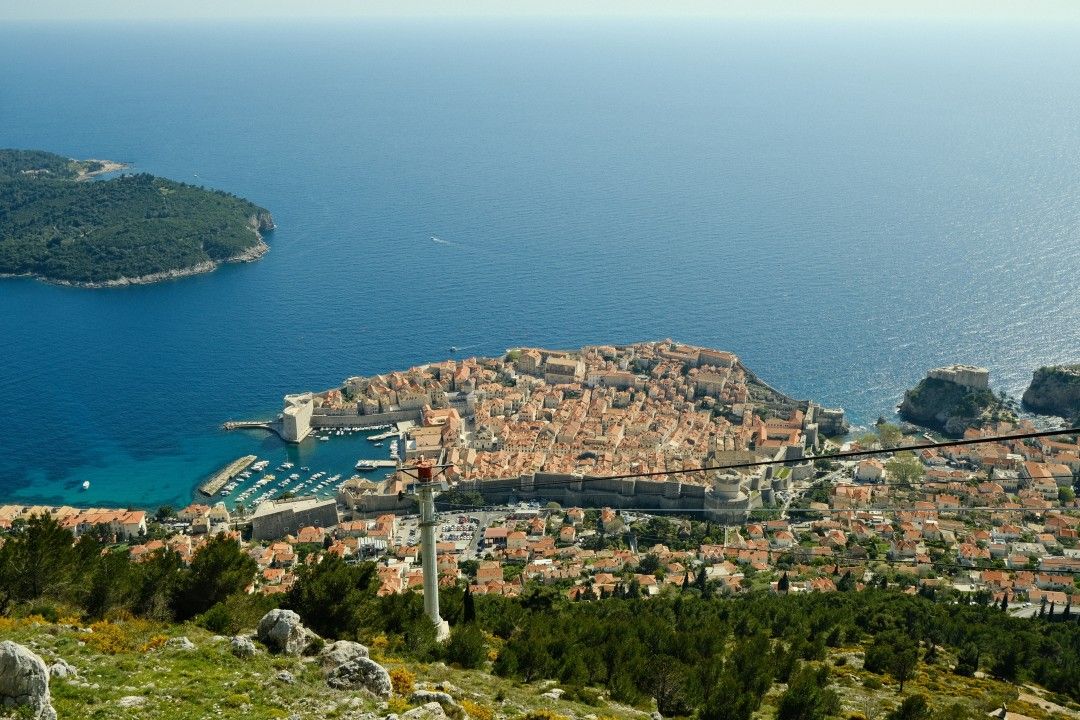
Srđ Mountain Viewpoint
Ride the Dubrovnik cable car for five minutes to the viewpoint on Srđ Mountain and you can take in the entire old town. The vista of red roofs, the Adriatic, and nearby islands is both refreshing and romantic. The viewpoint also has a restaurant and a souvenir shop.
+Round-trip ticket for adults 30 euros, dubrovnikcablecar.com
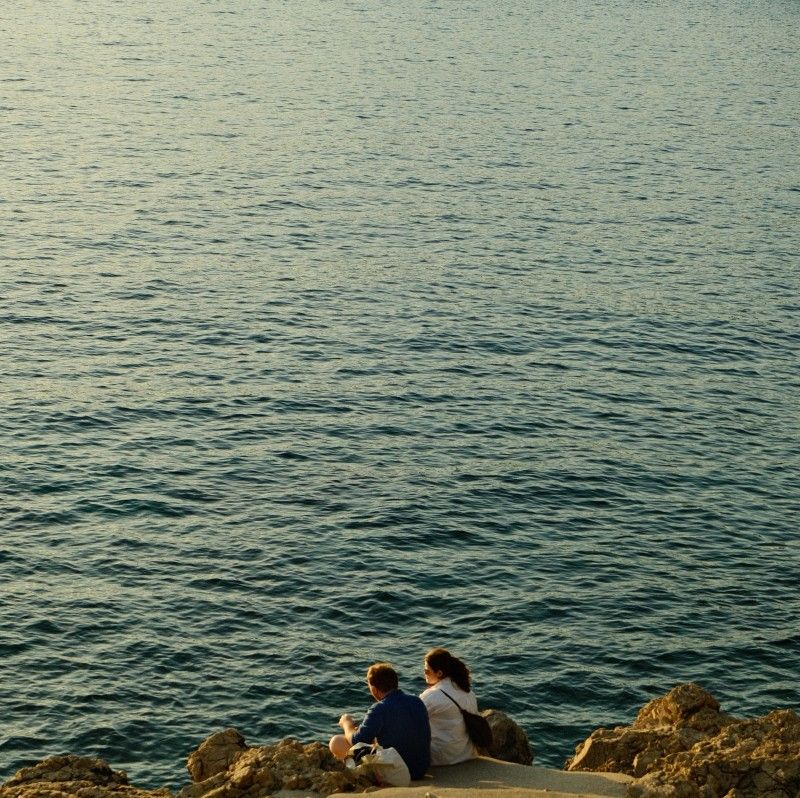
Danče Beach
A rocky beach you reach by walking about 15 minutes west of the old town. Follow a side path down from the parking lot reserved for Dubrovnik residents to find it. Visited more often by locals than tourists, it is good for sea swimming and diving. Around the beach are a small old monastery, a cemetery, and a walking path, and the view at sunset is especially beautiful.
To Eat
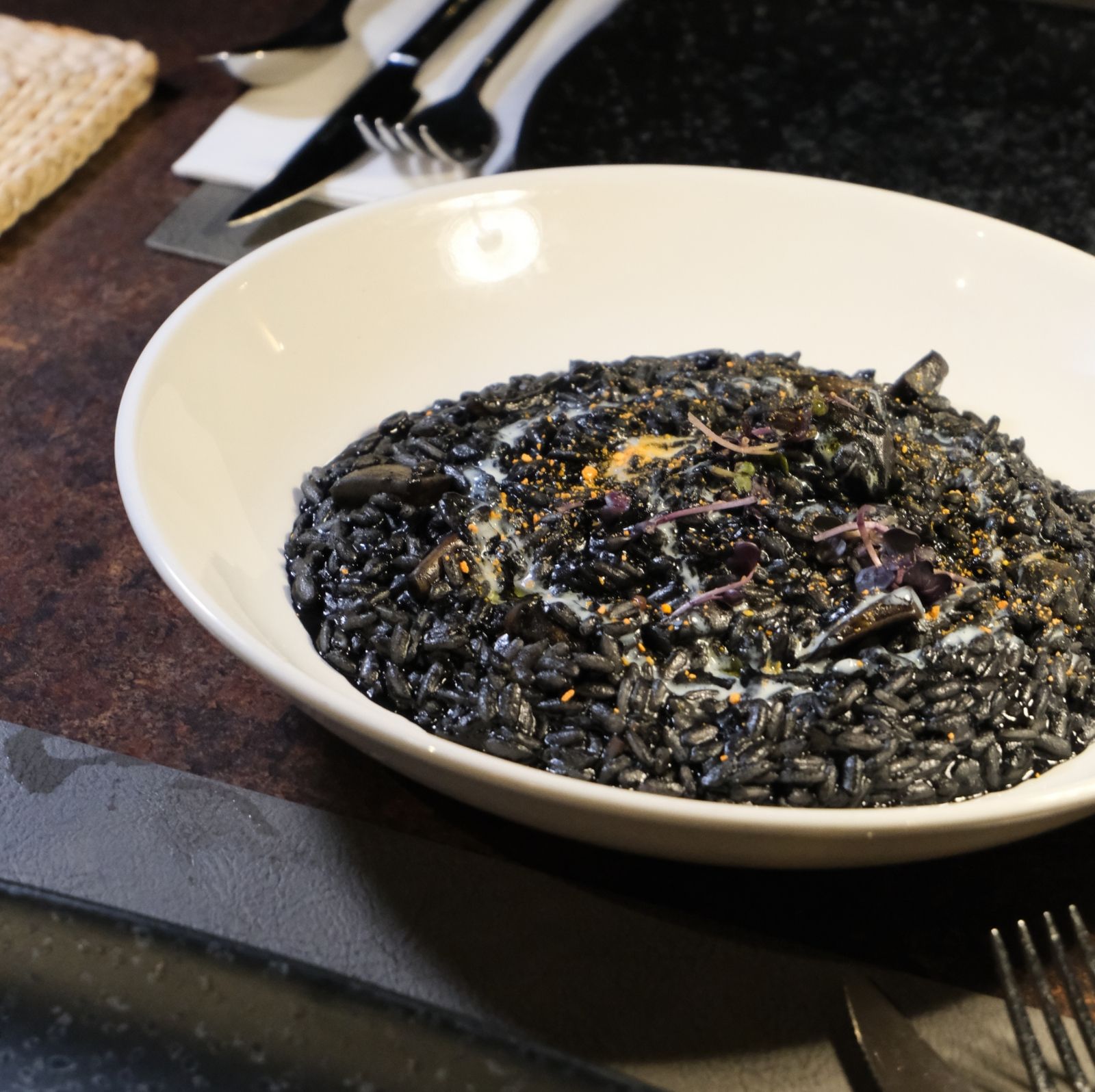
Marangun
A fine-dining restaurant in the Lapad district, west of the old town. It serves modern reinterpretations of traditional Dalmatian dishes, and staff attend to guests with practiced ease in a refined space with a sweeping view of the Adriatic. We recommend the Octopus Peka, peka-style oven-baked octopus, and the Ox Cheeks, beef cheeks slowly braised until tender.
+Octopus Peka 39.5 euros, Ox Cheeks 31.8 euros, marangun_dubrovnik

Local
Tucked away in the narrow alleys of the Old Town, Local is a restaurant specializing in peka, a traditional Dalmatian dish. Meat or seafood and vegetables cook slowly beneath a bell-shaped lid covered with hot embers for about three hours. In Croatia, it is considered the ultimate dish of hospitality. One taste and you’ll understand why: it’s hearty, tender and clean-flavored. Run by a family, Local turns mealtime into something like a party. The owner kindly explains everything from the history of peka to how it is cooked, and plays lively traditional music. The bread and desserts made with local ingredients, the welcome drink and the prosciutto are also memorable.
+Peka course with wine, €120 per person, dubrovnikeatwithlocals.com
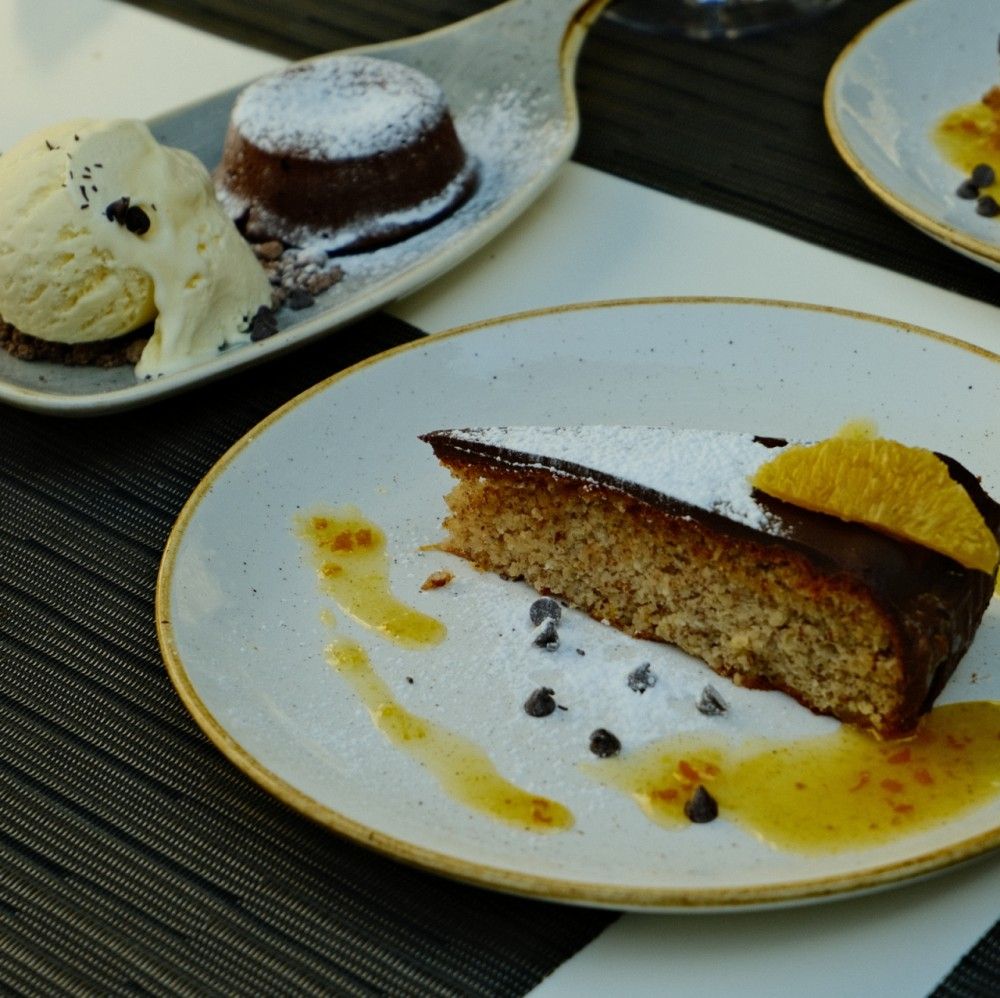
Kopun
A bistro on Bošković Square, in front of St. Ignatius Church, one of the Old Town’s landmarks.
Enjoy a light lunch at the outdoor tables facing the Jesuit Staircase and the church, both of which appeared in the TV series ‘Game of Thrones.’ Traditional capon dishes and veal are popular choices, and the veal dishes are popular. There is also a seasonal wine-pairing menu.
+Three-course meat menu with wine pairing, €50–70, @kopundbk
To Stay
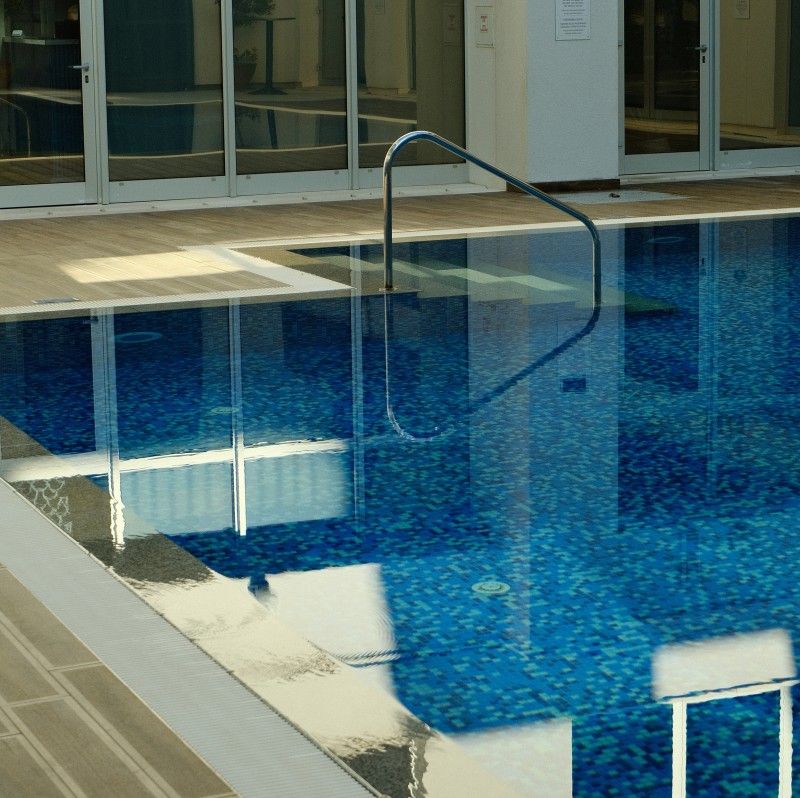
Hotel Lero
Opened in 1972, this four-star hotel offers modern rooms, an outdoor pool, a fitness center and other amenities. With easy access to both the Old Town and the beach, it makes a convenient base for exploring Dubrovnik.
+From €120, hotel-lero.hr