
Would You Like to Have Some Coffee? — A Journey That Begins with Coffee
A cup of coffee is a short, sweet trip out of the everyday. Five cafés across Korea, from Coffee Libre to Momos Coffee, go to great lengths to bring good beans to your cup. Each recommends a bean and shares how to brew it.
Would You Like to Have Some Coffee? — A Journey That Begins with Coffee
A cup of coffee in the middle of an ordinary day is not so different from travel: a short, sweet break.
So why not step out of your routine for a while in search of a truly good cup? Or even take the long journey that brings that coffee to the table in front of you? Here are people who spare no effort to introduce good beans, in the hope that more people can enjoy a good cup of coffee. Start an unconventional journey at five cafés, each working in its own way toward a richer, healthier coffee culture.
Words Pyo Youngso
Photos Coffee Libre, Namusairo, Momos Coffee, Coffee Place, Coffee Montage
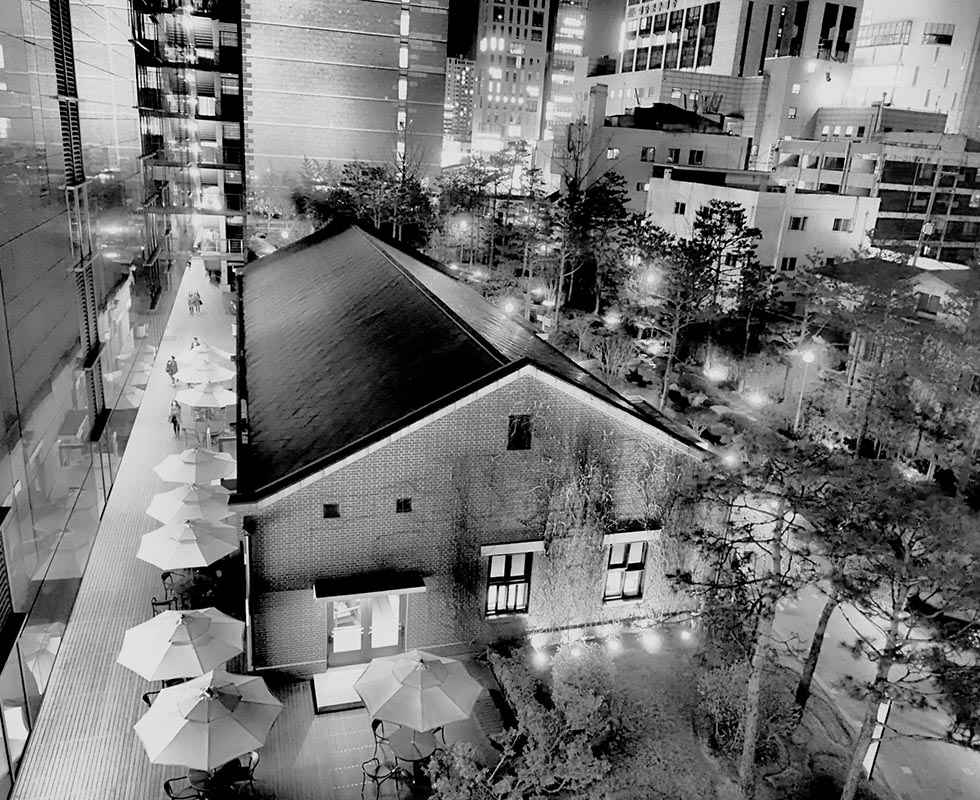
Coffee Libre
Araku, India
India Araku
Coffee Libre, led by Seo Pilhun, Korea’s first Q Grader, is both a pioneer of Korean specialty coffee and an adventurer still on the move. To find high-quality coffee, the team travels to growing regions around the world, selects fine beans, and imports them through direct trade. In 2016, it became the only Korean coffee brand to buy a coffee farm in Nicaragua, expanding into green coffee exports. It runs four locations in Seoul, including the Yeonnam branch and the Times Square branch in Yeongdeungpo, and has an outpost in Guatemala as well.
Instagram: coffeelibrekorea
Website: www.coffeelibre.kr
Why we recommend this bean
There is a lot of delicious coffee in the world, but few cups show the character of their origin as clearly and attractively as Araku. This is a bean in which you can taste the rich spices of Indian cuisine just as they are. Natural processing adds the flavor of ripe fruit on top.
Tips for brewing this bean at its best
For one serving, put about 20 grams of coffee in the dripper and prepare water at around 95°C. Pour just enough water to saturate the grounds, wait about 30 seconds, then pour gently into the center of the coffee to brew. As the coffee cools, enjoy how its flavor changes in many different ways.
— Seo Pilhun, CEO
Single Origin
Tasting notes: Winey / Cinnamon / Raspberry / Raisin / Nuts / Cacao
Country: India
Region: Hukumpeta, Araku
Farm: Araku
Producer: Araku Coffee Cooperative
Altitude: 1,000m
Varieties: Sln.5B, Cauvery
Process: Natural
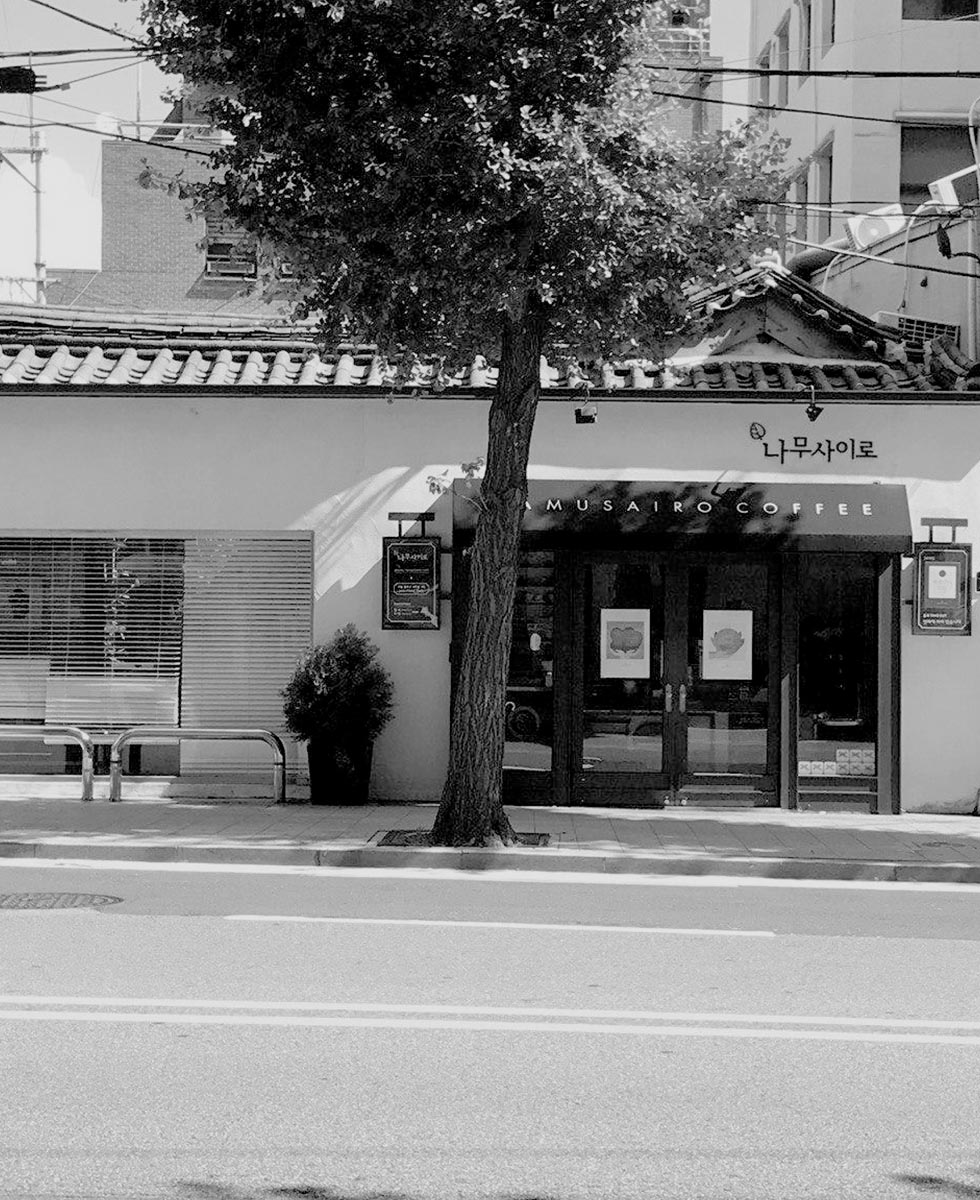
Namusairo
Blend 18
Blend 18
Driven by a passion for good ingredients and long experience in roasting, Namusairo has quietly walked the same path for 18 years. It puts as much effort into visiting coffee-growing regions in person and building healthy partnerships with producers as into introducing quality coffee. Together with Coffee Libre, it is counted among the leaders of Korean specialty coffee. It runs Cafe Namusairo in Naeja-dong, Jongno-gu, Seoul, and the Seokun-dong Coffee Bar in Bundang, which serves as Namusairo’s headquarters and roasting room.
Instagram: namusairocoffee
Website: www.namusairo.com
Why we recommend this bean
Namusairo turns 18 this year. The coffee market grows and changes by the day, and we have seen many changes, outside and inside. Even so, we have stayed true to the basics and kept pursuing the highest quality. Blend 18 takes ‘Basic & Classic’ as its keywords and combines three single-origin beans. The raspberry and grape notes come from La Loma Natural, and the deep, lingering fragrance is characteristic of washed coffees such as La Loma Gesha. Ethiopia Ana Sora adds jasmine aromas and a firm body, so each bean’s individuality comes through beautifully.
Tips for brewing this bean at its best
Since this is a seasonal blend made for the time of year, we hope you will drink it warm and clear, under the round sunlight of a blue autumn sky. Any brewing method will do.
Prepare 15–20 grams of coffee and bloom it with 40 grams of water for about one minute. Pour about 120 grams of water in two pours, then add 80–100 grams of hot water to taste.
— Bae Junseon, CEO
Blend: ❶Colombia La Loma Natural · Colombia La Loma ❷Ethiopia Ana Sora
Tasting notes: Grape juice / Jasmine / Sweet and fragrant
Country: ❶Colombia ❷Ethiopia
Region: ❶Pitalito, Huila ❷Guji
Farm: ❶La Loma ❷Ana Sora
Producer: ❶Rodrigo Sanchez Valencia ❷Israel Degfa
Altitude: ❶1,650m ❷2,350m
Varieties: ❶Caturra · Gesha ❷Ethiopian Heirloom
Process: ❶Natural ❷Washed
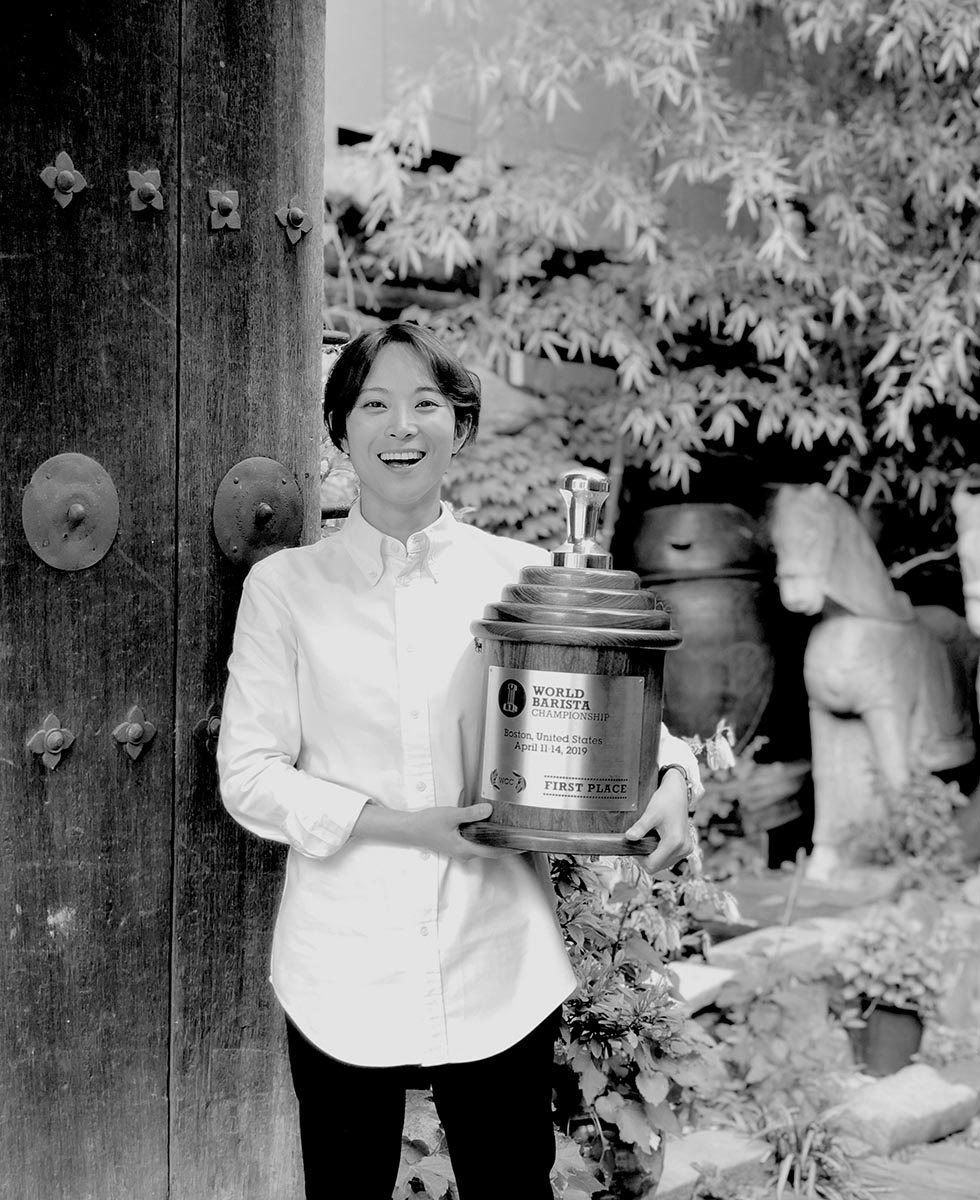
Momos Coffee
Colombia DelAgua Campo Alegre
Colombia DelAgua Campo Alegre
Barista Jeon Juyeon became the first Korean to win the World Barista Championship (WBC), in 2019. Momos Coffee, where he works, leads Busan’s specialty coffee scene and has put the city of Busan on the map for coffee lovers around the world. It started in 2007 as a tiny four-pyeong (about 13 square meters) café in the Oncheonjang area of Busan, and today it operates in a larger space on the same spot. It also has a location in Centum City Mall.
Instagram: momos_coffee
Website: www.momos.co.kr
Why we recommend this bean
Processing one kilogram of coffee uses about 40 liters of water. Consider the environmental impact of the water polluted in the process, and the drop in coffee yields caused by global warming, and the coffee industry can no longer set environmental issues aside. DelAgua coffee is a leading example of sustainable growth in specialty coffee. Of all natural resources, DelAgua takes protecting water especially seriously. It minimizes the water used in processing and insists on natural processing only. This approach is said to save about 880,294 liters of water a year. At the same time, to raise quality, the coffee goes through lactic fermentation before drying. The result is a bright, fruity acidity and a clean flavor. We hope DelAgua’s coffee, which goes beyond the idea of premium coffee to consider the environment, will lead you to think with us about the sustainability of specialty coffee.
Tips for brewing this bean at its best
Why not use a Kalita Wave dripper and brew to bring out sweetness and balance? Put 20 grams of beans in a Kalita Wave 185 and bloom with 40 grams of 90°C water for about 30 seconds. Then pour 80 grams, 100 grams, and 80 grams of water in turn. A total brewing time of 2 minutes 20 seconds is ideal.
— Jeon Juyeon, Director
Single Origin
Tasting notes: Cherry / Cinnamon / Cacao
Region: Sierra Nevada de Santa Marta
Farm: Campo Alegre
Producer: Jose Ferley Rodriguez
Altitude: 1,457m
Variety: Castillo
Process: Natural
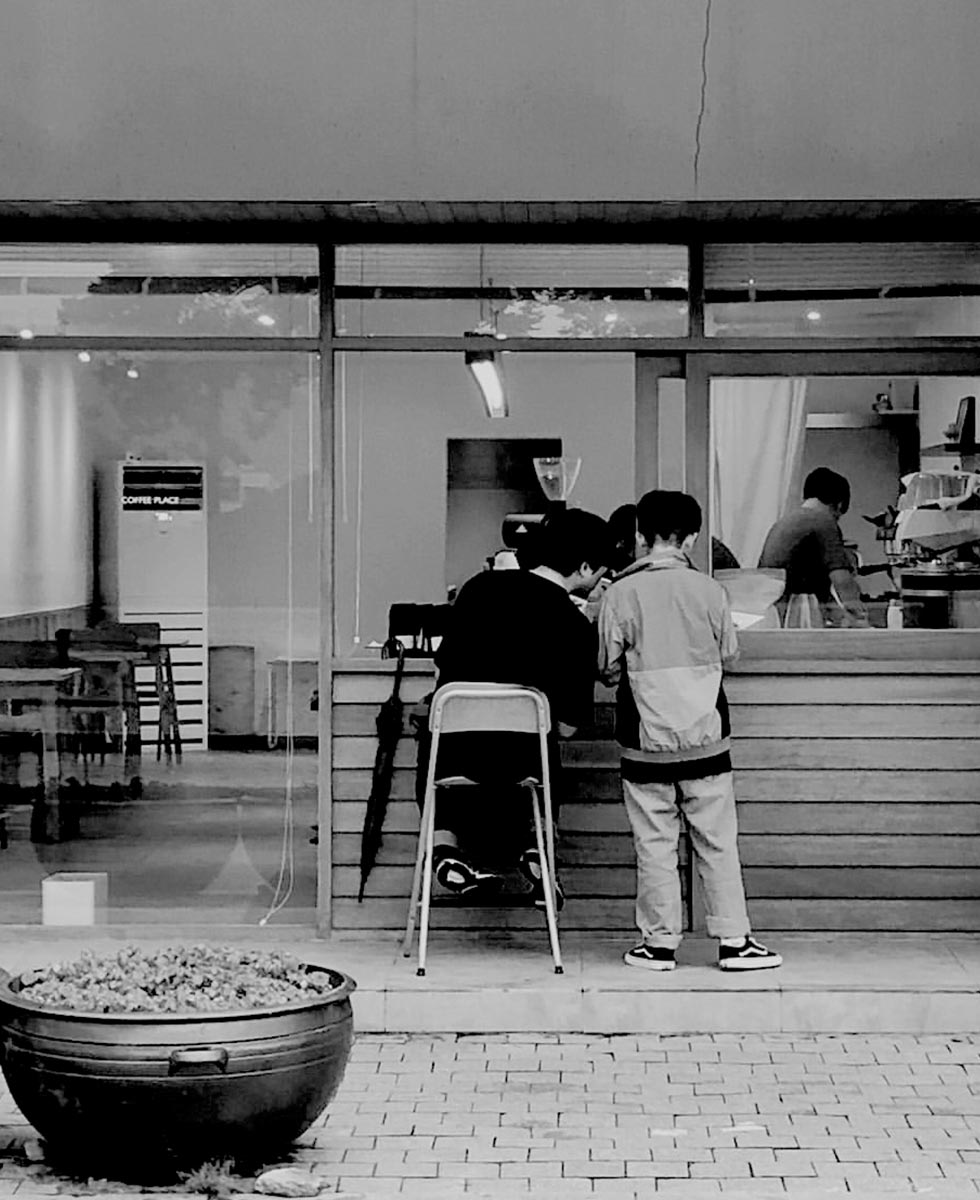
Coffee Place
Midnight Blend
Midnight Blend
Facing Bonghwangdae, a vast royal tomb overgrown with ancient trees in Gyeongju, Coffee Place believes that a cup of coffee on an ordinary day is worth as much as any special, expensive one, and it puts that belief into practice. It does serve high-end coffees, but its ultimate goal is to become an essential part of the local community by offering residents high-quality coffee at reasonable prices. That effort is probably why it has so many longtime regulars. Besides the flagship store, it has several branches around Gyeongju, as well as in Pohang and Busan.
Instagram: coffeeplace.go
Website: www.coffeeplace.kr
Why we recommend this bean
Midnight Blend is the most affordable coffee among the beans we carry. It was born from the idea of blending nutty, sweet Brazilian beans with fragrant Yirgacheffe to make a coffee that is inexpensive and easy for anyone to enjoy. We chose Brazil Santa Ines Pulped Natural because it shows that nutty, sweet character typical of Brazilian beans cleanly. A coffee that is too heavy in body, or that falls short in cup clarity, makes it hard to build a good blend. To add the acidity and floral fragrance that might otherwise be lacking, we used Yirgacheffe Kochere G2. After all, blending is the work of creating the aroma and flavor you want from individual beans. Yirgacheffe beans are known for their jasmine-like floral notes and moderate acidity.
Tips for enjoying this bean at its best
There are plenty of good, expensive coffees, but I thought we also needed a coffee that is cheap and still good. Perhaps because of the low price, many people drink it in all sorts of ways. Some use a home espresso machine, and others brew a large batch at once in a coffee maker.
— Jeong Dongwook, CEO
Blend: ❶Brazil Santa Ines Pulped Natural ❷Yirgacheffe Kochere G2
Tasting notes: Orange / Cherry / Macadamia / Chocolate
Origin: ❶Brazil ❷Ethiopia
Region: ❶Santa Ines ❷Yirgacheffe
Farm: ❶Carmo de Minas, Sul de Minas ❷Kochere
Altitude: ❶1,000–1,300m ❷1,900m
Variety: ❶Yellow Bourbon ❷Ethiopian Heirloom
Process: ❶Pulped Natural ❷Fully Washed
Coffee Montage
El Injerto Legendary Gesha Los Pinos
El Injerto Legendary Gesha Los Pinos
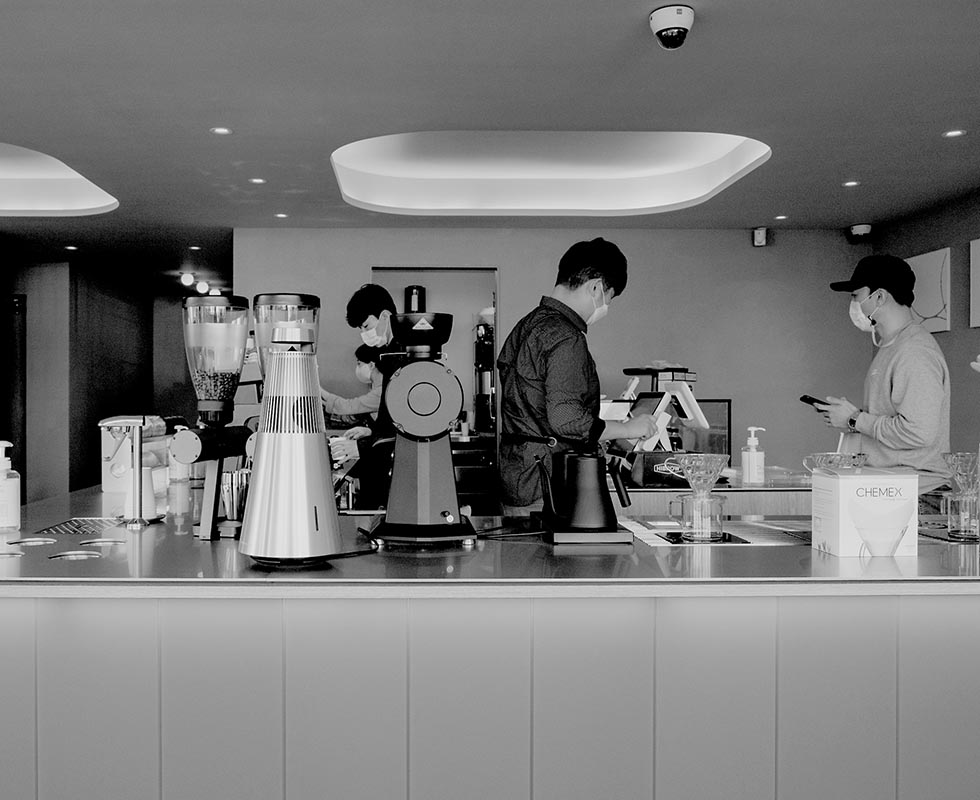
Coffee Montage describes itself as an outsider and a contrarian in Korea’s specialty coffee scene. It began as a roasting business and has been building its own identity by observing specialty coffee markets at home and abroad. Its ultimate goal is to keep exploring the essence of coffee and to find and introduce more distinctive, rarer specialty coffees. Its café in Seongnae-dong, Seoul, recently reopened after a renovation, and its roasting room is in Hanam.
Instagram: coffeemontage
Website: www.coffeemontage .com
Why we recommend this bean
We first came to know El Injerto at the Cup of Excellence in 2014, our first time taking part. The coffee that placed second at the Guatemala Cup of Excellence impressed us more than the one that took first, and the farm that entered it was El Injerto. Since 2018, we have won coffees every year at the auction that El Injerto holds itself. This year, the auction’s tenth anniversary, we found samples of especially high quality. The Gesha variety stood out in particular, and we won it after fierce competition. This coffee, called Legendary Gesha Los Pinos, shows a level of flavor entirely different from the coffee we usually drink. I believe what we experienced on the journey from the Cup of Excellence to El Injerto’s Gesha reflects Coffee Montage’s goal: starting as a roaster and seeking out rarer, more special coffees within specialty coffee.
Tips for enjoying this bean at its best
I think the most basic brewing method, pour-over, works best. I recommend a Hario V60 dripper. When brewed, this coffee shows a complex flavor in which herbal notes blend with the acidity and sweetness of fruit. Since its aroma is stronger than most other coffees, it suits a lighter, tea-like extraction. Grind 16 grams of beans to the coarseness of coarse salt, pour in 40 grams of water at 92°C, and let it bloom for 30 seconds. Then pour in 200 grams of water all at once to brew. A total brewing time of under two minutes is ideal.
— Shin Jaewoong, CEO
Single origin
Tasting notes: Bergamot / Lavender / Rosemary / Peach / Grapefruit
Origin: Guatemala
Region: Huehuetenango
Farm: El Injerto
Producer: Arturo Aguirre
Altitude: 1,890m
Variety: Gesha Central America (seeds from Panama)
Wet Process


