
Where Is Your Next Destination? — Exploring New Destinations
Pitch by Letter, Pitch by Pitch’s travel newsletter, introduces lesser-known destinations. From remote volcanic La Reunion and Wes Anderson’s Chinchón to Oregon’s outdoor playground and Europe’s first Dark Sky Sanctuary, find fresh inspiration for your next trip.
Where is your next destination? — Exploring new destinations
“Destination of the Week” is the section of “Pitch by Letter,” the travel newsletter published by Pitch by Pitch, that introduces new or unfamiliar places to travel. We have gathered the destinations we have covered so far, from film locations to cities every music lover should visit to regions that stir the adventurous spirit of explorers and outdoor enthusiasts. By the time you scroll to the bottom, there should be at least one place you want to go.
Words Pyo Youngso
A place for true adventurers
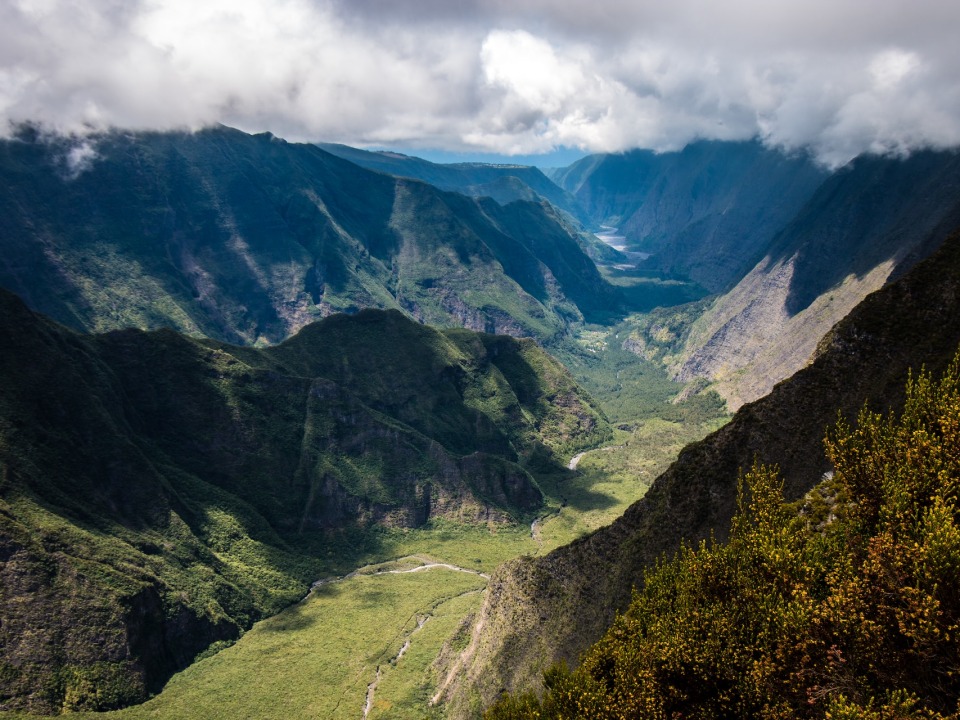
Does anyone know where La Reunion is? If you have no idea, try finding Madagascar or Mauritius on the map first. La Reunion is a small island in the Indian Ocean, about 680 kilometers east of Madagascar and about 175 kilometers southwest of Mauritius. A volcanic island of some 800,000 people, it belongs to the Mascarene Islands and is one of France’s overseas territories. Its dynamic natural scenery, hard to find anywhere else, is the main reason so many travelers come. Inland, you will find Piton de la Fournaise, one of the world’s most active volcanoes, along with peaks rising well above 2,000 meters, vast canyons and waterfalls, and dense jungle, while the coast offers everything from whale watching to all kinds of water activities. Trekking that takes you through the island’s interior on foot and canyoning, an extreme sport done in the gorges, are also considered must-try experiences. The contrast between white sand beaches formed by coral reefs and black beaches formed by weathered lava is another distinctive charm. Getting there takes some effort, but if a “once-in-a-lifetime travel experience” is on your bucket list, or if you want the ultimate adventure, it is a destination well worth taking on.
Where is the setting of Wes Anderson’s new film?
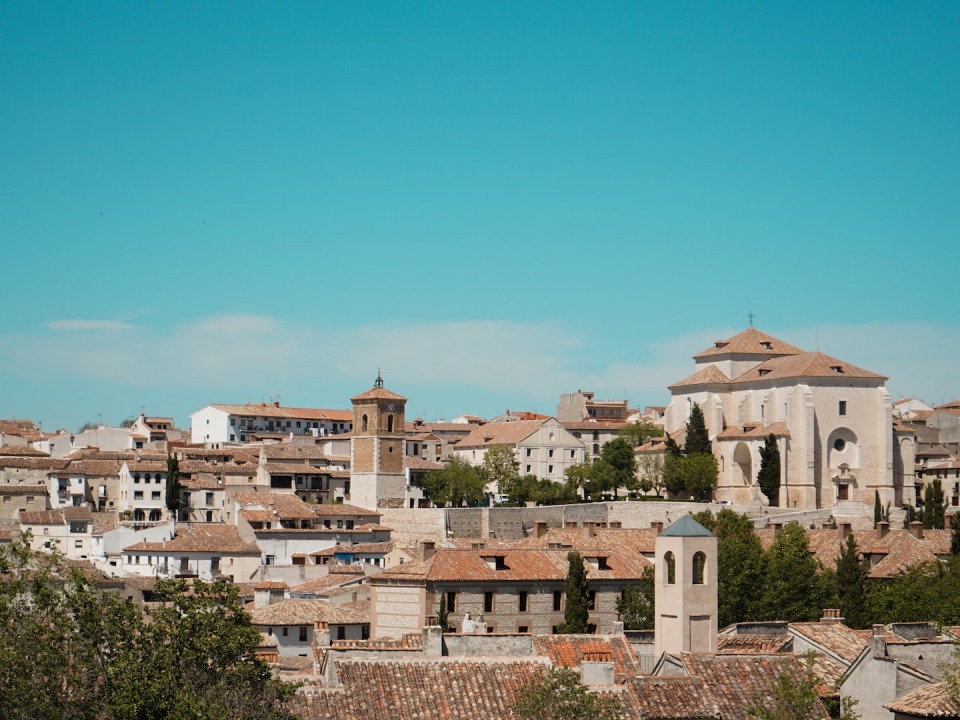
The 76th Cannes Film Festival has come to a glamorous close. A total of 21 films were invited to the competition, and Wes Anderson’s new film “Asteroid City” was one of them. A sci-fi romantic comedy, it is set in a fictional desert town where an asteroid once fell, and follows the events of a Junior Stargazer convention held in 1955. Along with Arizona in the United States, Chinchón, Spain, reportedly served as the stage for the fictional town. Arizona connects naturally with a desert town, but Chinchón is an unfamiliar name.
Located 45 kilometers southeast of Madrid, Chinchón is a small town of about 5,200 people. Vineyards and olive groves spread around the medieval-style town, and the Plaza Mayor, built in the 15th century, occupies its center. Ringed by period houses with arcades and green balconies, this square is the town’s signature attraction. Other sights include the church that holds a painting by Goya, a clock tower, and a castle, and there are several open-air restaurants and bars where you can savor the unhurried pace of a small town. Every February, a carnival and a large medieval-style market liven up the little town more than at any other time. If you are looking for a day trip or two-day getaway from Madrid, add Chinchón to your list.
Travelers are happy only when locals are happy
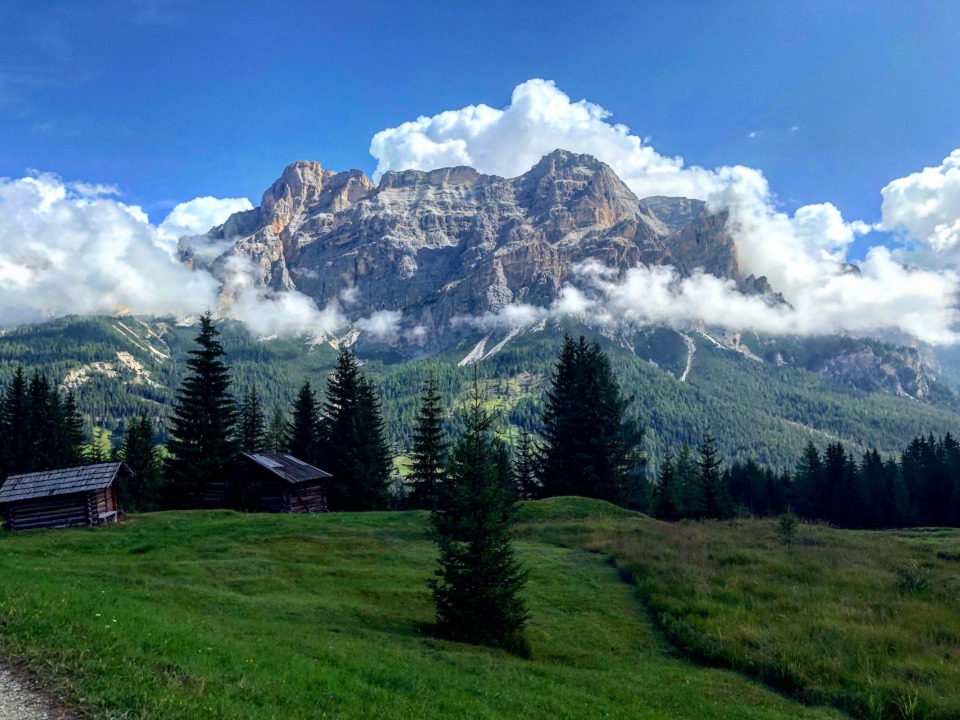
Not long ago, CNN reported on how Trentino-Alto Adige in Italy is responding to overtourism. An autonomous region at Italy’s northern tip bordering Austria, Trentino-Alto Adige is famous as the gateway to the Dolomites. Travelers from around the world gather for its spectacular scenery of rugged rock ranges, glacial lakes, and charming mountain villages, plus outdoor activities such as hiking and rock climbing in summer and skiing in winter.
As visitor numbers have surged over the past few years, the region’s nature and resources have reached their limits (reportedly, Airbnb listings in the region have grown by 400 percent in the last five years). Traffic congestion and housing shortages threaten the lives of locals, and the quality of the trip travelers experience is steadily declining as well. In the fall of 2022, a law was enacted banning licenses for new accommodations, including Airbnbs, in Alto Adige. Unless an existing property closes, no new lodging will open in the region. Lago di Braies, which has suffered from day-trippers, has required advance reservations for all vehicles during peak season since 2021, and Alpe di Siusi, a high-altitude alpine meadow, also restricts vehicle traffic except for public transportation.
If you hope to travel to the Dolomites someday, keep this in mind. Only when the magnificent scenery, surrounded by peaks over 3,000 meters and sheer rock walls, and the daily lives of the locals are well protected can you have a truly satisfying trip.
For outdoor enthusiasts
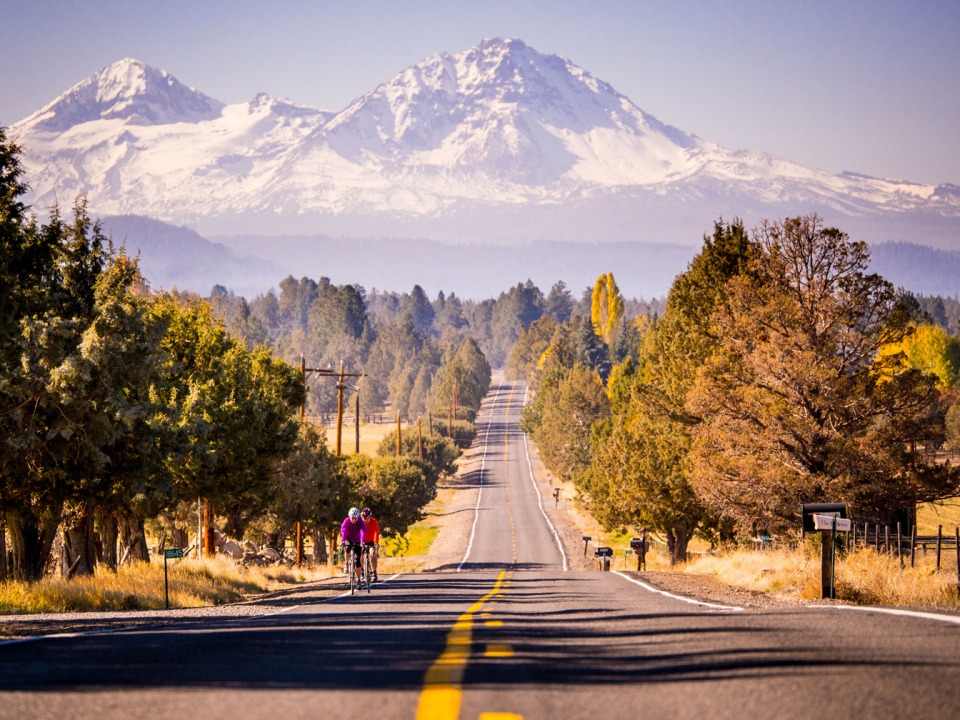
Travel Oregon’s Korea office has begun operations. Many of us know Oregon as the home of Portland, the city of Kinfolk and Stumptown, but its greatest appeal is arguably its varied nature, which swings between extremes: rocky coastlines, forested woodlands, parched deserts, volcanoes, and glaciers. That is why it is called a mecca for outdoor activities. Bend, the largest city in Central Oregon, is a destination outdoor enthusiasts simply cannot pass by. To borrow Lonely Planet’s phrase, it is a place where you can “ski in the morning, kayak at lunch, and golf in the evening.” It is also one of the best fly-fishing regions in the United States. The Deschutes River, which runs through the city, allows kayaking, stand-up paddleboarding, and even surfing, and hiking and cycling trails crisscross the area. Just outside downtown, Smith Rock State Park, a famous rock climbing destination, awaits. With nearly 300 days of sunshine a year, the mild weather is also ideal for outdoor pursuits.
After pouring your energy into outdoor activities, visit a brewery and enjoy Oregon craft beer. There are about 250 breweries in Oregon alone that pursue sustainability, collaborating with local farms and using renewable energy, and several well-known ones, including Deschutes Brewery and Worthy Brewing Company, actively brew in Bend.
A sanctuary of dark night skies
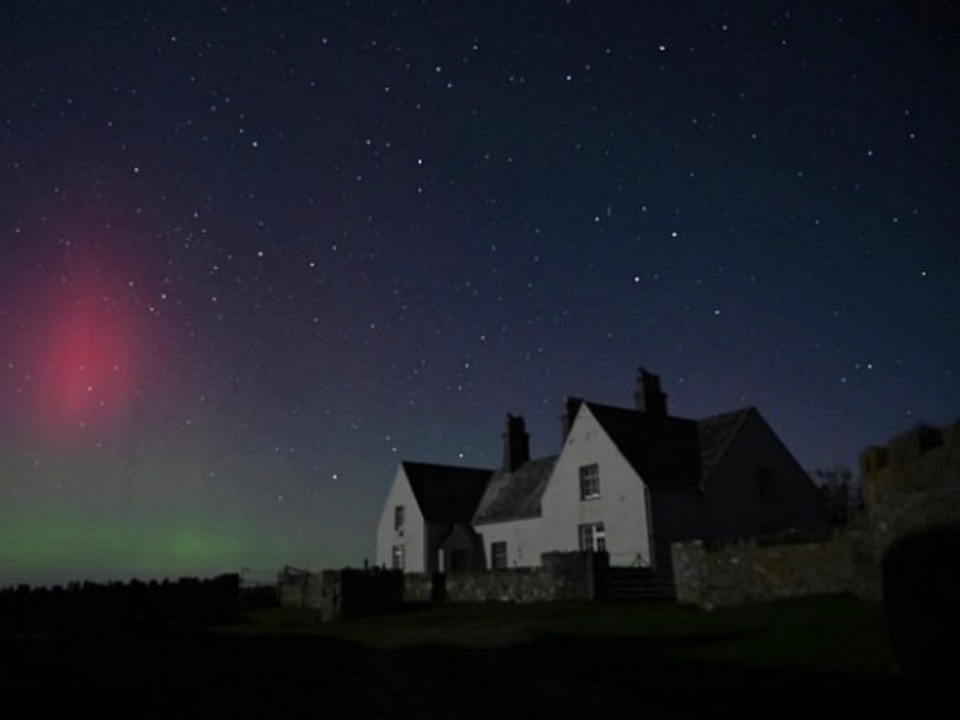
Last February, Bardsey Island (Ynys Enlli in Welsh) in North Wales was designated Europe’s first International Dark Sky Sanctuary. The International Dark-Sky Association, founded to protect the night sky from light pollution and restore nocturnal environments, designates protected night sky areas around the world in five categories: sanctuary, park, reserve, place, and community. Among them, the most remote (and darkest) areas, which need careful protection, belong to the sanctuary category. The certification criteria are correspondingly strict (to assess whether the island’s night sky qualified as a sanctuary, a monitoring program was reportedly carried out for four whole years).
About 3 kilometers off the Llŷn Peninsula on Wales’s northwest coast, Bardsey Island is a small island 2.5 kilometers long and 1 kilometer wide. It is home to a wealth of wildlife, including marine animals such as gray seals, birds, and some 350 species of plants, and is also renowned as a religious pilgrimage site where 2,000 saints are said to lie buried. In 1979, the Bardsey Island Trust bought the island and has since worked to protect not only its ecosystem and wildlife but also its distinctive culture and art, buildings, and historic sites. Bardsey Island is open to the public only from March to October. During this period, day tours are possible by boat trip (with a stay of three to four hours), and to spend a weekend on the island, you must book one of the nine rental houses run by the Bardsey Island Trust.
If you would like to learn more about light pollution and the importance of “dark” night skies, read “Protect the Stars in the Night Sky” in Pitch by Magazine Issue 10.
In search of baobab trees
“Earth Marble World Trip” has come to an end. The program sent three famous travel YouTubers around the world in the style of the board game Blue Marble. Honestly, I don’t think it was a great concept: it pitted the three against each other by view counts, and its rules required them to cover a distance equal to five trips around the Earth in three weeks. On top of that, the grand prize was a ticket to space, the ultimate carbon-emission machine. It has nothing to do with the essence of travel, and it is a long way from sustainable travel.
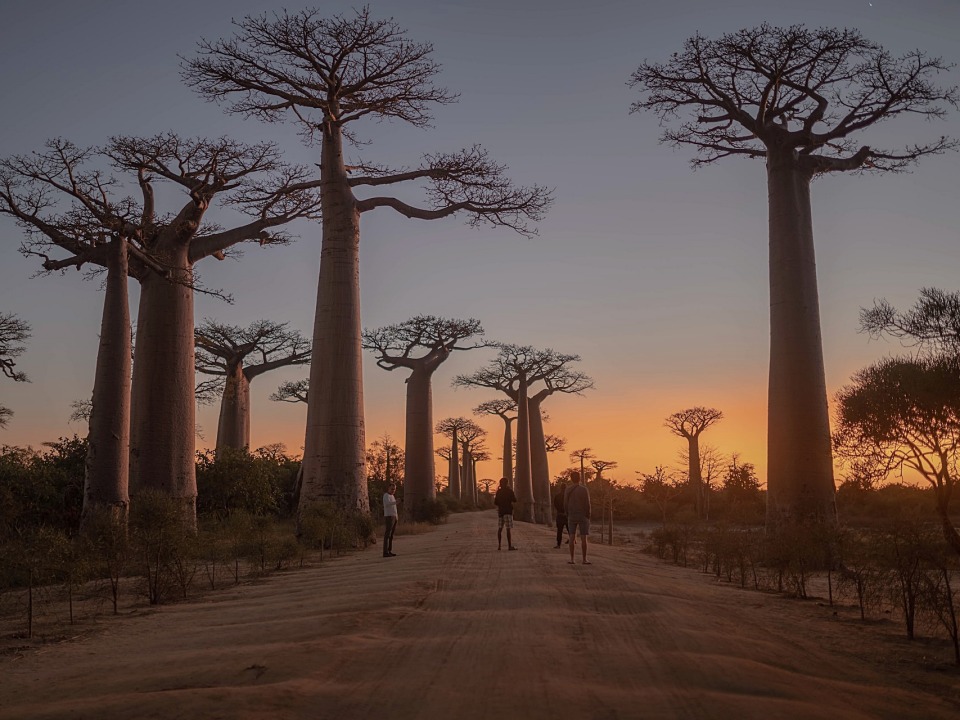
Still, I kept watching, because of the individual charm (and skill) of each creator as a traveler. In a recent episode, one of them ended up in Madagascar. With limited time, our protagonist went all in on “seeing the baobab trees.” After 27 hours of travel, he reached the capital, Antananarivo. The next day, after another 15 hours in a minivan, he arrived in Morondava on Madagascar’s west coast, a seaside town famous for its baobab groves. The Avenue of the Baobabs (Allée des Baobabs), where giant baobabs more than 800 years old and about 30 meters tall line a dirt road, is considered Madagascar’s best photo spot. The sunset is said to be especially beautiful. The downside is that this is about all there is to see. Most travelers stop here briefly on their way to Bemaraha National Park (Parc National Bemaraha), known for its spectacular limestone karst landscape, or to Kirindy Forest Reserve (Réserve Forestière de Kirindy), where you can see the fossa, Madagascar’s top predator. There are also off-road tours of three days to a week that run south from Morondava to Tuléar, taking in various native baobab habitats. If you are short on time, you can visit Belo-sur-Mer, 90 kilometers south of Morondava and the center of the traditional wooden dhow, or simply laze around on the town beach.
Singapore’s Neighbor Across the Strait
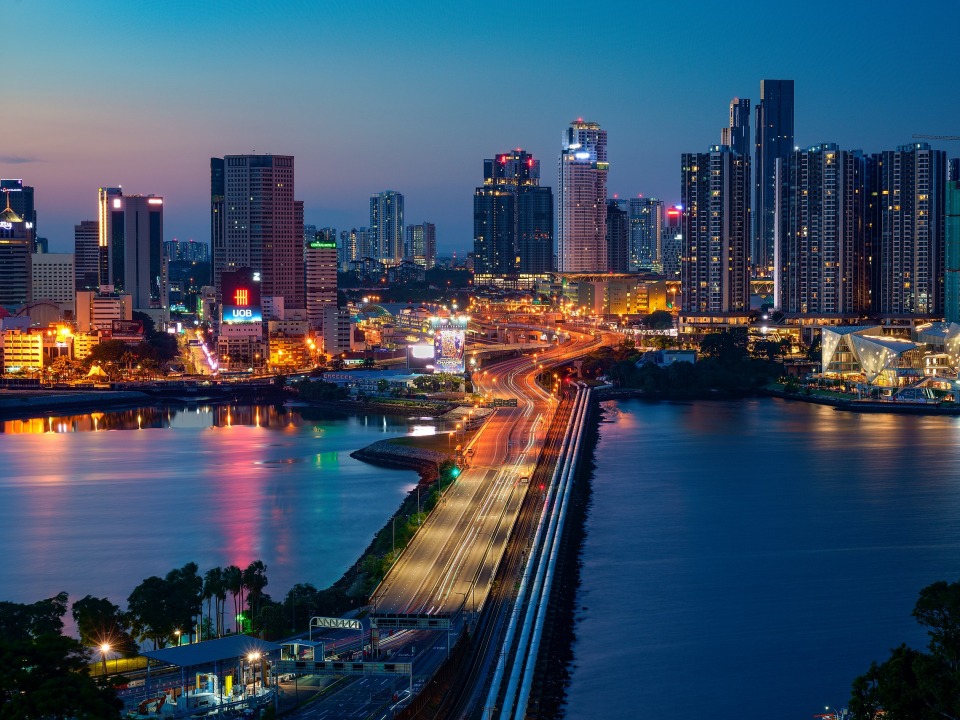
I recently went on a business trip to Singapore. At the wetland reserve on Singapore’s northwestern coast, the high-rises of Johor Bahru across the Johor Strait look surprisingly close (with a birding camera, I’m told, you can even see people’s faces through their windows). Johor Bahru is the capital of the state of Johor and the third-largest city in Malaysia. It is directly connected to Singapore by the Causeway and the Tuas Second Link bridge. You can make the trip in just five minutes by train, or a little over an hour by bus. Islamic, Buddhist, Hindu, and other cultures and religions mingle here, so its main attractions include a variety of temples, buildings, and museums. Families come to Johor Bahru to visit theme parks such as Legoland and Hello Kitty Town & Thomas Town. Big shopping malls and a wide variety of food are also draws, but above all, prices are comparatively cheap next to Singapore. That is why several hundred thousand people commute from Johor Bahru to Singapore, and why Singaporeans head to Johor Bahru for weekend outings. When the Rapid Transit System (RTS) link between Singapore and Johor Bahru is completed in 2026, it will be able to carry 10,000 people per hour in each direction. The languages and cultures differ, but I suspect the border between the two places will only grow fainter.
A Must for Music Festival Lovers
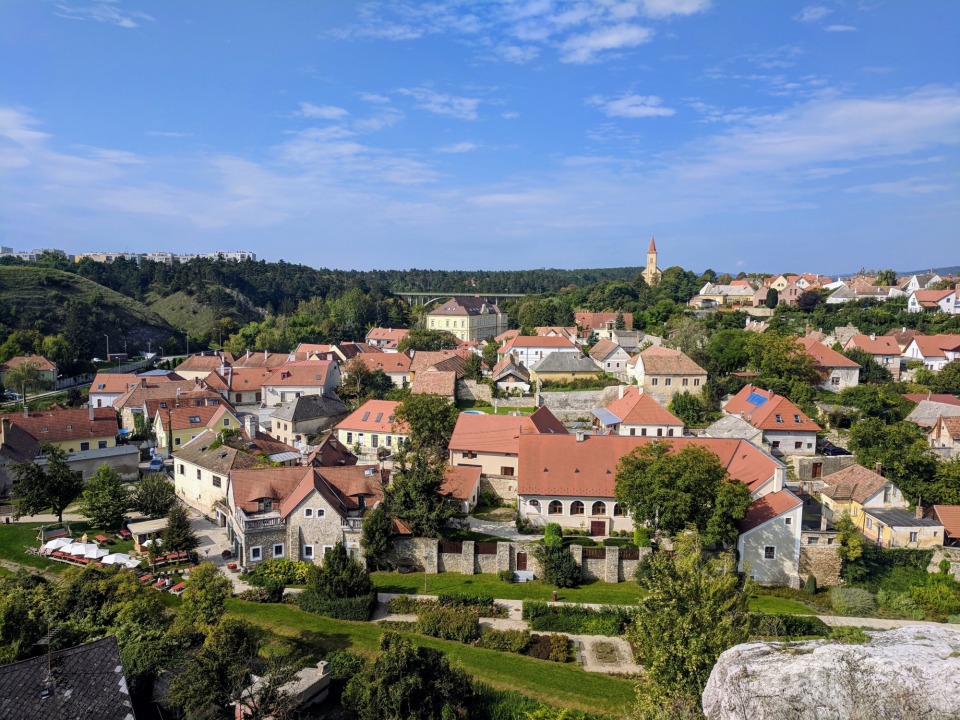
Veszprém, Hungary, has been named a European Capital of Culture for 2023 (together with Timisoara in Romania and Eleusis in Greece). About an hour and 15 minutes by car from Budapest, Veszprém is known as the “City of Queens.” It was beloved by Gisela, who married Hungary’s first king, Stephen I, in the 10th century, and Hungarian queens were crowned here afterward. With a population of only about 60,000, it is a small city, but its thousands of years of history and lively culture come together around Castle Hill, overlooked by Baroque buildings, giving the city a distinctive charm. It is especially strong in contemporary art and music: you can enjoy a variety of exhibitions at contemporary art galleries across the city, and music festivals run all year round. UNESCO named it a City of Music in 2019, so you can take that on trust. This year, as a European Capital of Culture, countless programs are lined up, including exhibitions, concerts, outdoor markets, and literary events. If Veszprém has piqued your interest even a little, now is the time.
Someday, by Train Instead of Plane
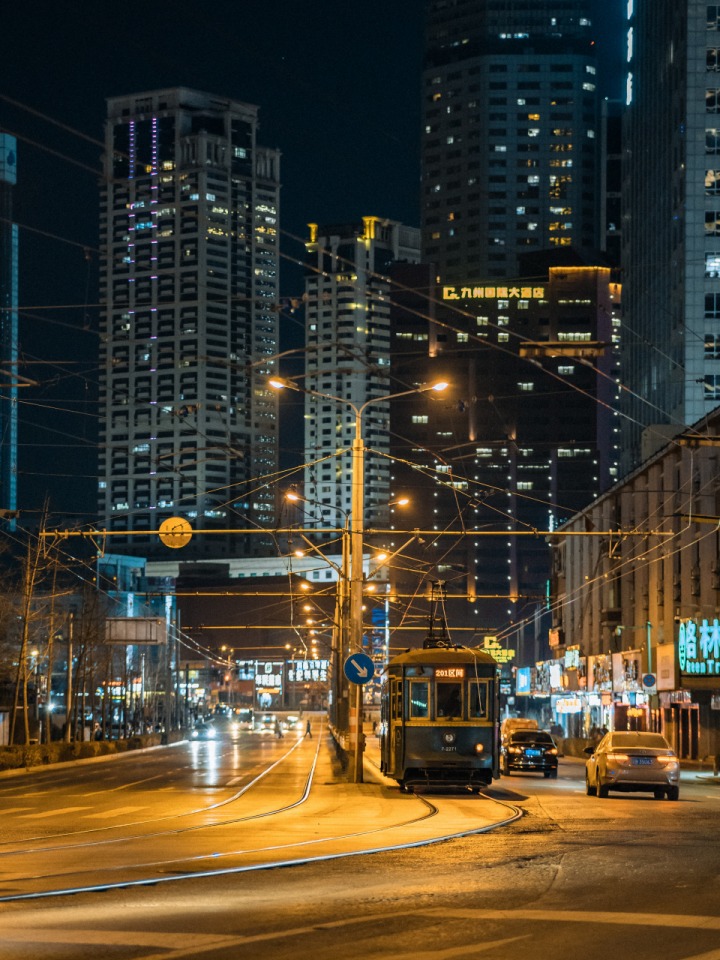
I recently read Kim Hoon’s novel “Harbin.” Centered on Ahn Jung-geun’s assassination at Harbin, it follows his journey. The story begins with a map: the routes that Ahn Jung-geun and Ito Hirobumi traveled over some ten days until they met in Harbin on October 26. While Ahn made his way from Vladivostok to Harbin, Ito took a ship from Shimonoseki, landed at Lüshun in China, and then headed from Dalian to Harbin. Dalian (大連) appears in the novel under its Korean reading, Daeryeon. It is a port city at the tip of China’s Liaodong Peninsula.
A fellow editor at a former workplace came back from a reporting trip to Dalian with harsh words. I think the phrase was something like “a city with nothing to see.” Every time Dalian came up in “Harbin,” I remembered that, and oddly enough, it made me more curious instead. Since the 19th century it was a strategic stronghold coveted by Britain, Russia, and Japan, a city that lived through countless wars. It was the starting point of the South Manchuria Railway, which carried Japan’s ambitions to advance into Manchuria. After it was returned to China in the mid-20th century, it grew on the strength of its ice-free port into an economic and logistics hub of Northeast Asia. I couldn’t help thinking that Dalian’s history must surely be part of its appeal as a destination today.
The Dalian I found in photos was far neater than I had expected. High-rises jutting up beyond a wide harbor, boulevards cutting dazzlingly across the city, elegant European-style buildings dotted around, and vast stretches of greenery in the city center all lived up to the label of a cosmopolitan city. They even say the air is clean and you can swim at the beach. I imagine a train running from Seoul to Dalian along the Yellow Sea coast. I don’t know whether that day will ever come, but it seems like it would be a pretty good route.
Pinocchio and Alessandria
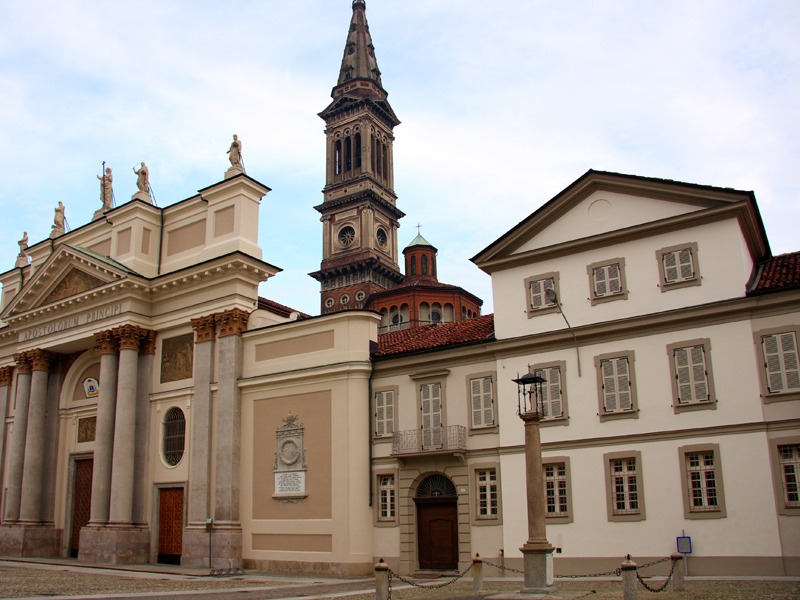
“Guillermo del Toro’s Pinocchio,” released on Netflix in late 2022, is a stop-motion animated film. It reportedly took more than 1,000 days to shoot, and it is so intricate and beautiful that it feels like a world that really exists. Among its scenes, the small mountain village where Geppetto lives, ringed by rugged peaks, seemed like a place that truly exists somewhere. Where was it set? Around the midpoint of the film, when Geppetto begins his journey to find Pinocchio, who has left with a circus troupe, a signpost reading Alessandria appears, and my curiosity was settled. Geppetto must have been living in a small mountain village near Alessandria.
Alessandria is a small city in Italy’s Piedmont region. The world-renowned scholar and novelist Umberto Eco was born here (his novel “Baudolino” has Alessandria’s patron saint as its protagonist). Geographically, it sits at the center of the triangle formed by three major cities in northwestern Italy, Milan (Lombardy), Turin (Piedmont), and Genoa (Liguria), and it is connected to all three by train, serving as a rail hub. Apart from Alessandria Cathedral and the remains of a hexagonal city wall built in the 18th century, there is nothing spectacular to see, but you can enjoy strolling the narrow alleys and seeking out the small shops, restaurants, and bars scattered about. If you ever find yourself staying in Milan, Turin, or Genoa, a day trip to Alessandria would be a good way to feel the charm of a small town in northern Italy.


