Vintage in Busan
Cafe Gomulsang is filled with 1970s and ’80s furniture its owner collected piece by piece, plus music from that era. Upstairs, Jageunzip serves as both an Airbnb stay and an open space. Vintage shop owners share how they see Busan.
Vintage in Busan — Busan Vintage
‘Whose clothes were these?’ ‘What kind of person were they?’ Looking at the garment in front of me, I picture a person. The clothes become a ticket to a particular past, and I find myself traveling through time. If the imagining is fun, I buy the piece. I also feel as though I’m stitching together a fragment of someone’s broken-off life. A kind of theatrical device, you might say, for draping another person’s life over my own body. Busan has quite a few vintage shops scattered all over. So why doesn’t ‘vintage’ appear in Busan’s related search terms?
Interview & Photos local’s locations
Search for the YouTube channel ‘local’s locations’
Cafe Gomulsang (Junk Shop Cafe) & Jageunzip (Little House)
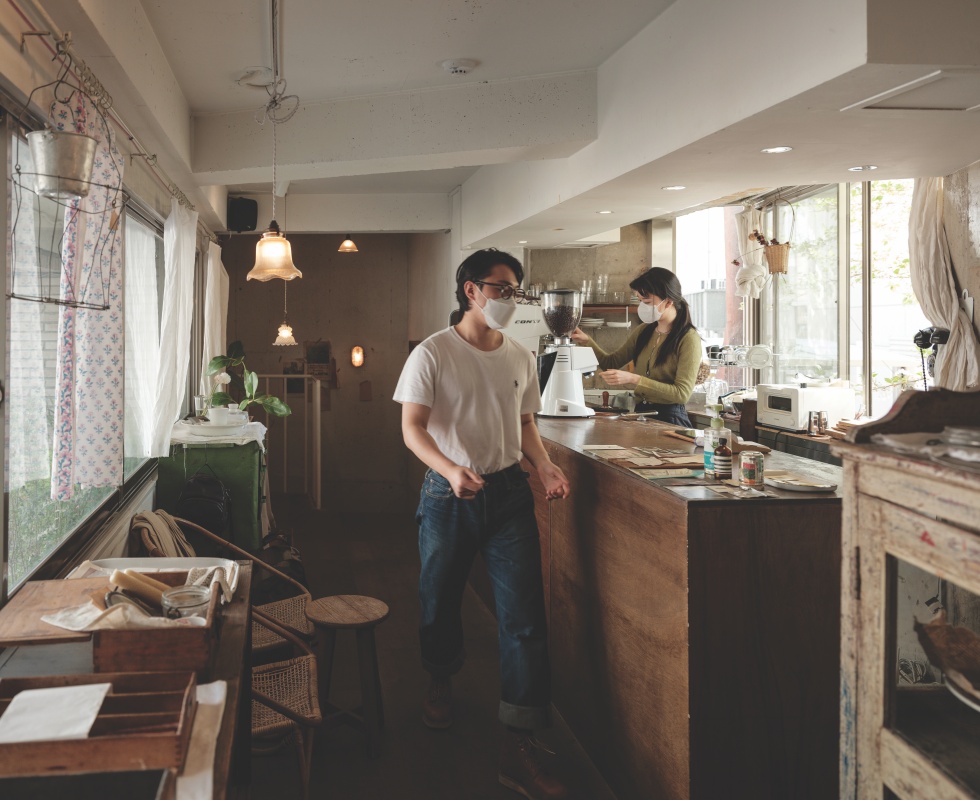
Hong Seokhyeon, owner of Cafe Gomulsang & Jageunzip
Before moving to Busan, there was nothing much to tell. I majored in directing and worked as a staff member at a theater troupe in Daehangno.
Where the interest began My mother influenced me a lot. When I was little, our house was full of vintage furniture and denim. Thanks to that, I came to know that style naturally, and once I had a home of my own as an adult, I naturally started collecting vintage items. Later, I also gathered a lot of furniture and small objects from trips to Japan, France, Portugal, India and elsewhere. One day I came to my senses and realized this is how it turned out. (Laughs) I think I’ve been collecting steadily for about ten years. The standing sign in front of the shop, I picked up at Daebyeon Port over in Gijang.
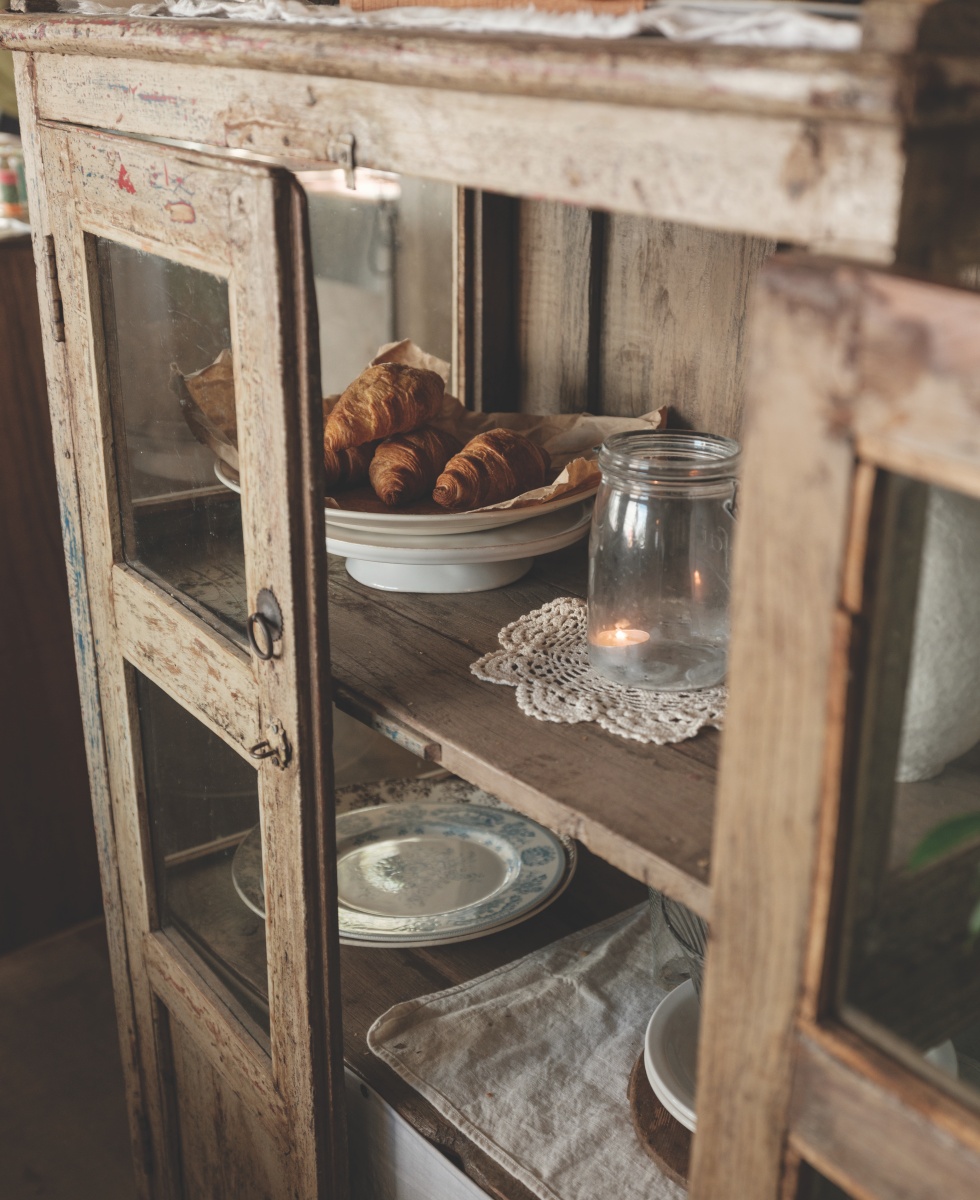
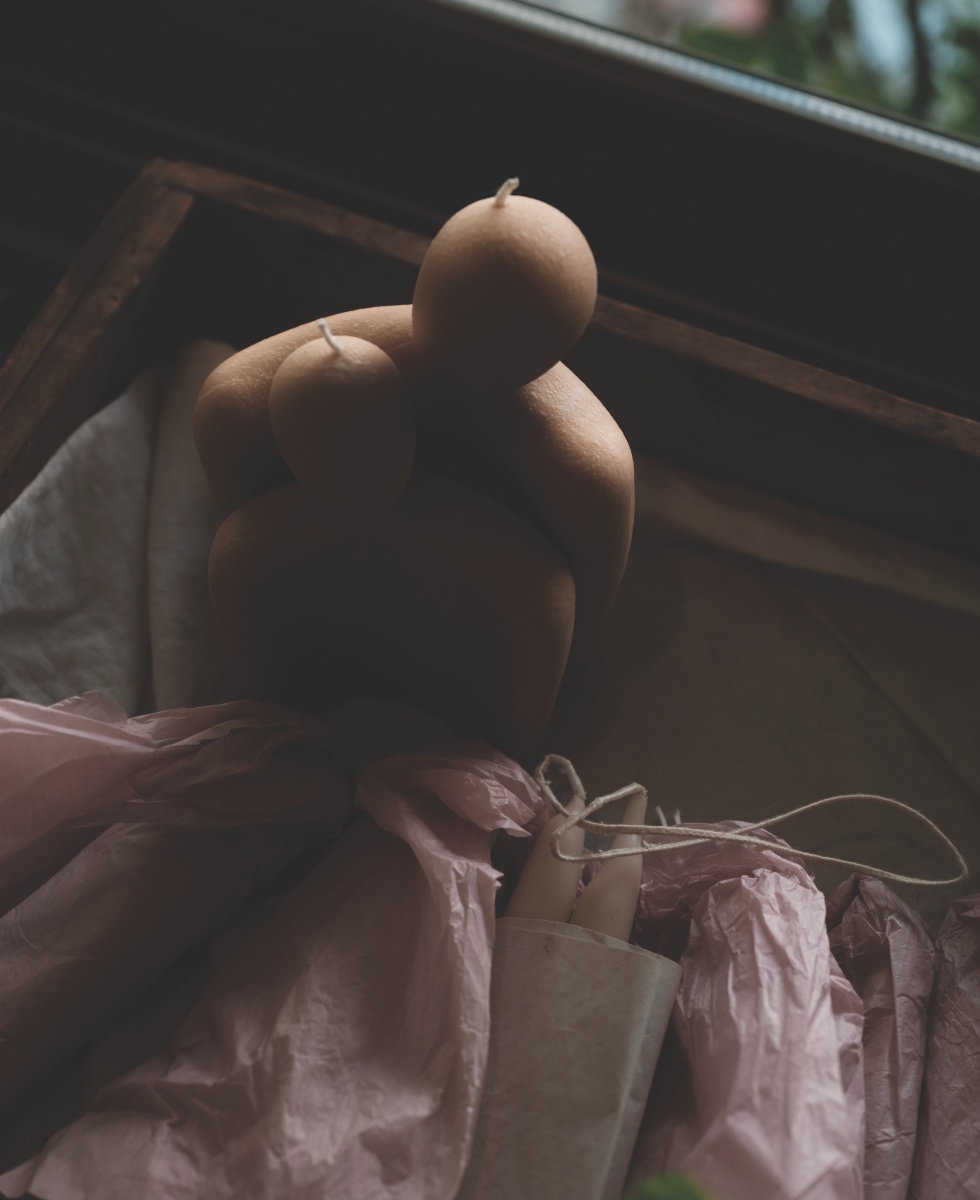
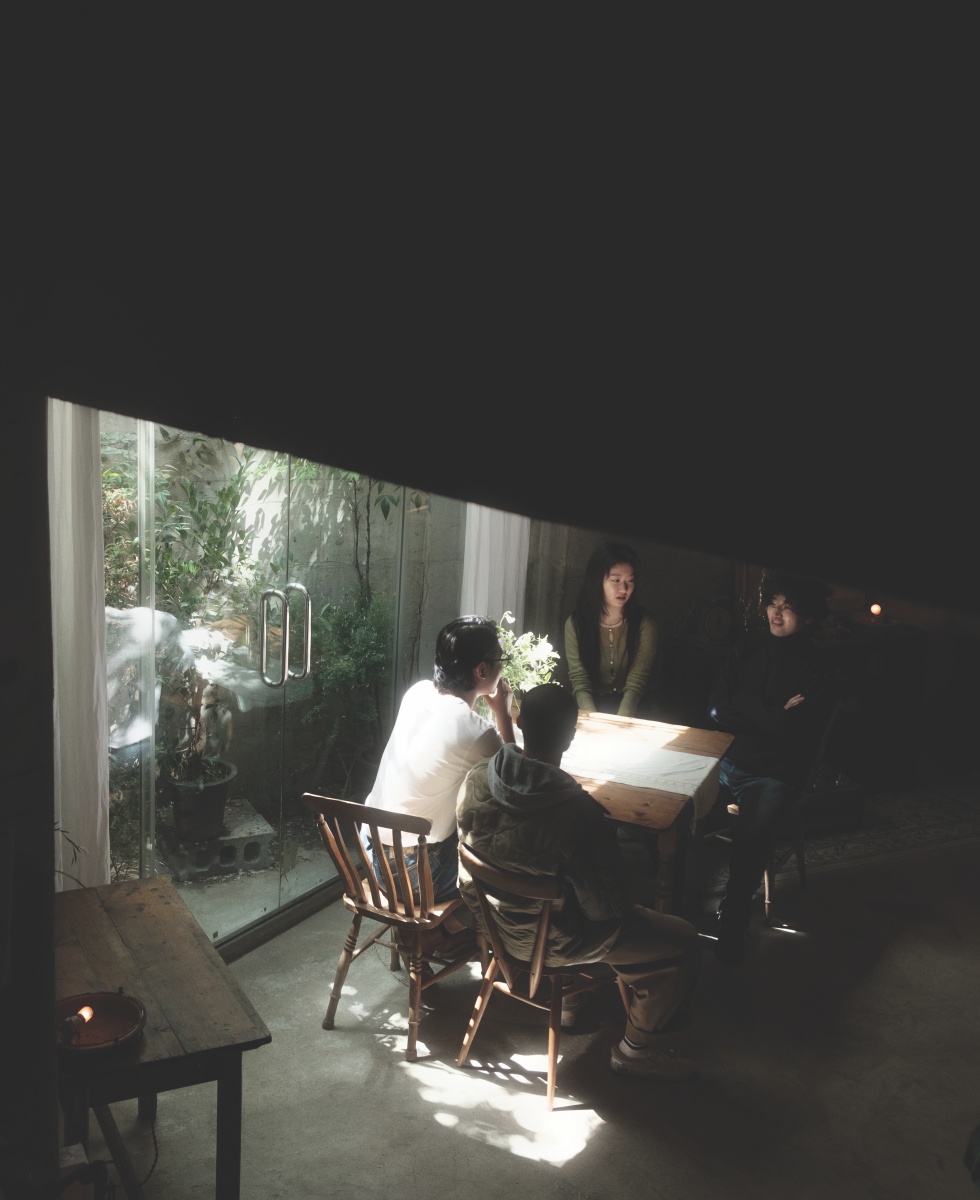
The time of Cafe Gomulsang Most of the furniture I’ve collected dates from the 1970s and ’80s. I guess, without realizing it, I prefer the designs and materials of that era. The same goes for music: I like songs from those days, such as Yang Hee-eun and Cho Deokbae. I like listening on cassette tapes or LPs, and the cassettes that are easy to find are naturally from that period, aren’t they? I like the comfort of things that are raw, unembellished, a little creaky. I want to be that kind of person, and I hope Cafe Gomulsang becomes that kind of space. A natural, unadorned feel.
The shop’s vintage furniture I didn’t buy anything separately for the cafe. Everything is what I used myself. (Pointing to the table we’re sitting at) This is my own desk and chair. My taste has always been about the same. I like wooden furniture, so I look closely at the grain. In a word, Cafe Gomulsang is a space where I’ve gathered all of my vintage. In a way, you could say it’s me.
The appeal of vintage I think it’s that you can discover the value yourself. You have no idea what it cost or how it was actually used, so you’re the one who decides an object’s value and purpose.
Jageunzip We use the third floor as our studio and an Airbnb stay, and my personal hope is that the space will be used in many different ways. Among those who have passed through Jageunzip, there was someone shooting a short film and someone who held a wedding. I don’t want to limit Jageunzip to being just ‘lodging.’ I’d like the space to change according to the imagination of whoever uses it.
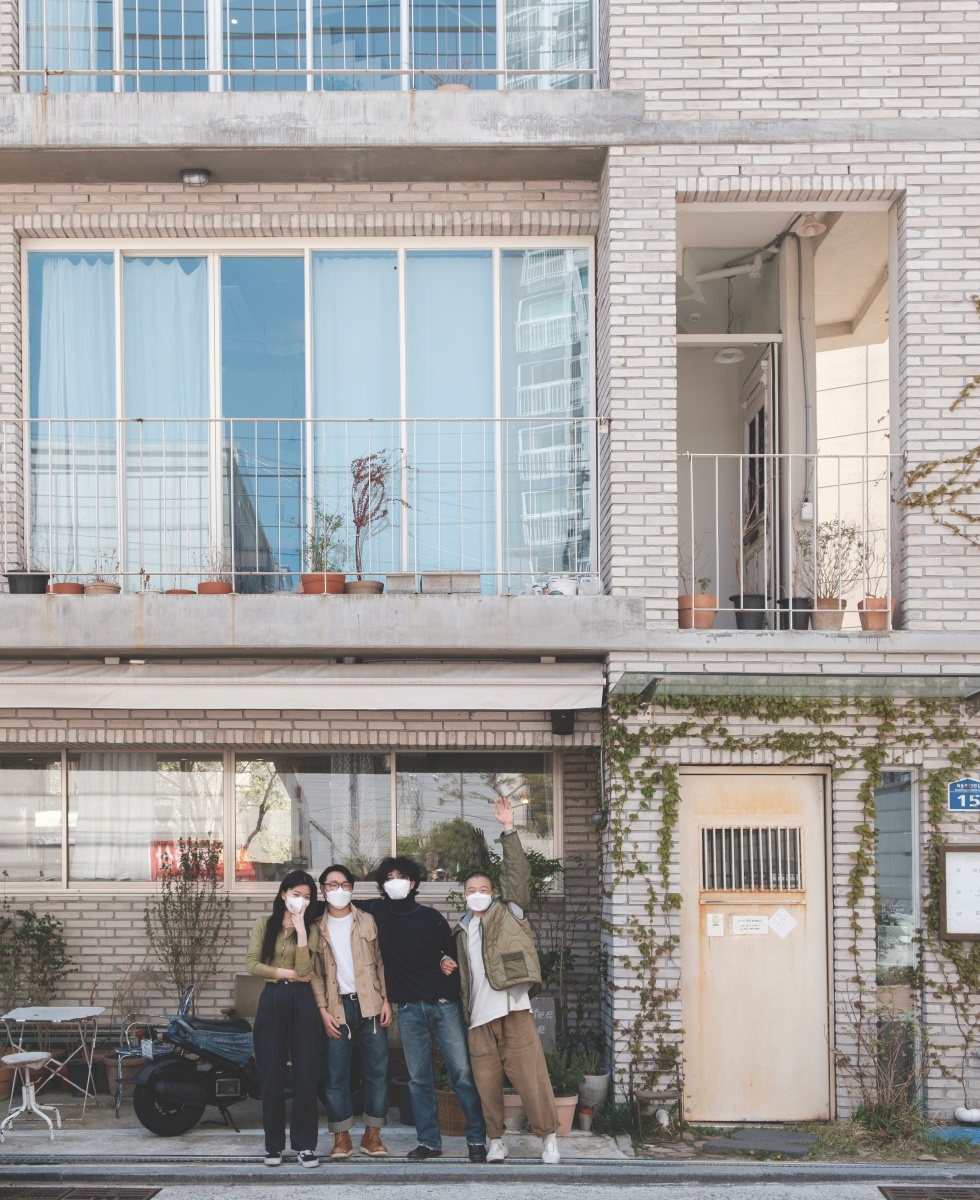
Friends made in Busan I first got to know Forest, a vintage shop in Busan, through online trading, like on secondhand marketplaces. So I was thrilled to hear that a store had opened in front of Kyungsung University. “I love this outfit too. Thank you.” It’s a trivial greeting, but after months of exchanging messages online, I felt we had built a kind of friendship. The moment we met, we became close almost instantly. Another day, I got a message on social media from someone who wanted to work at my shop. I couldn’t hire anyone at the time, so I politely declined, but it made me feel really good. As it turned out, it was Woo Sangdong of Otikoti. The two people who run Forest and Otikoti are best friends from high school. They had no idea about each other, and the moment the puzzle pieces clicked into place, the three of us quickly grew close. We’re similar in age and interests. They’re partners I can talk things over with, and friends I can have a drink with. They’re a big part of my life in Busan.
15 Jwa-dong-ro 63beon-gil, Haeundae-gu, Busan
Cafe Gomulsang : cafe_gomulsang
Jageunzip : zac_en_zip
local’s locations interview video with Cafe Gomulsang & Jageunzip
Nolno & Forest
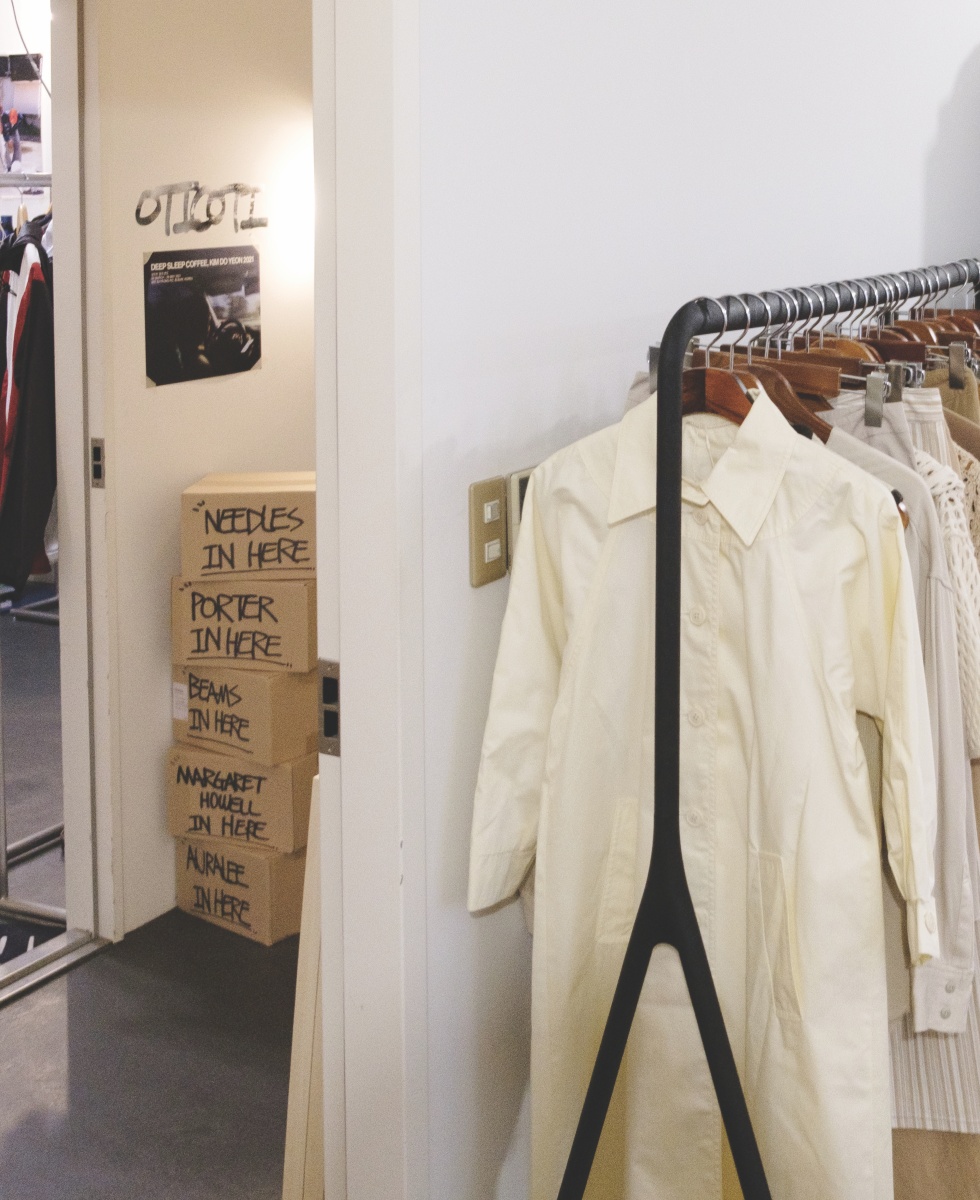
Kim Hyemin, owner of vintage shops Nolno & Forest
I was born in Busan, but because of my father’s job I went to school in Ulsan through high school. I came back to Busan for university and have lived here ever since. Even when I was in Ulsan, I came to Busan often.
First memories of vintage I was already interested in clothes in elementary school. In middle school, my close friends and I would save up our allowances and take the bus to Nampo-dong. We’d get off at Nopo-dong and transfer to the subway. In Ulsan, it’s hard to come across vintage. In Nampo-dong, there are lots of places where they spread out mats and sell clothes on them. We’d dig through the piles of clothes and recommend things to each other. Afraid my mom would scold me, I’d hide them in the closet and only tell her later. “This is something I’ve always had.”
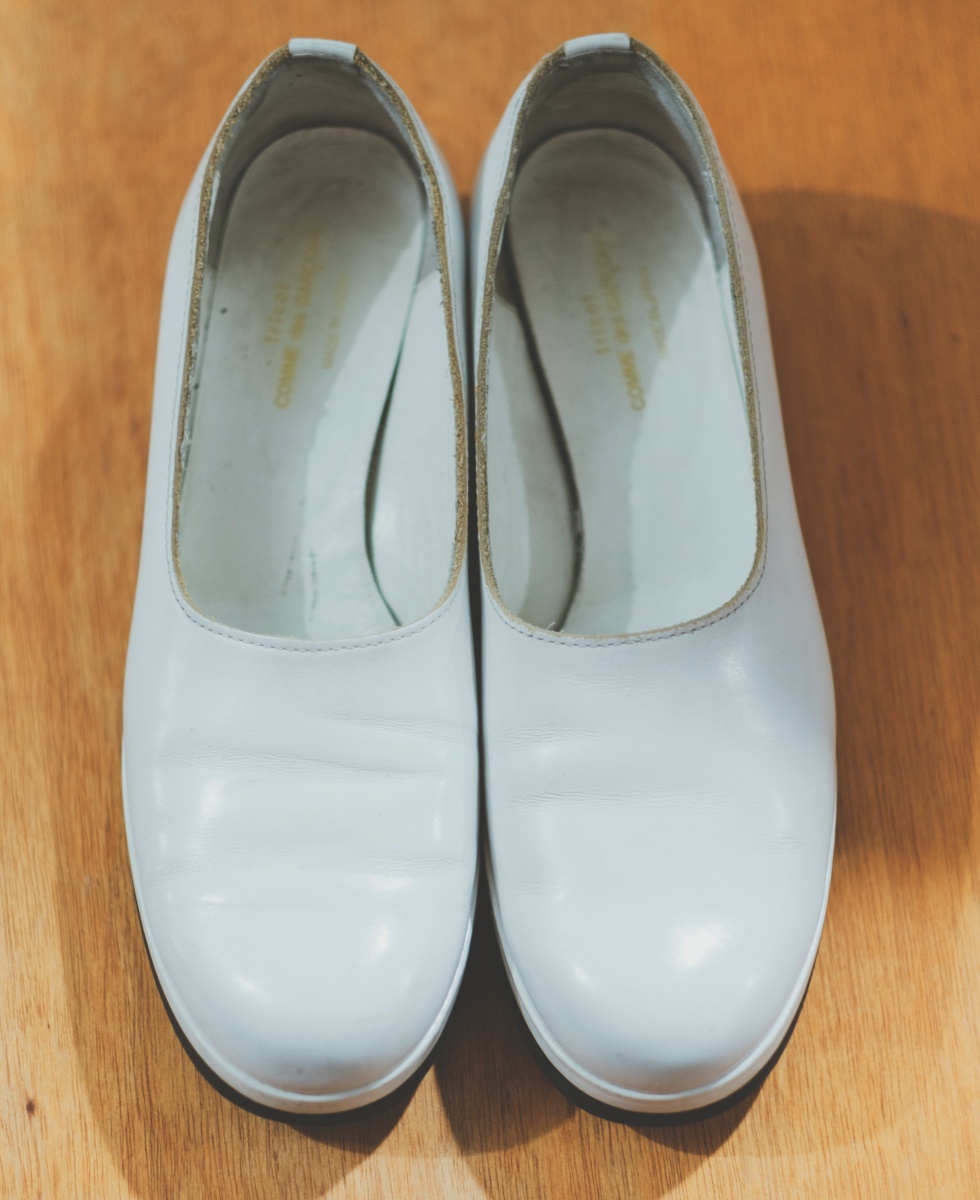
Favorite styles I mostly like Japanese brands. Rather than a particular type, I mainly look at design and materials. I try to sell the styles I like myself. Well-known brands I import from Japan. I used to go to Japan in person, but I can’t these days because of COVID. There are also factory-type places on the outskirts of Busan. I visit warehouse-style vintage stores too. I do a lot of legwork.
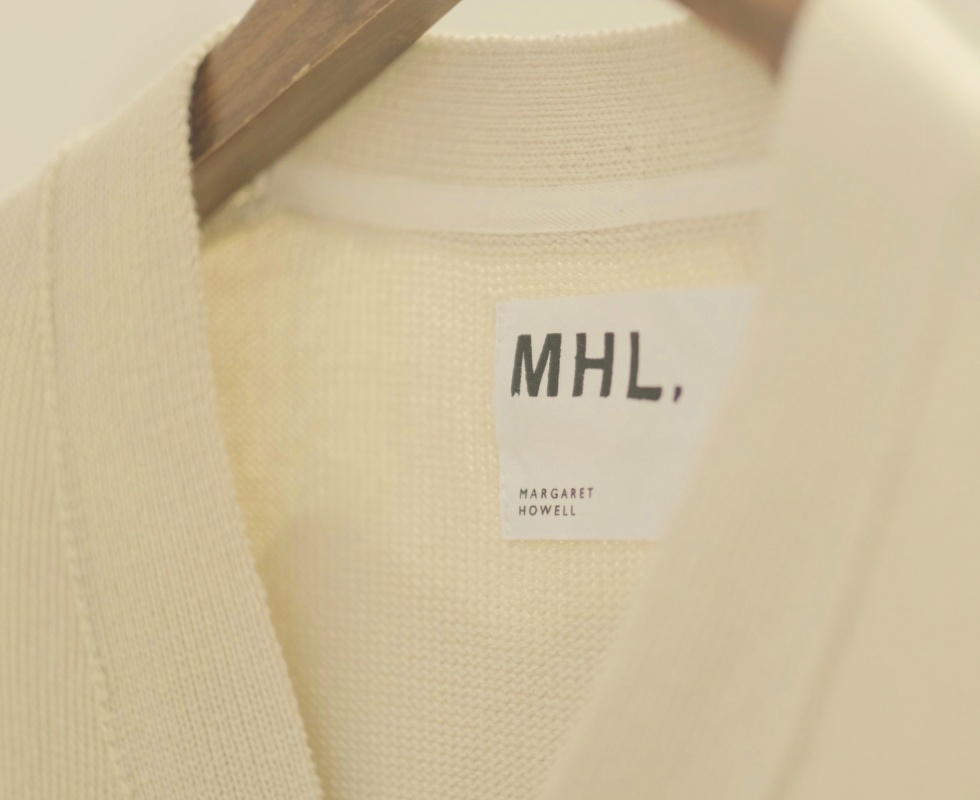
Forest and Nolno Forest has a lot of clothes centered on brands. It’s a shop aimed at enthusiasts. There are mostly Japanese brands, and we always stock Margaret Howell and Danton. Beyond that, we bring in pieces from brands that express who we are. Nolno, on the other hand, is about style rather than brands. Clothes that are comfortable yet stylish. Clothes for everyday life.
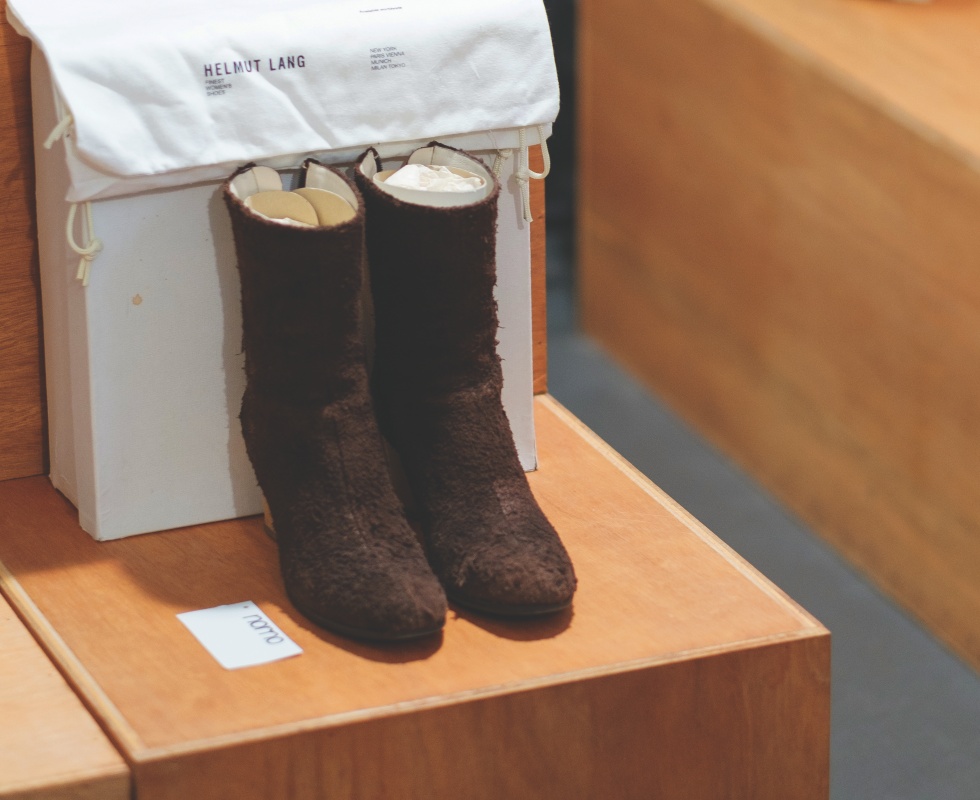
The tastes of Busan people Pieces that are too minimal don’t sell well, no matter how good the brand. And even if it isn’t a famous brand, if the design is pretty, it tends to sell.
Vintage culture in Busan and Seoul I only stayed in Seoul for a few months, so I don’t know it well, but I got the sense that in Seoul people put their whole heart into even a single piece of clothing. I was amazed by their pride in what year a garment is from and how valuable it is. They seemed full of confidence and had a professional air. Busan, by comparison, feels comfortable, like a neighborhood friend. Vintage shops in Busan seem to have a culture of treating customers like friends. Busan vintage is closer to ‘part of daily life,’ so many people look for clothes they can wear often rather than difficult ones. Seoul has so many fashionable people that they clearly try on and enjoy clothes an ordinary person would find intimidating, without any hesitation. (Laughs)
Suyeong and Millak-dong In the past, the sense that ‘Busan means Seomyeon’ was strong. Even people around me react with, “There’s a cafe in Suyeong?” when I mention one. My older cousin once told me that Suyeong is ‘Seomyeon for your thirties,’ and that as I got older I’d come to like Suyeong more than Seomyeon. Having lived here, I completely agree. Across the road there’s a neighborhood called Millak-dong. It’s very quiet, but recently a lot of good cafes, restaurants and bars that draw young people have opened. Photos of the great atmosphere shared on social media have spread the word.
Nolno: 2F, deepsleep coffee, 663 Suyeong-ro, Suyeong-gu, Busan
Forest: 3F, 6 Yongso-ro 28beon-gil, Nam-gu, Busan
Locals Locations’ Interview with Nolto
Oticoti
Woo Sangdong, Owner of Oticoti
I was born in a factory in the Sasang industrial complex in Busan, then moved to a factory nearby in Mora. After that I stayed with my paternal grandmother in Yeongdo and my maternal grandmother in Gaegeum, Busanjin, and went through elementary, middle, and high school in Gaya, Busanjin. Then came Songdo, Yongho-dong, and Millak-dong, and now I live in Suyeong. I’ve pretty much lived all over Busan.
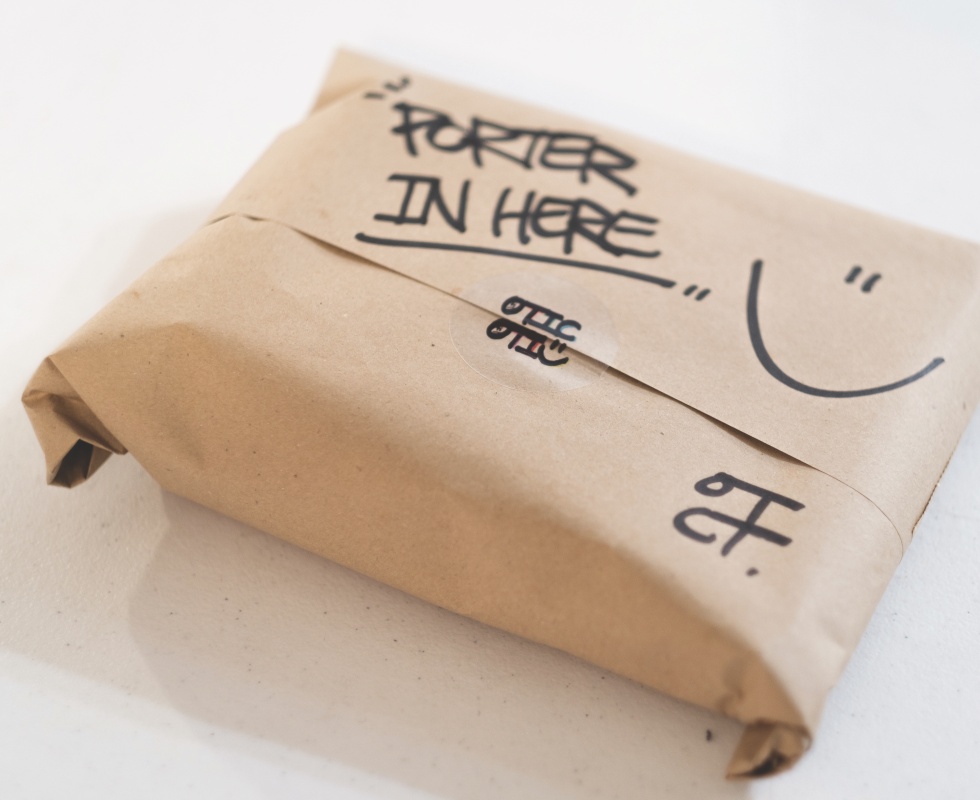
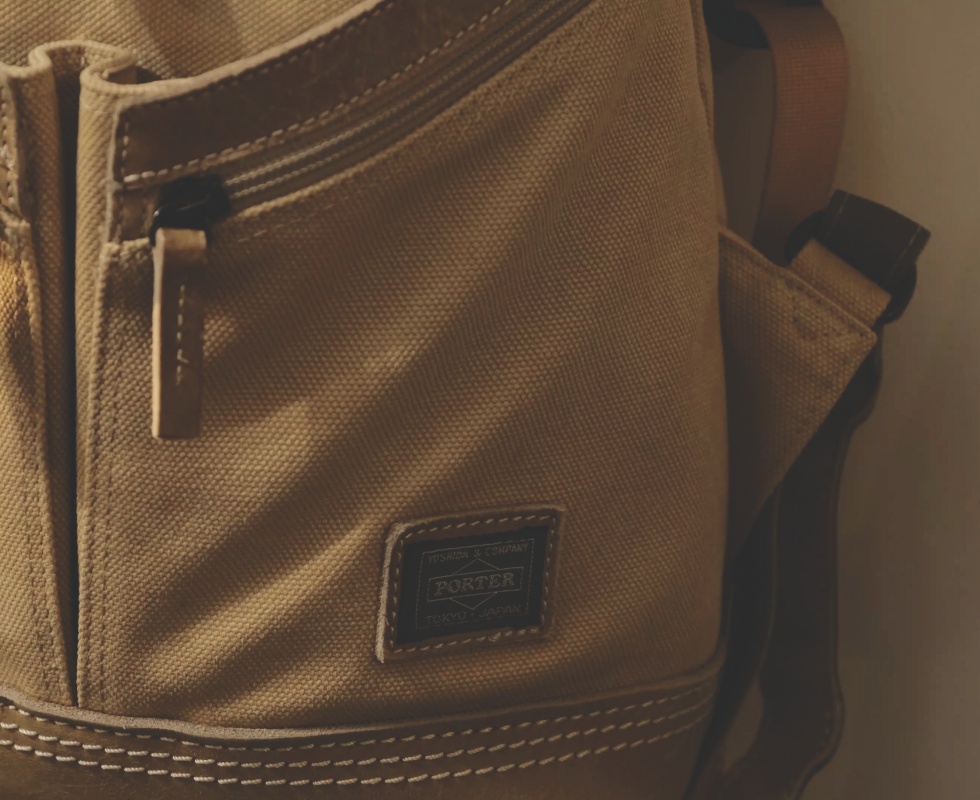
Oticoti’s taste We carry a lot of Porter products. I think it’s the brand closest to the vintage feel I want to sell. In Japan, if you ride the subway at 6 p.m., Porter is the bag you see in people’s hands more than any other, and it’s also the bag worn by stylish fashion icons like young hip-hop kids. It’s versatile and accessible, mainstream yet with a devoted fan base, which is why I like it. The mainstream is boring.
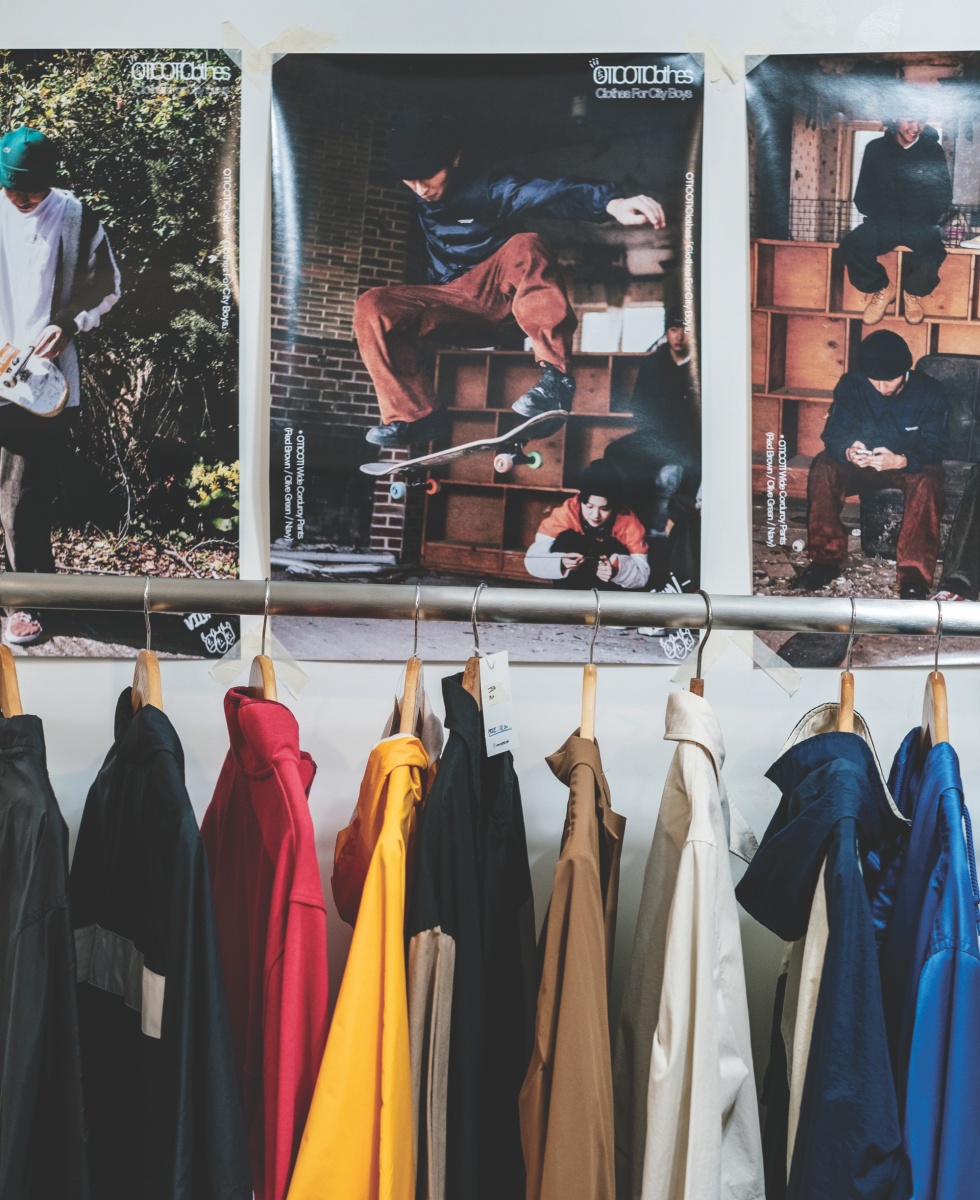
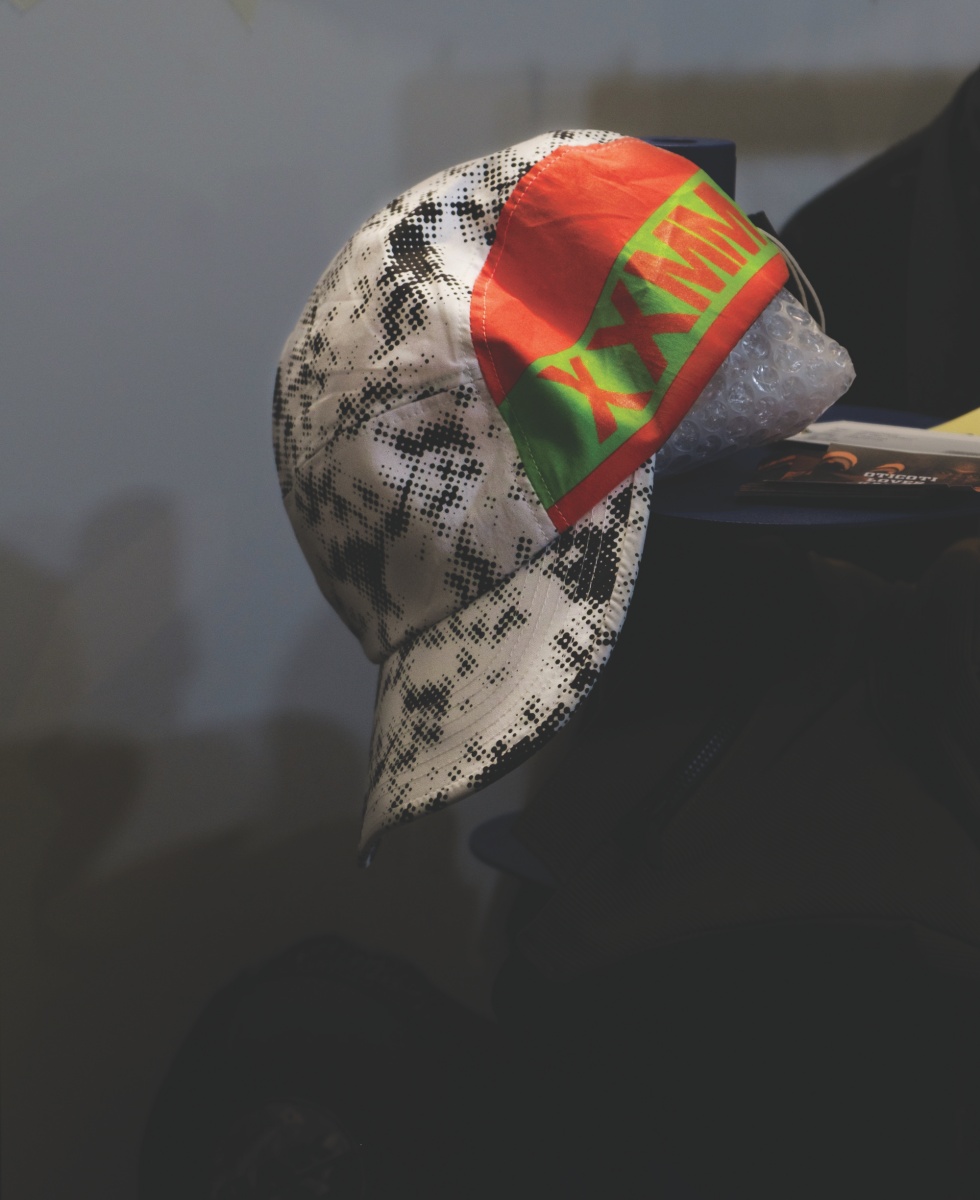
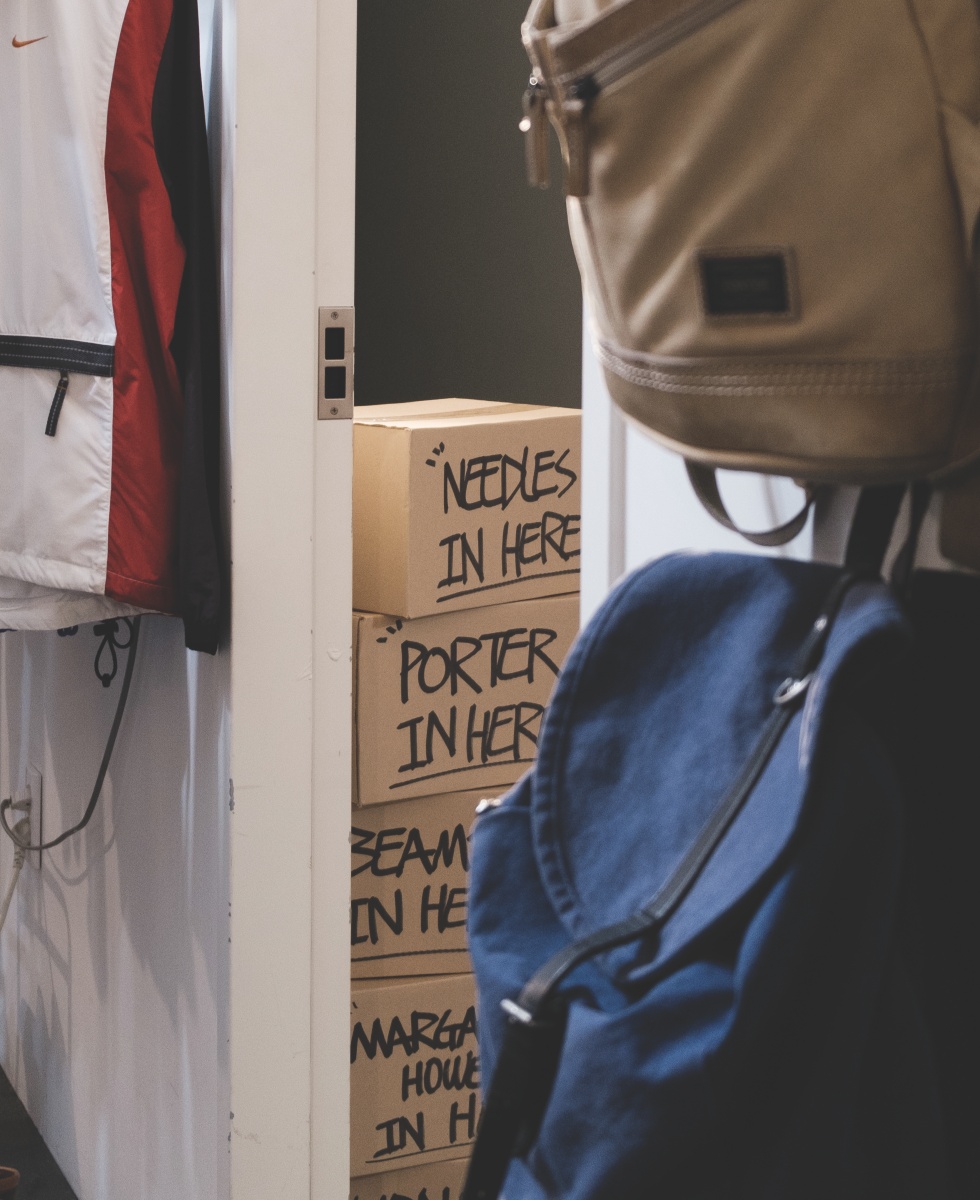
Memories of vintage I think vintage is appealing because every piece of clothing carries a story. I remember the circumstances of buying each one. This was back in high school. My dad traveled to Japan often for work, and I often tagged along. While he worked, I’d browse the shops, and at a secondhand shop I once bought a pair of Nike Dunk SBs. They were used but looked brand new, and the colors were gorgeous. They were pretty expensive, so my dad scolded me: “Where did you buy that?” Then we went to eat together. I had tempura and he had a beer. Those are the scenes that come back to me. Every time I wear them, I think of my dad.
Combat power When I think about why I started wearing vintage, I guess it was because my allowance was tight. I went to all-boys middle and high schools. Among boys that age, what you had on was a kind of combat-power rating. (Laughs) The atmosphere in middle school was truly fierce, and I figured, “To survive, I have to dress well.” So I turned to vintage. First of all, it’s unbeatable value for the money. When I dressed up a bit for the school trip, the other kids would ask, “Where’d you get that?” And I’d answer, “You’ll never find one. This is vintage.” They didn’t even know what the word vintage meant, so I got a real thrill out of that. The tough kids could attack me physically, but I could put them in their place with value for money.
Subculture Looking back, I think I always liked subculture. My friends back then probably thought of me as ‘the kid who’s always listening to music on his CD player.’ I listened to a lot of hip-hop, and it gave me a thrill to do something others didn’t and be looked at with envy for it. (Laughs)
Deepsleep Coffee Deepsleep Coffee, in the same building as the Oticoti shop, has become a favorite space for people drawn to Busan’s subculture. Its exhibition schedule is booked through next year. Among the staff are a DJ from a well-known Busan club and an employee of Balansa, a brand that represents Busan. I think people who love that kind of atmosphere come to Deepsleep Coffee often.
Vintage in Seoul and Busan I don’t know Seoul well, so it’s hard for me to define it. Busan doesn’t have many shops based on American vintage. Most are Japan-based. Seoul, on the other hand, seems to have more on the American side. What’s certain is that there are American-style vintage shops and Japanese-style vintage shops, and my taste is Japanese.
My vintage shop I’m not someone with a tremendous passion for vintage or an obsession with collecting it. People who open vintage shops usually love clothes so much that they already own a considerable amount, and they often want to show their own color even as they sell. When I was preparing Oticoti, though, I started by thinking about the brand logo and packaging, and about how I would run the shop. My hope is that people won’t find Oticoti intimidating. I’d love for it to be the kind of shop where a mother comes in holding her son’s hand and buys him clothes.
B1, 80 Seojeon-ro 46beon-gil, Busanjin-gu, Busan
Locals Locations’ Oticoti Interview Video
A Conversation with Kim Seokjun, Vintage Enthusiast and Busan-Born Fashion Photographer
(Park Shinwoo) When I was a kid, I remember Busan giving off a Japanese street-fashion-magazine vibe. So when I think of Busan, I think of a place with a real secondhand clothing culture. And you dress well too, Seokjun.
(Kim Seokjun) It’s hard to point to Busan’s vintage route as one single path, but there is a place called the vintage alley. In Nampo-dong, at Gukje Market. In the early 2000s I worked at a clothing shop in that alley, and I went to Gukje Market all the time to buy stock. You had to go early in the morning, before work, and make a full loop. The market vendors would go to their warehouses and bring out new goods every day. So I’d be the first to look around and pick. Even when there was a great pair of vintage Levi’s, the people selling them didn’t really know what they had, so it was like, “How about 3,000 won for this?”
It sounds a bit like Dongmyo. What’s funny about Dongmyo is that there are tons of clothes but no price tags. When I get curious and ask, the seller scans me from head to toe first. Then the price comes out. Ha ha ha. You have to haggle just to find out the price. And you have to bargain it down. It’s a real treasure hunt.
Right, it’s that kind of feeling. Now everything is hung on hangers, but back then the goods were just piled up. We called it ‘opening a jjak’ (jjak teunda)... A burlap sack was called a ‘jjak.’ When clothes were imported, they were packed into those sacks and compressed by machine. Then you cut the steel bands that held them down to ‘open the jjak,’ and the sack would swell up like a mountain. But when you received a jjak, you had no idea what was inside.
And now?
The vintage alley still exists. But by now pretty much everybody knows about it, and the people running select shops have figured out the market’s routes and sweep everything up, so it’s not as fun as it used to be. Still, I always stop by when I’m in Busan. It’s like a compulsion. I’m in Busan, so I have to go to Gukje Market, and I have to eat gukbap (pork and rice soup). Only after that does the rest of the schedule begin.
Ha ha ha. Let me sum it up. When you go down to Busan, first you hit the vintage alley, and then...
I go to my parents’ house, unpack, and slowly start calling friends to set up a drinking night. When we go to Budae...
Budae?
We call Pusan National University ‘Budae.’
I heard there are some really famous vintage shops around Pusan National University too.
Right! The history of it goes way back, but hardly anyone knows about it. Only people who are into Japan know. There were Japanese vintage magazines called “Boom” and “Cool.”
“Cool,” I know it! I used to go out to Myeong-dong to buy that magazine.
Exactly. There’s a certain pleasure in flipping through those and ‘digging’ (dibida) for vintage. What does dibida mean? To dig something out, to find it. Among ourselves we’d say, “Wanna go dig for vintage?” At Budae, people used to sell good vintage items from pushcarts or street stalls. I was in high school then, and the older guys selling the stuff were all students too, only a year or two older than me.
So those guys dug up clothes in the vintage alley and then started selling them from carts at Budae?
They were way ahead of everybody else. New Balance hadn’t even come to Korea yet, and there it was on a pushcart. Even if they charged an outrageous price, what could you do? It was so good-looking! That was the flavor of Budae back then. There were a lot of hip people. We’d all wonder, ‘What do they do?’ about each other, and in the end we all became friends.