Themed Trips to Japan — Experts Weigh In
As Japan prepares for the post-COVID era, experts share themed trips worth taking: hidden hot springs, regional rail passes, road trips through mountains and islands, and aged sushi. Here is where to go next.
Themed Trips to Japan — Experts Weigh In
Before the pandemic, Japan went through a boom and then a crisis in quick succession. So how will travel to Japan change after the pandemic? We asked experts in their fields about themed trips to Japan that travelers may want to consider.
Materials provided by Inpainter Global inpainterglobal.com
Japan National Tourism Organization (JNTO) japan.travel
A Journey in Search of Hidden Hot Springs
Theme 1. Hot Springs
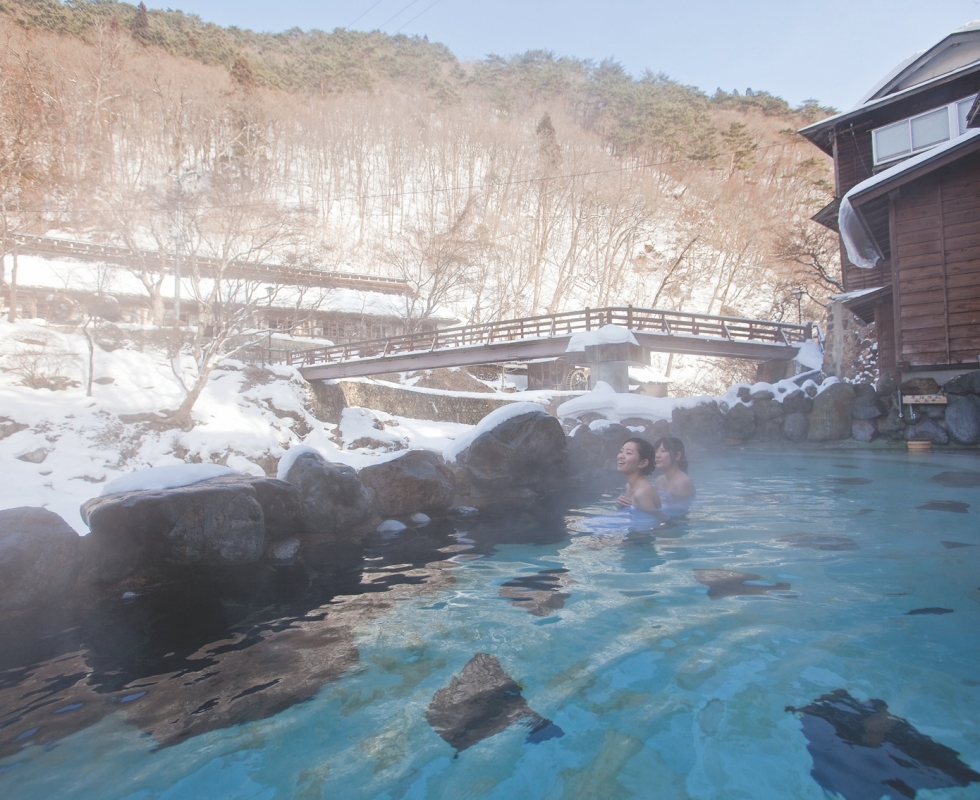
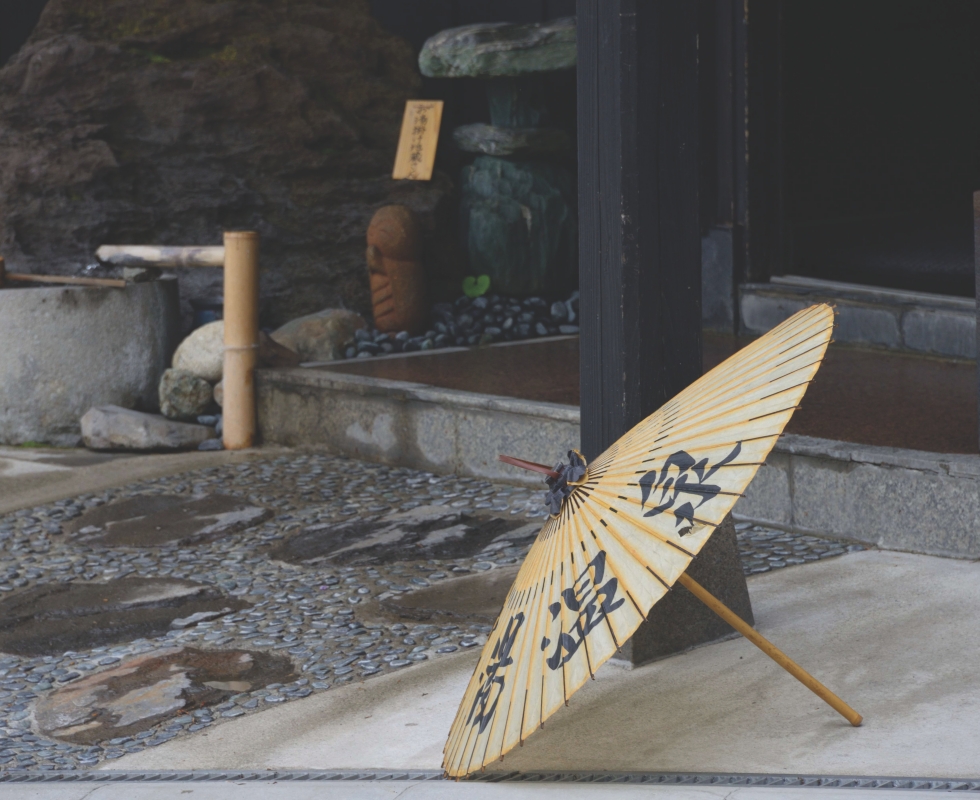
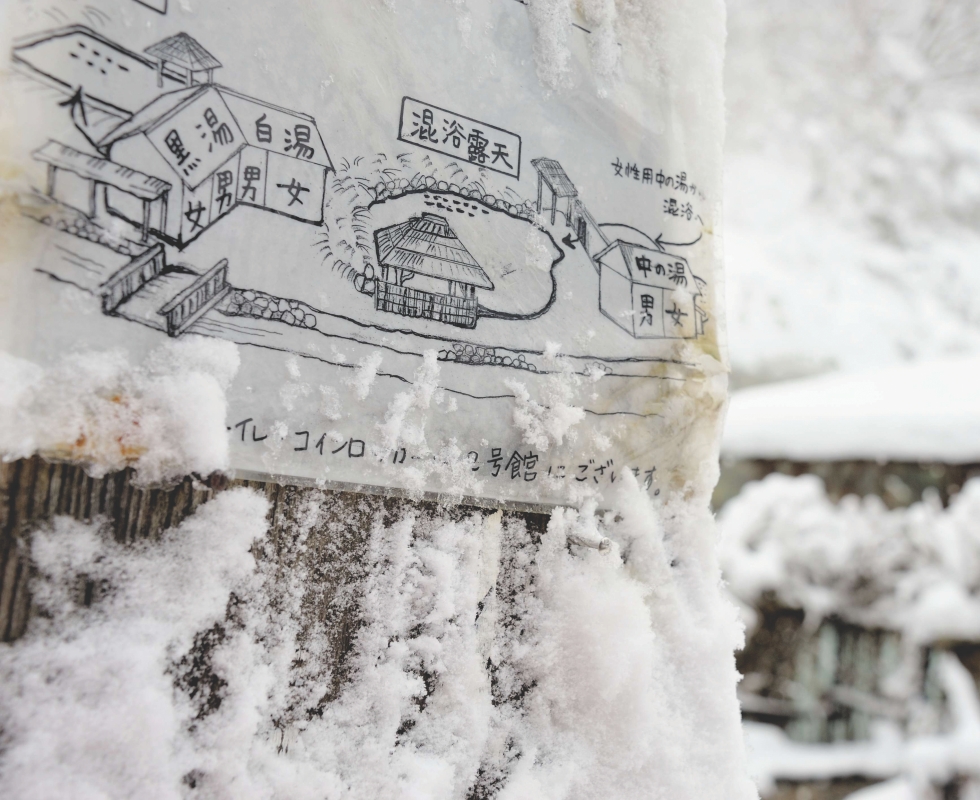
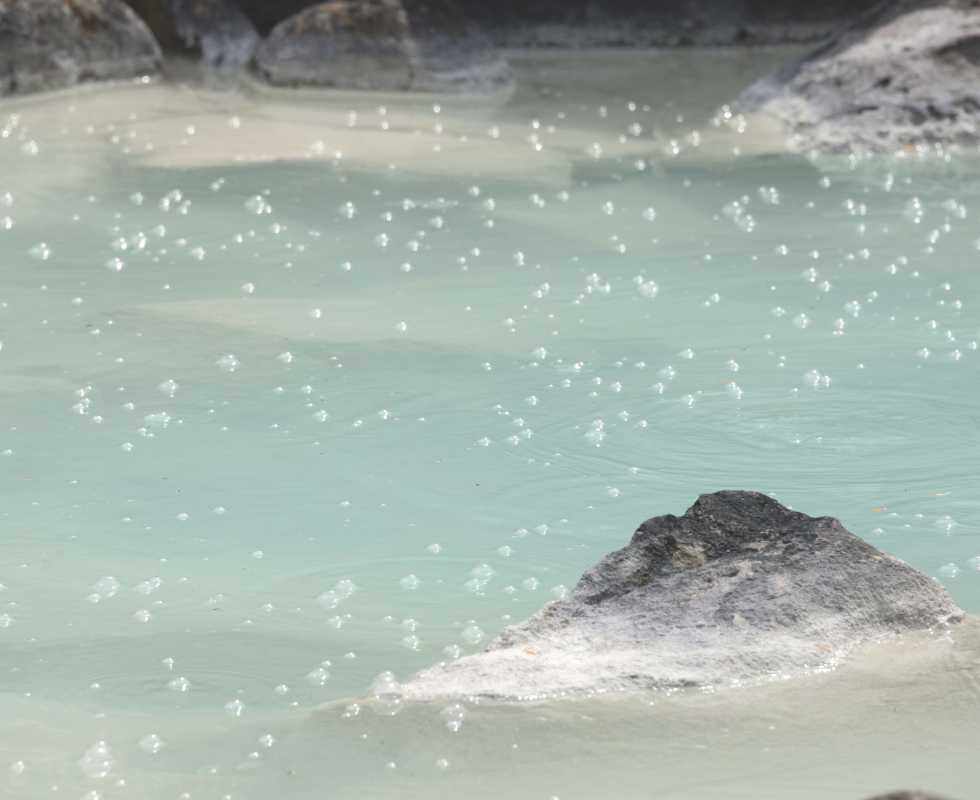
Say “Japan,” and hot spring travel is what comes to mind. Sitting on a volcanic belt, Japan is a mecca of onsen, where high-quality natural hot springs can be enjoyed in every region. Yet the “real” hot springs to experience in Japan are something else: hitō (hidden hot springs) and kontō (mixed-bathing hot springs). Hitō are fine hot springs that keep their traditions and lie tucked away in nature. Seek them out, and you will find natural hot springs that preserve the simple character they had before onsen lodgings grew into large-scale operations.
Hidden hot springs are often run as mixed-bathing baths. Before modern public bathhouses existed, Japanese people of all genders and ages bathed together in naturally springing hot water as a form of restorative care. After modern customs laws were introduced, however, onsen lodgings that opened were divided into men’s and women’s areas. For this reason, most hot springs that allow mixed bathing have a very long history, sit in unspoiled nature, and let you enjoy the water straight from its natural source. Hidden and mixed-bathing hot springs remain especially numerous in the Tohoku region. Look for scenic beauty and long-established hot springs in the volcanic zone of the Ou Mountains, which run through Tohoku. Among the best known are Sukayu Onsen in Aomori Prefecture, Nyuto Onsenkyo in Akita Prefecture, and Hanamaki Onsenkyo in Iwate Prefecture. I would also recommend Shirahone Onsen in the Hida Mountains of Nagano Prefecture, often called the Northern Alps of Japan. Mixed baths tend to be cloudy, so you can’t see much once you are in the water. Where the water is clear, bathing garments are available for rent, so there is no need to worry in advance.
Park Seonghui, CEO of Inpainter Global, planner and co-author of guidebooks including “Japan Onsen Travel,” “Osaka Holiday,” and “Tohoku Holiday”
A Rail Journey with Regional Train Passes
Theme 2. Train
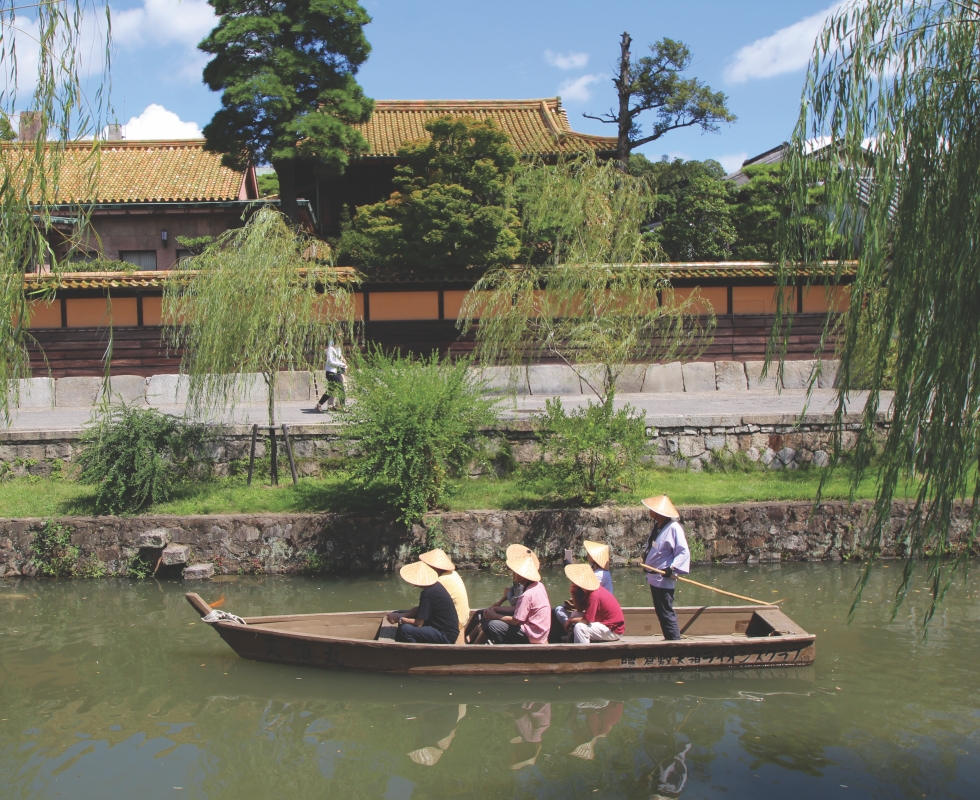
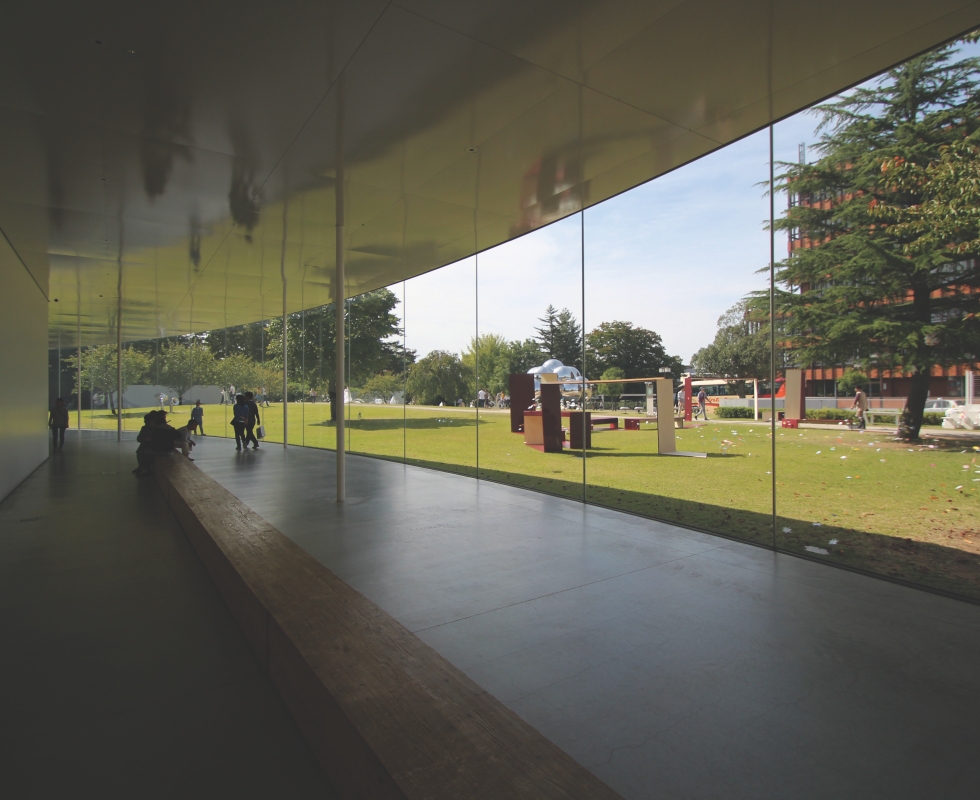
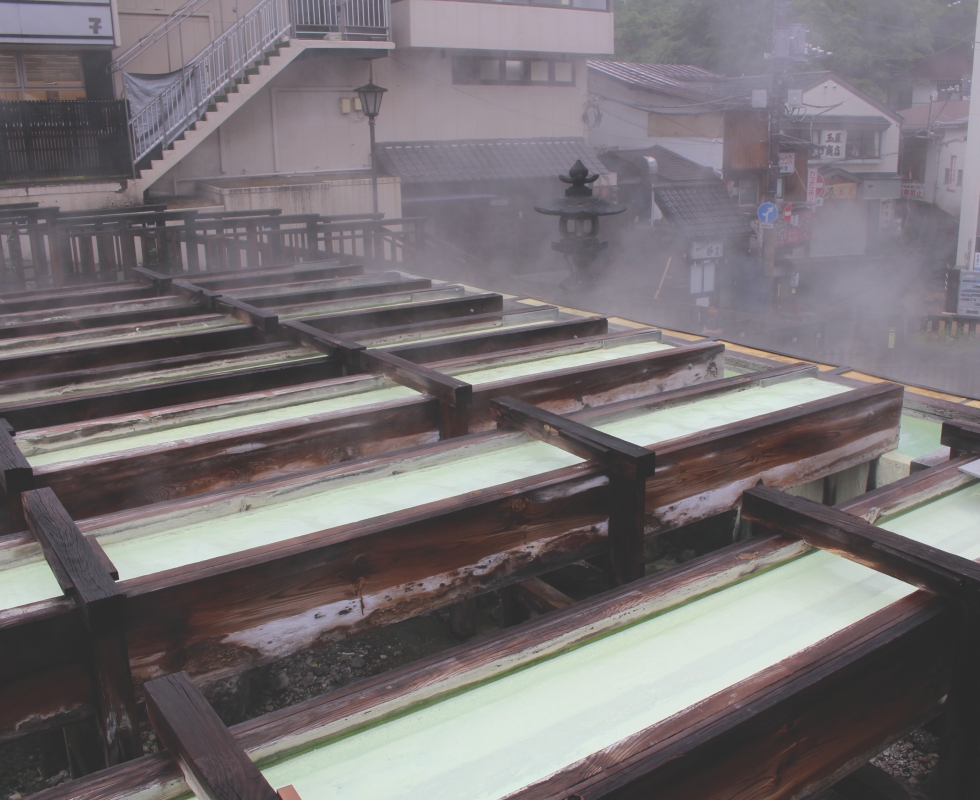
Japan is one of the most popular destinations for train travel. Rail lines stretch across the country, and the Japan Rail Pass offers such good value that it is ideal for setting off around the country by train with just a backpack. The pass’s validity periods of 7, 14, and 21 days also suit this style of travel. But what if you want the romance of train travel yet find a long trip daunting and frequent moves a hassle? That is when you need a regional rail pass.
Unlike the nationwide pass, regional passes are limited to certain areas, but because they are available for short periods of one to seven days, they are easy to use in many ways. They also make it convenient to reach places with no direct flights from Korea. If you are planning a trip to Tokyo, remember the Tokyo Wide Pass. This three-day pass covers areas two to three hours from Tokyo by train. With it, you can choose among destinations to suit your tastes and schedule: Karuizawa, a resort town in Nagano Prefecture lined with stylish shopping streets; Kusatsu Onsen in Gunma Prefecture, where natural hot springs gush out of a deep valley; Kawaguchiko in Yamanashi Prefecture, which offers the closest views of Mt. Fuji; Nikko in Tochigi Prefecture, home to a magnificent architectural heritage; and Hitachi Seaside Park in Ibaraki Prefecture, a national park known for flower viewing on an overwhelming scale. Because you use Tokyo as your base, you don’t need to haul big luggage around, either.
I also recommend a rail pass that makes it easy to reach the Hokuriku region, which has no direct flights from Korea, by Shinkansen or limited express train. Hokuriku refers to Ishikawa, Toyama, and Fukui Prefectures. Facing the sea and close to the Northern Alps of Japan, it is blessed with a natural environment and has long been a land of artisans known for exquisite handicrafts. You can travel Hokuriku with the Hokuriku Arch Pass, which connects Tokyo and Osaka with the region, or the Kansai Hokuriku Pass, which links it with the Kansai area, including Osaka, Kyoto, and Okayama. Another advantage of regional passes is that, although this is a seven-day pass, it costs half as much as a Japan Rail Pass for the same period.
Lee Jeongseon, former reporter for “KTX Magazine” and co-author of “Japan Train Travel”
A Road Trip to the Mountains and Islands
Theme 3. Motor Tour
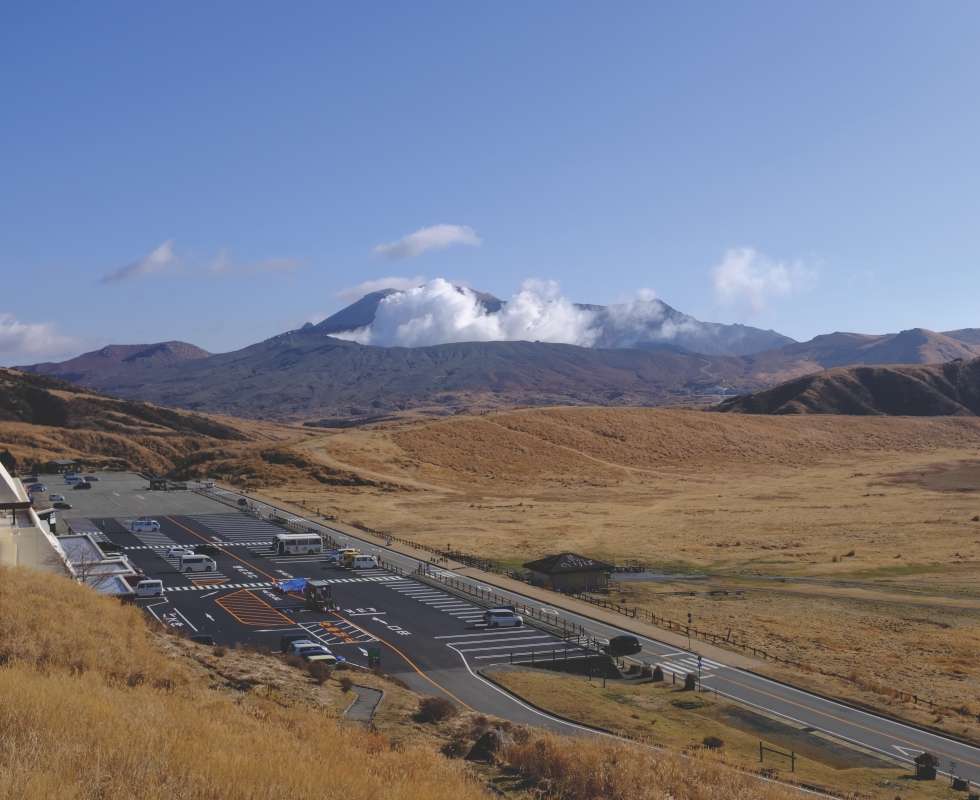
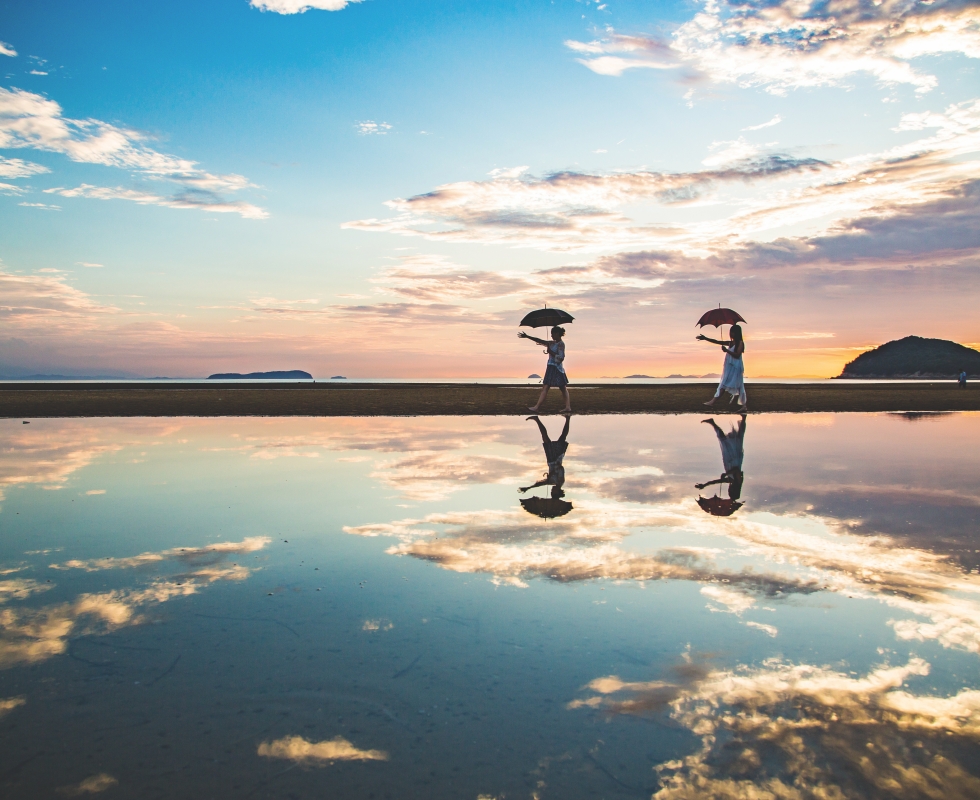
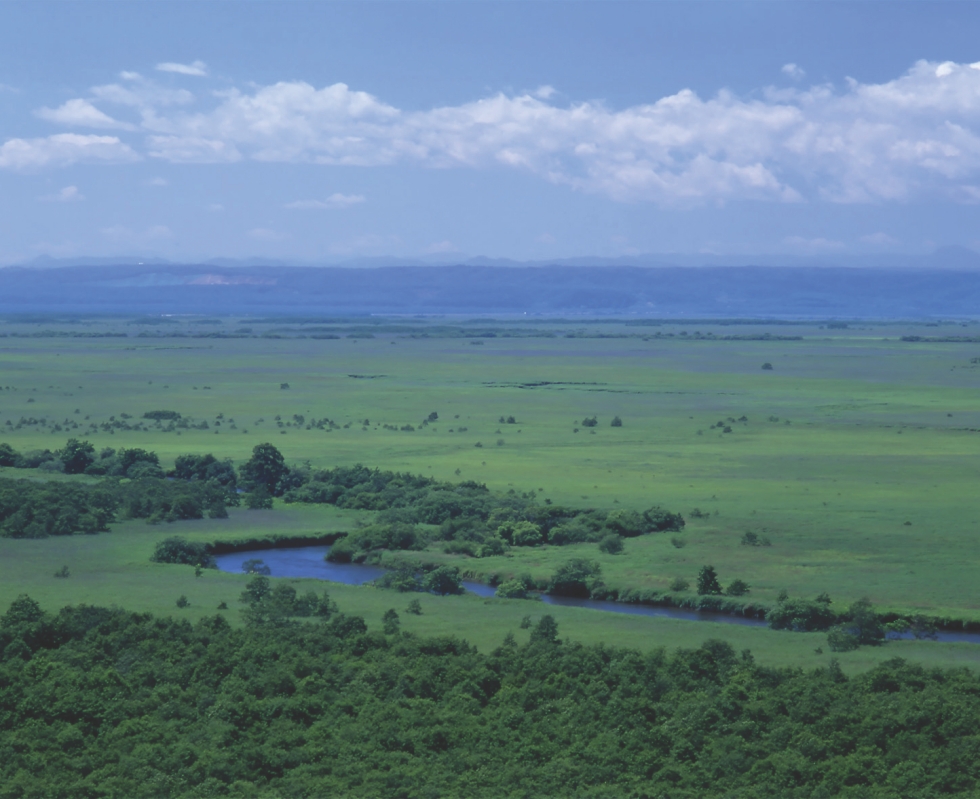
Japan is bigger than you might think, about four times the area of Korea. Besides the four main islands, it has countless other islands, as well as vast stretches of rugged mountains and deep, dense forests. Public transportation such as buses and trains is well developed, but it is hard to reach every corner. When you travel in such areas, a rental car is an indispensable way to get around.
Public transportation in Japan is fairly expensive, so the more people in your group, the more you can save on travel costs by renting a car. If you rent a camper van, you can enjoy leisure activities such as camping together with your lodging. Japan has campsites in beautiful natural settings all over the country, so a camper van trip is not difficult. In particular, the more than 1,100 roadside stations (michi-no-eki) nationwide are a distinctly Japanese advantage. There you can sleep in your car, buy groceries, and use the restrooms, and some even have hot springs. Once you clear the hurdles of driving styles and rules that differ from Korea’s, namely right-hand-drive vehicles, driving on the left, and traffic regulations tied to signals, you can discover the fun of a road trip no different from those in the United States, Europe, or Australia.
The first region I recommend for a rental car trip in Japan is Hokkaido. This clockwise route around central Hokkaido lets you experience the ultimate in wild nature. Starting from Sapporo, you pass through Asahikawa, Akan-Mashu National Park, and Kushiro before returning to Sapporo. You can take in vast mountains, plains, and wetlands, and try a range of year-round activities such as skiing and trekking. Next, I recommend the Mt. Aso area in Kyushu, a route of fantastic drives and small hot spring towns. Starting from Fukuoka and passing through Kumamoto, you reach Kurokawa Onsen, nestled in the mountains, and Aso-Kuju, where the road runs alongside a majestic volcano. You can also add famous hot spring destinations such as Beppu or Yufuin to the route.
The last recommended route is a trip through Shikoku and the islands of the Seto Inland Sea. It takes you to Instagrammable spots where you can capture the shot of a lifetime. The itinerary can include Matsuyama Castle and Dogo Onsen in Ehime Prefecture, a variety of leisure activities in Kochi Prefecture, and Kotohira Shrine in Kagawa Prefecture. If you are traveling by camper van, I recommend Tohoku. Starting in Aomori, the route passes through Towada-Hachimantai National Park and leads to Nyuto Onsenkyo and the Shirakami Mountains.
Hur Taewoo, publisher of “Pitch by Magazine”
A Gourmet Journey for Aged Sushi
Theme 4. Sushi
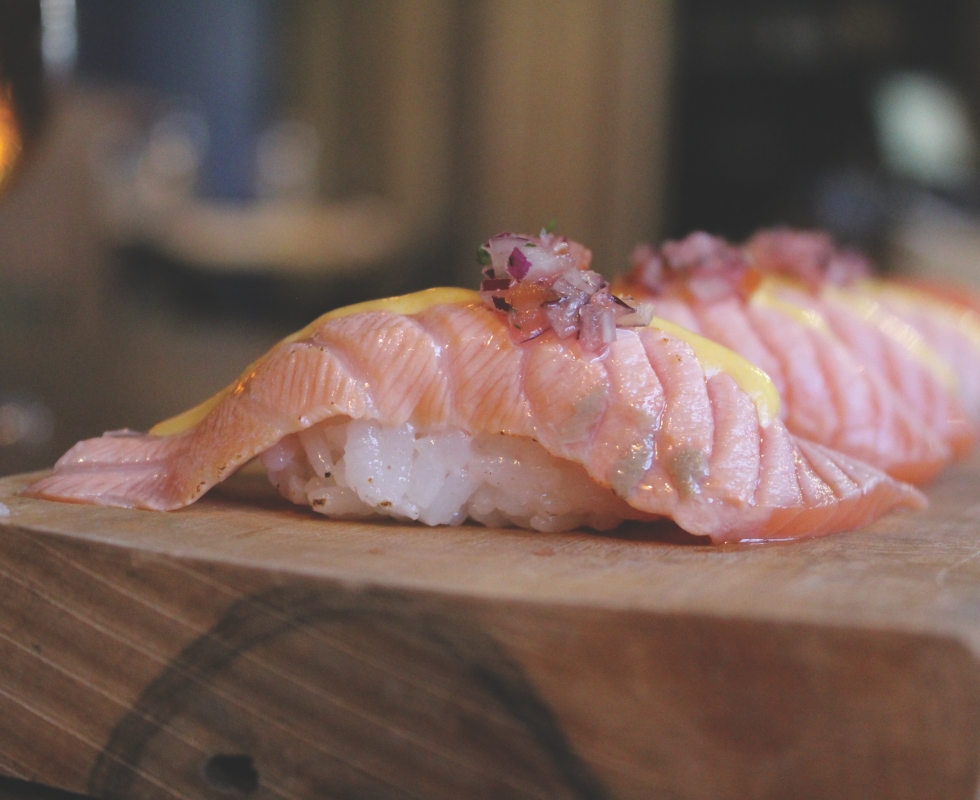
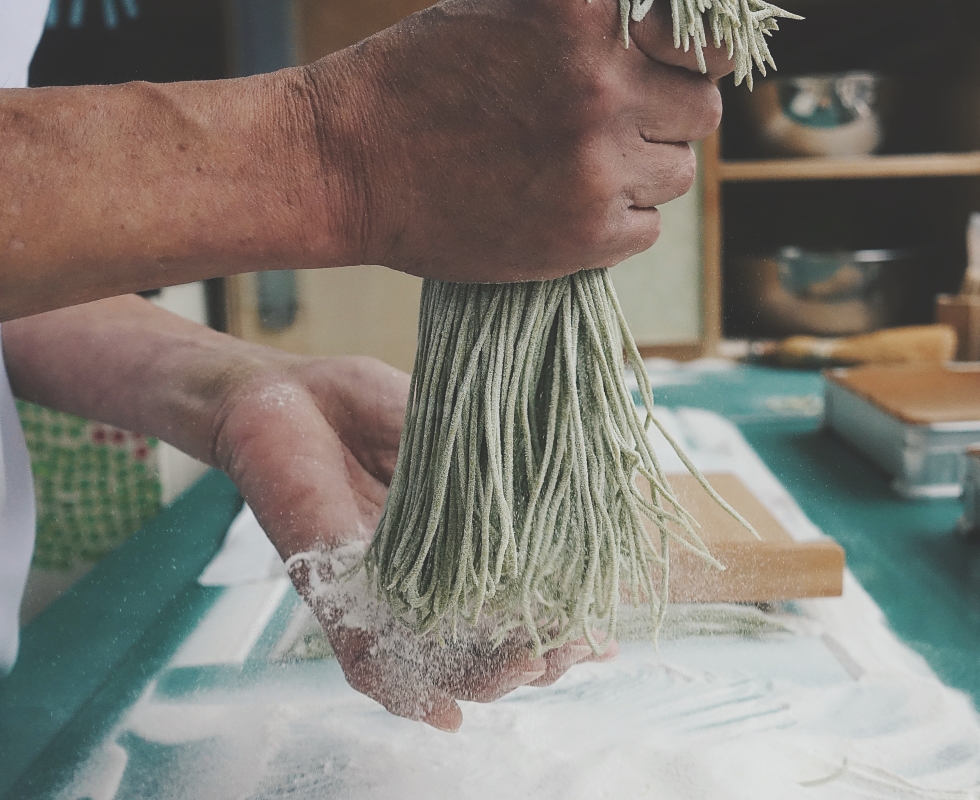
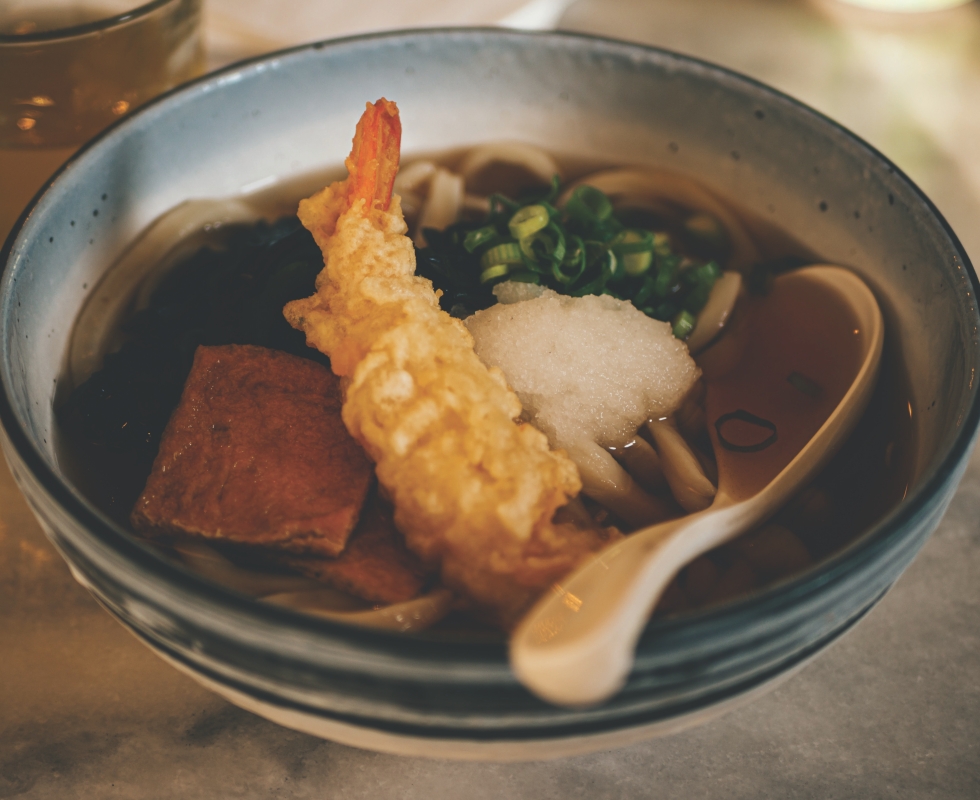
No trip to Japan is complete without its food. The Japanese food culture we know today is closely tied to the Edo period. Large-scale urban planning in that era drove development across society, and food was no exception. Specialized artisans (shokunin) emerged in every field. Among the signature everyday dishes that appeared then were ‘nigirizushi’ (slices of fish pressed onto vinegared rice), ‘tempura’ (vegetables or seafood, battered and fried), ‘unagi kabayaki’ (eel simmered in soy-based sauce and grilled), and ‘soba’ (buckwheat noodles).
Japanese sushi began as narezushi, a preserved food made by fermenting fish with salt and rice. It evolved into oshizushi (pressed sushi) and then gradually into the nigiri form, which can be eaten quickly like fast food. ‘Edomaezushi’ took hold in the late Edo period. Its defining trait is that it is aged sushi. With no refrigeration at the time, sushi chefs cured fish with soy sauce, salt, vinegar, kombu (kelp) and the like. In the twentieth century, as freezers spread, the distribution of live and fresh fish became commonplace, and edomaezushi, which demands the time and skill of aging, gradually faded. Recently, however, Japan has been reassessing aged sushi, and an edomaezushi boom is under way. During aging, the structures of fat and protein break down, making the fish easier to digest and giving it a deeper umami.
Tokyo’s Asakusa has several places where you can enjoy edomaezushi. Among the best known are Kibunzushi, founded in 1903; Sushi Hisaichi in Asakusa 3-chome; and Bentenyama Miyakozushi, a classic of edomaezushi founded in 1866. It is also worth visiting Kappabashi in Asakusa, a shopping street lined with shops specializing in kitchenware and cooking tools, and Tsukiji Market, where you can glimpse the scenery of Tokyo’s fish market.
Kwon Ojun, Owner Chef of Takumi Gon
Okinawa, an Island Within an Island
Theme 5. Okinawa
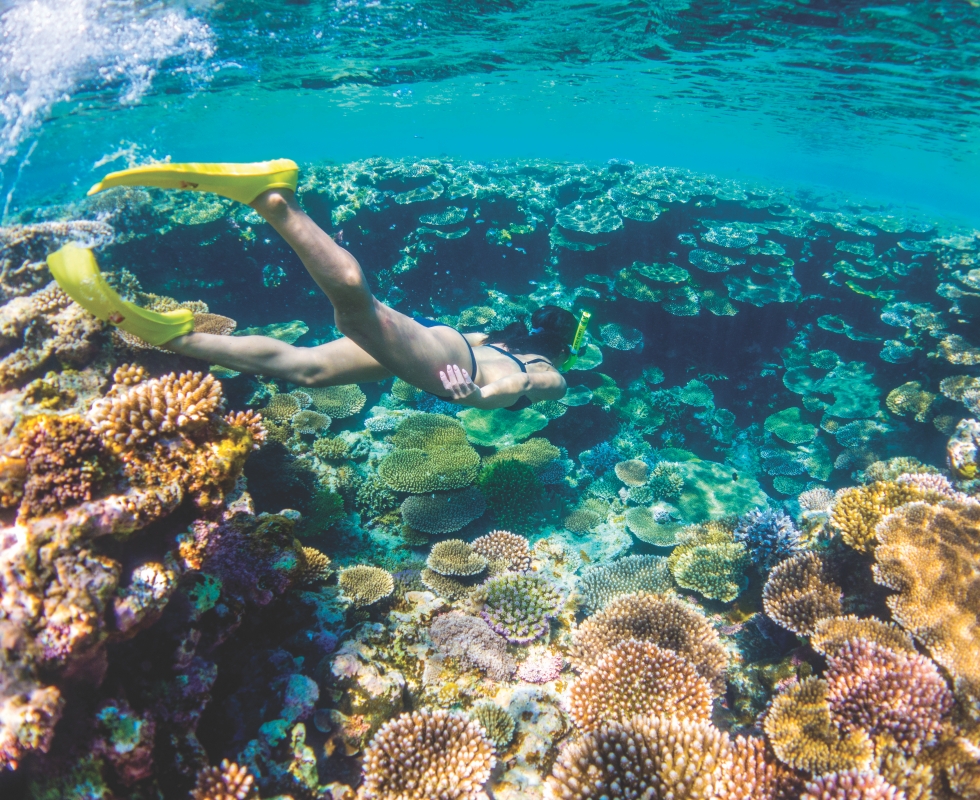
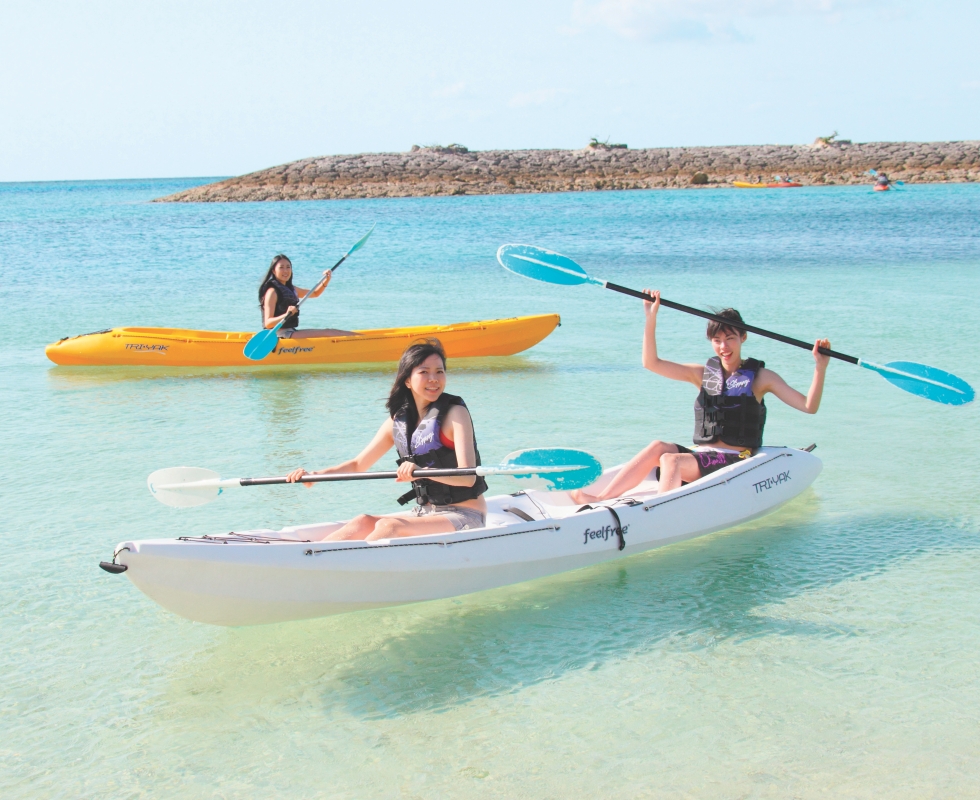
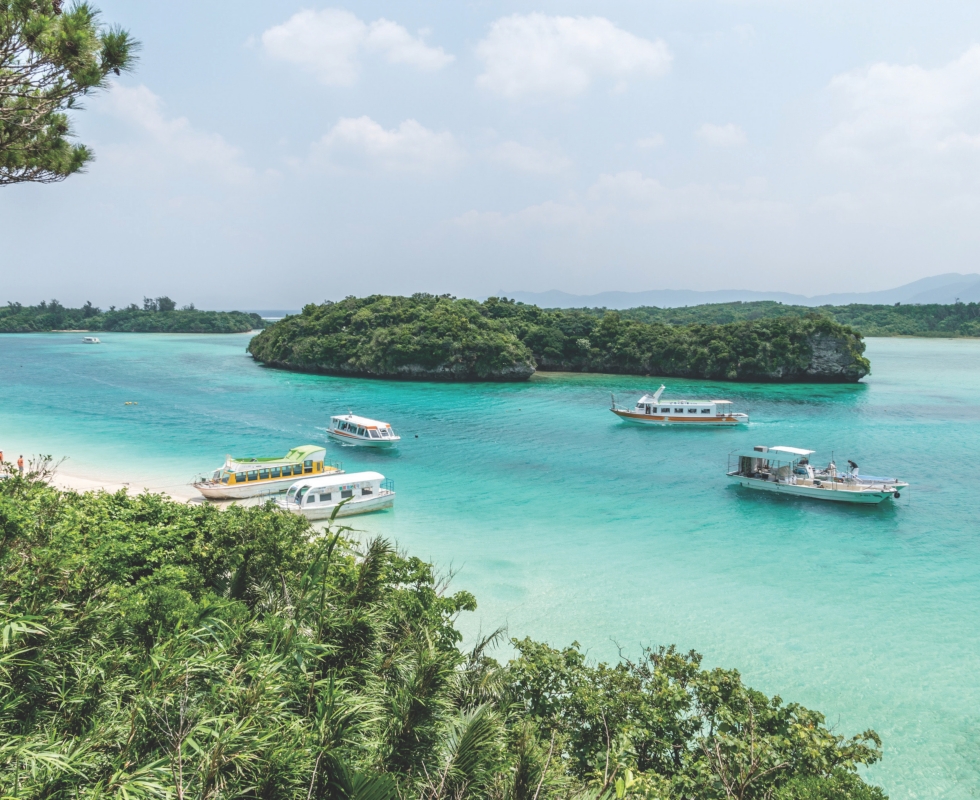
When people think of Okinawa, they often picture only the main island, with its Churaumi Aquarium and Shuri Castle. Yet Okinawa consists of 160 islands besides the main one, 47 of which are inhabited. These are the places to truly experience Okinawa’s grand nature and distinctive landscapes. Among them, the Yaeyama Islands, centered on Ishigaki Island, and the Miyako Islands, centered on Miyako Island, are two of Okinawa’s signature island destinations, each with its own appeal. Both can be reached in about 50 minutes by air from Naha Airport on the main island. Direct flights to the Miyako Islands also operate from Haneda, Kansai and Fukuoka airports, among others.
The Yaeyama Islands comprise 11 islands, including Ishigaki, famous for its beautiful beaches; Iriomote, covered in dense mangrove forest; and Taketomi, where you can stroll traditional streets in a water buffalo cart. The greatest appeal is that the islands lie close together, making island-hopping by ferry easy. One island I particularly recommend is Barasu Island, an uninhabited islet north of Iriomote. Its shape changes every year under the force of typhoon waves. It is also a well-known snorkeling spot where you can swim with colorful tropical fish, and your chances of meeting a sea turtle are high. The Miyako Islands consist of Miyako Island and six surrounding islands linked by bridges. With an average annual temperature of 23.3 degrees Celsius, they stay warm through all four seasons and are known as the ‘island of sports.’ Golf courses with ocean views sit alongside beautiful beaches for snorkeling, diving and other marine sports. Accommodations are varied too: you can choose reasonably priced resort hotels suited to families or groups, or spend leisurely time at upscale hotels with private villas.
Shinzato Shota, Director of the Okinawa Prefectural Government Seoul Office
Traveling to Places from Movies and Anime
Theme 6. Movie & Animation
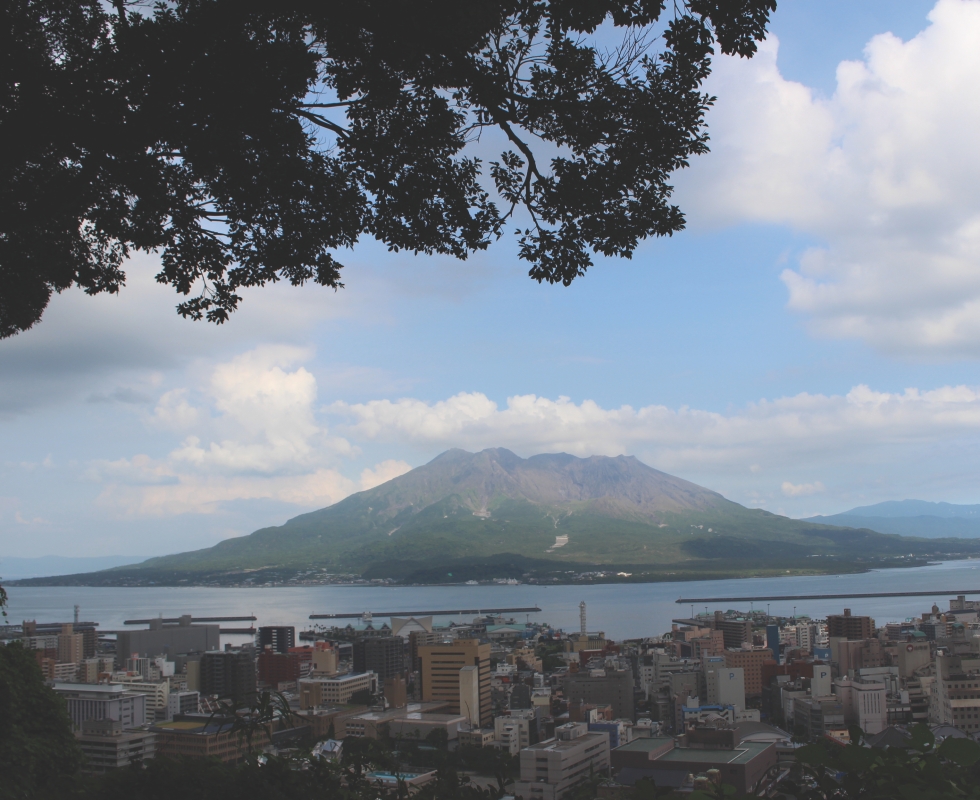
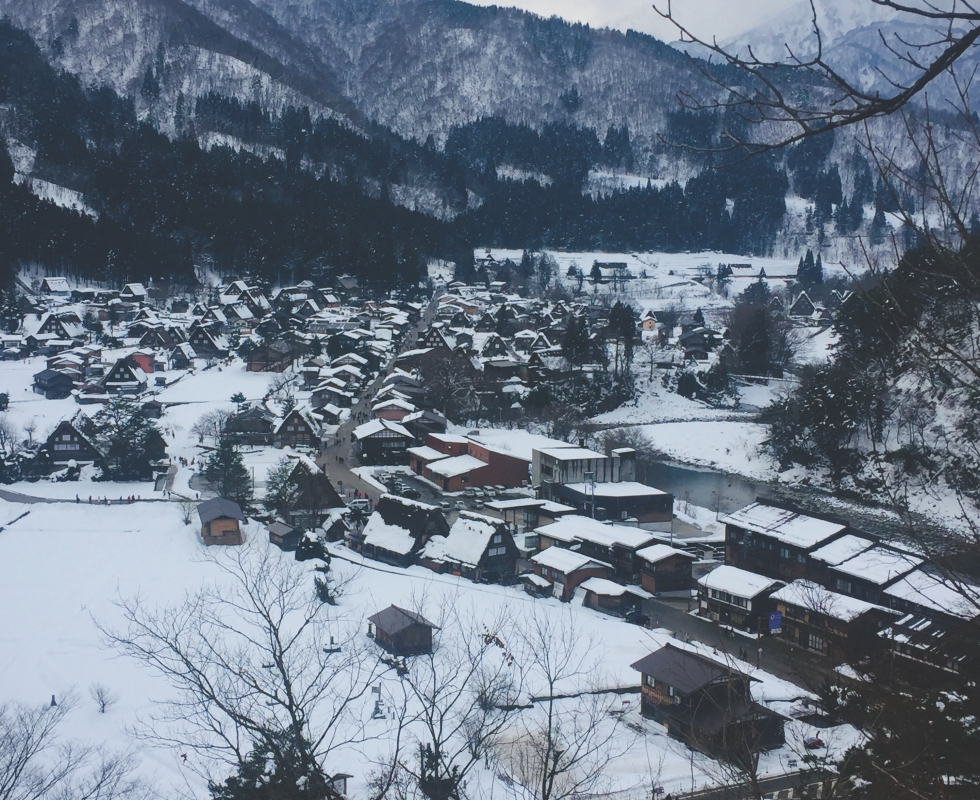
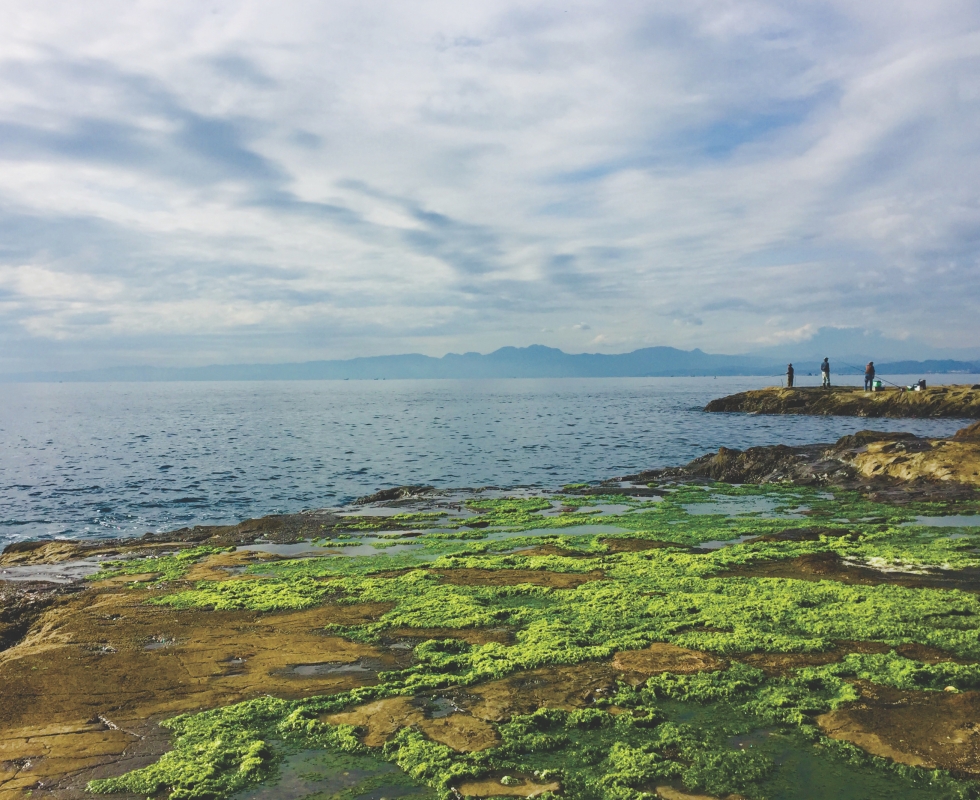
Visiting film locations is one of travel’s classic themes. The more a film moves us, the stronger our desire to see the place for ourselves. In Japan, the “land of manga,” anime settings are added to the mix. A place overlaid with scenes from a film or an anime feels all the more special and stays in memory for a long time.
Kore-eda Hirokazu’s ‘I Wish’ features Sakurajima in Kagoshima. Sakurajima is a volcanic island where plumes of smoke are a common sight, and where ash sometimes drifts and small eruptions occur. It is the symbol of Kagoshima, yet it looks like a god who might lose his temper at any moment. You can follow the journey by Shinkansen from Fukuoka to Kagoshima, seeing it through the eyes of a child who hopes for the miracle of his family living together again after his parents’ divorce left them living apart in Kagoshima and Fukuoka. Another Kore-eda film, ‘Our Little Sister,’ was shot in Kamakura, Kanagawa Prefecture. With the historic sites of the Kamakura shogunate, the scenic Enoshima island and beautiful beaches, Kamakura is a popular retreat for Tokyoites. The three sisters who live there meet their teenage half-sister after the death of their father, who left home long ago. Leaving complicated histories behind, the four sisters share everyday life in the quiet seaside town and gradually become a real family.
Kamakura is also famous as the setting of the manga ‘Slam Dunk.’ Its creator, Inoue Takehiko, is known for drawing real places exactly as they are, so visitors can find the protagonist’s high school, Enoshima, the railroad crossing and more. After Shinkai Makoto’s anime ‘Your Name’ became a huge hit, Hida-Takayama in Gifu Prefecture, which inspired its setting, also became a special destination. Shirakawa-go in particular is a village famous for gassho-zukuri, a traditional Japanese house style with steep roofs built to keep snow from piling up. Unlike the film’s protagonist, who longed to escape a village steeped in old customs, many tourists actually come here to see Japan’s traditional countryside scenery.
Kim Bongseok, film critic and former reporter at ‘Cine21’
Park Youngun, CEO of Silk Road Travel Agency