
The Taste of Japanese Fermented Food — The Flavor of Four Seasons, Brewed with Rice Koji: Karite
Karite cultivates rice koji from pesticide-free Haenam rice and crafts traditional Japanese-style fermented seasonings from healthy ingredients. We spoke with founder Aiko Takano about her craft, philosophy, and love of fermentation.
The Taste of Japanese Fermented Food — The Flavor of Four Seasons, Brewed with Rice Koji: Karite
Not the kind of flavor that's made quickly and consumed just as fast, but one cultivated slowly over time — that's what Karite offers. This small workshop cultivates rice koji from pesticide-free rice grown in Haenam, then adds the time of fermentation to seasonal produce to create seasonings. We spoke with Aiko Takano, founder of Karite, about how she keeps today's tables healthy with the wisdom of our ancestors.
Interviewer Ryu Sunwoo
Interviewee Aiko Takano (高野愛子), founder of Karite
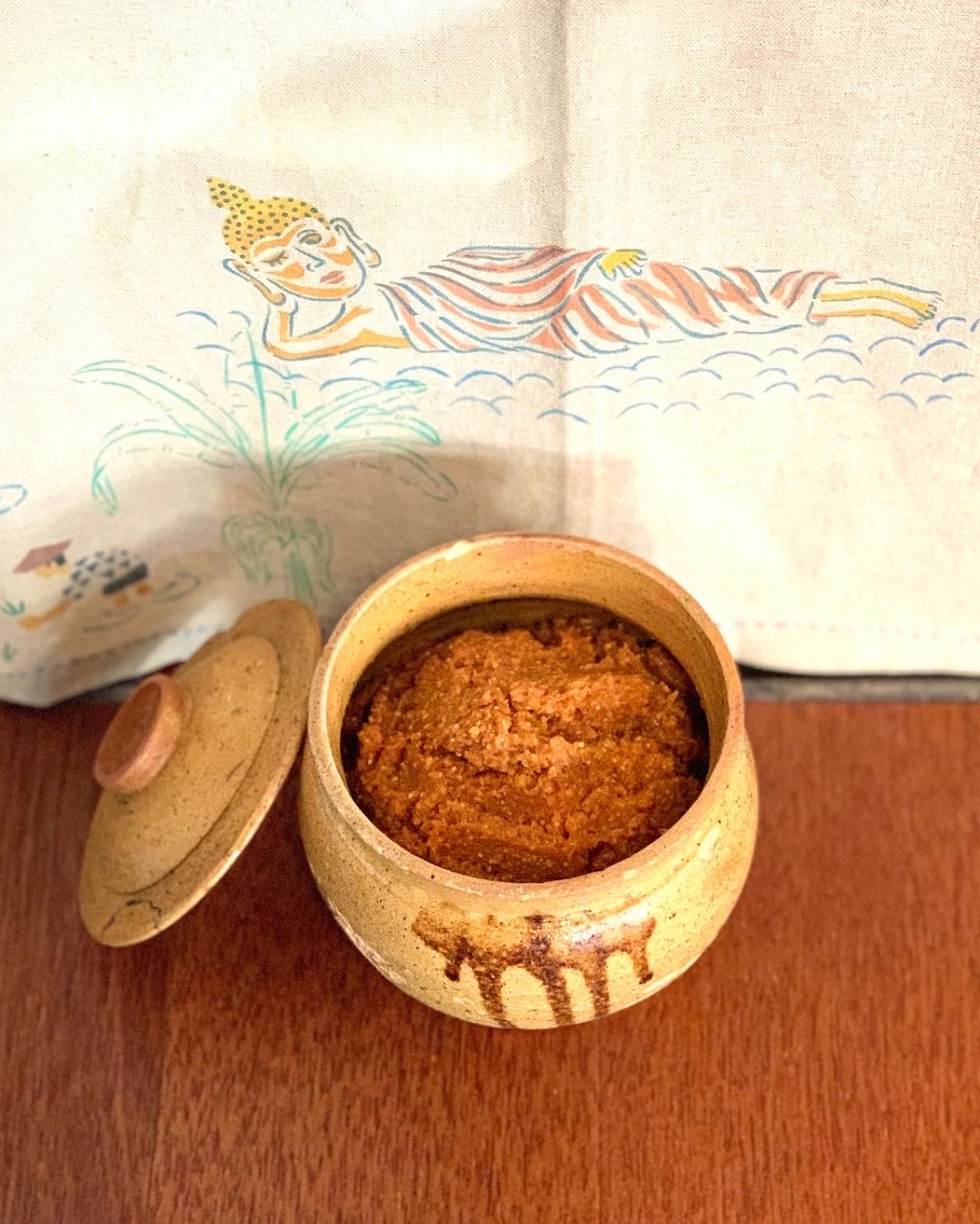
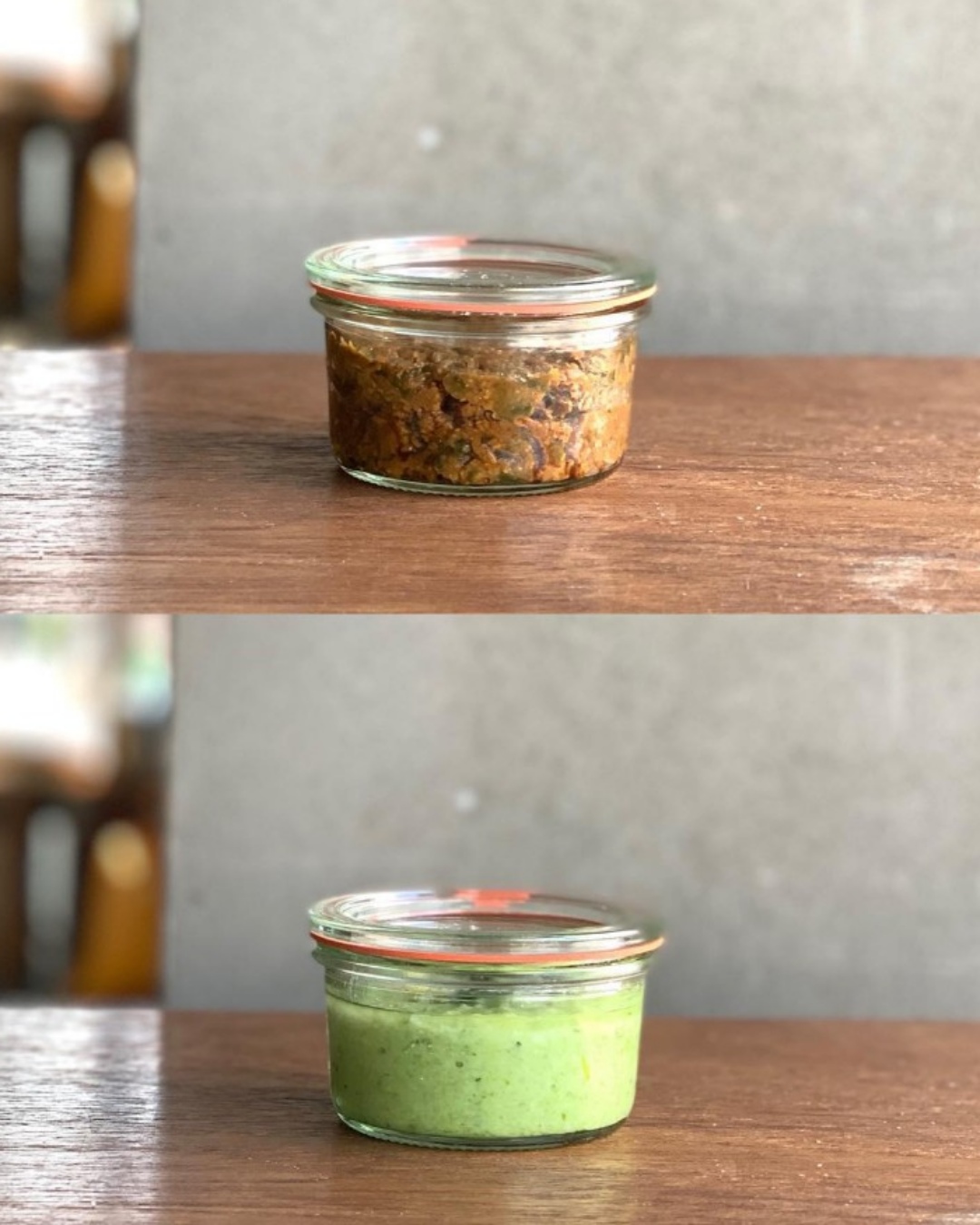
Could you give us a brief introduction to Karite?
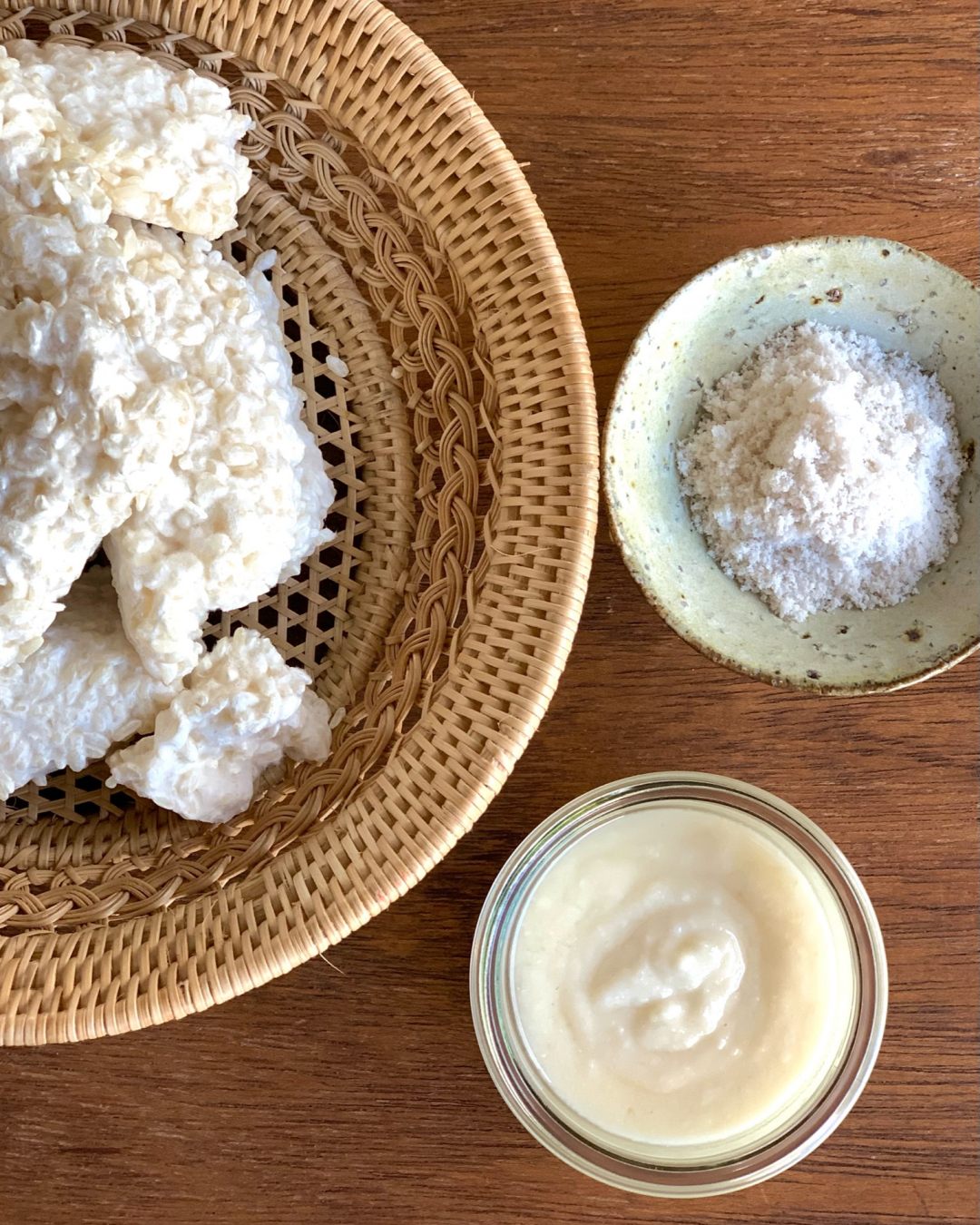
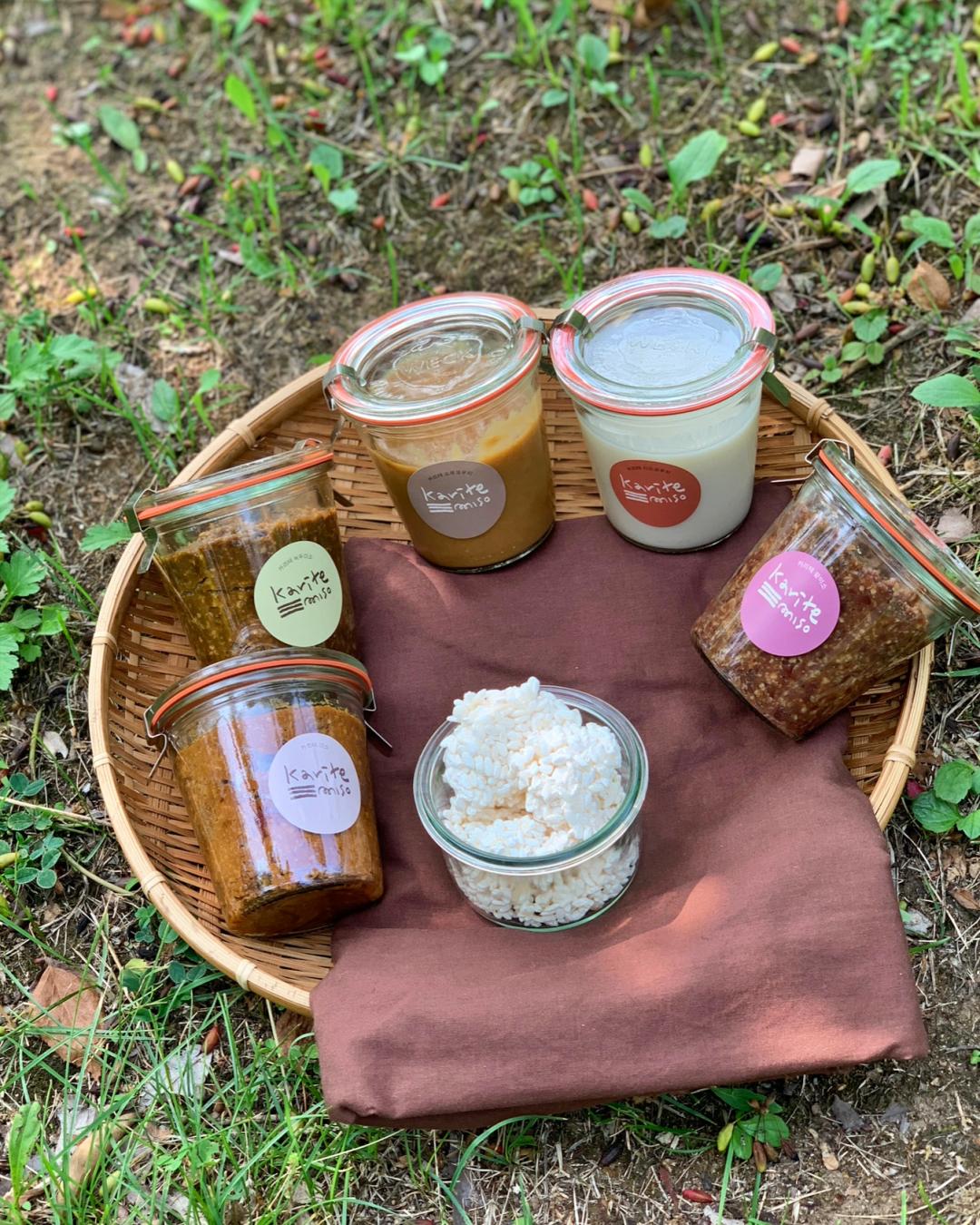
Karite is a workshop that makes Japanese-style rice koji seasonings. Under the theme of ‘rice koji, seasonal produce, and fermentation,’ we research and produce new rice koji-based fermented seasonings. We use pesticide-free rice from Haenam to cultivate warm, freshly made rice koji, and use it to create a variety of products, including Japanese-style miso.
What does the name ‘Karite’ mean?
The Chinese character for ‘provisions’ or ‘sustenance’ (糧食) can be read as ‘karite’ in old Japanese. Karite refers to ‘the food a person needs to survive,’ but in a broader sense, it means everything we need to live. From the warmth that can be conveyed through food, to a sustainable way of life that preserves nature and tradition by making use of the old ways and local ingredients — through our fermented seasonings, we hope to share our own version of ‘karite.’
Could you tell us about the Japanese-style rice koji and fermented seasonings that Karite makes?
Japanese-style rice koji is called ‘koji’ (糀). Koji is the basic ingredient used in Japan to make fermented foods like miso, soy sauce, and sake. Karite's koji is made by steaming pesticide-free rice from Haenam, sprinkling it with *koji mold (Aspergillus oryzae), and maintaining a consistent temperature and humidity for about 48 hours. The rice koji made this way develops enzymes that are beneficial to health. We use this rice koji to make a variety of Japanese-style seasonings, including miso koji, shio koji, and ama koji. The enzymes in rice koji maximize the healthy properties of the raw ingredients and enhance their natural sweetness or umami. They also help aid digestion.
*Koji mold is a fungus widely used in the production of fermented foods. It is typically inoculated onto grains such as rice, barley, and wheat to make alcohol, miso, and soy sauce. It has excellent saccharifying power, which breaks down starch into sugar, and strong enzymatic activity that breaks down protein into amino acids, giving foods their umami and sweetness.
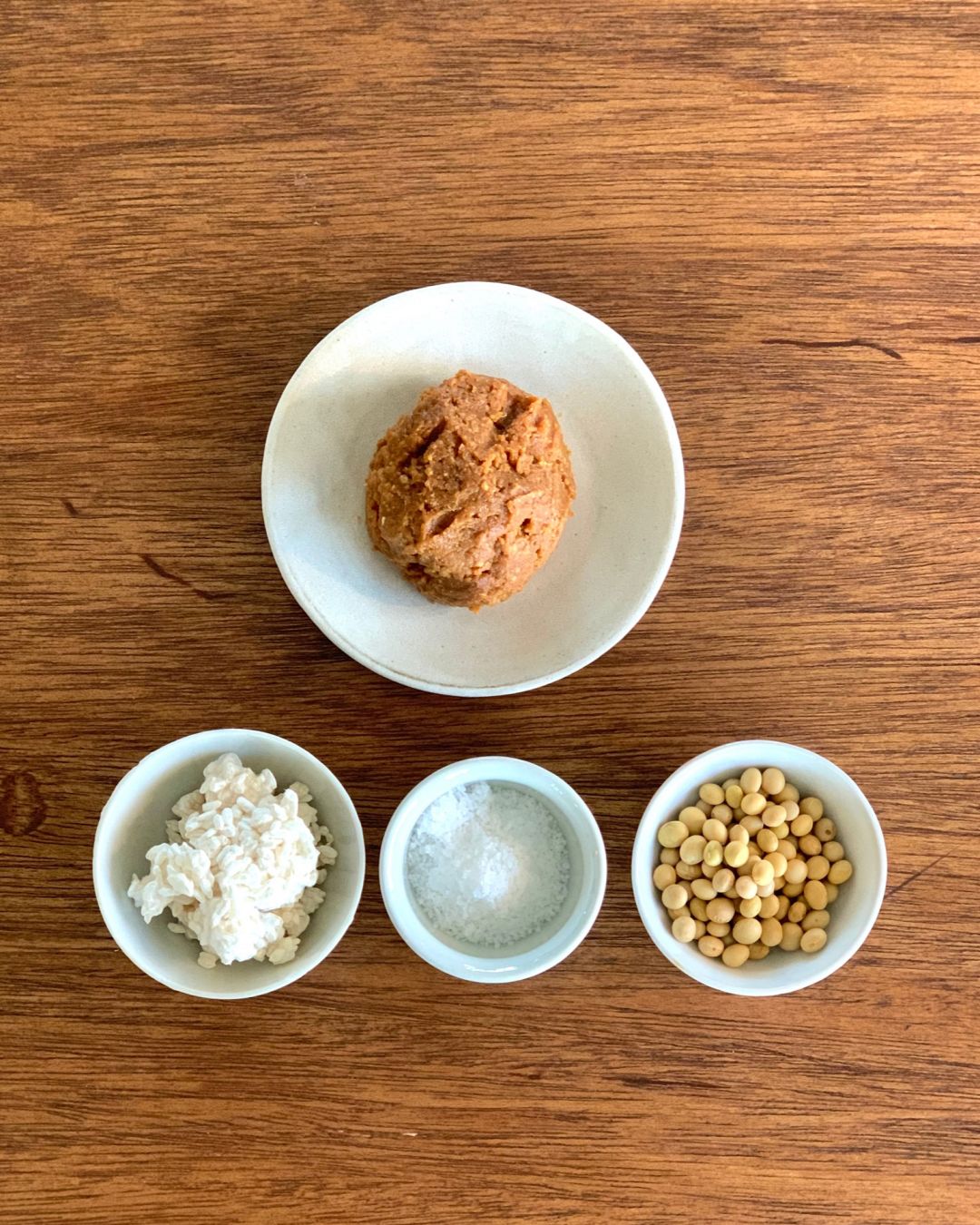
We're curious about the story behind making Japanese-style fermented seasonings in Korea.
When I married my Korean husband and started raising a child about ten years ago, only a handful of Japanese seasonings like miso and umeboshi were available at large supermarkets. Even those were mostly mass-produced factory products with chemical seasonings or coloring added. Every time I visited my family in Japan, I would bring back seasonings made from healthy ingredients that my child could eat, but it became too much of a hassle to keep doing that, so I decided to make them myself. From there, I started cultivating rice koji and experimenting with various seasonings, which brought me to where I am today.
How does the research into fermented seasonings take place?
Drawing inspiration from traditional methods that carry the wisdom and know-how of our ancestors, we start by making and tasting things ourselves. Then we go through a process of fine-tuning to suit Korean palates. I've taken courses on fermentation in Japan and also study fermentation methods from Korea and around the world, all in the process of finding Karite's own new flavors.
Could you share your favorite recipe using Karite's fermented seasonings?
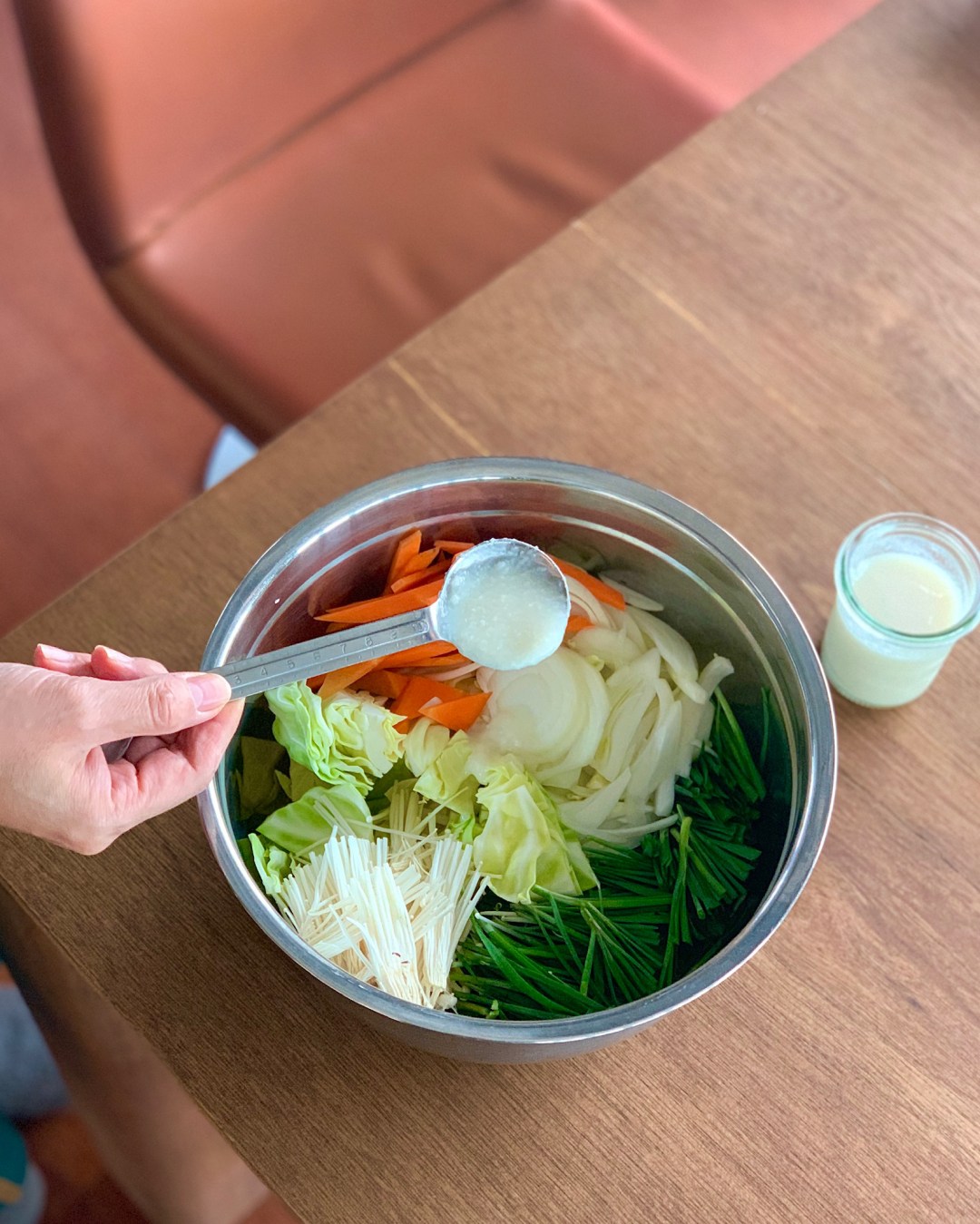
I love asazuke (浅漬け), a Japanese-style pickled vegetable dish made with shio koji. All you have to do is coat any vegetable you like with an appropriate amount of shio koji and let it sit. A tip is that you can enjoy it in completely different ways by adding kelp, yuja (citron) syrup, cheongyang chili peppers, sesame seeds, and more, depending on your taste.
It's impressive that you use ingredients from various regions across Korea, including pesticide-free rice from Haenam. Do you have any criteria for selecting a particular region?
I try to find ingredients made using traditional methods, rather than those mass-produced in a short period of time. I believe that the depth of flavor built from time and effort can't be replaced by anything else. That's why even the salt that forms the basis of every Karite seasoning is sun-dried salt from Sinan, Jeollanam-do, aged for over 10 years. We also use quality agricultural products from all over the country, including peanuts and mung beans from Yeongyang-gun, Gyeongsangbuk-do, soy sauce from a brewery in Nonsan, Chungcheongnam-do, and tomatoes from Sacheon, Gyeongsangnam-do.
You've collaborated with the vegan restaurant Kyun to present a seasonal ‘Curated Fermentation Box.’ How did this project come about?
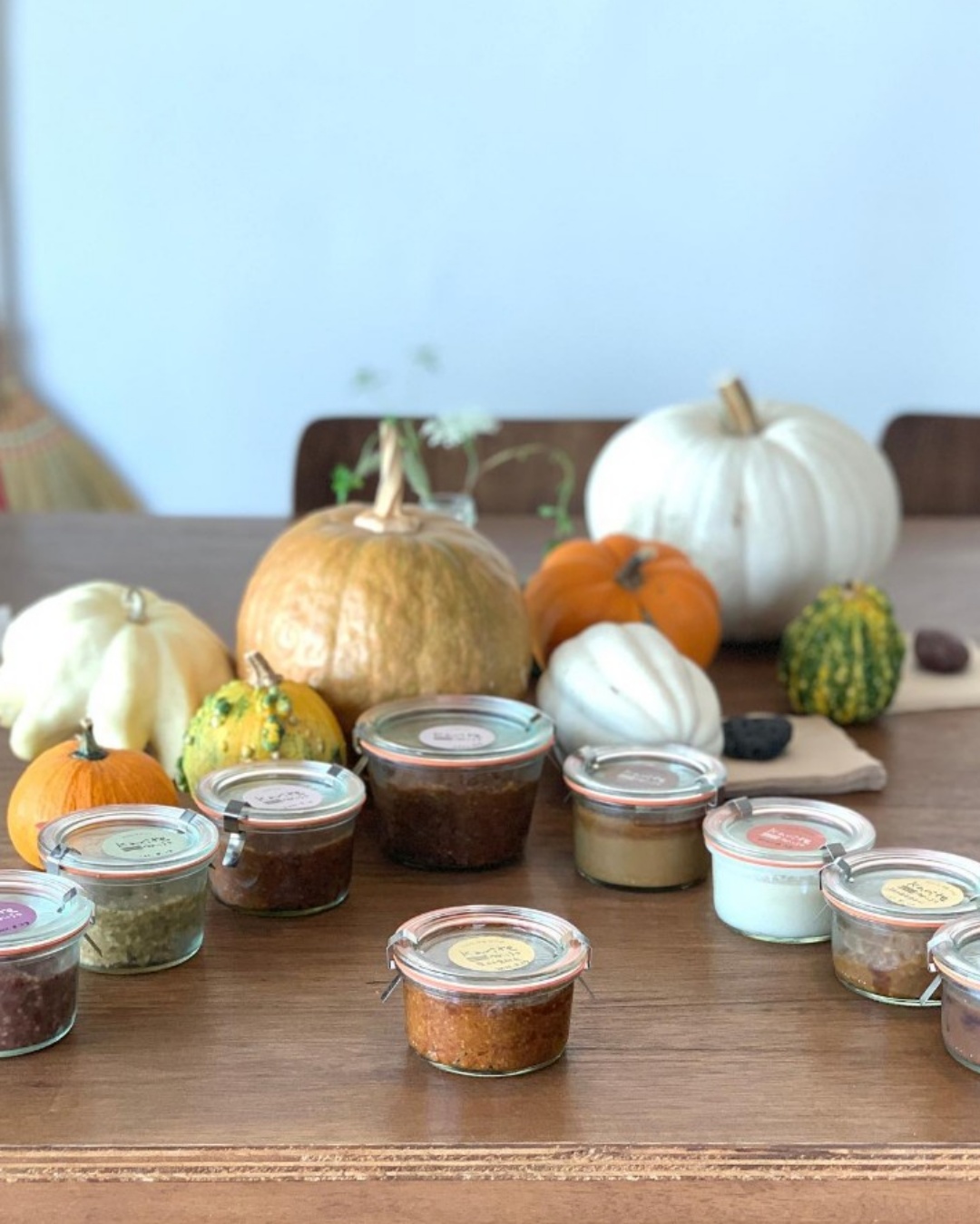
Kyun is a vegan restaurant located on Jahamun-ro in Jongno-gu, Seoul, where you can experience fermented foods through a blend of tradition and modernity. Karite's rice koji seasonings have been used in Kyun's menu since its early days, and some products were even sold in the store. When the pandemic limited offline experiences, we came up with the idea of a fermentation box delivered by parcel to introduce our seasonings. The Curated Fermentation Box features a different lineup of products each month, so you can enjoy different flavors and aromas with each season.
I understand you declare a ‘winter break’ every year and stay in Japan. What does your day-to-day life look like there?
I spend time resting with my family at my parents' home. I also visit local breweries and workshops in Japan that make miso, soy sauce, and sake using traditional methods, to spend time learning from them.
Do you have a favorite place or destination in Japan?
Kyoto, right next to my hometown of Osaka. It's a very famous tourist destination, but it also used to be home to many koji shops that made rice koji. It's a city full of charm in every corner, and every time I visit, I feel both the old and the new at once. If you're interested in fermentation and food, I recommend visiting Sumireya (すみれや), a shop that sells organic groceries and household goods, and Kuradai Miso (代味蔵噌), which sells carefully selected fermented miso from all over Japan.
Is there a country you'd like to travel to in the future with a theme of fermented food and gastronomy?
I think fermented food is, in itself, the wisdom of our ancestors. It's a tradition born from the effort and know-how of people trying to enjoy ingredients for longer, in a time before refrigerators and other storage facilities existed. That's why I want to experience as many fermented foods from around the world as possible. These days, I'd love to travel to explore the fermented foods of Asian countries like Taiwan or Thailand. Just as Korea and Japan seem similar but have many differences, I imagine each country holds new fermentation traditions waiting to be discovered.
Are there any fermented seasonings you'd like to introduce in the future, or any exciting plans?
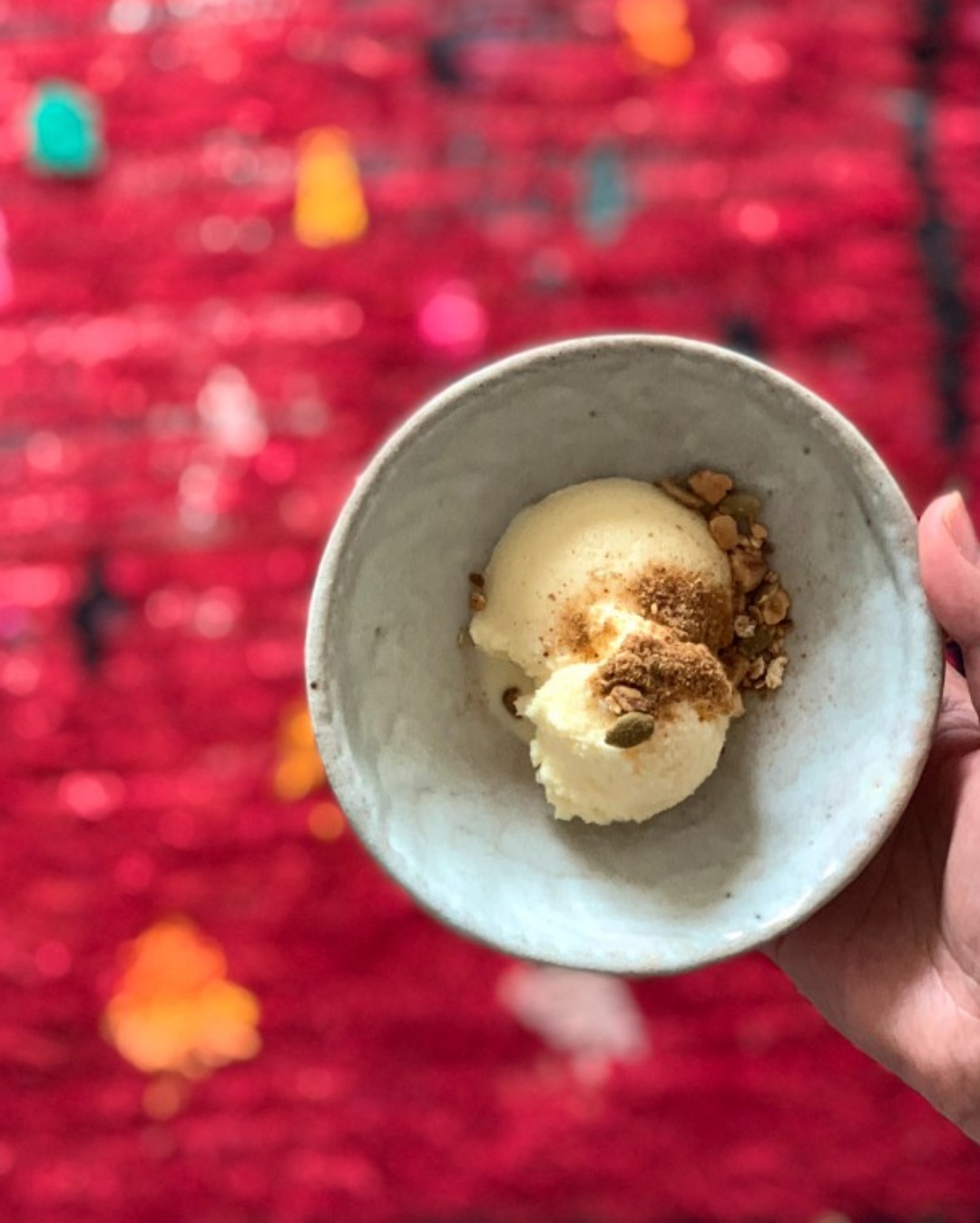
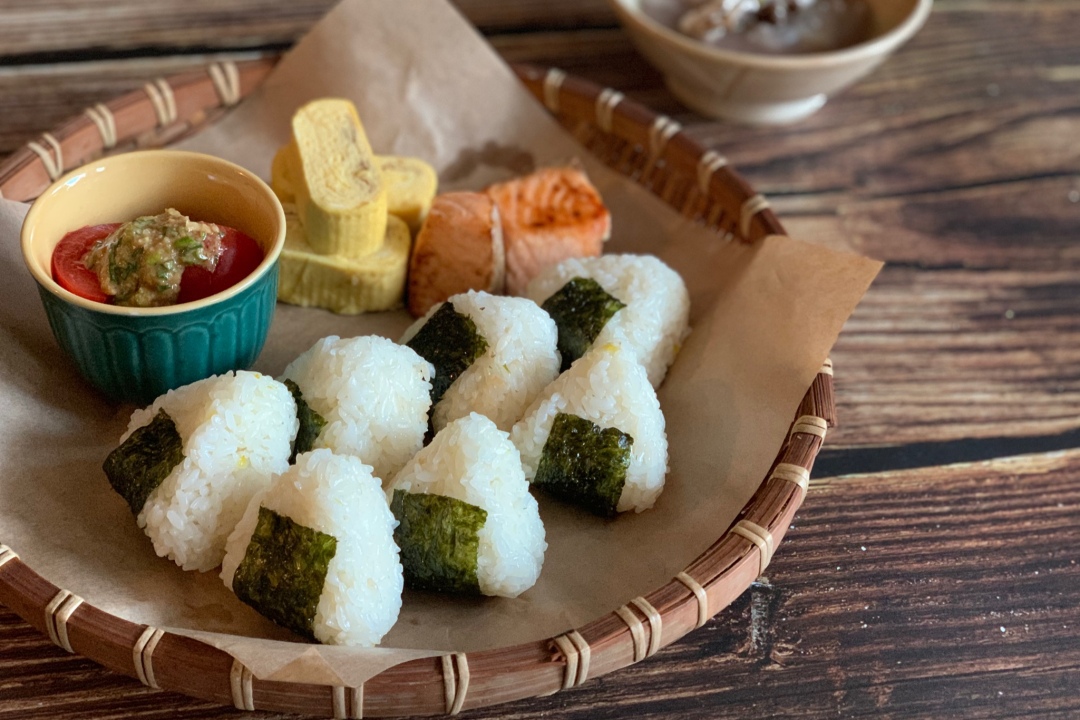
We're preparing a powdered seasoning that you can simply sprinkle on, so more people can easily access and use rice koji seasonings. As a first step, we recently launched a product called ‘Spice Miso Dukkah.’ Going forward, we plan to release a variety of other products, including herb and spicy versions. We're also working hard to launch a course program that introduces the various ways to use rice koji seasonings as soon as possible.


