
The Journey with Green Travel Kit — A Chance Journey with a Sustainable Travel Kit, Eden Forest
From eco-tour planning to eco-friendly travel kits, Eden Forest founder Seo Seonmi shares the journey behind building a brand devoted to sustainable travel.
The Journey with Green Travel Kit — A Chance Journey with a Sustainable Travel Kit, Eden Forest
Is there a traveler who wouldn’t feel a pang of sadness seeing a beloved destination stained with trash? Seo Seonmi, founder of travel kit brand Eden Forest, couldn’t just stand by watching plastic waste pile up on the island of Borneo in the Philippines, so she began creating products made from sustainable materials.
Interviewer Parc Jinmyoung
Interviewee Seo Seonmi (Founder of Sustainable Lab)
How did you come to launch Eden Forest?
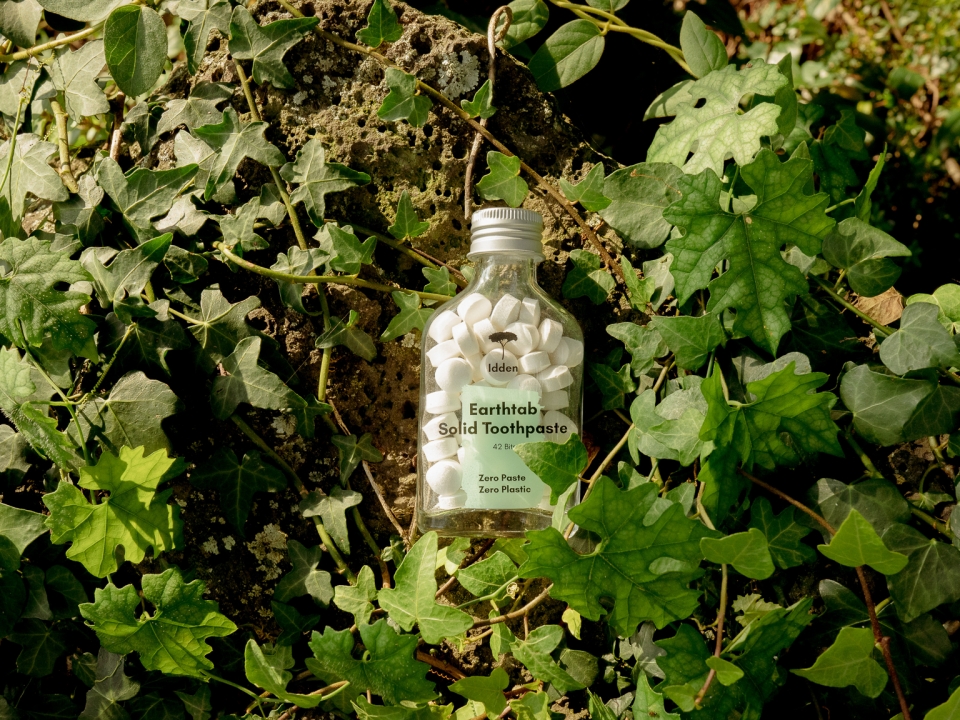
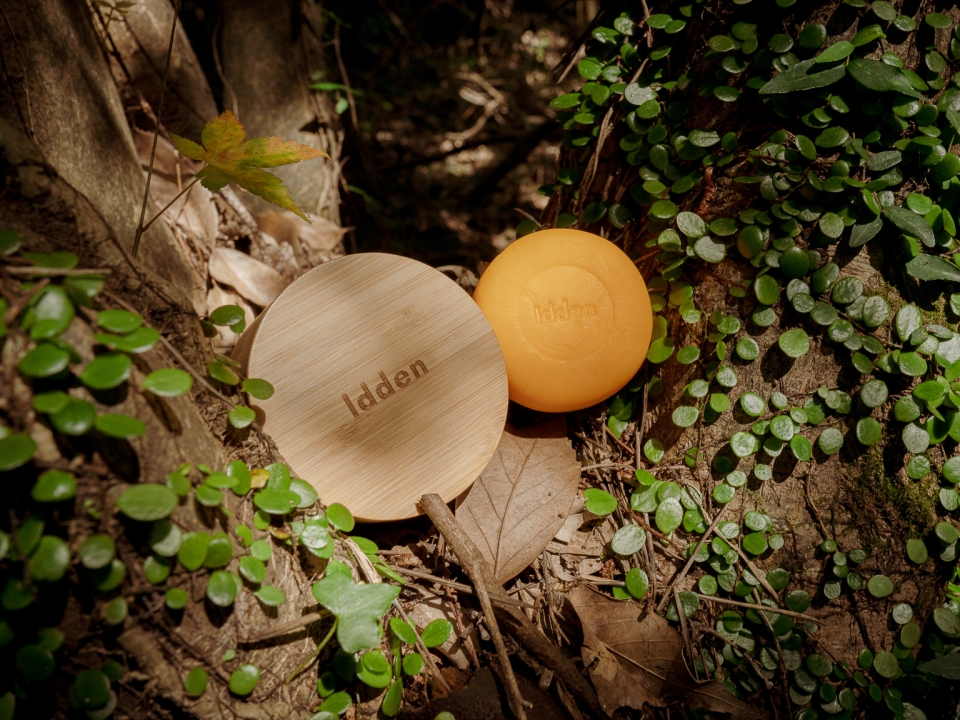
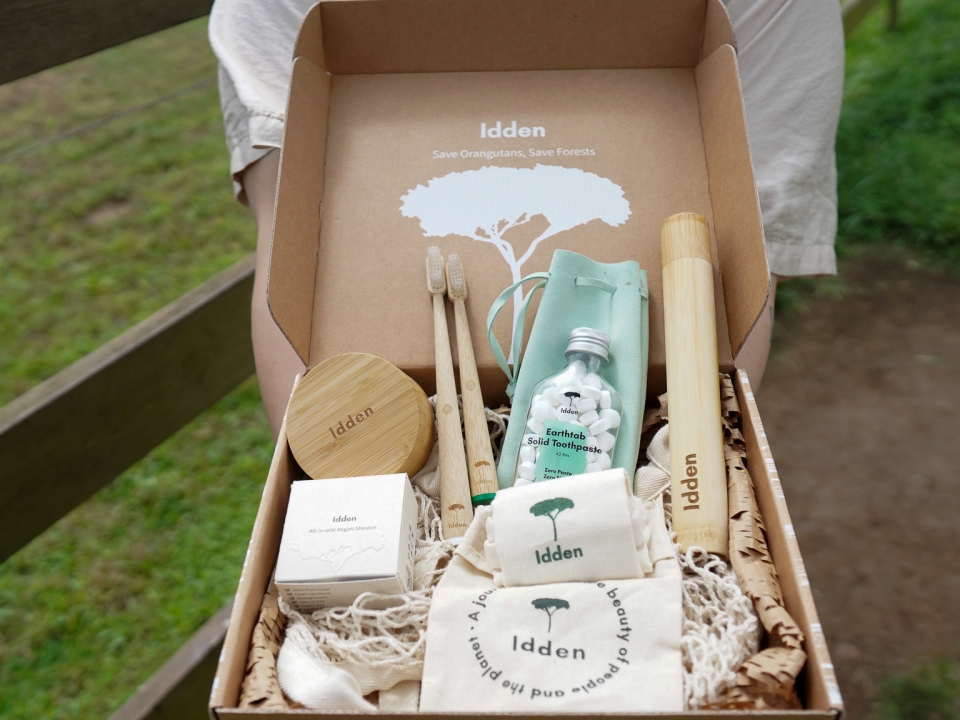
It began in September 2021 when I created the ‘Earth Kit’ through crowdfunding — an all-in-one soap bar called Earth Bar, along with a soap case, solid toothpaste, toothbrush pouch, and bamboo toothbrush. Before that, I had run a social venture developing sustainable travel products for over ten years, but the pandemic forced me to shut the business down. Right before closing it, I had been developing a travel program exploring Indonesia’s rainforests that also involved ecosystem conservation, and one of the ideas that came out of that was making a soap bar. Indonesia has long attracted many European travelers interested in eco-tours, and I drew inspiration from their zero-waste culture. That’s how Eden Forest’s Earth Bar was born.
What led you to become interested in sustainable travel?
I loved traveling since my college days. While preparing my resume for job applications, it suddenly hit me that what I truly wanted to do was travel. Simply listing ‘I’ve traveled to this many countries’ didn’t feel satisfying. As I thought about wanting my travels to be more meaningful, I suddenly remembered friends I’d met in the Philippines. Growing up in a tourist area, about one in ten of them ended up working abroad as migrant laborers. Once, my friends suggested going to the beach, and when we got there, they asked the guard standing at the resort’s back gate, ‘We have a friend visiting from Korea — is it okay for us to go into the water?’ In that moment, I felt dizzy. The beautiful sea that outside travelers took for granted as part of the resort scenery was something the very people who lived there couldn’t freely enjoy. That’s when I envisioned a business model that would directly connect locals with travelers, so tourism revenue could flow straight back to the community. Together with college classmates, I founded the social venture Travelers Map.
How was the market response?
In the first year after founding the company, we got so much attention that I was doing media interviews almost once a week. But even though articles about our travel products kept coming out, they rarely translated into actual purchases. Our first product was the Philippine Borneo Project — Borneo is one of the fastest-desertifying rainforests in Asia and also one of the most popular destinations among European travelers. At the time, it was a region where you could hardly find any Asian visitors. People found the existence of such a place fascinating, but I realized not many actually wanted to go there themselves.
Is that why you started the travel startup PlayPlanet?
After running my first company for about three years, I began to notice shifts in travel trends. On a business trip to Laos, I saw European travelers booking flights, hotels, and activities all separately for every part of their trip. That gave me the idea, and in 2012 I launched an activity-focused booking platform on my own, while the original team continued running Travelers Map. Since we captured a market aligned with the latest trends early on, we drew some interest in the beginning. But it didn’t grow beyond that. Dark tourism and sustainable activity programs sprang up everywhere — in Nepal, Laos, Thailand, Viet Nam, the Philippines, Cambodia, even Ukraine — but domestically, there weren’t that many travelers who showed interest.
Were there any destinations or spots you referenced while launching Eden Forest?
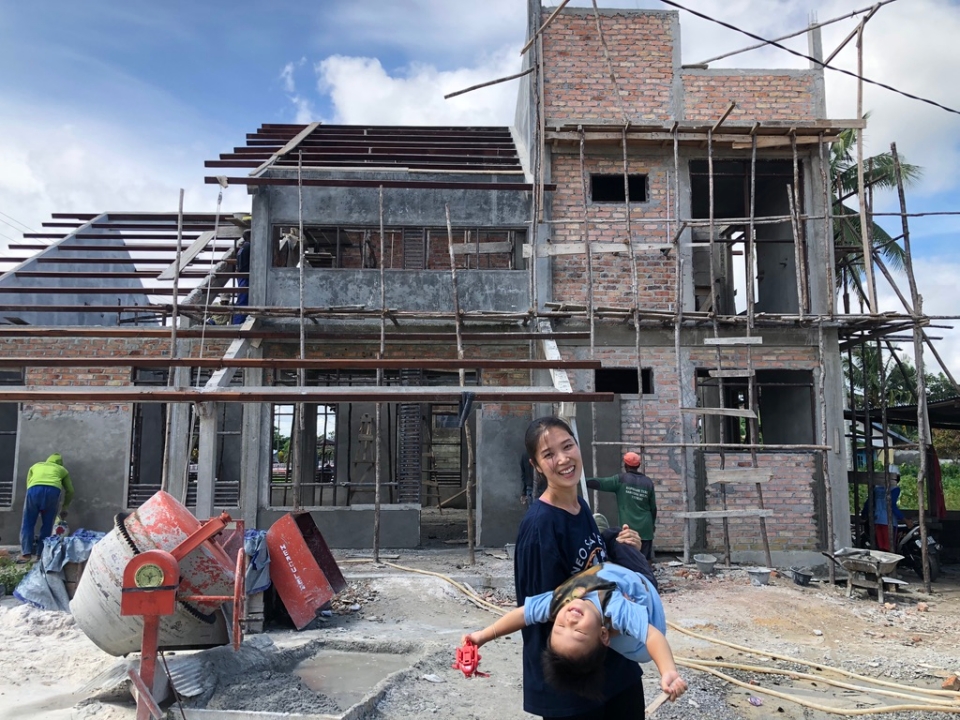
In 2019, I was working on a project to build a sustainable travel center on Borneo. When the building was about 90 percent complete, I spent two months in Bali, Indonesia, researching global trends. Bali is one of those destinations where hip people from around the world gather. What stood out most to me at the time was zero waste. Walking into any trendy café or concept store, you’d find a wall lined with colorful, beautifully arranged soaps as if it were the most natural thing in the world, with Western women standing in front of them, choosing soap with utterly serious expressions. Shampoo bars and conditioner bars were still unknown in Korea back then. But I noticed that while traveling, there wasn’t a good container to store these pretty, eco-friendly soaps. Carrying them around in plastic bags felt neither stylish nor in keeping with the eco-friendly concept. That’s what made me decide to create a travel case where you could stylishly store a soap bar. The soap cases Eden Forest sells today were designed with a focus on lightweight, minimal design.
How are your products made?
We mainly upcycle leftover, discarded raw materials. The Earth Bar is made by adding protein to leftover beer yeast. This year, we’re working on a soap bar made from cacao byproducts. We only make all-in-one products that can be used without distinguishing between shampoo, conditioner, or body wash. Travel items should be minimal, and since I personally travel with my child, I find it convenient to have a single product both my child and I can use from head to toe. Our bamboo toothbrushes use FSC-certified bamboo, and the bristles are plant-based as well. These days, we’re developing plastic alternative materials, and we’re also hoping to make simple camping tableware.
What do you pay the most attention to when making a product?
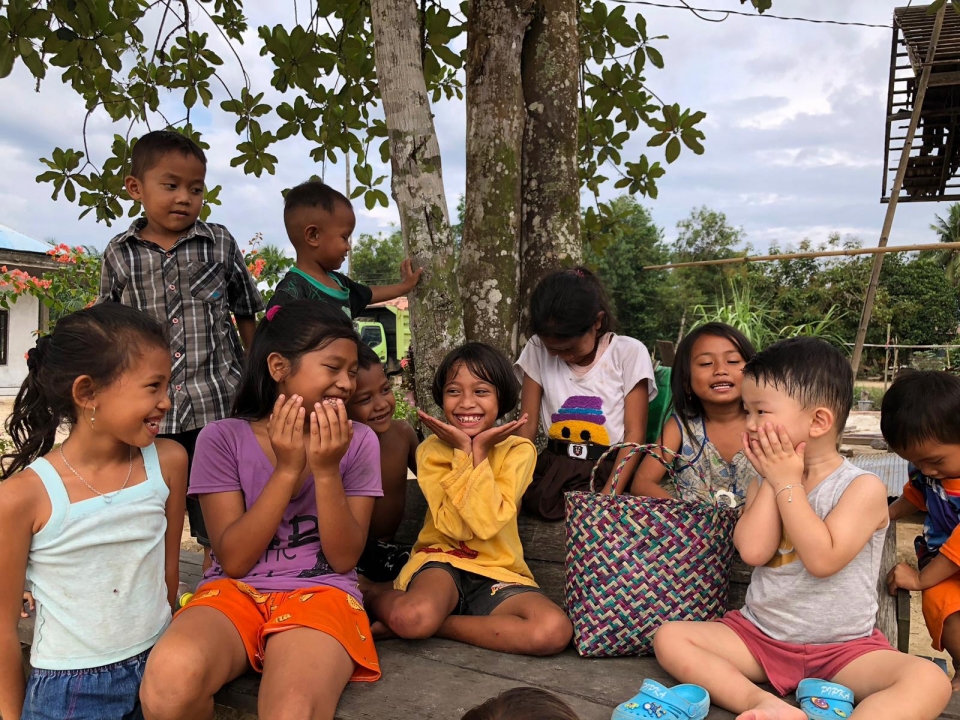
While staying on Borneo and planning tours with local residents, I faced a lot of difficulties. I felt that teaching them a ‘global attitude’ and foreign languages was, in a way, a form of violence. I realized that making products like soap bars would let us ‘make a living together’ instead. The reason fair trade often isn’t sustainable is that a centimeter as seen locally and a centimeter as seen from outside are different things. For example, we might want a specific Pantone color number, but that exact color can’t be reproduced locally. Because the standards and culture of production differ, it’s hard to maintain consistent quality, which inevitably undermines sustainability. Making soap, by comparison, is a much clearer process. With just the tools, raw materials, and a recipe, it's possible, which lowers the chances of everyone having different ideas about the same goal.
Are you currently trying that approach?
My goal was to make the Earth Bar locally in Indonesia, but I haven't been able to put that into practice yet. Instead, we're running a project where a tree is planted on Borneo Island on behalf of every customer who buys an Eden Forest product. We need to lay the groundwork for fair trade production as soon as possible.
Do you have a personal travel routine?
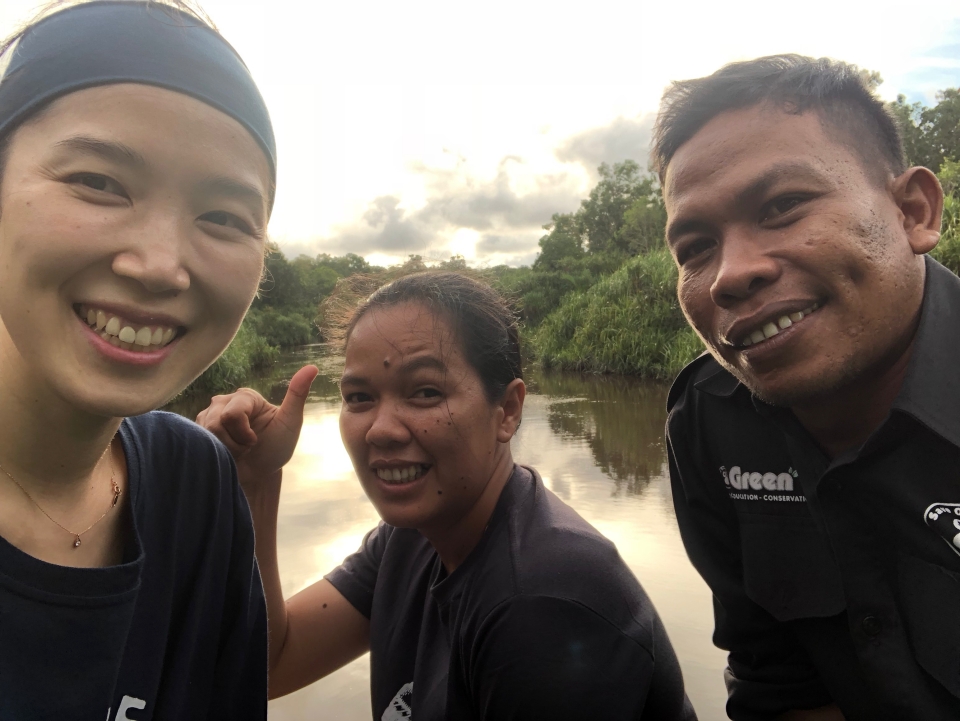
Since I was young, I’ve always thought it was important to connect with locals when traveling. If you don’t make local friends, you end up simply retracing someone else’s footsteps, relying on information from blogs, YouTube, or social media.
Do you have a special know-how for getting close to locals?
If you can communicate in English, that makes things easier from the start. Personally, I think I’ve often relied on asking locals for help. I think that’s possible precisely because I travel without depending on blogs or Google Maps.
What’s the destination that’s stayed with you the most?
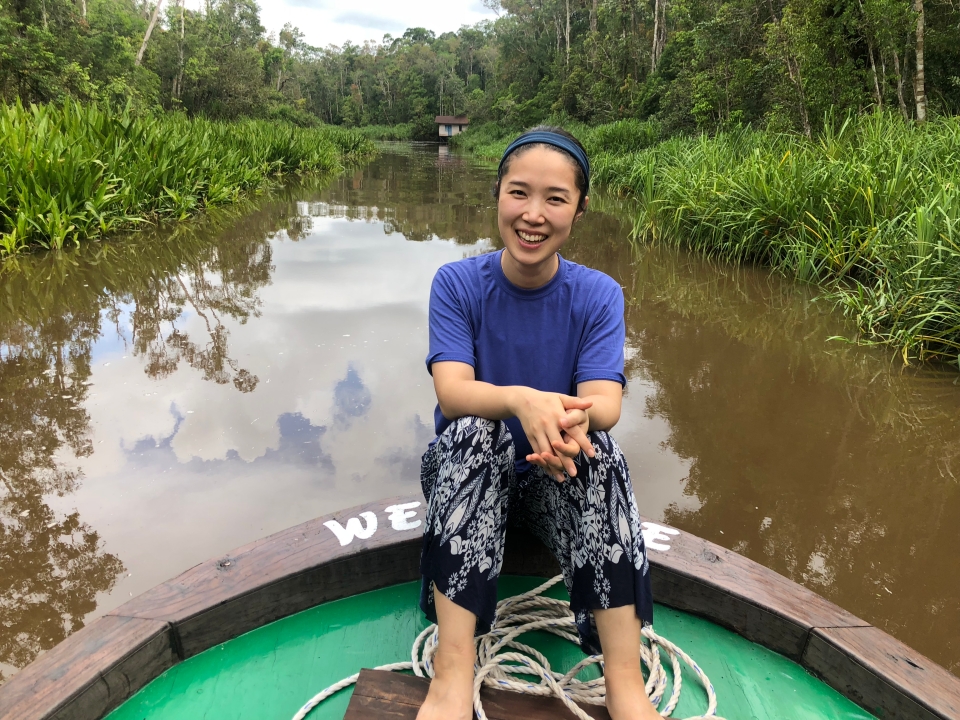
I spent quite a long time on Bohol Island in the Philippines. While developing a travel product there, I once led a project training local dolphin hunters to become eco-tour guides. Some college students I happened to meet at the time were a huge help. We rode jeepneys (a hybrid between a bus and a jeep, and a major mode of transportation for Filipinos) around Bohol Island several times and traveled together. We swam in the sea and met the dolphin hunters. That experience gave me the hint for my second venture. Just as I gained unforgettable memories through a chance encounter, I thought — could ‘serendipity’ be turned into something digital? That idea grew into a business matching local hosts with travelers.
Isn’t serendipity ultimately why we long to travel?
That’s right. The real charm of travel seems to lie in its rawness. Because it’s unpredictable, there’s a sense of excitement. The problem is that while everyone wants to stumble upon these chance moments of fun, many people—Koreans especially—hesitate to take the leap because of language barriers or a strong need for belonging. In fact, I think traveling is a highly sophisticated skill. No matter how much travel has become part of everyday life, it’s hard to reach a certain level of satisfaction without your own know-how or courage.
How do you see sustainable travel evolving?
As with everything these days, travel also has to be visible. It comes down to whether something can be captured in an ‘Instagrammable’ way, as people say—but sustainability itself is invisible by nature. In the end, travel has become content to be visualized and collected. I think we need to keep thinking about how to capture sustainability through photos or videos.


