
The Essence of Ultra Light Hiking — Set Down Every Burden in Nature
Hiker House Bobo, in Wimi-ri, Seogwipo, Jeju, is a café for hikers and a small outpost for ultra light hiking. Its owner talks about leaving a bakery job in the city, the meaning of walking step by step, and what sustainable travel can be.
The Essence of Ultra Light Hiking — Set Down Every Burden in Nature
How heavy should the load be when we head into the mountains or the woods? I found myself wondering as I weighed my luggage for a flight. My pulse quickened with every number the scale climbed to, so having more clearly doesn’t always make us happy. Then what about the weight we carry in our hearts to get through life? Following that thought led me to a café devoted to ultra light hiking: ‘Hiker House Bobo.’
Words Parc Jinmyoung
Interviewee Cho Hyeonsu, Owner (Hiker House Bobo)
Ultra light hiking began in the United States in the 1990s and later became hugely popular in Japan. As the name suggests, it means ‘very light hiking’: you head into nature with a 40- to 50-liter pack holding only the bare minimum. You spend the night under a thin tarp that shields you from just enough rain and sun, and you eat food that needs little fuel to cook. The premise of ultra light hiking is that the more weight you take off your shoulders, the farther you can travel with less effort, and the more comfortably you can meet nature.
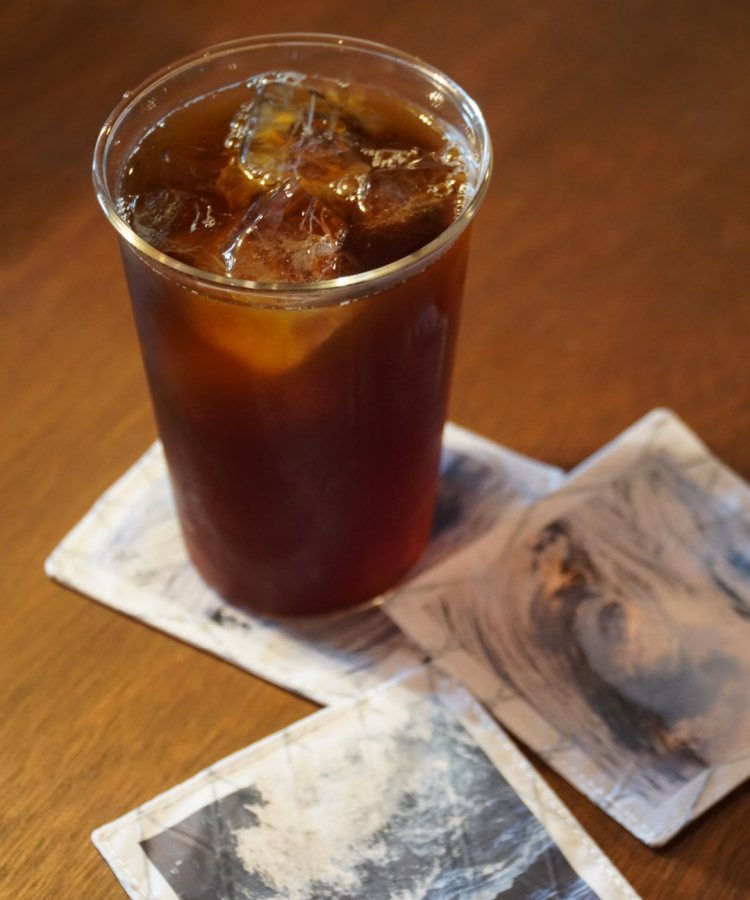
Hiker House Bobo (hereafter Bobo) is a café for hikers traveling in Jeju. In its space of about 10 pyeong (roughly 330 square feet), you can spend time over a cup of coffee or homemade sweets such as scones and granola. There is also the ‘Bobo Energy Cube,’ known as an ultra light hiking food, which is made by turning hand-dripped coffee into jelly. Gear and supplies for hiking are on sale too. Bonus: owner Cho Hyeonsu is happy to explain how to make the most of your equipment (the heart of ultra light hiking lies in how wisely you use your gear). What is the story of a baker from the city who drifted to Jeju and began introducing ultra light hiking?
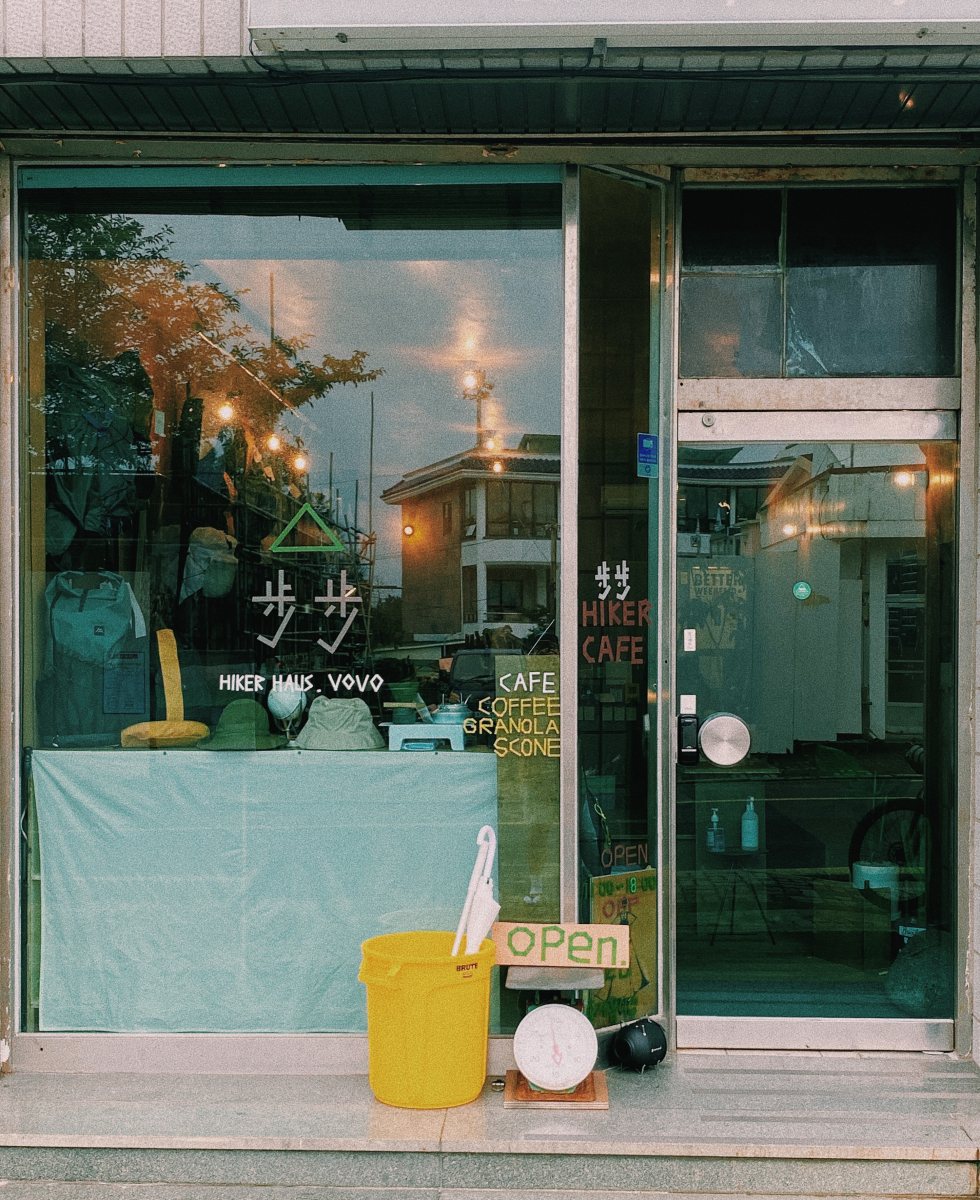
Memo 1. What Is Ultra Light Hiking?
Please introduce Hiker House Bobo.
Hiker House Bobo is a café for hikers in Wimi-ri, Seogwipo, Jeju. We make and sell ‘ultra light food’ that is easy to eat while hiking, and you can also buy the gear you need for walking.
What does ‘Bobo’ mean?
Bobo is a Chinese-character word meaning ‘step by step.’ Since 2017, my wife has run a dance studio called ‘Tanzhaus in Jeju.’ There I once exhibited the time I spent with the children, recorded on my iPhone, and published it as a photo book. Bobo was the title of that book. We decided to use it as the name of Hiker House, hoping people would come to know ultra light hiking (ULH) on their own paths, the way a child learns to take first steps.
How did you get started with ultra light hiking?
Because my parents ran a mountaineering supply store when I was young, I naturally came to know how domestic outdoor gear and outdoor culture have changed over time. I first encountered ultra light hiking culture in 2016, when I took part in OTT (On The Trail) by *Better Weekend.
Has ultra light hiking changed your life?
In so many ways. On the surface, the biggest change is that I left the company I had thought of as a job for life and started Bobo. Inwardly, I began to think again about our bodies, which are born and raised in nature and will return to it, and I came to cherish and feel grateful for each day borrowed from nature. Living with a lighter heart, with the excess of life stripped away, I gained the wisdom to tell what matters and the strength to recognize what is good and right. I also visit the forest near my home often, and being able to focus on my inner essence there and walk my own steps to the rhythm of nature feels like another change.
*Better Weekend is a web magazine specializing in outdoor gear, and OTT (On The Trail) is a hiking event it hosts.
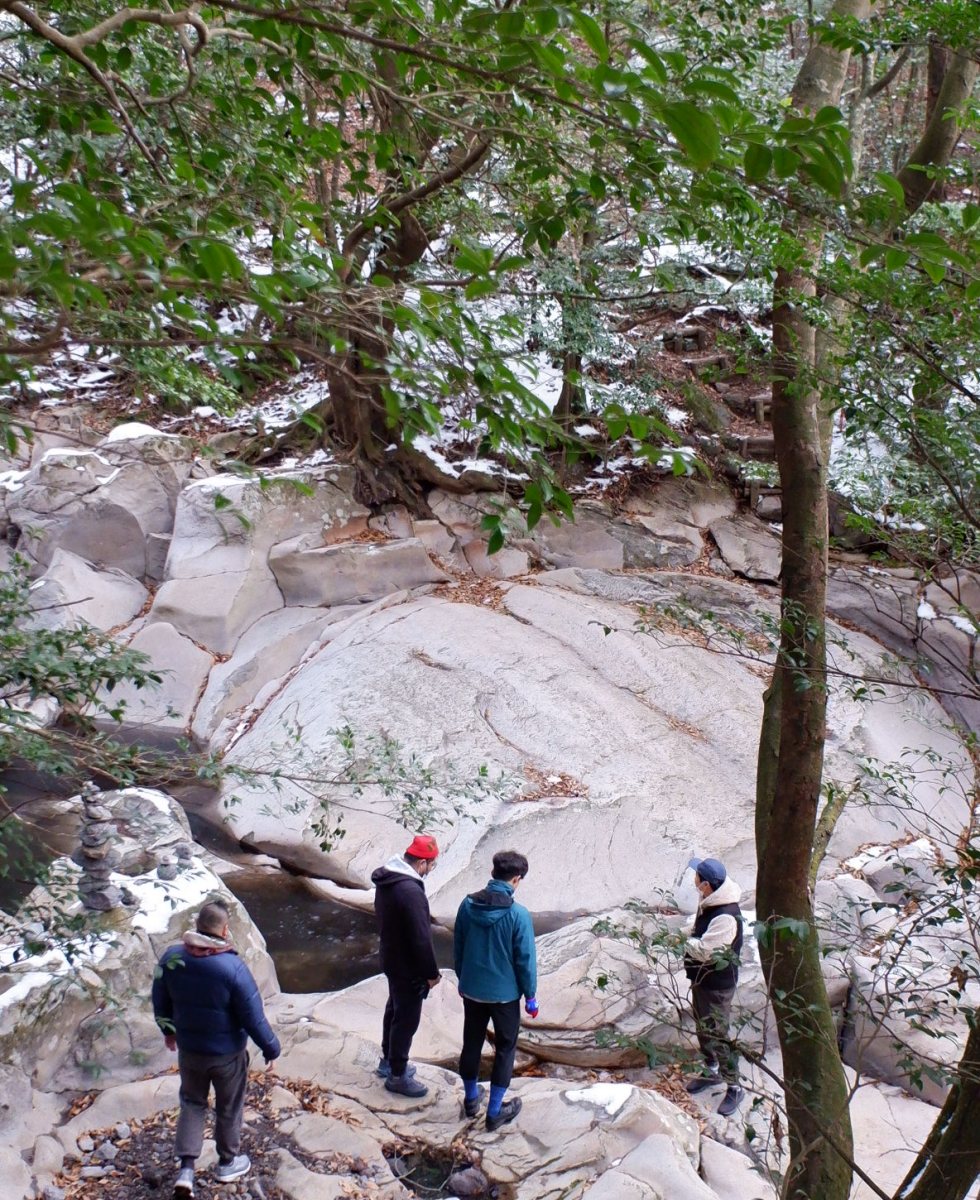
Memo 2. A New Start in Jeju
Was there a special reason you moved to Jeju?
My wife was struggling with burnout, and we visited Jeju a few times together. Each time, I felt such peace that I thought, ‘Someday I’d like to live in a place like this.’ Before long, I was transferred to Seogwipo, Jeju, and in the fall of 2016 we began living here.
Tell us about your favorite place in Jeju.
Wimi-ri and Bobo (laughs). I really love this space. Maybe it’s because I poured all my thoughts and feelings into designing and preparing this space of about 10 pyeong. The time I spend at Bobo is what I love most: from the early morning when I carefully prepare the menu to every moment I meet guests who love Bobo’s identity and culture as much as I do. My job is to meet people who come here without any appointment. Like the sky over Jeju, no two days are the same, so every day is exciting and couldn’t be better. On days off, I go to the nearby forest and the sea. Snoopy Garden, where we ran a campaign-style hiking program together last winter, is another place I’ve come to love recently.
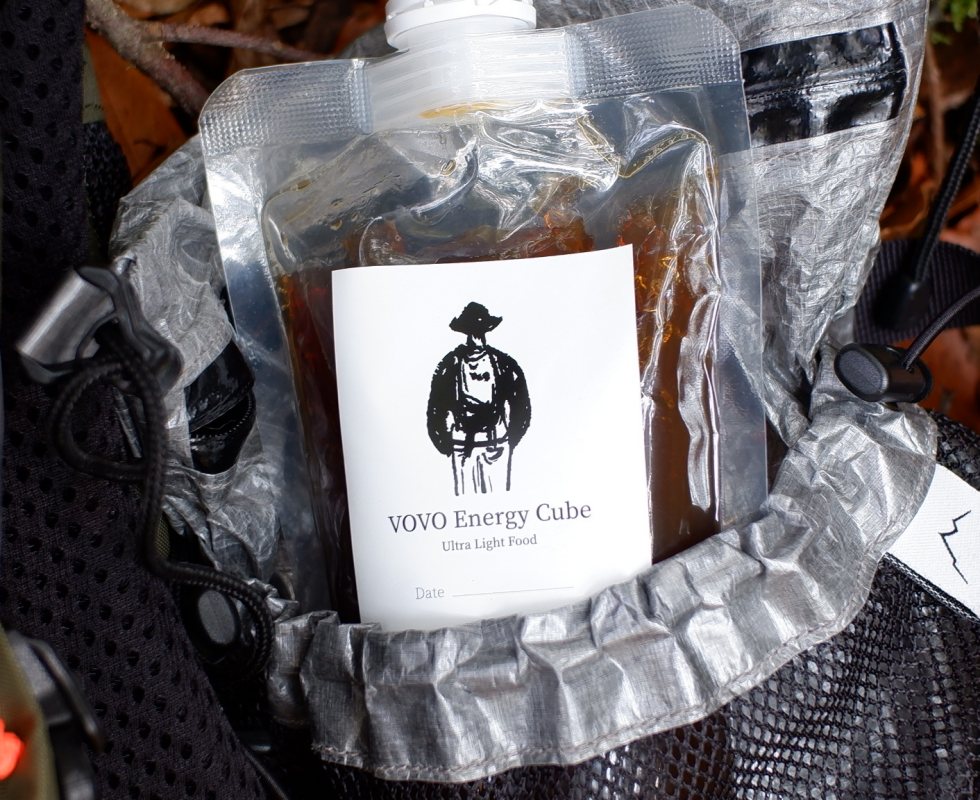
Memo 3. A Hiker’s Journey
What is your favorite travel destination?
Berlin and Kyoto. In Kyoto, I trained and worked in baking. Once I lived there as a resident rather than a traveler, I think I came to love the city. Just thinking about the air I felt while cycling to and from work, or the small shops in the alleys selling food infused with their owners’ philosophy and care, lifts my mood, and I always miss it. Visitors to Bobo often say, ‘Being here feels like being somewhere in Kyoto,’ and I suppose that influence is part of it.
Where would you like to go for ultra light hiking?
Yakushima, a small island in southern Japan, is the setting of ‘Princess Mononoke,’ an animated film I loved as a child. I hear it has nature quite different from Jeju’s and countless trekking routes, so I’d love to go at least once. A café called ‘Issou Coffee,’ which I came to know online, is on that island too. I’d like to drink good coffee there and share the music we each love with its owner.
What Jeju trip, or ultra light hiking route, would you recommend to travelers who practice sustainable travel?
Jeju’s trails are very well maintained. Why not walk a safe trail only as far as you can manage that day? If you like forests, take a forest path; if you like the sea, a coastal path; and if you want to look around a neighborhood, winding village lanes are lovely too. I believe that when someone walks somewhere, it becomes a path, and that you make your own route. For people with tastes similar to mine, I recommend the Hallasan Dullegil trail. Each section is described in detail, so even beginners can easily glimpse Jeju’s inner character.
What is sustainable travel?
I think it means shifting your perspective so that you stop treating travel as something special. Outdoor activities spread with trends too, but I hope people won’t chase what others pursue, won’t post proof of it, and won’t hoard things. Rather than worrying about how you look to others, keep asking yourself what moves you, and walk your own path, your own steps, at your own pace. In that sense, isn’t sustainable travel a journey that takes you briefly out of familiar daily life so you can look back at yourself through a local’s eyes?
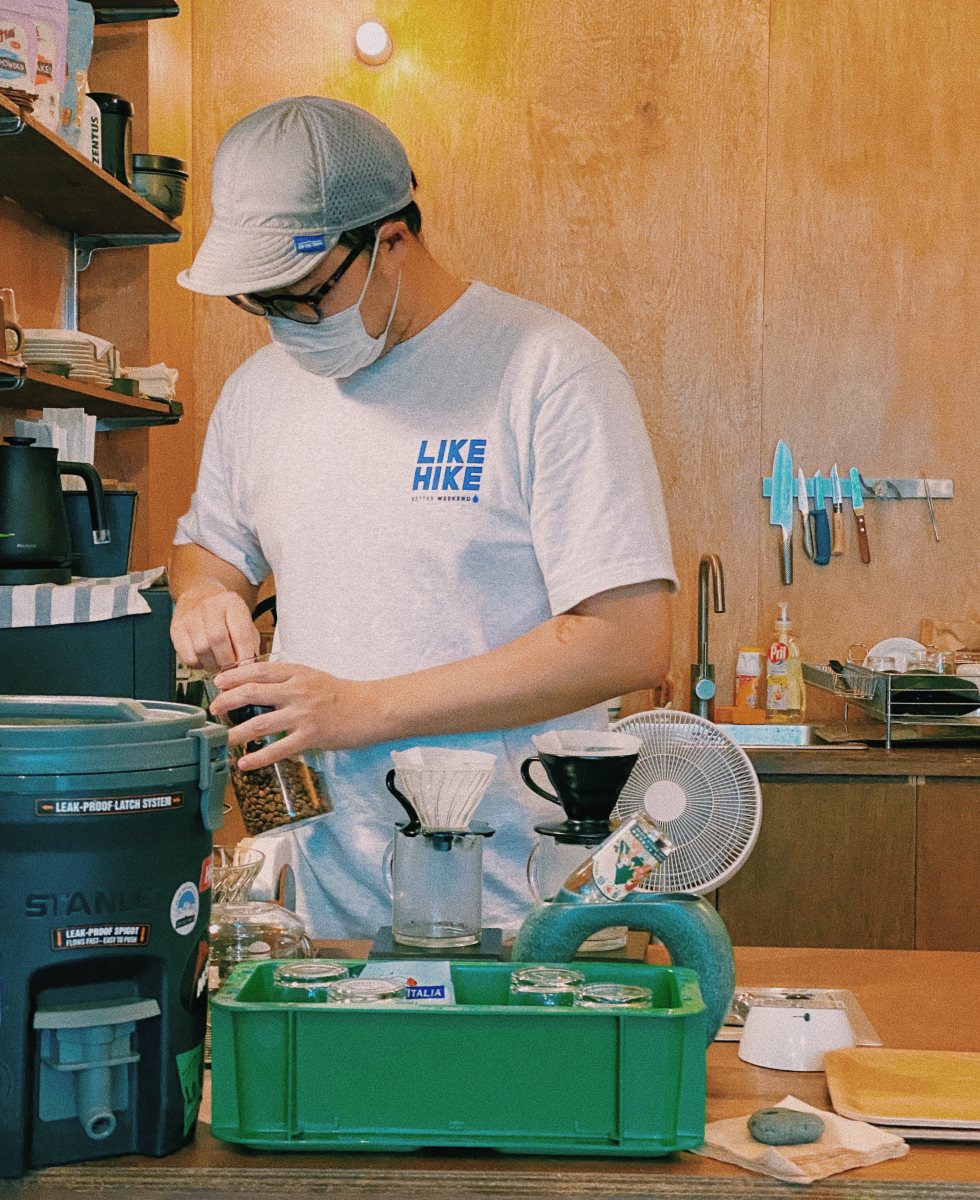
Memo 4. A Small but Big Café: The Future of Hiker House Bobo
What does Hiker House Bobo need in order to keep going sustainably?
Many guests are curious about how to use gear, so within what I know, I explain in detail how to handle equipment according to the purpose and plan of their hike. Lately, I’m preparing a cultural and arts space called ‘Collage platZ’ on the floor right above. It’s a place where fragments of different faces and ideas come together to create new images. Like a farmer tending a field, we plan to run projects that follow nature’s rhythm, including exhibitions, performances, workshops, and educational programs. I think the way to sustain anything is simply to keep doing what you’ve been doing.
What kind of place do you want to be for travelers and hikers?
A place where you can warm up when you’re cold, cool off when you’re hot, fill your stomach when you’re hungry, quench your thirst when you’re thirsty, and catch your breath when you’re winded. I hope it will be a safe and comfortable space, like visiting the home of an old friend, where even after a long time apart it feels as if you last met yesterday.
Please tell us about your dreams and plans for the future.
I want to spread a hiking culture where people let down every guard in nature and walk comfortably and lightly along safe trails. I hope this culture grows into a valuable, meaningful activity that awakens environmental and ecological sensitivity. I hope to share what I love and to collaborate and stand in solidarity with people who love nature, art, and other people. While preparing the cultural and arts space I mentioned earlier, Collage Platz, we spent the whole winter sweeping, scrubbing, and painting a long-neglected empty space. We’re planning to open in late April with a dance performance by an artist, and in May, an event exhibiting film photographs by Jeju locals.
Note 5. When I used to travel, a backpack as tall as I was wasn’t enough. I filled a suitcase too, and somehow learned how to shoulder all that weight. I told myself that travel is ultimately a process of getting used to the weight of your own pack, and I was proud of myself for bearing it so stubbornly. Now, every time I pack, I think about what I can leave out. Maybe the load I carried so heavily all that time was never a way of training myself or a symbol of perfect preparedness. Maybe it was impatience and anxiety that I hadn’t yet managed to put down.


