
The Earth Is Melting — The Future of Our Planet Thaws
Glaciers that endured countless ages vanish within just a few years, and the photographer's frame captures a sorrow hard to imagine. Han Sungpil presents the hidden side of landscapes reshaped by global warming as a difficult assignment for travelers.
The Earth Is Melting — The Future of Our Planet Thaws
Glaciers that have endured countless ages disappear in just a few years, and the photographer’s frame leaves behind an impression of sadness that is hard to imagine. Han Sungpil presents the hidden side of the landscapes transformed by global warming as a difficult assignment for travelers.
Words & Photos Han Sungpil
Website www.hansungpil.com
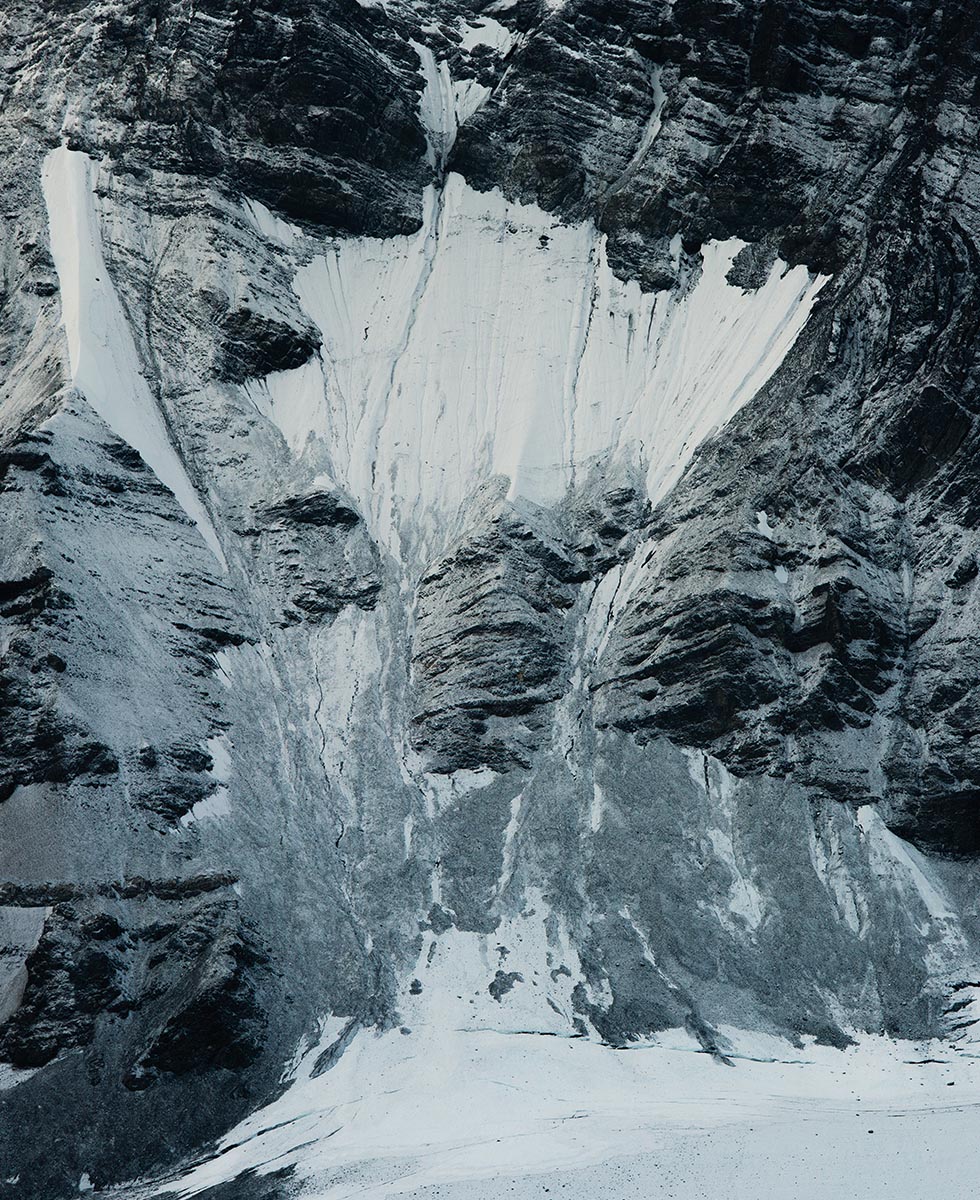
Spitsbergen, Svalbard, Norway, 2014
Melting Glaciers
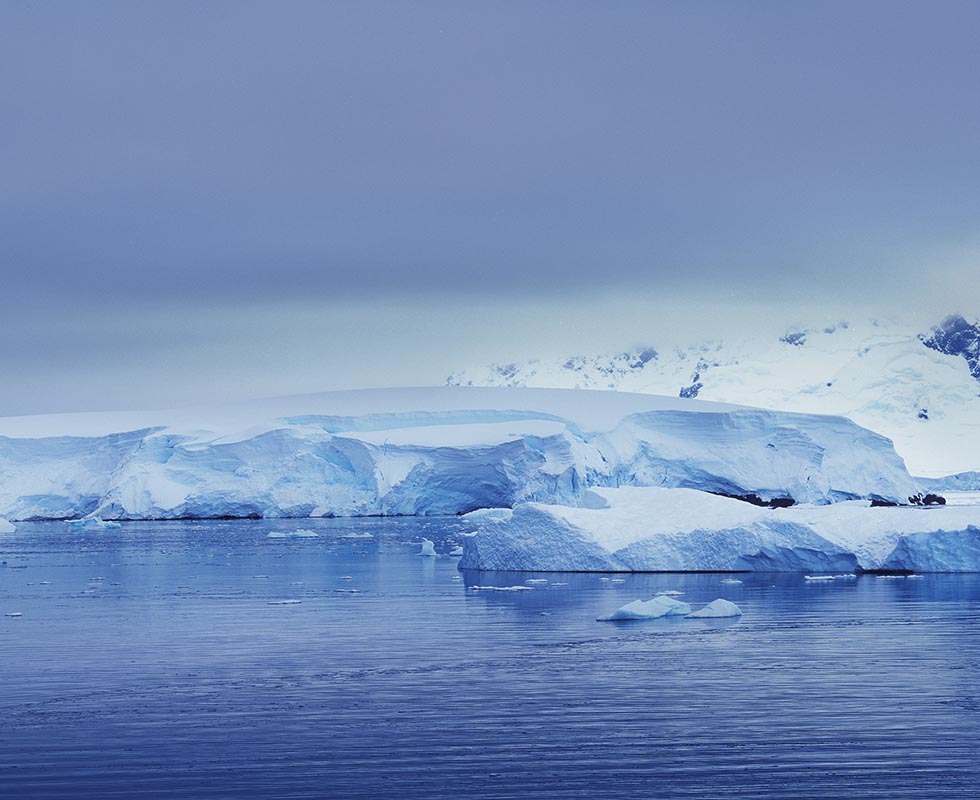
Glaciers, the largest masses of freshwater ice in the world, cover about 10 percent of the planet’s land area, and 84 percent of them lie in the Antarctic region. Experts say that if the world’s ice sheets continue to melt until they disappear entirely, global sea levels could rise by as much as 60 to 70 meters. The main cause of such massive glacial melt is global warming driven by greenhouse gases.
Wilhelmina Bay, Antarctica, 2014
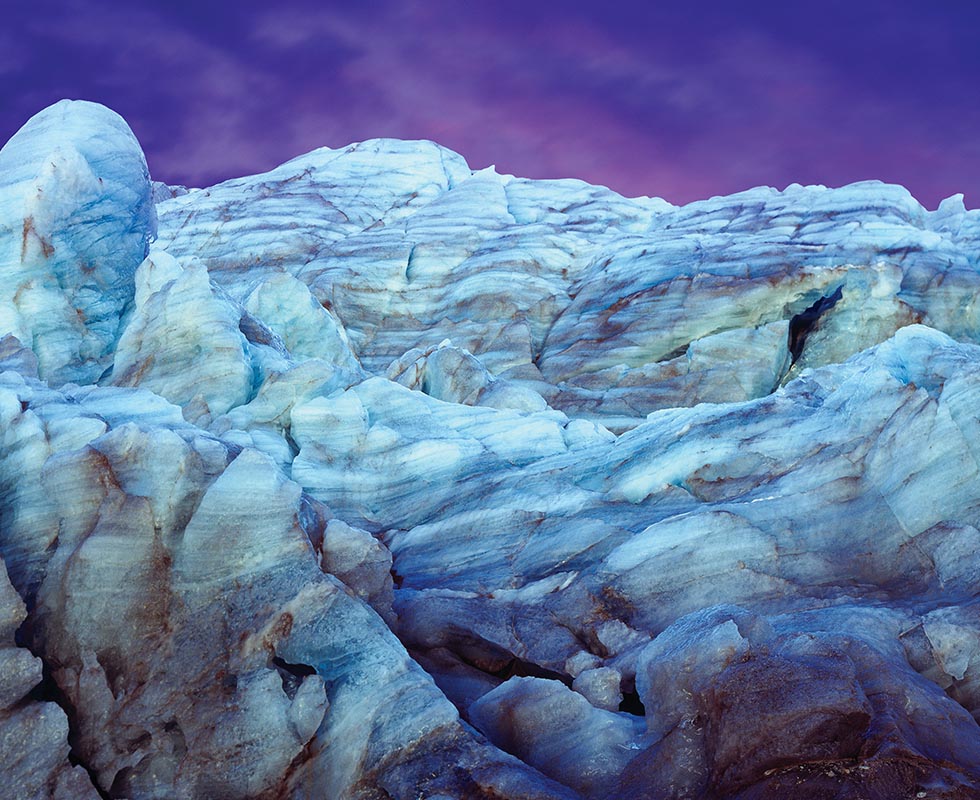
: Spitsbergen, Svalbard, Norway, 2016
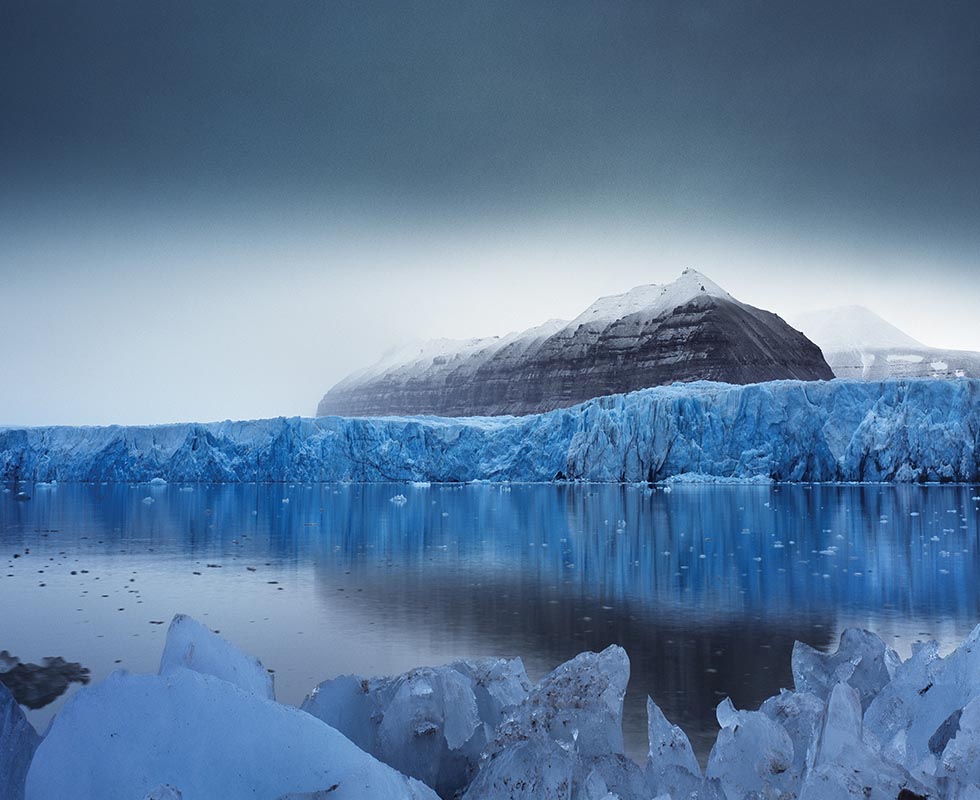
Spitsbergen, Svalbard, Norway, 2016
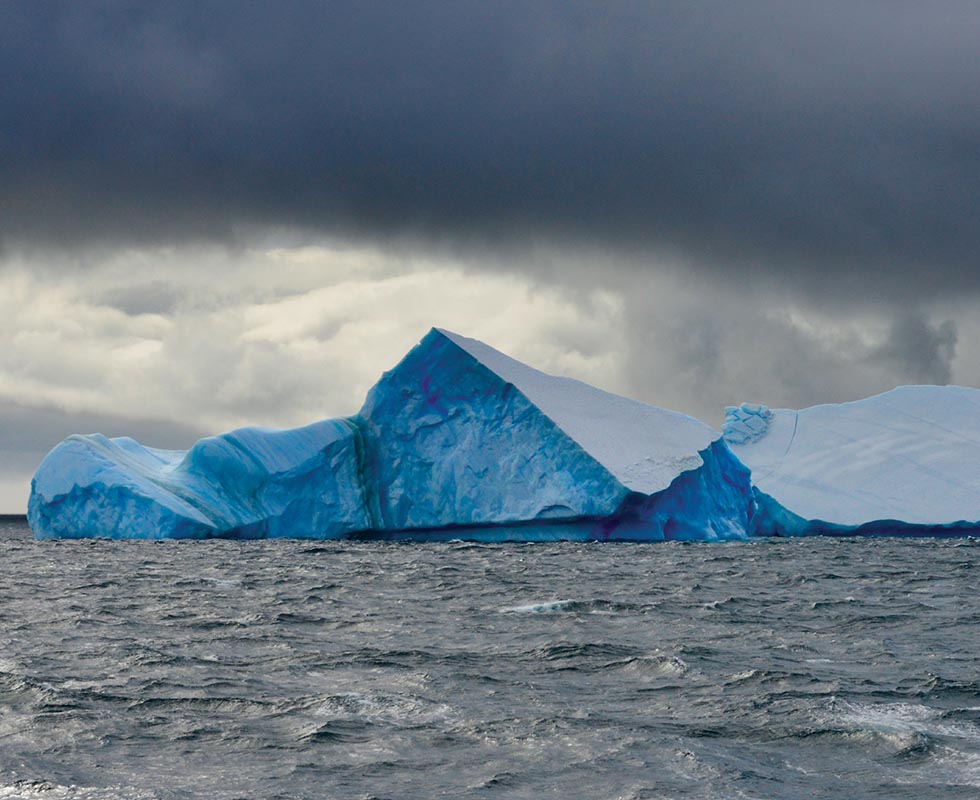
Antarctica, 2014
Mountain Glaciers
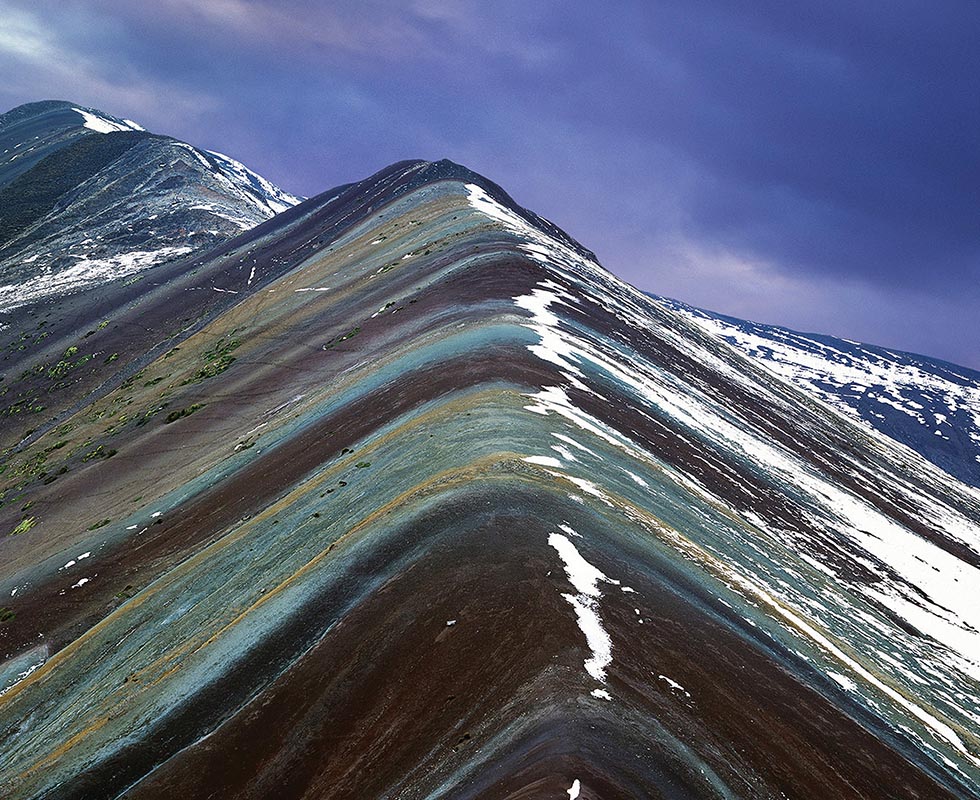
Given their vulnerability to warming, mountain glaciers offer the most basic and dramatic signs of the planet’s vanishing ice. Most of the world’s mountain glaciers continue to melt even now. Scientists work this out by calculating a glacier’s “mean mass balance,” which is the snowfall accumulated on the glacier minus the amount of ice lost by melting into water or evaporating into gas. By their calculations, over the past several decades more ice has disappeared than the amount of snow that has fallen. Melting mountain glaciers have also revealed landscapes that had been hidden. Climb to the summit of Vinicunca, at 5,200 meters above sea level, and rainbow-colored minerals appear where the ice has vanished, creating a mysterious scene.
Vinicunca, Peru, 2018
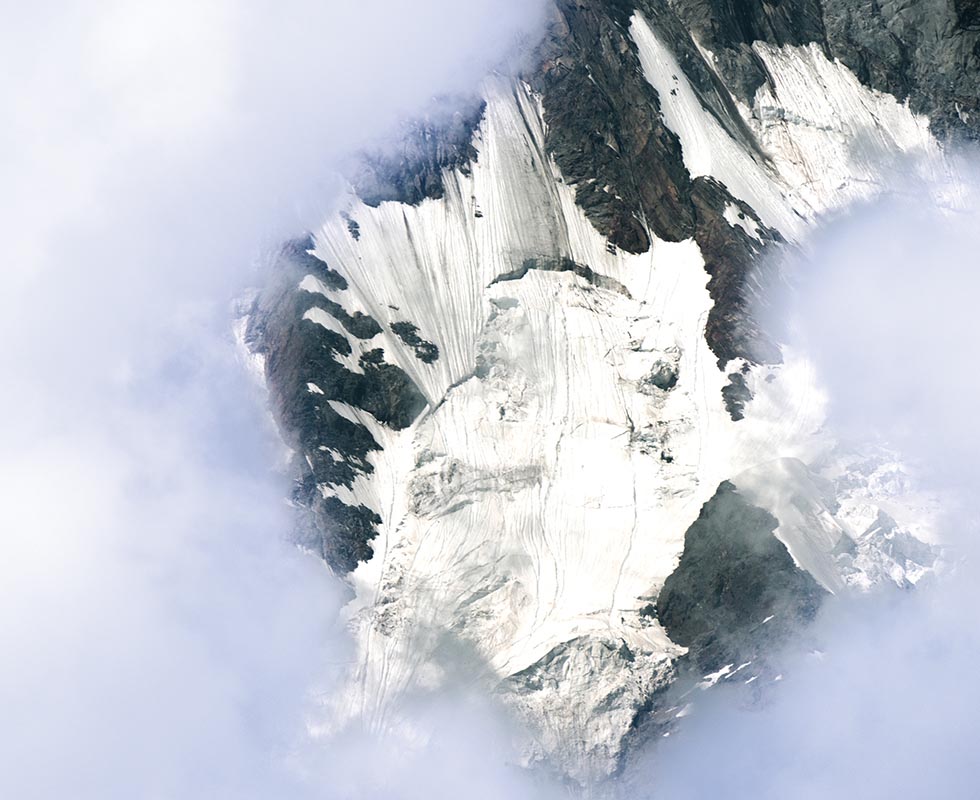
The Swiss Alps, 2015
Black Holes
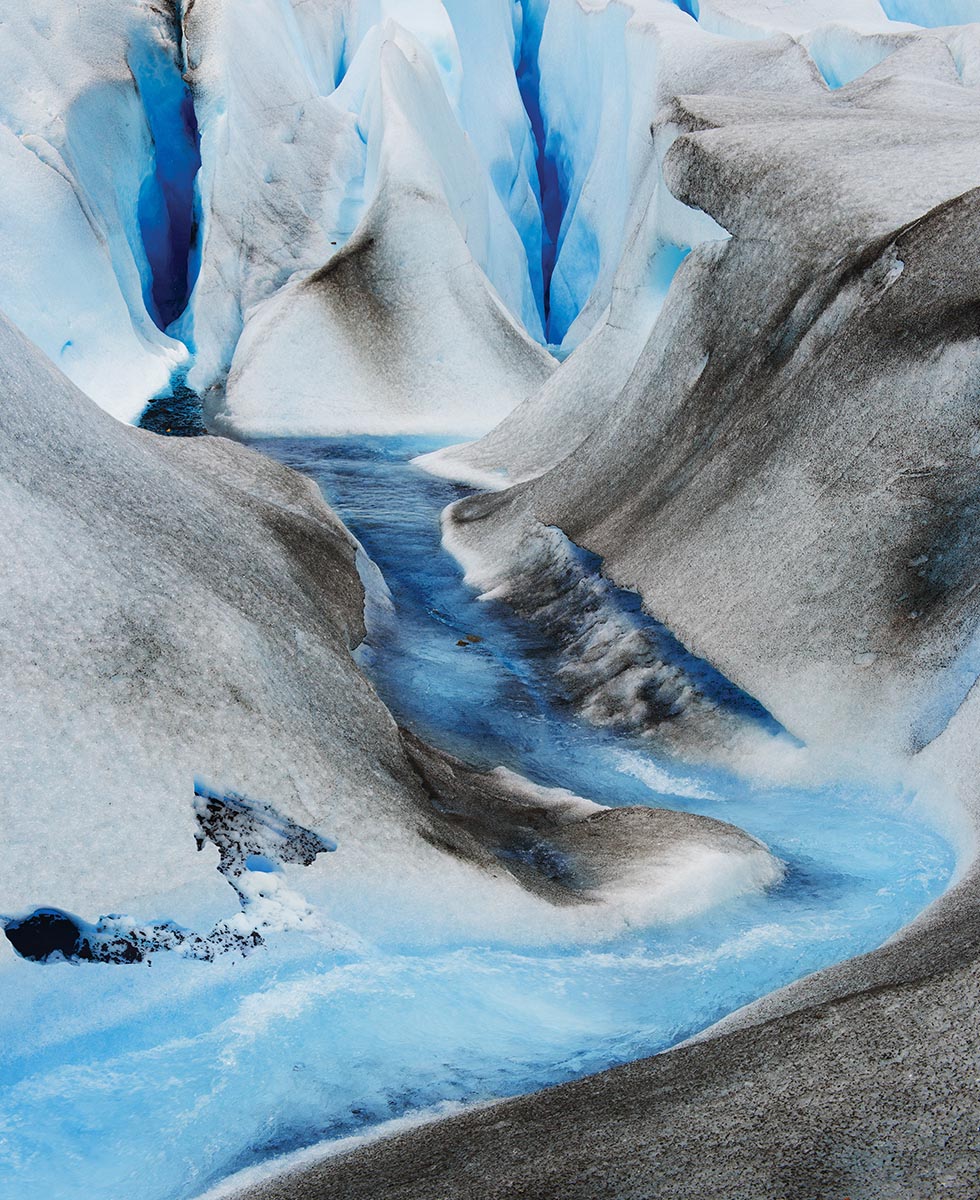
The dark holes pierced into the ice surface present an impressive sight to viewers, but the scientific cause behind them is not so lovely. When dark specks absorb more solar heat than snow or ice does, certain patches of snow and ice melt quickly and bore out holes called cryoconite holes, which can grow as large as lakes. These holes cause severe cracks in glacier regions around the world. The rupture of enormous volumes of lake water and ice triggers GLOFs (glacial lake outburst floods), and many victims follow.
Perito Moreno Glacier, Patagonia, 2014
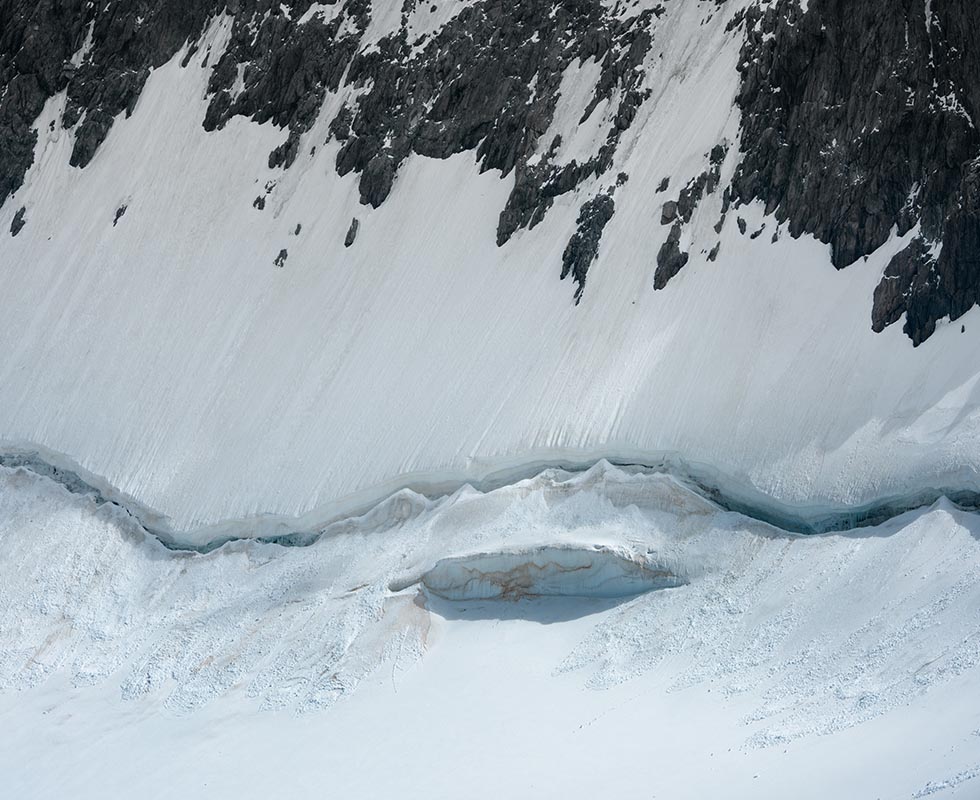
The Swiss Alps, 2015
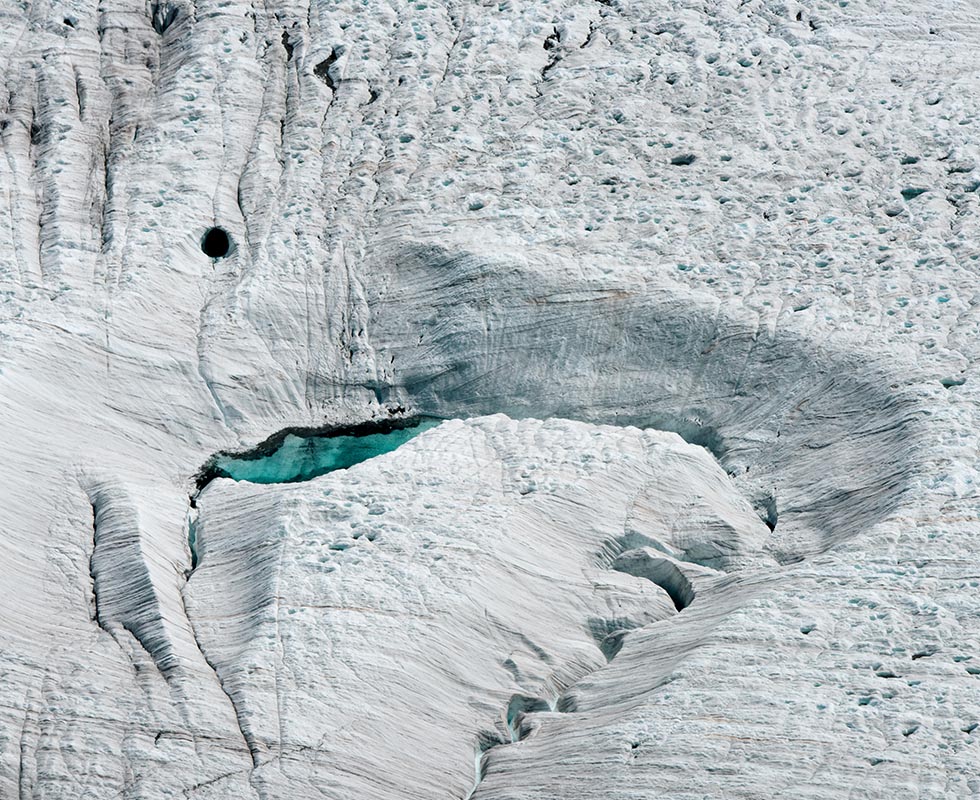
Glacial Floods
Just as glaciers in the Arctic are melting at an alarming rate, mountain glaciers around the world are melting at a visible pace. The Alps, for example, lost half of the ice that originally covered them between 1850 and 1990, and the pace has accelerated sharply since the 1980s. As a result, a considerable number of glacial floods have occurred, and heavy damage has been unavoidable.
The Swiss Alps, 2015
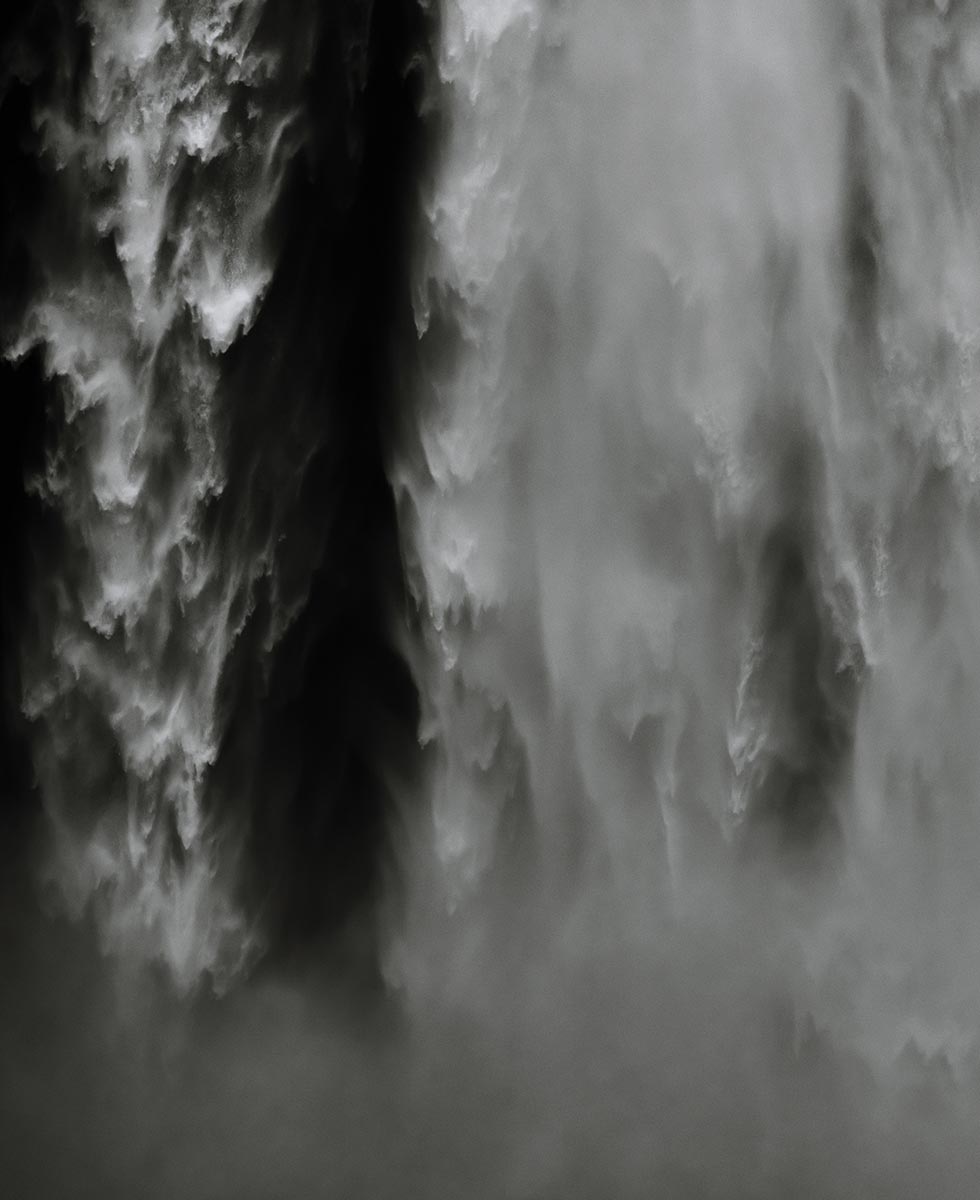
Takakkaw Falls, Canadian Rockies, Canada, 2020


