
The Birth of Local Beer — The Story of Ihibrew
Ihibrew is a small brewery in Hongdong-myeon, Hongseong-gun, South Chungcheong Province. Its name blends 'ihi,' an onomatopoeia for laughter (and 'I' in German), with the English word 'brew.' How did this rural craft brewery come to be?
The Birth of Local Beer — The Story of Ihibrew
In the United States, where each region has developed its own distinct brewing traditions, there's a term called ‘craft spirit.’ It refers to the attitude of making beer according to one's own vision — in other words, a spirit of challenge. Ihibrew, born in a small village in rural South Chungcheong Province, carries this craft spirit too. A deep respect for life and crops, and love for the community it's rooted in, form the sturdy backbone that sustains Ihibrew.
Interviewer Parc Jinmyoung
Interviewee Nam Gyeongsuk (Founder of Ihibrew)
Please give us a brief introduction to Ihibrew.
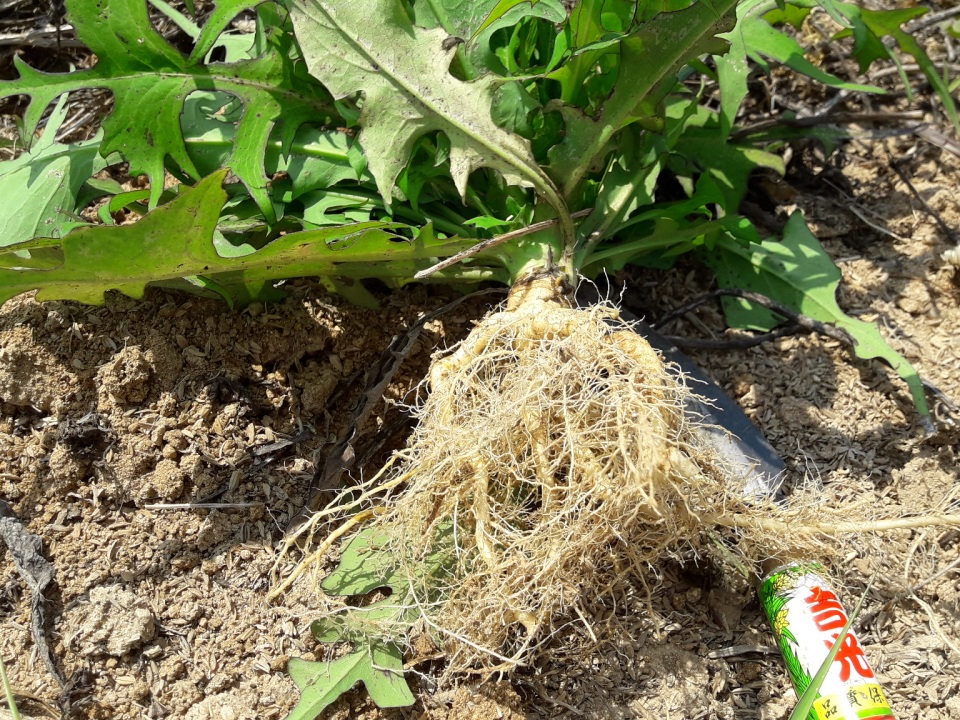
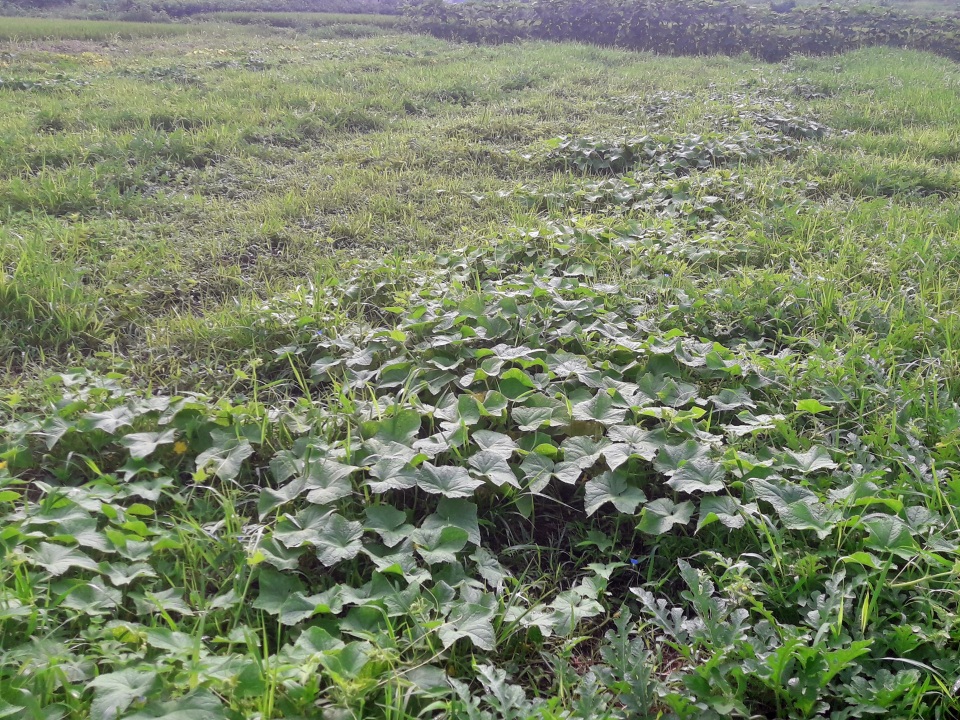
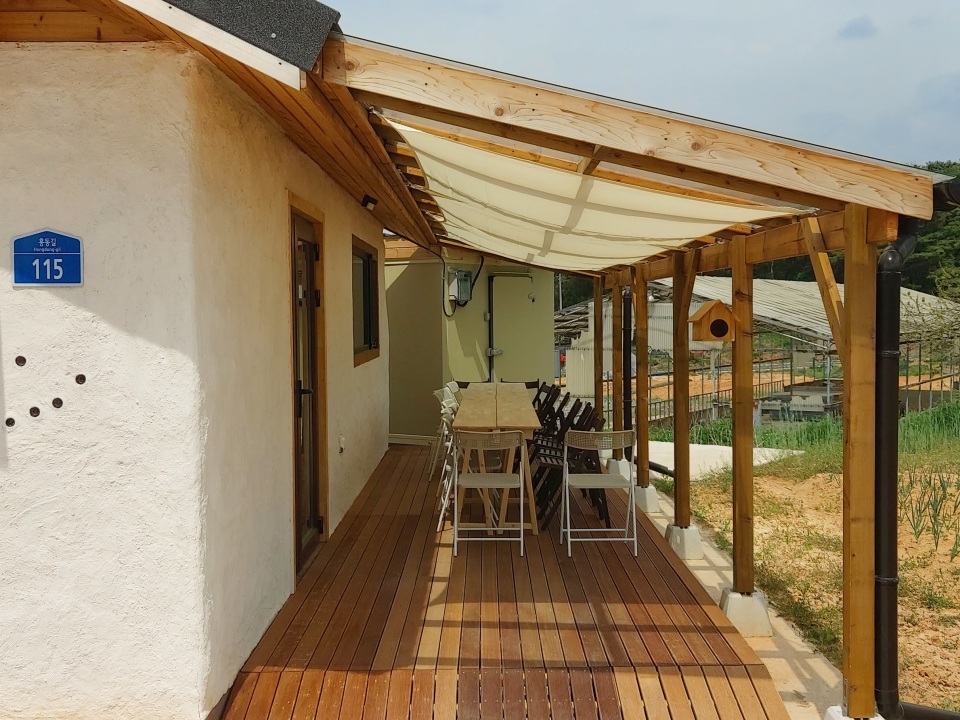
We're a small brewery run by the family behind Pulpul Farm in Hongdong-myeon, Hongseong-gun, South Chungcheong Province. At Pulpul Farm, we farm with the help of countless organisms in the soil and wild grasses. Our defining feature is practicing natural farming — we never till the soil. Ihibrew carries on this farming method and philosophy, brewing beer mainly with heirloom rice and domestic barley we grow ourselves, in a brewery we built by hand from straw and earth.
What led you to move to the countryside?
After getting married and having a child, I started thinking a lot about city life. (It feels like ages ago now, but) I used to work as an environmental activist, and my husband — now our brewer — was an office worker. We both wanted to escape the daily traffic battles. I also really wanted our child to experience nature, at least while young. In 2009, we decided to move here to Hongseong-gun.
Farming for the first time must not have been easy.
We came here full of hope, but reality wasn't so kind. Having only ever worked in an office, it took a long time for my body to adjust to physical labor. That first year, my hand would cramp so tightly around the hoe that I'd fall asleep with my fist still clenched. There were financial struggles too. I was in my mid-thirties when we first arrived here — no savings, and farming wasn't exactly profitable. In the early days, I even considered going back to a regular job.
What led you to open a beer brewery last year?
I love beer. About seven or eight years ago, following the guidance of a mentor (a senior in the return-to-farming community) who had studied brewing in Berlin, Germany, I tried making beer at home in a bucket, and it turned out surprisingly delicious. That was the start — after a few years of homebrewing, we decided to try commercial brewing. There were plenty of obstacles, including legal and financial issues. The hardest part was meeting the equipment standards required for a brewery. To get licensed as a commercial brewery, we had to meet a minimum production requirement. We managed to get through it, though — we secured the land three years ago and built the brewery in 2022. We started selling beer in earnest in the summer of 2023.
I heard the brewery itself was built from straw and earth. What are the advantages of that?
If we'd used sandwich panels — the material typically used for prefab buildings — the space would be two or three times bigger than it is now. But for us, the focus wasn't on the size of the brewery, but on creating a space where microbes could thrive. We wanted to build the brewery with materials that living things could inhabit. Our goal is that in ten years, we'll be using wild yeast harvested directly from the brewery to create a beer with a flavor that's uniquely Ihibrew's own.
What would you say is the defining feature of Ihibrew's beer?
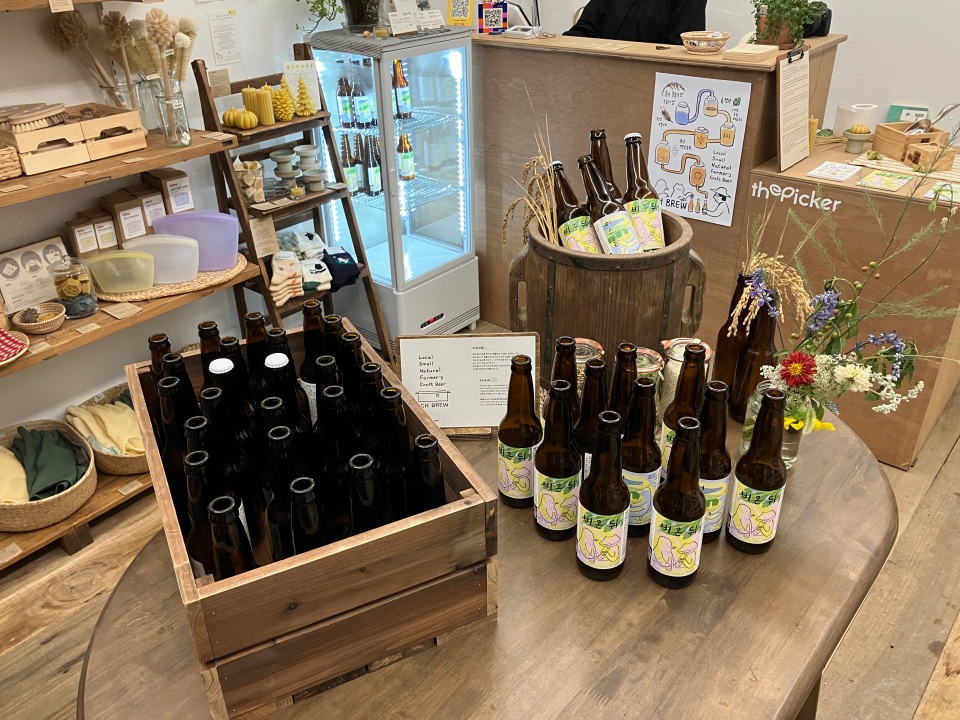
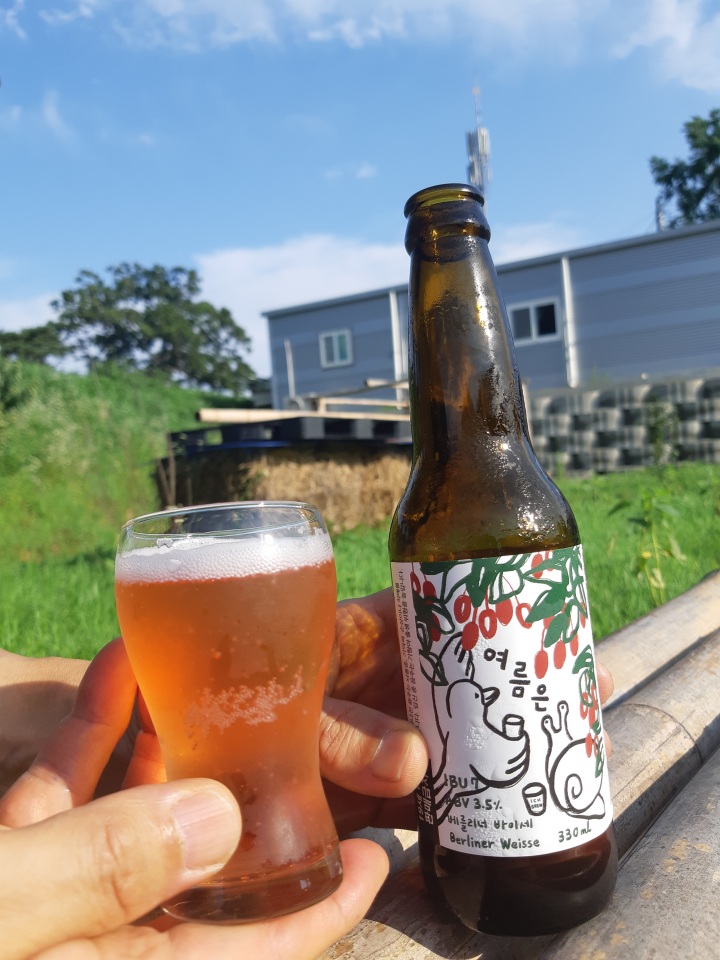
I want to make Ihibrew a true local brand. To me, being a ‘local brand’ isn't just about where a company is physically located. I believe a brand only truly becomes local when regional character is woven into every stage — from the ingredients used to how the beer is brewed and distributed. ‘Bionde,’ made with the heirloom rice variety jodongji, is our flagship beer built on this philosophy. It's a golden ale with subtle floral and herbal notes, capturing the clean, refreshing feeling of the air just after rain. Our pale ale, ‘Eoseureum,’ balances the rich, deep flavor of domestic malted barley with the bitterness of tropical fruit and citrus — we brewed it imagining that dusky hour at the end of the day when you finally take a moment to care for yourself.
You also emphasize recycling bottles. How does that work?
The only condition Ihibrew sets for its retail partners is whether they're willing to rinse and collect empty bottles for us. On top of that, instead of shipping our products by courier, we deliver them ourselves so we can recover the bottles directly. Visiting our partners in person not only makes bottle collection and reuse easier, but also gives us the chance to talk with the owners and understand each other's perspective. After a year of trying this system, we've managed to reuse about a third of our bottles. I think that's a meaningful result, and we plan to keep at it.
I heard you open the brewery to travelers.
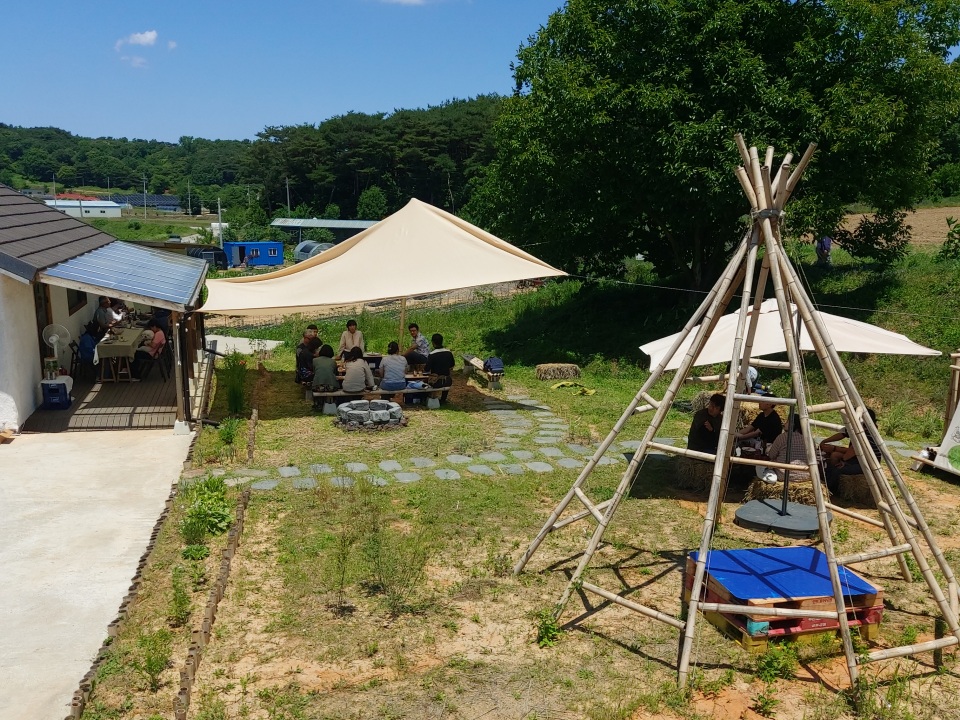
Actually, we don't have set visiting hours. If you reach out ahead of time and arrange a schedule with us, you can come take a look around. It's just a small rural facility, so there's nothing especially remarkable to see. But I think sitting outside, watching the grass and birds while enjoying a glass of beer, is an experience you can only have here at the Ihibrew brewery.
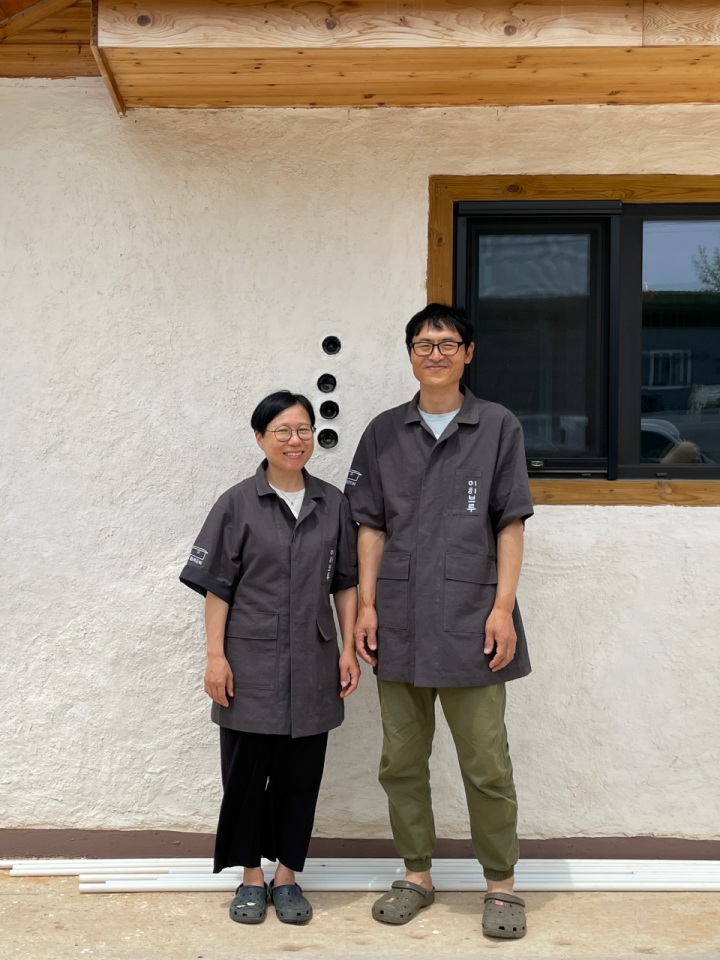
Ihibrew recently celebrated its first anniversary with a party at the brewery. Looking back on the past year, is there a moment that stands out the most?
What stays with me most are the compliments I've heard from customers, both inside and outside the brewery. ‘I don't get a hangover the next day.’ ‘Beer always upsets my stomach, but this one's fine.’ ‘I usually can't drink alcohol at all, but Ihibrew's beer actually tastes good to me.’ ‘It's so fresh.’ Moments like these, when I get good feedback, are when I feel happiest.
Is there a place you'd recommend to travelers visiting Hongseong-gun, South Chungcheong Province?
There's a lot to see, both culturally and environmentally. Centered around Hongdong-myeon, there are many active cooperatives and community groups, which makes it a great place to travel for anyone thinking about alternative ways of living.
What are your plans going forward?
Just as we have this past year, we want to keep brewing beer with sincerity and care, and use that as a foundation for collaboration projects with various brands. We'd love to keep stirring things up at the brewery and bring a little more liveliness to the countryside.


