The Art of Dining in Singapore — 8 Artful Places to Eat
From fine dining inside a former courthouse to the kaya toast that fuels locals' mornings at a kopitiam, here are eight spots where eating in Singapore feels like an artistic experience.
The Art of Dining in Singapore — 8 Artful Places to Eat in Singapore
From fantastic fine dining inside a former courthouse to the tidy kaya toast of a kopitiam that starts the locals’ day, from cocktails crafted beneath a glamorous Art Deco gin tower to turtle-shaped glutinous rice cakes considered a symbol of blessing, eating in Singapore comes close to an artistic experience.
Words Ko Hyeon
Photos Oh Chungseok
Odette
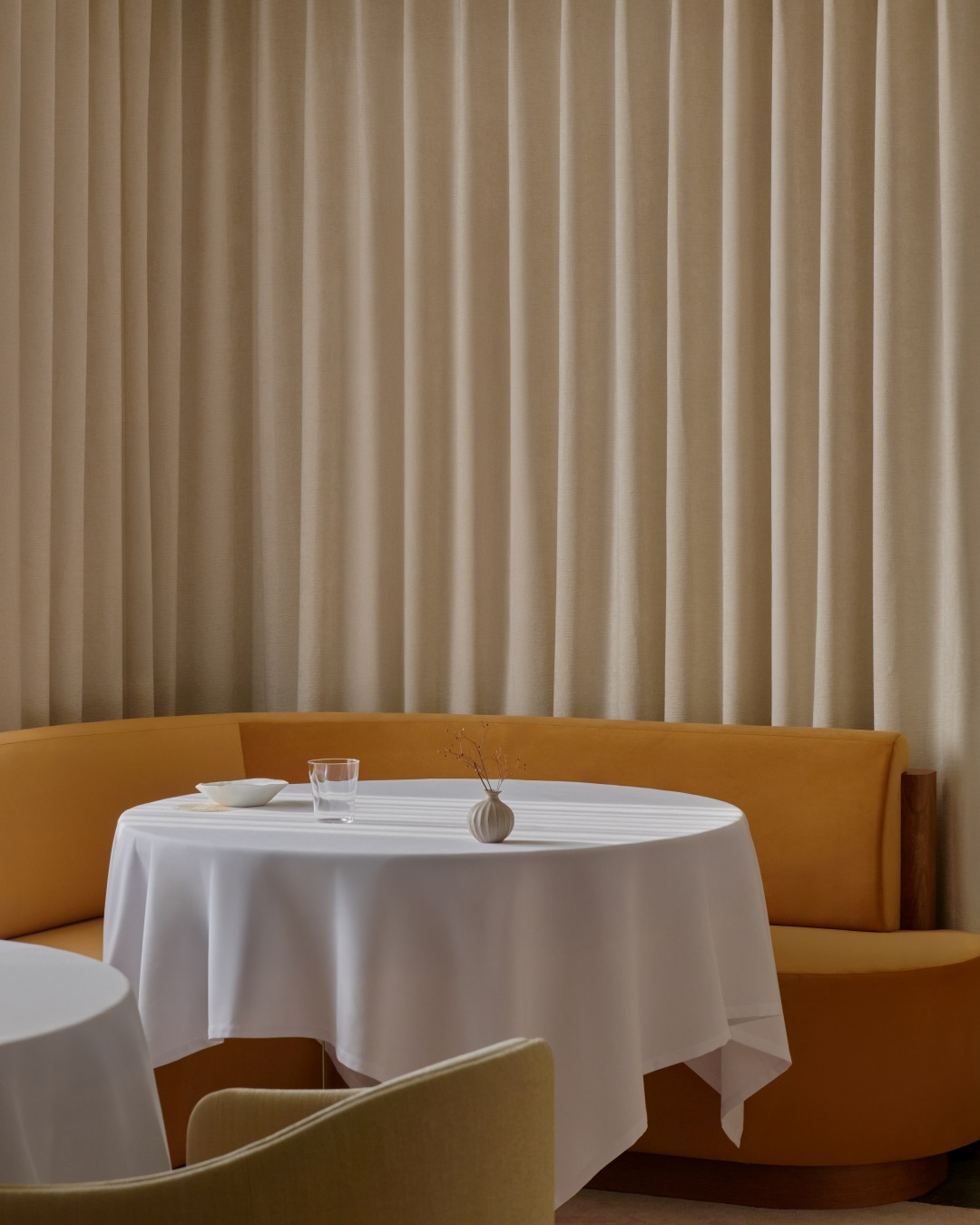
Odette, fine dining inside an art museum
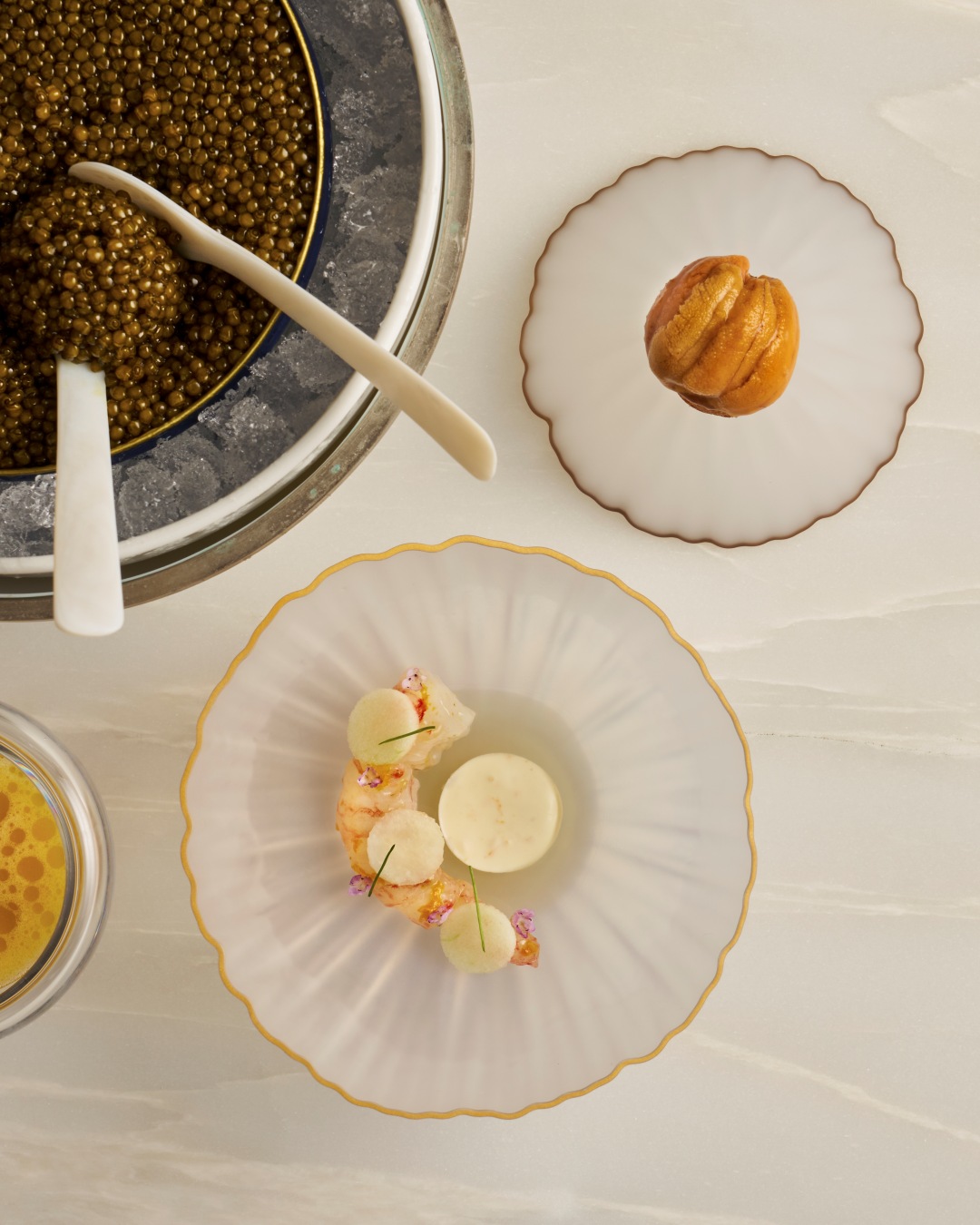
The former Supreme Court building that now houses National Gallery Singapore has an elegant air, thanks to its high ceilings, symmetrical layout, and long corridors filled with natural light. Odette, on the museum’s ground floor, extends that artistry into a fine dining restaurant that elevates the experience. Five consecutive years of three Michelin stars, and the highest ranking of any Singapore restaurant on both the World’s and Asia’s 50 Best Restaurants lists, speak plainly of the time Odette has invested.
At the end of 2025, to mark its tenth anniversary, Odette closed for a renovation of about three months and reopened to announce a new chapter. At its core, French cuisine remains the center, with Asian flavors woven in with depth. Chef Julien Royer stresses “the joy of sharing a meal” as the essence of dining, a philosophy of hospitality he learned from his grandmother and the guiding aim of Odette. Currently Odette serves tasting menus only. At lunch, guests can choose between a five-course menu (Terre & Mer), which, as the name suggests, harmonizes land and sea, and a seven-course menu (Épicure) for a richer culinary experience; at dinner, only the seven-course menu, under the same name as at lunch, is offered. Those who prefer vegetarian dishes can choose the seven-course menu themed “Nature & Découverte.” Whichever you choose, you will begin with a welcome Champagne, followed by dishes made with seasonal ingredients from around the world that capture the seasons and terroir with great sensitivity. Another notable change with the renewal is the interior, now dressed in warm butter tones, wood, and brass lighting.
Brasserie Astoria
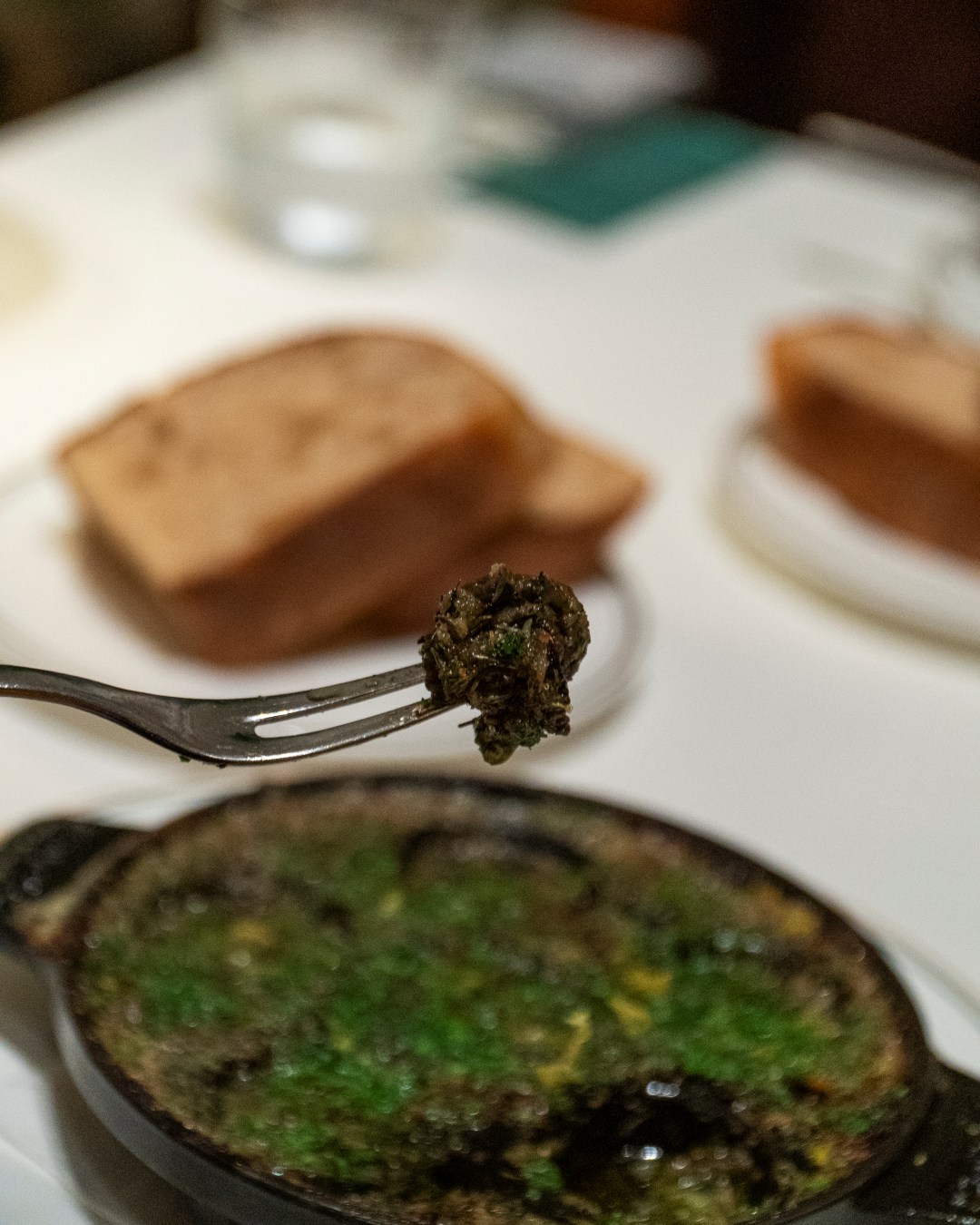
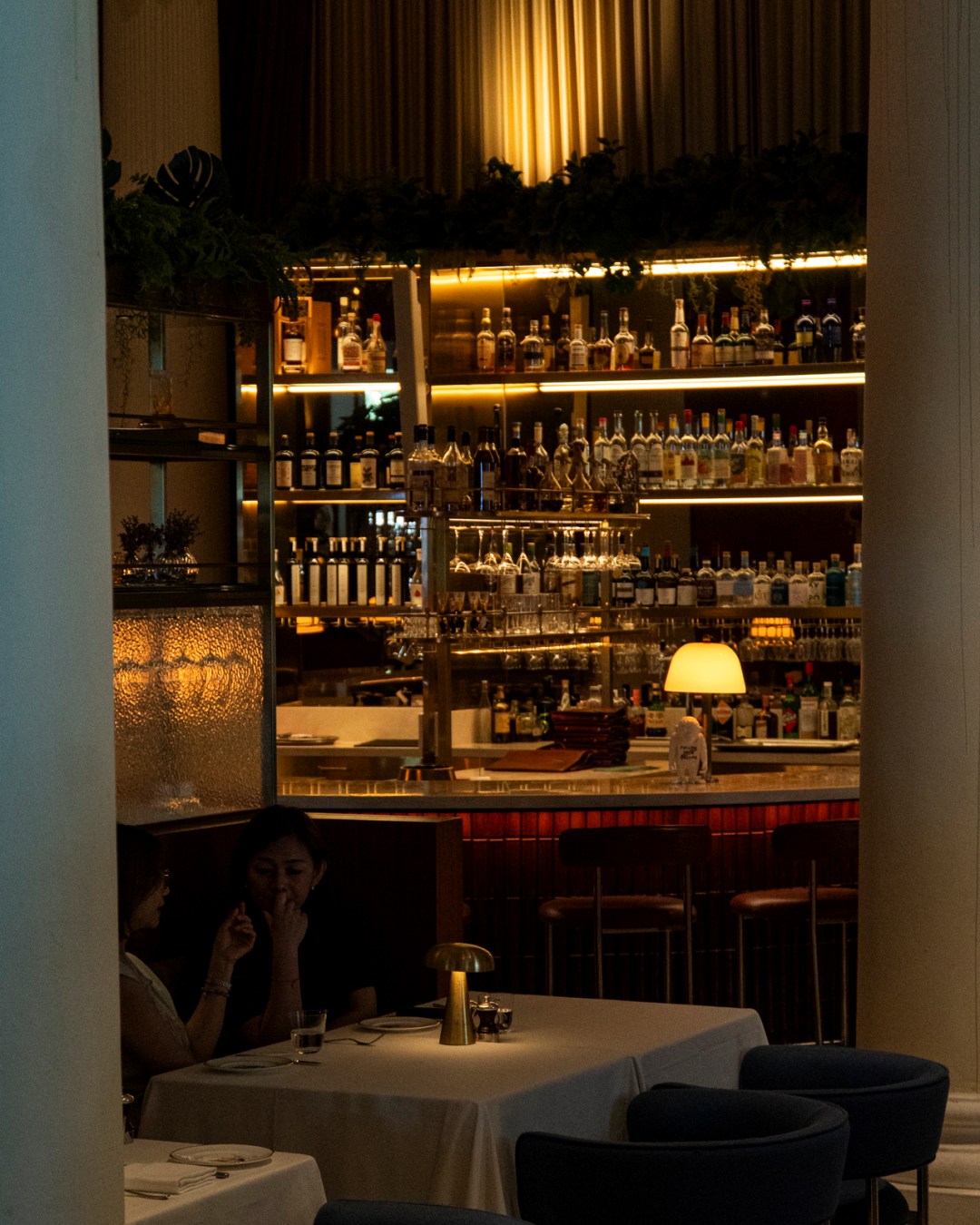
Brasserie Astoria, a European-style salon in a theater
If you want to experience the romance of early 20th-century European brasserie culture in the heart of Singapore, head to the Victoria Theatre. Following its original location in Stockholm, Brasserie Astoria opened inside the Victoria Theatre in 2023, and its concept of adding dining to an arts venue draws art lovers and food lovers alike. As a social space where audiences gather before and after performances, it also touches on the very essence of a brasserie. The interior is a modern take on Art Deco, and the look created by brass details, dark walnut-toned furniture, geometric-patterned floor tiles, and soft velvet sofas recalls a classic European salon. Brasserie Astoria’s signature dish is the seafood platter, with oysters, lobster, tiger prawns, and mussels piled in tiers on a silver tray. The Caesar salad, plated tableside from a serving cart, impresses with its combination of 24-month-aged Parmigiano Reggiano, smoked pork belly, and grilled chicken breast. Take a seat at the classic bar counter and you can enjoy Nordic-style cocktails made with Asian ingredients.
Labyrinth
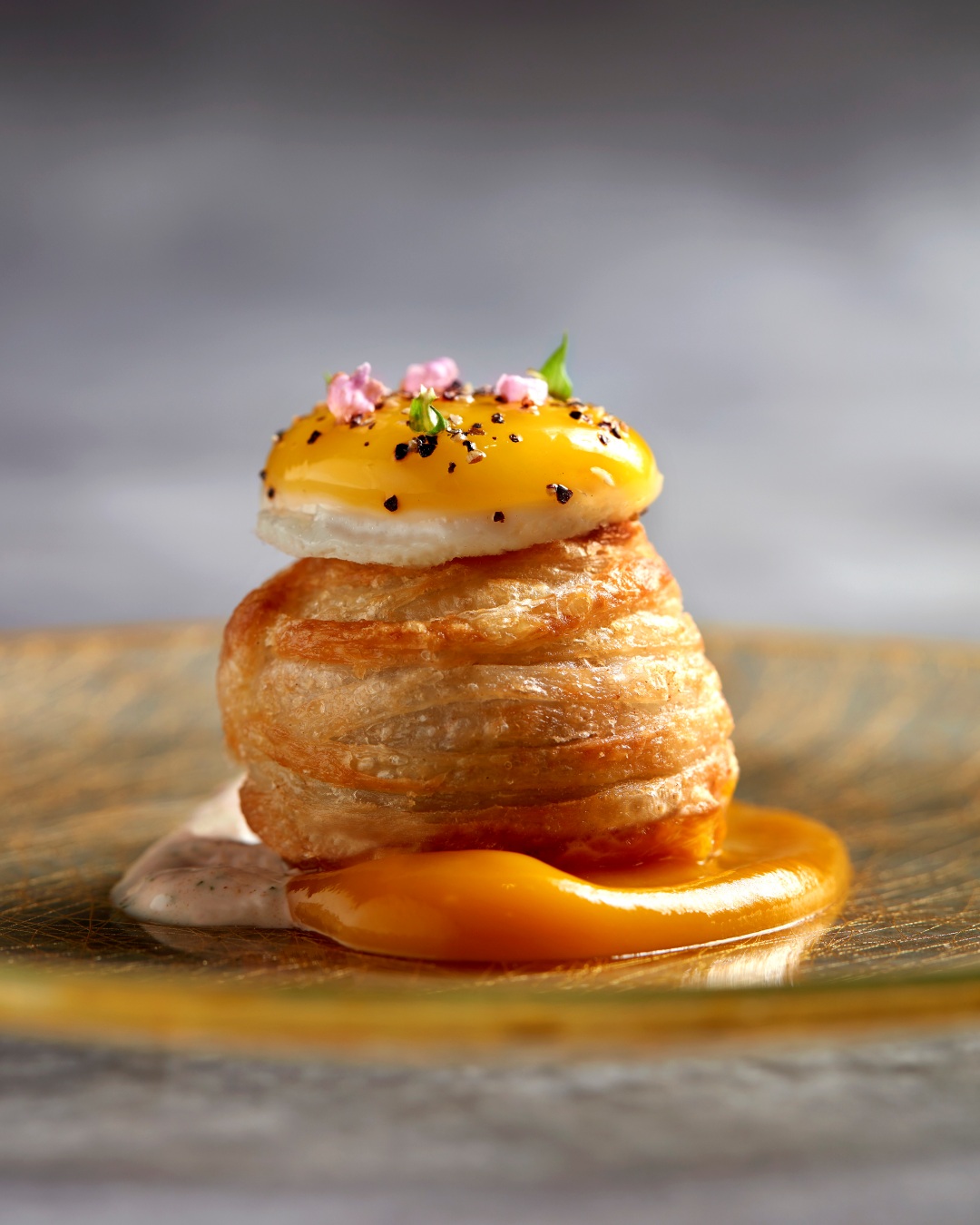
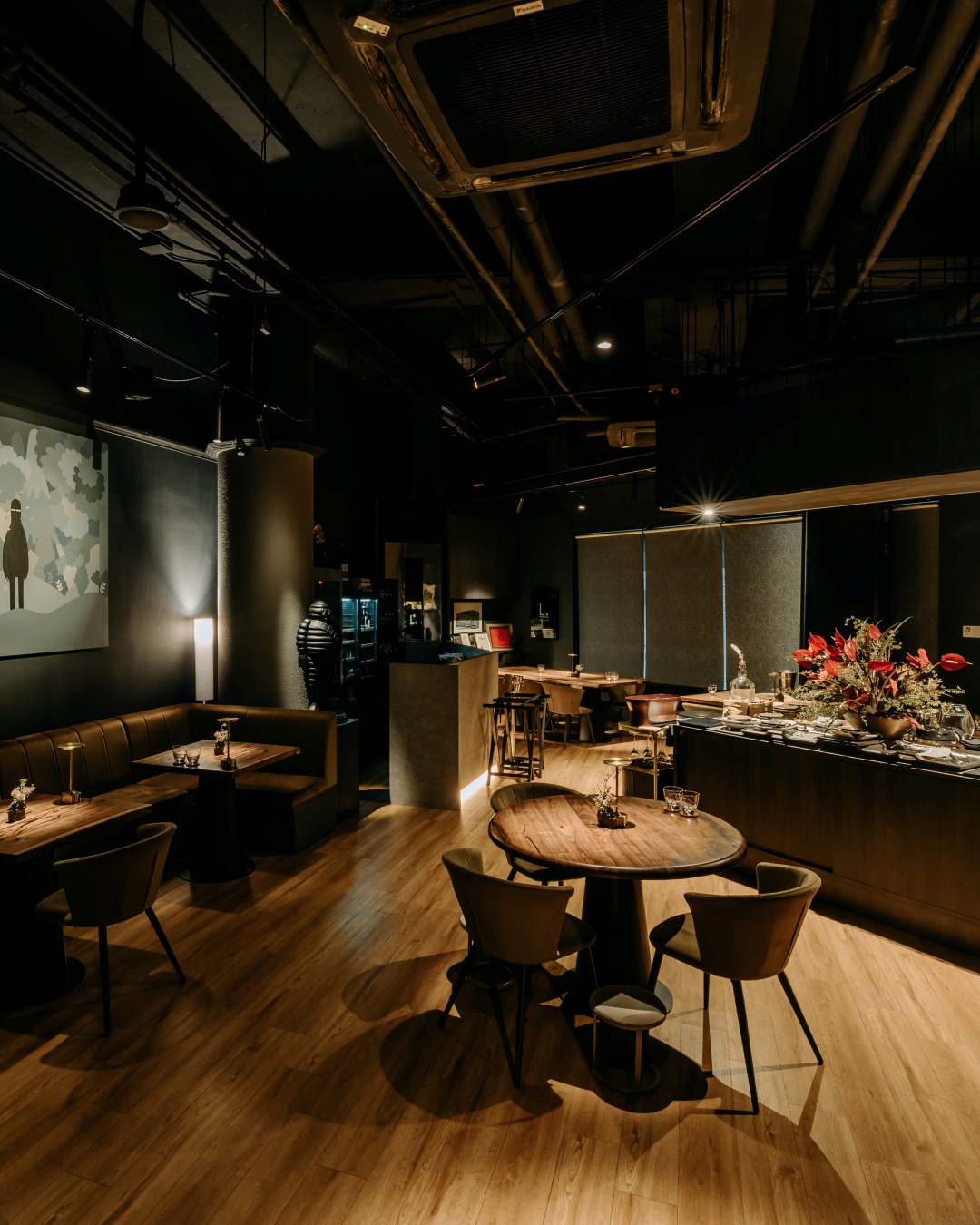
Labyrinth, an innovative culinary laboratory
Labyrinth has kept evolving since it opened at Esplanade – Theatres on the Bay in 2014. Chef Han Li Guang, who runs its kitchen, put forward the concept of “Neo-Sin” from the beginning, reinterpreting Singapore’s culinary heritage through food science and the avant-garde to present experimental menus. Childhood memories, storytelling rooted in local culture, and reflections on sustainability all find their way onto the plate. The restaurant has held one Michelin star since 2017 and has been recognized for both flavor and skill, with honors including Asia’s 50 Best Restaurants and a sustainability award. Ingeniously reimagining Singapore’s popular dishes, the kind you come across everywhere at hawker centers, is Labyrinth’s specialty, and the tasting course, which changes every season, makes that clear. From prawn mee, with the components of the noodle dish deconstructed and reassembled, to pigeon grilled like satay and a chili crab pie inspired by fast food, flashes of inspiration continue throughout the meal. Familiar street foods such as laksa and kaya toast are also varied in many ways, revealing new possibilities for Singapore’s local food. Both lunch and dinner offer tasting menus only, and works by local Singapore artists hang throughout the restaurant, including a media art piece themed on Lau Pa Sat, one of the city’s historic hawker centers, deepening the immersion in the culinary experience Labyrinth hopes to deliver.
Chin Mee Chin Confectionery
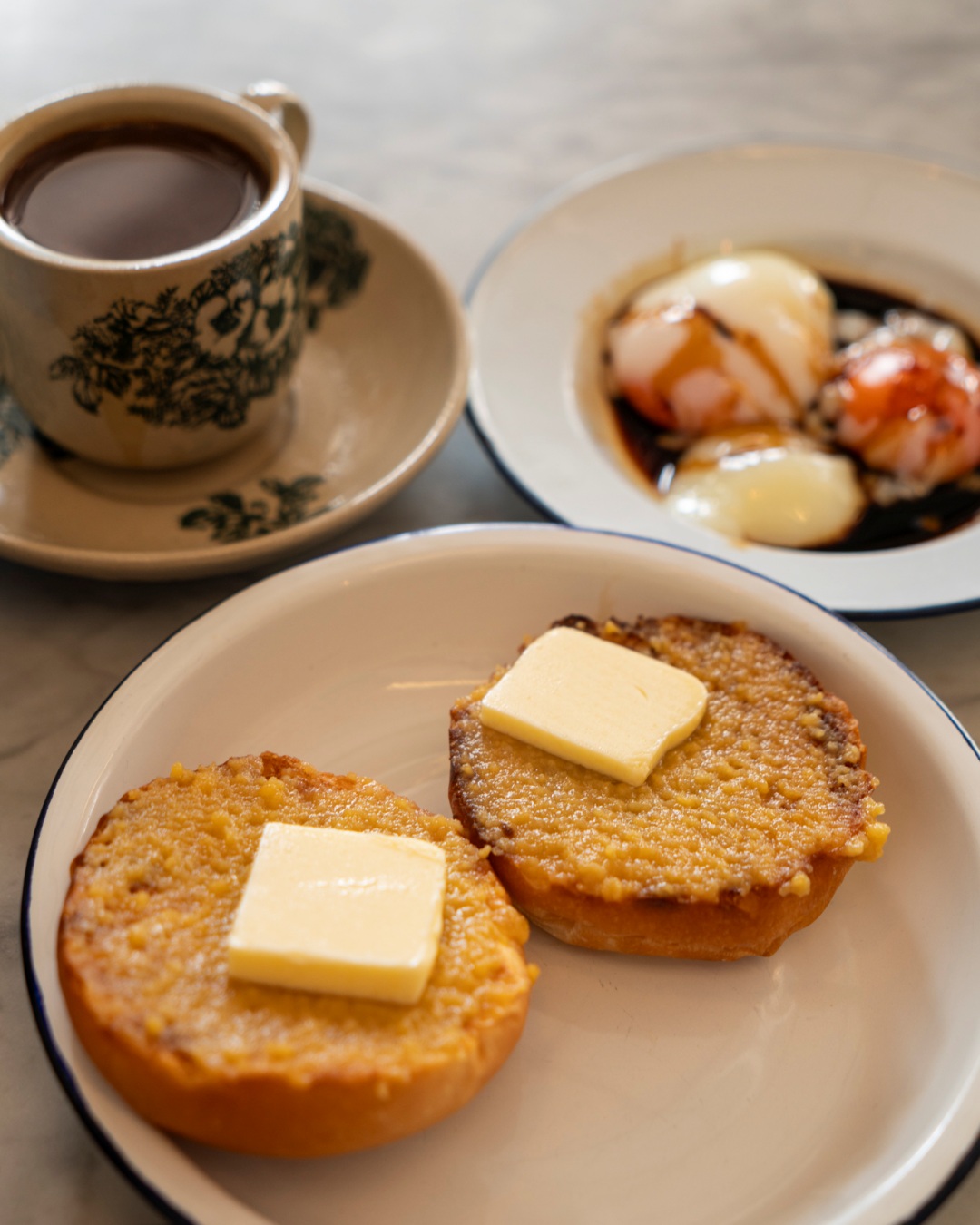
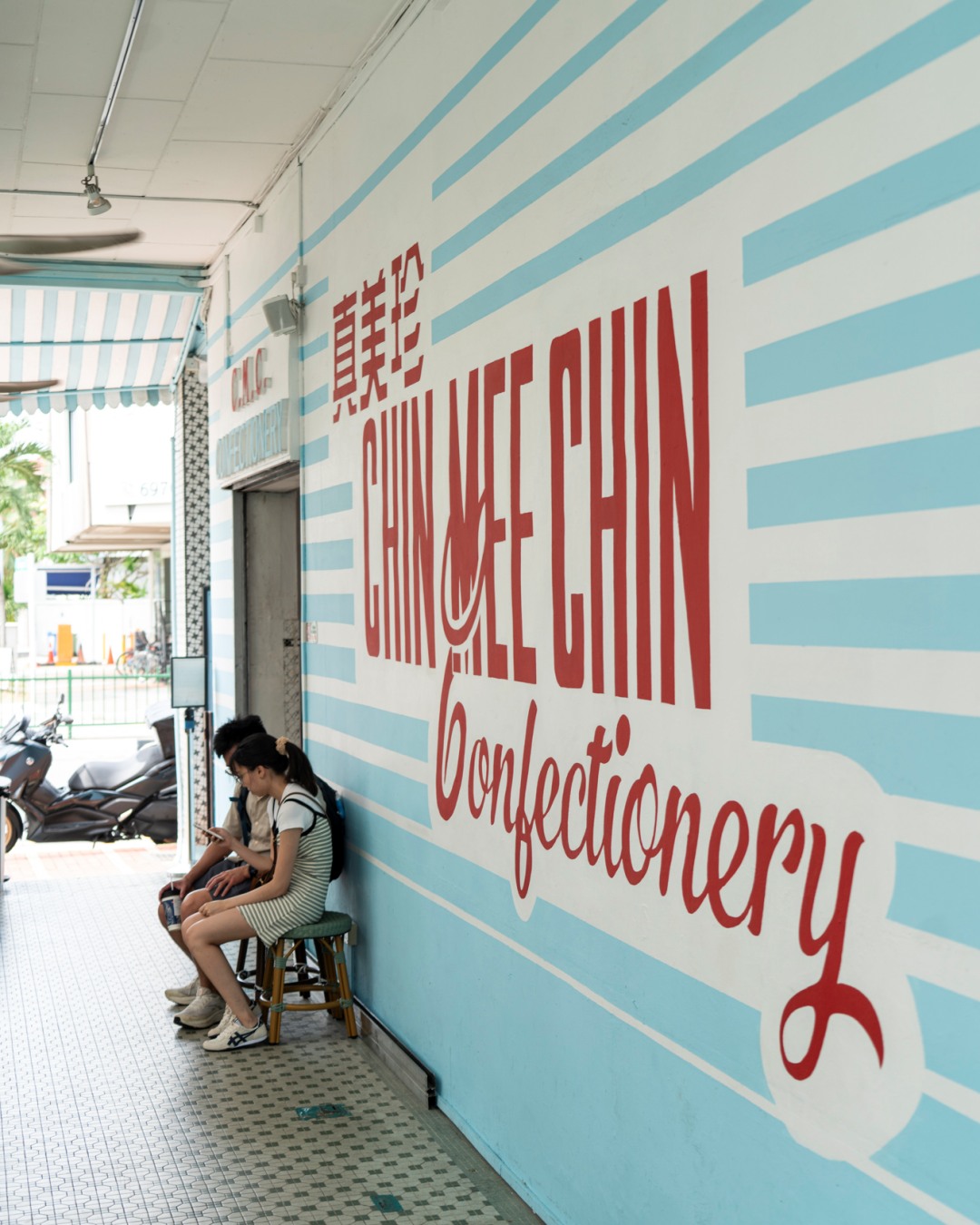
Chin Mee Chin, the definitive kaya toast
Opened in 1925, Chin Mee Chin is a kopitiam (traditional coffee shop) that has endured for a long time in Katong, in eastern Singapore. It is a place that symbolizes the coffee culture formed in early Chinese immigrant communities, and even after a renovation in 2021, it still starts the day for locals. Inside the building, its exterior walls painted sky blue, the retro interior catches the eye with its vintage tile floors, marble-topped tables, and preserved wooden window frames. Visitors to Chin Mee Chin all order the kaya toast first. This signature dish has a thick-grilled bun, thicker than ordinary toast, generously spread with kaya jam made from coconut milk, eggs, and pandan leaves, then topped with cold butter. Dip it in soft-boiled eggs mixed with soy sauce and pepper, and the classic Singaporean breakfast is complete. The coffee is brewed the traditional way, with dark-roasted beans filtered through a cloth sock, and its bittersweet taste and concentrated flavor are superb.
Sinpopo Brand Restaurant @ TANGS
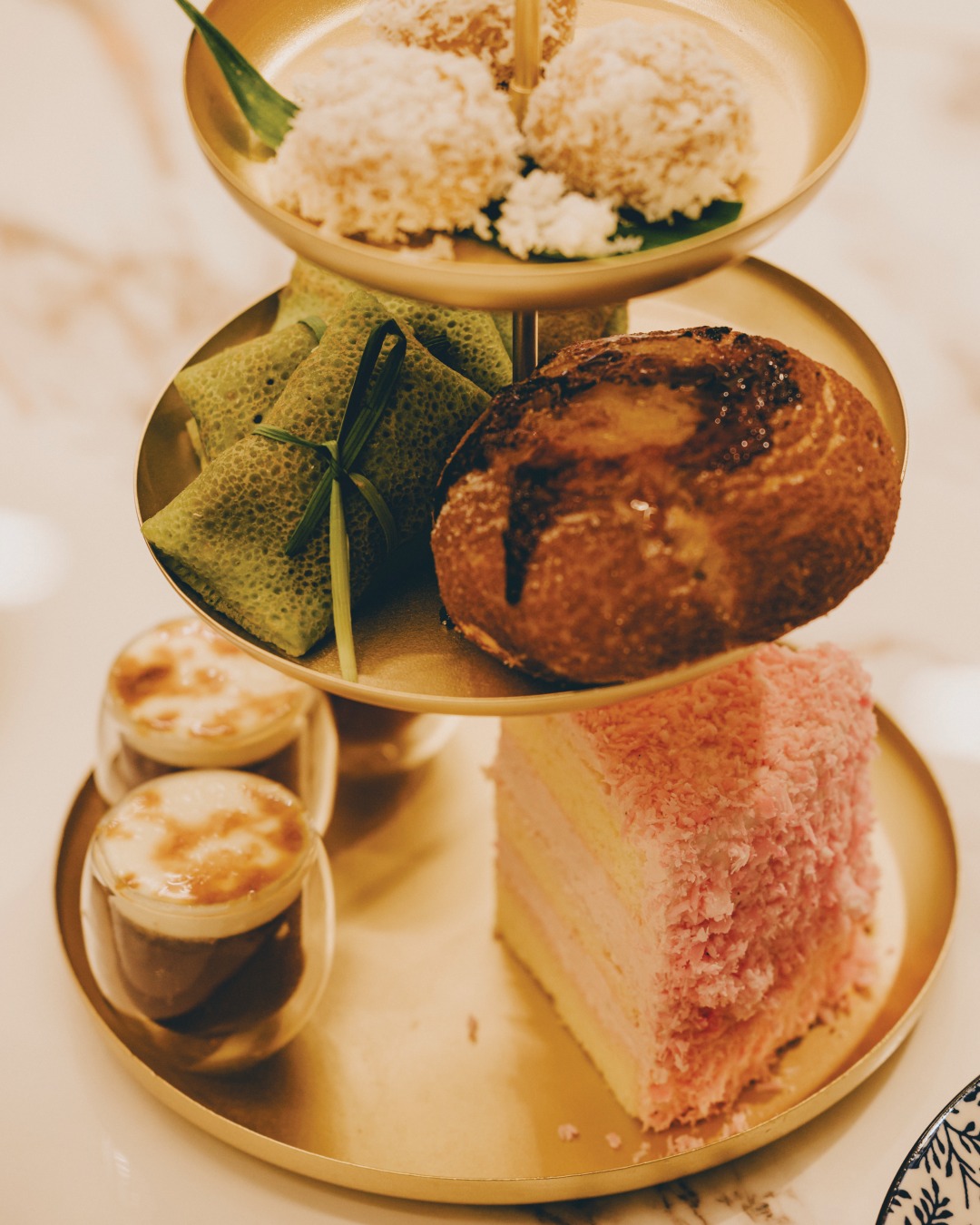
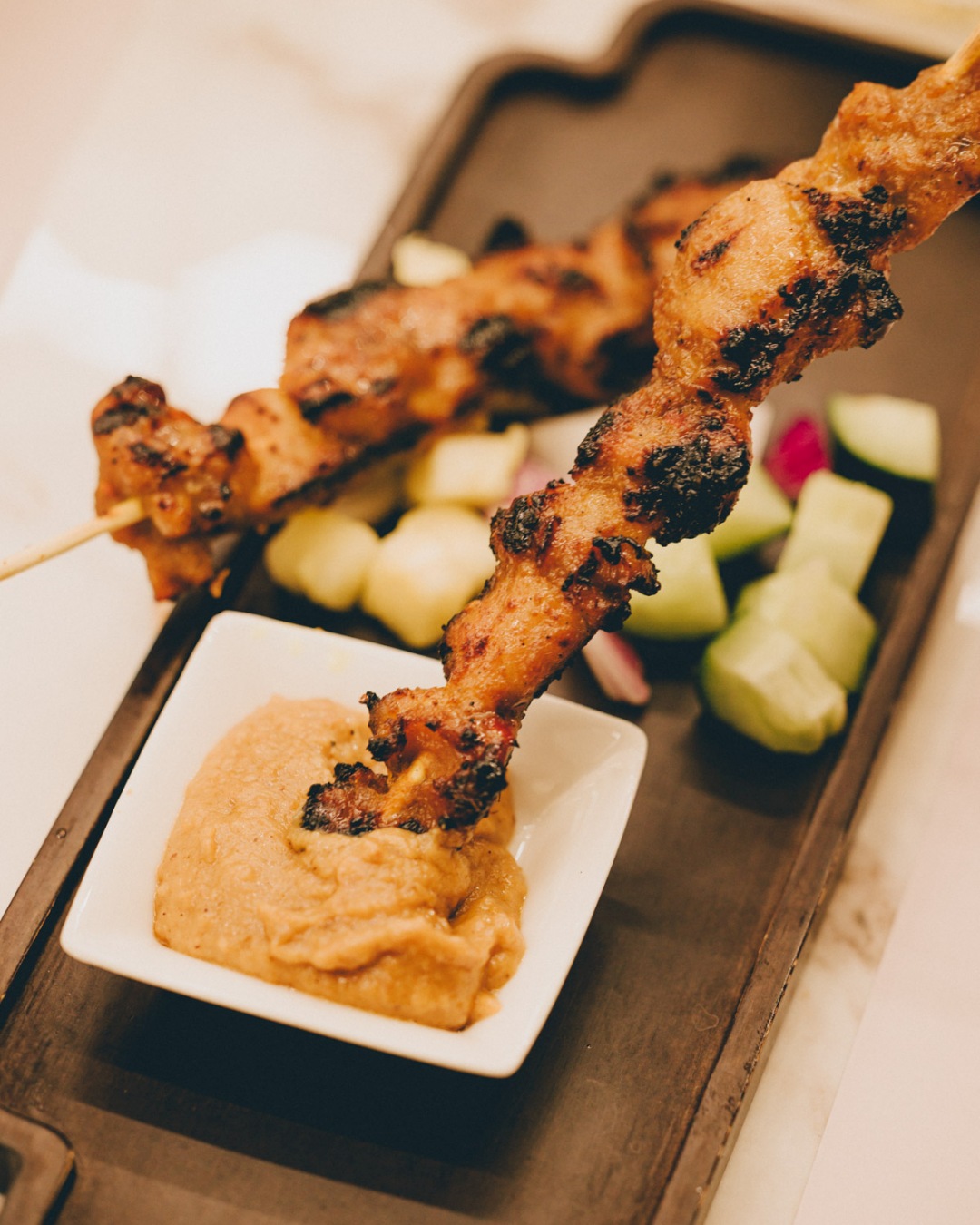
Modern Peranakan Dining at Sinpopo
Sinpopo, long known for its Peranakan food culture in the Katong area, opened a flagship restaurant in late 2022 at TANGS, a shopping mall on Orchard Road. Its concept pairs a retro mood with polished, modern dining, which makes Peranakan cuisine feel more casual and approachable. The menu offers a wide range of contemporary reinterpretations of Peranakan dishes, and the Nasi Lemak (coconut rice) is a signature you shouldn’t miss. Softly cooked coconut rice comes layered on one plate with spicy sambal, egg, sweet-and-salty onion relish, crispy anchovies and traditional fried chicken, delivering Singapore’s many-sided flavors. Classics such as Pomfret Fish Bee Hoon (pomfret fish noodle soup), Mee Siam (spicy rice vermicelli) and Nasi Ulam Goreng (fried rice made with fresh herbs) are also big favorites. For locals, the food stirs deep nostalgia; for travelers, it lowers the barrier to Peranakan cooking. After more than a decade on Joo Chiat Road, Sinpopo’s move to Orchard Road is clearly a positive one.
My Awesome Café
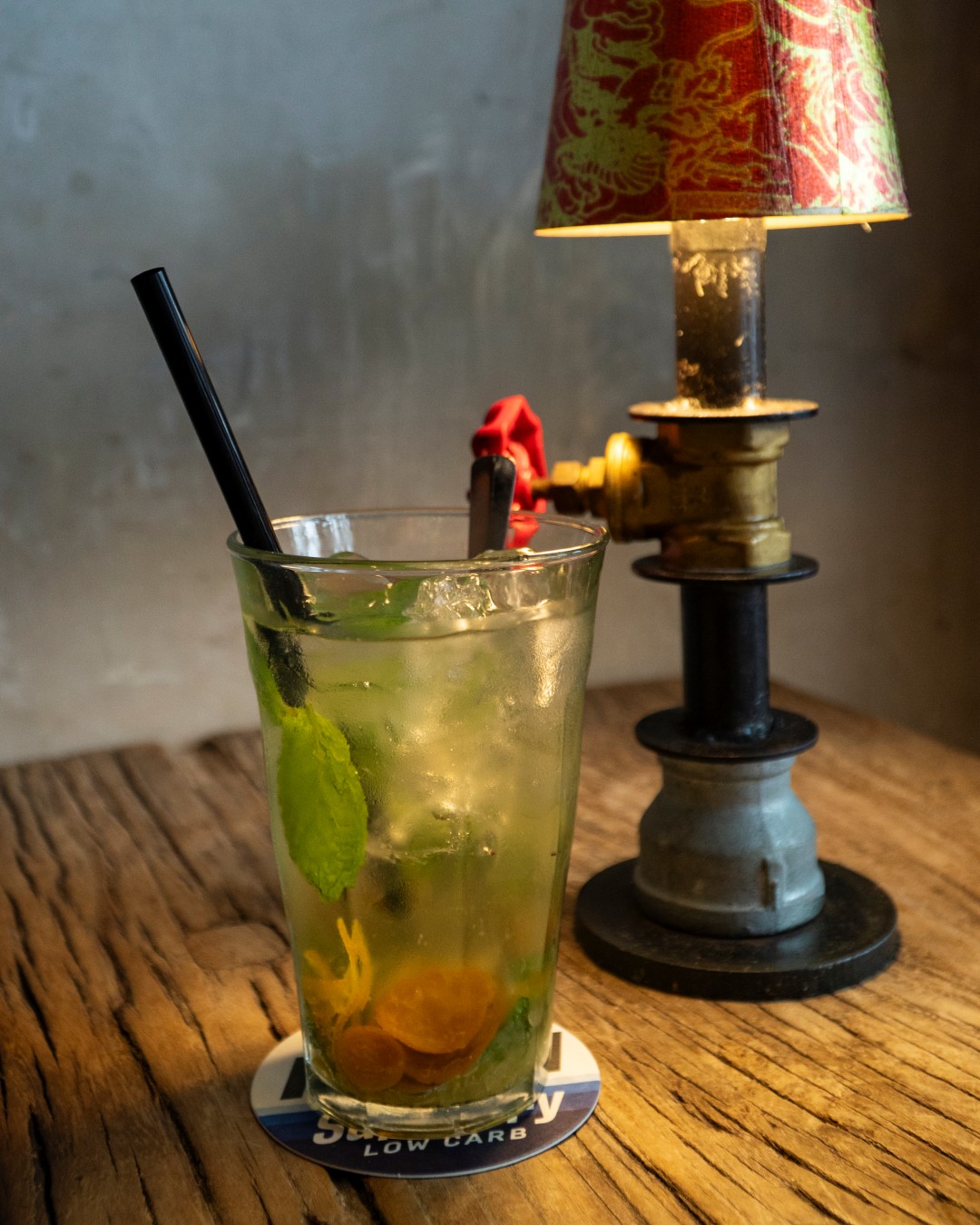
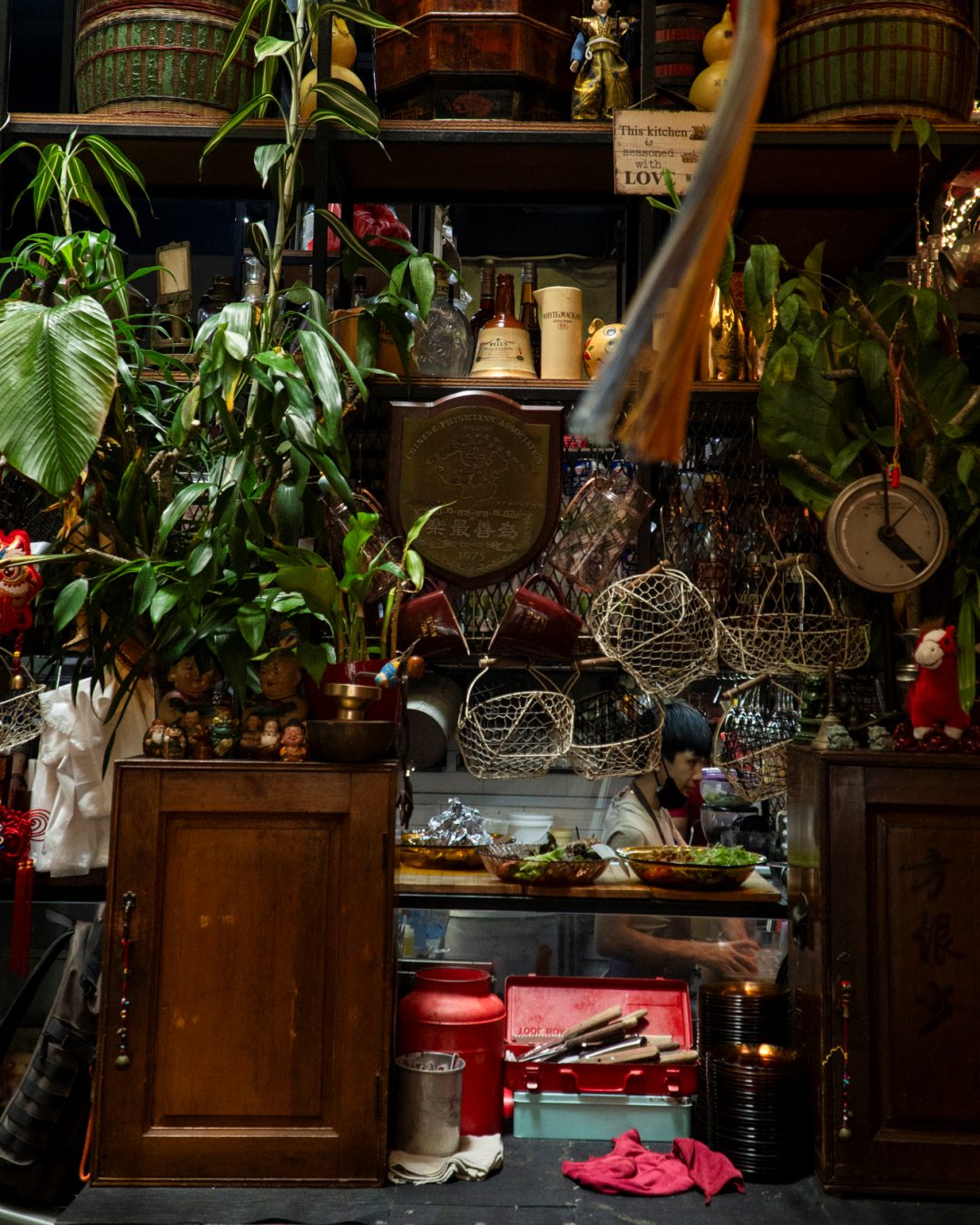
Unwinding in a Shophouse: My Awesome Café
Telok Ayer, at the southern edge of Chinatown, lies close to the shoreline where Chinese immigrants first landed in the late 19th century. Shophouses, which combine shops and homes, once lined this area, and some still keep their original form today. One of them bears a signboard in Chinese characters reading “中華醫院” (Chung Hwa Medical Institution). Founded in 1952 as a charitable medical institution to provide treatment and medicine to the poor, it became home to a café in 2014, when Franck Hardy opened one here and left the building’s former look fully intact. Vintage medicine cabinets and fixtures from the clinic serve as interior elements, and the inner walls of exposed concrete and brick spark visitors’ curiosity. Settle in at a wooden table that might once have held medicinal herbs, and order a specialty coffee or a cocktail. The drinks list is broad, with wine, whisky, craft beer and even non-alcoholic mocktails, and the food includes brunch dishes such as the My Awesome Salad and sandwiches, as well as traditional dishes like Nasi Ulam Goreng.
JI Xiang Ang Ku Kueh
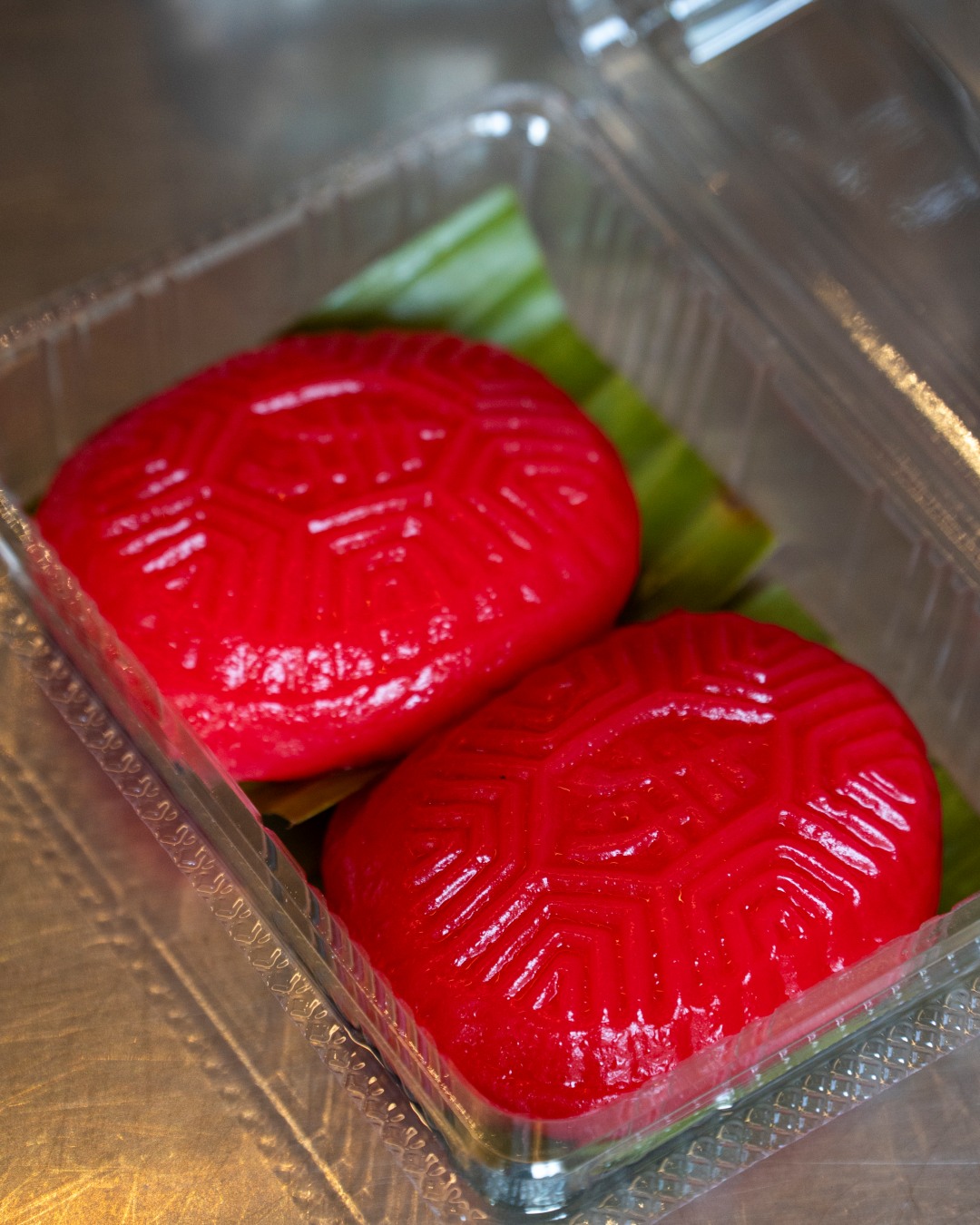
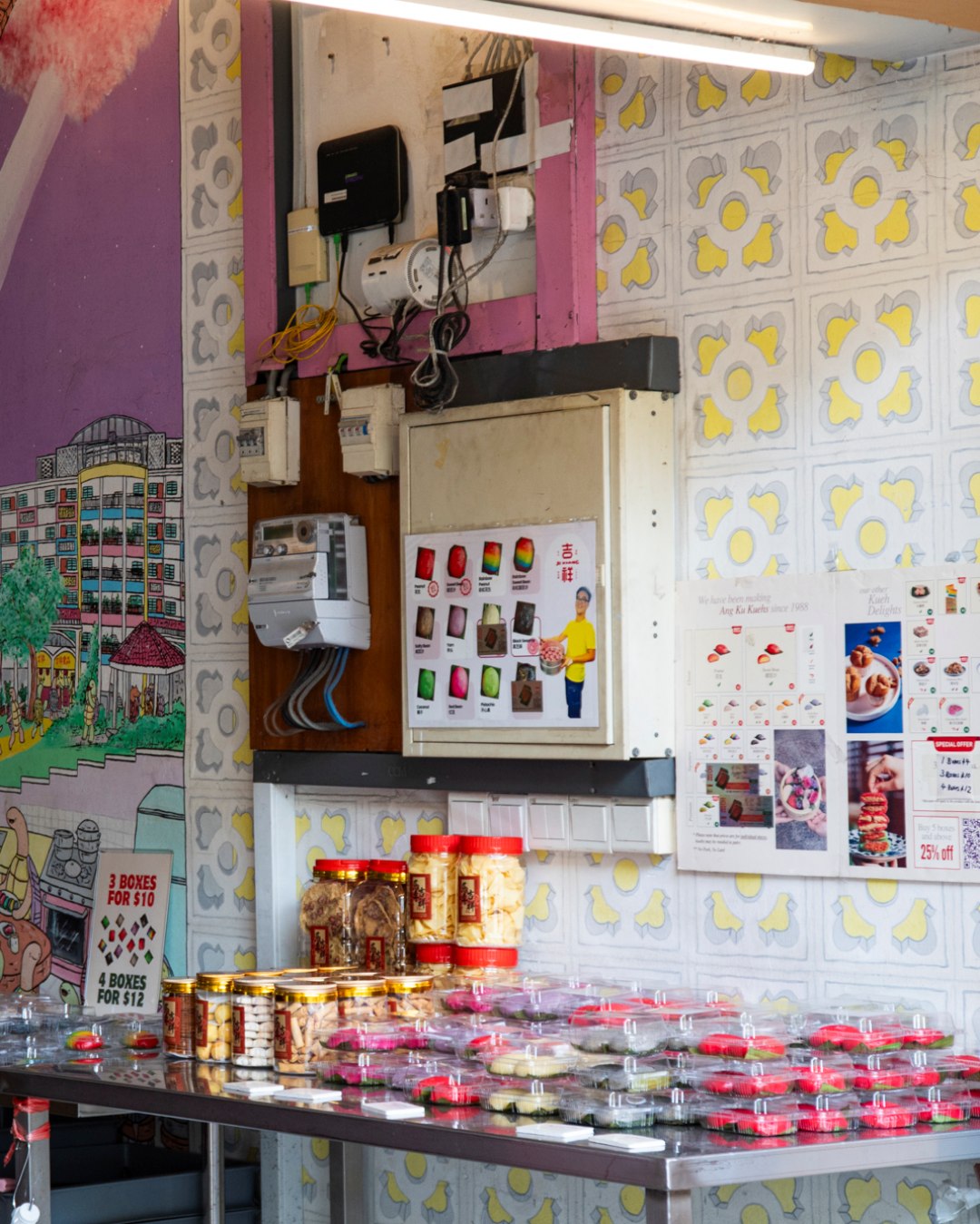
Turtle Cakes That Bring Good Fortune: Ji Xiang Ang Ku Kueh
Ji Xiang began on the ground floor of a public housing estate in Everton Park and is one of Singapore’s long-beloved ang ku kueh specialists. Since opening in 1988, it has shaped ang ku kueh by hand every day. Ang ku kueh, a glutinous rice cake in the shape of a red turtle, is no mere dessert. A symbol of good fortune, longevity and prosperity, it appears without fail at celebrations in the Chinese community, such as birthdays, a baby’s first month (the “full moon” celebration) and business openings. The key to Ji Xiang’s ang ku kueh is its thin glutinous rice skin, pressed and shaped by hand to give a texture that is chewy yet soft. Inside is a filling of sweetly simmered mung bean paste, followed by a subtle fragrance of coconut oil. Besides the original shop in Everton Park, there is another branch in Bugis, which bustles with tourists and locals. Thanks to that, Ji Xiang’s ang ku kueh is loved as an everyday dessert and not only as a ceremonial gift within the Chinese community. Its distinctive, colorful look, which catches the eye of passersby, adds to the appeal. Recently the shop has been offering flavors such as peanut, sesame, coconut, purple sweet potato and durian.
Atlas
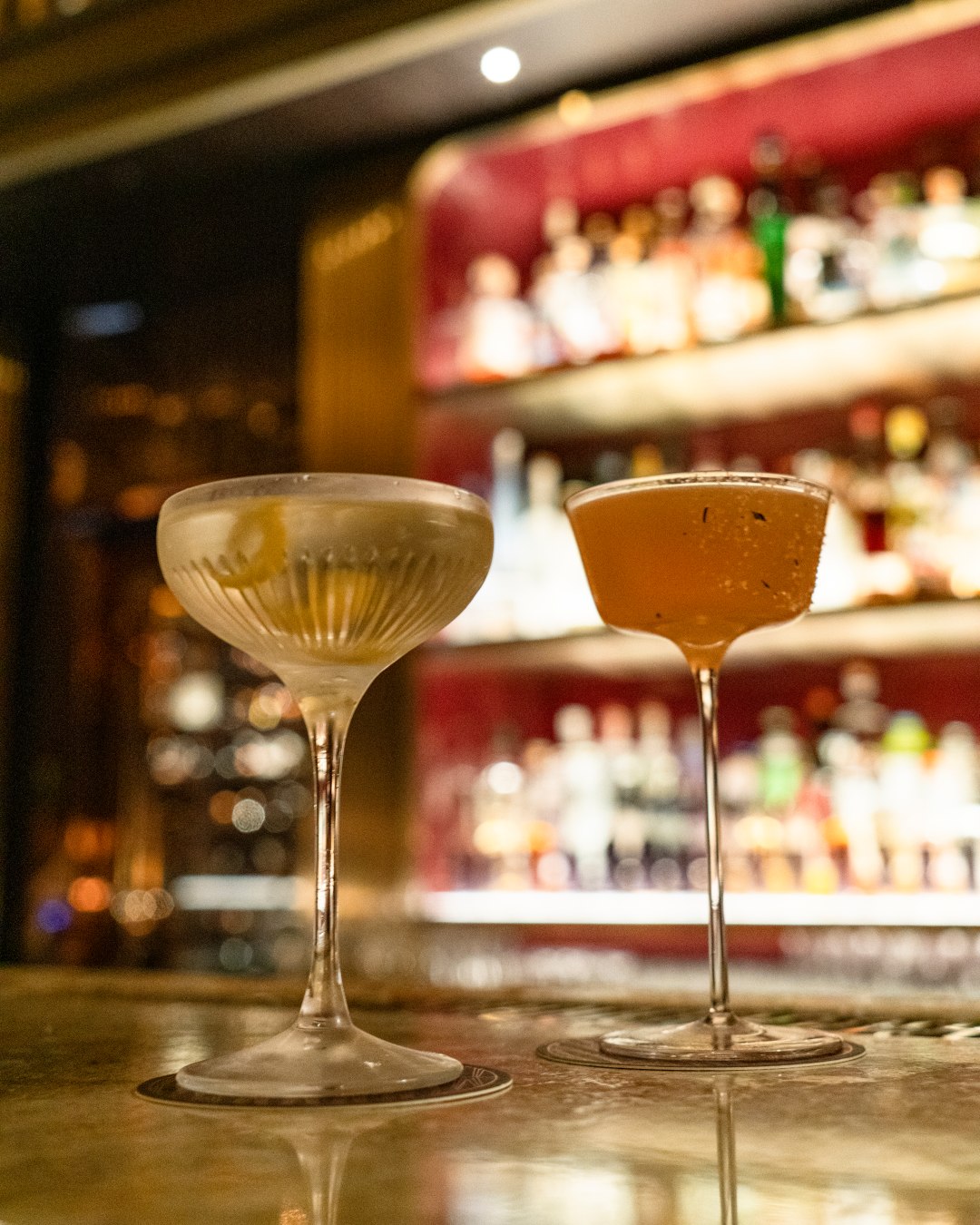
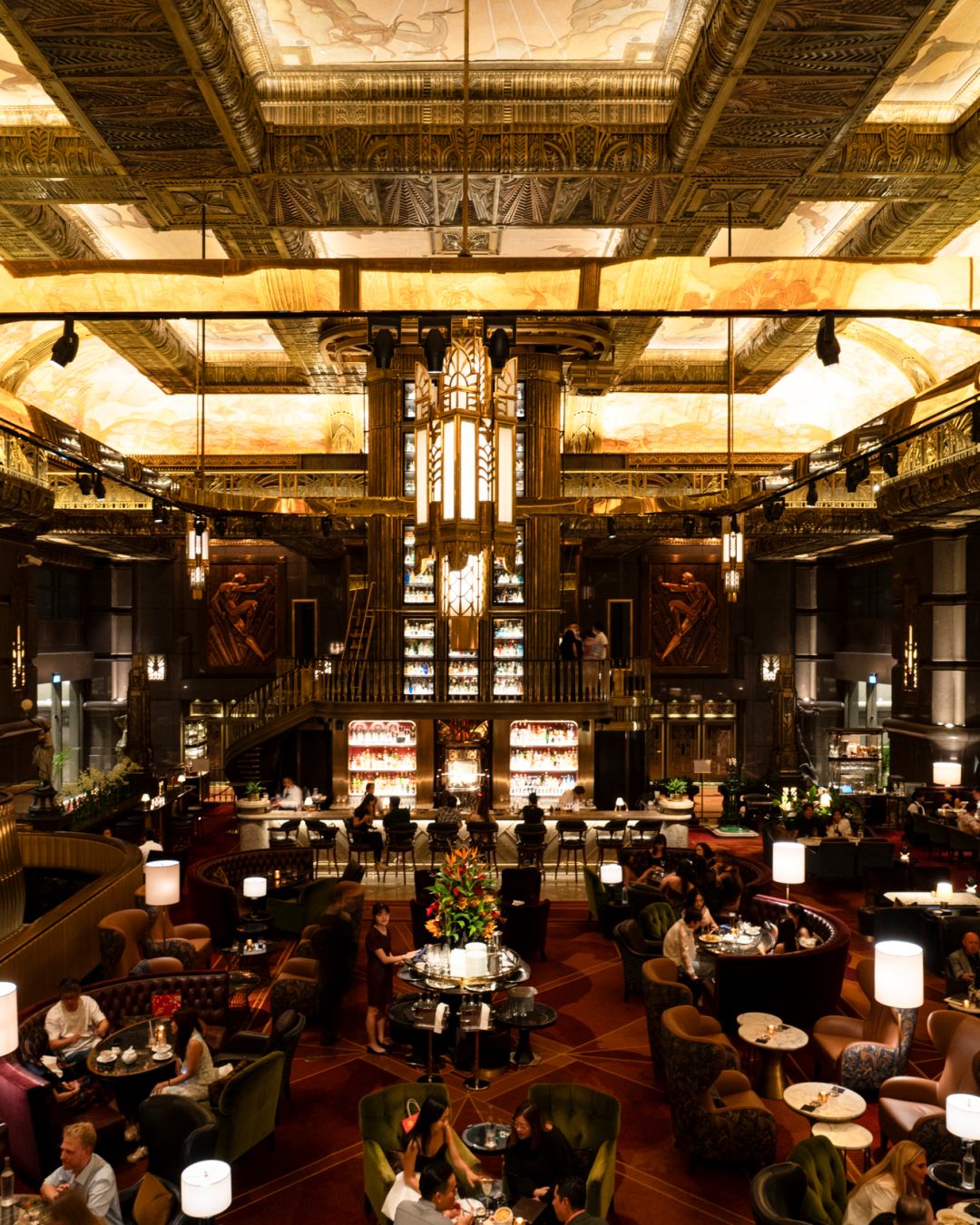
An Art Deco Lobby Bar: Atlas Singapore
Parkview Square is considered the quintessence of Art Deco architecture. On its ground floor sits Atlas, which stages one of the most spectacular scenes in Singapore. Its interior of brass, marble and geometric patterns recalls a 1920s New York lobby bar, and the 15-meter-high gin tower rising at the center captures your eye at once. With more than 1,000 gins in storage, the sight of a bartender climbing a ladder to retrieve a bottle feels like a stage performance. Settle into a sofa that resembles a seat in a classic theater, then order the signature cocktail, the Atlas Martini. Blended in precise proportions from a house-recipe dry gin, vermouth and champagne, it has an intense yet bright flavor that draws gasps of admiration. The Amber Club, which combines champagne, Scotch whisky and aged rum, is another popular cocktail. The bar is so popular that reservations at least two weeks ahead are essential, and an afternoon tea menu is also available in the afternoon.