Tegamisha Pop-Up in Seoul
Tegamisha, the Tokyo-based creative force behind Japan's largest flea market, opens its first Seoul pop-up featuring original stationery and goods, alongside a talk with founders Kitajima Isao and Watanabe Yoko.
Tegamisha POP UP SHOP in SEOUL — Tegamisha Pop-Up in Seoul
Tegamisha (手紙社), a driving force behind Tokyo's creator culture, is opening its first-ever pop-up shop in Seoul.
Based in Tokyo, Tegamisha, a leading force in Japan's creator culture, is finally opening a pop-up shop in Seoul.
Tegamisha has already showcased its distinctive sensibility by hosting ‘Tokyo Nomi-no-ichi,’ Japan's largest flea market event, and this Seoul pop-up marks the brand's first encounter with fans in Korea. The pop-up will feature a wide range of stationery and goods, centered on original products created in collaboration with the creators Tegamisha loves — diary refills, roll sticky notes, flake stickers, masking tape, memo pads, and more. Don't miss the talk with Tegamisha's founding couple, Kitajima Isao (北島勲) and Watanabe Yoko (渡辺洋子), whom Pitch by Magazine had the chance to meet in person!
Address: Ririhouse, 77-2 Dutteopbawi-ro, Yongsan-gu, Seoul
Hours: Thursday–Sunday, 11 AM–7 PM, June 20 (Sat)–July 19 (Sun)
Tegamisha, Tokyo's Creative Hub
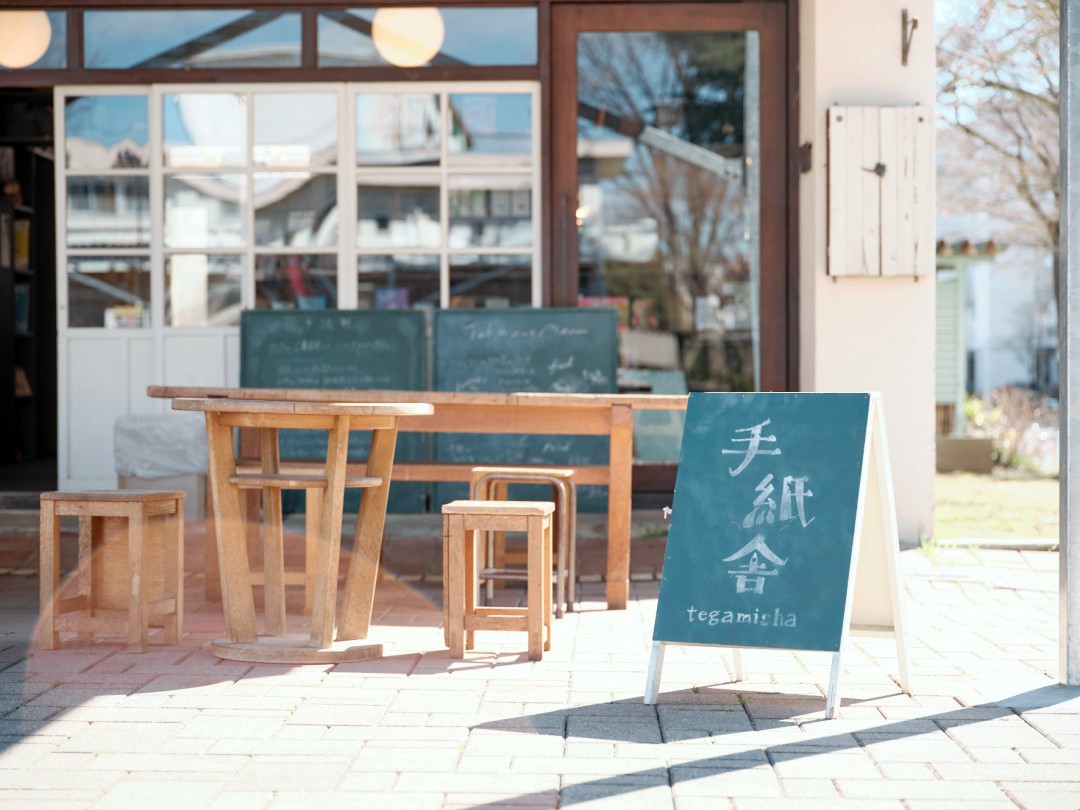
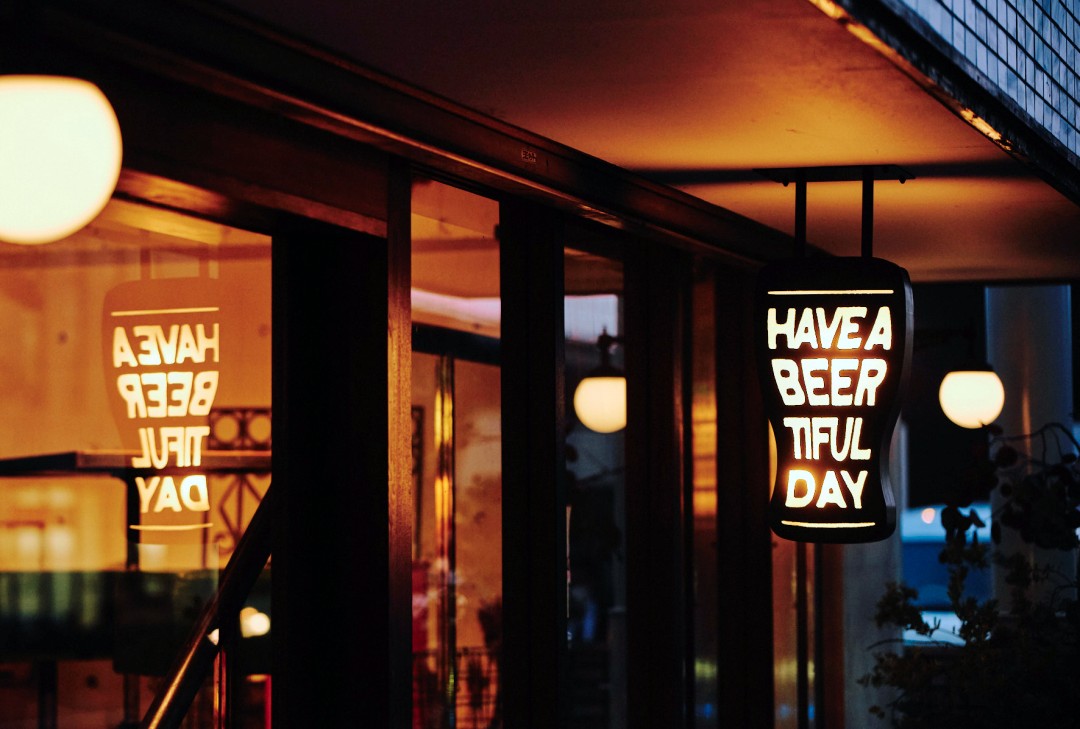
Tegamisha (手紙舎) is a pioneer of local culture in Chofu, Tokyo. Launched as an independent magazine publisher in 2008, it now operates a café, concept shop, bookstore, and even a brewery, leading the local arts and culture scene. Its flagship café sits in a shopping arcade within a public housing complex more than 50 years old on the outskirts of Tokyo — a perfect spot to spend time in the quiet charm of a small neighborhood park. You might wonder who would bother coming all the way out here, but it's popular enough that visitors line up even on weekday afternoons.
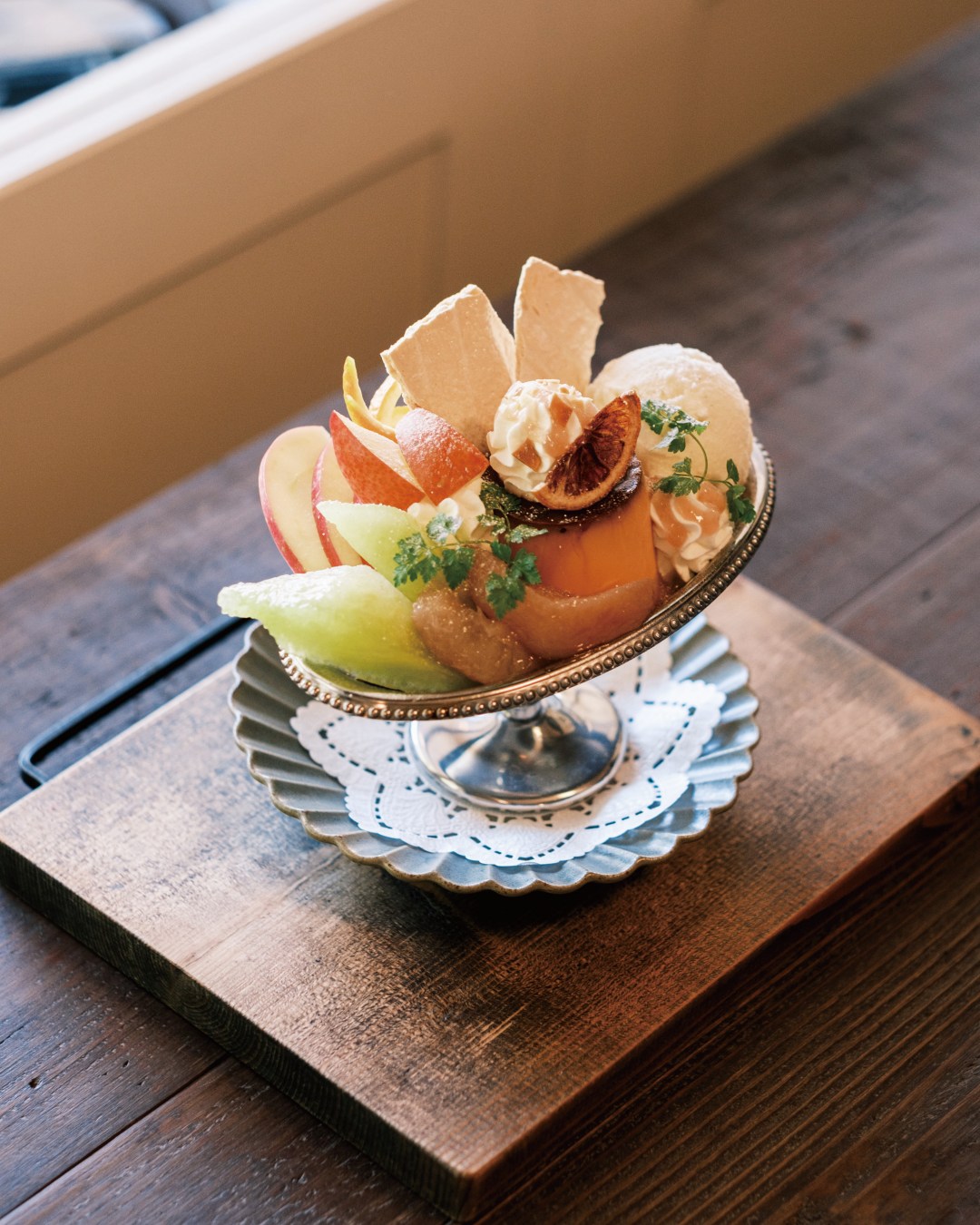
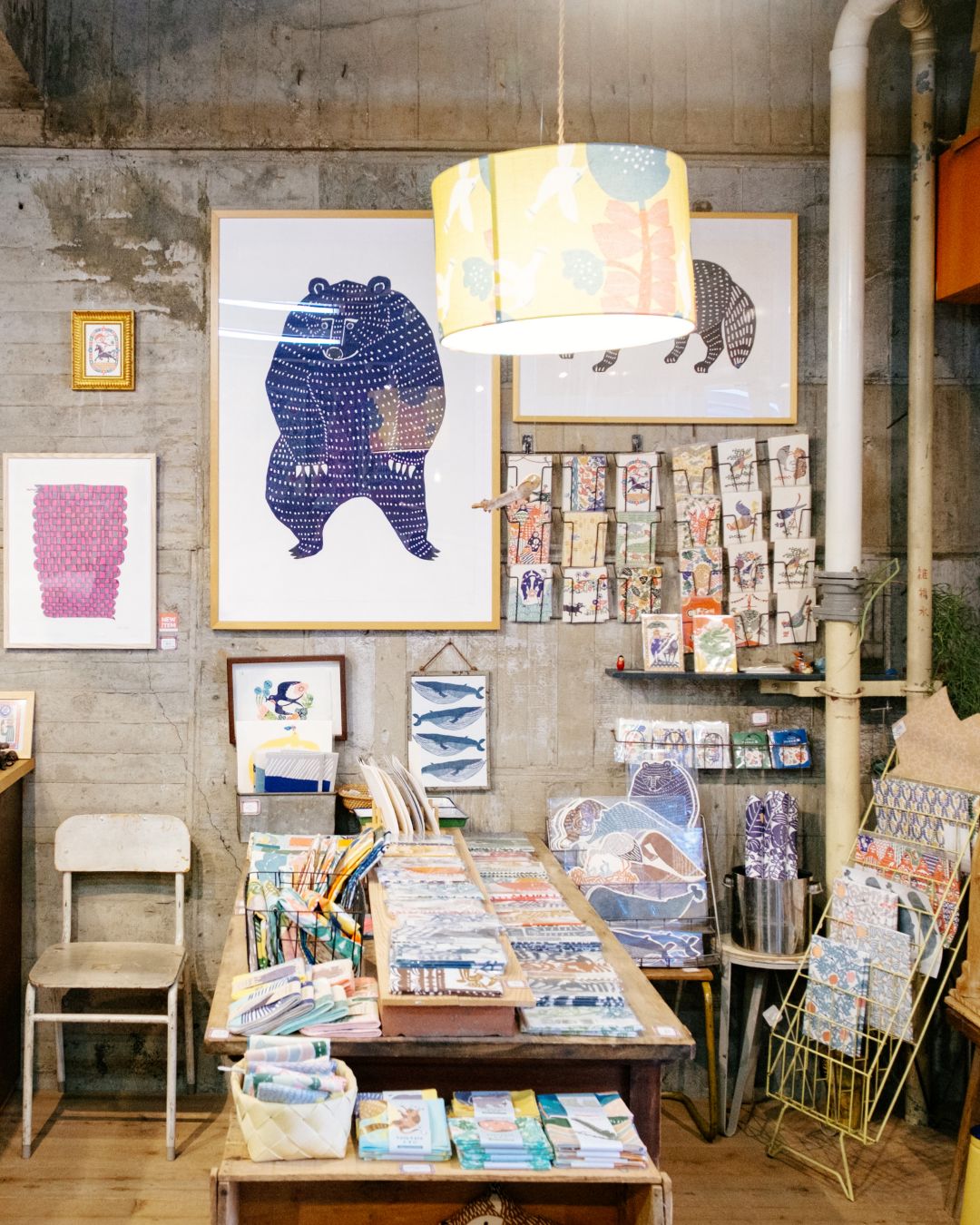
True to its name, which means ‘house of letters’ in Japanese, Tegamisha — a believer in the value of handmade craft — carries out a wide range of activities. It publishes the magazine ‘Letters,’ themed around stationery, paper, and illustration, and collaborates with various creators to hold exhibitions and produce goods. About a ten-minute drive from the main store, the Tegamisha 2nd Story location is a café-cum-concept shop that embodies all of this energy. From stationery curated by the editorial team with an exacting eye, to crafts, ceramics, and fabrics, the space is charmingly arranged like a small museum. The café corner also serves house-blended coffee, seasonal drinks and desserts, and lunch items like pasta and curry. Enjoying dessert and a meal surrounded by the distinctive work of local artists is an experience unto itself.
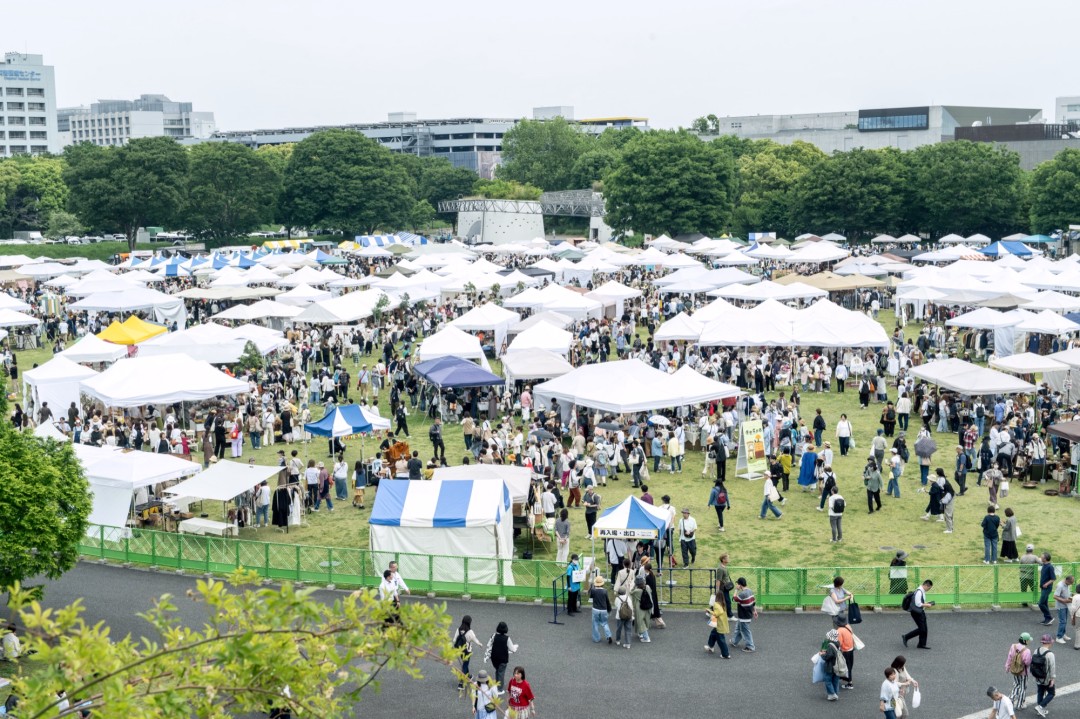
Beyond its physical space in Chofu, large-scale events like Nomi-no-ichi (蚤の市) are what Tegamisha has been focusing on lately. At Nomi-no-ichi — a lively jumble of handicraft and vintage culture — anyone can share in Japan's craft culture and creative scene. Held not only in Tokyo but in major cities across the country, its influence is now expanding overseas as well. Born on the edges of Tokyo, Tegamisha has grown into more than just a shop — it has become an all-weather hub where artists and the public connect, region by region.
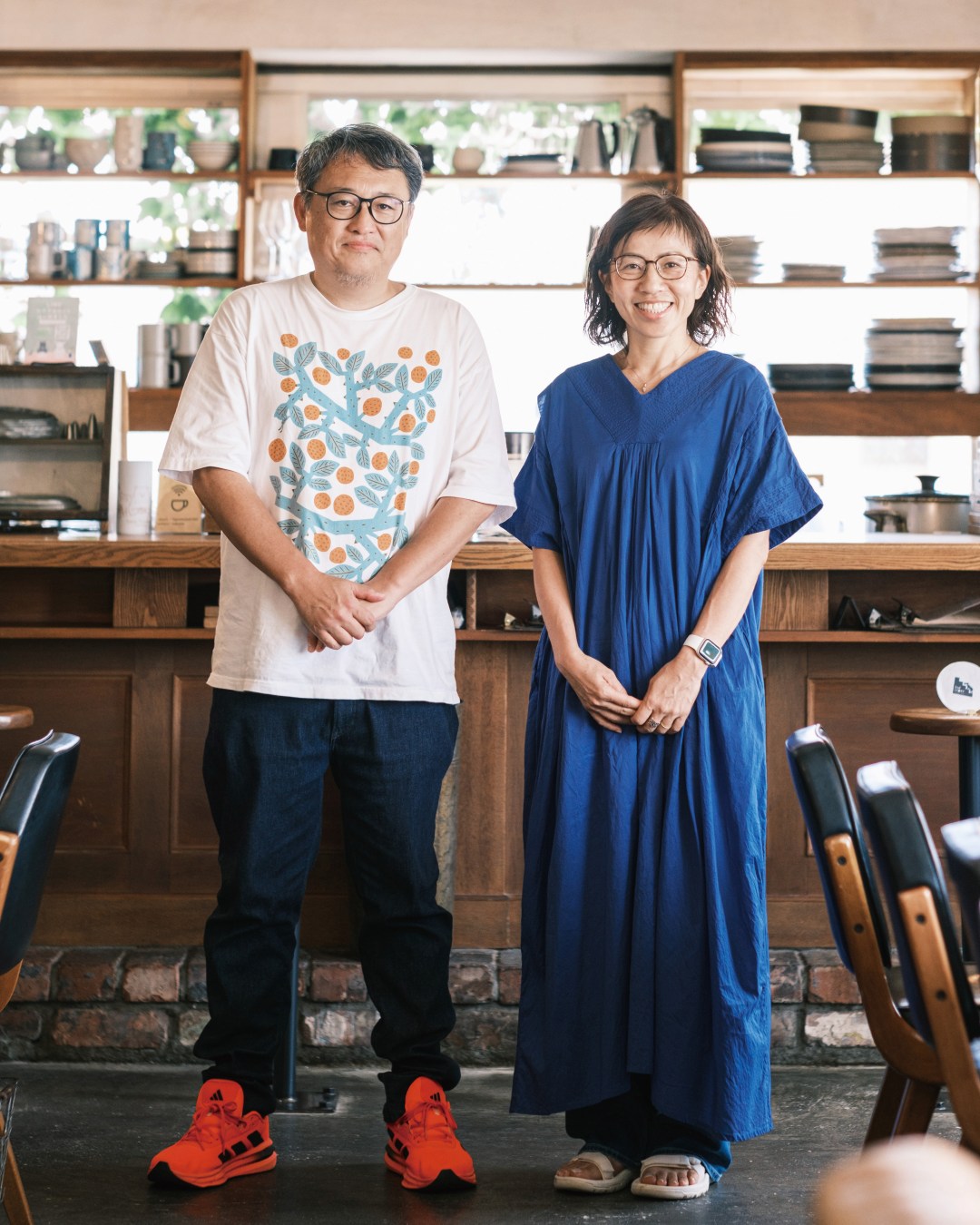
Interview with Tegamisha Founders Kitajima Isao (北島勲) and Watanabe Yoko (渡辺洋子)
How did Tegamisha get its start?
My wife and I both used to be magazine editors. We worked at different publishing houses, and after getting married, we went independent in 2008 and founded Tegamisha. We opened this flagship store in 2009 and began our editorial work and café in earnest. Back then, I'd be doing editorial work and then run over to serve curry to customers when they came in. Actually, when we first went independent, we started out in a worn-down old apartment, but we had to move out, and while looking for a new place, we found this spot. We fell for the plaza and the old housing complex scenery so much that we took the leap. We'd always had a wish to run a café someday.
You're running several other businesses too, like events?
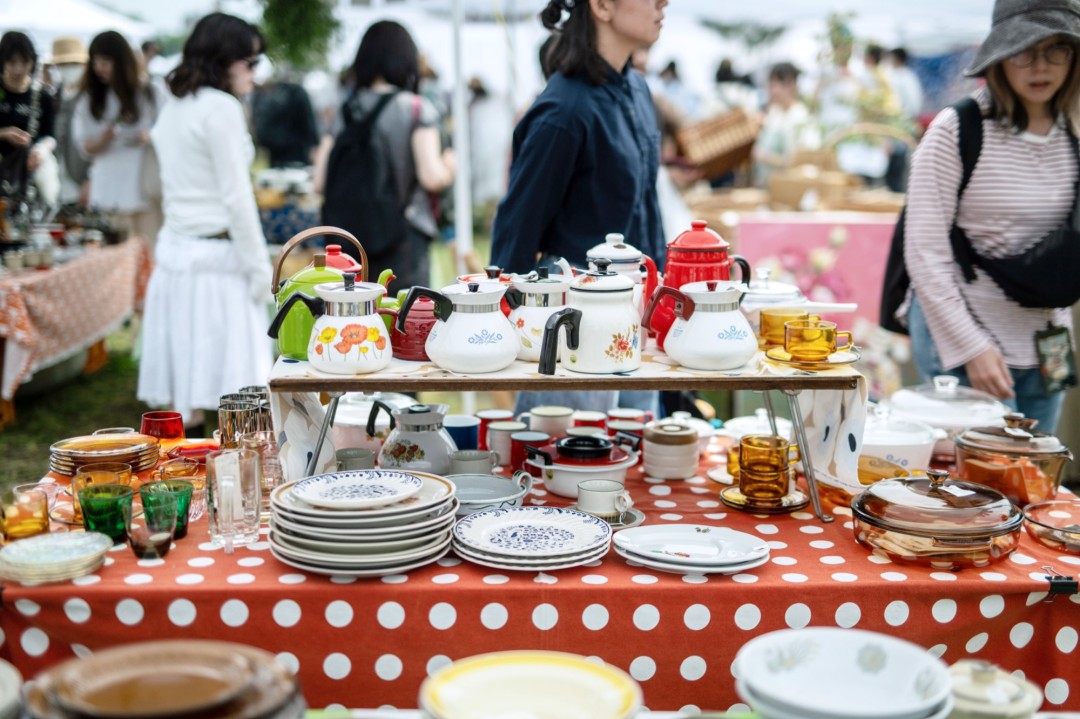
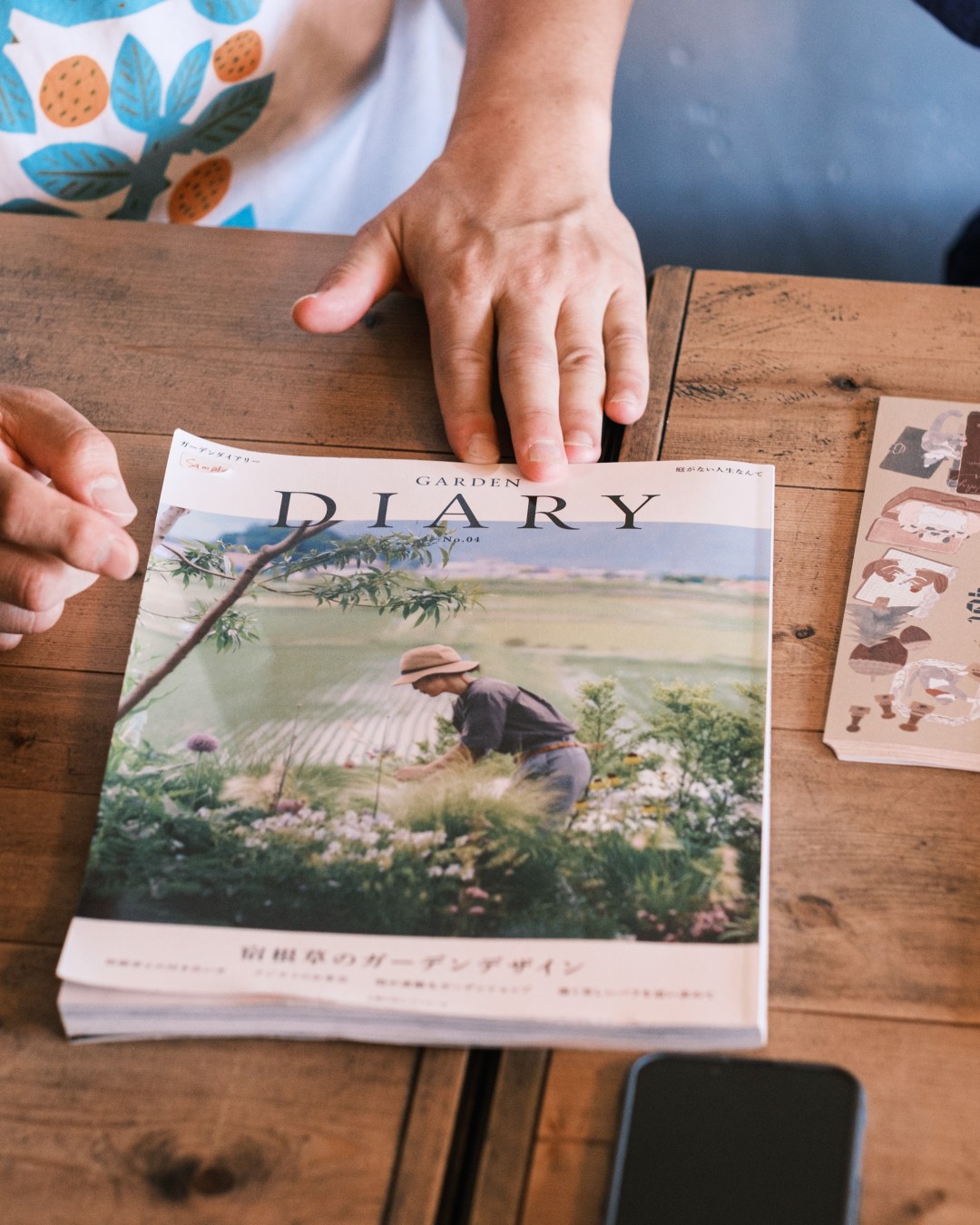
Yes, the event business started out more as a hobby than a business. Since we interviewed all sorts of creators for our magazine, we thought, why not bring them together for an event — and started it half for fun. Before we knew it, though, the shops and events had become the core of our business. Because of that, we barely had time to publish. The publishing industry in Japan was struggling too. We got so busy with the shops and events that publishing fell by the wayside, but eventually we wanted to return to our roots in editorial work, so three years ago we resumed publishing books and magazines. These days, our work falls into roughly three categories — shops, events, and publishing — and recently we've also gotten into real estate. Among these, our biggest event is the flea market Tokyo Nomi-no-ichi (東京蚤の市). It's held at Showa Kinen Park in Tachikawa, Tokyo, the largest park in the city. Nomi-no-ichi runs for three days with about 250 vendors participating, drawing more than 50,000 visitors. It combines shopping with live music, like a cross between a marché and a music festival. You'll mostly find old household goods, secondhand books, and vintage clothing, along with artists' work, florists, and bakeries.
When did Nomi-no-ichi begin?
It started in 2012. We first launched an event called Momiji-ichi (もみじ市) in 2006 just for fun, but it grew popular and drew crowds, eventually turning into real work. After that came Tokyo Nomi-no-ichi, which we approached properly as a revenue-generating business, charging a 300-yen admission fee. At the time, charging admission for that kind of event was unheard of. There was pushback, but it turned out to be such a major turning point that I'd say it's thanks to that decision that Tegamisha exists today. For the first four years after going independent, we paid ourselves no salary at all, dipping into savings just to pay our staff. It was in that context that this event grew into an actual business. Still, we think of ourselves as editors even now. Making a magazine and making an event are, to us, the same thing.
Can Tegamisha be found in other places too?
We have six locations in Chofu alone, plus others in Maebashi and Matsumoto. Our customers are mostly women in their 30s to 50s. Each shop has its own character, but they all share an overall warm atmosphere. Our customers tend to love handmade things — stationery, crafts, and the like. At our stores we sell original Tegamisha goods, as well as items from artists who've taken part in our events.
What do you think has been the key to your success?
Simply put, I think we've succeeded because we've worked with ‘top-tier people.’ We only bring together the very best — whether artists or shops.