
Sweet Bites of Love & Nostalgia — The Sweetness of Love and Memories at Eata Boutique
A couple from Wyoming and Botswana turn their grandmothers’ and mothers’ family recipes into desserts that carry the taste of childhood, and hope to connect people through them at Eata Boutique near Sungshin Women’s University in Seoul.
Sweet Bites of Love & Nostalgia — The Sweetness of Love and Memories at Eata Boutique
Kirby Cream, Roca, Melk Tart. The names may sound unfamiliar, but one bite of these desserts can carry you straight back to someone’s childhood. We sat down with Jayce and Sunya, the couple behind the dessert shop Eata, who dream of connecting with people through nostalgic sweets made from their grandmothers’ and mothers’ recipes.
Interviewer Ryu Sunwoo
Interviewee Jayce and Sunya, owners of Eata Boutique
Could you tell us about Eata, your dessert boutique?
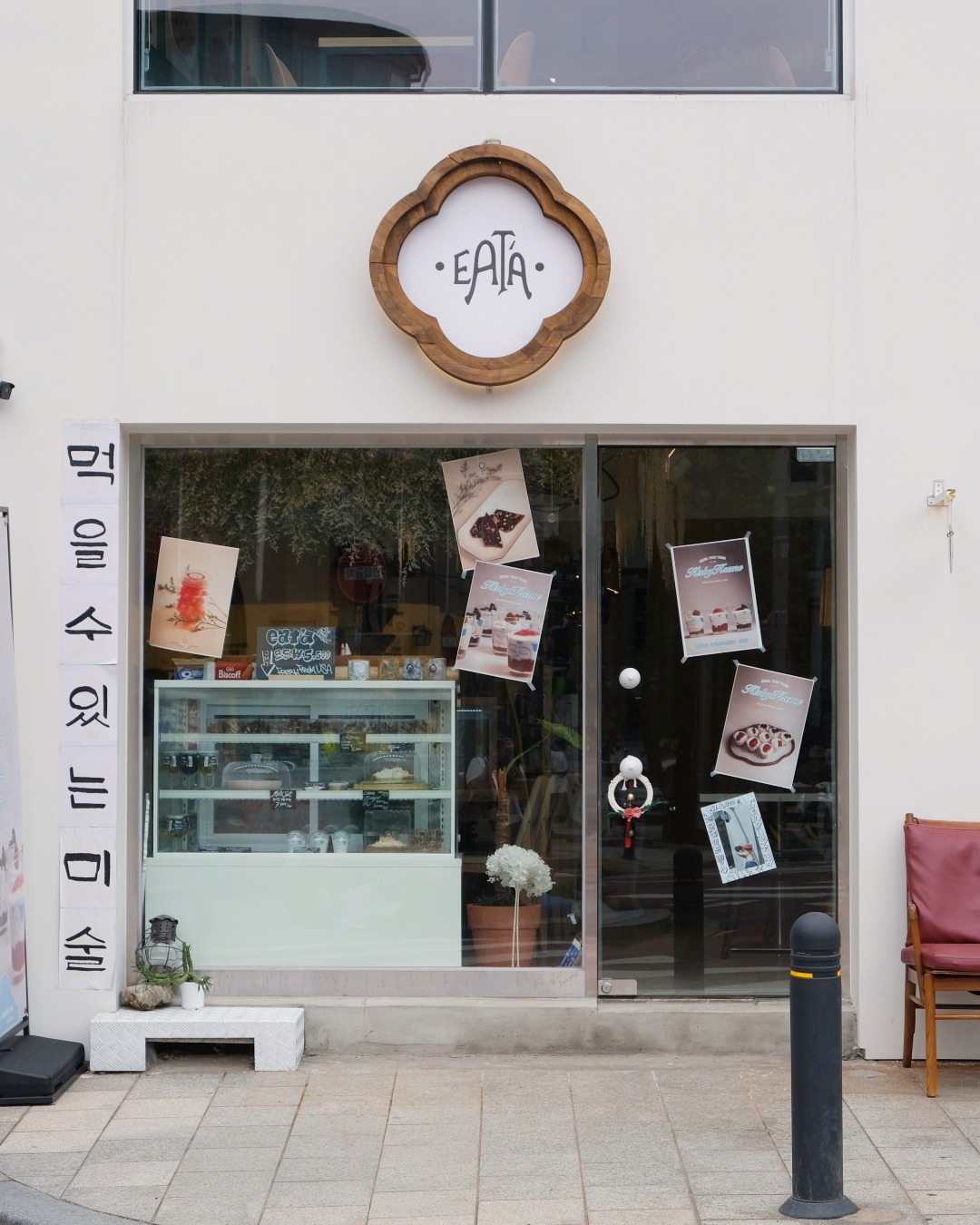
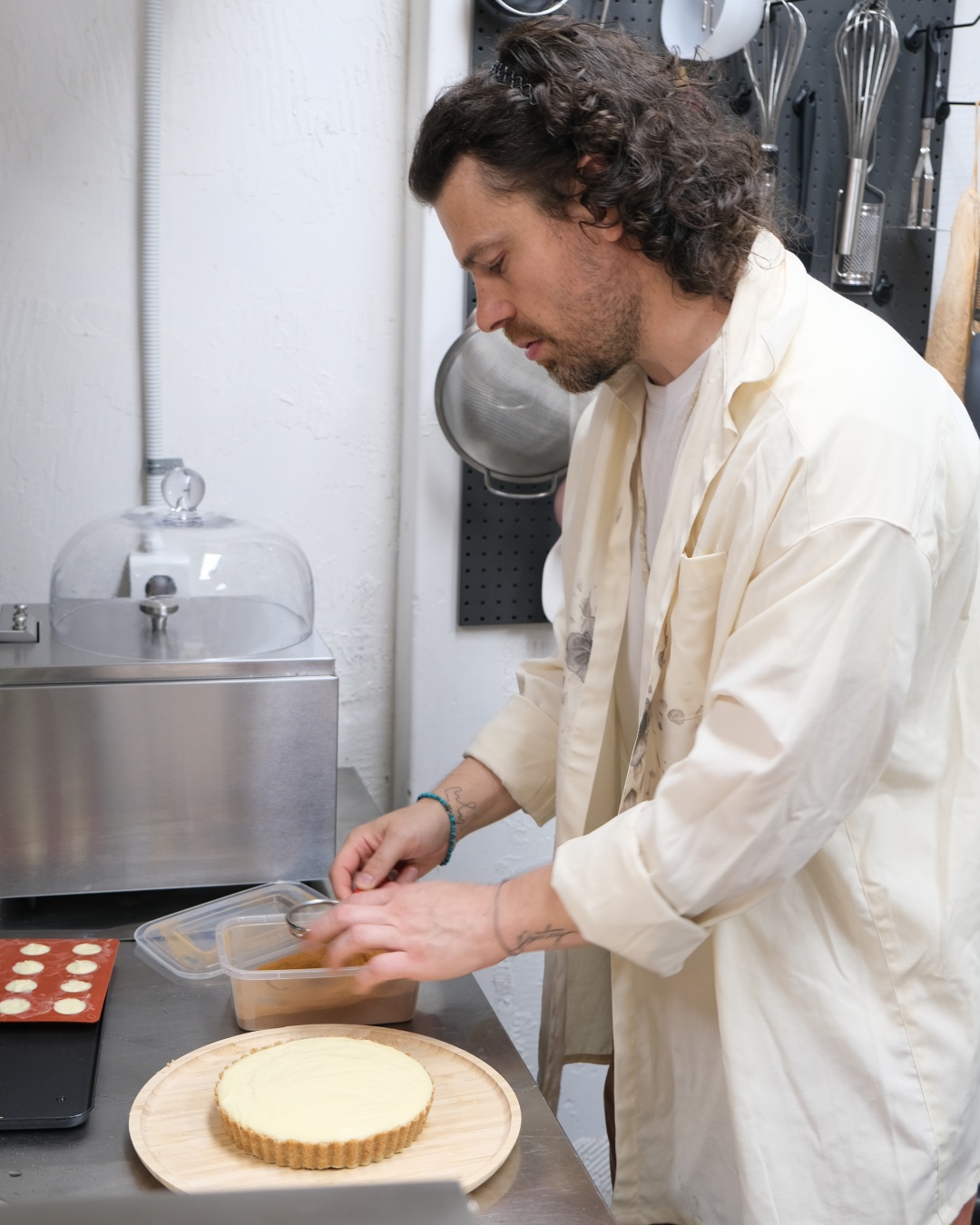
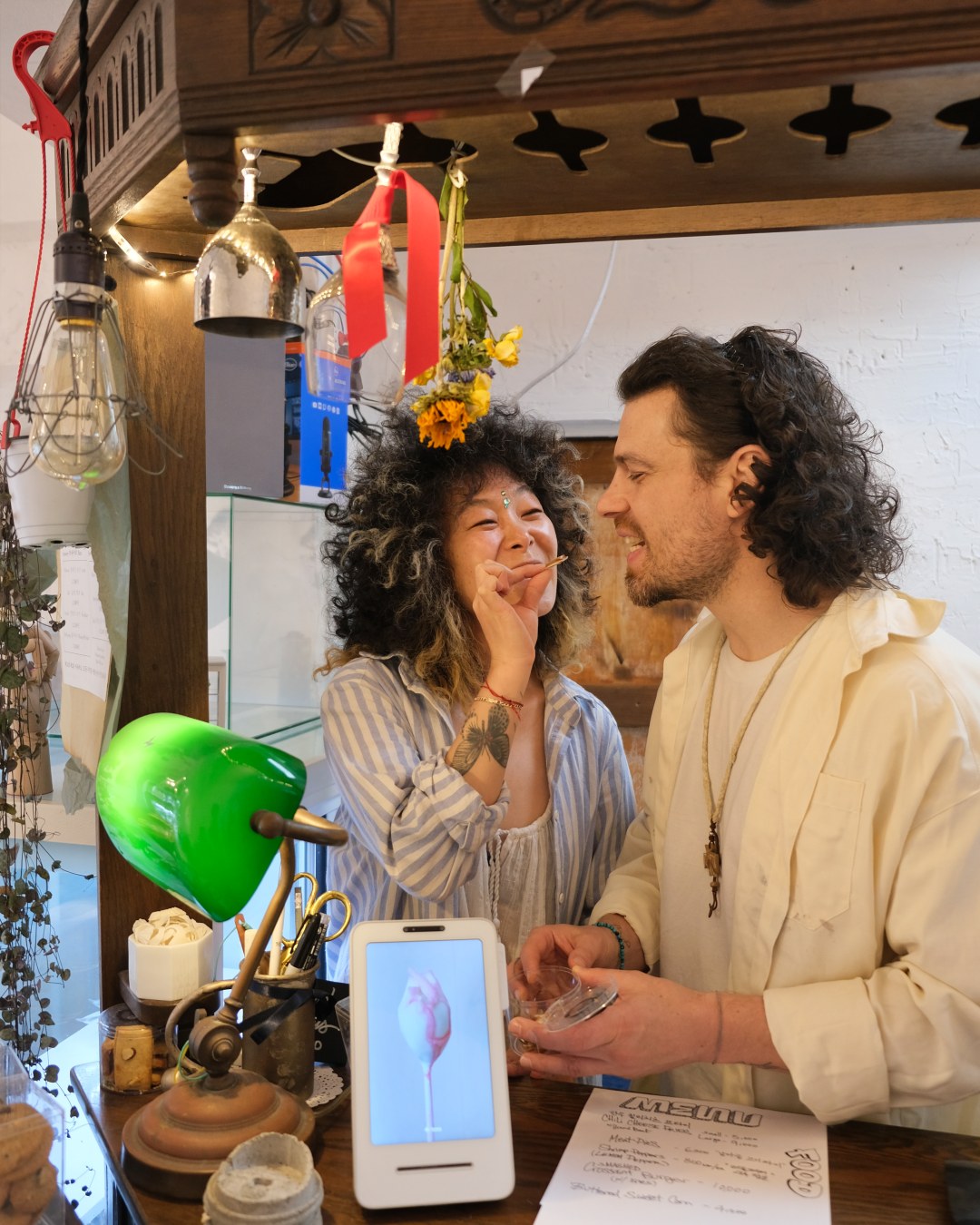
Jayce & Sunya We grew up in Wyoming in the United States and Botswana in South Africa, respectively, and now we’ve settled in Korea. Eata is a dessert shop that serves wholesome sweets made from family recipes full of our memories. We actually started with edible bouquets called ‘Eat’a Bouquet.’ Then Jayce and I began making desserts tied to our childhood memories. The name Eata comes from ‘eat a _____,’ and you can fill in the blank with any word: a bouquet, a ring, a work of art, a memory. We believe it matters that food carries the love of the person who makes it, so we use only the finest ingredients and make ethical desserts that even children can eat.
You seem to have a clear philosophy about food.
Sunya I love the process of making food and the act of eating itself, and I consider both very important. I think food is a medium for sharing love and connecting people. Through food, people from different cultures and social classes can become one. I love the moments when we gather in one place and share the happiness that delicious food brings. These days eating feels too mechanical. People eat just to get a meal over with, or because they happen to be craving something. I want to question that. Food production has also become industrialized in many cases. Instead of the maker’s heart, there are unknown chemical additives in it. I believe we should eat food made with love and care, and that’s the conviction behind our desserts.
Jayce The ingredients we come across these days are often far removed from nature as it is. Even to grow a single vegetable, you need everything to be right: enough sunlight, rich soil, insects. But in modern agriculture, it’s hard to find that kind of ecosystem. For example, when I look at corn farms in the US, I’m struck by how quiet they are. A natural ecosystem should be noisy and buzzing, but they’re not at all. Everything has been industrialized. Precisely in times like these, I think it’s important to reclaim what comes from nature and to enjoy food made from real ingredients together.
What led you to open a dessert shop?
Sunya For starters, I love sweet things. I’ve always enjoyed desserts. I also grew up eating the delicious desserts my mother made, from my childhood in South Africa.
Jayce I wanted to evoke memories through desserts and share those moments with people. Nostalgia for childhood doesn’t come from thinking; it comes back through taste and scent.
What are Eata’s signature desserts?
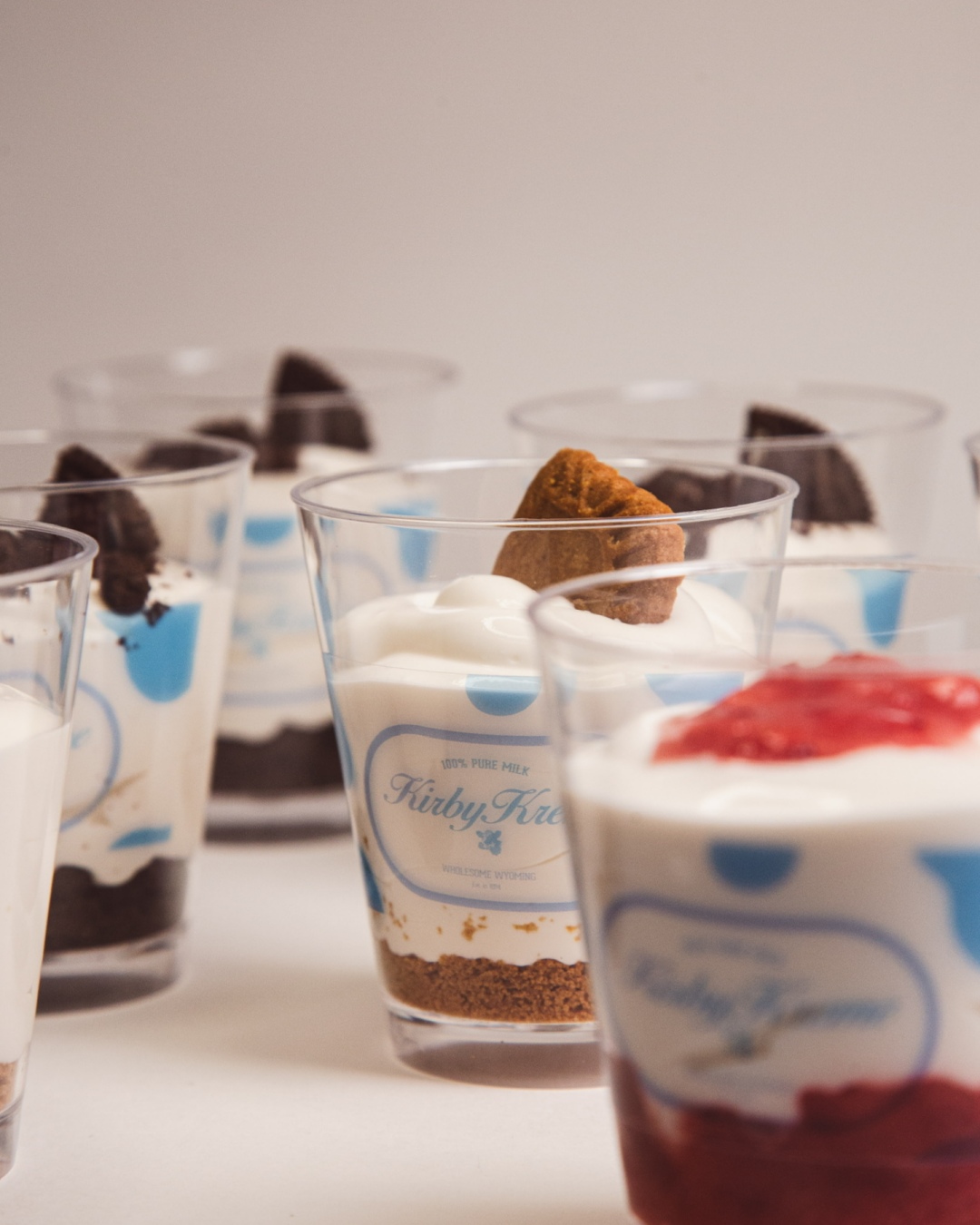
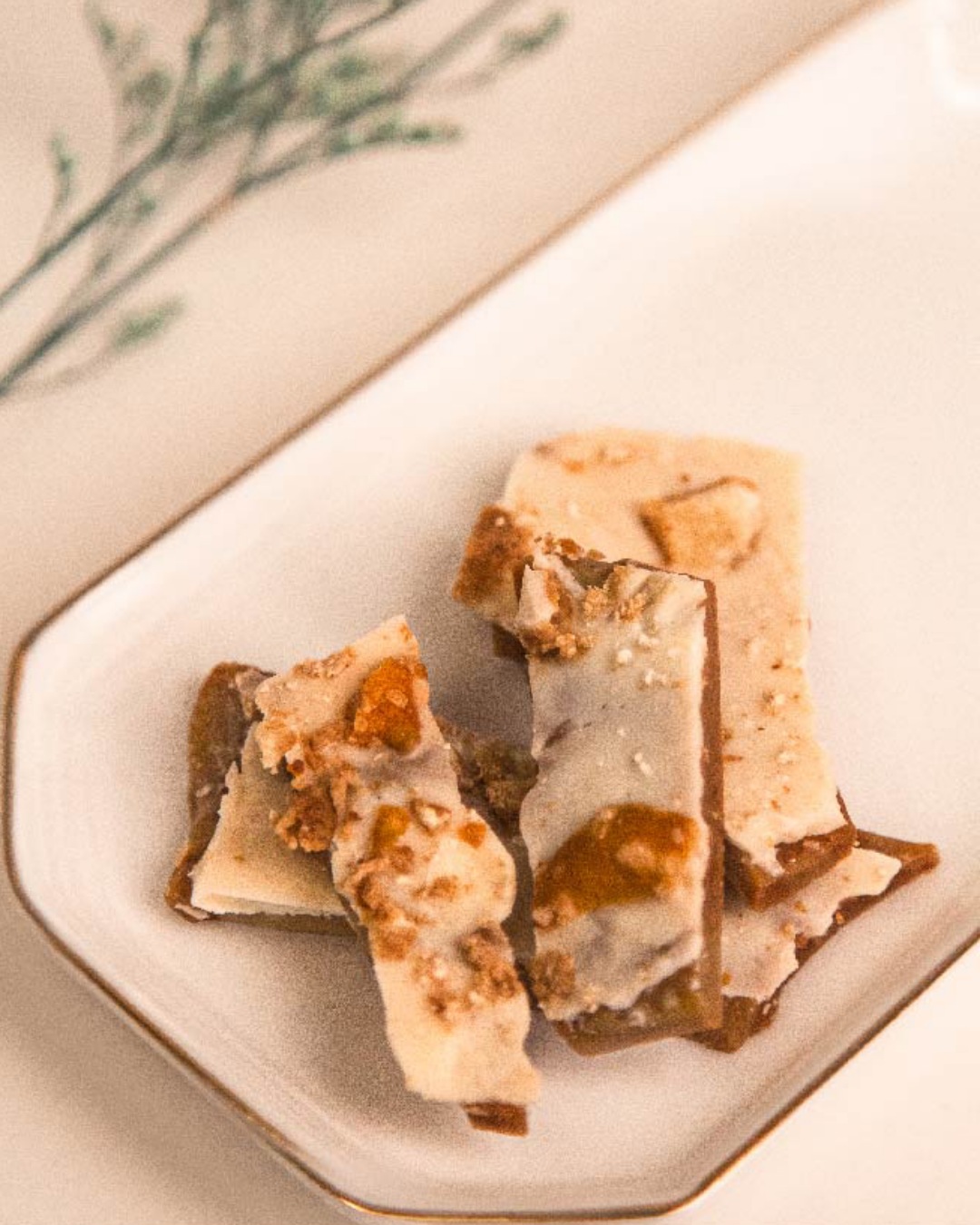
Jayce Kirby Cream feels a little heavy, but it’s a healthy dessert closer to yogurt. It has less sugar than store-bought yogurt, and there’s also a zero-sugar version made with allulose. It’s high in protein and rich in probiotics, so eating it every day won’t hurt you at all. We serve it with a variety of toppings, such as mango, granola, and homemade Oreo cookies, and we also made a melon-cucumber sorbet as a seasonal item. Roca is a dish we developed from peanut brittle, which Americans often eat at Christmas. It’s actually closer to traditional English butter toffee. My mother used to make pecan roca, and at Eata we make roca with all kinds of toppings, such as walnuts and almonds.
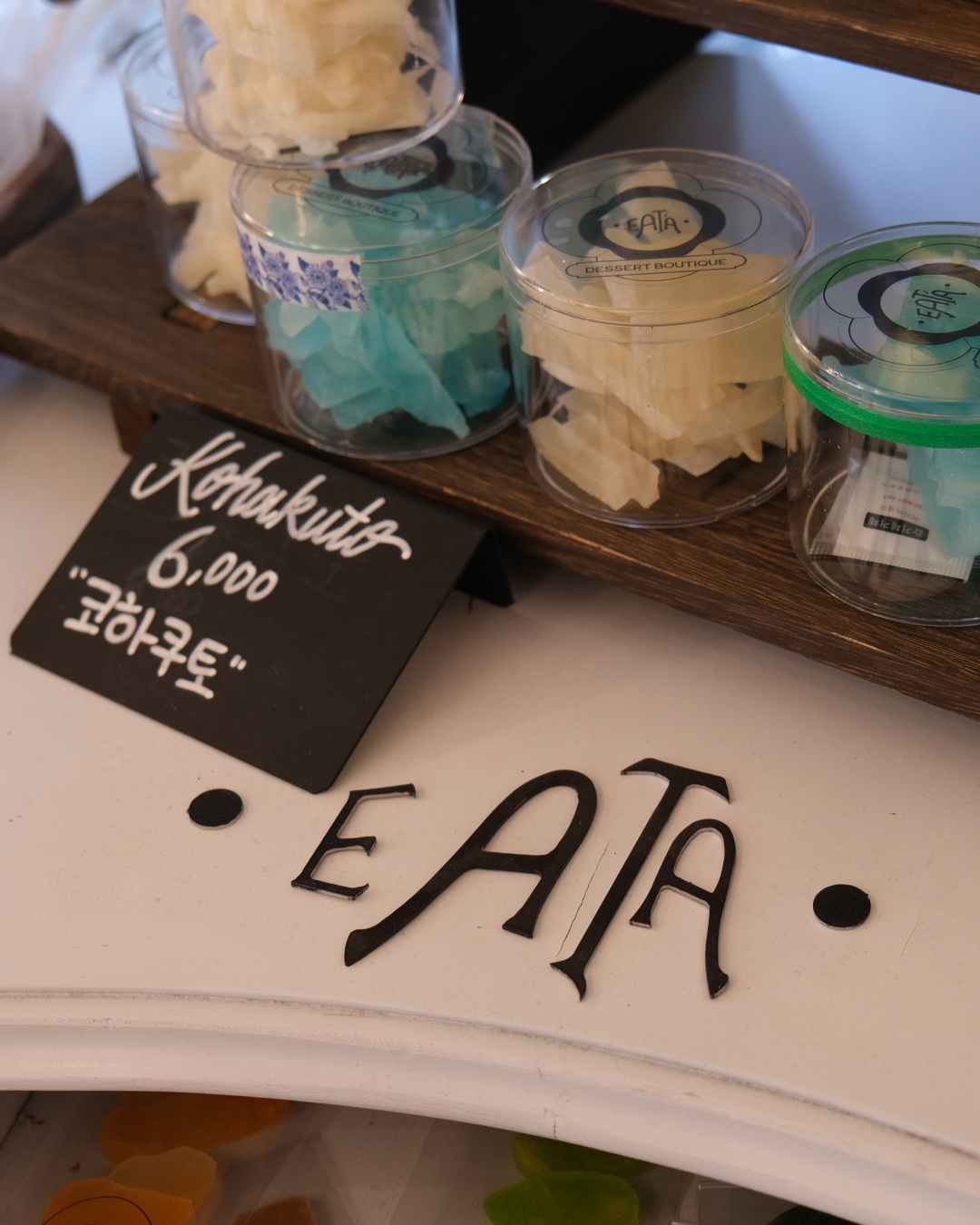
You sell a wider range of desserts than I expected. There’s kohakutō (琥珀糖), a traditional Japanese confection, and I also spotted tarts and cookies.
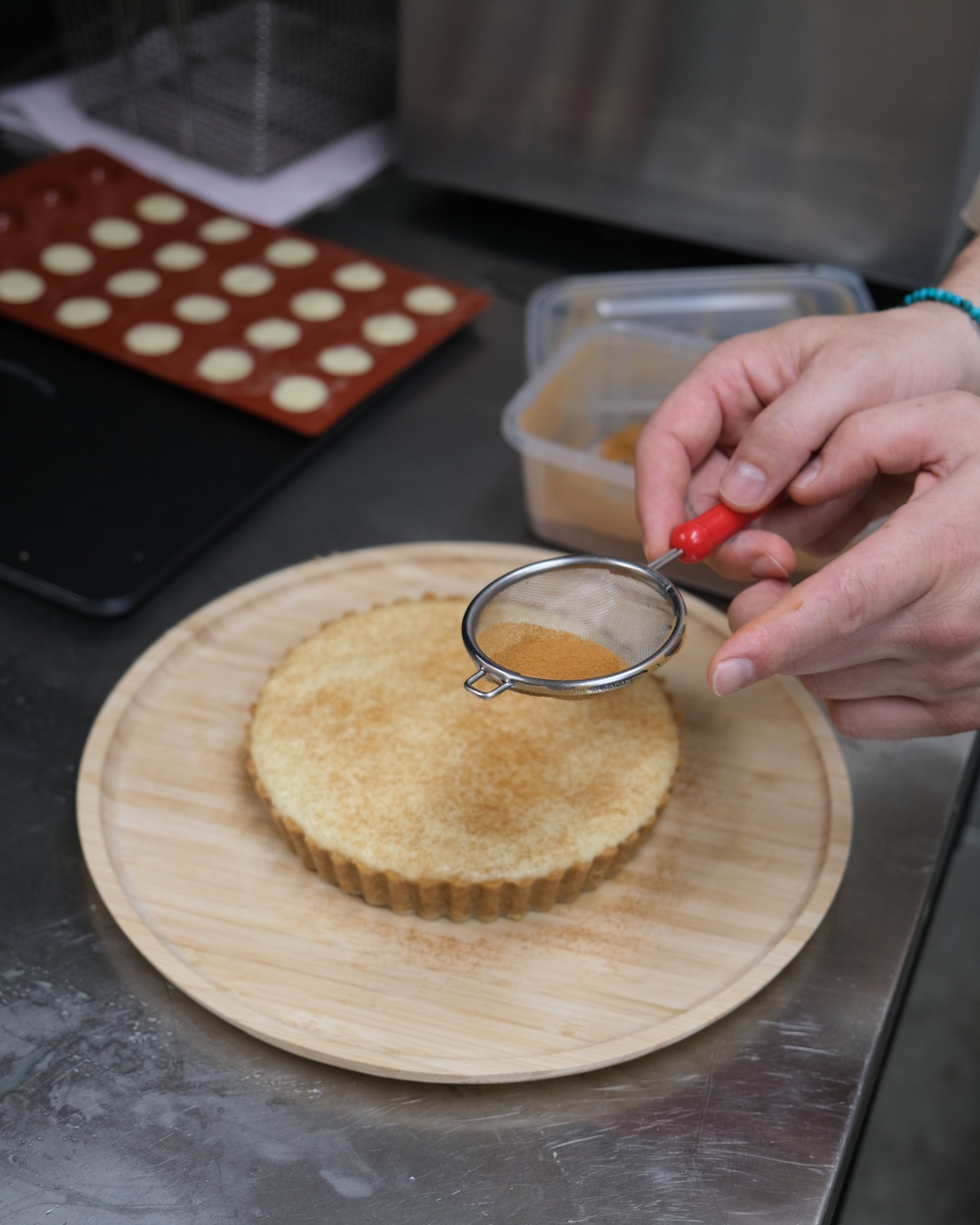
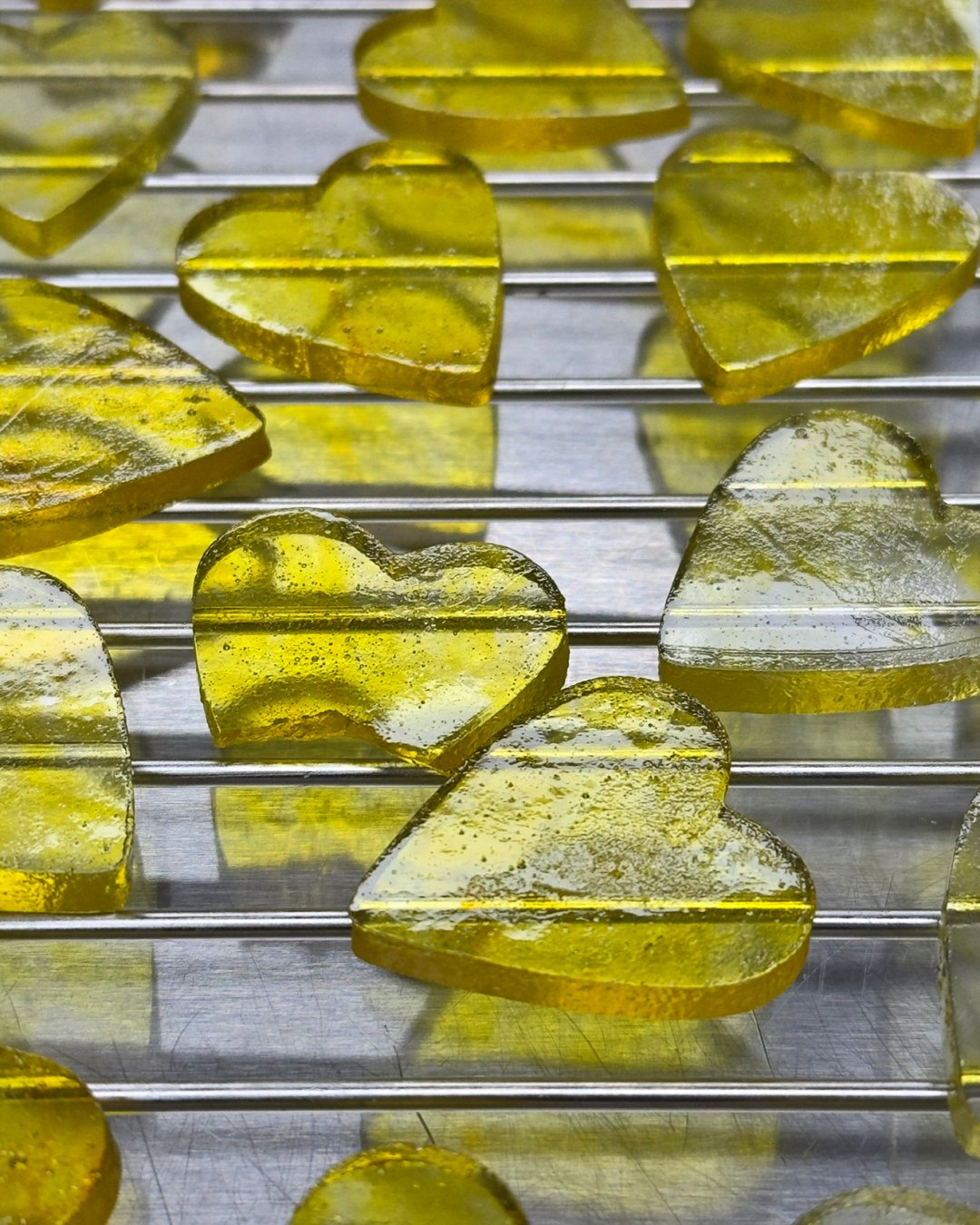
Sunya We started making kohakutō because our kids love it so much. (Laughs) Melk Tart, a South African milk custard tart, is a dessert I’ve loved since I was little. At Christmas we took orders for mini cakes, but so many came in that we ended up limiting the quantity. It’s important for the people making the food to have fun at work, too.
Jayce We also make cookies with all sorts of ingredients, like homemade Oreos and green onions. I use recipes I learned from my grandmother because I want to recreate the tastes of my memories. Some of the cookies are made with help from pastry chefs from Hong Kong and Italy whom we met on the food scene.
You’re very active in developing desserts. Where does your inspiration come from?
Jayce Every dessert is inspired by memories inside us. From childhood with our families to our twenties, we recreate them through desserts.
The menu descriptions mention family recipes. Did you learn secret recipes from your mothers?
Jayce Yes, that’s right. It’s not only me; Sunya also makes desserts using recipes handed down through her family in South Africa. Kirby Cream was born from my mother’s own recipe. She worked as a chef on a ranch and developed recipes all her life. The Kirby Cream we make now, which we used to call ‘Wyoming Cream,’ is one of them. The name ‘Kirby’ comes from my grandmother and grandfather’s surname. My mother’s desserts are famous in Wyoming, too. When there’s a party or a holiday, people in town ask her to cater Kirby Cream. We started by branding and selling Kirby Cream here in Seoul, but someday I’d like to open a branch in Wyoming as well.
It seems there’s no end to the ingredients you could pair with Kirby Cream or Roca.
Jayce I once made a kimchi roca. Many people were horrified. They said anything but kimchi! (Laughs) But once they tasted it, they said it was new and delicious, and wanted more. We also collaborate with various restaurants on seasonal items. With a Thai restaurant, we made a Kirby Cream using Thai tea, and with a Moroccan restaurant, we made a specialty roca using the Moroccan spice blend ras el hanout.
So you can draw inspiration from cuisines around the world to make desserts.
Jayce Exactly. If you could eat the food of only one country for the rest of your life, which would you choose? I don’t think I could choose. Eating one country’s food every day? That’s too much, isn’t it? (Laughs) I love the colorful flavors of many countries, so I like collaborating with venues that serve food from around the world. That’s also why we chose *contemporary cuisine. The desserts made from my grandmother’s and mother’s recipes value traditional methods, but beyond those, we use a wide range of ingredients and try original ideas to create inventive desserts.
* Contemporary cuisine refers to dishes, or restaurants serving them, that reinterpret currently popular ingredients and cooking techniques with a modern sensibility. It is not limited to traditional methods; it is characterized by blending techniques and trends from many food cultures to create new flavors and styles.
Food and desserts from around the world are mostly clustered around Itaewon. How did you end up settling in front of Sungshin Women’s University?
Sunya I found this street so pretty. It’s right by a big intersection, so I thought a lot of people would pass by.
Jayce I liked how much it resembles the streets of my hometown. There are no big buildings, and it has a quiet, relaxed vibe. Lots of people stroll here, too. The shop also gets plenty of light, which was just what I wanted. Good sunlight is really important. (Laughs)
We’d love to hear about your journey before opening the dessert shop.
Sunya I came back to Korea in 2007 and worked as an intern at a fashion company, which was my major. It was really hard. (Laughs) Companies in Korea are anything but relaxed. After that, I ran a business selling *Bellypop, a silicone water bottle designed for kids, and right before COVID I also ran a café on Toegye-ro in Jung-gu. I had no choice but to close it during the pandemic. It was a three-story building with a rooftop, so I used it as a café and multicultural space, lending it out to artists, putting on performances on the rooftop, and often throwing parties with guest DJs. I curated everything one by one, from the scent of the space to the sound and lighting. You could say I’ve never stopped doing work related to art.
Jayce I worked as an assistant to the photographer Kim Jungman and took part in all kinds of projects. I did the things Sunya just mentioned with her, too. Even now, when I’m not busy with the shop or with parenting, I spend a lot of time in my studio. I make music videos, too. We’ve both done such a wide range of work that we can now say with confidence that we can make just about anything. (Laughs)
Do you like to travel?
Jayce I love it. During COVID, we enjoyed traveling through taste. When we wanted to go to Morocco, we’d find a Moroccan restaurant, and when we wanted to go to Thailand, we’d find a Thai restaurant. It was like taking a culinary tour of the whole world.
You must be curious about local desserts when you travel, too.
Jayce I like traveling, but sometimes I set out on a trip precisely because of a dessert. I don’t go around deliberately hunting for inspiration; I just enjoy myself. These days you can try desserts from all over the world in Korea, too, but I think tasting them where they come from is a completely different experience. When I think of a particular dessert, I sometimes find myself transported back to the place where I tried it and the time I spent there.
Do you have a favorite travel destination, or one you’d like to visit someday?
Jayce One that really stays with me is Koh Lanta in Thailand. It’s an island in the south of the country. I lay in a hammock on the beach, gazed at the beautiful sea to my heart’s content, and ate a honey-glazed banana dessert at a small restaurant. It was wonderful. It was also my first trip with Sunya, so it’s all the more memorable. As for where I’d like to go next, anywhere is fine. (Laughs) There isn’t a single country I don’t want to visit. If I could, I’d travel everywhere.
Do you have any goals or fun plans for the future?
Jayce Our biggest goal is to introduce more desserts, ones that carry Sunya’s and my nostalgia. After that, and we’re only at the beginning, we’d like to grow into a dessert and bistro. We’re preparing dishes we ate a lot as kids, like Hanwoo (Korean beef) fat fries and South African meat pies. We’ll sell beer, too. Sweet and salty is the best combination, after all. (Laughs) We’re also planning a very interesting event, so please look forward to it. As a hint, it will be a time when everyone gathers around one table and happily shares food. Through events like that, we want to look at the way we enjoy food from a fresh perspective and find another way of interacting with it. Either way, I don’t think our goal of trying new things and taking on new challenges will ever change.


