Sustainable Travel in Chino, Nagano — A Sustainable Highland Retreat
Chino, a small city in Japan’s Nagano Prefecture at well over 1,000 meters above sea level, offers a sustainable retreat: farm-fresh markets, soba made with Yatsugatake buckwheat, renovated village stays, and tranquil Tateshina.
Sustainable Travel in Chino, Nagano — A Sustainable Highland Retreat
Heading to Chino, Nagano
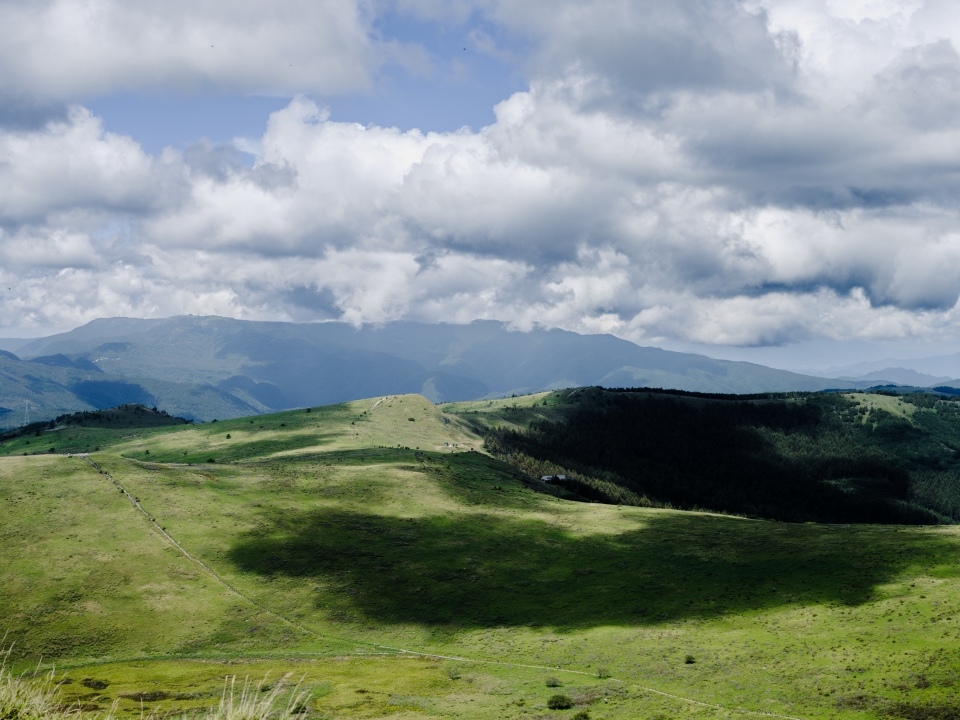
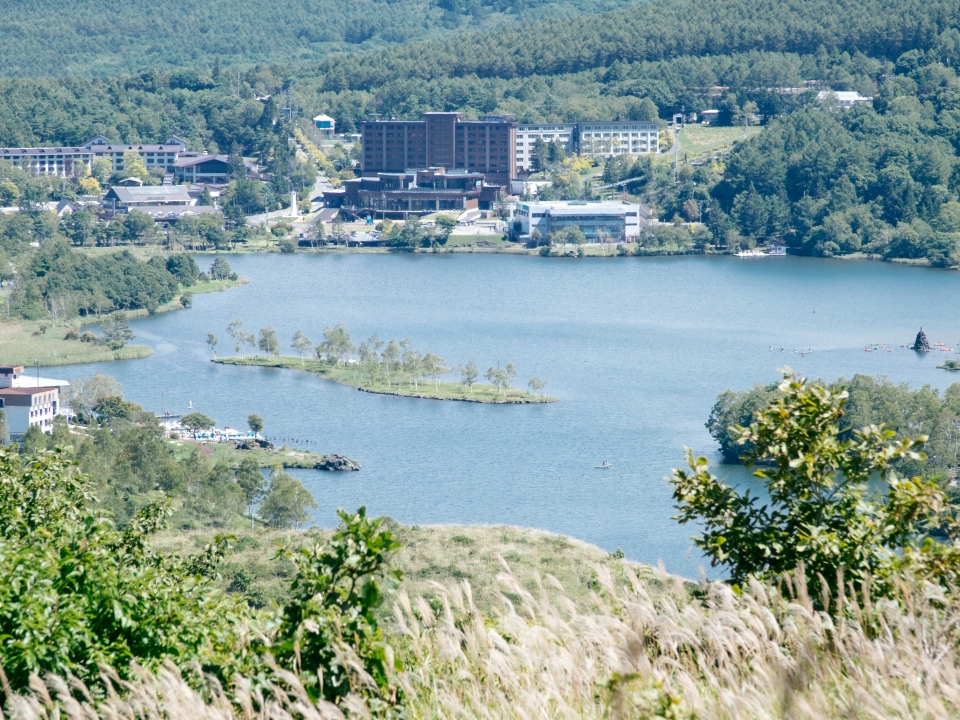
As our rental car on the Chuo Expressway crosses into Nagano Prefecture, mountain ranges rise on both sides like colliding waves. Winter is still three or four months away, yet traces of snow show here and there on slopes shaded by the sharp peaks. These are the Japanese Alps, a name that comes up often among avid travelers: the Hida Mountains (飛驒山脈) to the north, the Akaishi Mountains (赤石山脈) to the south, and the Kiso Mountains (木曽山脈) somewhere in between. First-time visitors to Nagano can hardly help forming a deep first impression as they gaze at ranges strung with rugged 3,000-meter peaks.
Past Lake Suwa (諏訪湖), the road seems to climb a little higher at Chino (茅野市). Despite its name, Nagano is a region whose people have built their lives by making the most of highlands, valleys, and basins. Chino is said to have the highest city hall of any city in Japan, at an average elevation of 800 meters, and the villages nestled beneath the chin of the Yatsugatake (八ケ岳) range, which stretches like a folding screen along the city’s eastern edge, sit higher still.
By evening, a cool air settles in, in contrast to the midday heat that hovered around 30 degrees Celsius. The deep scent of trees drifts past the car window, and even after dark the air feels clear. Chino is a place where you can experience all five senses of Shinshu (信州, the old name for Nagano Prefecture). Along with Yatsugatake, natural attractions such as Lake Shirakaba (白樺湖), the Tateshina (蓼科) highlands, and the Kurumayama (車山) highlands, together with its lush forests, make it a popular retreat. The weather is crisp in summer, the land is blanketed in snow in winter, and spring and autumn bring a feast of color with flowers and foliage. It is especially popular for weekend trips among residents of the Tokyo and Nagoya metropolitan areas. That explains why, after Karuizawa (軽井沢) in the same prefecture, Chino has the second-most ‘bessho’ (別荘, vacation homes) in Japan. Drive the mountain-foot roads of Chino, surrounded by tall trees, and you will see it quickly: wherever the location is good, villas line the way.
Alongside its gifts of nature, the food is not to be overlooked. Japan’s distinctive culture of ‘chisan-chisho’ (地産地消, local production for local consumption) is firmly rooted here. Locals name yasai (野菜, vegetables) as Nagano’s great charm, and one taste is enough to make you agree. Corn, carrots, rice, wheat, apples, peaches, wasabi, miso, and more: some of Japan’s most delicious fruits, vegetables, and crops grow in Nagano. Landscape and food, two exceptional elements in harmony, can both be found here.
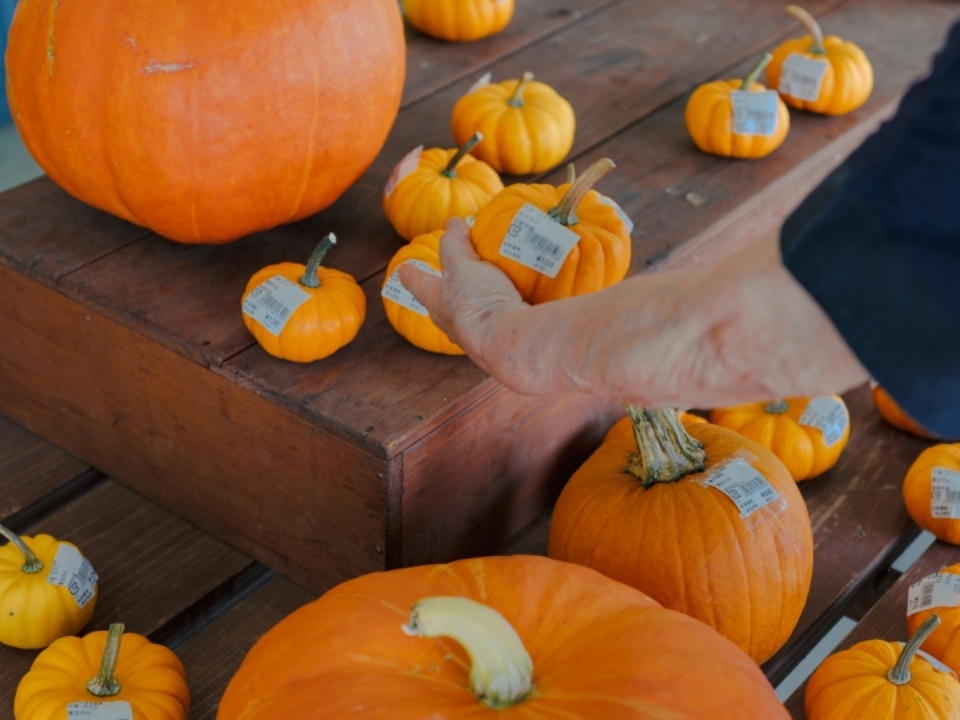
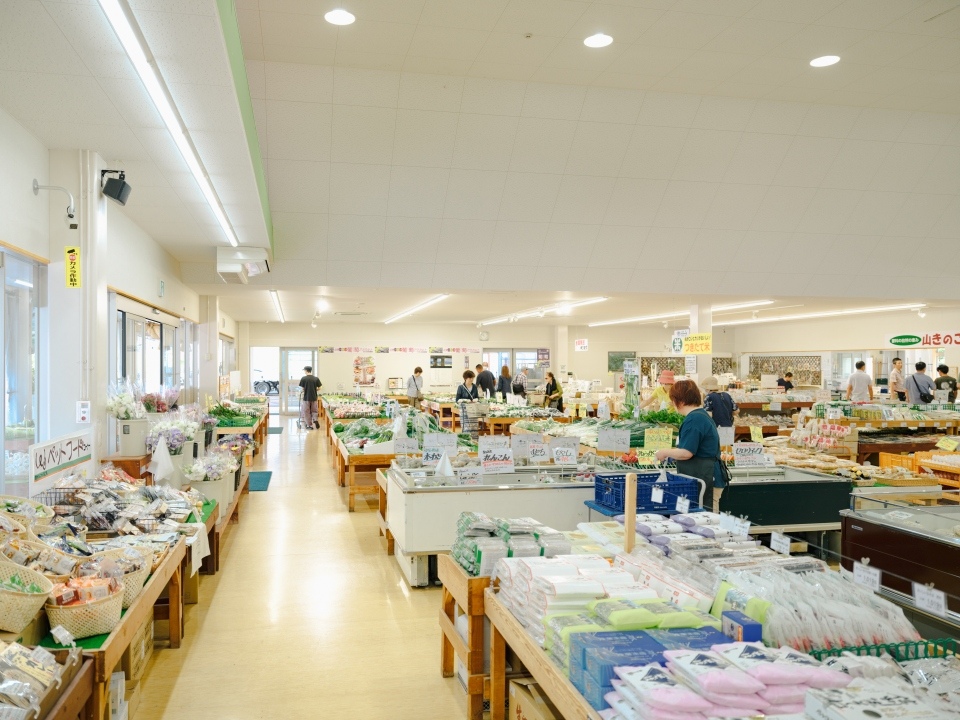
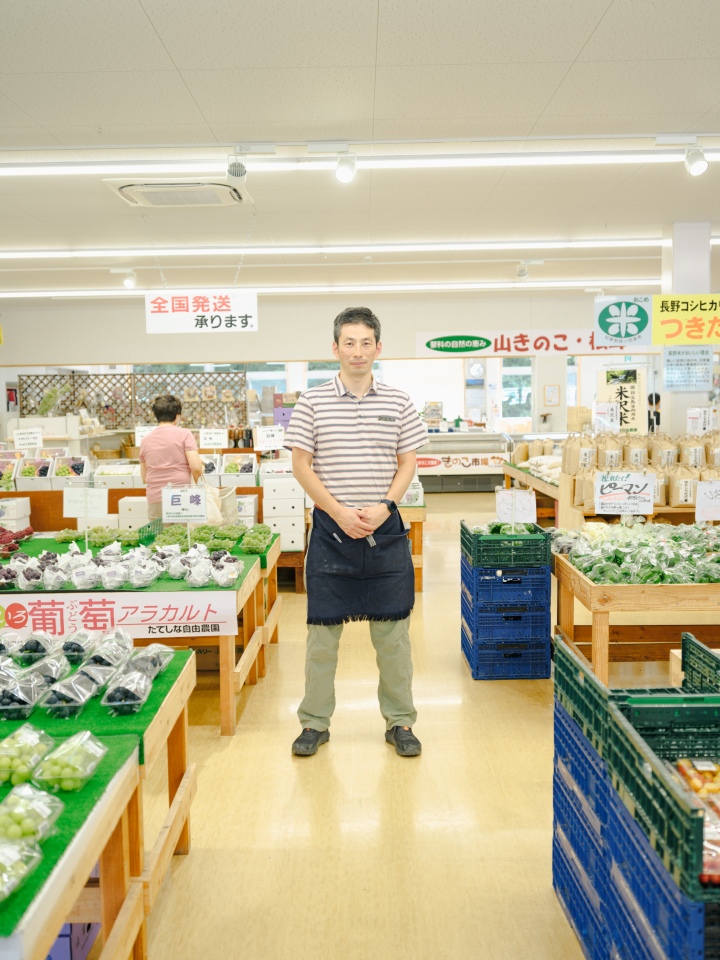
Tateshina Jiyu Farm たてしな自由農園
Nagano is one of Japan’s longest-lived regions. People here eat mainly fermented, vegetable-centered foods, and a culture of preserved foods has developed. Because of the highland setting, tightly knit local communities in which people depend on one another have also flourished. Opened in Chino, a place famed as one of Japan’s leading highland vegetable-growing areas, Tateshina Jiyu Farm is a farmers’ market that sells local seasonal vegetables and fruit directly. It dreams of sustainable growth for the local community through agricultural produce. Thanks to the outstanding quality of Nagano’s produce, it is so popular that even residents of the Tokyo and Nagoya areas make a special trip to buy ingredients. It has two locations in Chino and handles more than 2,000 products. It also runs a local café and restaurant called 808.
https://www.tateshinafree.co.jp
Interview
Yamamoto Atsushi (山本 敦史)
– Managing Director, Tateshina Jiyu Farm
Q1. What led you to start a farmers’ market? It began in 2000 as a family business. This area is famous for highland vegetables, but in the past so much was sold to Tokyo, Osaka, and elsewhere that very little actually circulated locally. Since this is an area with many vacation homes, I thought, why not set up a direct-sales market right here and create a system where outsiders and travelers come and eat?
Q2. The names of your café and restaurant are unusual. Pronounced in Japanese, 808 is ‘yaoya.’ Traditionally, greengrocers in Japan are called ‘yaoya’ (八百屋), and we created the brand from that idea.
Q3. Why is it so popular? Our principle is that producers harvest at 4 or 5 a.m. every day, deliver by 8 a.m., and we sell it the same day. Selling fresh produce is what let us become more popular. Vegetables sell the most, and corn is by far the best seller among them. For fruit, a different signature fruit sells well in each season. Our prices for produce are also fairly low. Profits are higher from alcohol such as sake and from processed foods. We get many online orders too, but realistically we lack the hands to handle orders and shipping, so it’s hard to expand. In busy seasons, there are even more visitors in person.
Q4. What do you do with products that don’t sell that day? We close at 5:30 p.m., and we start discounting from around 3 p.m. The producers who supply our market ask us to somehow sell everything rather than throw it away, even if we have to slash the price. So we put a price on it, even a single yen, and sell it. The items that inevitably remain are taken by the restaurant to use as ingredients, or made into processed foods such as soups and jams.
Katawara
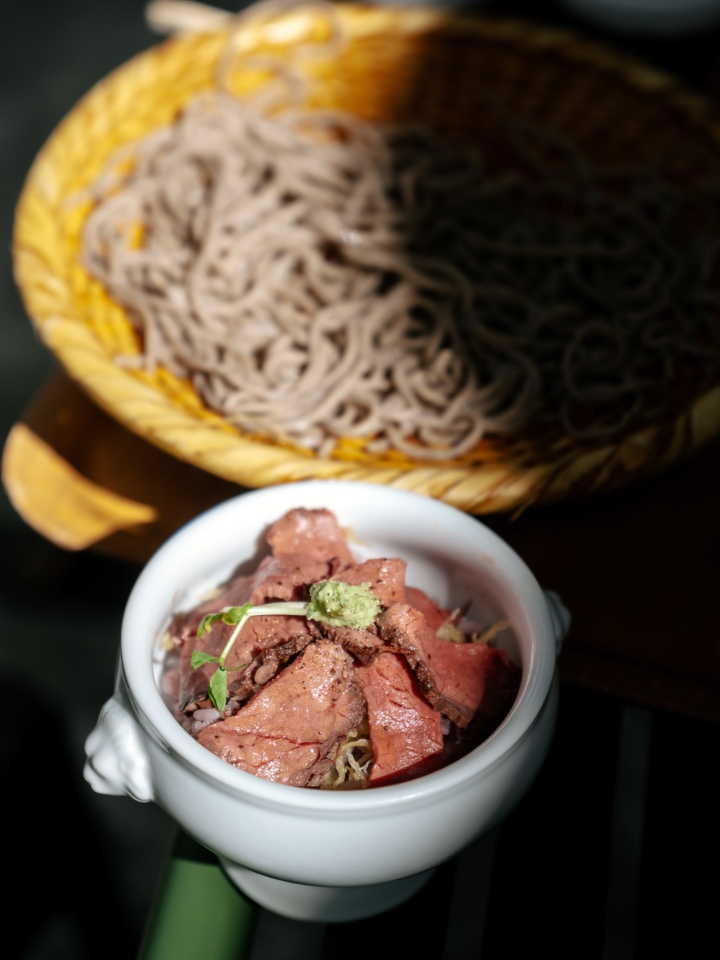
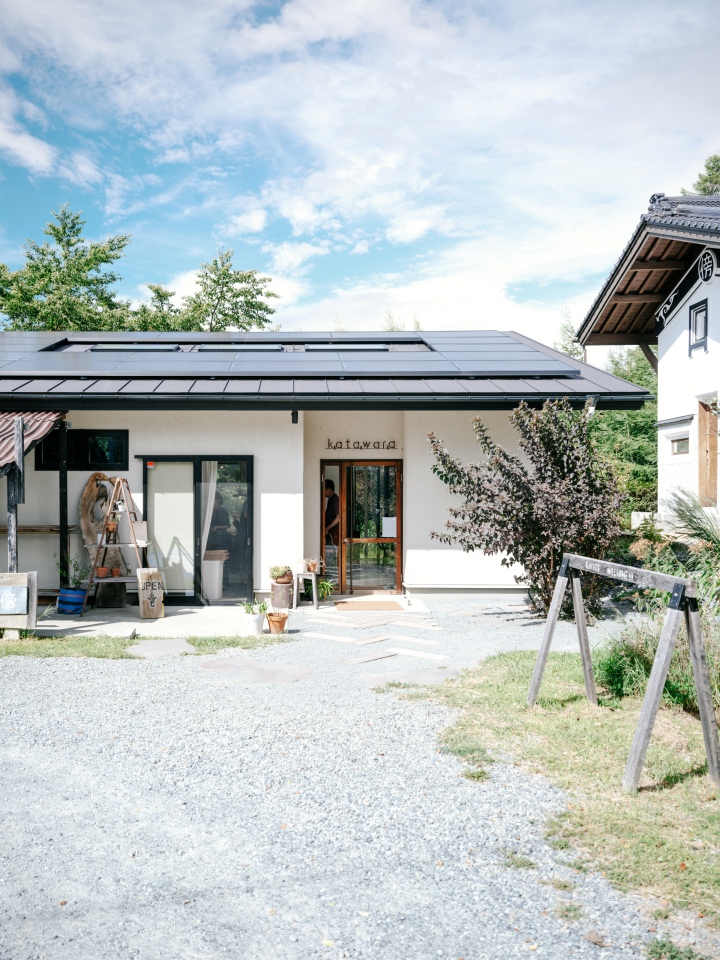
Shinshu soba, made with Nagano Prefecture’s buckwheat, is by common consent the best soba in Japan. Chino has several Shinshu soba restaurants, but Katawara stands out for both its flavor and its attitude. Run by a couple from Chino who worked in Tokyo before returning to their hometown, it uses a 140-year-old house left by a previous generation, converted into a dining space. The vegetables are grown in their own fields without any pesticides or chemical fertilizers, and the soba, made every morning with Yatsugatake buckwheat flour and water, boasts a surprisingly light, wholesome taste.
Yamaura Stay
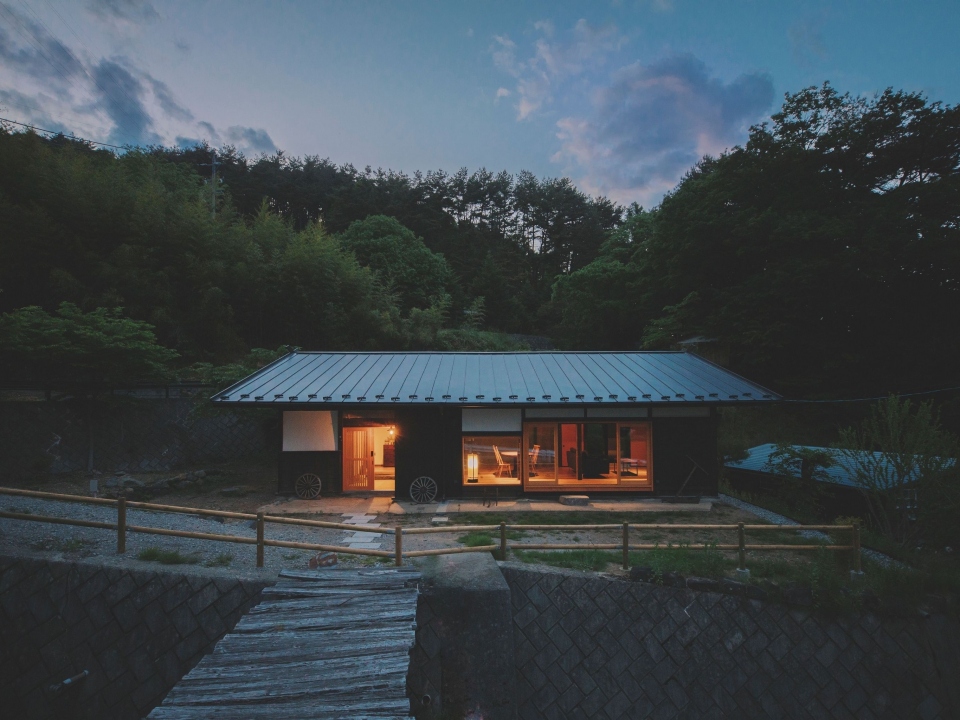
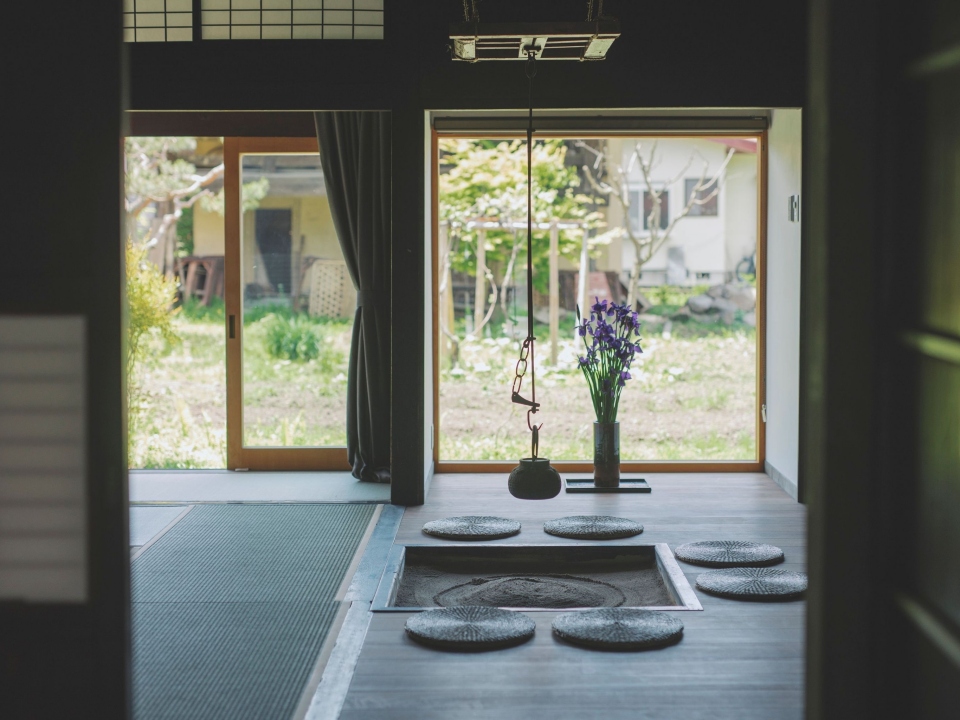
This project renovates old farmhouses in Chino’s mountain villages into design accommodations. In the local dialect, ‘yamaura’ means ‘shade of the mountain’ and refers to the villages at the foot of Yatsugatake. Four houses have been reborn as Yamaura Stay under the leadership of Alex Kerr, and every element reflects the practice of sustainable travel. The buildings’ quaint charm and original form were preserved as much as possible, while living spaces such as bathrooms, kitchens, and bedrooms were modernized. Decorations and tableware were recycled from items once used in the village, and no disposable toiletries are used. Kitchenware and cosmetics are also locally made. Guests can also join experiences such as cooking classes and walking tours led by villagers.
Rest in Tateshina
The Tateshina highlands, northeast of Chino, lie on the western face of Yatsugatake along the border between Nagano and Yamanashi (山梨県) prefectures, at roughly 900 to 1,800 meters above sea level. The area is known for high-altitude activities such as hiking, golfing, and camping, as well as hot springs with histories spanning hundreds of years.
Rest in Tateshina begins at a lake. Lake Tateshina (蓼科湖) appears in the first half of the Venus Line, one of Japan’s finest driving routes. Created as an agricultural reservoir, the lake is ringed by birch and larch trees and has a tranquil beauty. The forest and clouds reflected on its still surface only deepen the lovely atmosphere. After a walk around the lake, the peacefulness seeps right into you. Nearby, a tourist information center, campgrounds, parks, restaurants, accommodations, and hot springs cluster together, making it well worth staying a night.
Tiny Garden Tateshina TINY GARDEN 蓼科
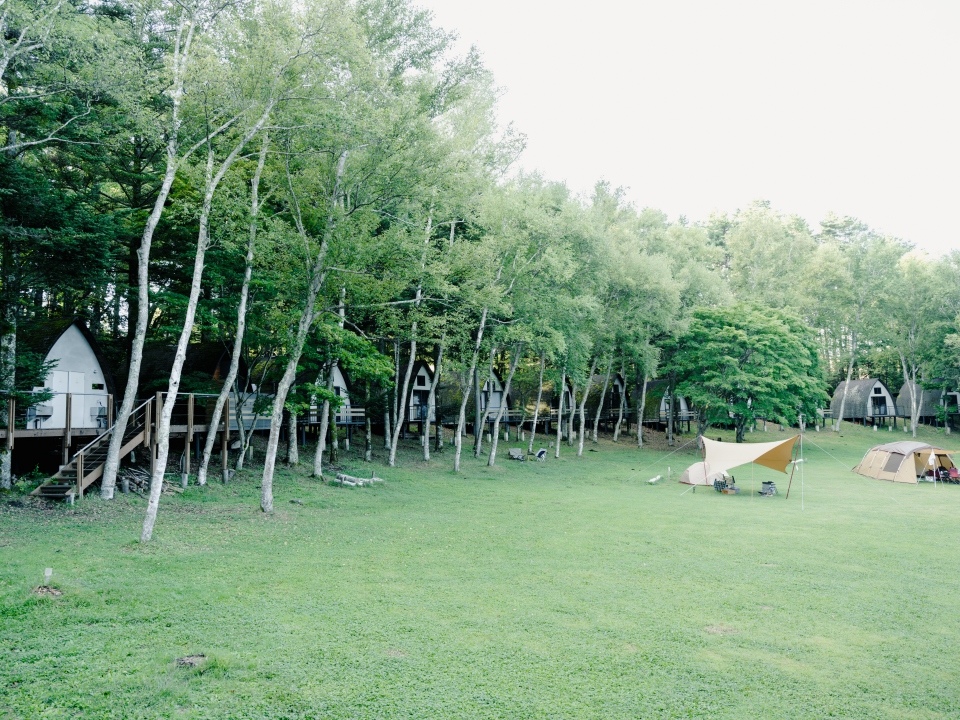
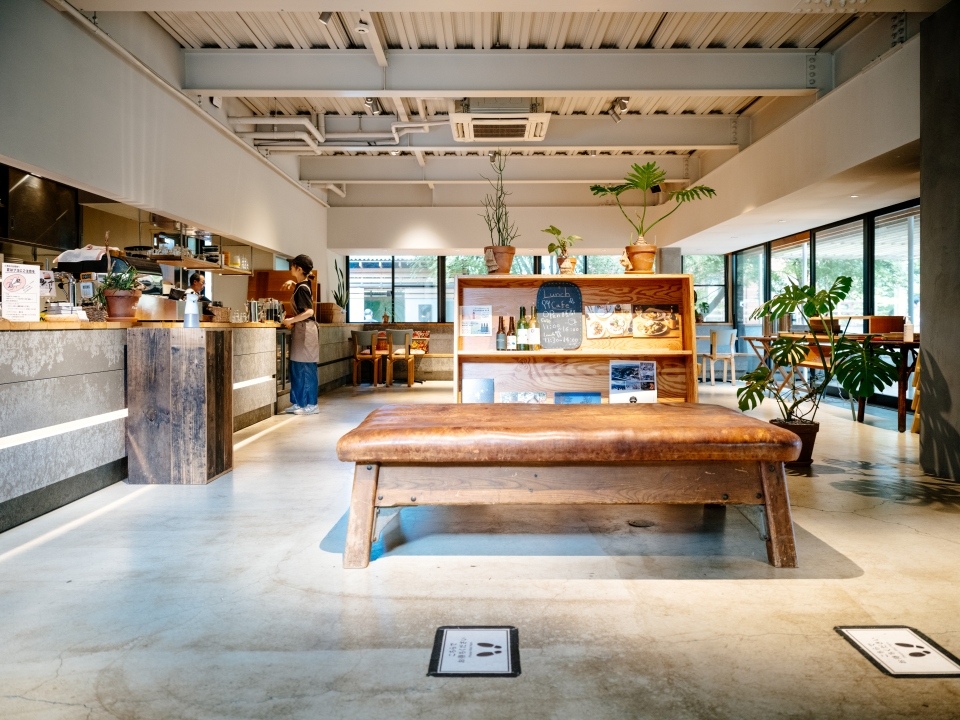
A stylish camping resort run by Urban Research, the Japanese fashion brand born in Osaka. It sits right beside Lake Tateshina. Its camping sites are surrounded by white birch trees, and accommodations include a main lodge and detached cabins, along with a hot spring, a restaurant, and an Urban Research select shop. Its biggest draw is the chance to camp in the forest while also enjoying dining made with local ingredients and a hot spring sauna. It also offers its own seasonal activities, such as hiking and canoeing.
Interview
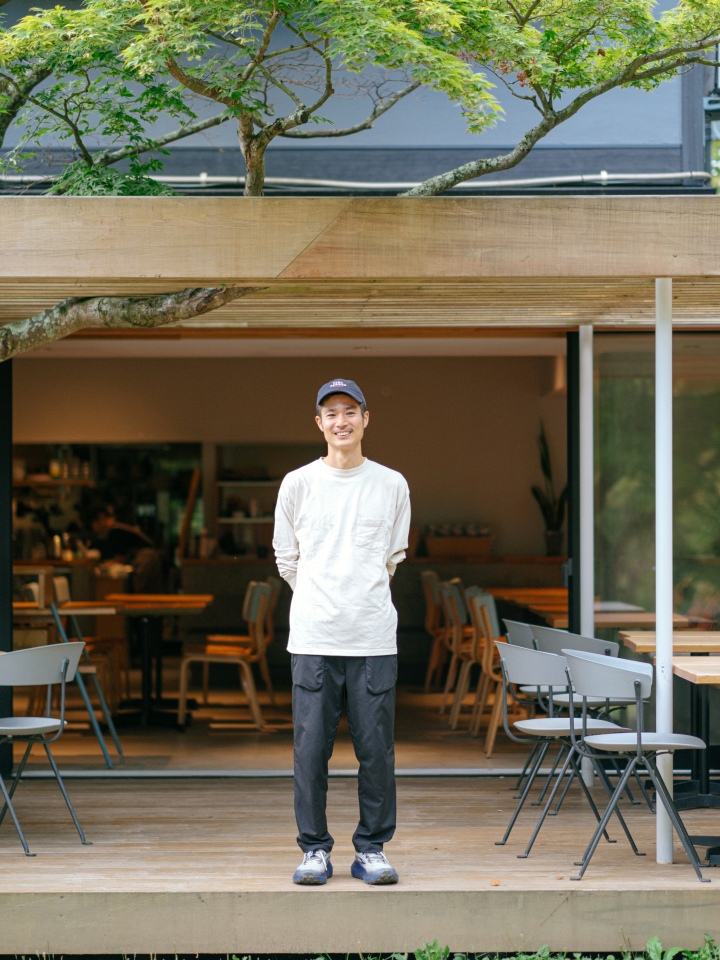
Awano Ryosuke 粟野 龍亮
– Branch Manager, Tiny Garden
Q1. How did Tiny Garden get started? To mark its tenth anniversary, Urban Research held a networking event here for the first time in 2013. The response was so good that we held an event once a year after that. In 2019, we opened Tiny Garden with the idea of holding events every day.
Q2. Why do guests like it here? The hotel-style lodge, the camping sites, and the cabins are all in one place, so guests can stay depending on the season or their purpose. The lodge and cabins are furnished with Urban Research furniture. We hold an event every two or three months to draw in more people. Depending on the season, we host a tree-cutting experience with an arborist, and when deer are plentiful, we hold an event where guests eat venison.
Q3. The staff seem to be enjoying themselves, too. About half of the Tiny Garden staff come from outside the area. I’ve been here for six years now, and I’m very happy. There’s no sea, but the mountains are enough. The autumn foliage is stunning, and fall and spring are especially lovely. The staff all tend to love the mountains. Personally, I regularly enjoy trail running and hiking.
Q4. The food at the reception restaurant was delicious. First of all, Nagano’s vegetables are delicious. We aim to serve simple flavors made with local ingredients. The natural water from Yatsugatake tastes great, too.
Q5. What do you do for sustainability? Sorting and recycling are a given, and visitors take their own trash back with them. The vegetables served at the restaurant are B-grade produce that couldn’t be supplied to supermarkets. We buy them from local farms and use them as ingredients. At harvest time, we also help out with the work. Whatever is left of the vegetables is used as fertilizer.

8 Peaks Brewing
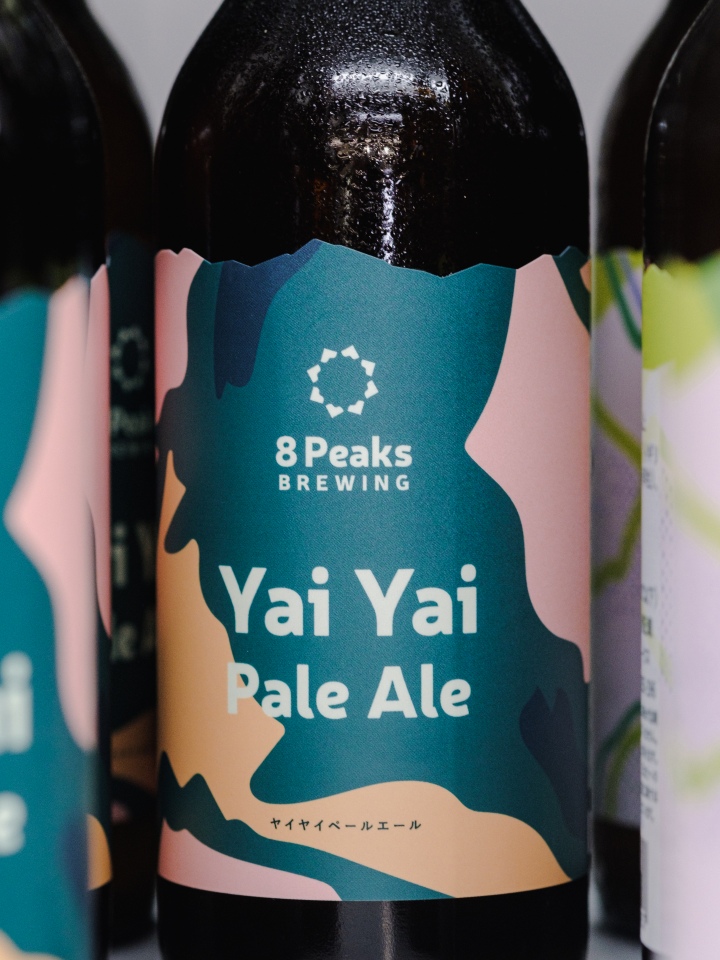
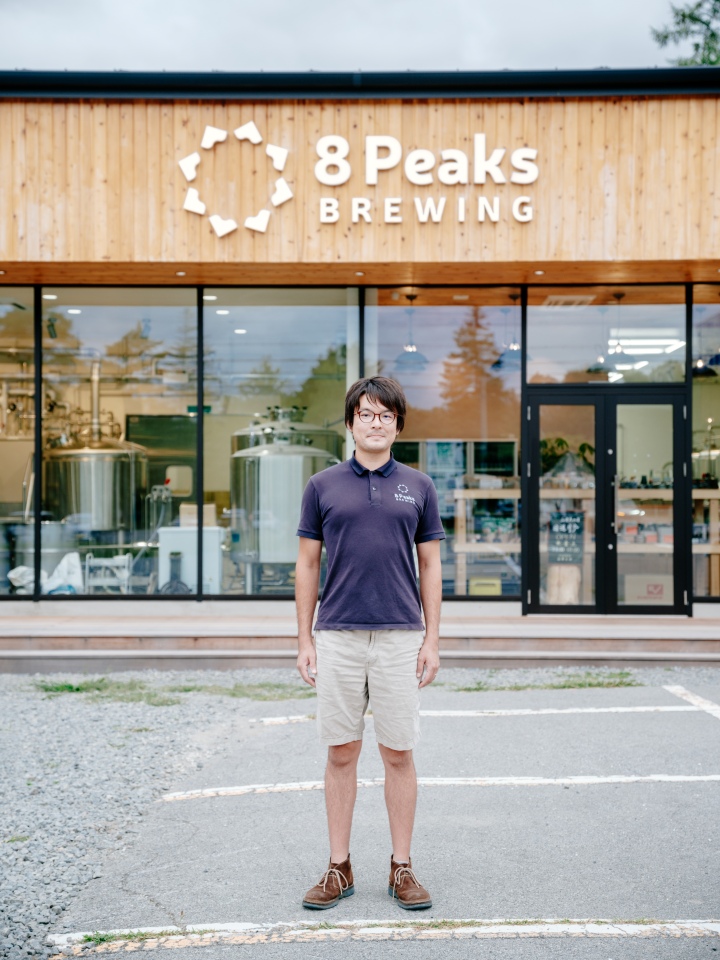
Nagano is the first region in Japan to have grown hops, so its ties to beer run deep. Based in Tateshina, 8 Peaks Brewing is the most talked-about craft beer brand in Chino. Its name comes from the eight peaks of Yatsugatake. Using the area’s clear water, it brews seven types of beer, and of the roughly 30,000 bottles it produces each month, nearly all are said to be consumed locally. The brewery stands right in front of the park on the shore of Lake Tateshina. The beers can be purchased at the brewery shop or at supermarkets in Chino.
Interview
Saito Yuma 齋藤由馬
– Founder, 8 Peaks Brewing
Q1. How did you come to start a brewery here? I’m from Ueda (上田市) in Nagano, and I came to Chino seven years ago to make beer. It’s a place with deep ties to beer: more than 80 years ago, hops for Japan’s Kirin Beer were first produced in this area. The hops grown only in this region have a distinctive white peach aroma, which sets them apart from those grown elsewhere.
Q2. What are 8 Peaks Brewing’s signature beers? Yai Yai, with its orange notes, and Meta, with its banana aroma, are the popular ones. We name our beers after the local dialect. In this town’s dialect, “yai yai” means “hey hey.” Meta is the local dialect version of “mecha” (Japanese for “outrageously”).
Q3. Where do you get your ideas for the beers? We try to make beers that are unique to Yatsugatake, especially beers that go well with local dishes. People here eat a lot of beef, so beers that pair well with beef are a good fit. Among our beers, Yai Yai goes well with red meat. It has a tart bitterness similar to orange, which cuts the richness of the fat. If you take a sip of Yai Yai and then eat the meat, it tastes even better. Meta pairs well with poultry and fish. Its charm is a sourness that isn’t bitter.
Q4. What is 8 Peaks Brewing’s goal? We don’t dream of becoming a giant beer maker. We want to lead the Yatsugatake lifestyle. Rather than reaching people by distributing our beer nationwide, we want to make outsiders want to travel here and drink it. Through that, we also hope to contribute to revitalizing the region.
Tateshina Shinyu Onsen 蓼科親湯温泉
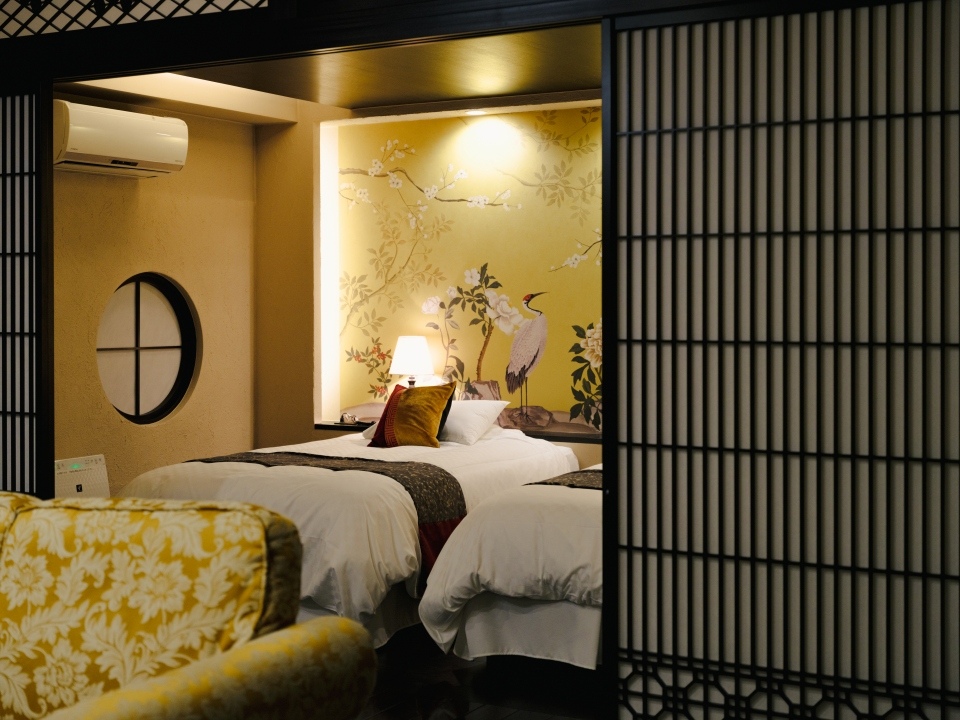
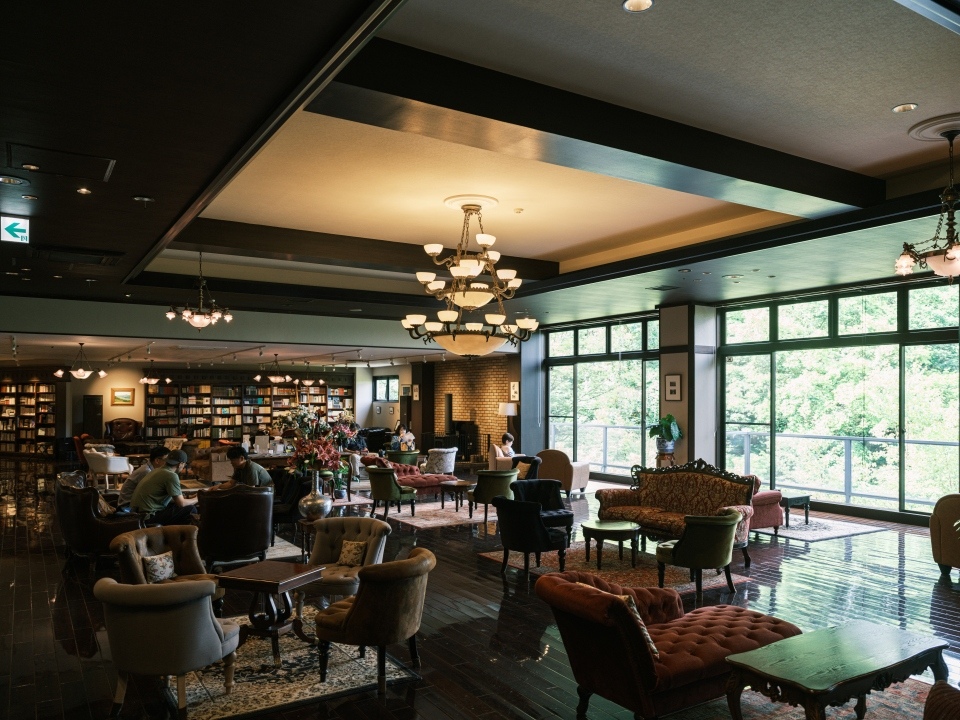
The Tateshina hot spring, which wells up in a valley of Tateshina, is a renowned spot where Takeda Shingen (武田信玄), the great warlord of the Sengoku period, is said to have come to heal. In the late 19th century, it began to be beloved as a retreat for writers and poets, and its name spread across the country. Tateshina Shinyu Onsen, which opened here in 1926, is a ryokan that has been run for nearly 100 years across four generations. Since its early days, prominent figures from Japan’s cultural world have visited. The novelist Dazai Osamu stayed here on his honeymoon, and the acclaimed director Ozu Yasujiro, who had a villa in Tateshina, is also said to have come often. The guest books and works they left behind can be seen in the ryokan’s exhibition space. Tateshina Shinyu Onsen is especially remarkable for the library in its lobby, which holds more than 35,000 volumes. Through the floor-to-ceiling windows, the valley forest looks like a landscape painting, and sofas and tables of different designs create a space like a classic film set. Most of the books are in Japanese, and there are standout collections such as the Iwanami Bunko series. The ryokan has 52 guest rooms in all. It also has a large communal bath, five outdoor hot spring baths, and a bar and restaurant. Among the rooms, those named after famous guests who once visited the ryokan feature interiors inspired by each figure, offering a one-of-a-kind experience.
Tateshina Kogen Country Club
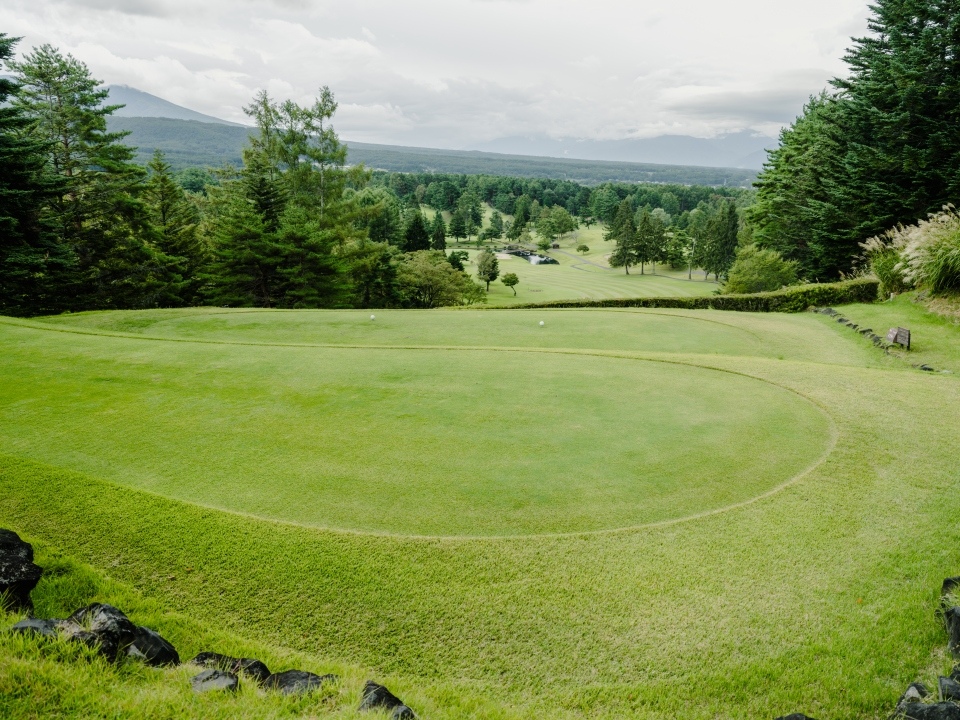
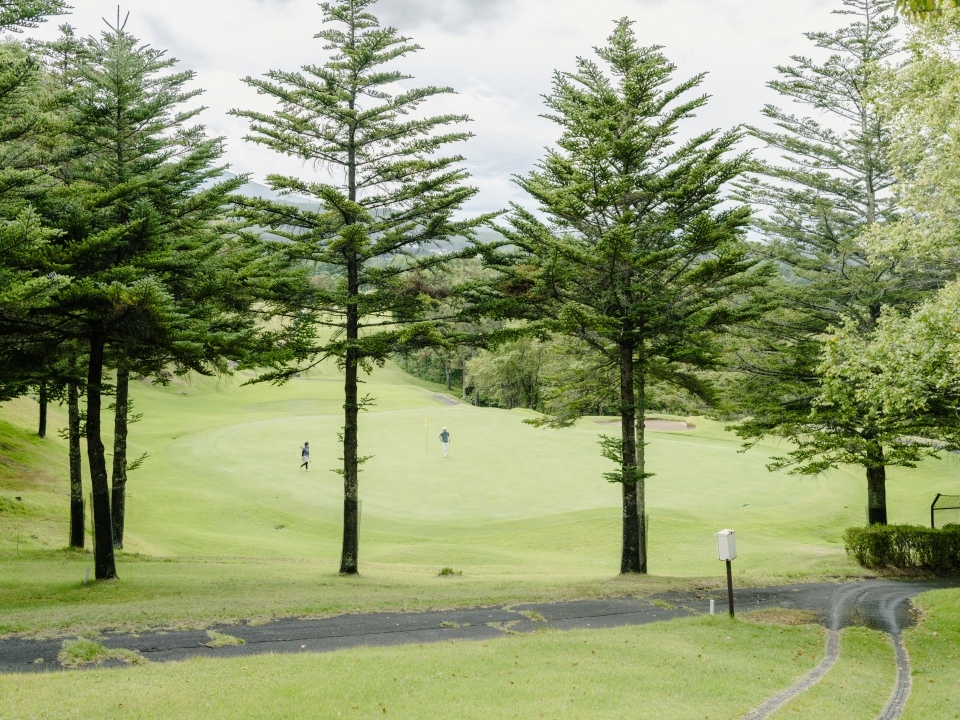
A place where you can focus on golf on a plateau about 1,000 meters above sea level, with views of the Yatsugatake mountain range. It has 27 holes totaling 10,318 yards. The golf courses, designed to make full use of the Tateshina plateau’s complex terrain, stir a sense of challenge. The turf on the fairways and greens is neatly maintained, and the clubhouse also has a natural Tateshina hot spring bath.
www.alpico.co.jp/tateshinakogen-cc
Vitality in Shirakaba
At the foot of Mt. Tateshina, part of the Yatsugatake range, lies a deep blue lake. Lake Shirakaba (Shirakaba-ko, “White Birch Lake”) sits at an elevation of 1,416 meters. Created more than a century ago as an irrigation source for farmland, the reservoir is now one of the best destinations in Chino, thanks to the beautiful highland scenery that gently embraces it. Hot spring resorts and amusement facilities line the 3.8-kilometer shoreline, drawing families in every season. In warmer months, the lake is ideal for water sports and for hiking the surrounding plateaus and peaks; in winter, it turns into a destination for skiing and skating. Seeking out cafés, galleries, and highland hutte (mountain huts) tucked into scenic spots is another pleasure. Driving the Venus Line across the highlands and looking down on the lakeside scenery is quite a sight.
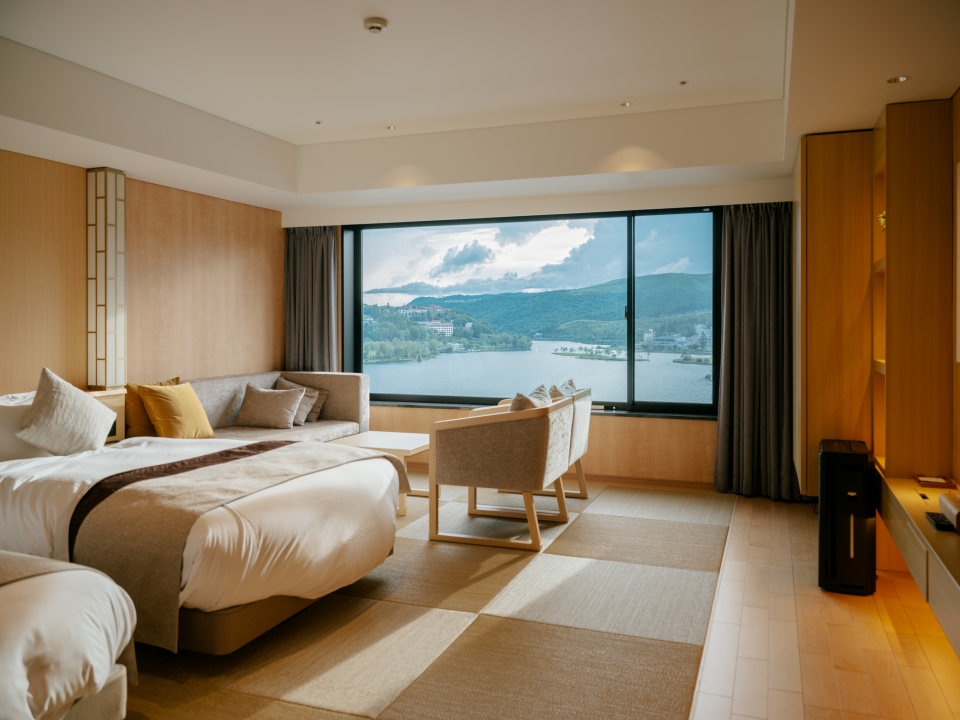
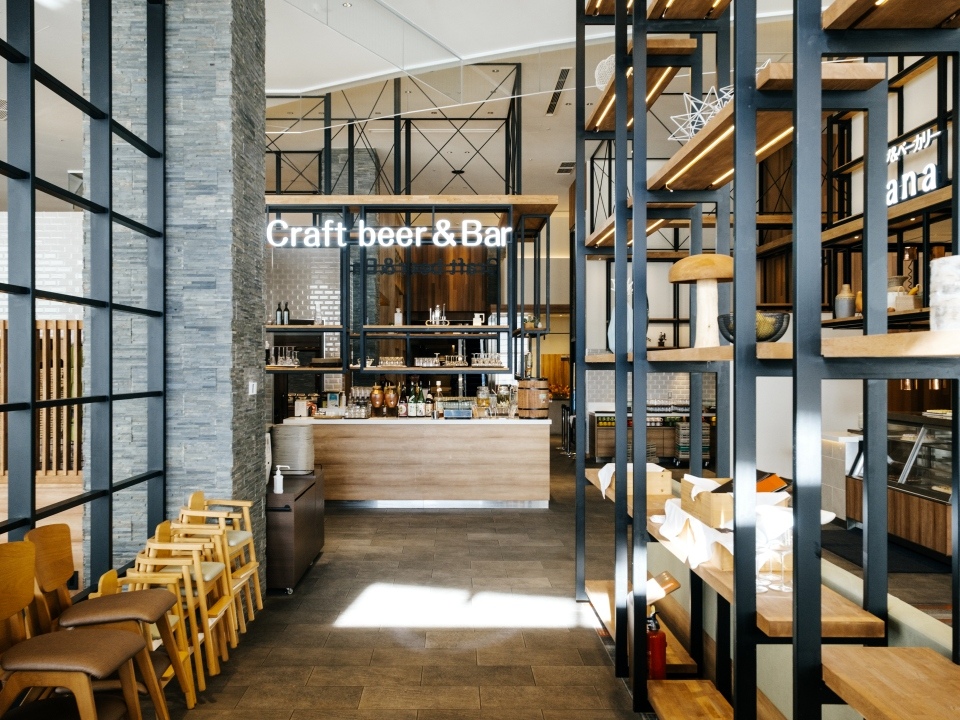
Shirakaba Resort Ikenotaira Hotel
This large hotel at the northern end of the lake commands a sweeping view of Lake Shirakaba. Run by the same family for generations, it boasts solid, locally rooted service and infrastructure. Alongside the accommodations, it has an amusement park, Family Land, and a ski area, so it is worth a visit in any season. Amenities such as lounge areas and shops for families are well prepared. The recently opened new wing, with its modern design, raises guest satisfaction with its suites, a large hot spring bath, and a food court. The food court serves local dishes made with regional ingredients in a buffet format, and from the outdoor hot spring bath you can take in the entire lake.
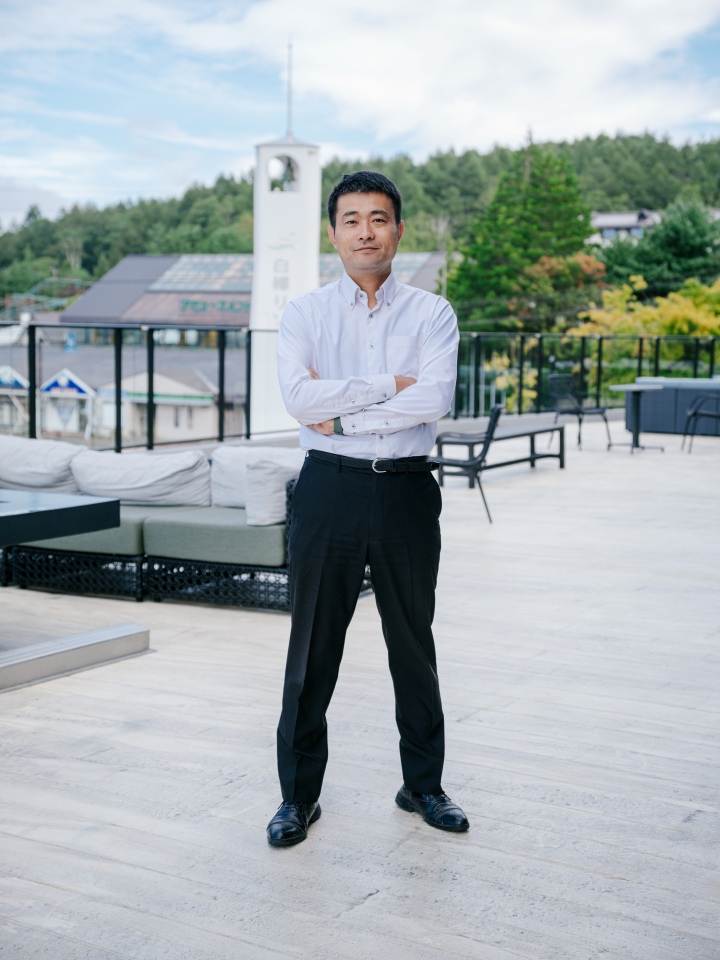
Interview
Yajima Yoshihiro
- CEO, Shirakaba Resort
Q1. We heard your grandfather started the resort. After the war, my grandfather settled in this area to farm, but the altitude made it too cold for farming. Some hikers happened to stay at his house at that time, and that gave him the idea that he could earn money by taking in guests instead. So he started a minshuku (family-run guesthouse), and a leisure boom happened to be sweeping across Japan, which allowed the business to grow. The guesthouse became a ryokan, and the ryokan became a hotel. Hikers, ski travelers, and photographers came in growing numbers, and once the amusement park opened, more families came and the number of visitors rose. Even today, about 60 percent of our guests are families.
Q2. Please tell us about the new wing that recently opened. We completed the renovation of the new wing in April 2023. While preparing, we also thought about sustainable growth together with the local community. For example, we tried to use as many local building materials as possible, such as Nagano hinoki cypress. The food court serves local dishes buffet-style, and the shop at the third-floor large public bath sells only local products. The concept of the new wing is a lake resort. Lake resorts are rare in Japan. People usually think of a lake as something to look at and admire, but I wanted to add more to that, so that guests can experience activities and relaxation at once, with a lakeside terrace, a campsite, and kayaking.
Q3. How does it feel to return to your hometown after living elsewhere? Time flows more slowly than in Tokyo, and life isn’t frantically busy. That has naturally influenced the resort. It’s a slow life. If I had stayed in a job in Tokyo, I probably would have collapsed by now.
Q4. What would you like Korean travelers to experience? The air at Lake Shirakaba is clean and cool. In summer, the temperature is about 15 degrees lower than in Tokyo. In winter, more foreign visitors come to experience skiing and snowy landscapes. Since the pandemic, more travelers have also been coming to see the fresh greenery. I think Korean travelers would enjoy the trails. There are three concepts you can experience: the Mountain Olle in the Yatsugatake mountains, the Highland Olle, and the Lakeside Olle.
Q5. How do you hope the resort will develop in the future? Rather than building enormous wealth from the resort, I hope this area becomes known as a local-community town and that we grow together. I also hope more people will move here. If I run it for another 60 years after my grandfather, that will make 100 years in total, and I want to carry it on for a long time together with the local community.

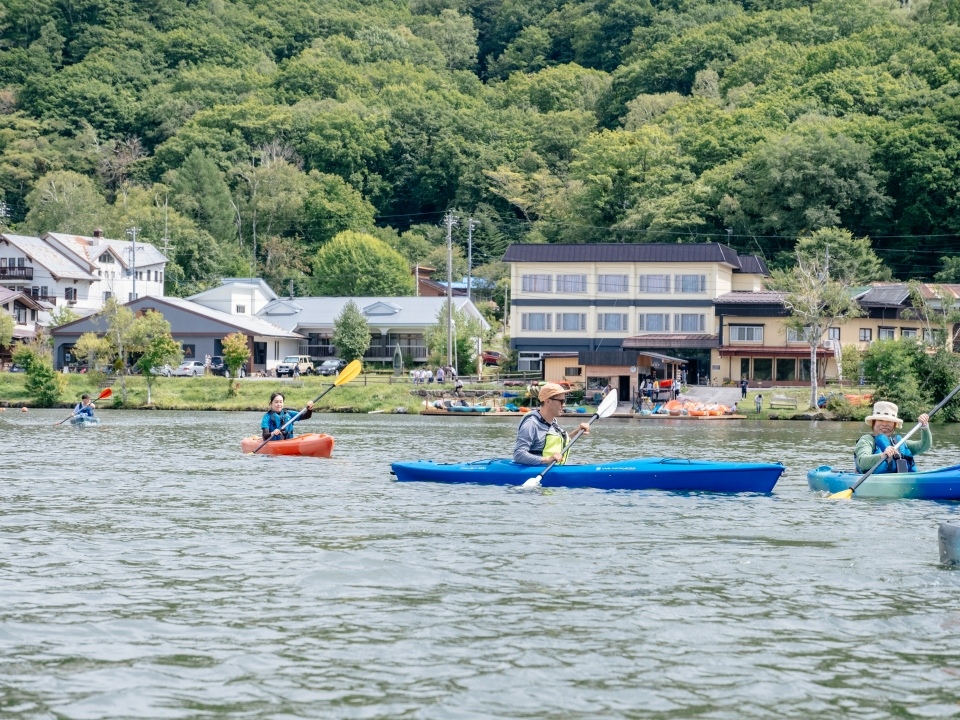
Yatsugatake Adventure Tours
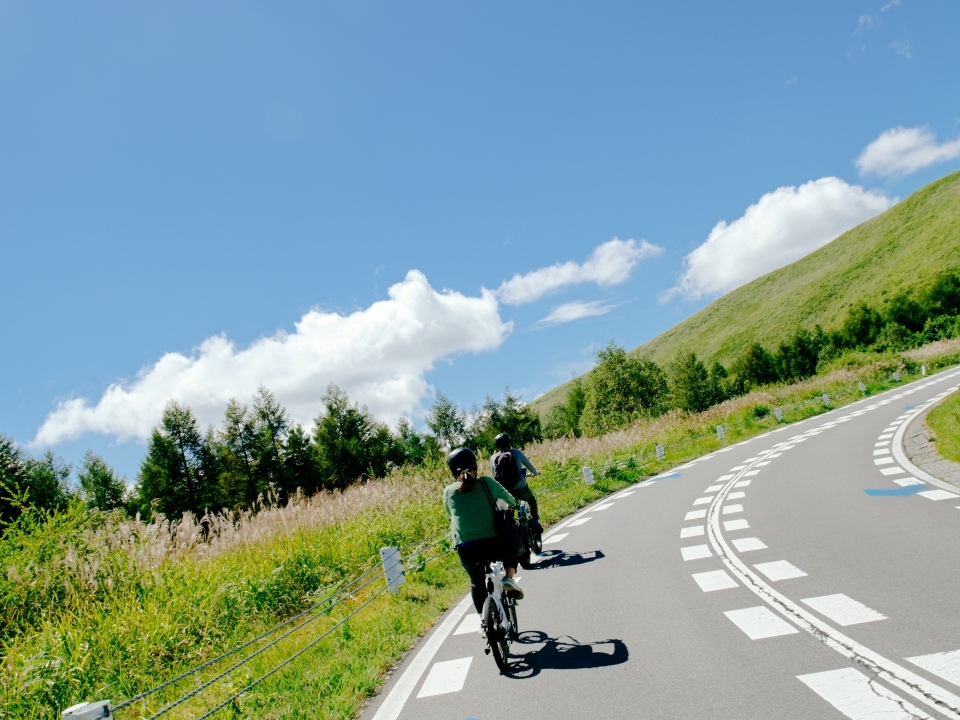
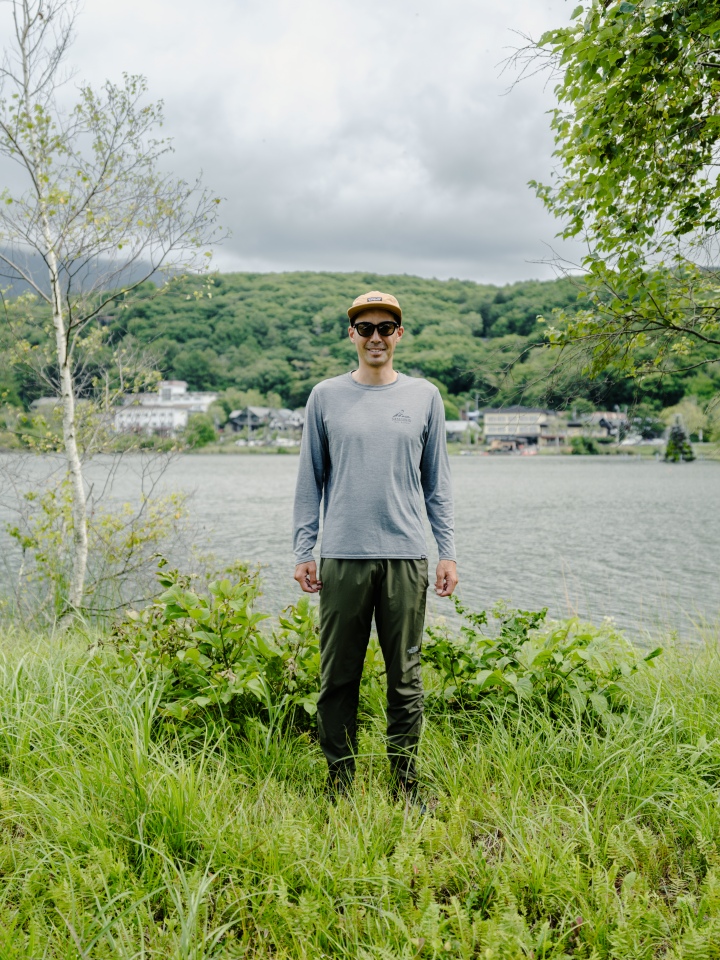
Experience the many activities of Lake Shirakaba with Yatsugatake Adventure Tours, run by owner Fukui Godai, a former member of Japan’s national ski team. The company offers activity programs such as e-bikes (electric bicycles), stand-up paddleboarding, and canoeing, along with individual rentals. On the guided e-bike tour along the lakeshore and the Venus Line, you can discover the best viewpoints in the area one by one. For savoring the lake at a leisurely pace beneath clouds drifting across a blue sky, a canoe is the perfect choice. The company also runs accommodations for leisure travelers and workcationers.
Interview
Fukui Godai
- Yatsugatake Adventure Tours
Q1. Please introduce Yatsugatake Adventure Tours. My father, who is from Shirakaba-ko, originally ran a canoe tour company. I lived in Kanagawa Prefecture from my college years, then came back four years ago to carry on the family business. Stand-up paddleboarding, e-bikes, and the like are new additions. I also work as a private guide for travelers and skiers, and I run an outdoor shop, Hygge, and an accommodation, an auberge.
Q2. How does it feel to come home after finishing your athletic career? As a national team skier, I traveled all over the world, and after retiring I wanted to do something, anything, to help my hometown. Compared with when I left, a lot of things have been added. The number of tourists has also grown a lot.
Q3. What do you think is the charm of Shirakaba-ko? Nature, of course. It sits on a 1,500-meter plateau, so it stays cool even in summer. There are almost no places in Japan where a freshwater lake and mountain scenery blend together like this; it even feels a little like Wanaka in New Zealand. I’ve been to many countries as a national team skier in ski cross, and few places are as appealing as Shirakaba-ko. The advantage, I think, is that you can enjoy your trip in such beautiful nature without doing anything in particular.
Q4. Besides e-biking, what activities would you recommend? Shirakaba-ko is high in altitude and has a pleasant temperature, so it’s well suited to summer training. There is a running course along the lake, and it’s a training destination where people come to run from all over the country, not just Nagano.
Yatsugatake Dining
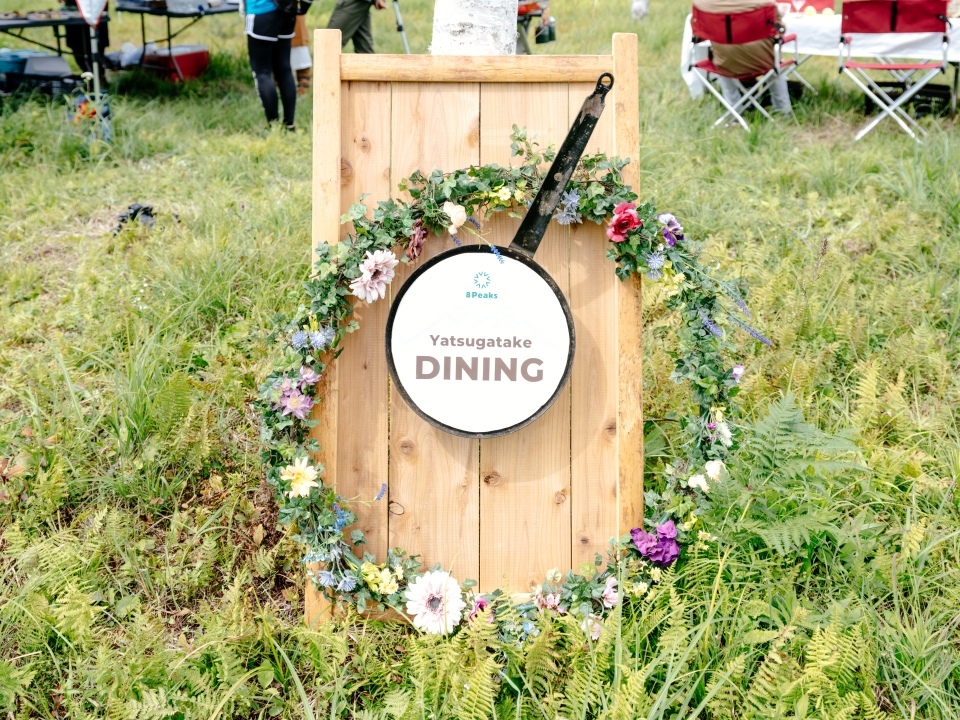
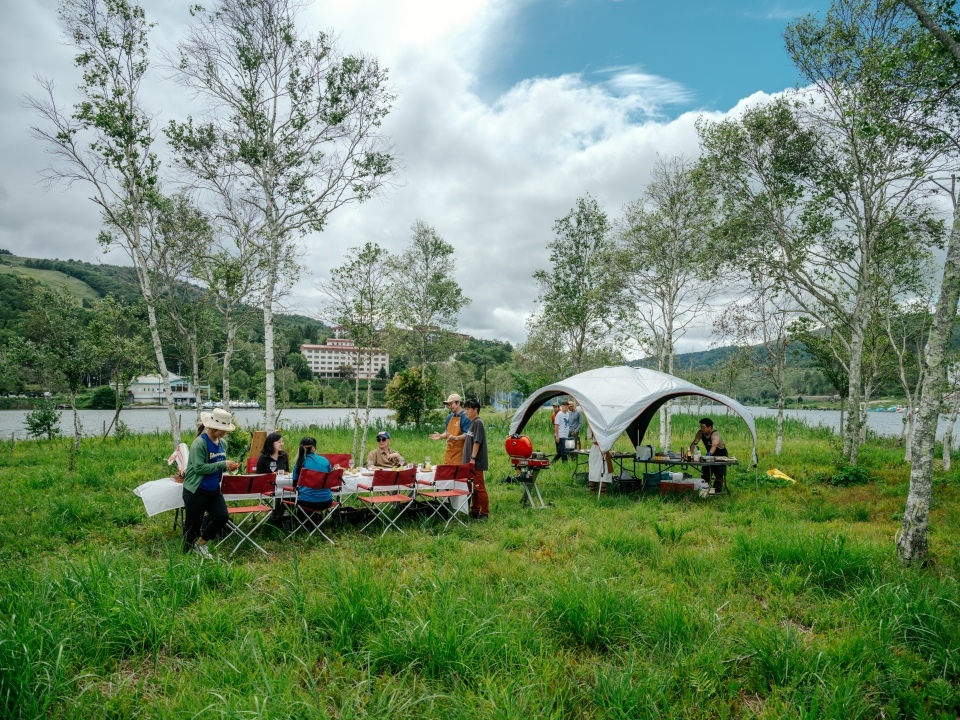
This is outdoor dining on a small island in the middle of Lake Shirakaba. When you arrive on the island by canoe, a feast prepared by a local chef and sommelier awaits. The main dishes include 30-month-aged ham, an omelet made with free-range eggs, grilled Yatsugatake vegetables, black pork barbecue, and Nagano sake and wine. A generous meal that makes the most of local ingredients and drinks, finished by artisans’ hands, suits the nature of Shirakaba perfectly.
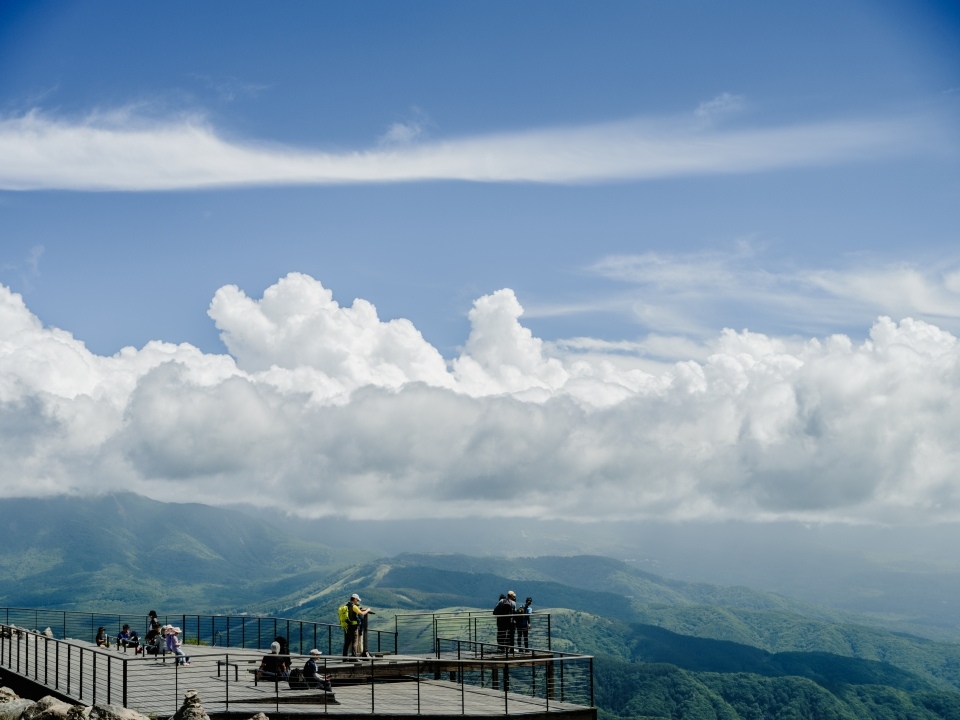
Kurumayama
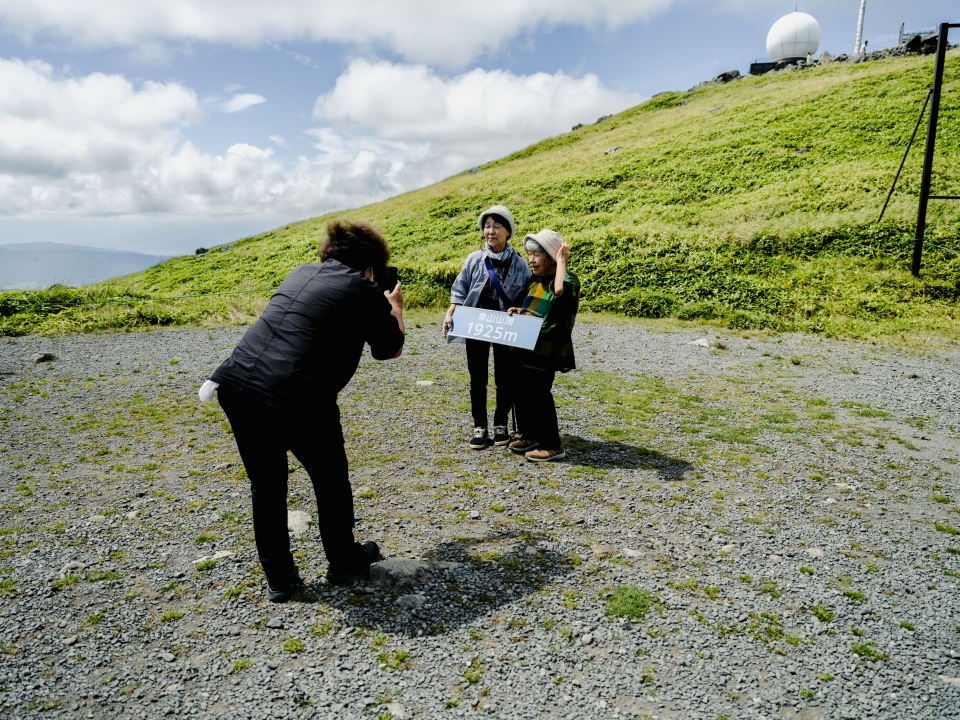
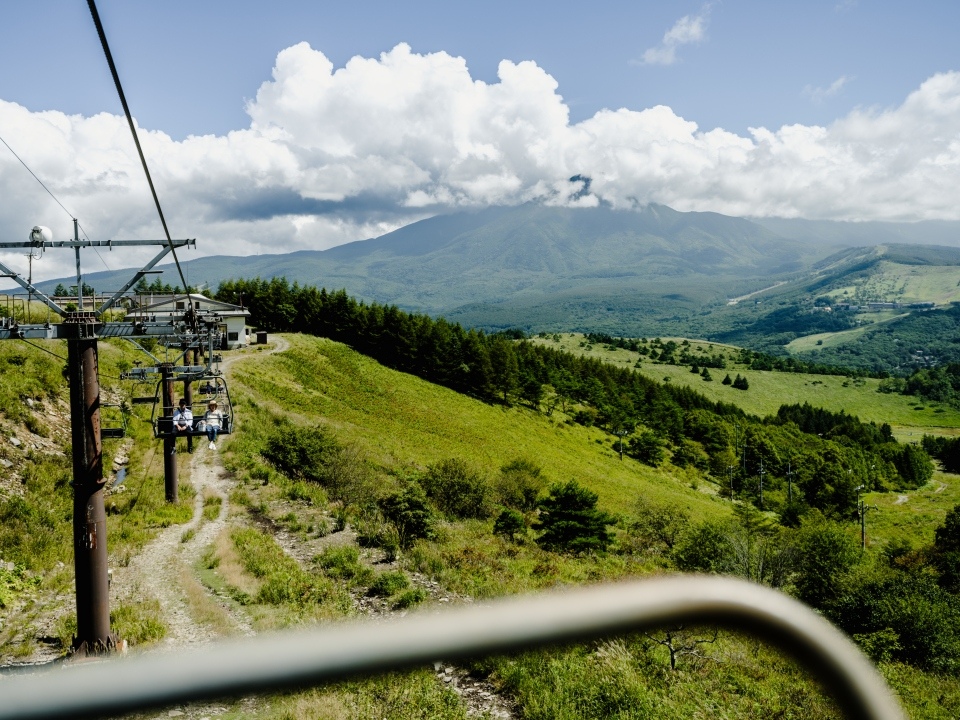
Rising gently to the west of Lake Shirakaba, Kurumayama offers views of not only Yatsugatake but also Mt. Fuji and the three ranges of the Japanese Alps. At Kurumayama Kogen SKYPARK, a lift takes you quickly up to the 1,925-meter summit. Add a short hike, and you can discover the mysterious ecology of the Kurumayama Wetlands, designated a natural monument. Because the Venus Line passes through this stretch, it is also popular with travelers on a scenic drive.
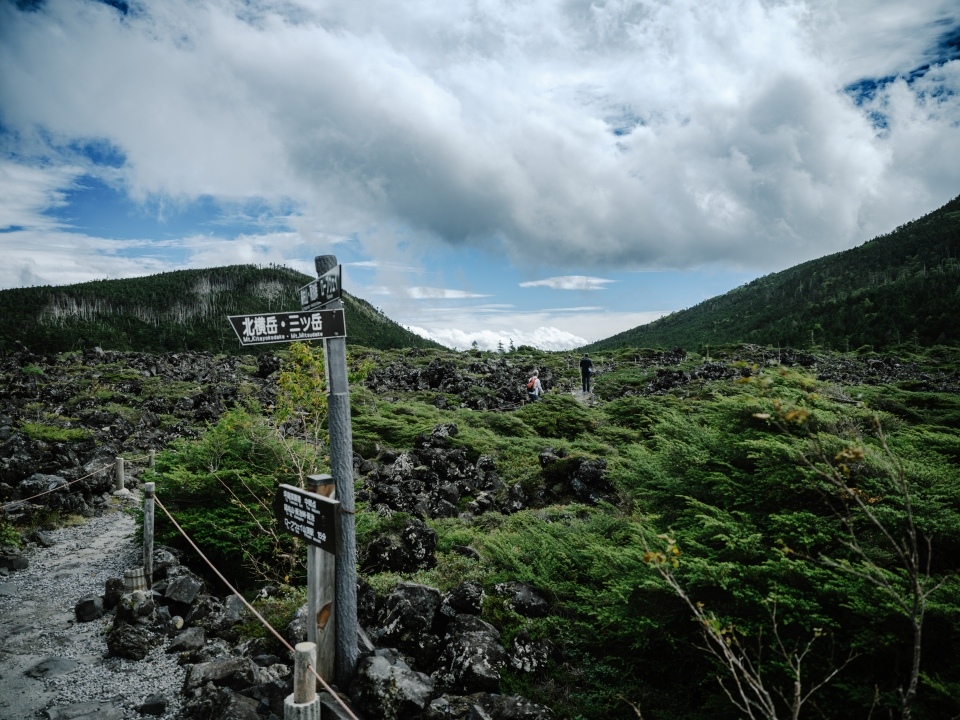
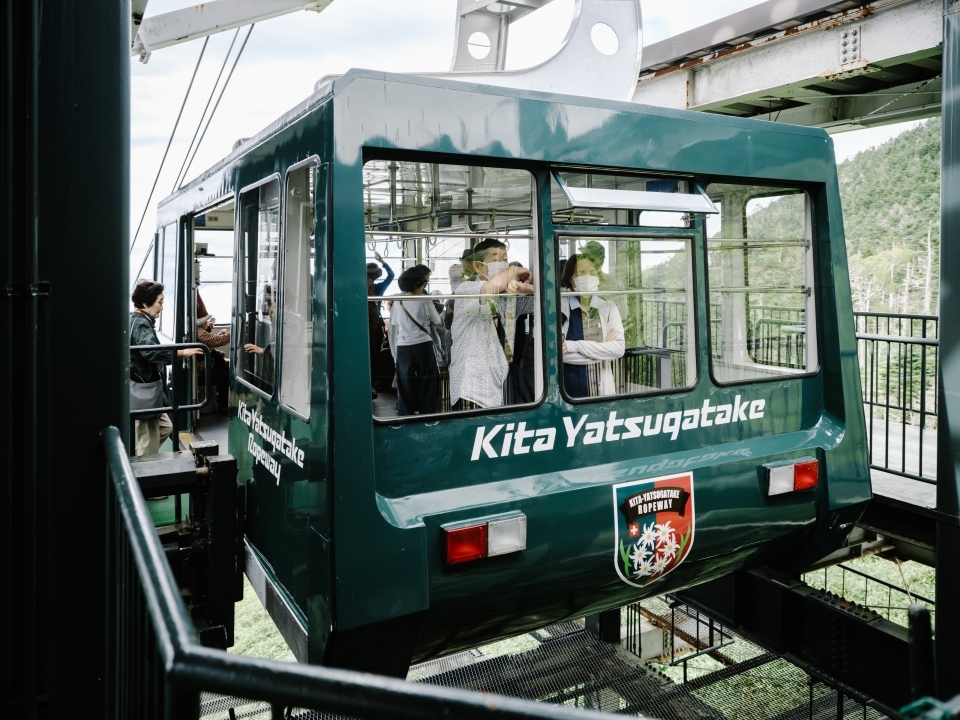
Kita-Yatsugatake 北八ヶ岳
Take the ropeway up to the summit area of Kita-Yatsugatake, 2,237 meters above sea level. You can enjoy sweeping views of the Japan Alps stretching out in the distance, along with a alpine plant zone set in a distinctive natural environment. A loop around the natural garden of alpine plants, where traces of lava still remain, takes only about 30 minutes, and with walking paths laid out, it is also a good choice for families.