Sustainability of Leading Hotels of the World — Sustainable Efforts of Pioneering Hotels
The Leading Hotels of the World (LHW) asks how hotels that connect travelers and destinations can be sustainable. Here are the sustainability efforts of six of its hotels.
Sustainability of Leading Hotels of the World — Sustainable Efforts of Pioneering Hotels
How can the energy and nature a traveler consumes during a hotel stay benefit the environment and the local community? We introduce the sustainability efforts under way at six hotels of LHW (The Leading Hotels of the World), the global hotel alliance.
Compiled by Pitch by Pitch
Materials provided by LHW
www.lhw.com
Hôtel Barrière Les Neiges, France


Hôtel Barrière Les Neiges
As its name suggests, Les Trois Vallées in France, which gathers three valleys in one embrace, is a ski area of world-class scale. Its slopes run a total of 600 kilometers, served by 170 lifts. But what captivates ski travelers from around the world is not just those numbers; it is the lavish facilities and service. Courchevel is a top-tier resort village developed in the 1940s, and Hôtel Barrière Les Neiges, located there, offers the time-honored luxury of a French Alps ski resort that stretches back nearly a century. Even its location is fantastic, set against the surrounding mountains and snow-covered fir forests, seemingly touching the sky. The 42 rooms and suites combine the beauty of a traditional chalet with modern elegance, and with dining by Chef Mauro Colagreco, a three-Michelin-star talent, and a 1,000-square-meter spa complex, the hotel proves itself a retreat where nonskiers won’t feel they are missing a thing. Of course, it would be a pity to miss the chance to glide down the slopes alongside world-famous figures such as Prince William and Catherine, Princess of Wales. From 1,500 euros per night, hotelsbarriere.com
Sustainability at Hôtel Barrière Les Neiges
Governance and consultation, customer care, responsible employees, the environment, and local development. These five are the keywords Hôtel Barrière Les Neiges has set to carry out corporate social responsibility (CSR) in an integrated way across social, economic, and environmental dimensions. Under these principles, the hotel puts concrete measures into action that benefit the local economy: using renewable energy, reducing energy consumption and waste, protecting biodiversity, and developing menus that use local ingredients. Most impressive is that, every season, staff training covers detailed guidelines for sustainable development. Sharing the brand’s direction with the people who work together and making it second nature is, it seems, something the hotel understands better than anyone to be the heart of sustainability.
Palace Hotel Tokyo, Japan
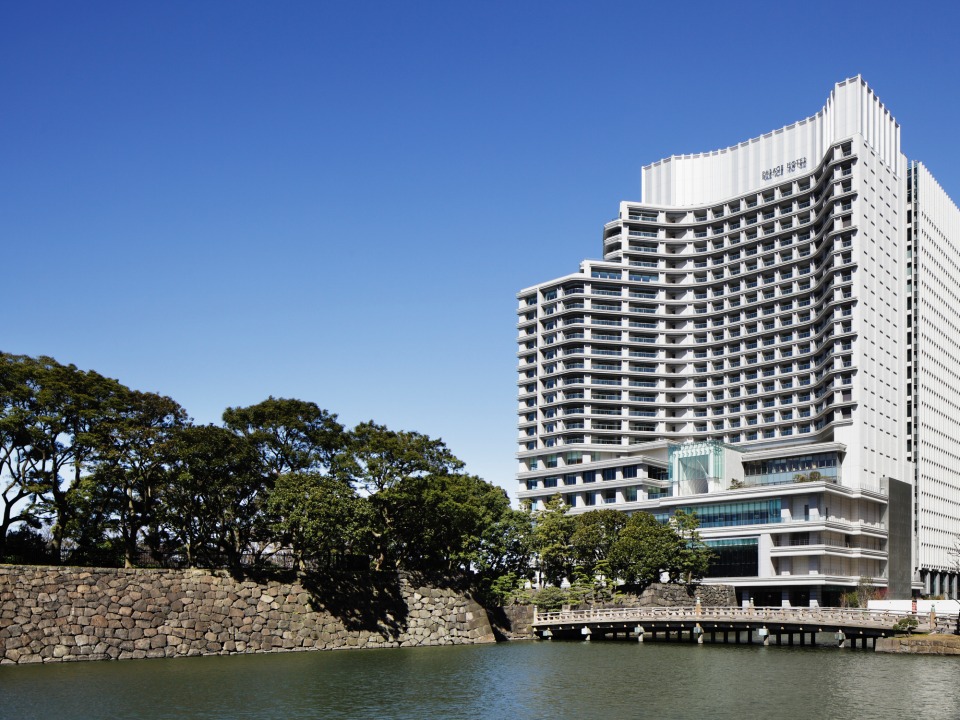

Palace Hotel Tokyo
Palace Hotel Tokyo in Japan inherits the legacy of two hotels that stood on the same site in the 1940s and 1960s, and is writing a new chapter in the city’s history. Reborn after a 1 billion dollar reconstruction, the 23-story hotel marked its tenth anniversary in 2022. It is also the first Japanese-owned and -operated hotel to receive five stars from the “Forbes Travel Guide.” Led by the one-Michelin-star Esterr, which serves haute cuisine, and the Chinese restaurant Amber Palace, the hotel has 10 restaurants and bars offering a range of Japanese cuisine, including kaiseki, teppanyaki, and sushi, and it is the only place in Japan with an Evian spa. Across the moat from the Imperial Palace East Gardens, all of its guest rooms and amenities, including the spa and restaurants, take in a sweeping view of the greenery of central Tokyo. Another distinction is how evenly local culture and art are woven into the interiors and service. Some 1,000 works of art are placed throughout the hotel, including the lobby and reception, and the guest rooms are stocked with Imabari towels, a specialty of Ehime Prefecture; tea from Juketsudo, a time-honored tea shop in Tokyo; Mashiko-ware teacups, a traditional ceramic from Tochigi Prefecture; and a cast-iron teapot from Iwate Prefecture with a 900-year history. From 70,000 yen per night, palacehoteltokyo.com
Sustainability at Palace Hotel Tokyo
Palace Hotel Tokyo does not confine omotenashi, the Japanese culture of hospitality, to service alone. The “utmost kindness” the hotel emphasizes is an attitude that considers not only its guests but also the future of the planet. Since the hotel opened, this practice has progressed steadily, one step at a time. It has reduced single-use plastics, replaced guest room lighting with LEDs, and developed menus that use local produce and “imperfect” ingredients. It is also active in promoting Japan’s traditional culture and art. In 2021, it earned Eco Mark certification, which is granted only to accommodations that meet a range of criteria, from environmental protection to contributions to the local community.
Anantara Villa Padierna Palace Resort, Spain

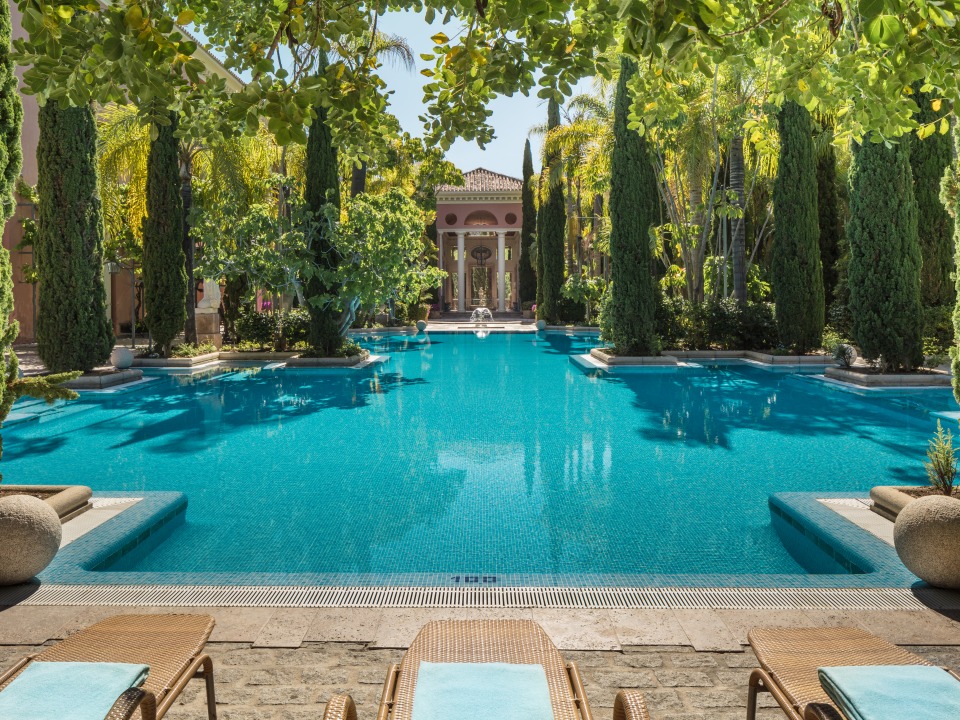
Anantara Villa Padierna Palace Resort
The Costa del Sol, at Spain’s southernmost tip, is a coastal region that has it all: mountains, sea, and a mild climate year-round. With the Sierra Blanca mountains wrapped around it and sandy beaches facing the Mediterranean, this is a natural setting the world’s wealthy and celebrities were never going to leave alone. Thanks to that, it is home to a surreal sanctuary like Anantara Villa Padierna Palace. The picture-perfect, elegant mansion here is surrounded by three 18-hole golf courses, guaranteeing complete privacy. Those who dream of an even more secluded getaway can choose a villa with a private pool. The rooms look out over Andalusian mountain scenery, manicured gardens, and a small lake, and some 1,200 works of art decorating the resort elevate the quality of the stay. Above all, the wellness spa, the largest in the region, is the resort’s highlight, with Roman baths, a hammam, and an outdoor pool spread over 2,000 square meters. You can also visit Marbella or Estepona to soak up the atmosphere of a seaside town, or enjoy a helicopter tour or a culinary tour. From 400 euros per night, anantara.com
Sustainability at Anantara
Anantara Group actively takes part in protecting local culture and the environment through its hotels and resorts around the world. For example, it works to protect the coral reefs of the Maldives in partnership with Coral Reef CPR, a nonprofit that runs coral protection and restoration programs; in Zimbabwe, it signs direct-purchase contracts with small-scale producers to help local farms become self-sufficient; and in Cambodia, it provides funds to support local wildlife rangers protecting the jungle of the Cardamom Mountains. Meanwhile, reducing energy use by 10 percent every year and offering collaborative programs with local artisans and artists are shared goals in which every Anantara hotel and resort takes part.
The Kahala Hotel & Resort, Hawaii

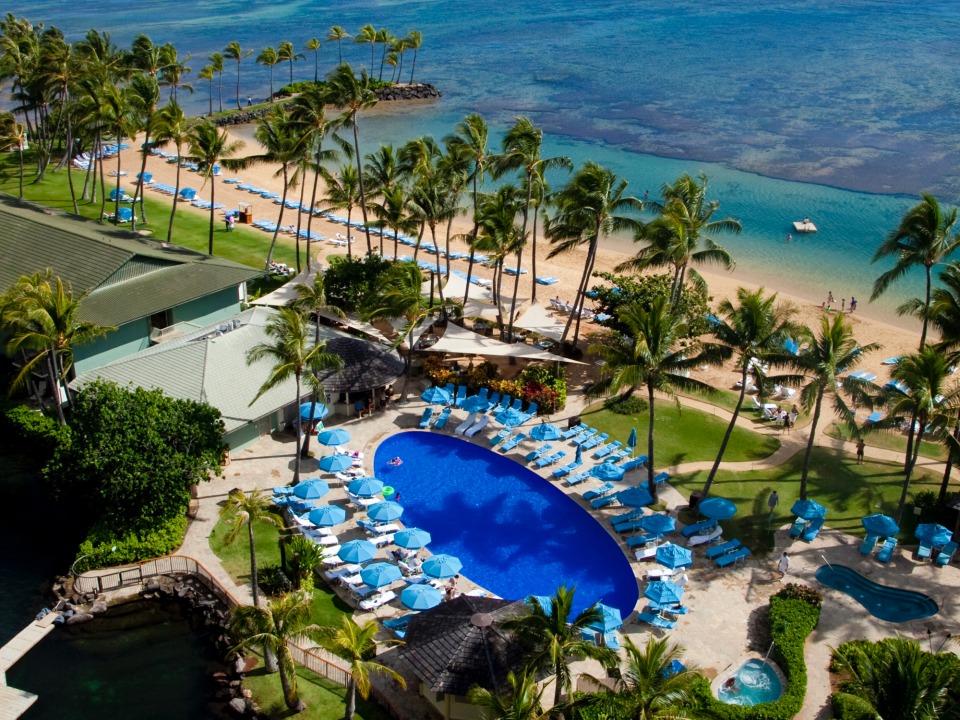
The Kahala Hotel & Resort
The Kahala Hotel & Resort sits a step removed from the bustle of Waikiki in Hawaii. Drive east of Waikiki Beach along the scenic coastal route that skirts Diamond Head, and you arrive at the resort almost without noticing. With the Ko‘olau Mountain Range rising behind it like a folding screen, the property has a quiet, 250-meter stretch of beach all to itself, offering both seclusion and an airy sense of openness. It is why, since opening in 1964, every U.S. president from Lyndon Johnson to Barack Obama and countless Hollywood stars have favored it. Hoku’s, one of the hotel’s five dining venues, serves Pacific Rim cuisine made with local ingredients and ranks among the best restaurants in Hawaii. The spa therapies, which blend traditional Hawaiian ingredients with healing practices, offer a chance to experience the Hawaiian cultural belief in harmony of body, mind, and spirit. From $485 per night, kahalaresort.com
Sustainability at The Kahala
The Kahala Hotel & Resort is committed to protecting the nature and culture of Oahu. Beyond environmental policies on energy efficiency, water conservation, and recycling, it champions the Kahala Initiative for Sustainability, Culture and the Arts (KISCA). Cultural classes, from learning hula to making lei to the traditional craft of lauhala weaving, run regularly in various spots around the hotel, along with a range of planned events. Its work over the past 50 years or so, in close cooperation with hotel guests, the local community, and local nonprofits, earned it a place in the Hawaii Green Business Program in 2020.
Halekulani Okinawa, Japan
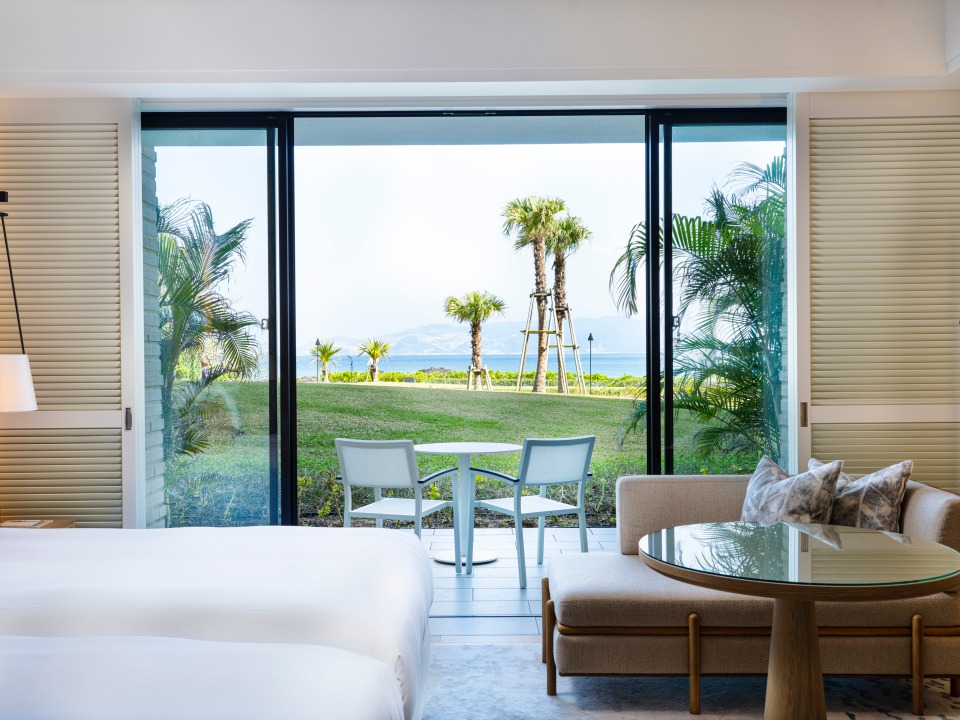
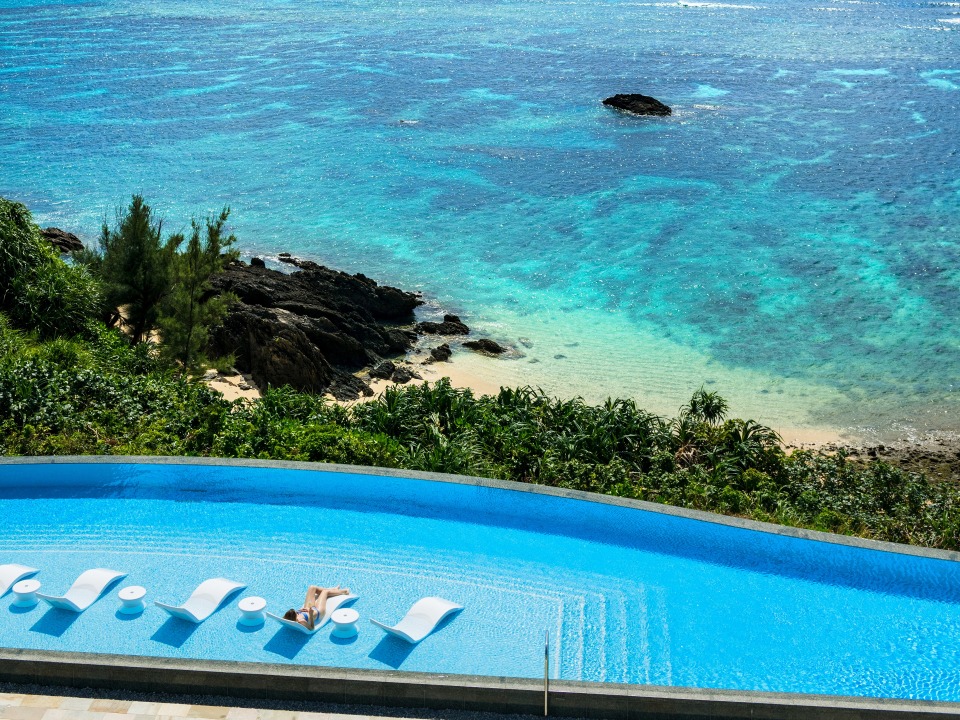
Halekulani Okinawa
Onna Village in Okinawa, Japan, is known for coastal scenery and natural surroundings that stand out even on the main island. Luxury hotels and resorts from several global brands have long competed for travelers here. Opened in 2019, Halekulani Okinawa is the first overseas hotel from Halekulani, the brand that represents Hawaii. Set along the shoreline within the roughly 130,000-square-meter Okinawa Kaigan Quasi-National Park, it offers true rest amid nature and is the only hotel in Okinawa to earn five stars from ‘Forbes Travel Guide.’ With 360 guest rooms, eight restaurants and bars, a spa, a fitness center, and private villas, it serves a variety of holiday styles. The outdoor pool, decorated with 1.5 million mosaic tiles in the shape of the cattleya orchid that symbolizes the Halekulani brand, is a popular photo spot. Activity programs developed with local businesses also let guests experience Okinawan culture and heritage. From 48,000 yen per night, okinawa.halekulani.com
Sustainability at Halekulani Okinawa
To support “Life Below Water,” one of the UN’s Sustainable Development Goals, Halekulani Okinawa runs a Coral Nurturing Program. Okinawa’s corals have protected the islands from natural disasters and supplied rich marine resources, but climate change, ocean pollution, and plastic waste are degrading their habitat. The program was developed with the University of the Ryukyus’ Tropical Biosphere Research Center and the Onna Village Fisheries Cooperative, and aims to restore coral reefs by planting coral around the hotel. In the 90-minute session held every Wednesday, guests learn about protecting coral and the marine environment, take part in coral cultivation offshore, and can watch the planting process from a boat. The program is funded through sales of Halekulani Okinawa eco bags made from recycled PET.
The Okura Tokyo, Japan


The Okura Tokyo
Hotel Okura, which opened in Tokyo in 1962, was the beginning of Okura Hotels & Resorts, founded to showcase Japan’s distinctive beauty and hospitality. Designed by the modern architect Taniguchi Yoshiro, the hotel served as host to distinguished guests from around the world for decades. Reopened in 2019 after reconstruction, The Okura Tokyo occupies the same site, in the 17-story Okura Heritage Wing and the 41-story Okura Prestige Tower, and carries on the legacy of Hotel Okura with great devotion. Its core is the expression of traditional Japanese aesthetics. Every space, from the two lobbies to the banquet hall that hosts numerous international events to the garden reflecting the changing seasons, emphasizes restraint to create a calm yet elegant atmosphere. The same goes for the dining venues, designed so that everything from the menus to the tableware lets guests experience Japanese refinement and culture. On the grounds is also the Okura Museum of Art, Japan’s first private art museum, where visitors can view the hotel founder’s collection of Asian art. From 53,300 yen per night, theokuratokyo.jp
Sustainability at The Okura Tokyo
As a local hotel brand that values tradition and culture, Hotel Okura carries its founding philosophy into sustainability as well. With the goal of providing the finest service, it joins efforts to save energy and resources and to create green spaces, and it leads in preserving and advancing tradition through sponsorship of culture and the arts. Examples include displaying traditional crafts from Japan’s 47 prefectures throughout the hotel and holding a free classical music concert every month since its earliest days. It also takes part in environmental protection and various relief efforts, and works with local universities to offer educational opportunities to its staff, showing care for its social responsibility as a member of the community.