
Sulsulsulsul Tasting Dinner Talk — Our Makgeolli Today
The June theme of Sulsulsulsul and Space O's tasting dinner talk series was traditional liquor. Guests tasted Korean liquors alongside Hangang Brewery CEO Lee Sanguk, discussing the present and future of the brewing industry.
*The June theme of the Sulsulsulsul X Space O Tasting Dinner Talk was ‘Our Makgeolli Today.’ Lee Sanguk, CEO of Hangang Brewery, selected seven traditional liquors for the group to taste together while discussing the present and future of Korea’s traditional liquor brewing industry.
Words Parc Jinmyoung
In collaboration with Sulsulsulsul
*The Sulsulsulsul X Space O Tasting Dinner Talk is a series centered on alcohol-related themes, held on the last Monday of every month.
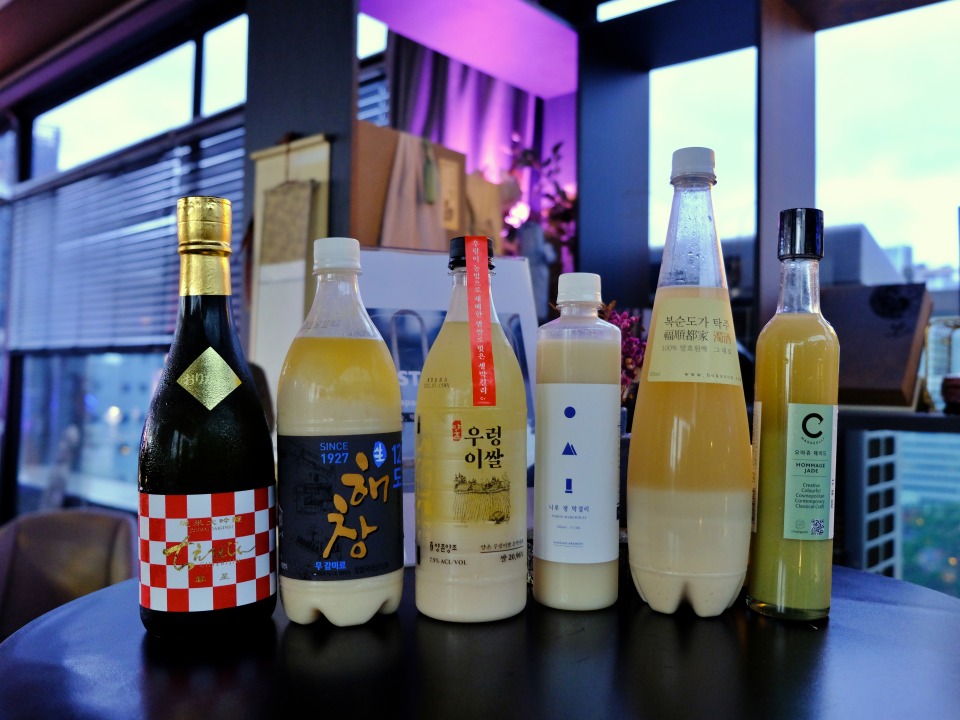
These days, traditional liquor is having a moment. As consumers grow increasingly particular about which region’s rice was used and how long the fermentation and aging process took, traditional liquor continues to evolve in countless directions. June’s Sulsulsulsul tasting dinner talk revisited the flow of traditional liquor and deepened attendees’ understanding of Korean alcohol under the theme ‘Our Makgeolli.’ From clear, dry makgeolli to those with a lively acidity, ones with a lively fizz, others made with a variety of secondary ingredients, and finally ones prized for the dense richness of unfiltered takju — guests tasted their way through the lineup, guided by the words of Lee Sanguk, CEO of Hangang Brewery, a company setting new standards in traditional liquor. The tastings were paired with warm, inventive Korean dishes prepared by Space O. Ryan Moroz, an American resident of Korea and lover of traditional liquor, and Kazuo Chujo, a Japanese sake expert and director of the Japan Cultural Center, joined as observers.
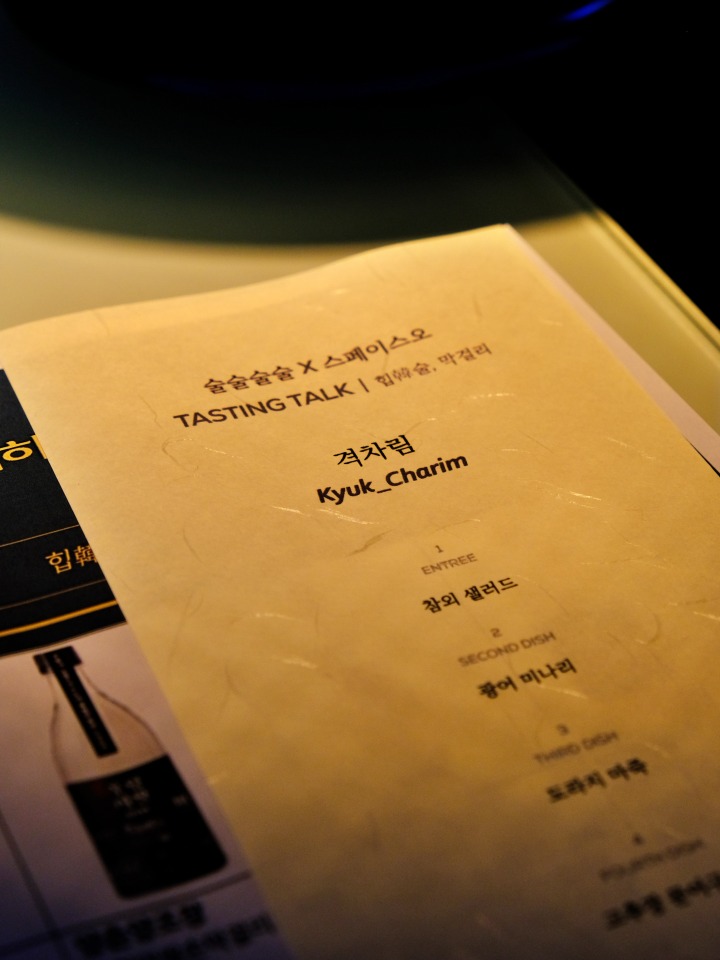
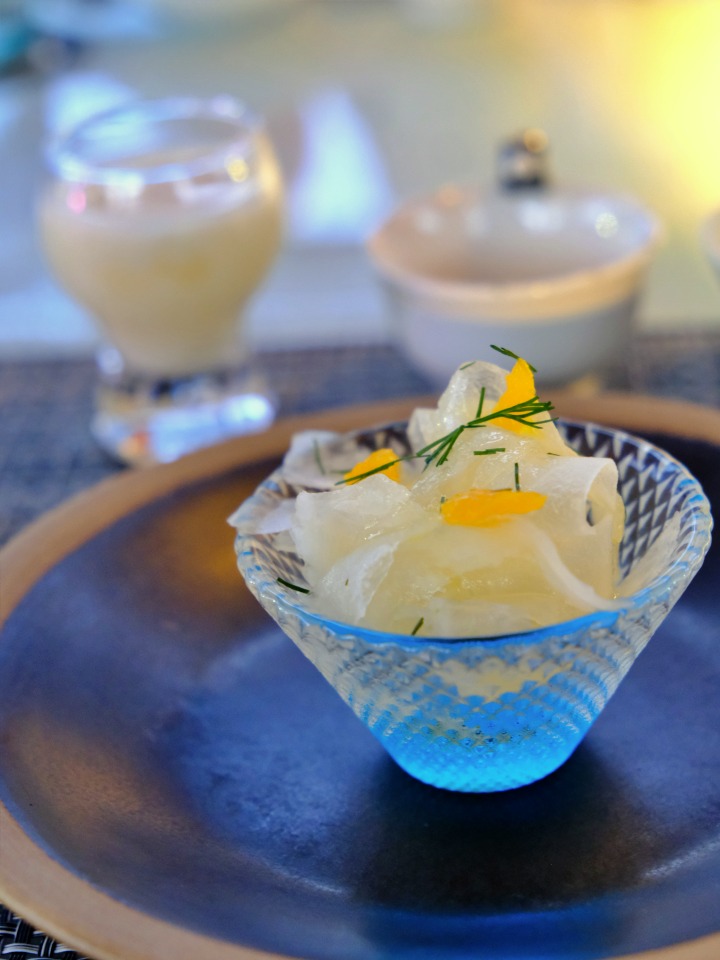
Melon salad paired with Ureongi-son Makgeolli Dry (Yangchon Brewery)
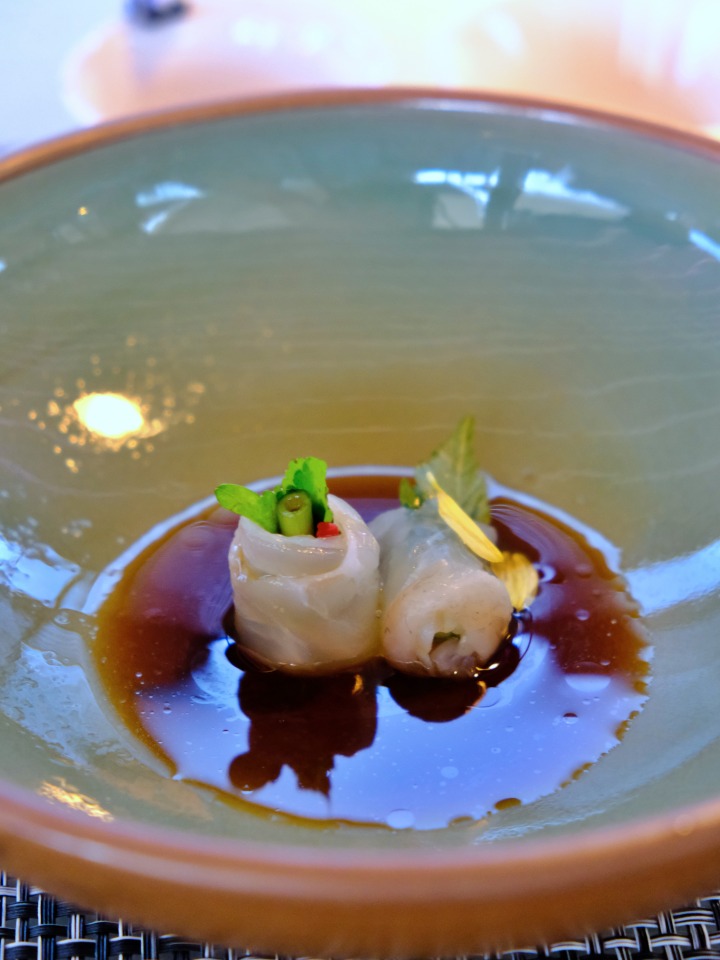
Flounder and water dropwort paired with Boksoondoga Takju 10 degrees (Boksoondoga)
Doraji (bellflower root) porridge paired with Naru Fresh Makgeolli 11.5 degrees (Hangang Brewery)
Grilled octopus with gochujang paired with Haechang Makgeolli 12 degrees (Haechang Brewery)
“Yangchon Brewery’s Ureongi-son Makgeolli Dry is something I buy whenever I want a refreshingly crisp drink. It’s the driest liquor I know of.”
Yangchon Brewery is a small operation in the village of Yangchon in Nonsan, Chungcheongnam-do, that has carried on a traditional brewing method for three generations. The first liquor Lee introduced, Ureongi-son Makgeolli Dry, is a handcrafted makgeolli made from 100 percent pesticide-free freshly harvested Nonsan rice grown using the apple snail farming method. Its alcohol content was raised by 1.5 degrees to appeal to younger drinkers and deliver a deeper flavor. It’s popular enough abroad to have been featured in the Michelin Guide Hong Kong Magazine in July 2017.
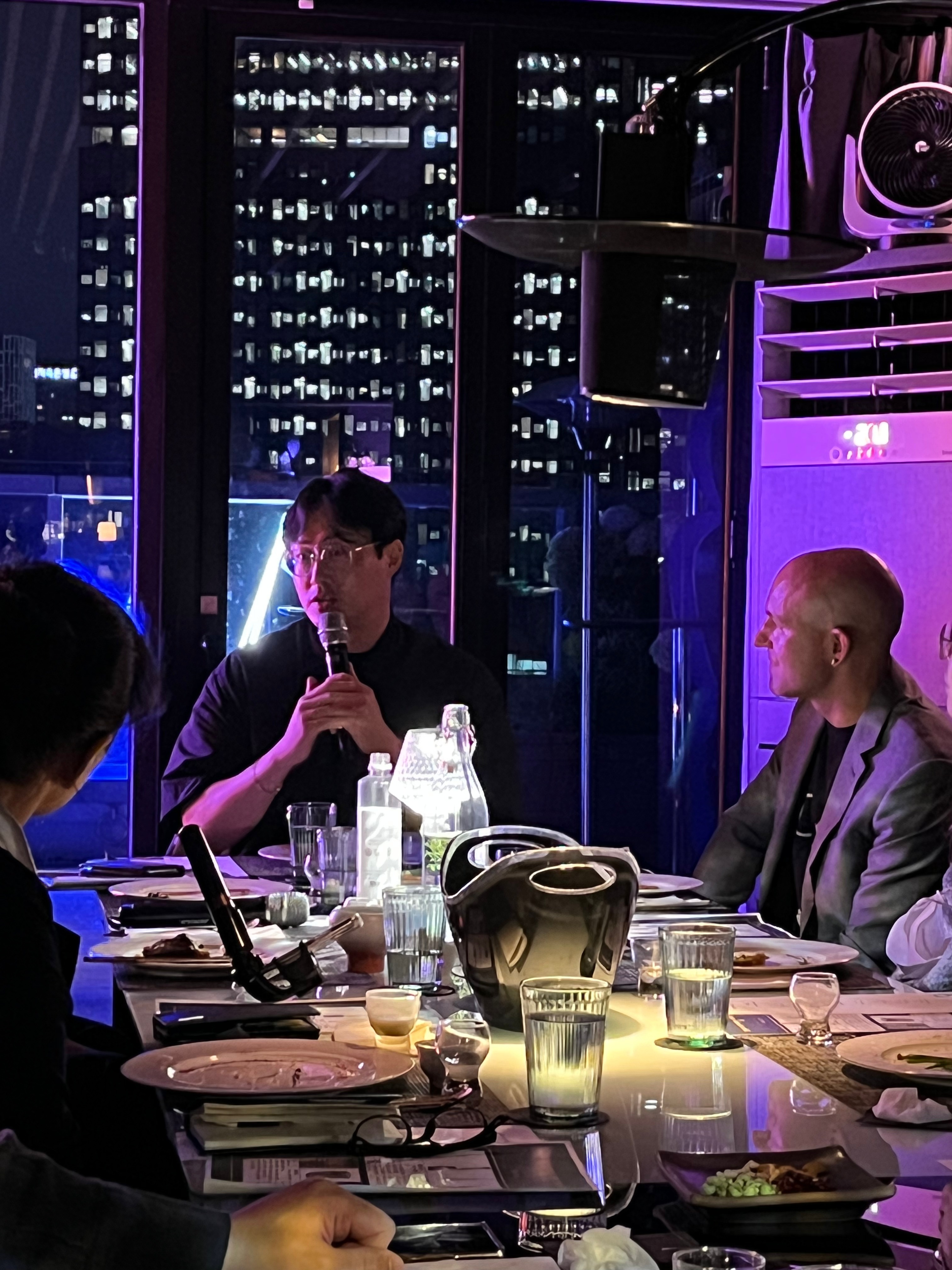
“The list of traditional liquors I brought this time focused mainly on products that many people prefer these days. I felt that our own Naru Fresh Makgeolli, along with the liquors from Boksoondoga and Haechang Brewery, absolutely had to be included. Each brewery has such a distinct character that you can actually tell the flavors apart clearly.”
Hangang Brewery is a brewery that has made traditional liquor trendier and hipper than ever, with collaborations like ‘Pyomun Makgeolli’ with the flour company Daehan Flour Mills, and ‘Jikhyu Makgeolli’ with the men’s fashion magazine GQ and Sulseam. Naru Fresh Makgeolli 11.5 degrees has a relatively high alcohol content for makgeolli, and is beloved by many drinkers. This thick, viscous makgeolli tastes strongly sweet at first, but leaves a tingling trace of alcohol on the tongue after swallowing.
Boksoondoga is known for its sparkling makgeolli but also produces takju and yakju (refined rice wine). The takju 10 degrees Lee recommended is ‘close to the base liquor used to make the sparkling makgeolli.’ Unlike the ‘Boksoondoga Son Makgeolli,’ often called ‘champagne makgeolli,’ this one has a heavier body and is much thicker and richer.
Haechang Brewery, located in Haenam — known as the ‘Land’s End Village’ — mainly produces fresh makgeolli. After steaming and cooling the rice, mixing it with water and nuruk (fermentation starter), the brewery adds one extra step before fermentation that other breweries don’t: rinsing the fan-cooled steamed rice once more in cold water, which maximizes the sweetness of the resulting makgeolli.
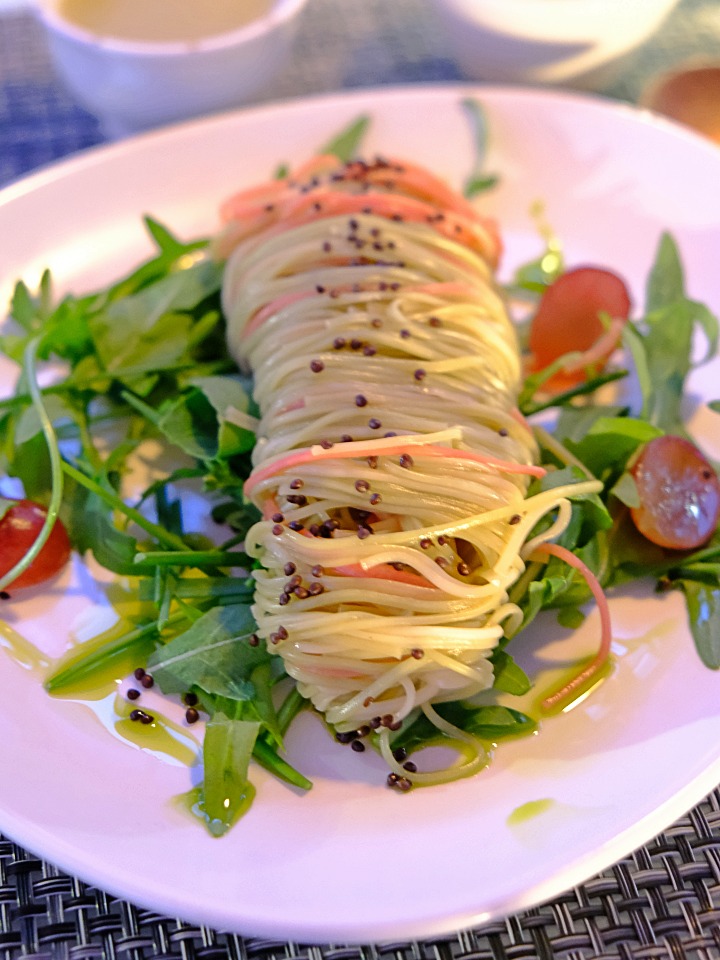
Perilla oil apple noodles paired with Hommage Jade (C Makgeolli)
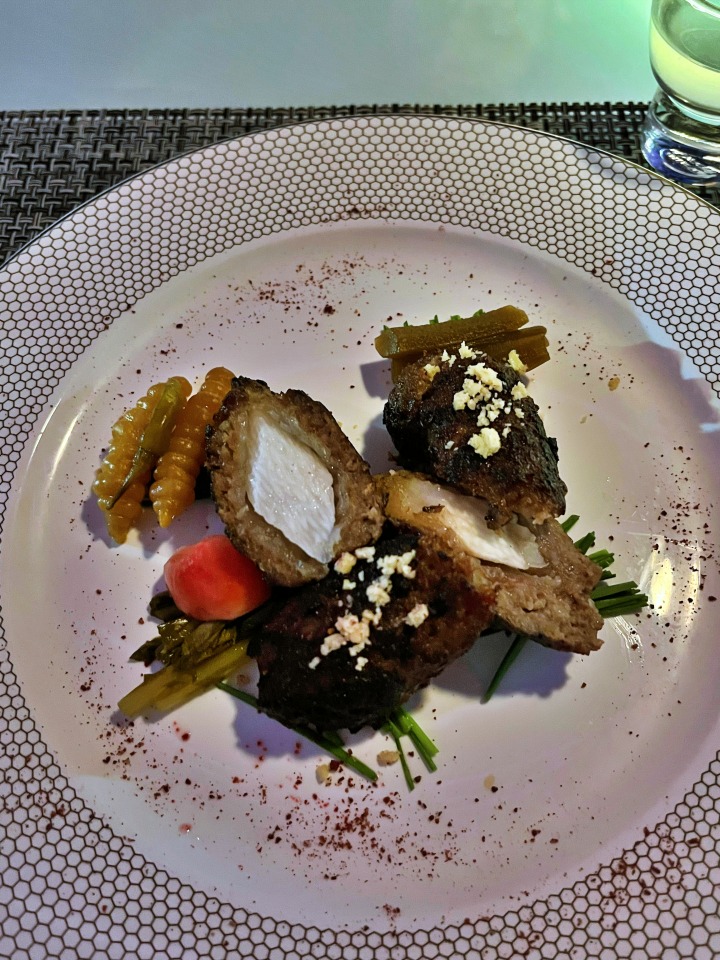
Ma-tteokgalbi (galbi wrapped around yams) paired with Chie Bijin sake
Spoonable makgeolli, Ihwaju Cham (Yecheon Brewery)
“The four makgeolli I introduced earlier are what’s called sungukju — liquors made purely from rice with no additional ingredients. But I felt the list should include at least one liquor made with other ingredients too, since there are so many great ones out there right now.”
C Makgeolli, a brewery located in Yangpyeong, Gyeonggi-do, was among the first to stake a claim in the market for traditional liquor made with additional ingredients. Using juniper berries, lavender, cudrania leaves, and cacao nibs, the brewery crafts traditional liquors with distinctive colors and aromas. The Hommage Jade that Lee brought is a makgeolli made with apples and coastal hogfennel grown in Yangpyeong. Compared to the other traditional liquors on offer, this one drew a much more polarized reaction from attendees. Because the aftertaste carries a strong presence of the added ingredients, the flavor shifts noticeably depending on what food it’s paired with — a defining trait of C Makgeolli. The arugula topping the perilla oil apple noodles paired especially well with the makgeolli’s coastal hogfennel aroma.
For the main dish, tteokgalbi wrapped around yam, observer Kazuo recommended a pairing with Chie Bijin (ちえびじん), a sake similar to Korean makgeolli in the usunigori (薄濁り) style. Brewed by Nakano Brewery (中野酒造) in Oita Prefecture, Chie Bijin opens with a savory sweetness and finishes dry and slightly bitter. Makgeolli is made by steaming various grains and fermenting them with nuruk and water, while sake is made by fermenting rice, koji, and water. Makgeolli is drunk with the clear liquid and sediment mixed together, whereas sake is filtered and drunk clear. The two may seem similar at a glance, but the details of their processes differ considerably.
Finally, a spoonable makgeolli dessert, Ihwaju Cham, was served. Ihwaju is a refined liquor with roots dating back to the Goryeo dynasty, traditionally brewed around the time pear blossoms bloom and either eaten with a spoon or diluted with cold water. Made by Yecheon Brewery, this 9-degree Ihwaju Cham has a pleasantly sweet, clean finish — perfect for cleansing the palate at the end of a meal.
“Hangang Brewery is currently developing a yakju. Even within the traditional liquor market, yakju represents the smallest segment. Still, we’re pursuing it because we believe yakju is the liquor that can stand alongside white wine.”
Ryan, joining as an observer, chimed in. “When I first came to Korea, the makgeolli culture really struck me. Especially hiking — I’d see groups of older men sitting at the summit eating something, and it turned out to be makgeolli. It was shocking, but also really fun.” He added that he was curious to see how traditional liquor would continue to expand. Since ancient times, traditional liquor has been a sweet reward and a source of energy after hard labor. Lee sees great potential in traditional liquor precisely because it resonates so deeply with Korean sensibility, and he believes that before long, the brewing industry will grow to a level of refinement that rivals sake or wine.


