Staying with a Tea — A Day of Tea and Rest in Hadong, Gyeongsangnam-do
In Hadong, Gyeongsangnam-do, where the scenery of Jirisan Mountain and the Seomjingang River unfolds, a quiet journey of tea and rest at local dasuk stays.
Staying with a Tea — A Day of Tea and Rest in Hadong, Gyeongsangnam-do
The scenery of Jirisan Mountain and the Seomjingang River is warm and gentle, and the scent of tea softly wraps around the day. We visited a dasuk in Hadong, Gyeongsangnam-do, for a journey of tea and stay.
Words & Photos Hur Taewoo
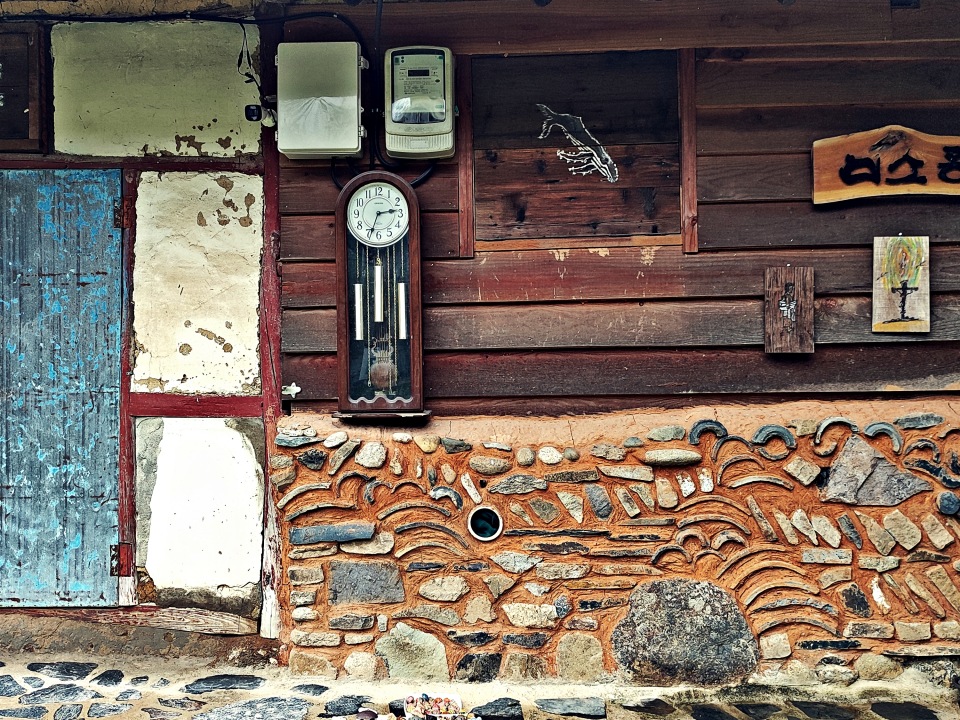
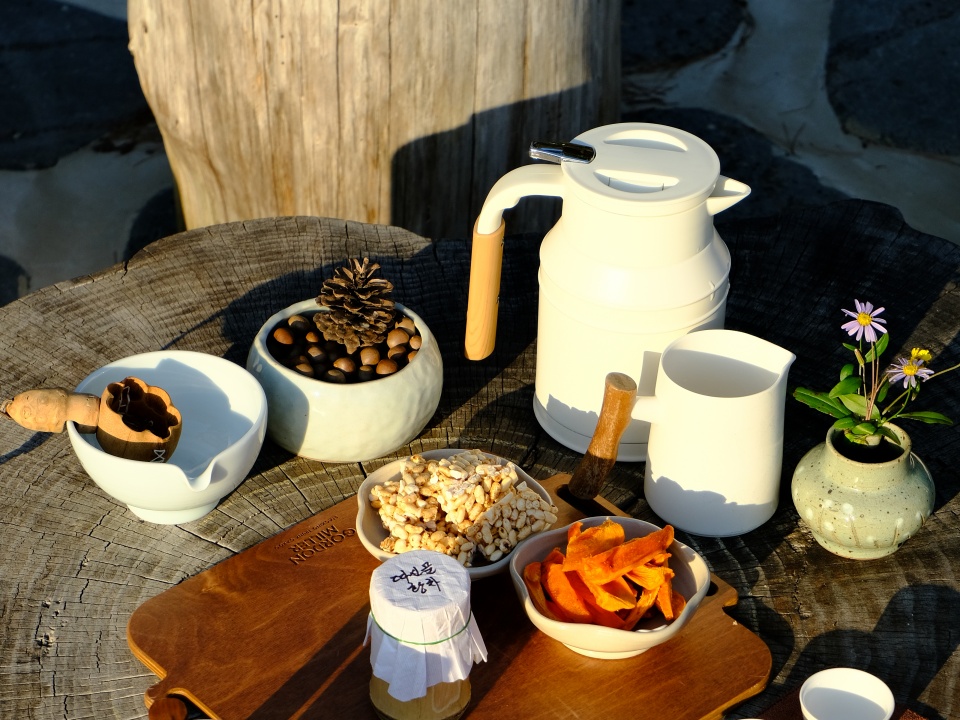
The first cup is for the aroma, the second for the taste, the third as medicine…. Lee Miso, the host of Miso Ceramic Studio, fills our teacups one after another. We had just finished a hearty, wholesome dinner prepared by the host herself, and now we sit in the modest tea room. This is already our fourth cup. In the courtyard of the hanok stay, now settled into darkness, the dog Sundol blinks his round eyes, looking here and there. From the entrance of the stay to the garden, the eaves, and the stepping stones, everything is decorated with unusual skill. Inside the narrow tea room, converted from part of the wooden-floored hall, the host’s stories continue. We hear about tea, about the pride of Hadong’s Seojae Village, about life in a hanok. The taste of the tea seems to fade little by little. Soon, water is boiled again to prepare another brew—this time, flower tea. The cups are filled again and again, and the stars twinkle densely in the night sky. The heated floor of the guest room must already be warm by now.
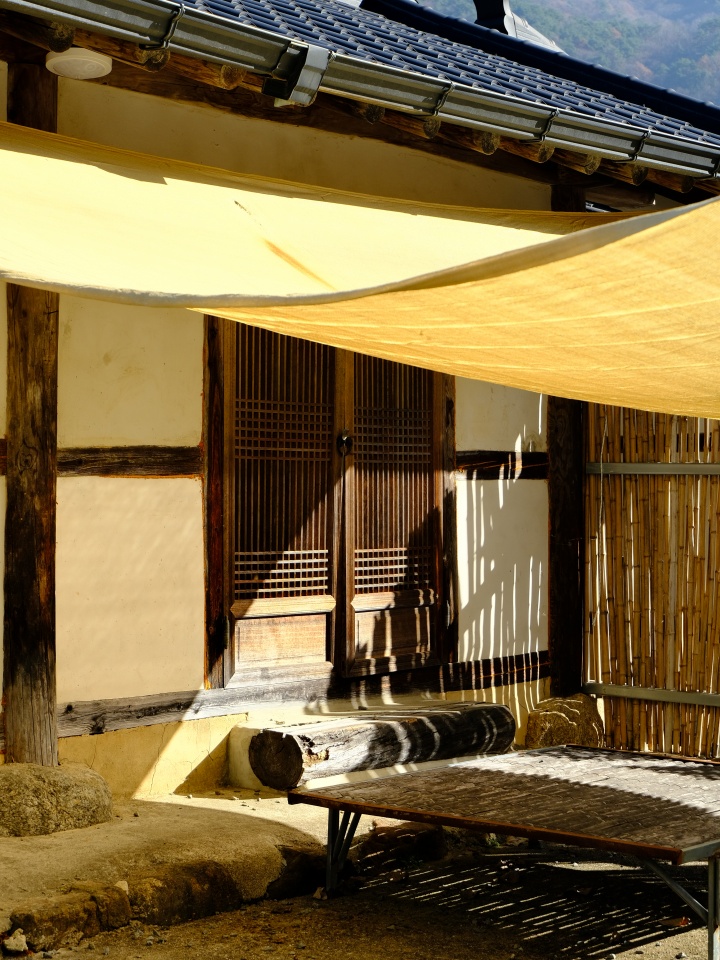
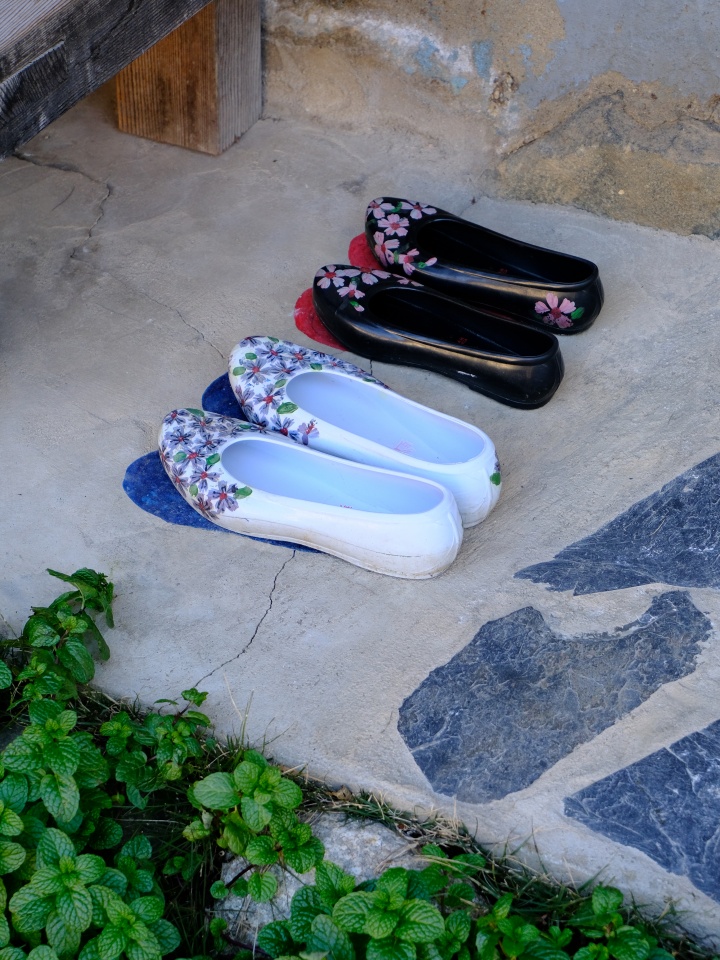
They call it ‘dasuk (茶宿)’—a house where you can drink tea and sleep. It suits Hadong perfectly, a place where people drink tea as naturally as water. Jo Munhwan, head of Nollu (a cooperative serving as Hadong’s DMO, or Destination Management Organization, running various projects to revitalize the region through tourism.) and Hadong, who led the dasuk initiative in the region, explains: “I first attempted the dasuk concept around 2008, when I was working as the tourism section chief at the county office. I thought Hadong needed lodging that captured its own charm, and that meant it had to be built around tea.” After much discussion and trial and error, six stays now operate under the Hadong Dasuk brand. Each is hosted directly by locals, offering experience programs and meals, along with the space and tools needed to enjoy tea. Moamchacha, in Moam Village, is a dasuk closest to the scenery of tea itself. Set at the foot of Jirisan Mountain in Moam Village, home to numerous tea plantations and wild tea fields, Moamchacha overlooks the Hwagaecheon Stream and the tea fields below. Host Hwang Yeongpil was born and raised in Hadong, and after some time living elsewhere, returned home to run Moamchacha. “You must have already had plenty of tea—shall I make you a coffee instead?” the host jokes, half-seriously, to a guest admiring the view outside.
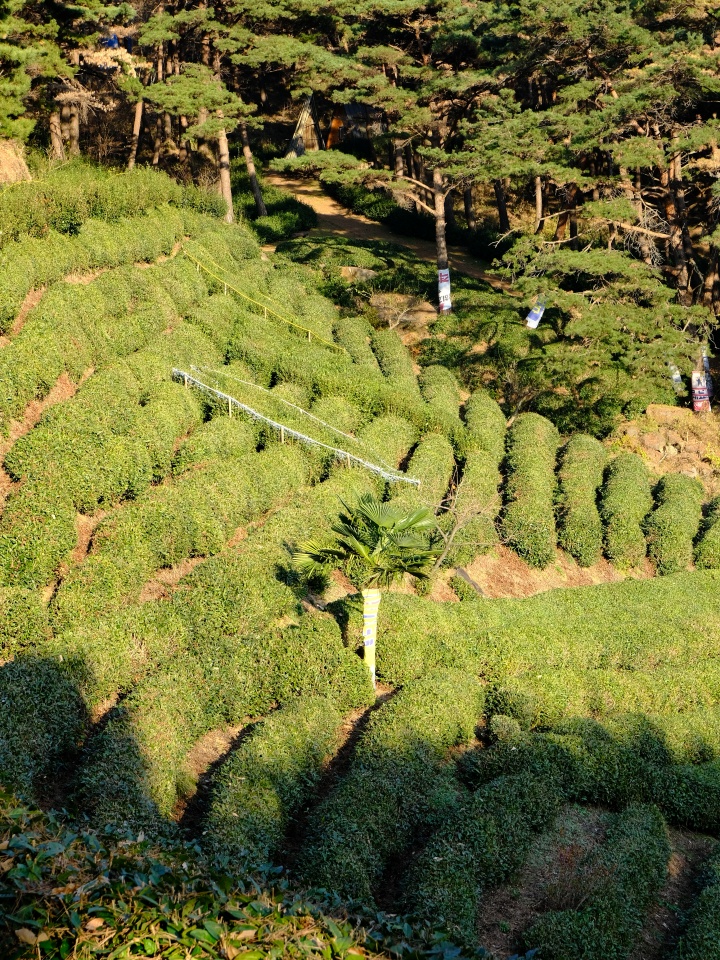
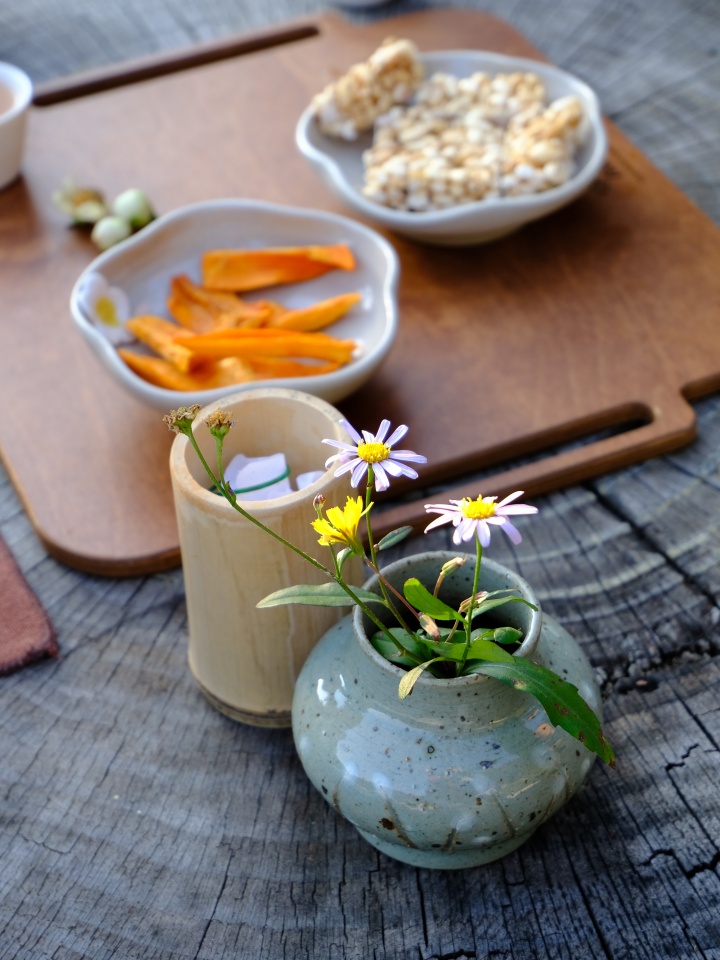
Moamchacha is a dasuk equipped with both a detached hanok and studio-style rooms, each furnished with tea and tea utensils. Facing the serene view of Jirisan Mountain through the window, one can’t help but reach for a cup of tea—especially after stepping out to trek along the tea field trail circling Moamgol. Still lingering in the afterglow of the dasuk experience, visitors are guided to the Ttasingol Green Tea Garden, nestled along the Seomjingang River at the foot of Jirisan Mountain. Bathed in southwestern sunlight, this tea plantation is carefully lined with old pine trees and tea fields along its slopes. And so, true to its name, the scenery of the green tea garden feels warm and beautiful. Visitors can carry tea utensils in a picnic basket, stroll through the garden, and sit down to brew tea wherever the view calls to them. Wooden benches and pavilions scattered throughout serve as makeshift tea rooms. With every sip of tea, the shimmering light on the Seomjingang River tickles the eyes, and the scent of pine and tea drifts past. And so the day in Hadong, spent resting in a dasuk and immersed in tea and scenery, comes quietly to a close.
Moamchacha
Moamchacha, the dasuk of Moam Village, is a stay built collectively by the village community. It consists of a detached hanok with a small outdoor space and a tidy studio-style room. The shared lounge also allows for cooking. Programs include tea field trekking, snap photography, and tea ceremony experiences.
29-41 Moam-gil, Hwagae-myeon, Hadong-gun
Miso Ceramic Studio
This dasuk is an 80-year-old hanok personally renovated and run by host Lee Miso. The care she has put into the stay is evident in the handcrafted decorations found throughout. It includes rooms in both the main house and the annex, and guests can also take part in pottery-making classes.
963 Dugok-ri, Hadong-eup, Hadong-gun
Ttasingol Green Tea Garden
Bathed in sunlight and scenic views, Ttasingol Garden is a place perfect for both selfies and tea picnics. Ha Geunsu, the head of the garden, diligently cultivated the tea fields and surrounding forest before opening it in 2023. A tea camping box—complete with tea, utensils, and simple snacks—is available for 10,000 won (2 hours).
3480-25 Seomjingang-daero, Hadong-gun