Staying in a Monastery — A Night in the Swiss Alps
What is it like to spend a night in a Swiss monastery steeped in history and tradition? Far from the secular world, in the stillness of nature, set out on a journey that may offer answers to life’s questions.
Swiss monasteries have long been regarded as places of solitude and devotion. They sit quietly in the embrace of nature, removed from the secular world and rarely touched by passing footsteps. In Switzerland, many of these monasteries now throw open their doors to welcome travelers.
In collaboration with Switzerland Tourism
Einsiedeln Monastery, Home of the Black Madonna
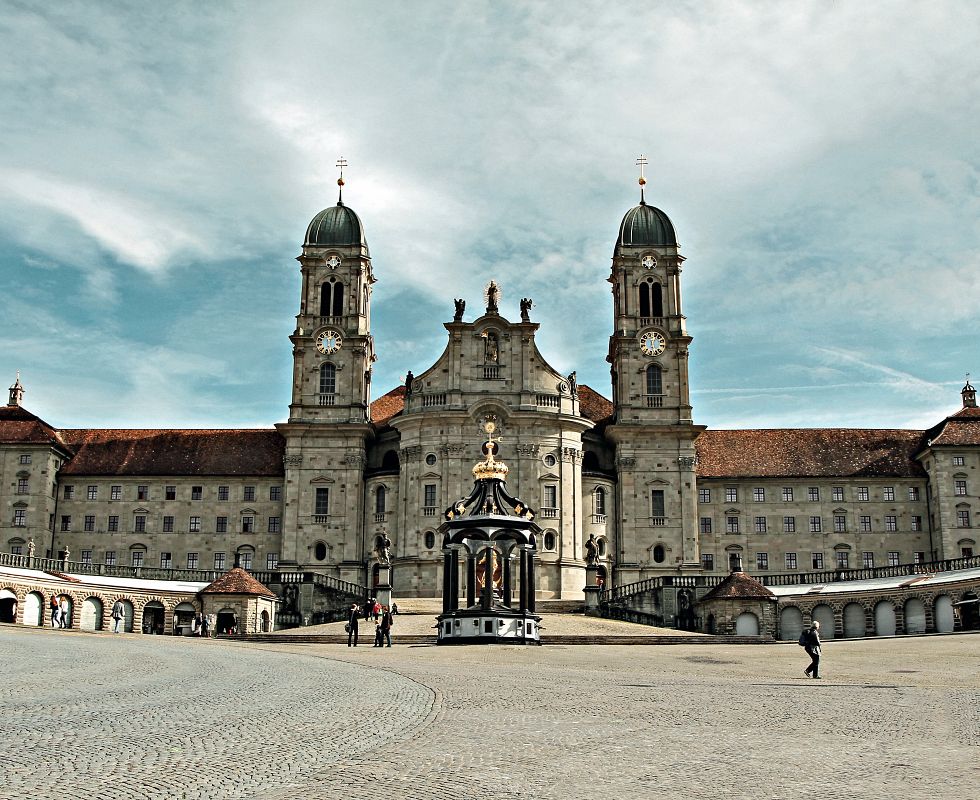
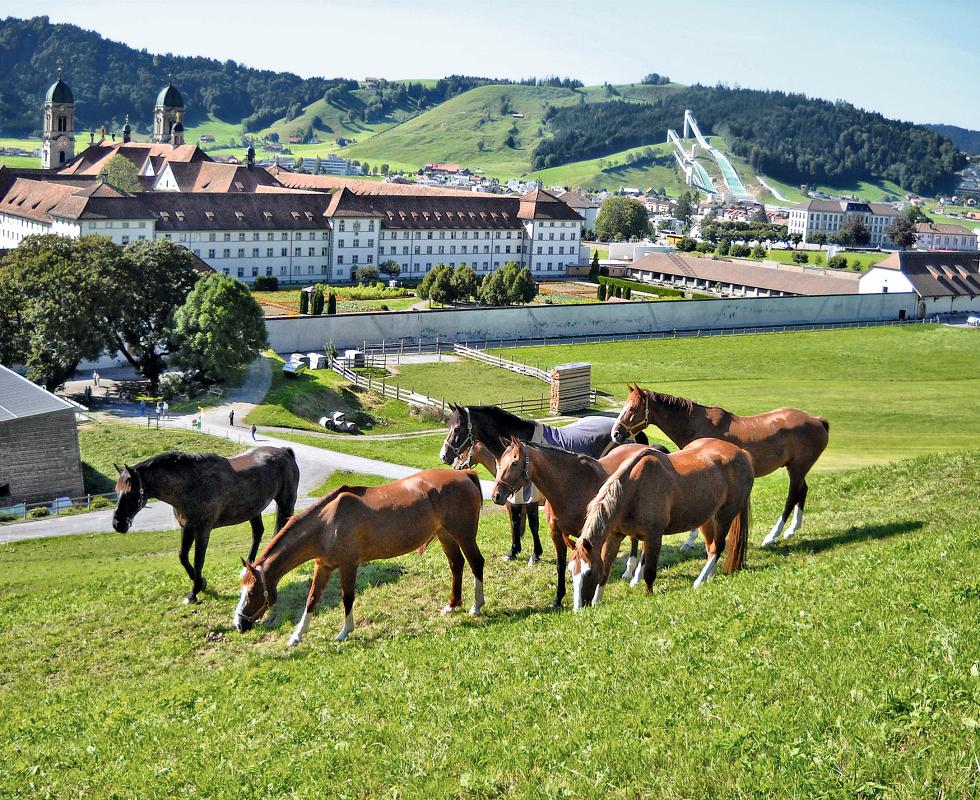
Einsiedeln Monastery is surrounded by deep blue water and majestic peaks. The Camino de Santiago pilgrimage route passes through the monastery, and for more than 1,000 years pilgrims have made their way to Einsiedeln. Today it is also a popular destination for those in search of nature and culture. The monastery, with its four courtyards, is built in the 18th-century Baroque style. Before that, after the Benedictine monk Meinrad established it in 835, it passed through Romanesque and Gothic phases. The Chapel of Grace (Gnadenkapelle), made of black marble, stands inside the monastery church beneath a dome decorated with frescoes. The famous Black Madonna, which dates back to the 15th century, can be found inside this chapel.
Within the monastery complex are living quarters for the monks, as well as a parish school, 10 workshops, a wine cellar stocked with the monastery’s own wine, and stables for its horses. The Benedictine monks host concerts, guided tours, and open Masses, so that every visitor can glimpse their way of life and see what one of Switzerland’s most impressive monastery complexes looks like.
Men can take part in the community’s daily routine for up to a week. Experience the monks’ day firsthand during prayer and mealtimes.
Getting there: Direct trains run from Zurich to Einsiedeln. The monastery is a 15-minute walk from Einsiedeln train station.
Reservations: www.kloster-einsiedeln.ch
Disentis Monastery, a Quintessential Swiss Abbey
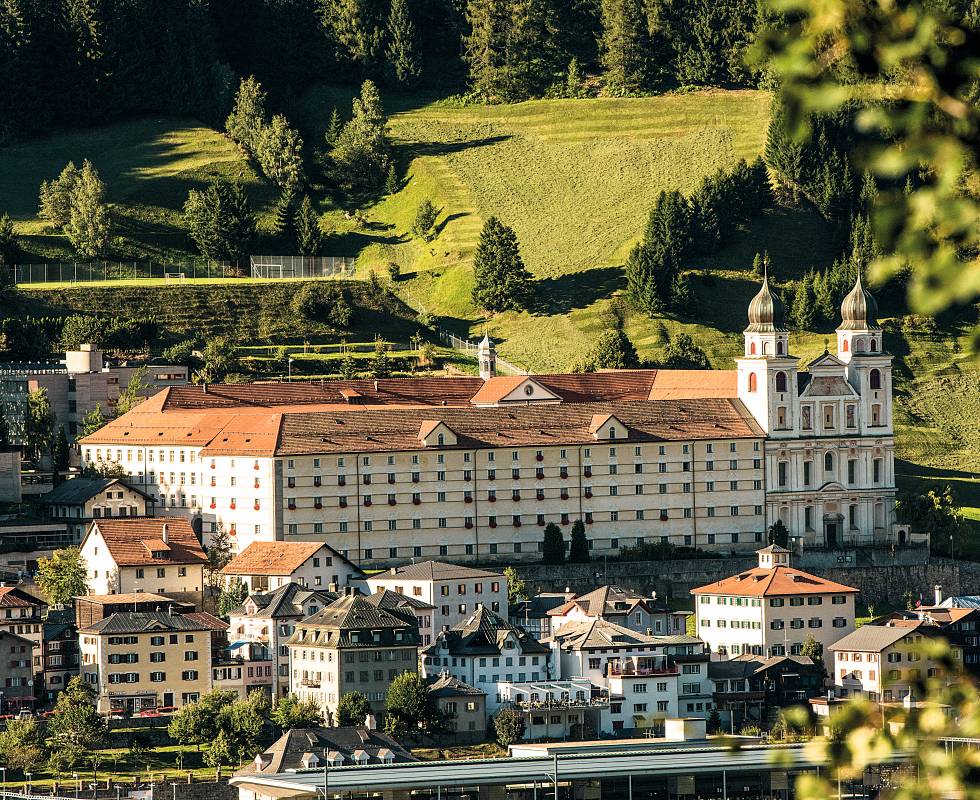
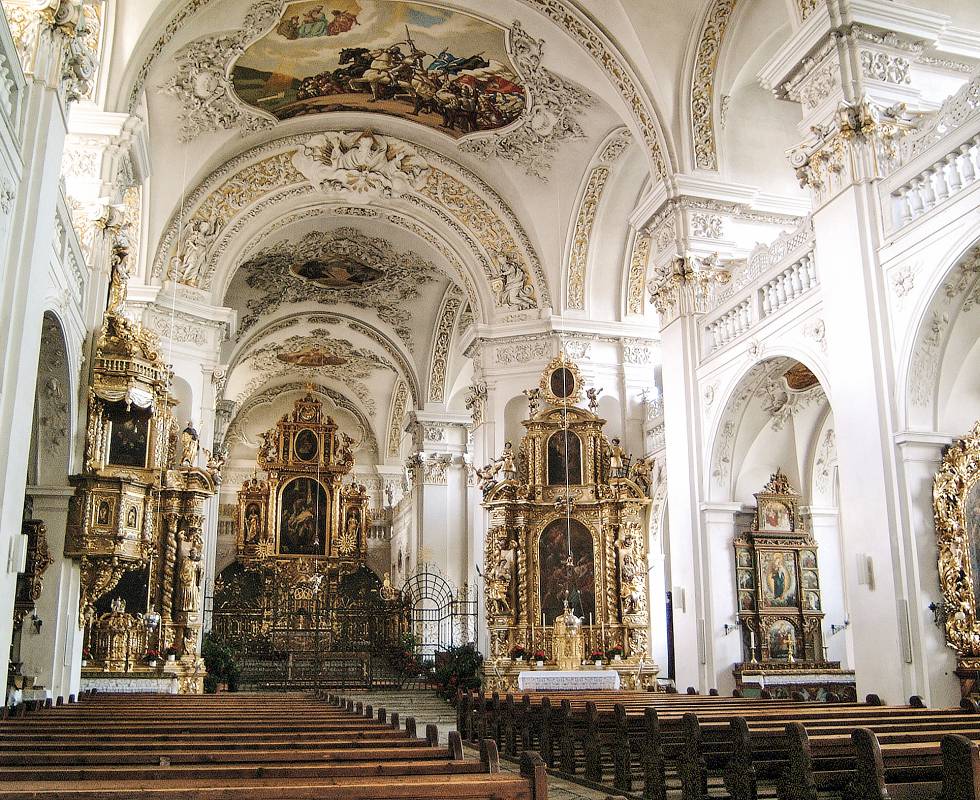
Built in the 8th century, Disentis Monastery is considered the religious and educational center of the Rhine Valley. Its historical and cultural exhibitions trace the history of the Benedictine order and its religious art.
Founded around 720, the monastery lies at the foot of the Lukmanier Pass, which made it the scene of fierce battles more than once. The foundation walls of two churches dating back to the 8th century have been preserved to this day. The monastery school was first mentioned in the chronicles in 1285, and the Baroque monastery complex was built between 1683 and 1704.
The museum presents not only the history of the monastery but also Christian traditions and religious art. There are also natural history exhibits, including crystals and minerals found in the region. Benedictine priests welcome visitors to hourly prayers and the Eucharist, and a short-stay program is also offered to male travelers.
Getting there: Take the train via Chur to Disentis/Mustér station, then walk 10 minutes, and the enormous monastery comes into view. It is also easy to reach on the Glacier Express.
Reservations: www.kloster-disentis.ch
The Benedictine Convent of St. John
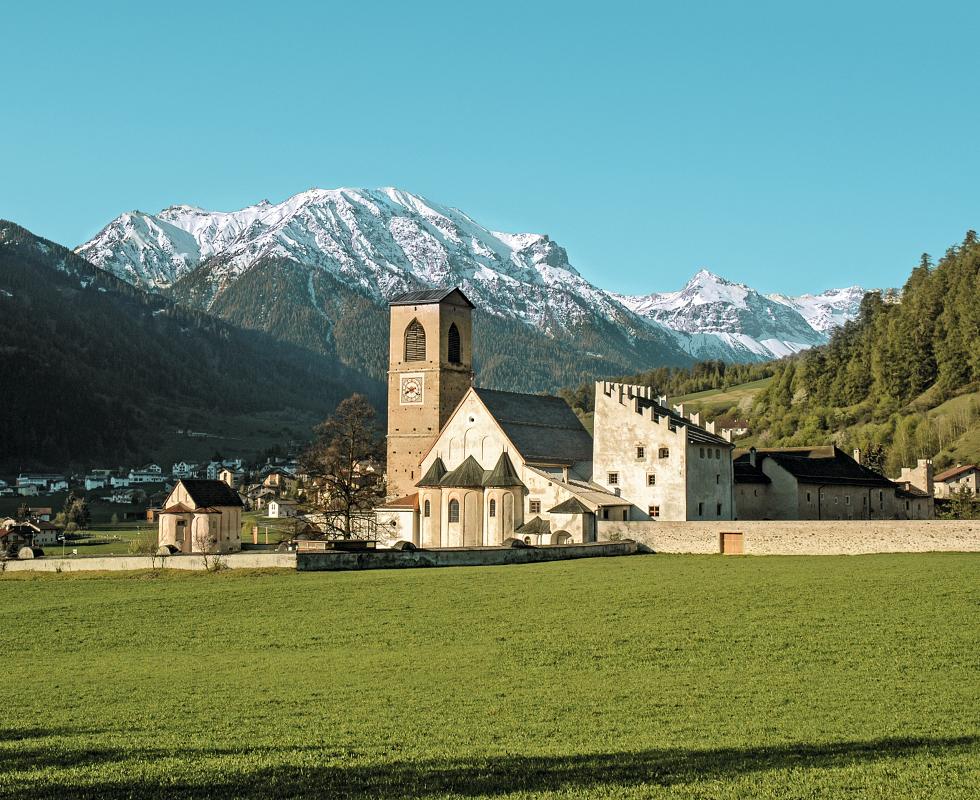
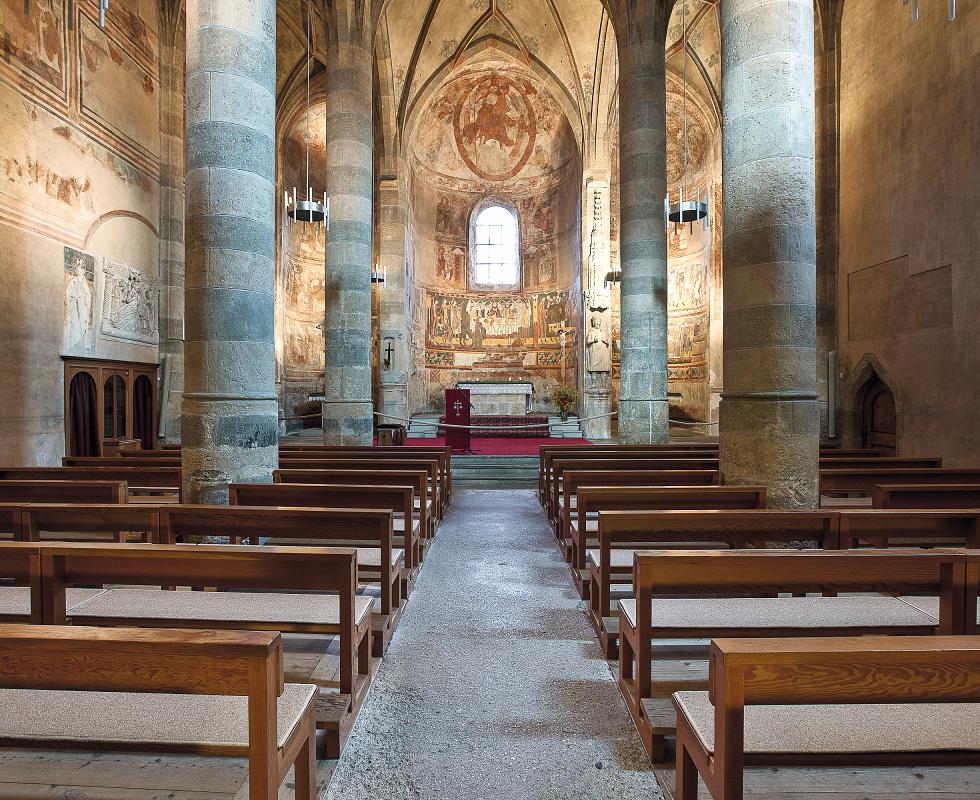
The Convent of St. John in Müstair, in eastern Switzerland, won worldwide fame when it was inscribed on the UNESCO World Heritage list. Charlemagne, emperor of the Western Roman Empire, founded this remarkable convent, which is one of the few surviving structures from the Carolingian era. The convent holds the largest and best-preserved cycle of early medieval frescoes on the life of Christ in the world. The convent museum, housed in the Planta Tower, offers a look at the convent’s inner workings. Visitors can also climb the oldest tower in the Alpine region, dating back to 960, while the exhibition hall traces more than 1,200 years of monastic and architectural history.
Founded in 775, the convent’s grand frescoes of the life of Christ adorn the church throughout. The Carolingian church architecture and the original frescoes painted across its apses are what earned this Alpine monastery its World Heritage status.
Guests can stay at the convent’s guesthouse and dine in its refectory. It offers nine rooms for individuals or couples, and guests can also take part in the sisters’ activities during their stay. They are free to spend their time as they wish, though most pray or join Eucharistic adoration or the Eucharist. Meals are shared with other visitors to the convent in the dining hall. The guesthouse chapel offers a place for deep reflection and meditation, and pastoral support is available.
Getting there: Take the train to Zernez, then a bus to the Müstair Clostra Son Jon stop.
Reservations: www.muestair.ch/en/plan-a-visit/guesthouse
Kappel Monastery
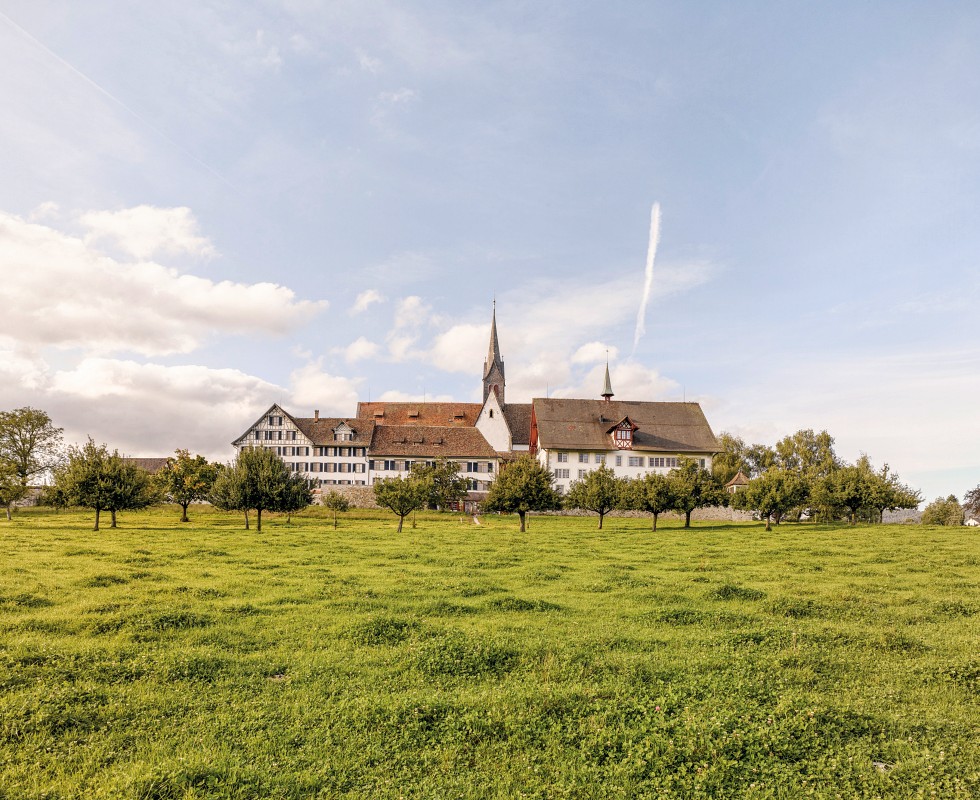
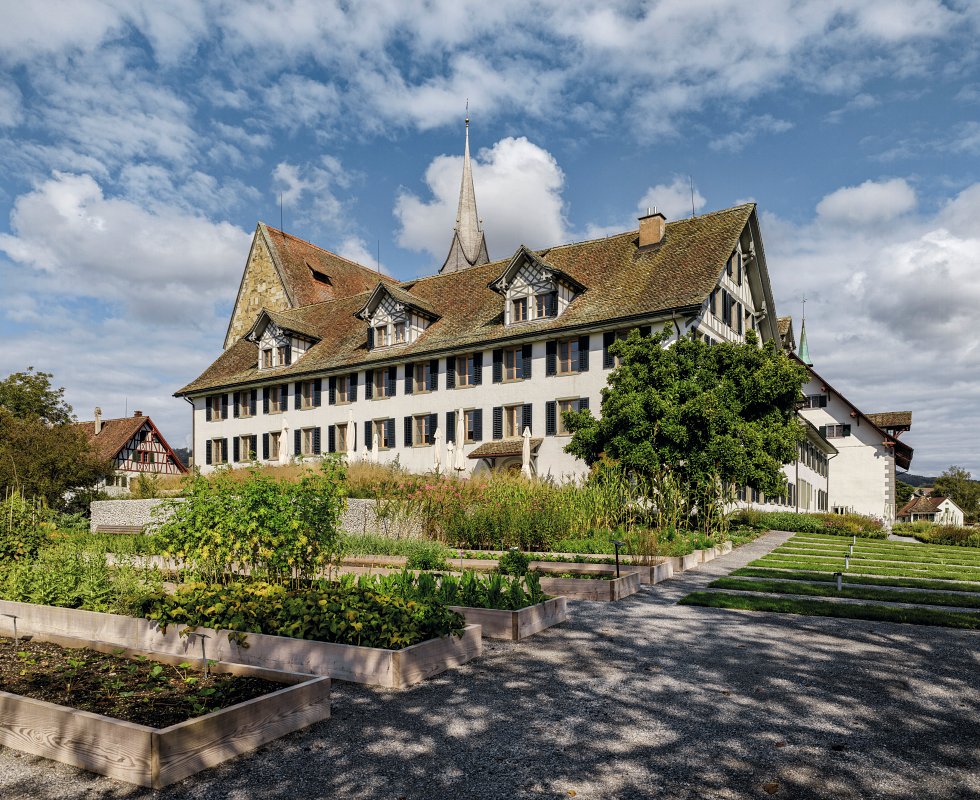
Kappel Monastery is an ideal place to escape everyday life and find stillness. It blends centuries-old monastic tradition with modern hospitality. Both groups and individuals are welcome to come here, take a deep breath, and rest.
The monastery’s history goes back to 1185. Set between Zurich, Zug, and Luzern, it offers splendid views of the Alps. It was renovated in 2012, with an emphasis on preserving the building’s history. It has 79 rooms, and the spacious grounds are dotted with spots for enjoying the quiet. The hotel’s Klosterkeller restaurant and the tranquil monastery café, with its terrace, serve homemade specialties. The surrounding forests, fields, and fruit trees will soften the heart. It is also a great base for hiking or cycling by the lake with the distant Alps in view. Programs include meditation and a hands-on session making herb-infused olive oil.
Getting there: Take the train from Zurich to Baar, then a bus to the Kappel am Albis, Kloster stop. The monastery hotel is a five-minute walk away.
Reservations: www.klosterkappel.ch
Klosterhotel St. Petersinsel
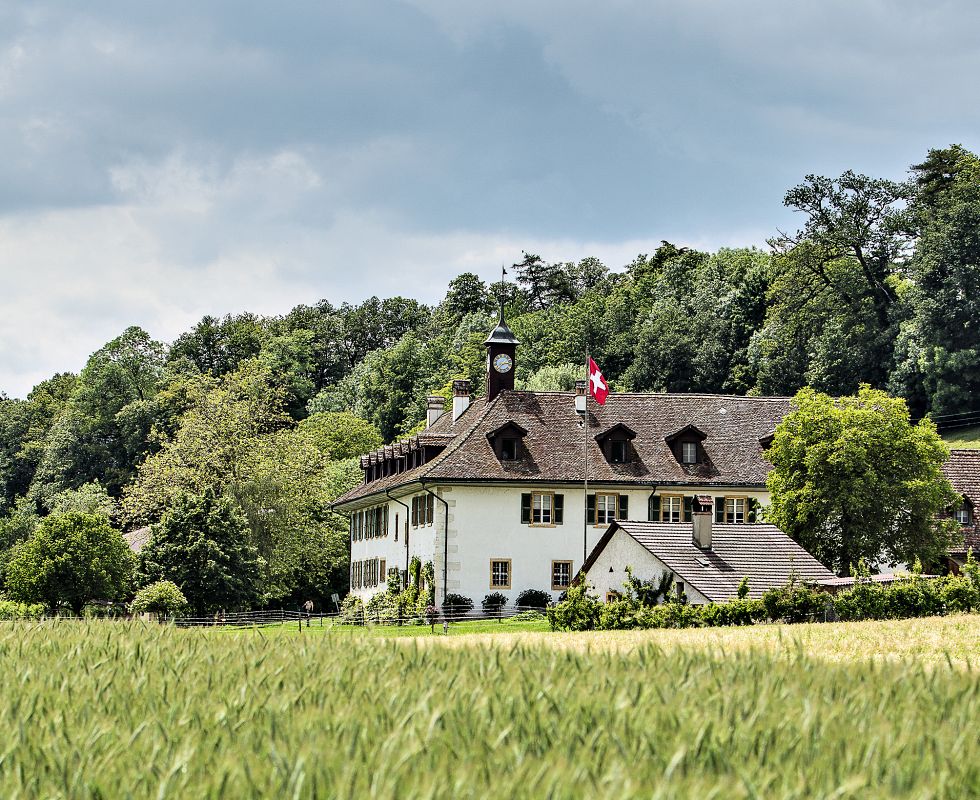
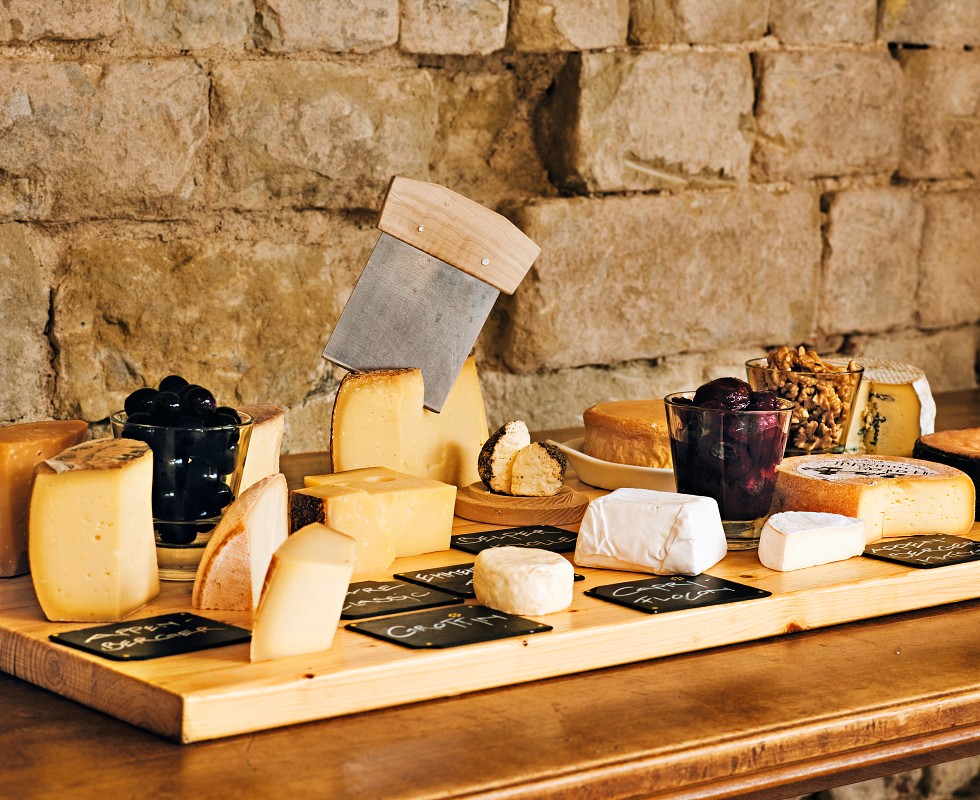
This was once a Cluniac monastery, and its history reaches back to the twelfth century. Today it operates as a hotel that combines modern style with monastic simplicity. It has 13 distinctive rooms, each designed to let guests experience a different era.
Set on St. Petersinsel (St. Peter’s Island) in Lake Biel, this monastery hotel is all the more special, and it was named “Historic Hotel of the Year” in 2010. The hotel’s restaurant cooks with fresh ingredients sourced nearby, including fish caught in Lake Biel and meat and vegetables supplied by neighboring farms, creating dishes rooted in the history, culture and traditions of the island.
How to get there: From Bern, take a train and change at Biel/Bienne, then get off at Tüscherz. From there, take a boat to St. Petersinsel Nord. The hotel is a 10-minute walk away.
Reservations: www.ile-saint-pierre.ch
Abbaye de la Fille-Dieu
Abbaye de la Fille-Dieu
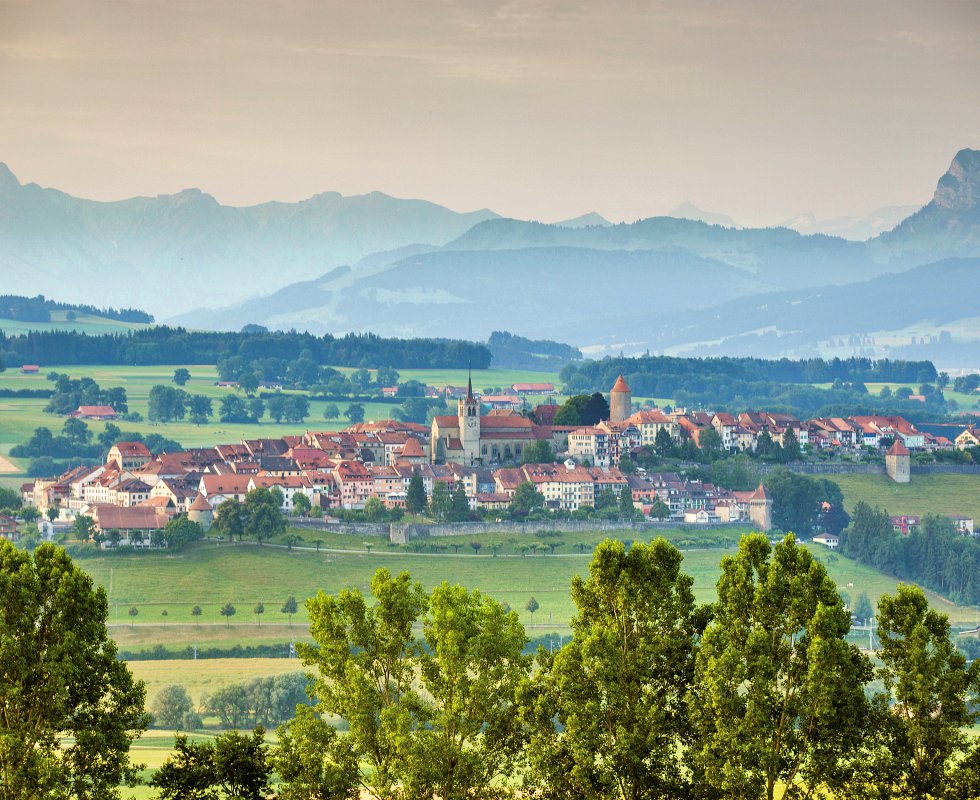
The Abbaye de la Fille-Dieu sits along the Camino de Santiago and welcomes travelers who have fled the bustle of daily life in search of calm and quiet. Located in Romont in the canton of Fribourg, it is a peaceful refuge for women who want to recharge at a source of silence. Built in the thirteenth century, it was originally run by Cistercian nuns and came under the Trappists in 1906. Anyone can spend a night here, stroll through the beautiful gardens and see how the nuns live.
The abbey’s shop is a must-visit, because it sells what may be the best mustard in the world. It is a local specialty made from an old recipe invented at the abbey. The bread baked by the sisters is excellent as well. With its Catholic traditions and rich architectural heritage, the abbey is also counted among the spiritual places of the Fribourg region.
How to get there: Take a train from Lausanne to Romont, then walk about 20 minutes. Alternatively, take a bus and get off at Romont FR, Electroverre; the abbey is about a 5-minute walk away.
Reservations: www.fille-dieu.ch
Kartause Ittingen in Warth
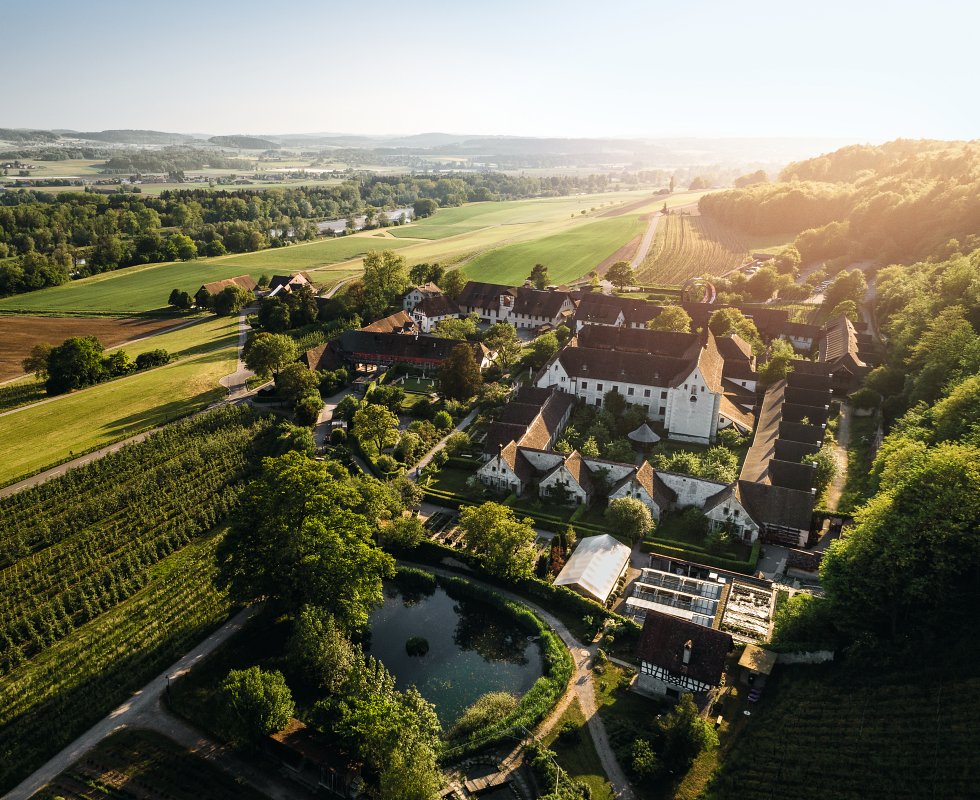
Here is a chance to immerse yourself in an atmosphere that sparks true creative inspiration. The quiet of an old monastery, surrounded by unspoiled nature and carefully tended gardens, feels like a magic spring from which new ideas bubble up. Once a monastery, it is now a superior three-star hotel. It overlooks the landscape of the Thur River, and both Frauenfeld and Lake Constance (Bodensee) are only minutes away.
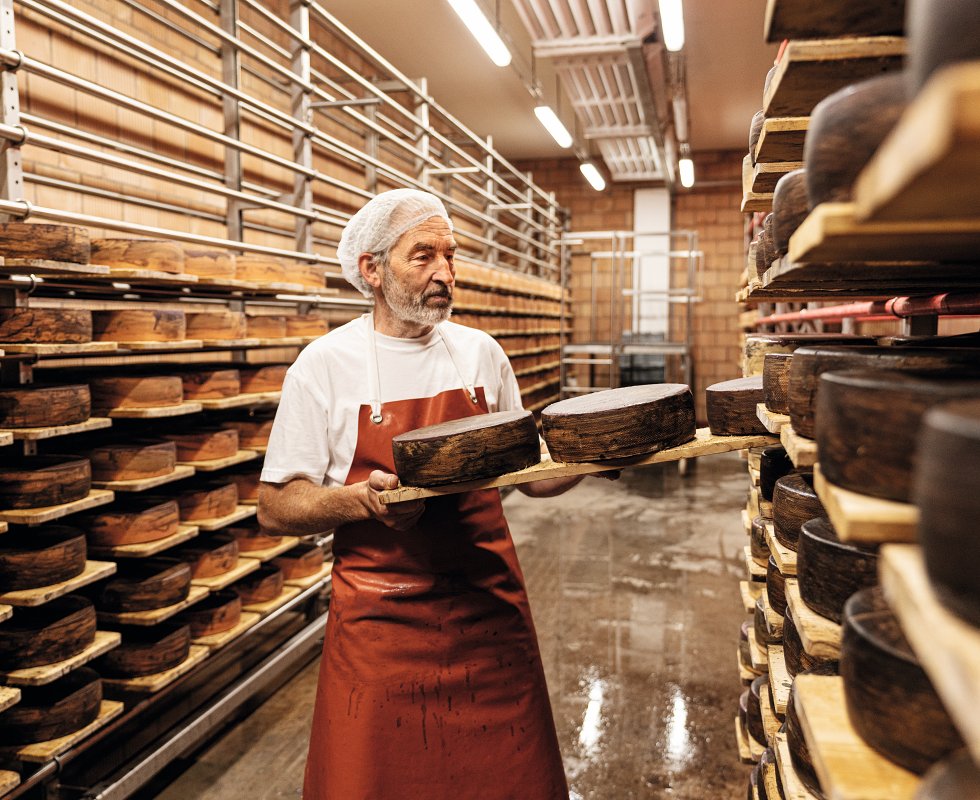
The hotel has 68 simple rooms with an appealing modern feel. Historic rooms, a farm and extensive gardens come together in a pleasing harmony. The restaurant and farm shop offer products grown on the hotel’s farm, such as bread, cookies, flowers, meat, vegetables, cheese and wine. Amenities include a bowling alley, a billiard room and an outdoor chess court. A range of programs is also offered, including forest fondue, cheese making, guided cellar tours with tastings, monastery and garden tours, visits to the Thurgau art museum, walks in the Ittingen forest reserve, and meditation.
How to get there: Take a train from Zurich to Frauenfeld station, then change to a bus and get off at Warth. The hotel is just a 10-minute walk away.
Reservations: www.kartause.ch