Stand Alone and Be Bold — Living Alone, According to Travel and Lifestyle YouTuber Shin Aromi
An interview with travel YouTuber Shin Aromi, author of the new essay collection ‘How Am I Supposed to Live So Well on My Own,’ about her journey toward finding a way of life she can live well on her own.
Stand Alone and Be Bold — Living Alone, According to Travel and Lifestyle YouTuber Shin Aromi
Shin Aromi, a travel YouTuber with 200,000 subscribers, backpacks through the Maldives — a destination best known for honeymoons — and shows off her life after buying a stand-alone house in the countryside to live by herself. Her everyday life, where doing everything solo seems to bring her the most joy, closely mirrors the title of her recently published book.
Interviewer Parc Jinmyoung
Interviewee *Shin Aromi
Photos Hong Duri
In collaboration with 1 Euro Project
* A YouTuber who runs the channel ‘Shin Aromi,’ named after herself, mainly covering travel and daily life. She also manages a finance-focused channel called ‘Making Money Lying Down,’ bringing her total subscriber count to roughly 350,000.
Your first essay collection, ‘How Am I Supposed to Live So Well on My Own,’ has just come out. How have things been lately?
It’s been an overwhelming few days. Topping the overall bestseller chart at a major bookstore is honestly astonishing. My book beat Fu Bao!
Running your YouTube channel for so long, you must have gotten plenty of offers to publish an essay collection.
There were quite a few, actually. In fact, a while back, the publisher I ended up working with on this book (Bookrum) offered to publish something with me. Their editor happens to be a subscriber of mine, so it doesn’t get much better than that. But I wanted to plan the book myself, pitch it around, and see firsthand how people would respond. When I told the publisher how I honestly felt, they said they understood. I wrote up a proposal in a single day and sent it to five major publishers. Naturally, I got rejected by all of them (laughs). Looking back now, the proposal was so sloppy it’s obvious why they turned it down, but it was still a good experience. Without any regrets, I signed with Bookrum, who had reached out to me first in the first place. I could have just said yes right away, but I guess my personality just makes things unnecessarily complicated (laughs).
You’ve made a variety of video content around the theme of living well on your own. How is this book different from your videos?
I’ve been traveling for over ten years now, and in the end, I realized that living itself is a kind of travel. What matters more than where you go is the mindset you bring there, and what you hope to gain from the experience. For me, travel has become a process of figuring out how to live. So the videos I make are focused on sharing the thoughts I’ve had while traveling. I think of my channel as a space where I share concerns with my subscribers. Since most of my subscribers are women in their twenties and thirties, the main concerns are usually about marriage, career, and the tension between the two. You could say this book is a sharpened, organized version of the conversations I’ve had with them all along.
Is there a particular audience you’d especially recommend this book to?
Honestly, whether you’re dating or married, everyone’s ultimate goal is to live well. I’d recommend it to anyone who wants to be happier and live better.
You started your YouTube channel with content about international couples, and it’s interesting how it evolved into a channel mainly about living alone.
I’ve always loved documenting things, so I kept a blog regularly even back when I was an office worker. And I like putting myself out there and sharing my story even more (laughs). At first, at a friend’s suggestion, I started making videos about my relationship with my German boyfriend at the time, and that’s how I ended up here.
Aside from sponsored travel content, there isn’t much advertising in your videos. Is that intentional?
Yes, that’s right. My younger sibling kept buying products advertised by YouTubers and influencers. I didn’t want people to open their wallets just because they saw something in my videos, so I started avoiding product ads. The one exception was an ad for a product that donated a portion of its sales to the halmoni survivors of Japan’s wartime sexual slavery.
Where does this strong sense of principle come from?
My fortune, I guess. Apparently I was just born this way (laughs). I want to use whatever influence I have in a better direction. Recently I was watching TV, and they brought up the three greatest influencers of all time. Who do you think they picked?
Hmm, Jennie from BLACKPINK?
I was thinking of Kylie Jenner, actually. But on that show, they picked Jesus, Gandhi, and Buddha as the three greatest influencers. Watching that, I thought people these days treat the word ‘influencer’ far too lightly. Ad revenue is like a salary for YouTubers, but I think what matters more than income is having a positive influence.
You put together an e-book with hotel information gathered during your month-long stay in Chiang Mai. Why did you choose to publish it as a book instead of a video?
When you travel, there are moments when you wish you could have an even better experience. I wanted to share the information I gathered during my 70 days traveling around Chiang Mai, Thailand, with the people who really needed it. If I made all that information fully public for anyone to see, it could take away the exclusivity of hotel memberships or undermine the value of small-scale personal training sessions, so I made it into a book instead. YouTube does have a paid subscription service, but I thought text would work better than video for this, and I liked that Notion let me update and add content in real time, so I published it there. Once I compiled everything — from tips on staying at a luxury hotel worth over 1 million won a night for just 180,000 won a month, to information on one-on-one personal training offered by hotels — it came out to 78 pages. I ended up pausing sales because I was flooded with inquiries. The response was explosive.
In a Q&A video two years ago, you named the Maldives as a country you’d like to visit again. Any particular reason?
It was so good that I regretted ever thinking of the Maldives as just a honeymoon destination. People tend to assume it’s expensive, but that’s really only true of the islands with luxury resorts — the islands where locals actually live aren’t like that at all. You don’t even need to stay at a lavish resort, since once you’re in the water, it’s the same Maldives either way. There are plenty of decent hotels for around 50,000 won a night, and dining out costs about the same as it does in Seoul. It’s such a great country to travel in that I regretted ever thinking you needed a major life event like marriage as an excuse to go.
It sounds like there are a lot of other destinations where your preconceptions were overturned.
Traveling has a way of humbling you again and again. Before I went to Pakistan, I had this strong sense that it would be dangerous, but experiencing the warm hospitality of the locals dissolved my prejudice against Muslims. In Sri Lanka too, I remember being moved by how selfless and unassuming the people were.
What kind of destinations tend to draw you in?
I like seeking out the places locals actually go, the way people in Seoul head to Yangpyeong on weekends.
How do you discover destinations like that?
I just throw myself into the local scene. One time, a friend I’d met by chance said she was visiting her aunt’s place, so I tagged along. I got to eat home-cooked meals and observe the family’s daily life, and it was fun piecing together the local culture and character like a puzzle.
Do you have any tips for sustainable travel that’s your own?
I think I always try to leave something unfinished. I don’t feel like I have to go everywhere everyone else goes, so I try not to be too greedy about it. Most office workers have short vacations, so they try to experience as much as possible during their trip. I used to be the same way. But traveling like that, you burn out quickly. Looking back, I think the reason I’ve been able to keep traveling for over ten years is that I always leave a destination with something left to long for.
Do you ever travel without a camera?
No, that almost never happens. Whenever I travel somewhere, I always want to film it. If anything, I tend to want to capture everything on video, so there are plenty of scenes I haven’t even been able to upload to YouTube. If I imagine traveling without a camera, it sounds unbearably dull. Talking to the screen feels like having a conversation with my subscribers, and that’s genuinely fun for me. At this point, for me, traveling includes everything from setting off somewhere to making the video about it.
Making videos is work in itself, so I imagine burnout could be an issue.
There isn’t really any stress that comes from running a YouTube channel. Of course, there are times I don’t feel like editing. My friend once told me I was crazy after seeing me laughing to myself while editing at dawn. My videos are so fun to me that I always end up laughing while I edit. When I make travel videos, it feels like I get to travel two or three times over. It’s like when you’re cleaning your room and get distracted looking at old belongings or letters—while editing, I end up reaching out to friends I met during the trip. That’s why editing tends to take me quite a long time.
Do you have your own routine when you travel?
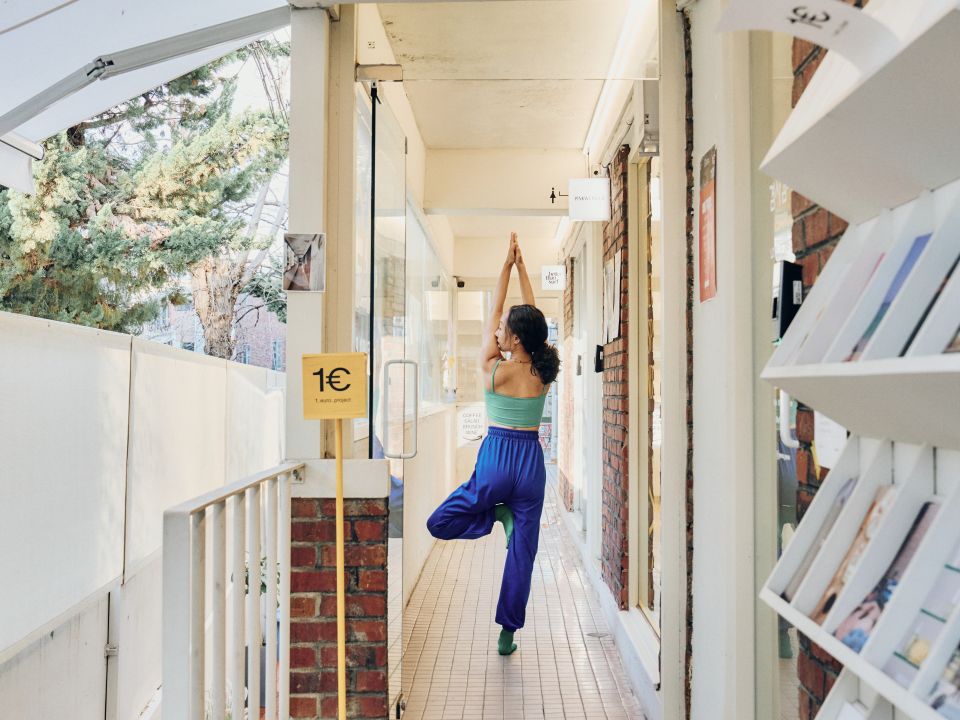
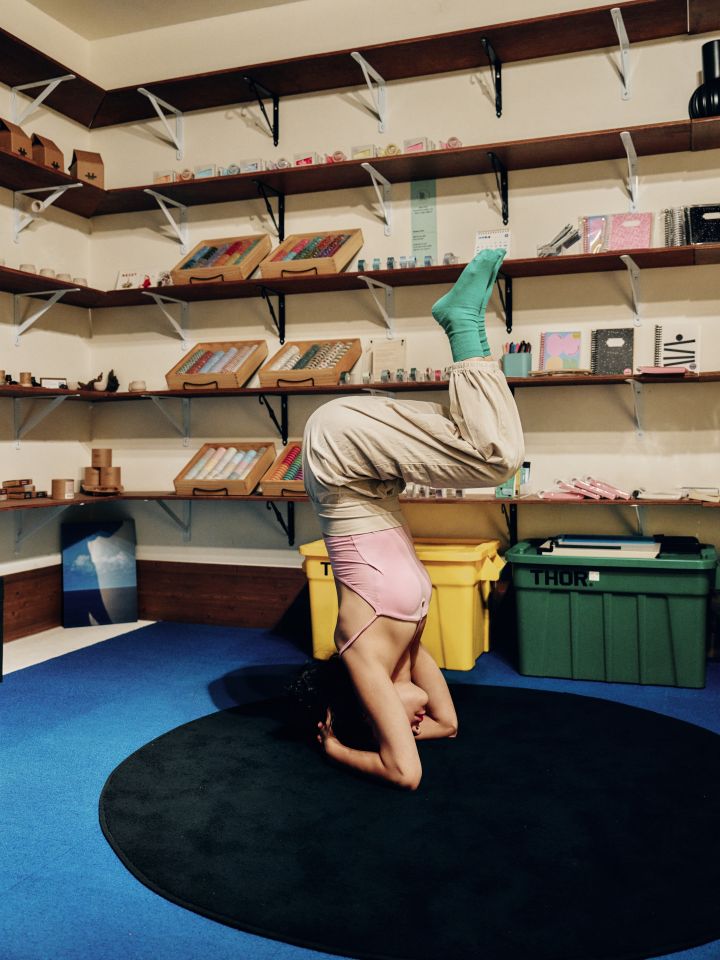
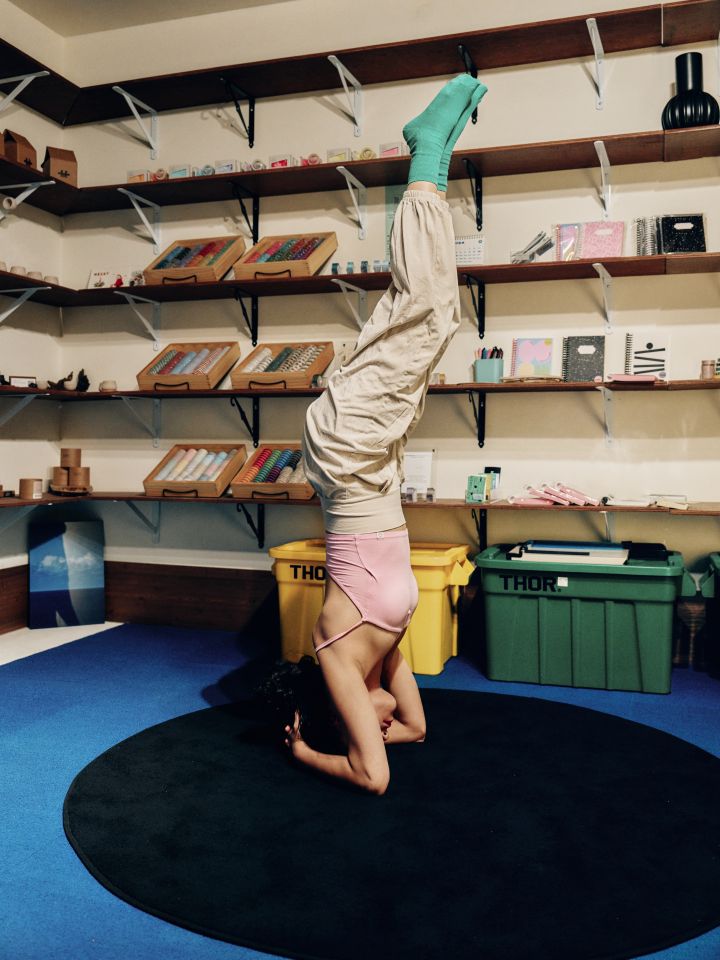
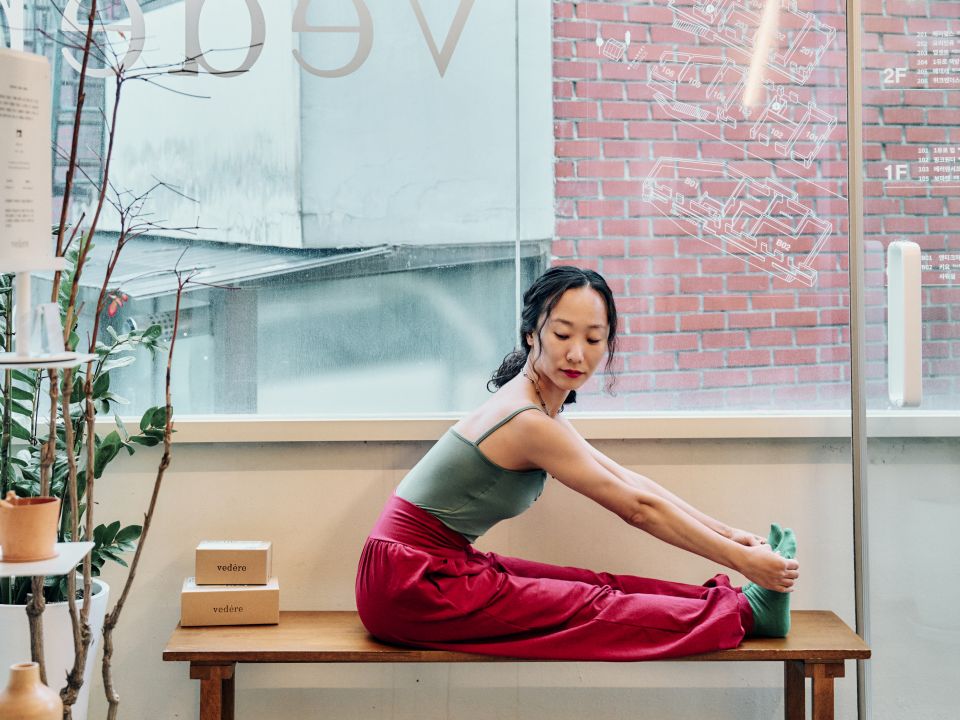
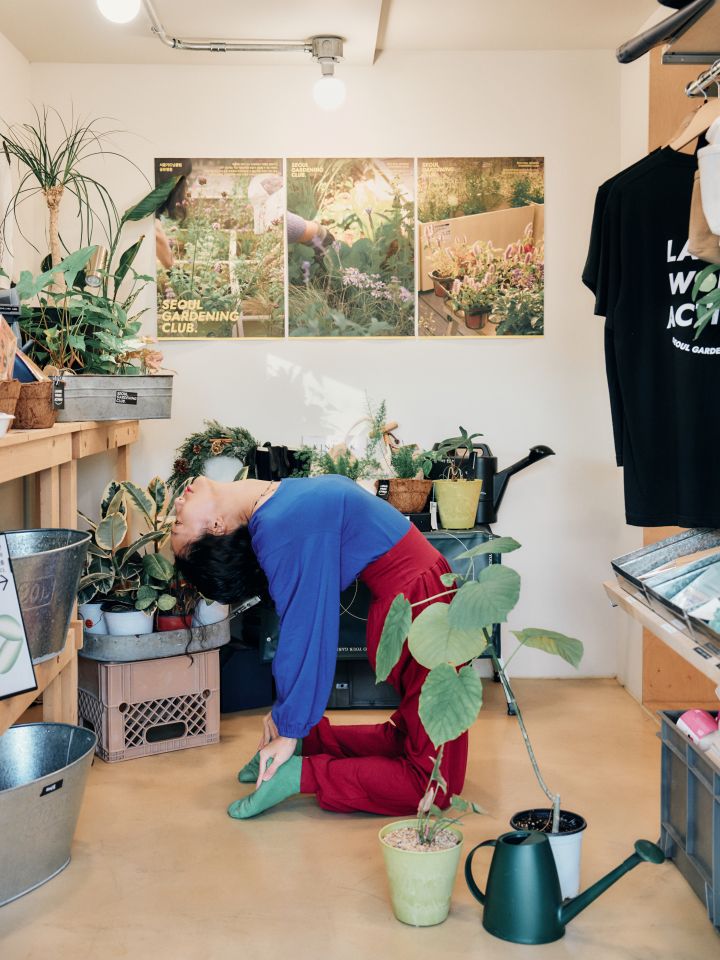
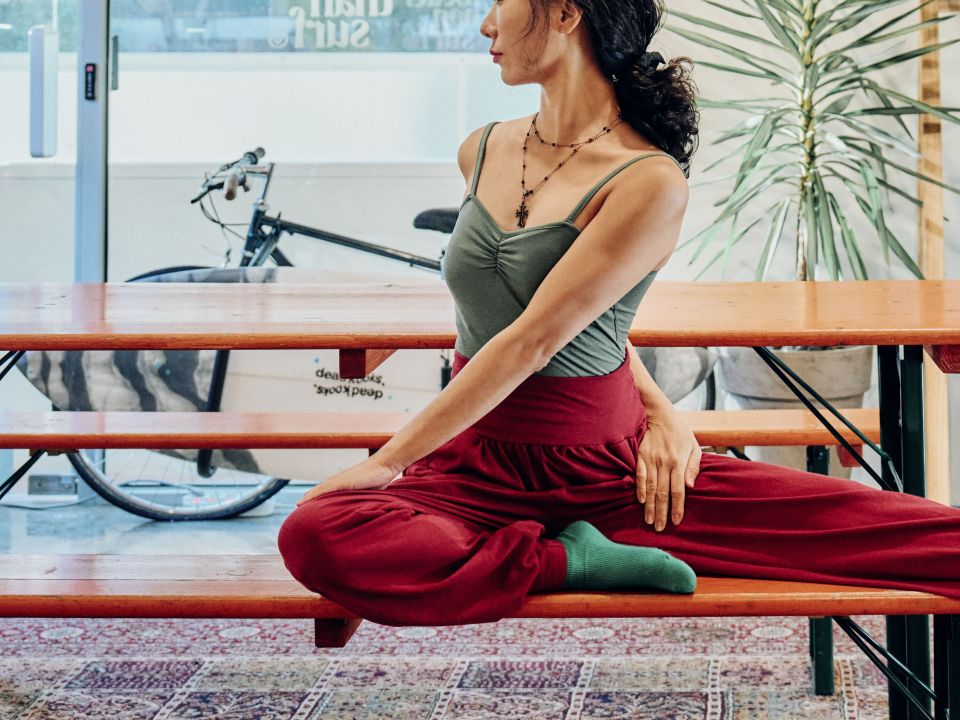
I didn’t used to, but ever since I got into yoga, I try to visit a local yoga studio wherever I go. It’s also a great way to get a feel for the local culture and atmosphere. In hot countries like Taiwan or Thailand, if you can’t quite keep up during class, they tell you not to push yourself and just rest instead. I find experiences like that really interesting. In Korea, most yoga instructors will say, ‘No, you can do it,’ and push you through hard training even if you can’t hold a pose. My current yoga teacher basically rebuilt my body that way (laughs).
What made you start doing yoga?
Once I started living in the countryside with no connections at all, there wasn’t much occasion for conversation. I figured my social skills would only get worse, so I thought I should at least exercise, and that’s how I ended up at a yoga studio. But even doing yoga, I barely talked to anyone—you just greet each other with ‘namaste’ at the beginning and end of practice (laughs). Still, I liked the teacher’s style, so I started going five days a week and ended up making friends in the neighborhood.
Did you start meditating around the same time?
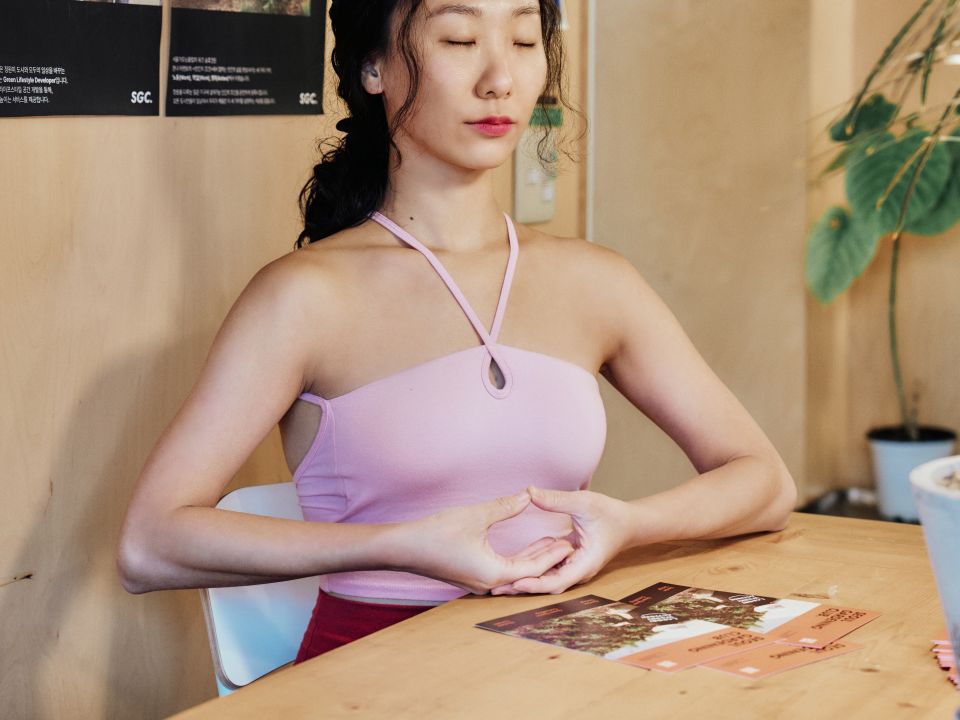
I started meditating quite a while before that. It was about four years ago, while backpacking through Myanmar for a month. I was talking with someone at a hostel who mentioned she was going to a meditation center. Since I was interested in meditation too, I said I’d like to come along, and she said, ‘That’s not a place just anyone can go to.’ I scoffed and called the center myself. When the staff member asked what country I was from, I said Korea, and after a brief pause, they told me to come. That’s how I ended up at the famous *Mahasi Sasana Yeiktha Meditation Centre. The friend I met at the hostel had booked a spot a month in advance. I ended up there almost by accident.
I only knew the Mahasi Meditation Center as a place that feeds and houses budget travelers.
It’s actually renowned for vipassana, one of the oldest meditation practices from India. The meditation most of us are familiar with is about clearing your mind of thoughts. But there, they told us to close our eyes and think, and that we’d have to observe ten days of silence—I was genuinely thrown off. I went in knowing absolutely nothing about the true nature of meditation. It ended up being a great experience for learning it properly.
You also hold a meditation instructor certification.
I studied for it during the pandemic, when I couldn’t travel. I thought it would be nice to make myself useful to people who work alone or are going through a hard time mentally.
You also run a YouTube channel about finance called ‘Making Money Lying Down.’
It originally started as a travel channel made by four people working in the travel industry. When the group disbanded during the pandemic, I was left with another travel writer—just the two of us—talking about saving money, and it occurred to us: what if people without much financial knowledge made videos about finance? It’s a channel where we talk about money in a casual way, covering everything from saving a lump sum through working holidays to filing comprehensive income tax and hobbies that can actually make you money.
What’s the biggest change in your life since starting YouTube?
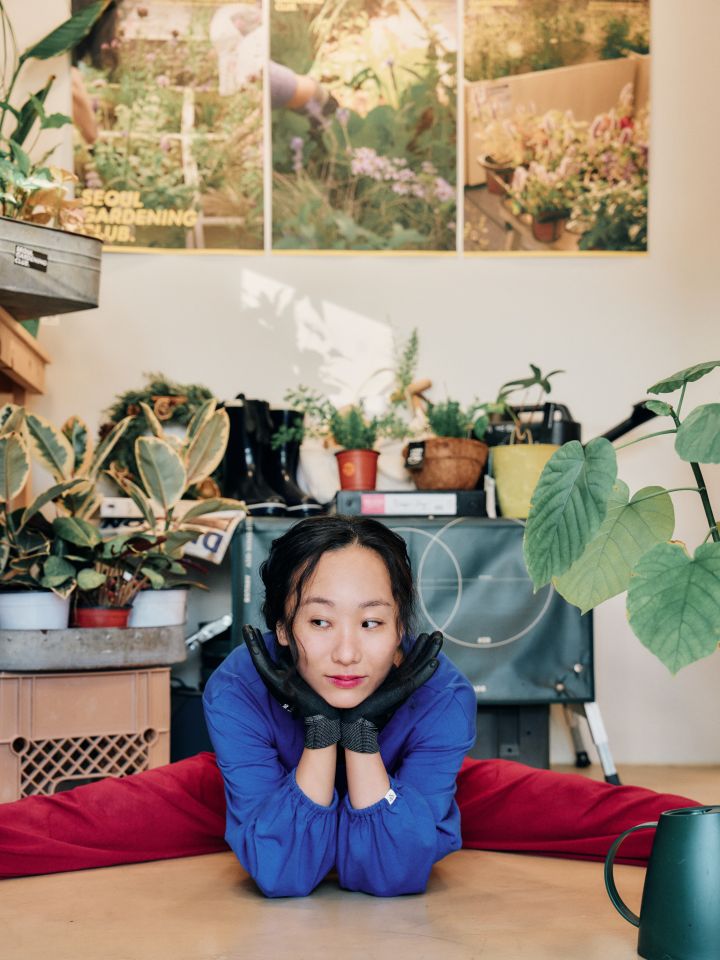
I’d say buying a detached house in the countryside. It used to be my grandparents’ home, and even right up until I saw the remodeled result with my own eyes, I wasn’t fully convinced about living alone in the countryside. I always preferred the countryside to the city when traveling, but actually living somewhere is a different matter. Once I tried it, though, I loved it. There’s a real sense of accomplishment in solving problems on your own in a place where you can’t predict what’s going to happen.
Had you ever lived in the countryside before?
No. I’d never left Seoul in my life before that (laughs). Being in the countryside feels like traveling. Unlike the frantic pace of the city, the calm, quiet rhythm of rural daily life leaves room to quietly reflect on what I like and how I want to live.
These days, a lot of people feel emotionally distressed if they don’t feel a sense of belonging. Many also struggle just to spend time alone.
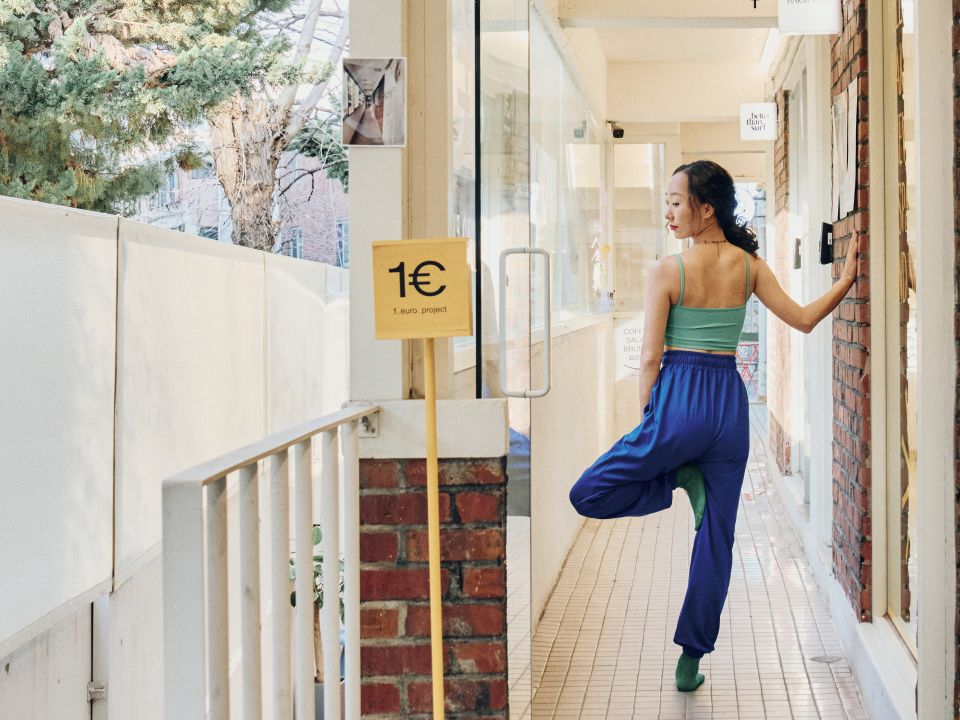
I think it’s the opposite for me—I struggle with doing things together with someone else. Whether it’s traveling or anything else, doing it alone lets me move efficiently and quickly. That’s also why I got into yoga. Yoga doesn’t require you to be especially good at it, and it has no particular goal, but it helps you focus on being a little better today than you were yesterday.
You seem satisfied with life in the countryside.
Because there’s nothing I dislike about it. Most people try to figure out what they like. I found that too difficult, so I did the opposite—I figured out what I disliked instead. I make a real effort not to do things I don’t want to do. I hated commuting to an office, so I figured out ways to make money without holding a regular job, and I hated crowded public transportation, so I chose to live in the countryside instead.
Do you think Shin Aromi’s journey to independence is complete?
I think I’ll keep wandering in search of things I love. I’ve already decided how I want to live, so within that, I want to spend my whole life happy, doing things I enjoy. My dream is to be a grandmother who’s really good at yoga—the kind who shows her neighborhood friends a pose and teaches them the trick to it. I also want to stay good with electronics as I get older. A few days ago I bought my mom a robot vacuum, and she couldn’t really figure out how to use such a great thing (laughs). If I keep building the courage to try whatever’s in front of me without fear, I think I’ll be able to keep living well on my own from here on out.