Solo Traveler’s Tokyo Guide — Exploring Tokyo on Your Own
A solo trip to Tokyo, made for slow half-days. Three spaces worth settling into: the Haruki Murakami Library, TSUTAYA T-Site in Daikanyama and Toshimaen Niwa no Yu.
Solo Traveler’s Tokyo Guide — Exploring Tokyo on Your Own
A solo traveler’s day is long. If you’d rather skip an itinerary that wears out your legs and spend half a day lingering in a wonderful space, or if you simply want to enjoy your own company, here are three solo spots in Tokyo we recommend.
Words & Photos Ryu Sunwoo
Haruki Murakami Library
The Haruki Murakami Library
What Is It?
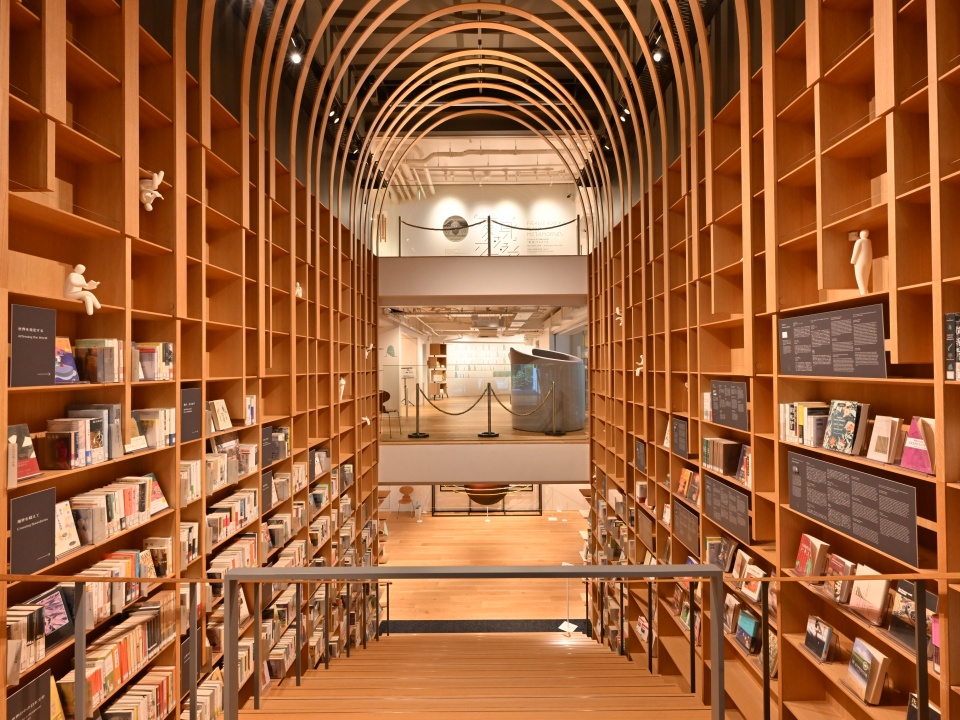
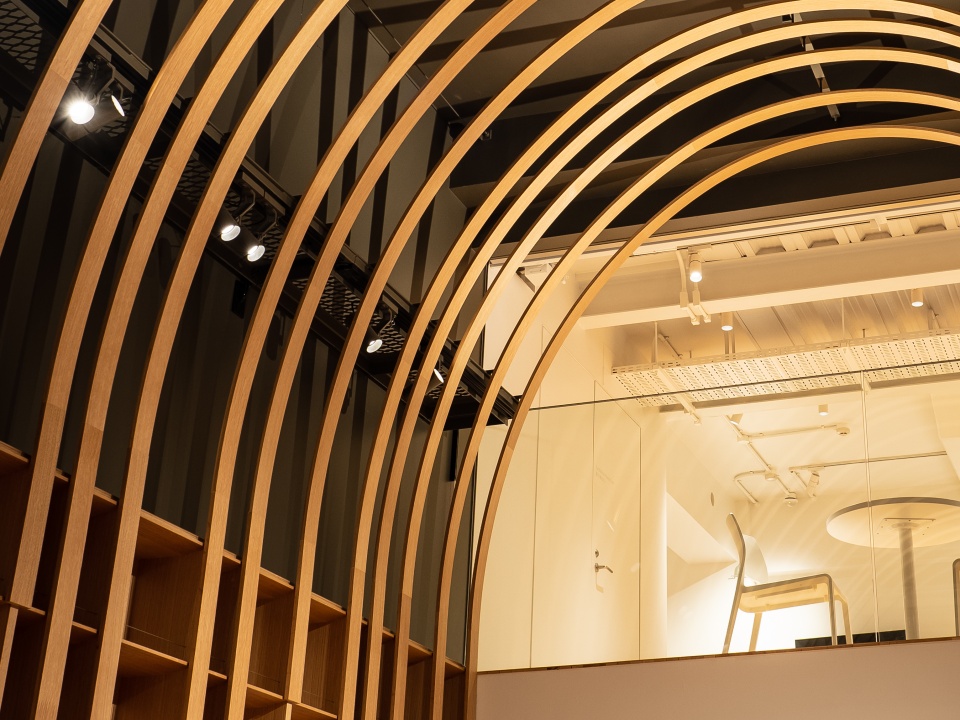
This library sits on the campus of Waseda University in Tokyo, Haruki Murakami’s alma mater. Its official name is the Waseda International House of Literature. It was realized thanks to Murakami’s wish that a library should go beyond its stuffy image and become an international hub for cultural exchange. It holds every one of Murakami’s works published in Japan, along with translations in many languages. That’s not all. First editions, handwritten manuscripts, and rare items such as the CDs and records collected by the well-known jazz devotee are all here. The striking space was designed by architect Kengo Kuma, who drew on Murakami and his novels. With a listening room, a café, and exhibition spaces, plus university events and jazz performances, it feels more like a cultural center than a library. You can enjoy Kuma’s beautiful architecture and spend time just for yourself in the romantic atmosphere of jazz and literature, so it’s worth a visit even if you’re not a Murakami fan.
How to Enjoy Half a Day
We suggest having breakfast first and arriving when the library opens at 10 a.m. Get off at Waseda Station or Nishi-Waseda Station, and as you walk you’ll blend naturally into the stream of students heading to class. Feeling the fresh, green energy of a university campus, you may find yourself setting aside your traveler status for a moment and feeling like a student. You won’t struggle to find the library, either. When you see a building wrapped in a wooden installation that evokes waves, open the door without hesitation.
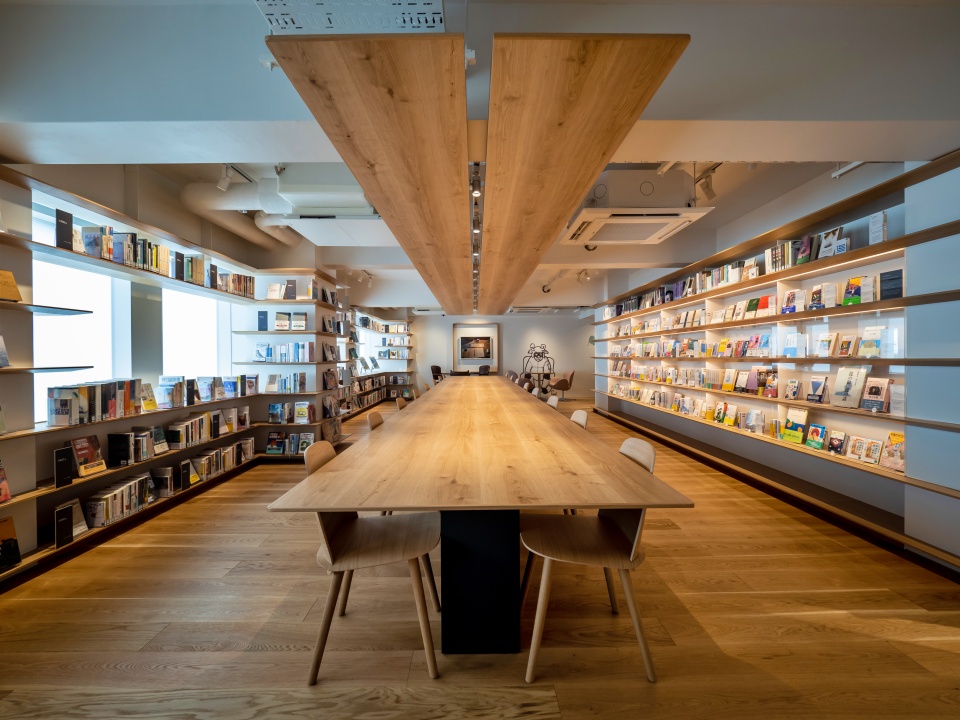
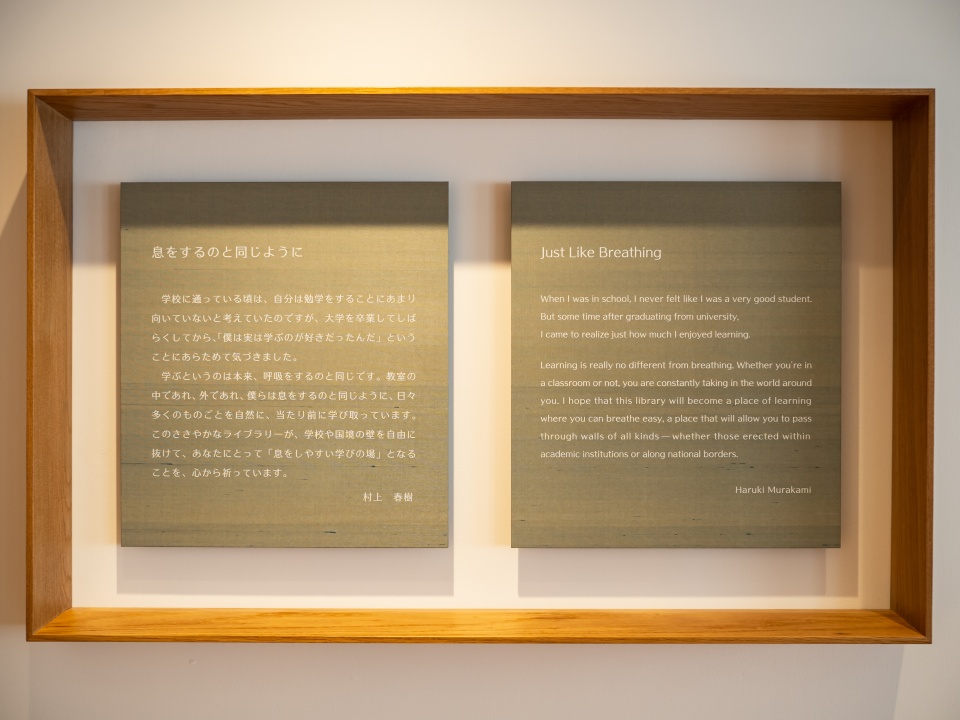
Arched bookshelves on both sides of the stairs, shaped like a tunnel, catch your eye right away. Visitors can sit freely on the steps and read books from the shelves. The collection includes works by Raymond Carver and other English-language authors whom Murakami translated into Japanese or who form his literary roots. You can also sit at the wide wooden desks in the upstairs reading room and do some studying of your own. As a line from Murakami in a framed piece on the wall puts it, “Learning is like breathing.”
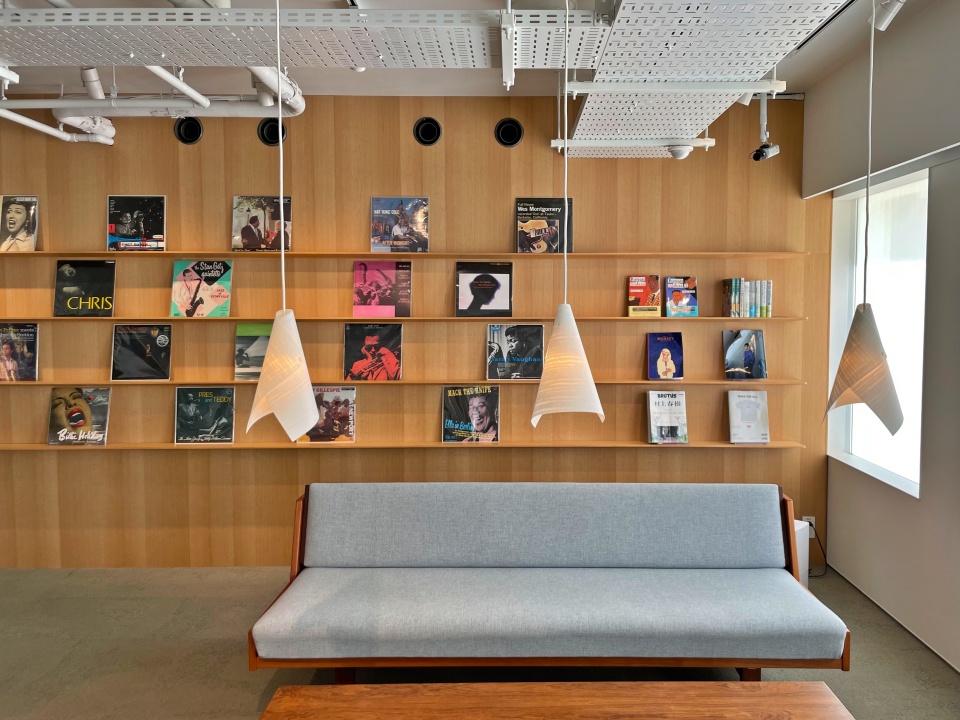
In the reading room, jazz from records and CDs that Murakami collected himself plays through JBL speakers. The desks and sofas that Kuma sourced from Nordic vintage furniture shops for this space, paired with records in beautiful sleeves, put you at ease. The sound system is set up just like the audio equipment Murakami uses at home, and the jazz is so pleasing that you lose track of time. It’s lovely to sit quietly and simply listen to music, or to read.
Tip
Café Orange Cat on the library’s first basement floor takes its name from Peter Cat, the jazz café Haruki Murakami ran during his student days. It serves coffee and drinks as well as meals, so if you get hungry while wandering the library, you can grab a bite here. Live jazz performances are sometimes held, so check the day’s events and you may get an unexpected treat. The exhibition room regularly hosts literature-related shows, which doubles the sights for book lovers. The library is closed every Wednesday and during the university’s vacation periods.
Tsutaya T-Site
TSUTAYA T-Site
What Is It?
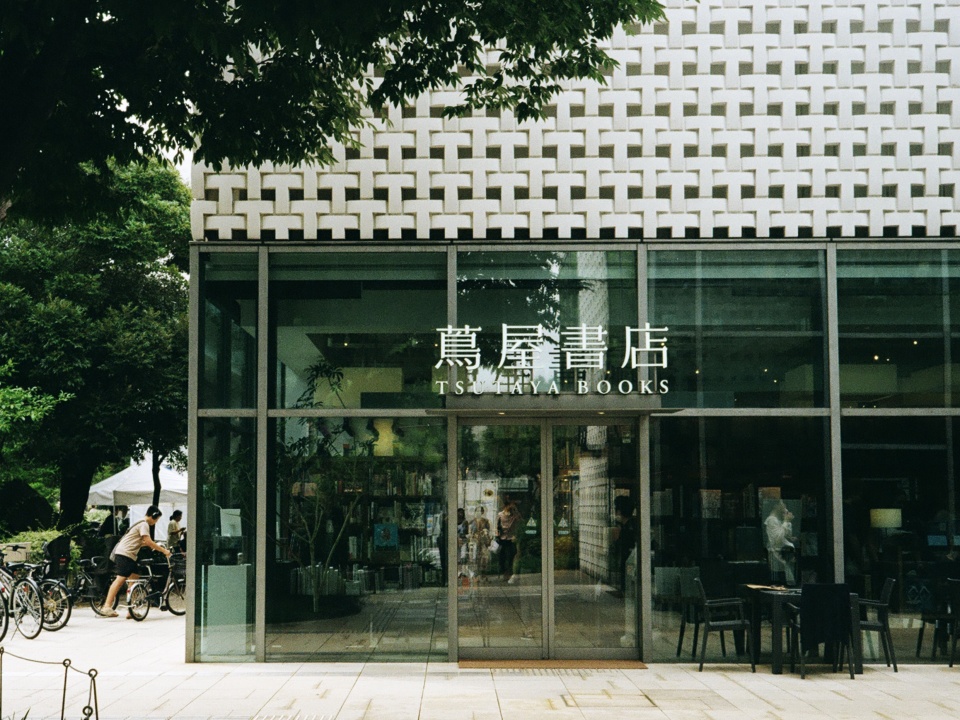
TSUTAYA T-Site is an expanded version of the Tsutaya bookstore. Tsutaya began as a rental shop for books, music, and DVDs, and today it is a company with branches well beyond Japan. It’s best described as a bookstore that refuses to be just a bookstore, a cultural platform in its own right. The T-Site in Daikanyama in particular draws attention as a multicultural complex that goes a step further than the standard Tsutaya bookstore. Billed as a “library in the woods,” it was designed with input from nearby residents, and it was born as a neighborhood-friendly space. Anyone can drop in for a coffee, take a stroll, and browse curated books and goods. A place loved by locals tends to be appealing to outsiders, tourists included. TSUTAYA T-Site in Daikanyama has become a landmark that ranks among the must-visit places on a trip to Tokyo.
How to Enjoy Half a Day
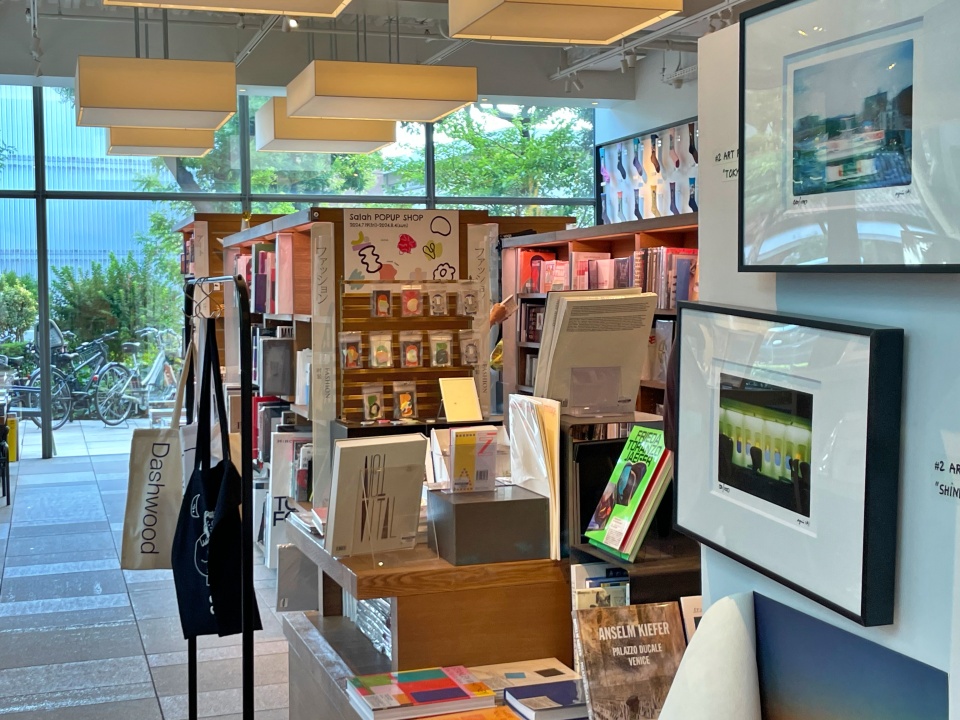
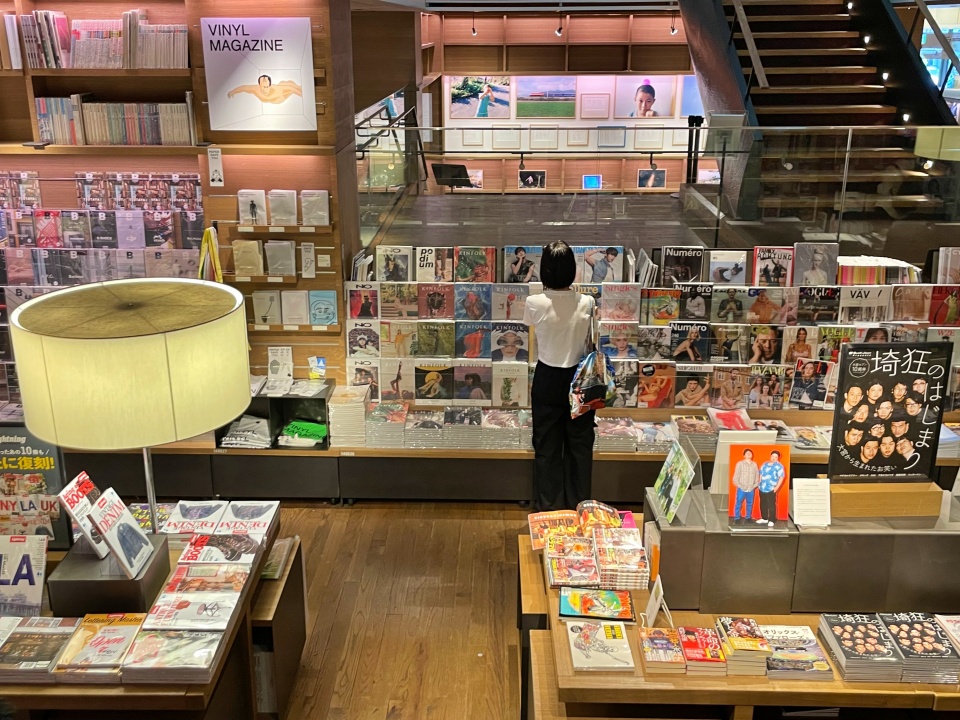
Of the roughly 1,400 Tsutaya branches in Japan, there’s a clear reason to head to the Daikanyama store. Surrounded by landscaping like a library in the woods, its three connected buildings house Tsutaya Books, the co-working space Share Lounge, a Starbucks, Anjin Lounge, where you can read while eating and drinking, and Magazine Street. You can see, drink, and enjoy everything in one go.
Step into the bookstore and you can almost hear it say, “There’s bound to be at least one thing here that interests you.” It covers everything from literature and the humanities to hobbies such as cooking, travel, and cars. Stationery and merchandise, which you’d usually find huddled in one corner of a bookstore, are placed by theme next to the specialist books, adding to the fun of browsing.
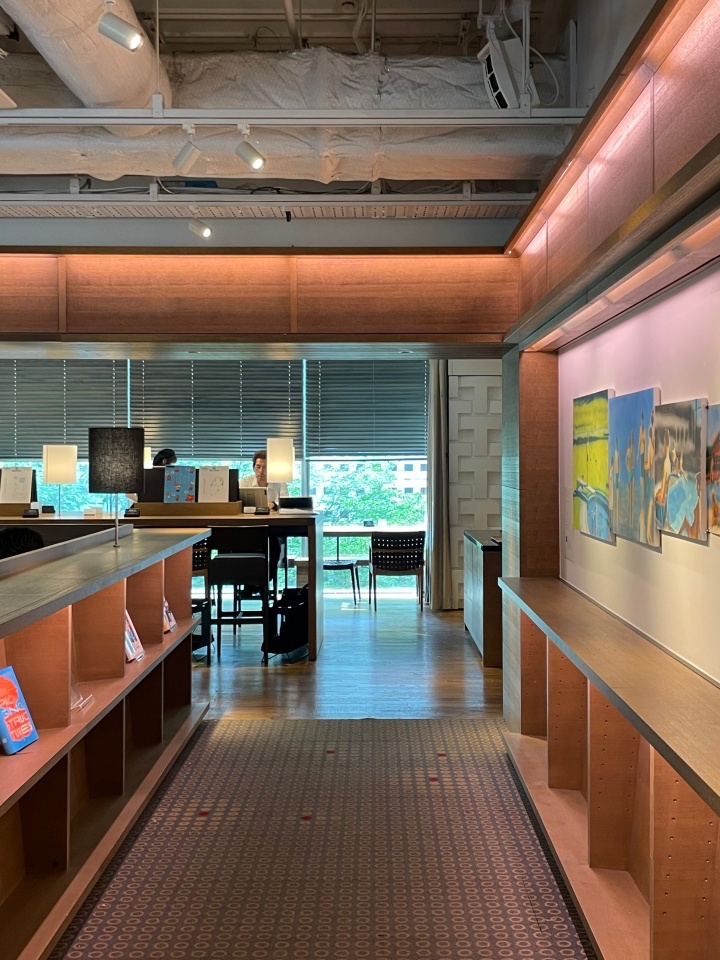
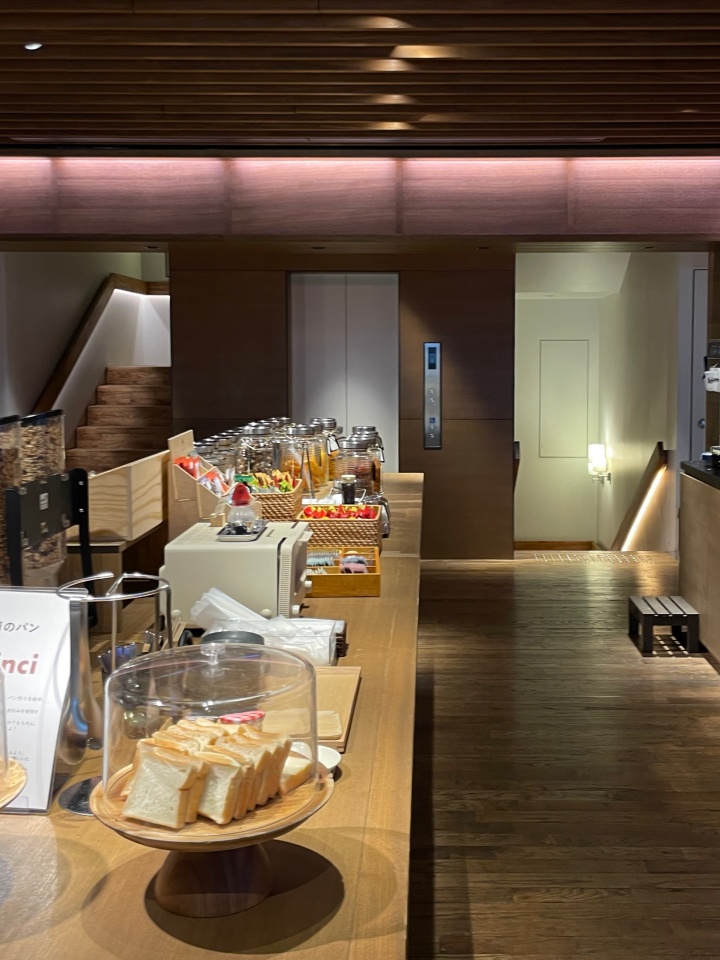
One floor up from the bookstore, you shouldn’t miss Tsutaya Share Lounge either. It’s a space that gets the best of both worlds: the comfort of a hotel lounge and the privacy of a personal study. Sunlight filters softly through the floor-to-ceiling windows, and the wooden interior with warm yellow lighting makes you want to stay. Pay an hourly fee and you can choose any seat you like, with free access to the snack bar. Alcohol, including draft beer, bottled beer, and wine, costs extra.
From video conference rooms to desks by airy windows and sofa seats as cozy as home, there’s sure to be a spot that feels right. Essentials for travelers, such as chargers and high-speed Wi-Fi, are well covered. You can dive into some of the roughly 3,000 books in the lounge, call family or friends for a bit, or take time to organize your plans before heading to your next destination. The snacks at the snack bar are perfect for staving off boredom. If you’re tired of wandering alone, why not find a corner of your own and spend some time here?
Tip
Instead of Daikanyama Station, get off at Nakameguro Station and walk. It takes about 10 minutes. Along the way you’ll stumble upon views of the Nakameguro riverbank, Japanese houses lining an uphill road, and railroad tracks, and you’ll pass vintage shops, roastery cafés, and select shops. Tsutaya Share Lounge can be booked in five-day or monthly passes, so we highly recommend it to solo travelers planning a workation. Reserve in advance through the online app and you’ll get a 10 percent discount.
Toshimaen Niwa no Yu
豊島園庭の湯
What Is It?
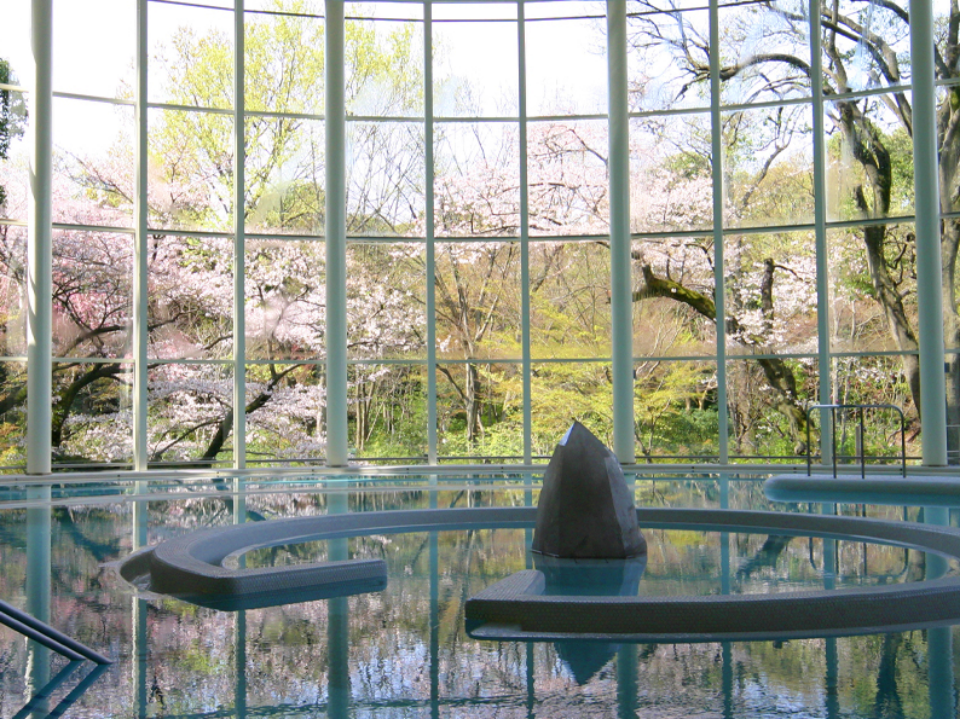
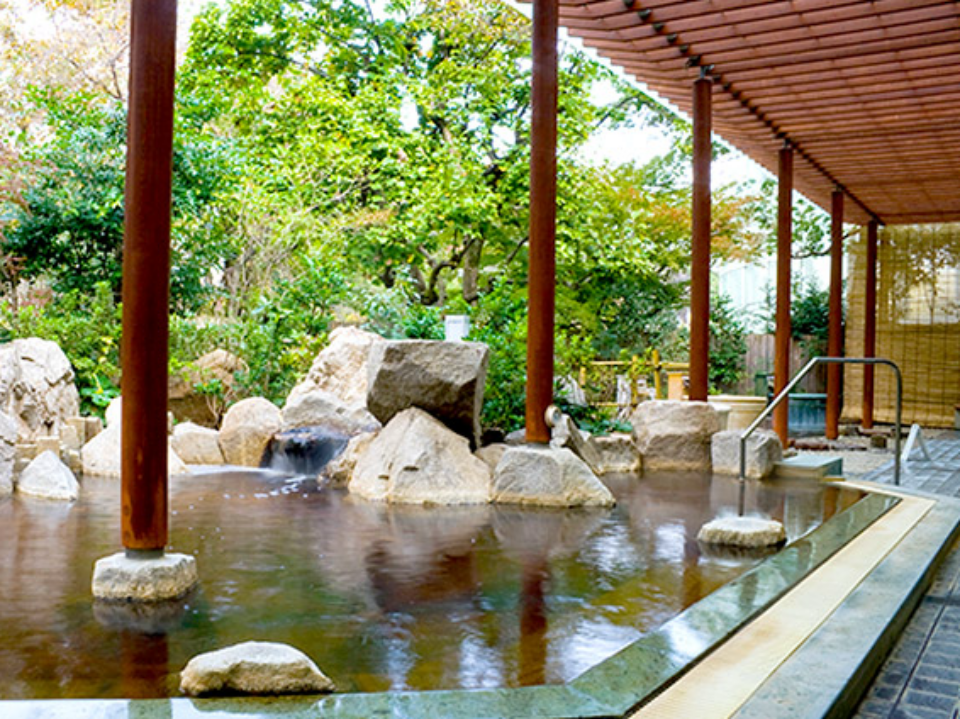
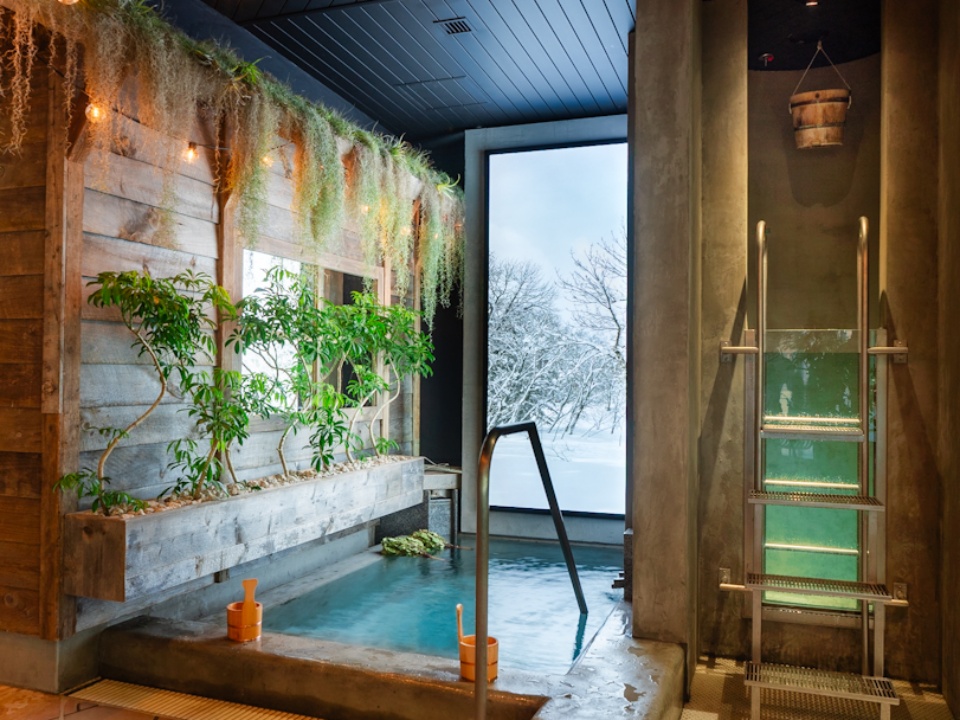
Toshimaen Niwanoyu (Niwanoyu, for short) is a hot spring complex in Nerima Ward, in northwestern Tokyo. It sits at one edge of Nerima Castle Ruins (練馬城跡) Park, the site of a 14th-century castle. True to its name, which means “garden hot spring,” a Japanese garden of about 1,200 square meters, designed by landscape architect Ogata Kenzo (小形 研三), lies alongside the outdoor baths. That means you can soak amid beautiful scenery in any season. There is enough here to fill a whole day: baths, a bade pool, lounges, a restaurant and bar, a garden, a massage shop, reddish-brown natural spring water drawn from 1,445 meters underground, a traditional Finnish sauna, and a bade pool with hydro-massage jets.
How to Make the Most of Half a Day
This is a good place to go when you are especially tired or a little bored on a solo trip. The hot spring soothes away fatigue, and the sauna and bade pool leave no time for boredom. Don’t forget to bring a swimsuit. The round bade pool inside the spa zone, where swimwear is required, is about 1 meter deep and kept at 35 degrees Celsius, so you can stay in as long as you like. Surrender to the bubbles and the various hydro-massage jets, moving in turn from the soles of your feet up to your neck, and the tension drains from your whole body.
The outdoor Finnish sauna in the spa zone offers something new. Equipped with an Auto löyly system (löyly is the traditional Finnish sauna method of pouring water over hot stones), it releases water from the ceiling onto heated sauna stones every 10 minutes to keep the heat steady. Aufguss (a sauna ritual that originated in Germany), held five times a day at two-hour intervals, is another one-of-a-kind attraction. The moment a skilled attendant ladles water mixed with aroma oil onto the hot stones, fragrant steam rises. Then the attendant uses a large towel to fan the intense heat through the room, and with such passionate movements the sauna feels like a small theater. Afterward, lying on an outdoor sunbed and listening to the sounds of nature drifting in from the garden brings you a step closer to the true meaning of rest. As a bonus, you may feel like a comrade to the others who shared the sauna with you.
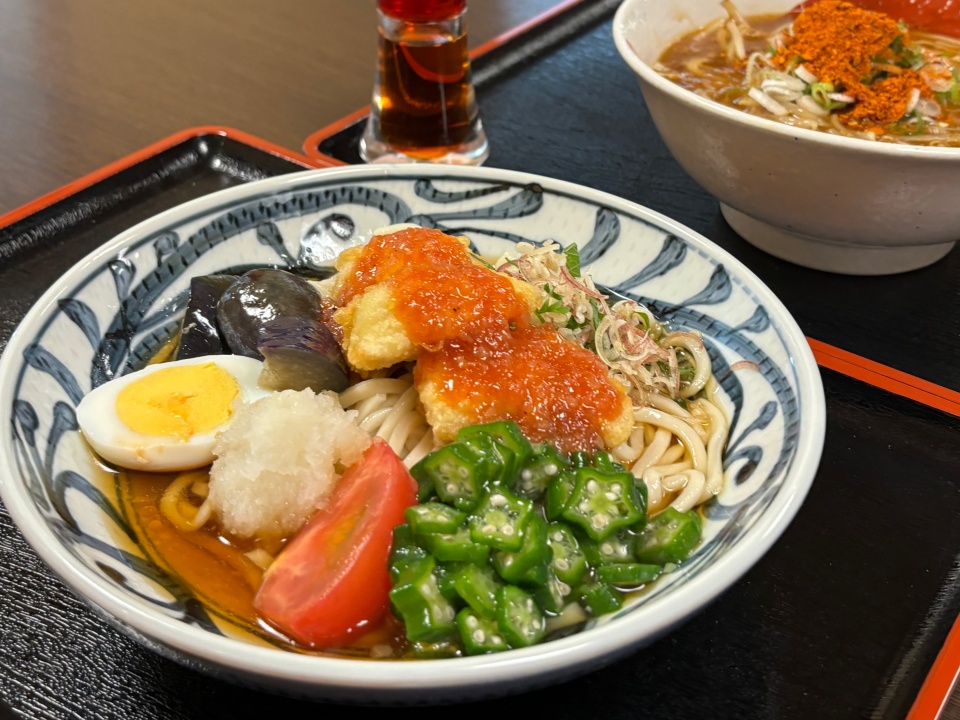
Once you put on the loungewear provided at entry and head up to the second floor, you can freely use the restaurant and rest areas. After the hot spring and sauna, the restaurant is ready to quiet your surging appetite, with regulars such as tendon (tempura rice bowl), chirashi-style sashimi rice bowl, stone-pot rice, and curry, along with a variety of limited-time dishes. Pair them with a cold draft beer or an energy drink mixed with an isotonic beverage, and you will feel your strength return. The rest areas are well designed too: in the sleeping room, with its dim lighting and a faint aroma scent, you can enjoy deep, restorative rest. The outside world fades away, and you may feel as if you have arrived in a “land of happiness.” You can also spend your time in other ways, such as a bedrock bath, a massage, or a stroll through the garden.
Tip
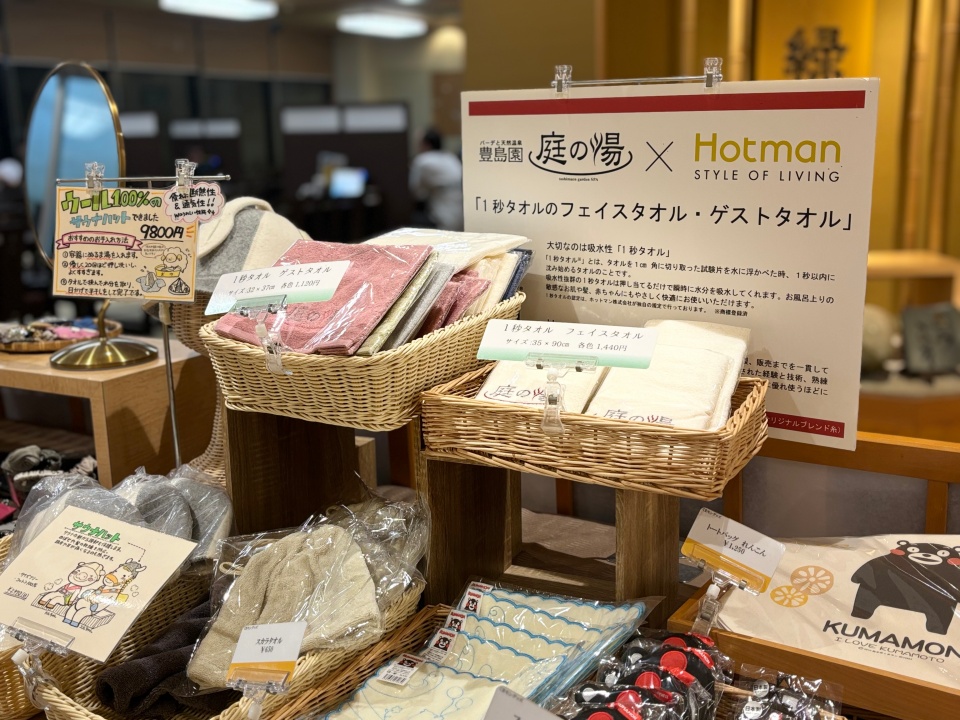
Visiting after 6 p.m. is also a good option. The evening ticket is cheaper than the daytime ticket, and the outdoor bath at night is more dazzling than by day. The yellow glow of square Japanese-style lanterns shimmers on the water’s surface, and when you look up at the sky, it feels as if the whole hectic city life melts away in the moonlight. Before heading home, don’t walk past the vending machine that sells bottled milk. Bottled milk, which you can’t find at supermarkets or convenience stores, is something like the hot spring’s premium touch. The souvenir shop sells Niwanoyu merchandise, including a sauna-only hat that protects your scalp from the intense heat and face towels made in collaboration with a lifestyle shop.