
Sea in the Middle of the City — A Piece of the Ocean, Brought to the City
Weekenders Bath, a private one-person bathhouse inspired by Gangneung's sea, opened inside Seoul's 1 Euro Project building in Songjeong-dong, Seongdong-gu — a space for complete rest and rejuvenation.
Life is a collection of small memories. Even if you can’t make it to the sea often, how much richer might city life be with something to bring back that memory? The private bathhouse Weekenders Bath began with exactly this idea.
Words Parc Jinmyoung
Interviewee Han Guiri (Founder of Weekenders)
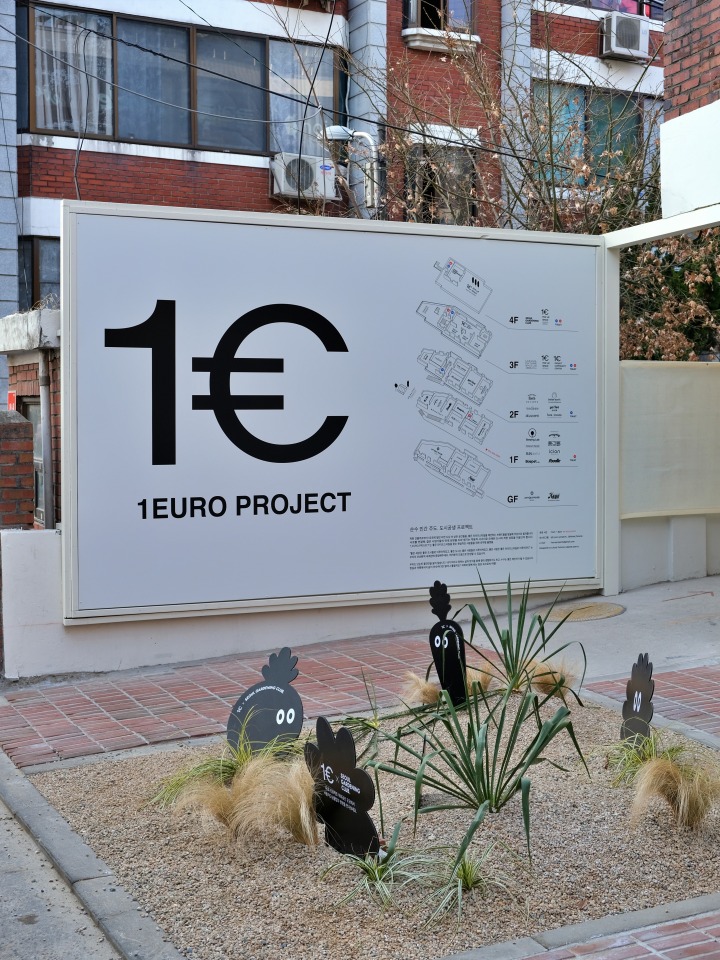
Can you really rent a space in the middle of Seoul for three years, for 1 euro (about 1,350 won), with no deposit? It’s actually happening right now in Songjeong-dong, Seongdong-gu, Seoul. In 2008, an empty house in a rural Italian village was put up for sale for 1 euro, sparking widespread attention as an idea to attract people to declining regions. Similar projects followed in Spain, Switzerland, the Netherlands, and beyond, and the ‘1 euro’ unit quietly became a symbol of reviving idle spaces. Songjeong-dong’s own ‘1 Euro Project’ follows in that same tradition. The Institute for Old Future Space, which organized the project, persuaded the tenant of a long-vacant building in Songjeong-dong to take part. Through an open call, a total of 17 brands were selected — one of them being the private bathhouse Weekenders Bath, run by Weekenders, a wellness lifestyle brand based in Gangneung that launched in 2019. Through the 1 Euro Project, Weekenders founder Han Guiri created a space where people could experience the sea of Gangneung, right in the middle of the city.
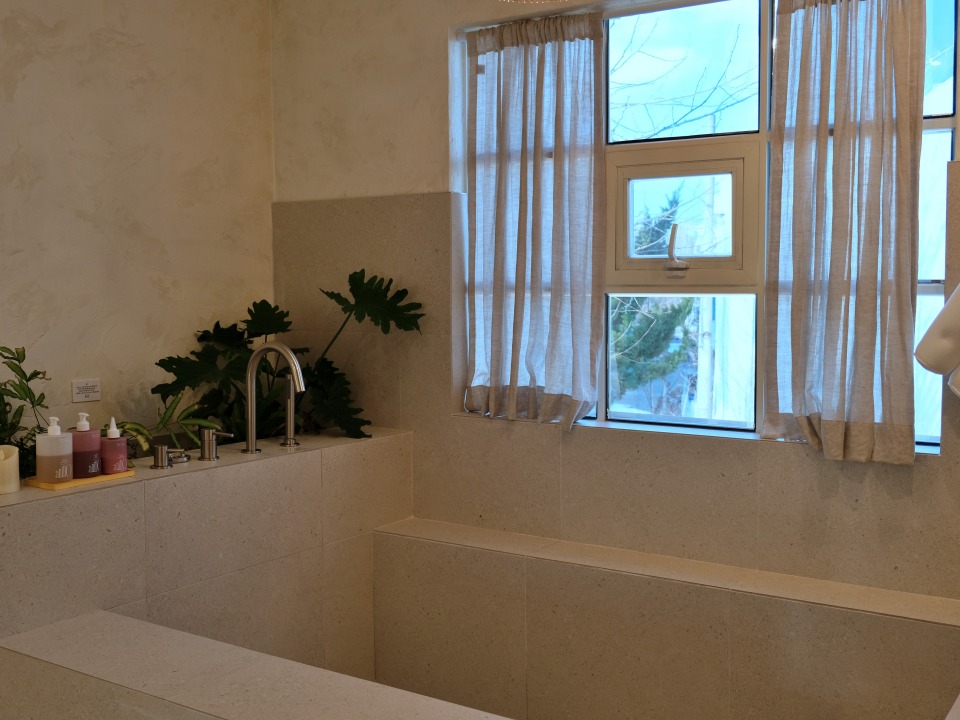
What kind of space is Weekenders Bath?
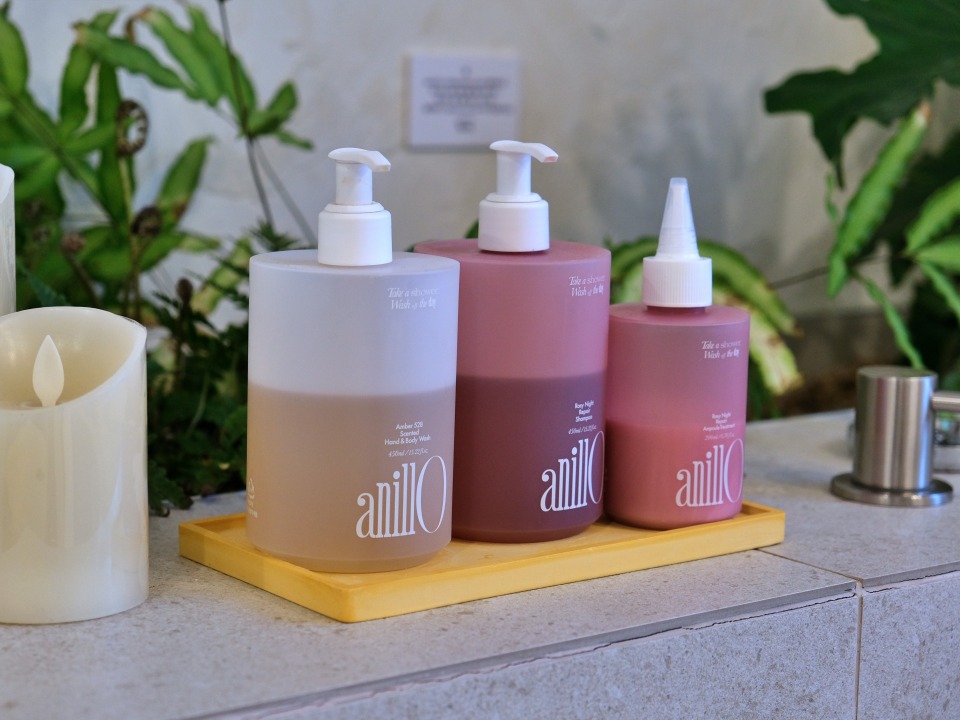
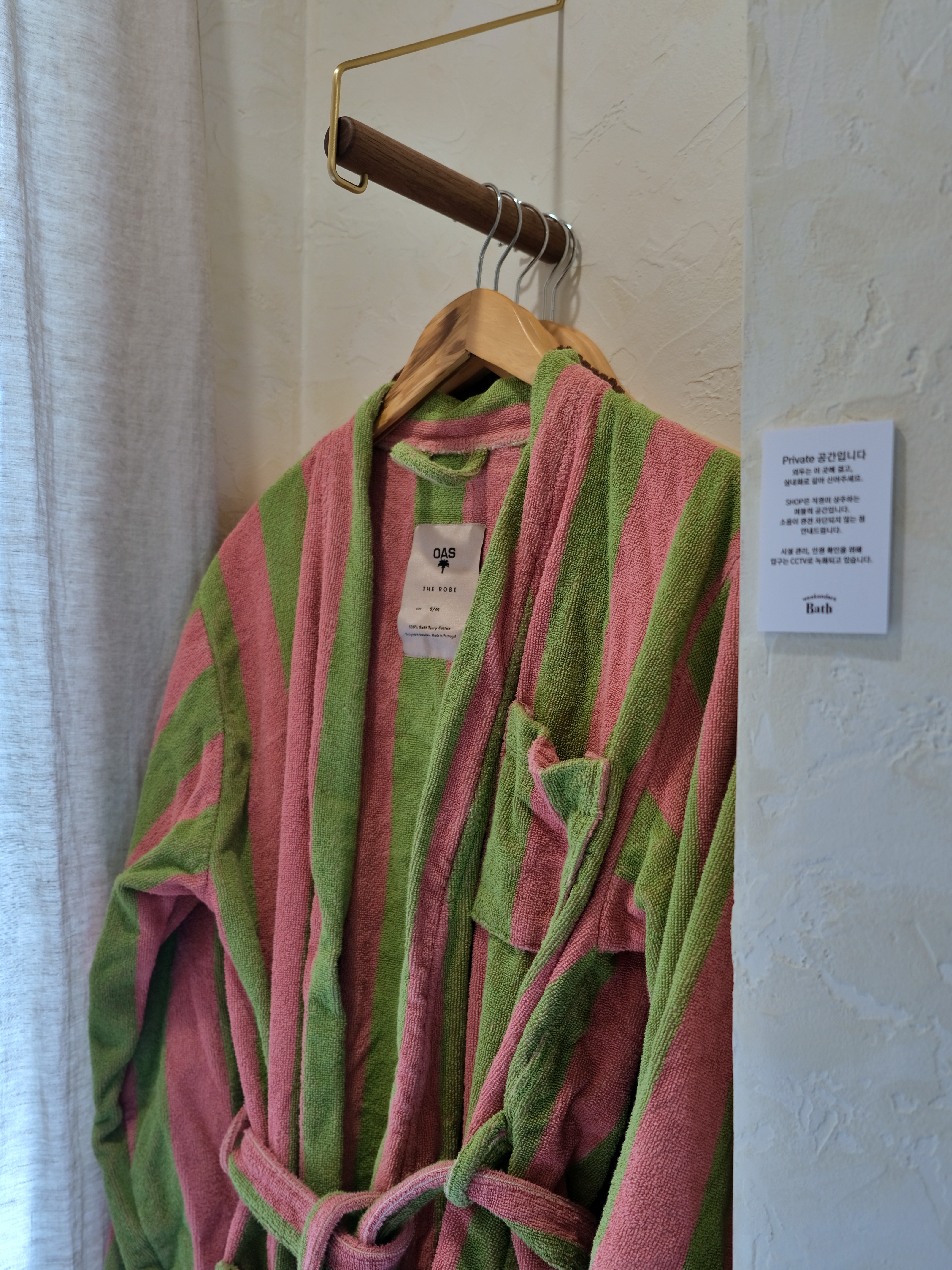
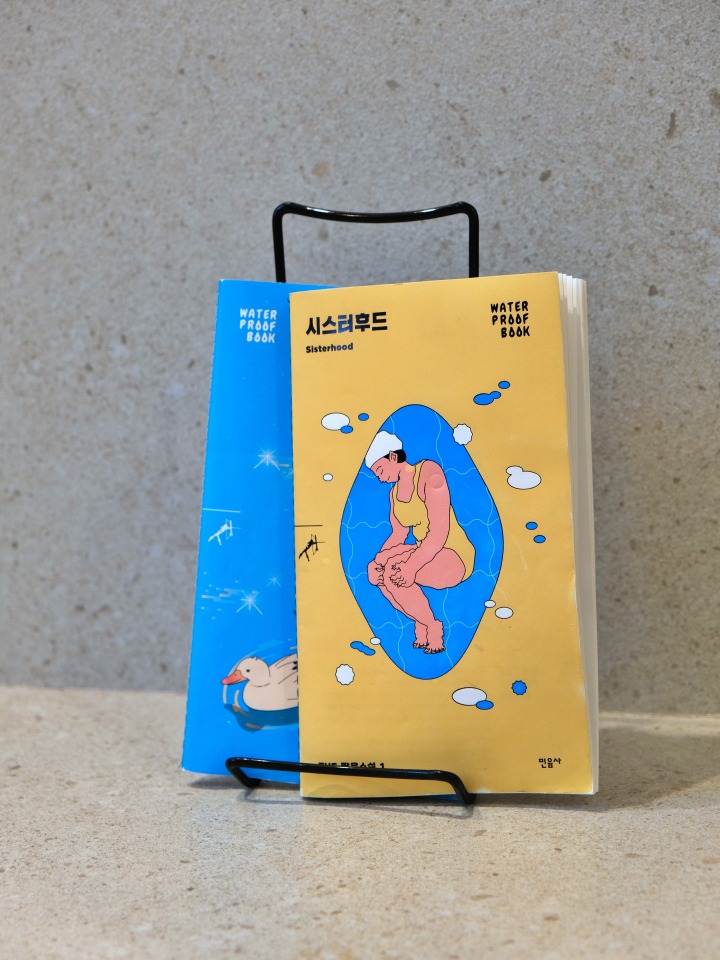
It’s a private bathhouse. We designed the space around the concept of bringing Gangneung’s sea into the city. So that guests can come with nothing but themselves and take a truly restful break, we’ve carefully prepared everything — from the music to waterproof books, shampoo and body wash, bathrobes, and towels. It’s not just a place to wash up, but a place to spend time healing through water. It operates on a reservation basis, at 20,000 won per hour.
Why did you create a bathroom just for one person?
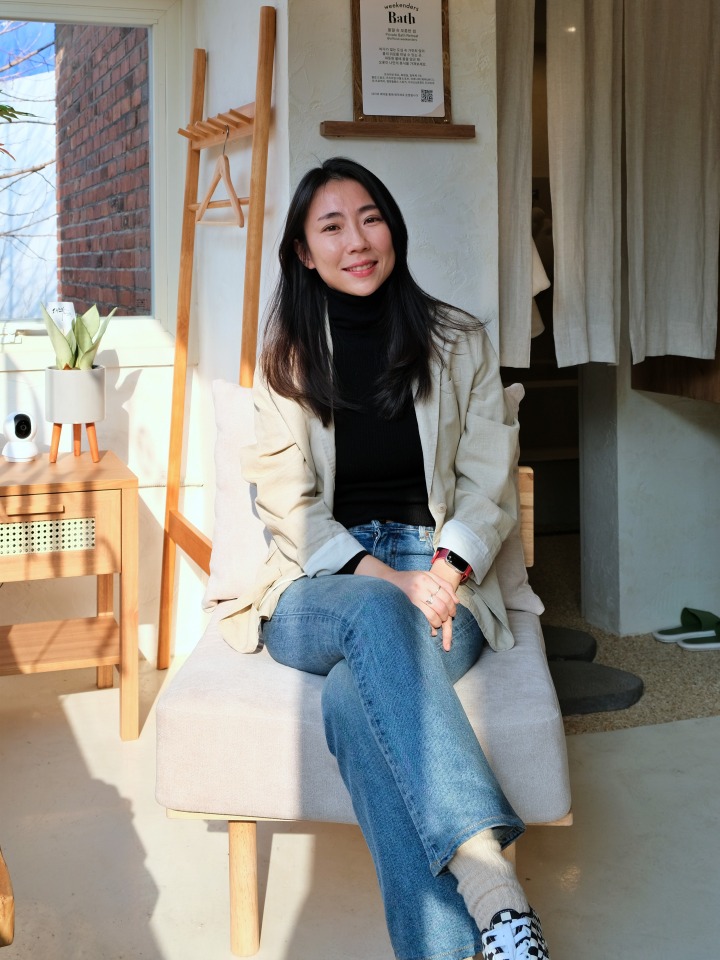
While running Weekenders in Gangneung, I was always thinking about what travelers actually need. I felt there should be a space where people could spend time alone without ever feeling bored. When I was selected for the ‘1 Euro Project’ and first saw this space, I immediately thought it would be perfect as a private bathhouse. It was summer at the time, and looking out at the lush greenery through the window, I thought a bath here could be truly restorative.
How has your experience with the 1 Euro Project been?
I think there’s real synergy, maybe because the brands that gathered here all share the same values behind the project. Just a few days ago, we did a plogging event around Songjeong-dong together with the other project members. Guests at Weekenders Bath can also experience this sense of coexistence firsthand. For example, they can buy eco-friendly bath products from Better Earth, the zero-waste shop in the same building, and use them right here in our space — or enjoy a bath with wine bought from Bomarket. I think that’s only possible because we’re part of a shared building.
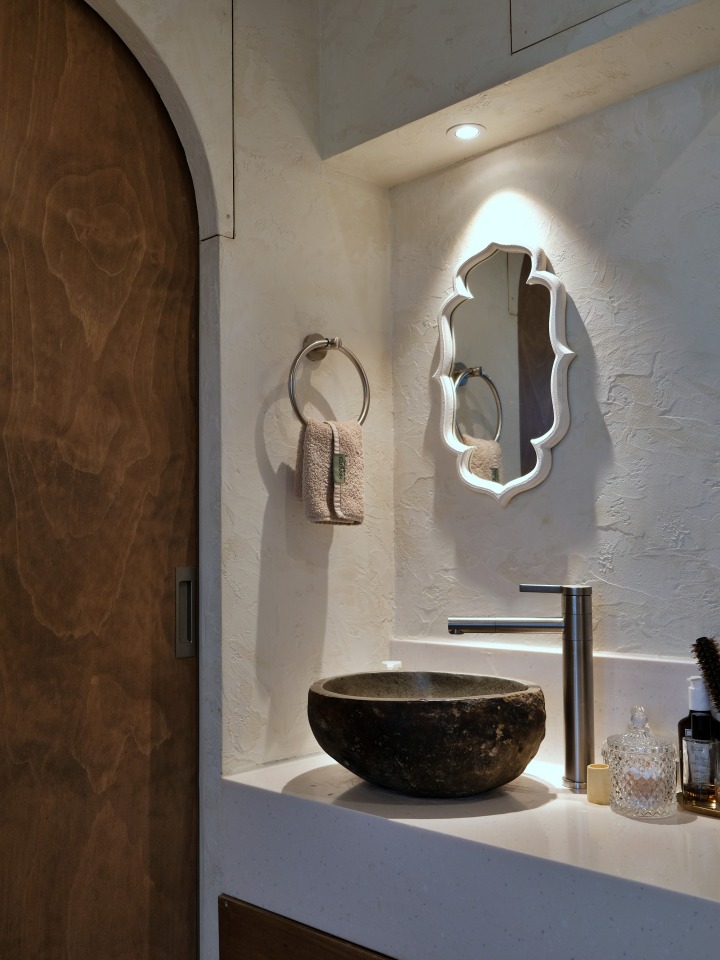
What did you pay the most attention to when designing the space?
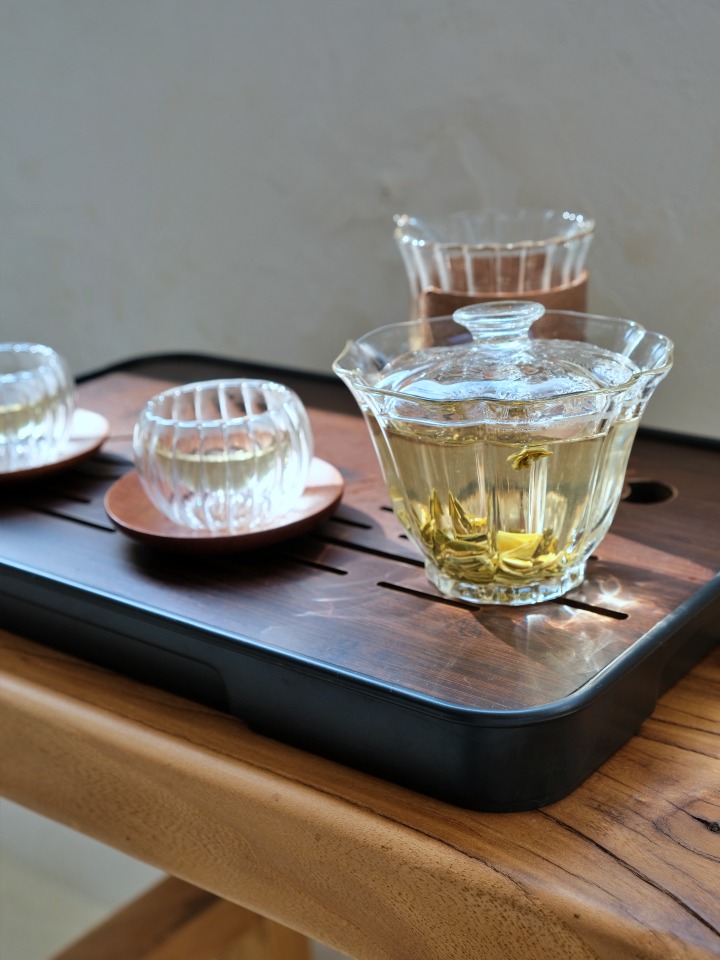
As I mentioned, we really wanted to make it a place where you can come with ‘nothing but yourself’ and relax — so that even arriving empty-handed is never a problem. We fill the tub with water timed to each reservation; it takes about 40 minutes. While guests wait, they enjoy a welcome tea and choose their bath salts. We’ve partnered with a brand called ReSaltZ to offer bath salts made from salt harvested from earthen salt pans on Bigeumdo Island in Korea. There are eight kinds, each blended with natural aroma oils made from seaweed and herbs, so guests can choose according to their taste or mood that day. We also carry hair oil and body scrub from Anillo, a brand centered on a vegan lifestyle, as well as products from Nine Mila, a brand that makes hair-loss-prevention shampoo using beer yeast. We plan to introduce a rotating lineup of wellness brands each season.
What inspired you to start Weekenders, a wellness lifestyle brand?
I’ve loved traveling, surfing, and yoga since I was young. I used to travel often to Bali, Indonesia, where I could enjoy all of these things at once. Traveling there, I realized just how important time spent in nature is for people living in cities. After quitting my job and moving to Gangneung, I wanted to share that sense of vitality that comes from nature with others. We renovated an old inn into a hostel, and we design programs centered around rest through surfing, yoga, and meditation.
Is there a wellness program that stands out most in your memory?
Last October, we organized a ‘Workation Festival’ together with the city of Gangneung. Over three days, we ran wellness programs combining yoga and meditation for workation travelers, and brought together a number of related brands for the event. It rained on the first day, which was a bit of a shock, but seeing travelers embrace the rain as part of nature and still fully enjoy the event left a deep impression on me. It’s strange — but out in nature, everyone somehow becomes friends.
Where was your most recent trip?
Funny enough, I checked my passport just a few days ago and found it had expired. My last trip was to Bali, three years ago.
Any tips for experiencing Bali more deeply, from a local’s perspective?
My favorite area is Canggu. It’s a place where you can enjoy surfing and yoga at the same time. Since so many foreigners — including a lot of Australians — come to Bali for vacation, a mix of different cultures coexists there. There are so many unique restaurants and shops, which makes it fun just to explore.
Did you notice anything sustainable during your travels in Bali?
There are so many yoga studios in Bali built from natural materials. Among them, the ones built from bamboo left the strongest impression on me. Bamboo is one of the most readily available materials in Southeast Asia, and since it can grow up to 60 centimeters a day, it’s a resource that regenerates incredibly fast. Ibuku, an architecture studio whose name means ‘my mother nature’ in Indonesian, has built many yoga studios and resorts across Indonesia using bamboo. The structures themselves are beautiful, but I think what makes them meaningful is how they show, through architecture, a way of living in harmony with nature.
Do you have your own way of practicing sustainable travel?
I tend to favor accommodations, restaurants, and shops run by locals. I once visited a private resort in Bali, and outside the area the resort maintained, the beach was literally covered in trash. I was shocked. It broke my heart to realize that the very people who live there weren’t being respected. Since then, I’ve made a conscious effort to avoid places built with outside capital.
What are your plans or goals going forward?
Surfers have a saying: ‘Go with the flow.’ I’ve always tried to live by that attitude. Guiding Weekenders in the direction I truly want it to go — that’s less a plan than it is a direction.


