Scenes Encountering in Taean — 4 Recommended Spots in Taean, Chungcheongnam-do
Four scenes from Taean, Chungcheongnam-do: the Sinduri Coastal Dunes, Country Road Coffee, the Tyaen Hanok Beach Resort by Hotel Alive, and Cheongeoram, a local gukeoji restaurant.
To sharpen senses that had curled up over the long winter, I set off for Taean in Chungcheongnam-do in Korea. After waking up in an unfamiliar place, taking in landscapes that felt newly discovered and savoring the flavors of the region, I felt spring drawing suddenly closer.
Words & Photos Parc Jinmyoung
In collaboration with *Hotel Alive
*A local community brand that connects a region with its travelers. Following three hanok hotels in Jeonju (Sihwayeonpung, Dokchae 1912 and Dokchae Gongikjilok), it has opened the Tyaen Hanok Beach Resort in Taean.
Encountering an Unfamiliar Landscape
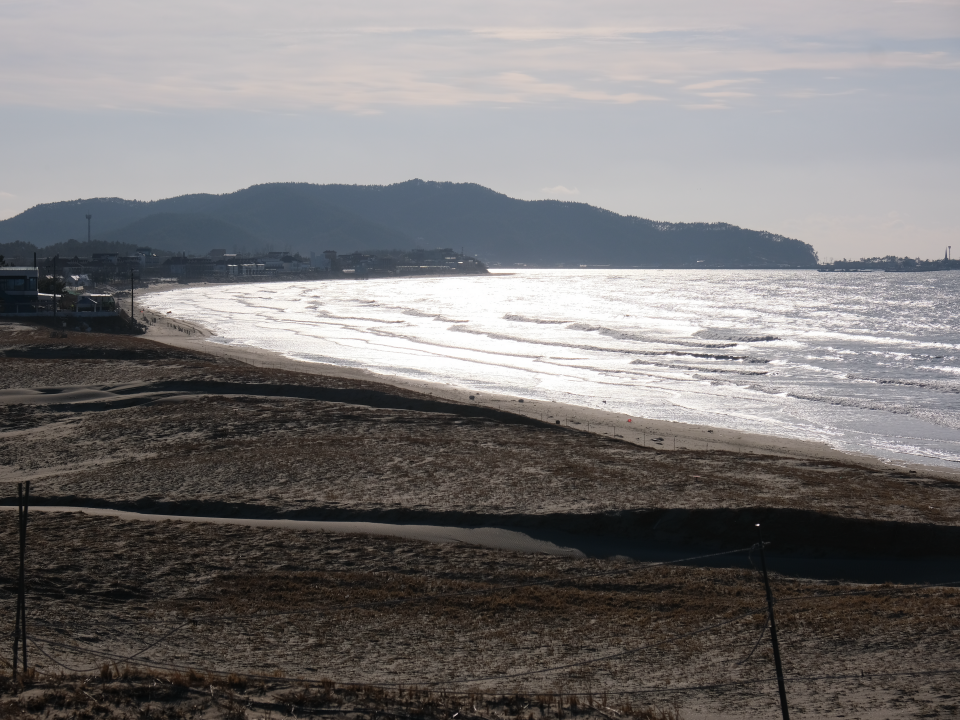
The moment I arrive at the Taean Public Bus Terminal, I head for the Sinduri Coastal Dunes, about 23 kilometers to the northwest. The largest of their kind in Korea, the dunes are designated Natural Monument No. 431 and are counted among the most distinctive ecological sites in Taean, an International Slow City. Coastal dunes act as a natural breakwater against typhoons and tidal waves, and they also provide a home for living things that thrive where water and nutrients are scarce and the wind and sun are fierce. What makes this stretch along the northwestern shore of the Taean Peninsula feel so mysterious and exotic is that you can see desert-like scenery, such as the wave patterns the wind leaves in the sand.
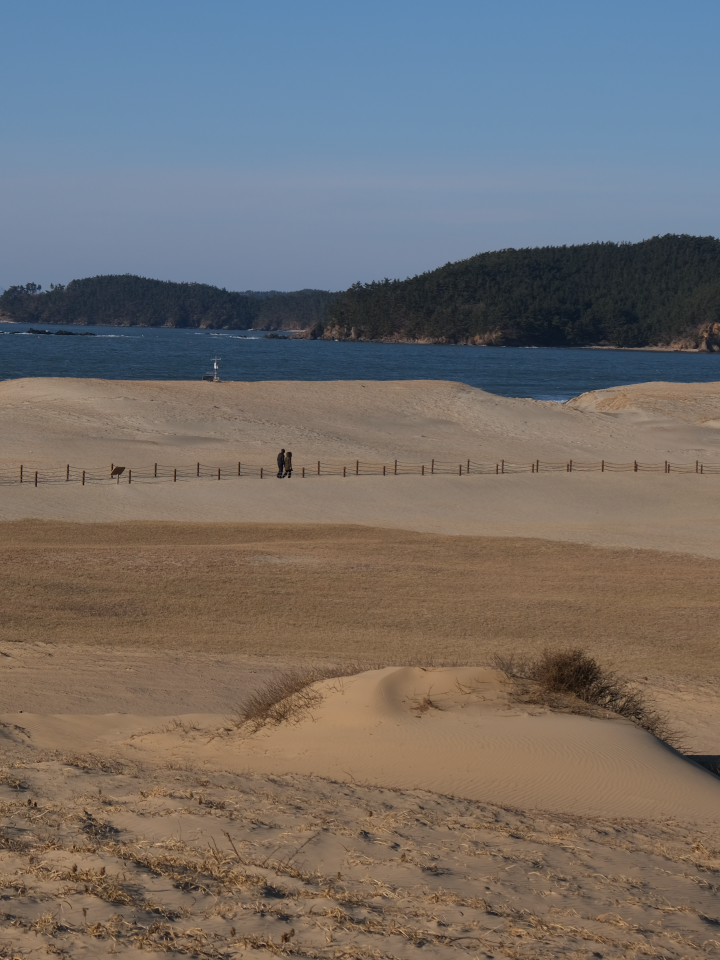
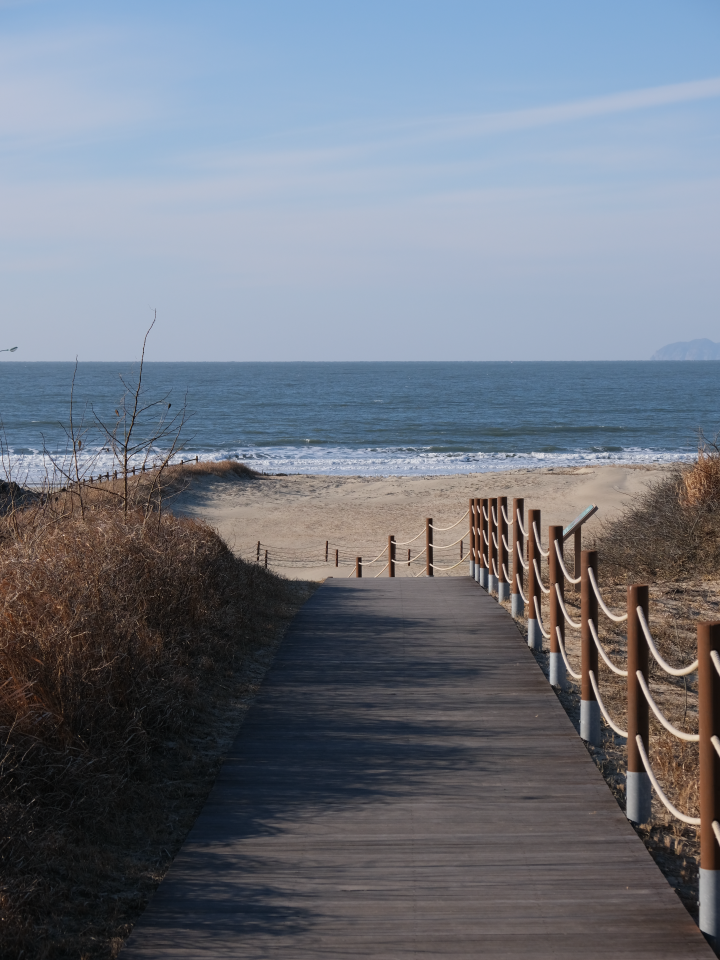
Although it is winter and a weekday afternoon, quite a few people are walking through the dunes along the trail. The trail is divided into three courses (A, B and C), taking anywhere from 30 to 120 minutes depending on length. I choose the shortest, Course A. Under a blue sky free of fine dust and clouds, the sand hills stretch out broadly. The open, unobstructed view looks very much like a desert. When I climb to the top of a hill along the path, the Yellow Sea comes into view all at once. As I walk aimlessly, I pass through pine forest, reed beds and sandy beaches. It occurs to me that, while I was busy looking toward a wider world, I may have been overlooking the beauty right beside me.
San 263-1, Sinduri, Wonbuk-myeon, Taean-gun, Chungcheongnam-do
Enjoying a Slower Pace
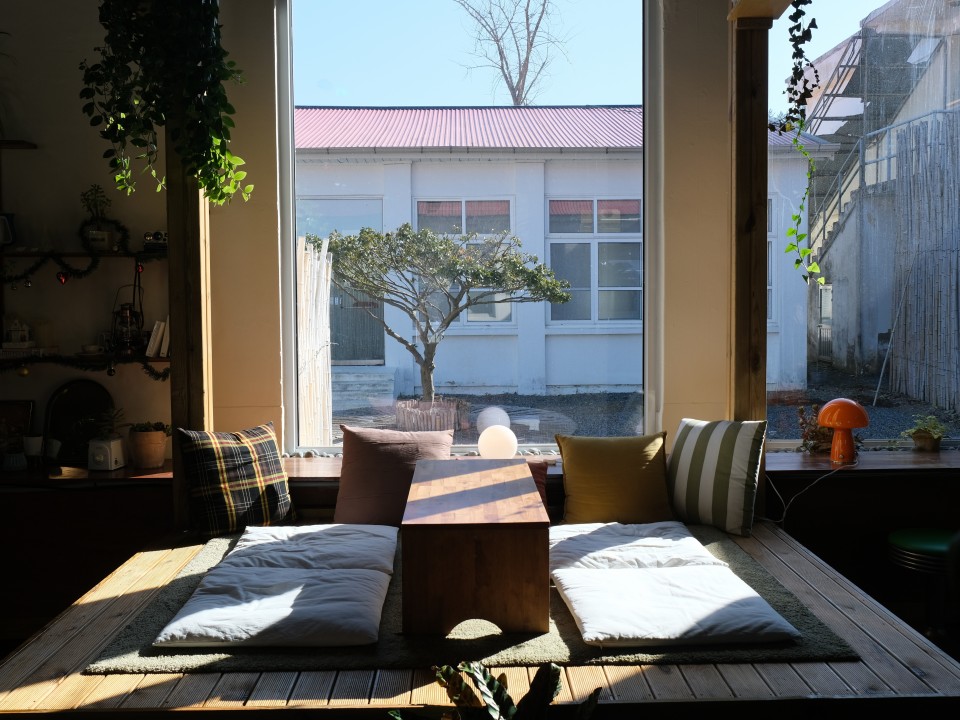
Country Road Coffee, about a five-minute drive from the Sinduri Coastal Dunes, sits in Wonbuk-myeon, a quiet village surrounded by low mountains. Owner Mun Haesu, who was born and raised in Taean, converted a closed school into this café to share with others the energy he received from the nature of his hometown.
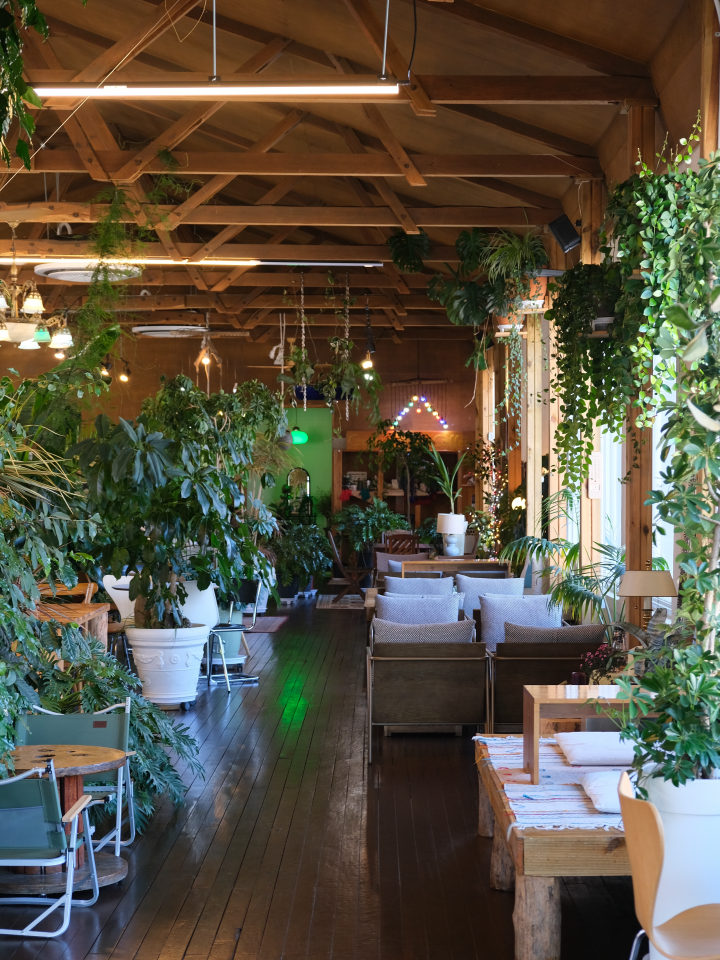
Two white buildings with red roofs stand at the center, while a garden that will be blanketed in lush greenery in summer wraps around the grounds. Stepping into the main building, I find plant-filled interiors that seem to have carried a botanical garden indoors, radiating fresh energy. The generous space is put to good use with a variety of seating: floor-level platform seats, vintage tables of different sizes and a bar by the window flooded with sunlight.
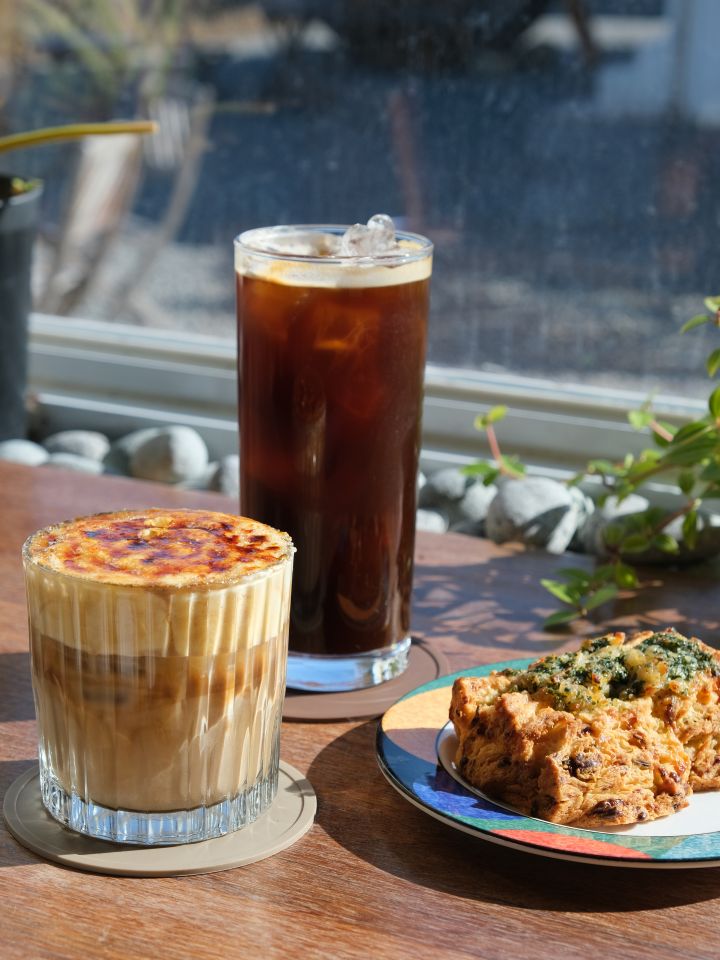
The signature drink is the Country Brûlée Latte, a latte layered with custard and a thin, torched crust of caramel. The bakery items, made with local ingredients, are also worth noting, such as scones made with green onions and garlic from Wonbuk-myeon, and a salt bread with gim (dried seaweed), a Taean specialty, and pollock roe. The café also hosts occasional markets selling quality seasonal produce, including napa cabbage grown in the village, so if you want a different kind of experience, visit during harvest season.
Country Brûlée Latte 7,500 won, Americano 5,500 won, Green Onion and Garlic Scone 4,500 won. 335 Sindu-ro, Wonbuk-myeon, Taean-gun, Chungcheongnam-do
Staying Somewhere New
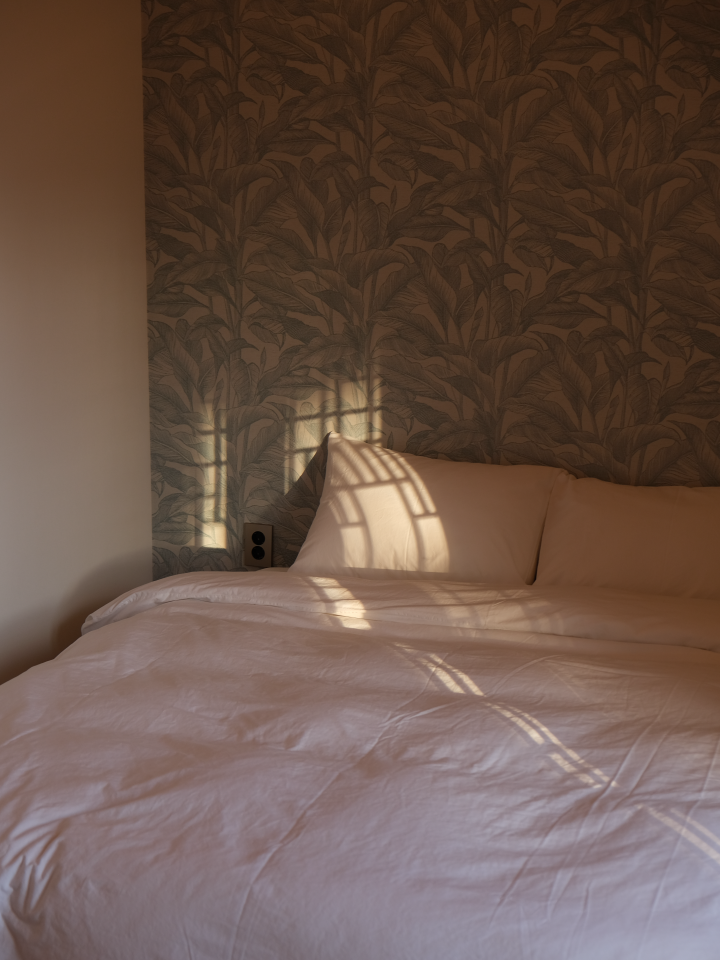
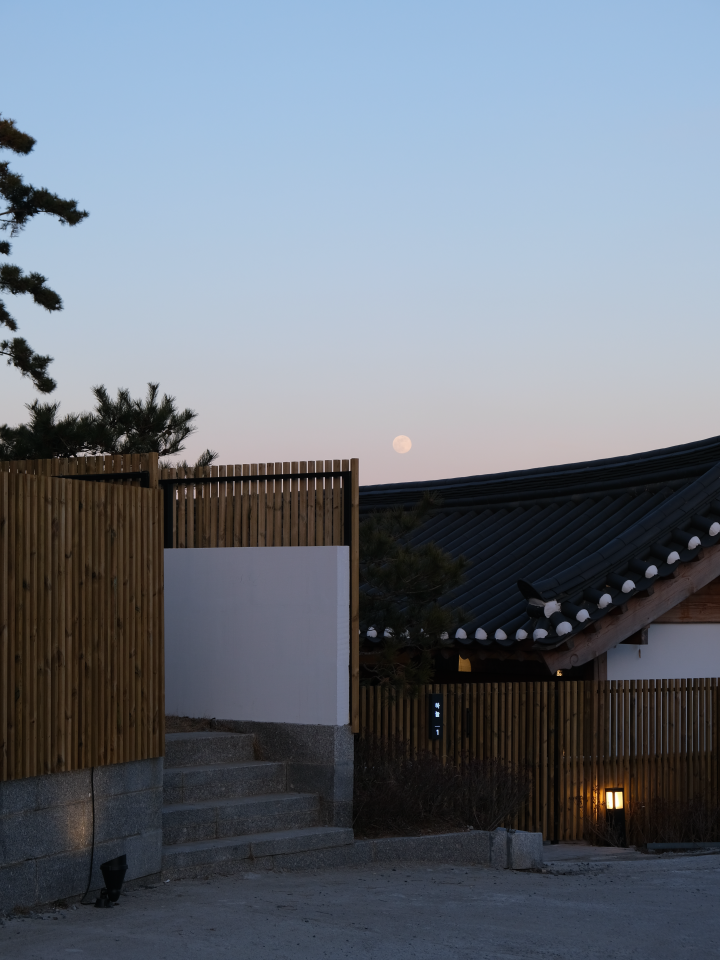
At the western tip of the Taean Peninsula, facing Uihang Beach, I decide to spend a long winter night on the Yellow Sea at Hotel Alive Taean Tyaen Hanok Beach Resort (hereafter Tyaen Resort). Wandering among the hanok lined up along the steep slope of the hill, I feel as if I have arrived in a small hanok village. The reception, Tyaen Lounge, sits at the innermost point, and its floor-to-ceiling windows frame waves rolling in from the distant sea.
Tyaen Resort takes its name from ‘Tyaen,’ the Chungcheong dialect word for Taean. It opened last December after an existing hanok pension was renovated and rebranded, and it is the work of Hotel Alive, a local community hotel brand. Focused on the charm of the hanok and unhurried rest, it offers 16 standalone houses and 6 standard rooms. Every room has a private courtyard, and there is a separate pet-friendly hanok for guests traveling with animals. The modernized interiors emphasize traditional elements such as exposed rafters, wooden lattice windows and folk paintings, while the walls facing the courtyard are entirely glass for an open feel. Another hallmark is the layout, divided into a kitchen, a bedroom and a tea room so guests can devote themselves solely to rest.
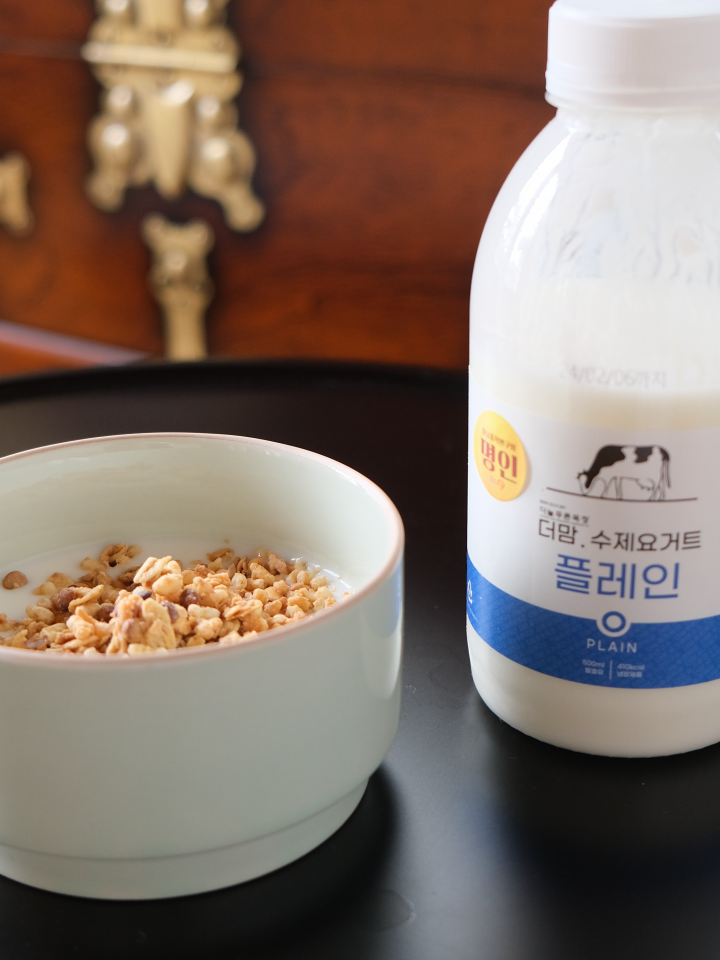
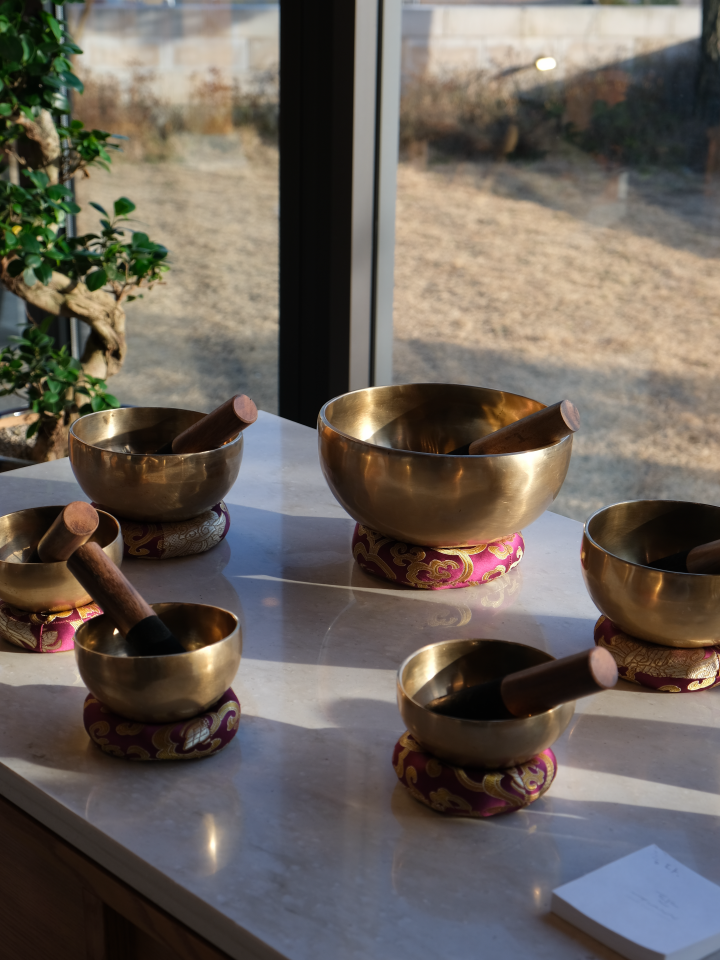
The resort also keeps its connection to the region alive with a welcome box in each room, including hangwa (traditional Korean confections) made with gamtae, a local specialty seaweed, and famous local handmade yogurt, along with a local map introducing nearby restaurants. The absence of a TV is also meant to encourage going off the grid. If you put down the TV and your smartphone and make good use of the sketchbooks, calligraphy sets, telescope, singing bowls and yoga mats the resort provides, you can spend your time far more richly.
From 250,000 won. 695-9 Songui-ro, Soweon-myeon, Taean-gun, Chungcheongnam-do
Savoring the Flavors of the Region
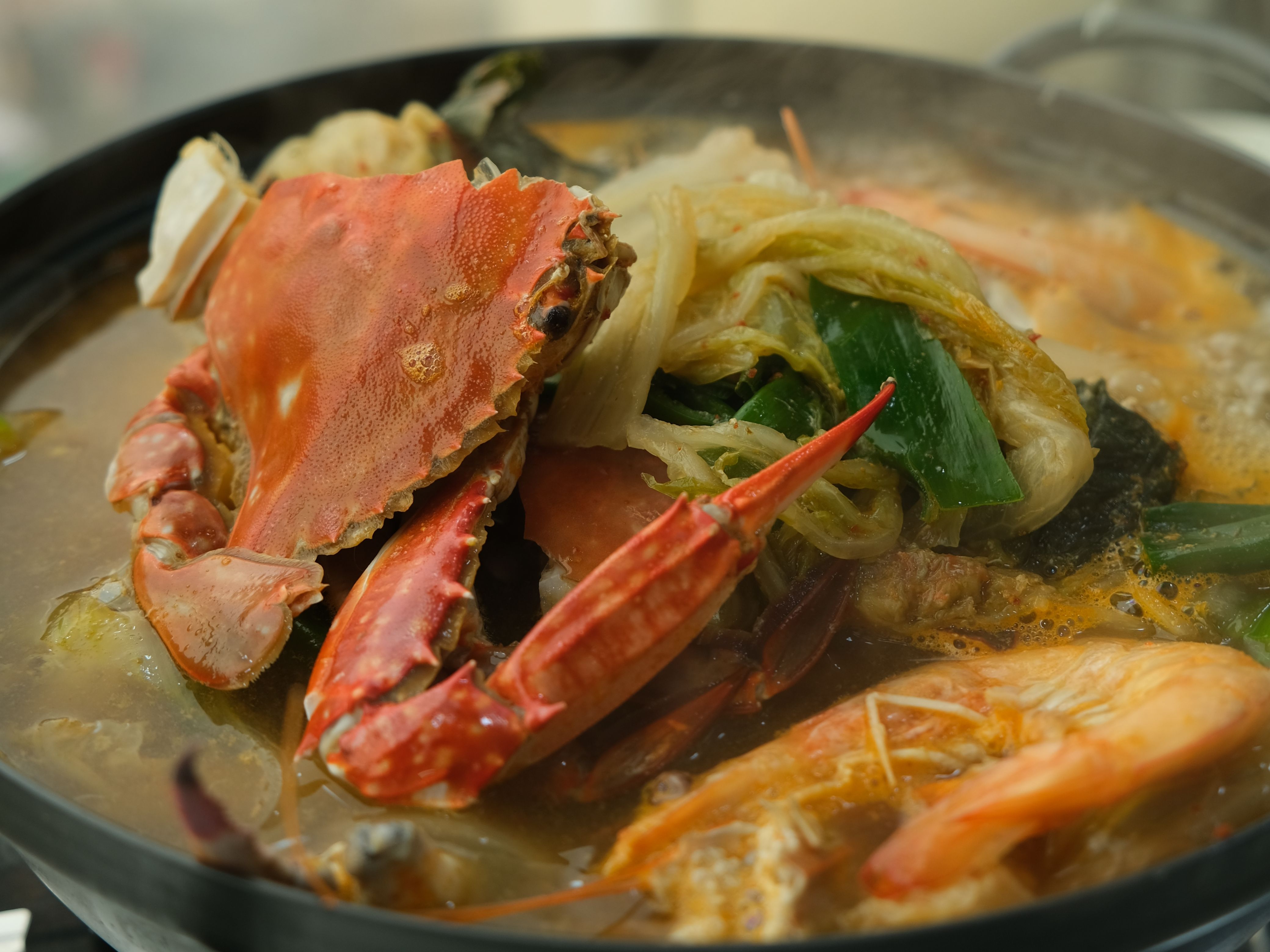
A trip along the west coast is not complete without tasting gukeoji, the region’s traditional dish. To be more precise, gukeoji is a dish that developed around Seosan and Taean in Chungcheongnam-do in days when food was scarce. In winter, people in this area would make ganjang-gejang (crab marinated in soy sauce) from the small crabs commonly found on the tidal flats, such as fiddler crabs and marsh crabs (known locally as red-legged fiddler crabs). From spring to early summer, when kimjang kimchi (winter-made kimchi) ran low, they would add the leftover crab marinade they had eaten through the winter to fresh geotjeori (freshly seasoned kimchi) or sour aged kimchi and boil it into a stew. That humble dish became a local specialty. Unlike kkotgetang (spicy blue crab stew), which has a red broth from chili powder, gukeoji is boiled in crab marinade and takes on a pale brown color.
Cheongeoram, a restaurant facing Mohang Port, a 10-minute drive from Tyaen Resort, is known for gukeoji simmered the traditional way. It also serves ureokjeotguk, a rustic Seosan and Daecheon specialty made with only dried rockfish and salted shrimp. The table is set with a variety of seasonal seafood dishes and nutritious side dishes. After tasting the gukeoji, with its deep, savory richness, I put a plump, tangy bite of oyster muchim (seasoned oysters) in my mouth and find myself nodding. Now I understand why there is a wait at a small seaside-village restaurant.
Gukeoji (small) 50,000 won. 125 Mohanghang-gil, Soweon-myeon, Taean-gun, Chungcheongnam-do