Road Trip to Yamaguchi — A Driving Journey in Japan
A road trip through Yamaguchi Prefecture in Kyushu, Japan: Karato Market, Zero Cafe, Tsunoshima Bridge, Motonosumi Inari Shrine, Beppu Benten Pond and a famous kawara soba restaurant.
Road Trip to Yamaguchi — A Driving Journey in Japan
About two hours and 40 minutes by car from Fukuoka, you reach Yamaguchi Prefecture. It is a region where you can enjoy quiet beaches, abundant seafood, and unspoiled nature while taking in the many charms of a small-town getaway. From a seafood market that has stood in the same spot for more than 100 years to a café with a harmonious view of emerald water and pure white sand, here are the destinations that hold the history and nature of Yamaguchi.
Words Hur Taewoo
Photos Park Shinwoo
Karato Market 唐戸市場
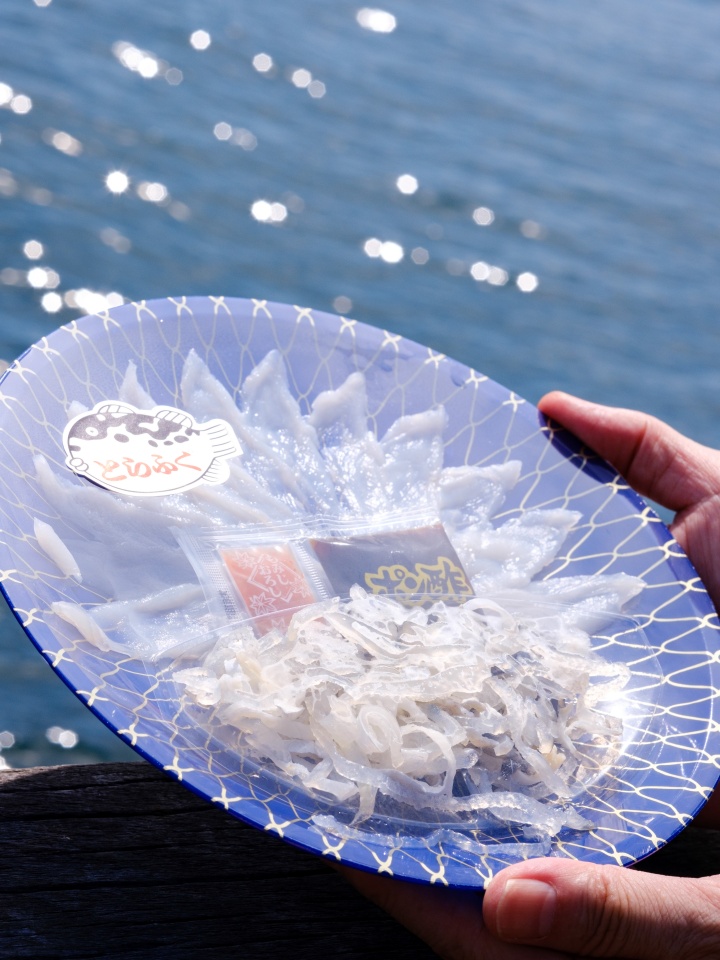
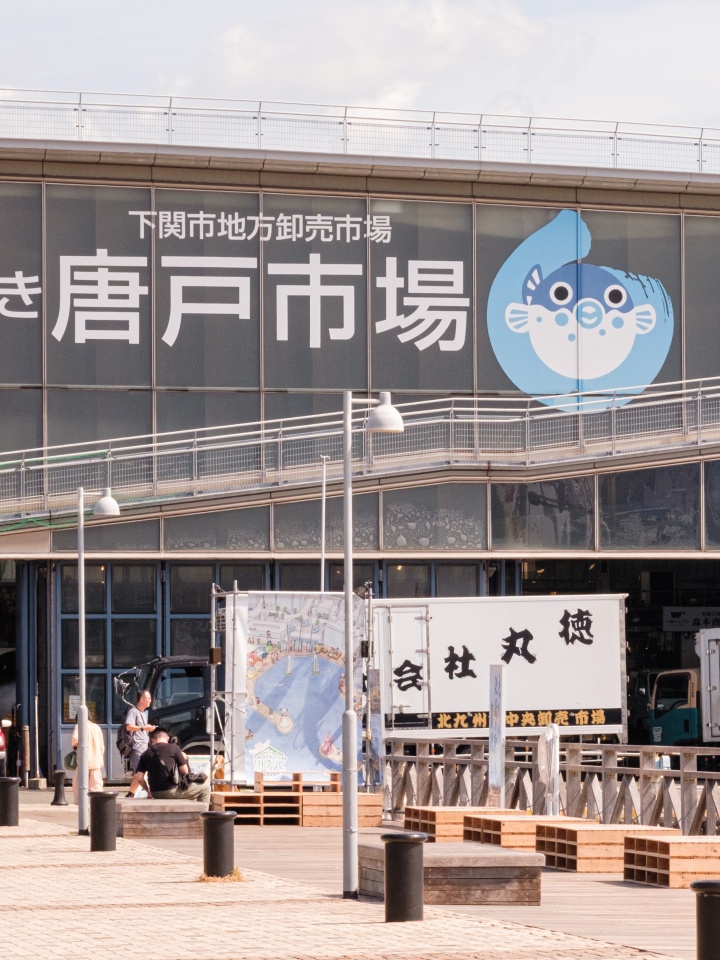
Seafood gathered in Shimonoseki is distributed across Japan through Karato Market. More than 70 percent of the pufferfish caught in Japan is traded at Karato’s wholesalers. That is why, among all the fish at the market, you see so many mascot sculptures of fugu (ふぐ, pufferfish). The market’s history stretches back more than 100 years. According to records, an open-air market formed naturally along the streets around Karato around 1909, during the Meiji era, and has continued to this day. The best way to enjoy Karato Market today is to sit on an outdoor bench in front of it, gaze at the cool scenery of the Kanmon Strait, and eat a seafood lunch box. The weekend Iki Iki Bakangai (活きいき馬関街) event is an especially good opportunity. Market stalls sell sushi, tempura, and more by the piece, so you can fill your plate with a variety of seafood to suit your taste. Prices are not cheap, but the lively atmosphere unique to a bustling market more than makes up for it. On weekdays, you can enjoy fugu sashimi or a sushi lunch box in a relatively quiet setting, with the sea breeze on your face.
Mon–Sat 5:00–15:00, Sun and public holidays 8:00–15:00; Iki Iki Bakangai (Fri and Sat 10:00–15:00, Sun and Japanese public holidays 8:00–15:00)
Zero Cafe
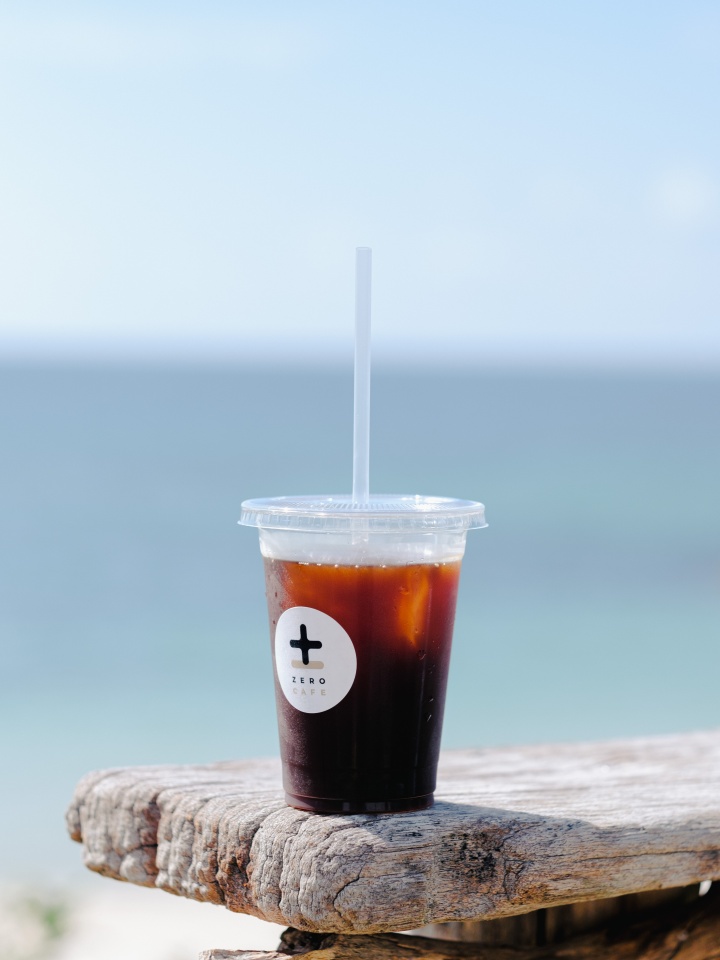
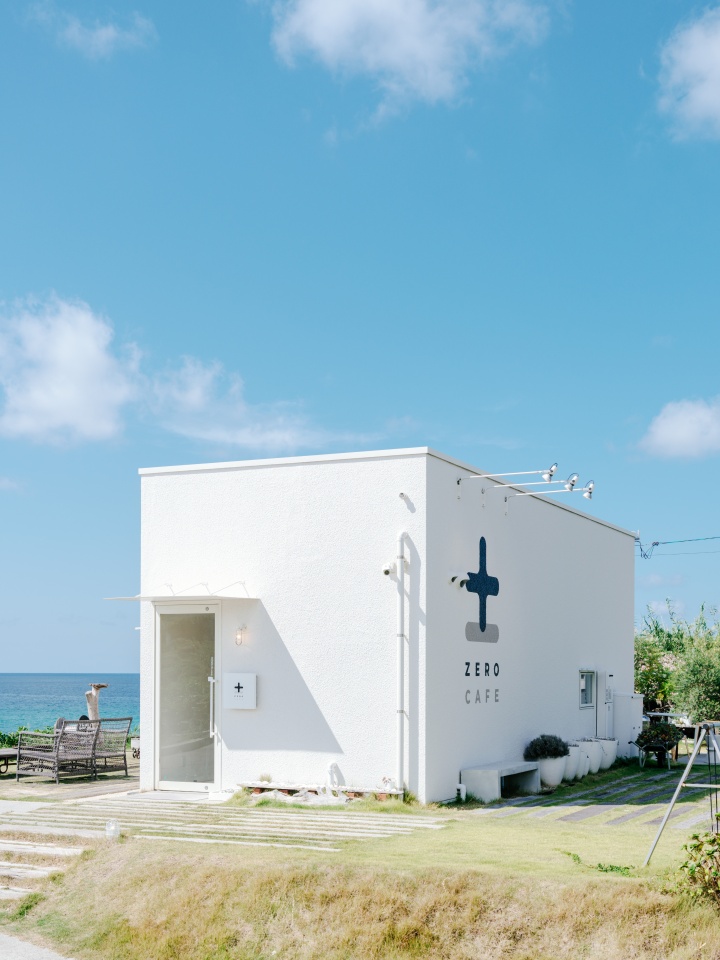
On the northwest coast of Yamaguchi Prefecture, facing the Korea Strait, the shoreline holds clear, bright water. Follow National Route 191 as it winds along the sea, and just when you think, “Ah, this view is lovely,” a small white cube of a building appears. It is Zero Cafe, which resembles a romantic roadside rest stop on the beach. The owner, who used to work at a post office in Yamaguchi, went looking for a café spot with a view along the highway after retiring, fell for Doigahama (土井ヶ浜, known as the cleanest beach in Yamaguchi; the Zero Cafe logo is modeled on ‘土’, the first character of the beach’s name), and settled here. The café, which started from ‘zero,’ with nothing, is surrounded by scenery that brings a calm that needs no adding or subtracting. Emerald water and white sand spread out right in front of the outdoor seating, and the gentle sound of the waves clears away tangled thoughts.
Americano 500 yen, meat sauce sandwich 650 yen, 10:00–18:00
Tsunoshima Bridge 角島大橋
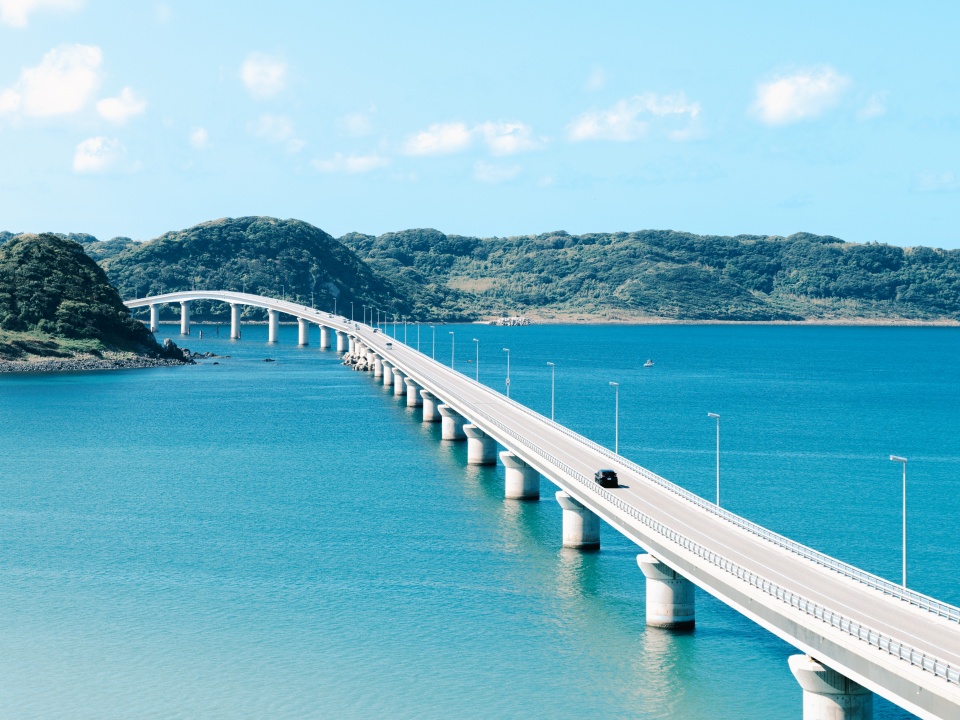
The bridge connecting to Tsunoshima (角島), said to resemble an ox’s horn, is counted among the most beautiful filming locations in Yamaguchi. It has appeared many times as a backdrop in TV dramas and commercials, and it is considered a must-drive route for road-trippers in Japan. Its charm lies in the 1,780-meter-long bridge, which seems to float just above the sea and blends exquisitely with the sky, the water, and the island. From the observation deck at the bridge’s entrance, you can easily frame the exotic scenery. Driving leisurely across the bridge, with the glittering sea on both sides, is superb in its own right. On the island, a lighthouse built in 1876 serves as another vantage point. A nationally designated Important Cultural Property, it was designed by Scottish architect Richard Henry Brunton. Climb its 105 narrow steps to the top of the 30-meter tower, and the whole Tsunoshima area spreads out below you.
Lighthouse admission 300 yen, Mar–Sep 9:00–17:00 / Oct–Feb 9:00–16:30
www.tokokai.org/tourlight/ tourlight11
Motonosumi Inari Shrine 元乃隅稲成神社
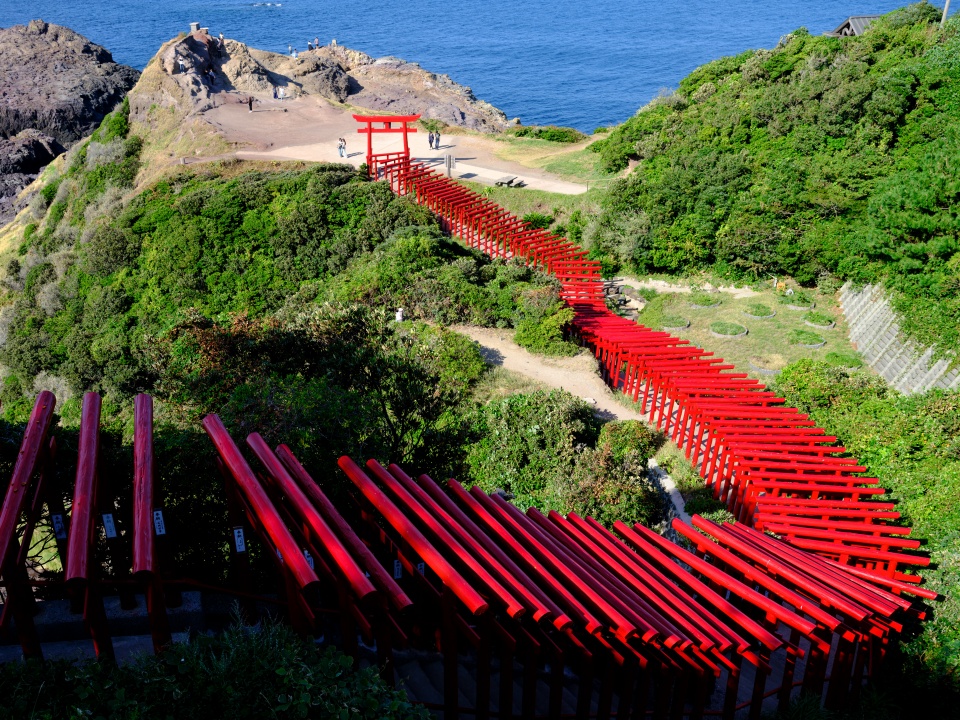
With more than 10,000 Google reviews, Motonosumi Inari Shrine has a short history for its fame. It was built in 1955, they say, after a local fisherman saw a vision of a white fox at sea and followed its divine message. Japan has countless Inari shrines, but Motonosumi, hard to reach by public transportation, draws many visitors all year round. The reason is that 123 torii gates line the slope in rows toward the sea, forming an impressive sight like an installation artwork. Thanks to this view, in 2015 it made CNN Travel’s list of 31 of Japan’s most beautiful places. On a clear day, the red torii, green trees, and deep blue sea contrast vividly, making the shrine stand out even more.
Beppu Benten Pond 別府弁天池
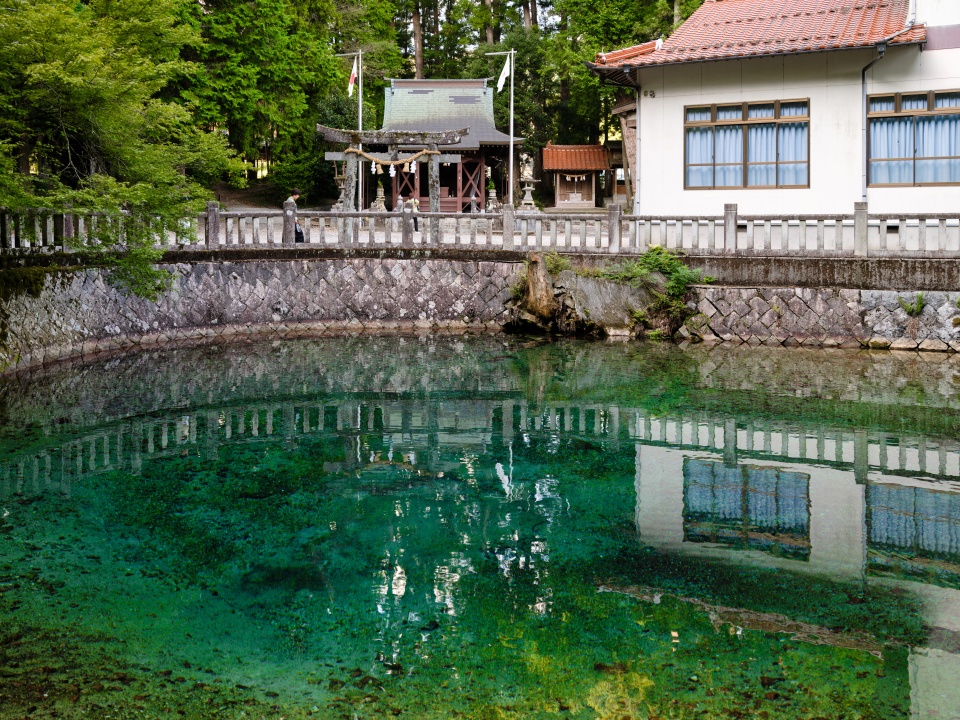
Beppu Benten Pond was selected by Japan’s Ministry of the Environment as one of the ‘100 Remarkable Waters of Japan.’ For outsiders, it is an Instagrammable spot perfect for a souvenir photo, and for locals, it is a ‘power spot’ where they can drink spring water with reputed benefits. The 4-meter-deep pond is a cobalt blue so clear that you can see the bottom, and 11 tons of water reportedly gush out every minute. The pond’s mineral water, high in calcium, comes with a legend: “Drink once and live a year longer; drink twice and live two years longer.” The water temperature stays around 14 degrees Celsius year-round, so a cool air hangs around the pond even in midsummer. Thanks to the water facilities, rainbow trout are farmed right next to the pond using its water, and the trout you catch are cooked on the spot.
1578 Akiyoshicho Beppu, Mine, Yamaguchi 山口県 美祢市 秋芳町別府 1578
Ganso Kawara Soba Takase Kawatana 元祖 瓦そば たかせ 川棚
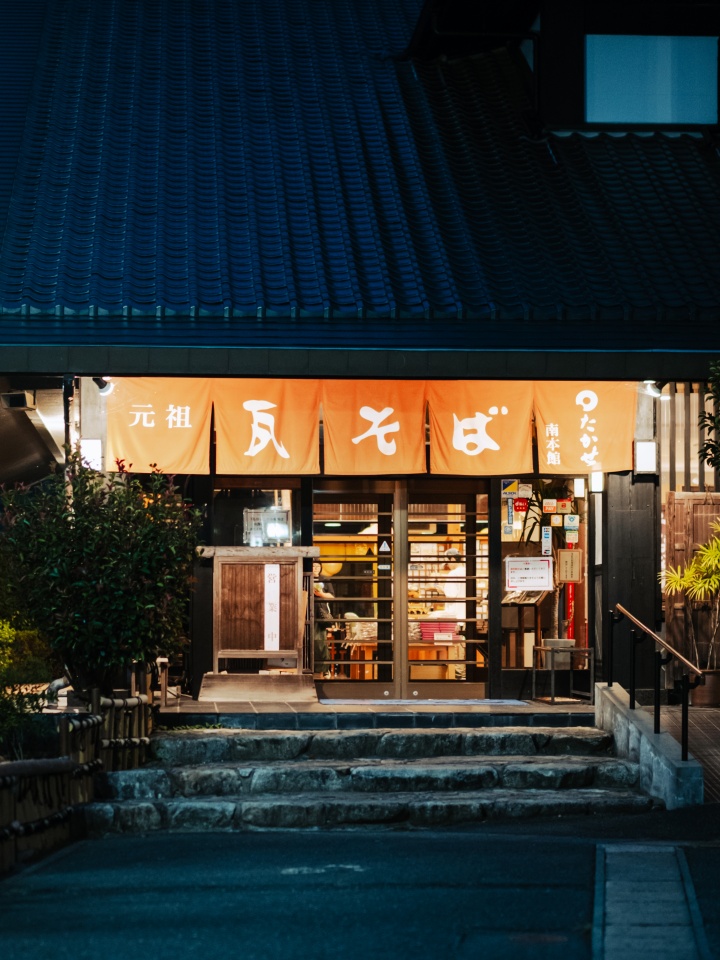
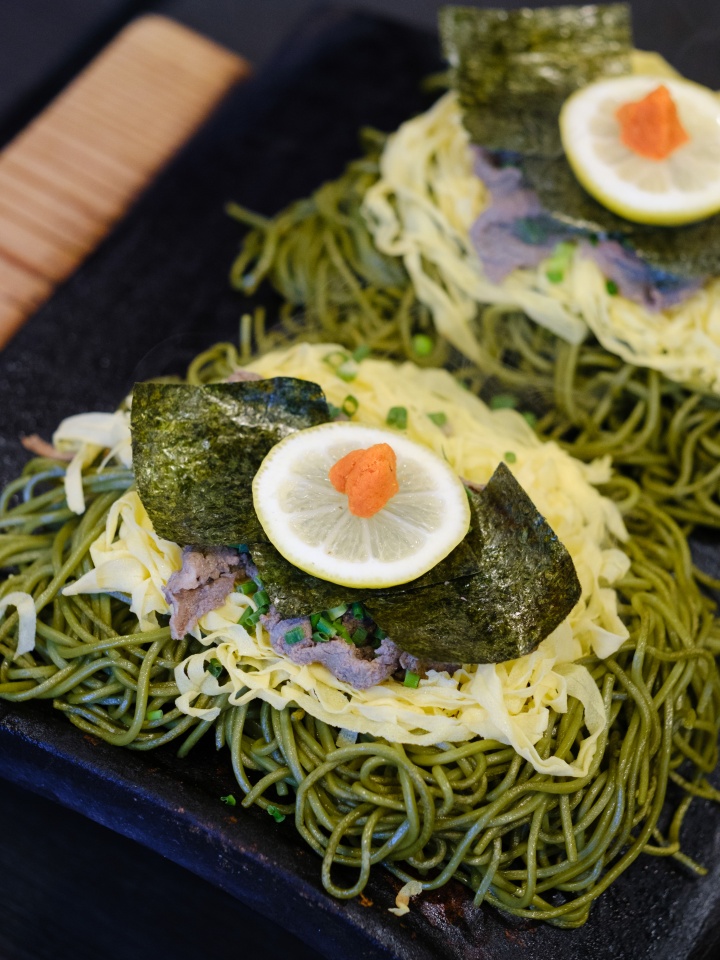
Yamaguchi’s signature dish, kawara soba (瓦そば), is literally soba served on a roof tile. Takase’s founder developed it in 1962 after hearing an old story that soldiers fighting in the war that broke out in Kumamoto, Kyushu, in 1877 grilled meat and other food on roof tiles. True to its claim as the original, Takase’s kawara soba has enjoyed the steady love of locals for more than 60 years. There are several branches in Yamaguchi, and the main shop and annex in the hot spring town of Kawatana are the largest. Takase’s advantage is that it uses good ingredients and good tiles (yes, tiles). Noodles made from Hokkaido buckwheat are lightly pre-grilled, then served on a Sekishu (石州) tile, a specialty of Shimane Prefecture, heated to 300 degrees Celsius. As time passes, the soba crisps and sticks to the tile, turning nutty in texture. Pick up the soba at just the right moment and dip it in Takase’s secret tsuyu (dipping sauce).
Kawara soba, one serving, 1,300 yen, 11:00–20:00
More to Japan’s Kitakyushu, Yamaguchi, and Oita Road Trip Series