Road Trip to Kitakyushu — A Driving Guide to Japan
A road trip through Kitakyushu, Japan, from Mekari Shrine and Mojiko Retro to Coffee Terrace Suigetsu, the Yasukawa Residence, Myozenzaki Lighthouse, and the glamping resort Tomorrow Coast.
Road Trip to Kitakyushu — A Driving Guide to Japan
The first stop on our Kyushu road trip is Kitakyushu, a small city 1 hour and 20 minutes by car from Fukuoka Airport. Like a kaleidoscope, it holds the rise and fall of modern Japan, a rich food scene, and natural heritage.
Words Hur Taewoo
Photos Park Shinwoo
Mekari Shrine 和布刈神社
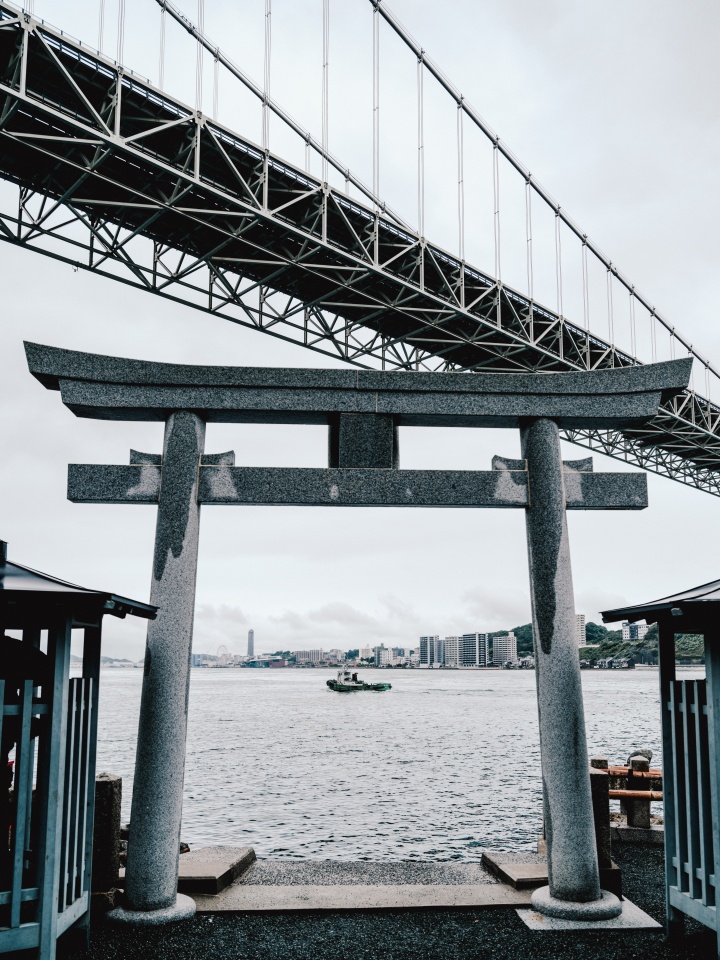
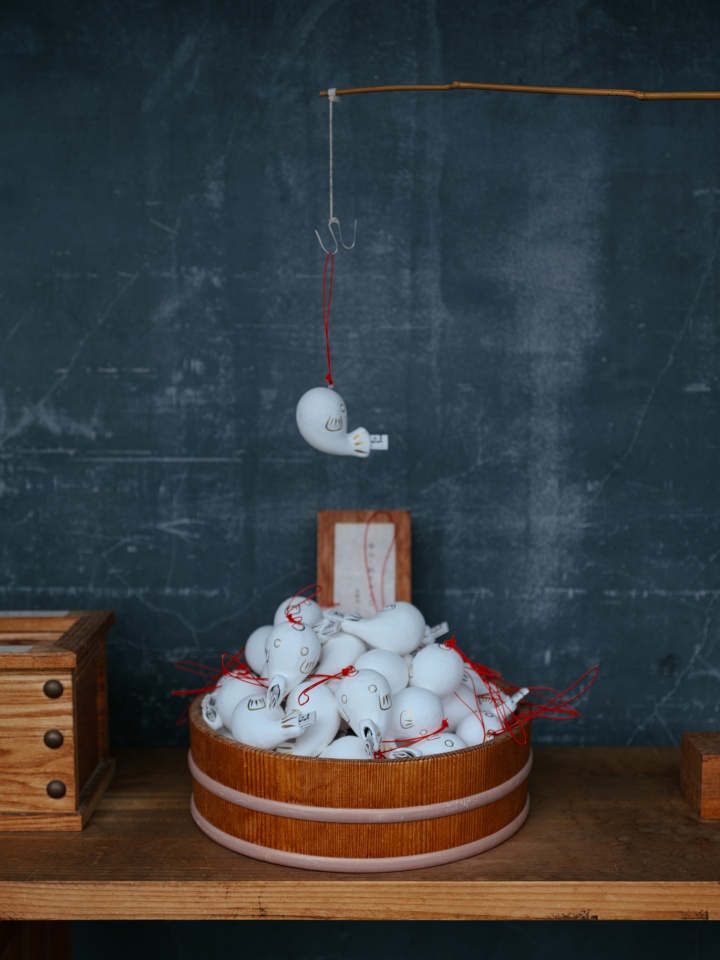
Mekari Shrine sits right beneath the Kanmon Bridge (関門橋), which links Kyushu and Honshu, and its torii (the gate marking the entrance to a Japanese shrine’s grounds) faces the Kanmon Strait. Stand in front of the shrine and you will see Shimonoseki, on the far side of the strait, framed perfectly between the pillars of the torii. Visitors from abroad often capture this view in photos. The shrine’s origins reportedly go back to around the year 200, so its history runs deep. As a harbor-town shrine, it is said that locals have prayed here for safety at sea for generations. Mekari Festival (和布刈祭), held in the early morning of Lunar New Year, when Shinto priests cut wakame seaweed from the sea and offer it to the shrine, is also an important annual event in Kitakyushu. In the minimalist annex, stylishly designed shuyohin (授与品, religious items and amulets sold at Japanese shrines) are displayed and sold, and they are hard to resist.
Hours 9:30–17:00
Mojiko Retro 門司港レトロ
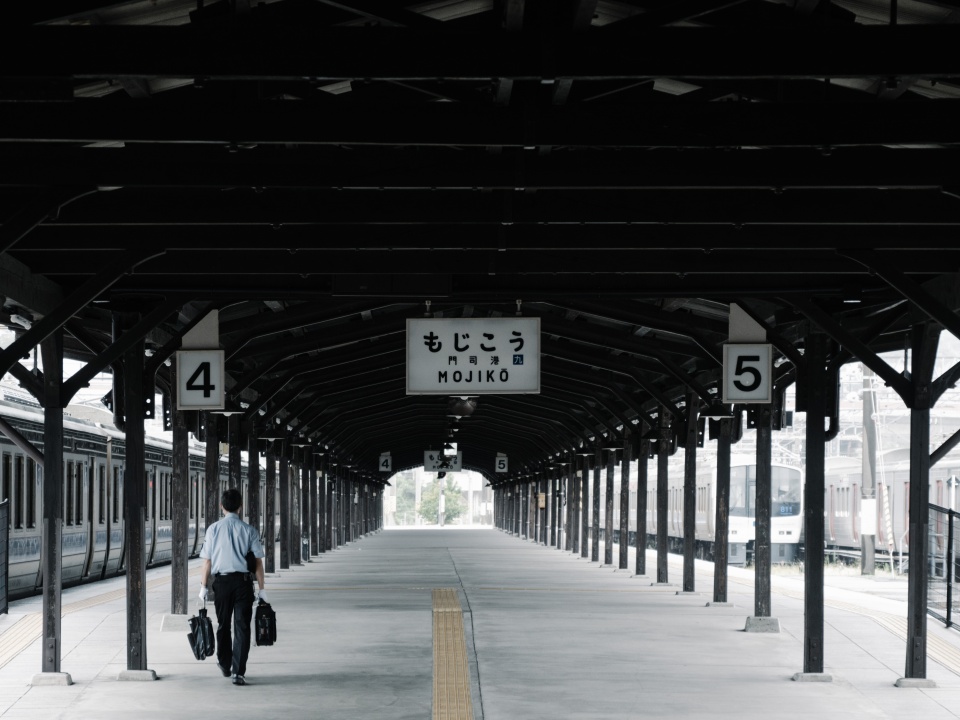
Kitakyushu seems to define its own charm as “retro.” The city developed rapidly after 1889, when Mojiko was designated a special export port by the Japanese government. Through the Meiji and Taisho eras, it enjoyed a boom of several decades as a center of Japan’s international trade and a hub of its munitions industry. The growth that continued into the early Showa era inevitably slowed after the war, as industries centered on trade and heavy manufacturing went into decline. In 1995, as the bubble economy faded, Kitakyushu sought to revive its tourism industry by bringing back the romance of the past through the Mojiko Retro redevelopment project. The result was a success.
Today, Mojiko Retro is a tourist destination and cultural district that blends historic architecture with theme-park attractions. Architectural heritage has been well preserved, including the Meiji-era former Mojiko Mitsui Club (旧門司三井倶楽部), the Taisho-era Mojiko Station and Moji Customs Building, and the Kyushu Railway History Museum. Modern facilities have also been added, such as the 31-story Mojiko Retro Observation Room and the Blue Plaza shopping complex. It has now firmly established itself as a must-visit course for Kitakyushu tourists, by general acclaim. Whatever your age or nationality, a stroll through Mojiko Retro is enough to draw you into its distinctive fun.
Coffee Terrace Suigetsu 珈琲テラス すいげつ
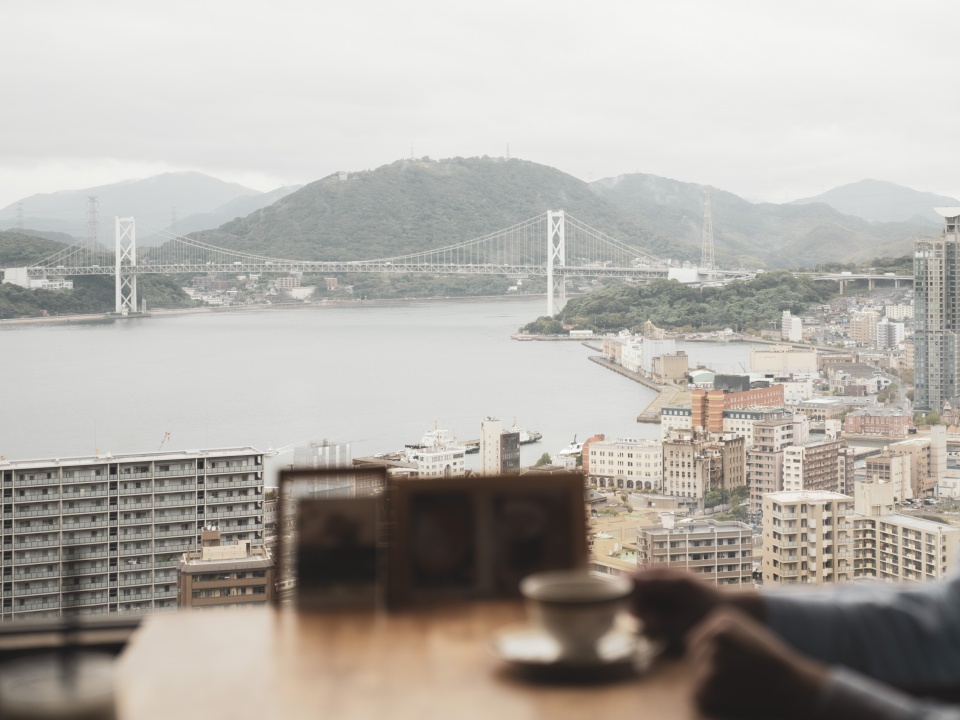
This café sits halfway up the mountain overlooking Mojiko. It is small, but its retro interior, which carries the marks of time, makes the coffee taste even better. Another reason it has stayed in business for the past 50 years is the view that fills the windows. Kitakyushu, the Kanmon Strait, and Mojiko unfold in atmospheric layers, so it feels as if you are drinking coffee on a terrace atop a hill. No wonder it wins over both elderly regulars who have been coming for decades and twentysomethings who reserve a window seat for a date. The coffee is brewed with Toarco Toraja, Indonesian beans, and the menu offers classic Japanese yoshoku dishes (Western-style Japanese comfort food) such as hamburger steak with demi-glace sauce and omurice.
Hamburger steak ¥1,200, 11:30–19:00 (closed Mondays; closes at 17:00 on Tuesdays)
www.coffee-terrace-suigetsu.com
Yasukawatei 旧安川邸
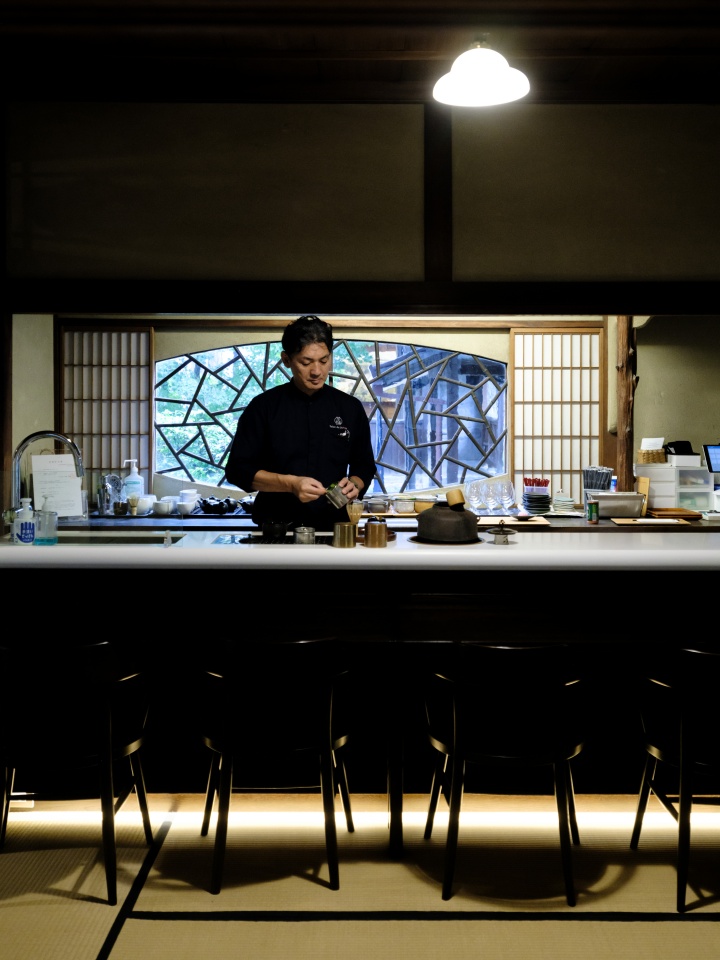
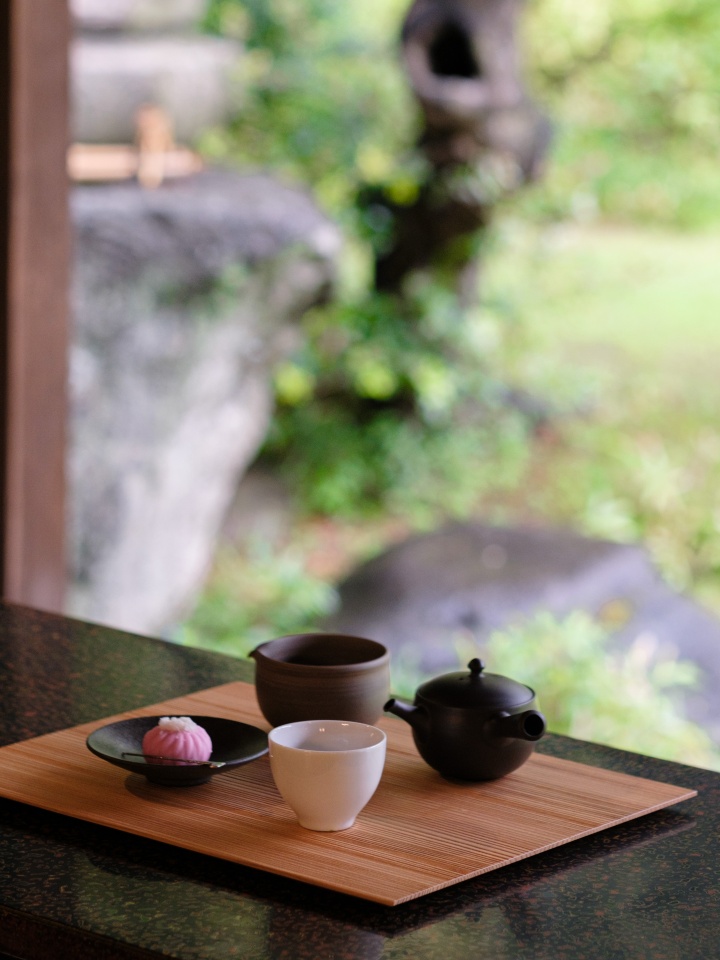
This was the residence of Yasukawa Keiichiro (安川敬一郎), an industrialist who amassed a vast fortune from coal mining in the Meiji era. Built in 1912, it was home to the Yasukawa family for three generations. The city of Kitakyushu has since purchased it and uses it as an architectural heritage site and memorial hall. Japanese- and Western-style buildings from the Meiji to early Showa periods stand together on a single site, a distinctive layout that makes the residence an important example in Japanese architectural history. The family’s wealth is apparent from the moment you step into the Japanese-style building. The wooden floors are so well maintained that they gleam, and even the century-old windowpanes are patterned. For travelers, the most appealing spot is the tea space, where you can take in the garden’s charm at a glance. In the spacious tatami banquet room, you can sip matcha from Salon du Japon Maeda, a well-known local tea shop in Kitakyushu, and lose yourself in reverie. The two-story Western-style building, reminiscent of a grand English manor, is also remarkably lavish, but it is open only for events such as weddings and banquets.
Admission ¥260, 9:00–17:00 (closed Tuesdays)
Myozenzaki Lighthouse 妙見崎灯台
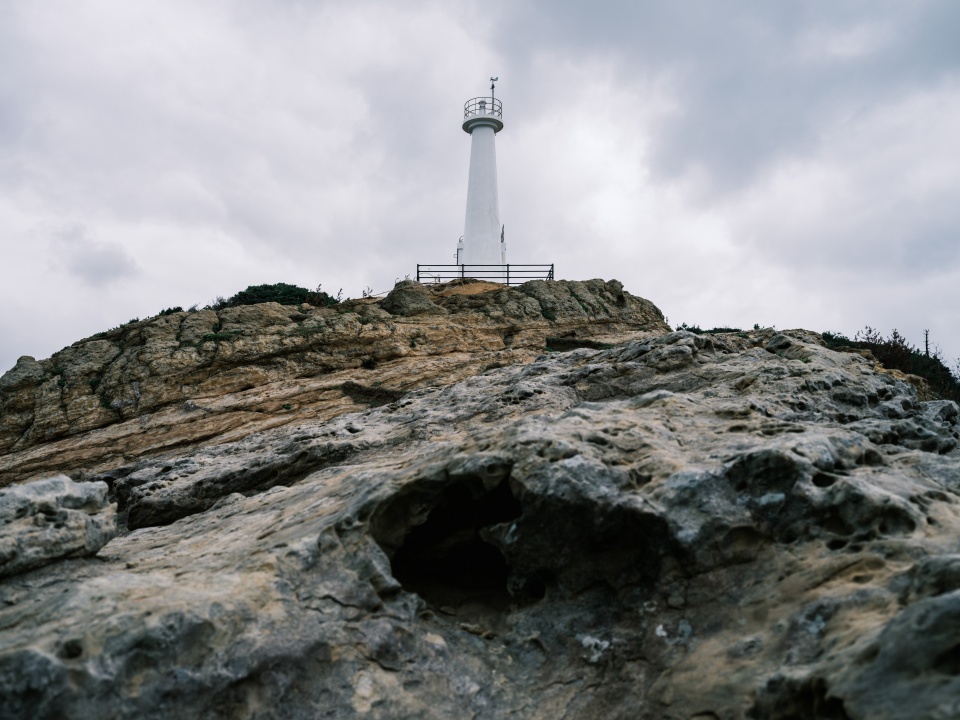
Kitakyushu’s Wakamatsu North Coast (若松北海岸) is known for its unspoiled coastline, free of industrial zones. In the Edo period, a banshо (番所, a guardhouse built in the Edo period to watch maritime activity and ships) was set up on the coastal cliffs of Tomigahana (遠見ヶ鼻), which juts out to the north of Wakamatsu, to monitor ships passing through Kitakyushu. After the guardhouse disappeared, Myozenzaki Lighthouse took over that role, and it still does. The sunset seen from this lighthouse is said to be the finest in Kitakyushu, and couples come here for dates. Follow the signs at the entrance to Tomigahana and leave the narrow path through the trees, and the view suddenly opens up to reveal the lighthouse. First-time visitors can easily lose their way, so take care. The cliffs around Tomigahana formed millions of years ago, are geologically significant, and are designated a natural monument.
福岡県北九州市若松区大字有毛 2829
Tomorrow Coast
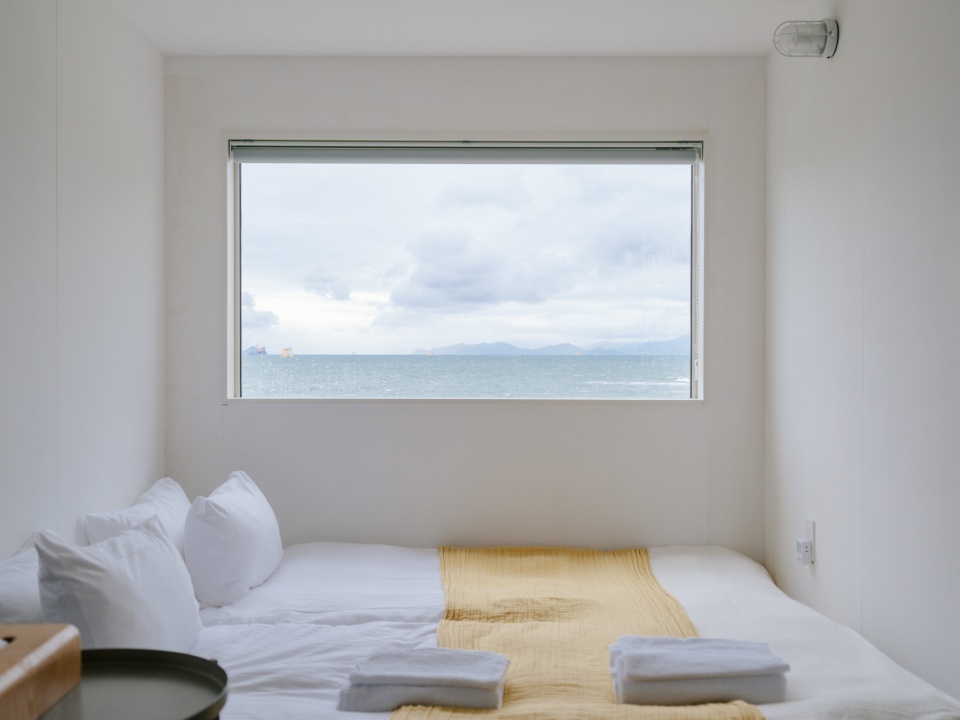
The glamping resort Tomorrow Coast occupies the site of a closed golf course in Wakamatsu. Its strength is a wide property dotted with palm trees, where the beach serves as your front yard. All the rooms are converted trailers. Lift your head from the bed and the ocean view fills your eyes, and the rooms come with amenities such as a shower and a sofa. When the weather is fine, it is a perfect place to lie back and relax on the private beach, facing the sunset. An outdoor stage and a dog playground host a variety of events on a regular basis. If you choose the barbecue option for dinner, a self-serve package of meat, vegetables, and pasta is prepared for you. Breakfast is a simple sandwich.
From ¥25,000 per night for two.
More to Read — Our Road Trip Series on Kitakyushu, Yamaguchi, and Oita, Japan