Road to the Essence of Scotch
A road trip from Edinburgh through Aberdeen and Speyside to Cairngorms National Park, in search of Scotland’s landscapes, its character and its Scotch whisky.
Road to the Essence of Scotch
“Scotch” is often used as a byword for top quality and graceful refinement. Think of whisky glowing a luminous amber, a Scotch egg with a hard-boiled center wrapped in a golden ratio of sausage meat, or butter candy carefully wrapped in tartan-patterned paper. This is probably thanks to the Scots’ exceptional pride and stubborn streak, which will not rest until they have set themselves apart from England.
Let’s set out on a road trip that starts in Edinburgh, passes through Aberdeen and Speyside, and loops around the secluded glens of Cairngorms National Park. Some might protest that the barren land of the northern Highlands and the dramatic adventures of the remote islands have been left out. But this route is nothing less than a journey to Scotland’s distinctive identity, in other words, to the essence of Scotch. For travelers hoping for a unique culture and sublime nature, there seems to be no better alternative.
Words Ko Hyeon
Photos Choi Namyong
Edinburgh
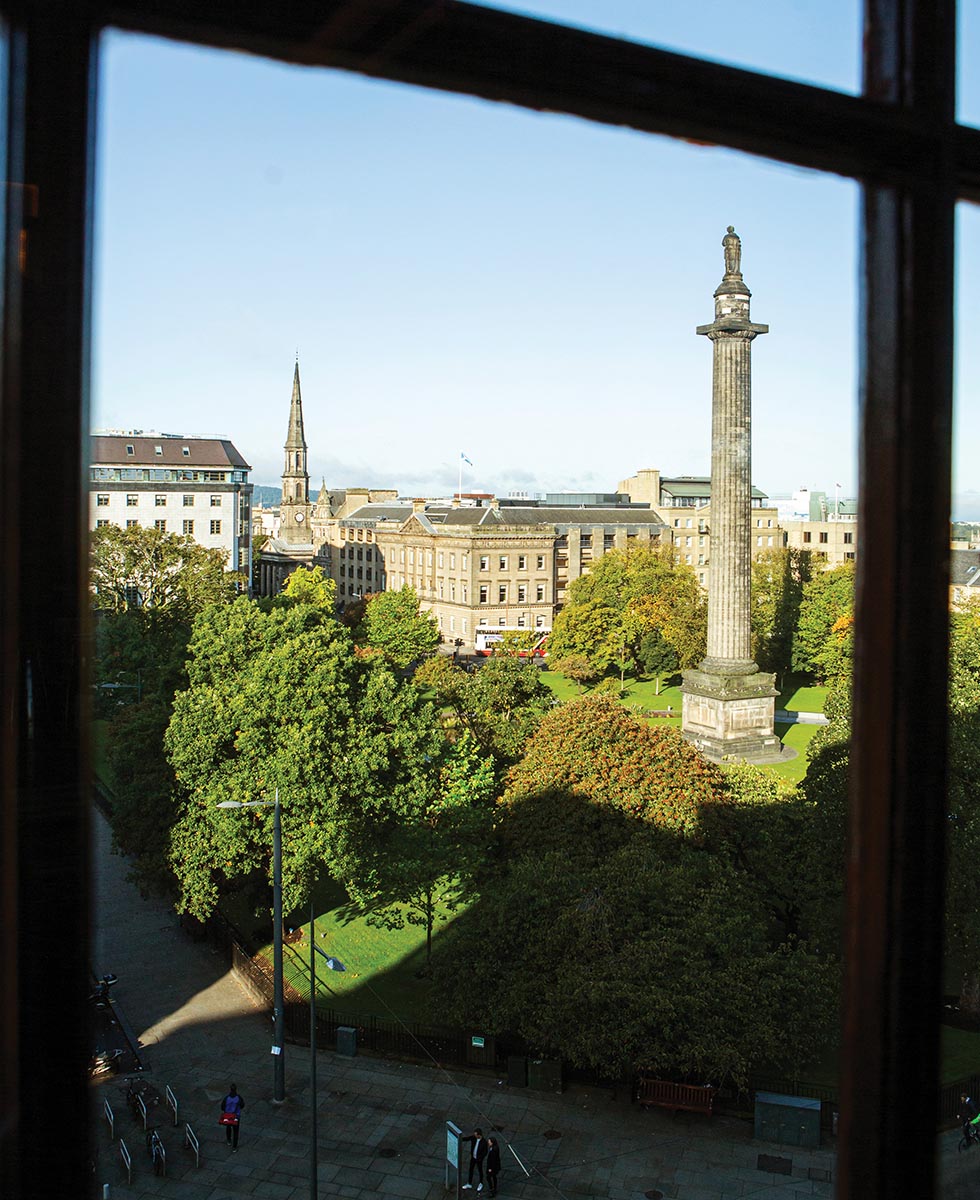
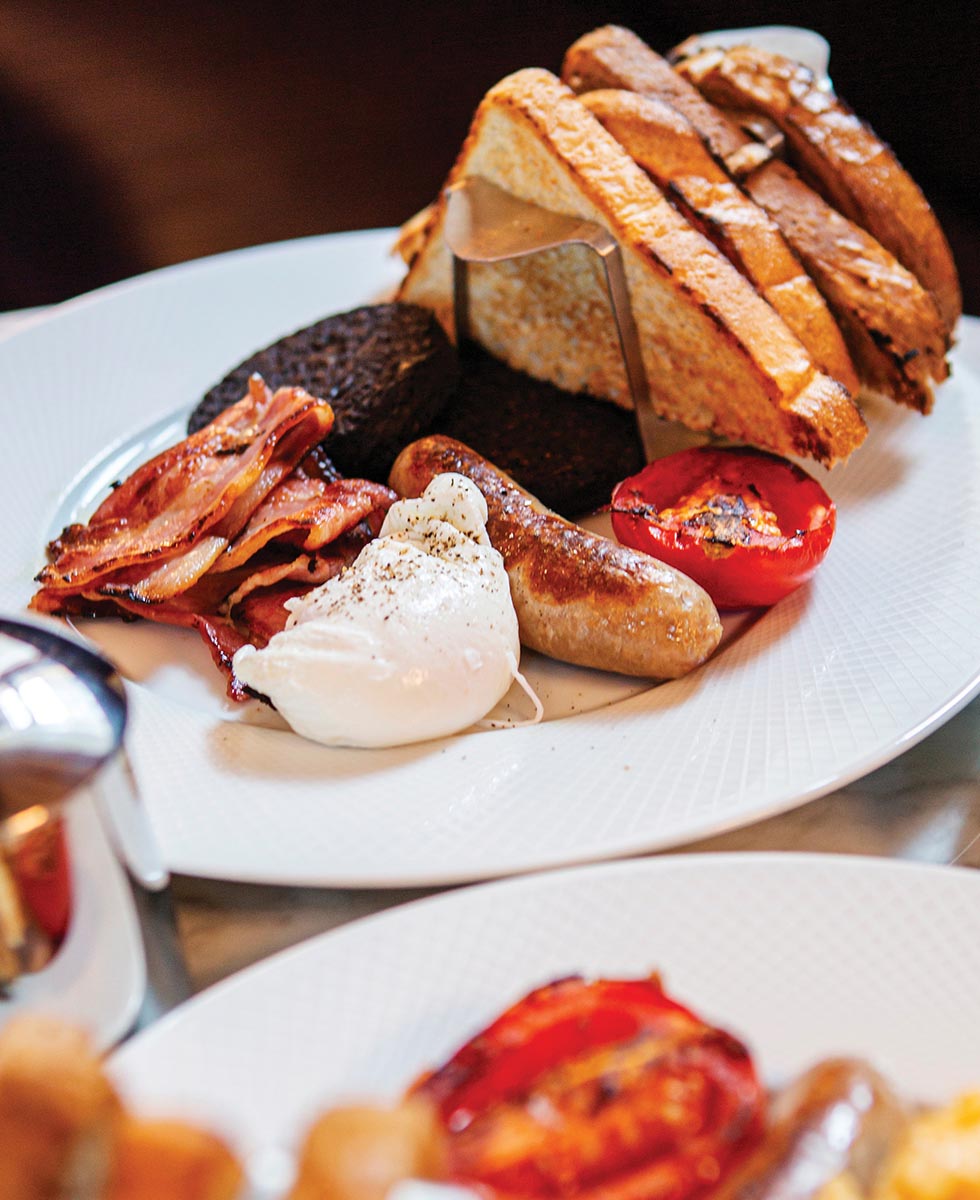
Right after checking in at The Edinburgh Grand, a stylishly renovated former Royal Bank of Scotland building on a corner of St. Andrew Square, I head to the Register Club on the hotel’s fourth floor to stave off hunger. A breakfast of black pudding piled generously on the plate, crisply grilled herb sausage and haggis, a dish cooked from sheep’s offal, makes it real that I have arrived in Scotland.
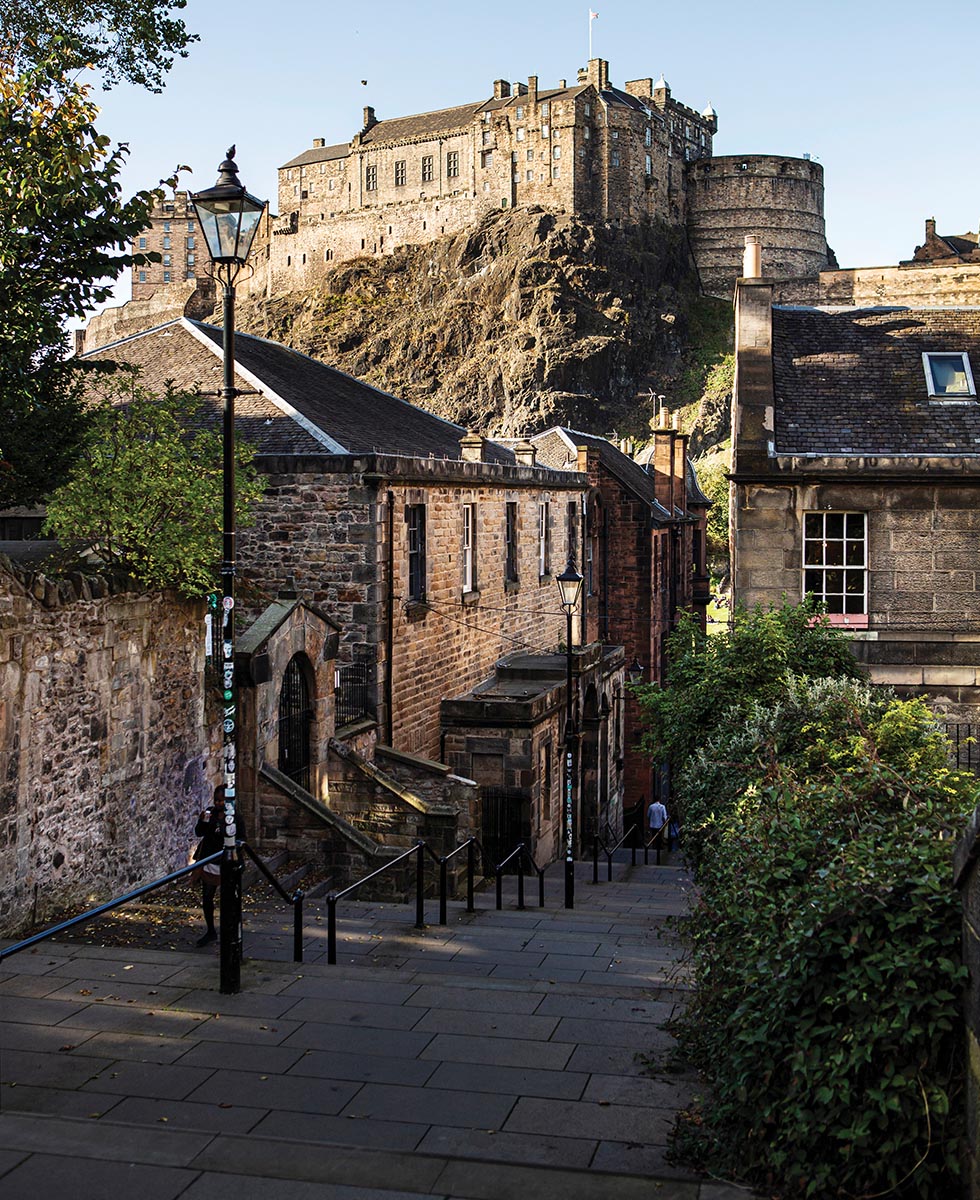
Edinburgh constantly betrays a compulsion to flaunt that it is Scotland’s capital. In front of Edinburgh Castle, which rises majestically atop volcanic rock, stands The Scotch Whisky Experience, a space that shows everything about Scotch whisky in three dimensions, and along the nearby streets, mime artists with their faces painted in the Scottish flag capture tourists’ attention. On the crowded Royal Mile, that compulsion reaches its peak. The name of this road, which runs roughly 1.6 kilometers from Edinburgh Castle to the Palace of Holyroodhouse, comes from the sixteenth-century Scottish monarchs who traveled back and forth between castle and palace. Today, young men in kilts playing the bagpipes re-create the glorious past here. In front of nearby Mary King’s Close, visitors with curious expressions listen to their tour guide.
On my way up Calton Hill to settle the excitement of Edinburgh, gray clouds suddenly roll in and the rain sweeps down in earnest, yet hardly anyone seems rattled. The moment I reach the hilltop, thin sunlight breaks through the clouds and a faint rainbow arcs over the Firth of Forth. When I turn my gaze the other way, the soot-blackened granite face of the Scott Monument and Edinburgh Castle glistens. A stark contrast, gone in an instant. It almost looks like a secret signal revealing the Scottish temperament.
Aberdeen
Not long after crossing the Forth Road Bridge out of Edinburgh, I realize I have entered the Highlands. Strictly speaking, the Highlands is a name for all the territory that remains once you exclude the southern plains around Edinburgh and Glasgow and some islands in the northwest. After about two and a half hours on the A90, climbing steadily through the Highlands’ rolling hills, I arrive in Aberdeen.
Known as the forward base of the North Sea oil industry and as the “Granite City,” Aberdeen lines its neatly laid-out streets with stone buildings of similar appearance. Facing this sight, travel writer Bill Bryson described it this way: “There was nothing wrong with Aberdeen. The problem was that there was too little in it that was especially irritating.”
Bill Bryson’s description seems about half right. Past the Union Square Shopping Centre, which recalls an affluent London suburban townhouse district, and into the center of the tidy new town, franchise restaurants scattered among the granite buildings dampen a traveler’s interest. In Old Aberdeen to the north, by contrast, you can feel an antique charm entirely different from the new town. On the cobblestones in front of the stately campus of the University of Aberdeen, surrounded by lush trees, or St. Machar’s Cathedral, a horse-drawn carriage ambling past would hardly look out of place.
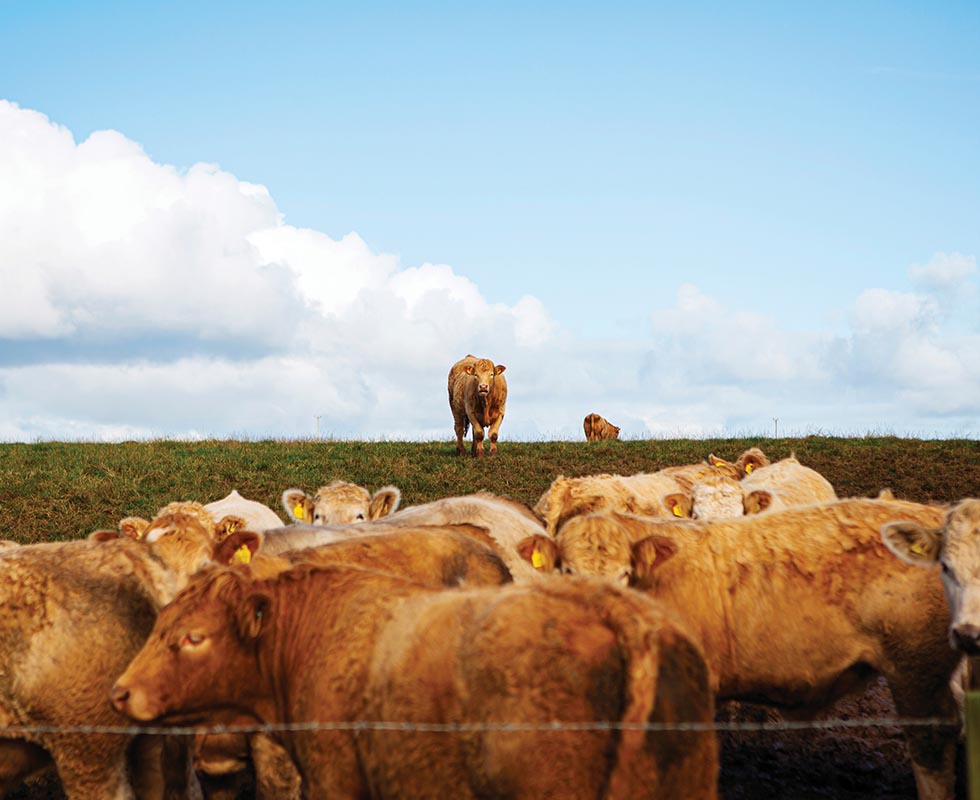
The moment that truly enchants travelers in Aberdeen lies elsewhere. Sheep and cattle are raised widely in the Scottish Highlands, and among them the Angus cattle, black-bodied and shaggy-coated, raised in the Angus region south of Aberdeen, have won over the world’s gourmets in a single stroke as steak. It goes without saying that even an ordinary 7 Steakhouse in downtown Aberdeen serves top-grade Angus. The flavor of an Angus steak, brimming with juices, instantly lifts the energy of the trip.
Slains Castle
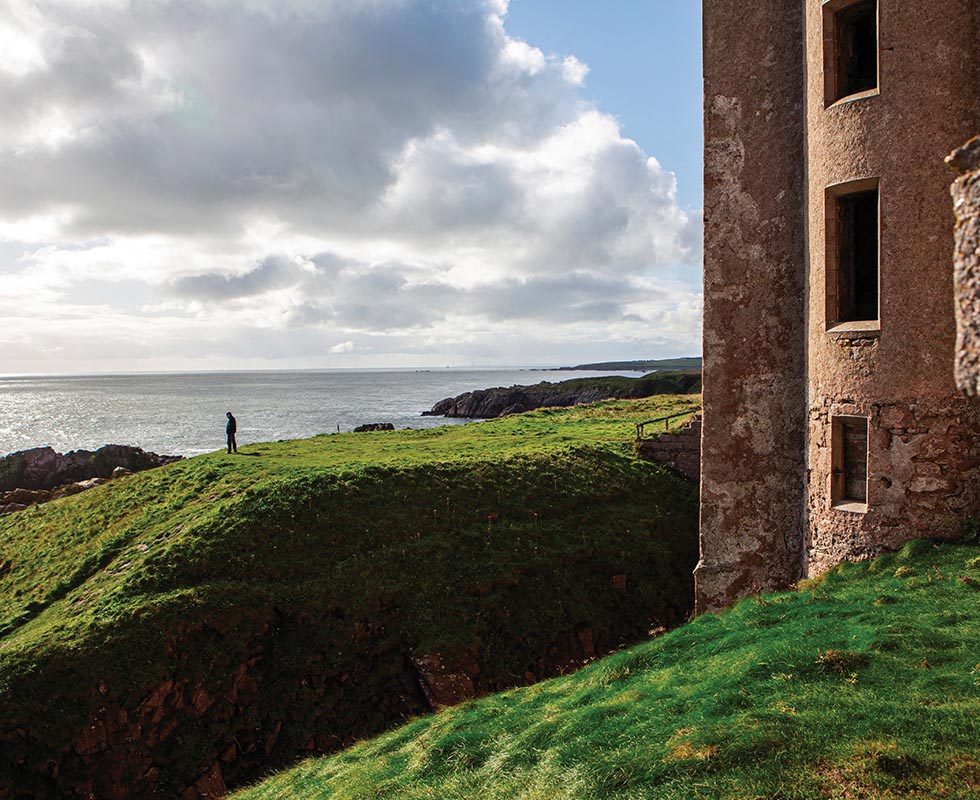
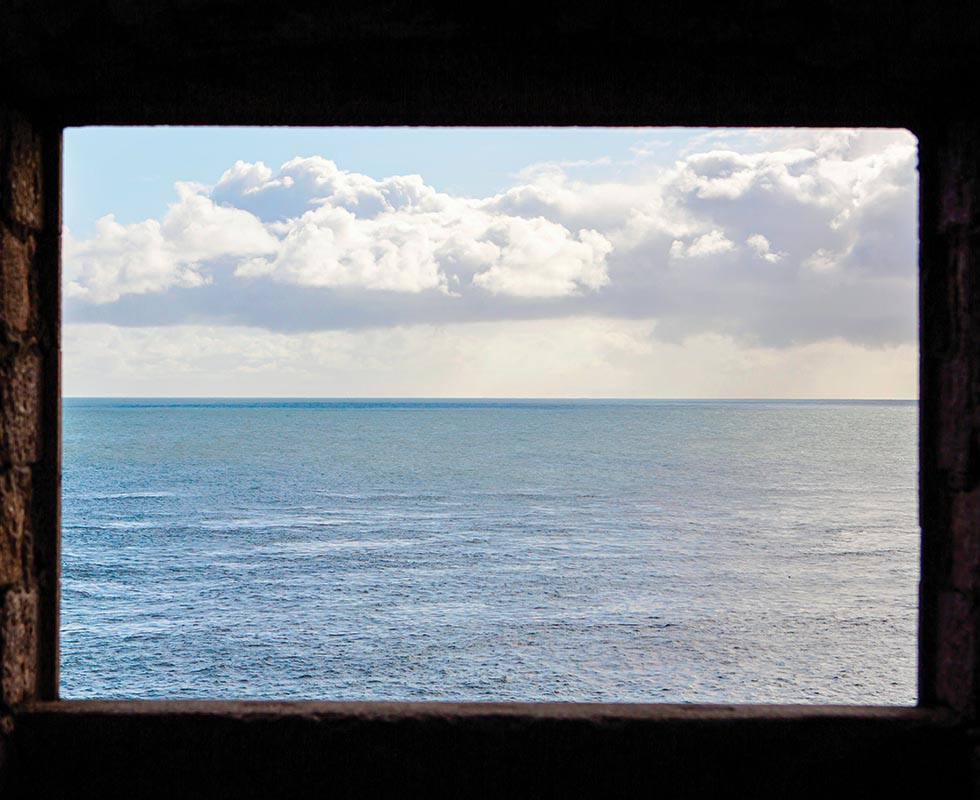
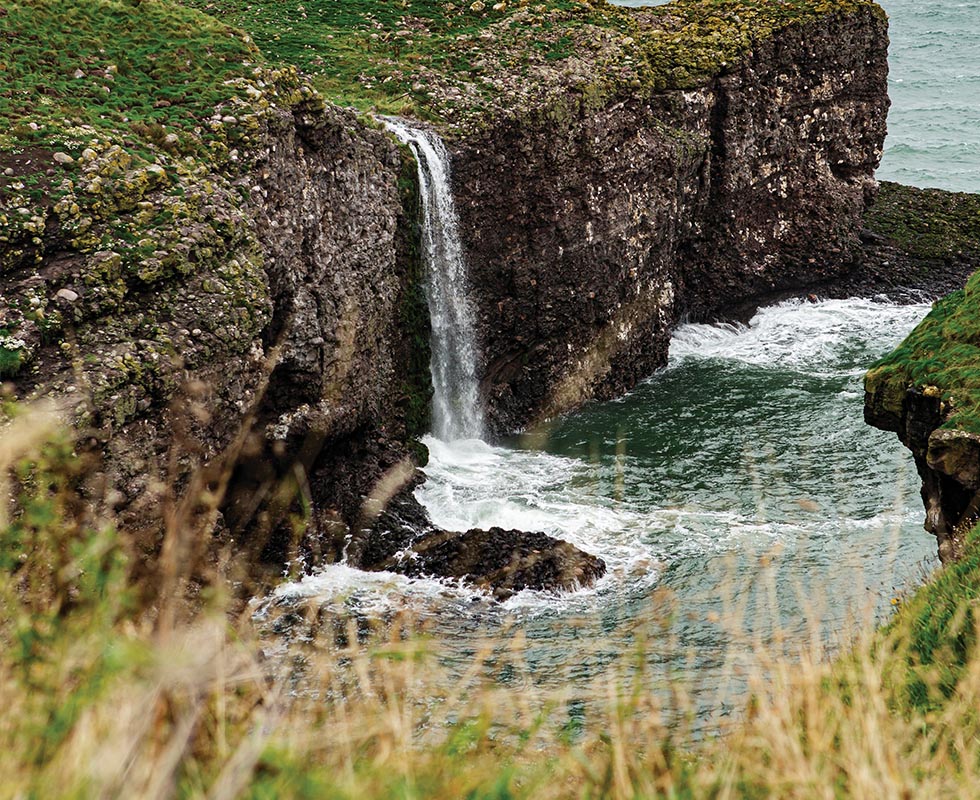
You can trust, to some extent, the saying that driving in Scotland means running into castles as often as gas stations. After all, more than 2,000 castles are listed as cultural heritage. Among them, Slains Castle, north of Aberdeen, stands at the edge of a sea cliff that is hard to find unless you go looking for it. Note, though, that there are two Slains Castles, so take care not to confuse them: Old Slains Castle in Collieston, and New Slains Castle, standing alone farther north in Cruden Bay. Old Slains Castle is in such ruins that it is practically impossible to guess its original form.
Even the “new” castle has a history reaching back more than 400 years. The local lords of Clan Hay rebuilt it in 1597 in the medieval Scottish Baronial style to show off their power. New Slains Castle met a very different fate in 1925 under Sir John Ellerman. As its new owner, he tore off the entire roof to avoid taxes. Left with only its outer walls and inner framework, barely recognizable in form, Slains Castle ironically stirs visitors’ imaginations today with its strange shape.
At the castle entrance, a notice about a Dracula performance catches the eye. The Irish novelist Bram Stoker visited the castle regularly in the nineteenth century at the invitation of its lord. The work he wrote after drawing deep inspiration from it was none other than ‘Dracula.’ The geometric octagonal courtyard at the heart of the castle was even borrowed almost intact when describing Dracula’s castle. Slains Castle, which inspired Bram Stoker, lost its original function not long afterward, but visitors today still draw out the stories left by the remains of the decayed castle.
After letting your literary imagination run at Slains Castle, wet your throat with a beer. One of Scotland’s best craft breweries is just a 20-minute drive away. BrewDog is a relatively young brewery founded in 2007, and with its bold marketing it quickly conquered pubs across Scotland. It is quite significant that BrewDog’s craft beer, boldly infused with aroma, made waves in a Scotland that had clung to a somewhat dull traditional beer culture. Stubborn, but daring at times. Perhaps that is the Scottish temperament.
Speyside
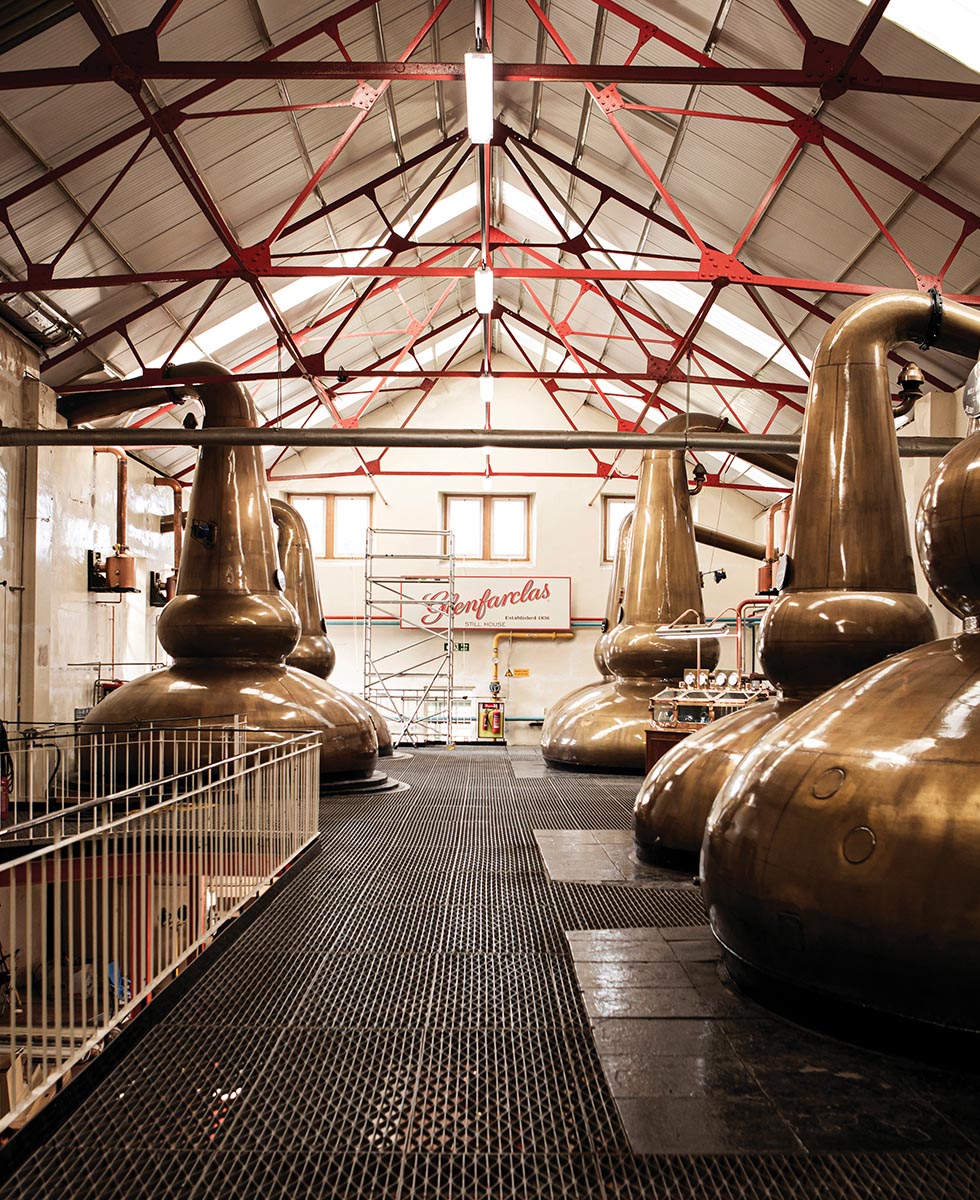
Speyside technically belongs to the Highlands, but its commanding presence has earned it a region of its own. Given that roughly 50 of Scotland’s malt whisky distilleries, nearly half the national total, are located here, that is hardly surprising. Stars such as Macallan, Glenlivet, and Glenfiddich, names even whisky novices have likely heard at least once, are all clustered in this area. Each distillery has its own character, but what Speyside malts share is a “exquisite balance.” The flavor, in which sweet floral and nutty notes blend softly, wins steady support from enthusiasts. Even those who prefer the intensely peaty whiskies of Islay regard a trip to Speyside, the heartland of malt whisky, as a kind of pilgrimage.
The River Spey, 160 kilometers long and winding through a web of tributaries, is the single most important ingredient in distilling whisky here. Its waters, mingled with the barley malt of the Speyside region, take on a distinctly dark hue. Malt dried from barley grown in Speyside’s wide fields is then combined with yeast and matured in oak casks, and that is how the legendary malt whisky comes to be.
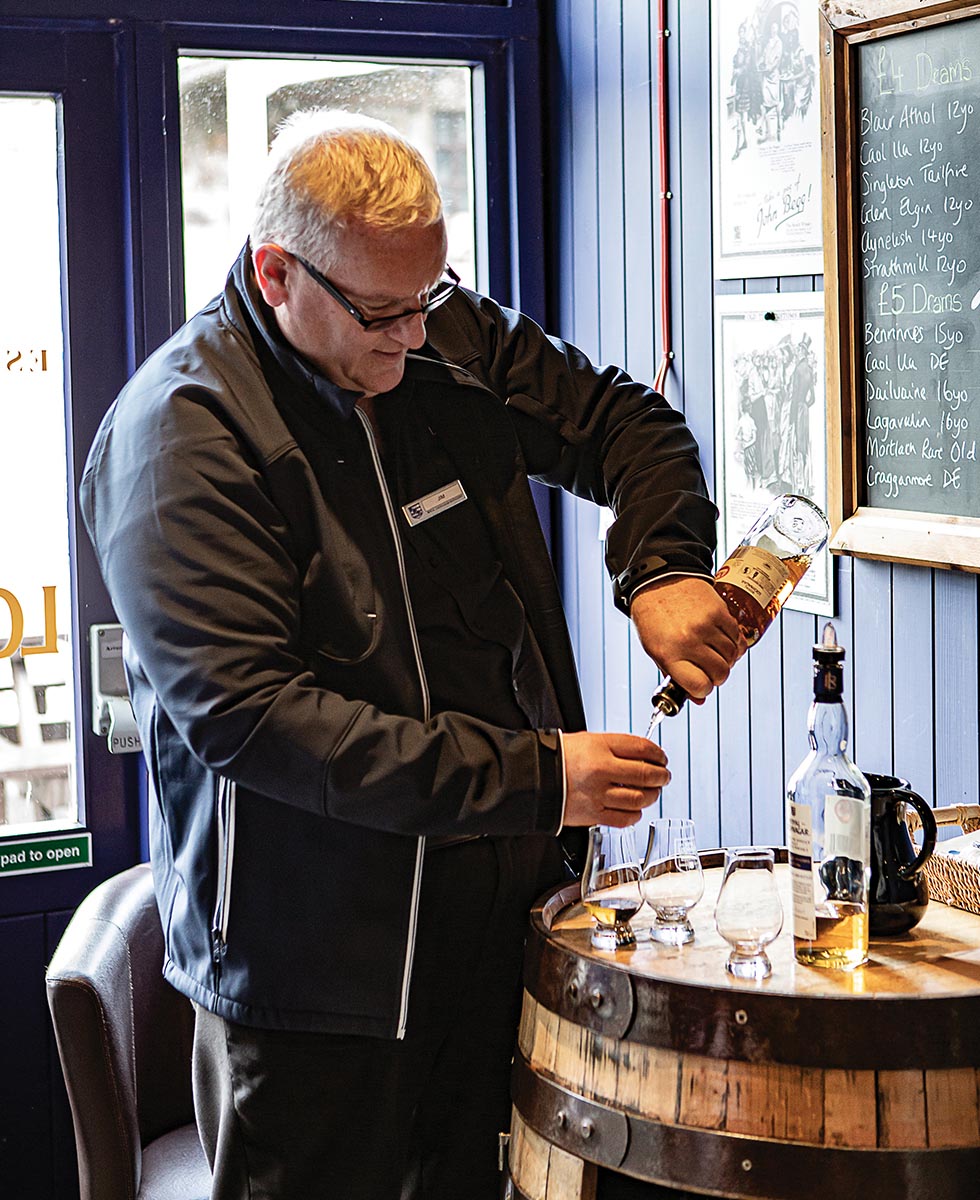
If you are visiting Speyside for the first time, the Malt Whisky Trail, which guides visitors to 11 distilleries, is a good reference. The route, which spans Dufftown, Aberlour, and Elgin, includes Speyside’s most representative distilleries. Glenlivet Distillery is one you cannot skip. Pick out a whisky at the spacious shop on the premises and ask for a tasting. “This is a limited-edition malt, aged separately in American and European sherry casks.” As you listen to the Glenlivet manager’s careful explanation while you taste, you will come to feel firsthand that the more a limited-edition whisky costs, with some fetching several hundred pounds, the more complex and subtle its flavor becomes.
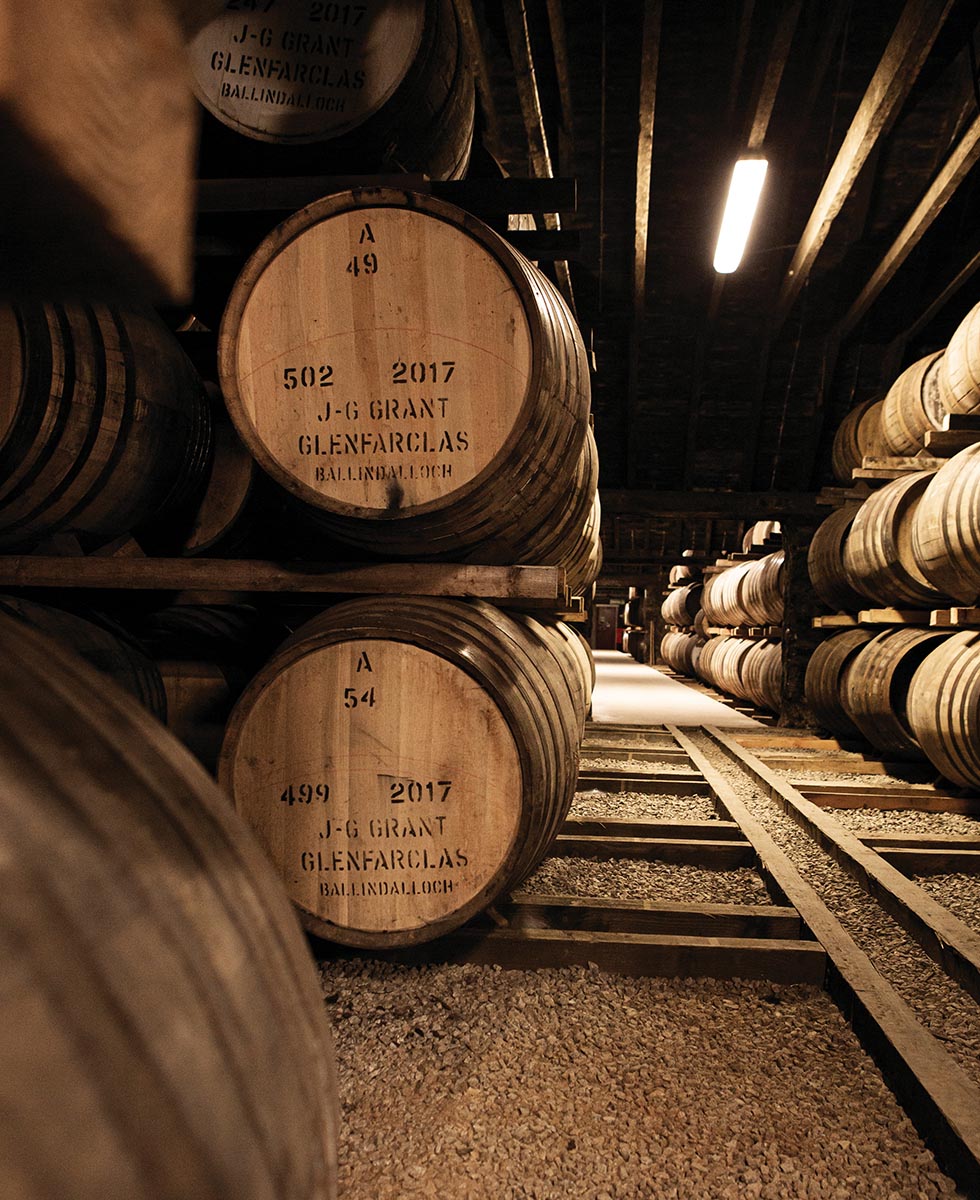
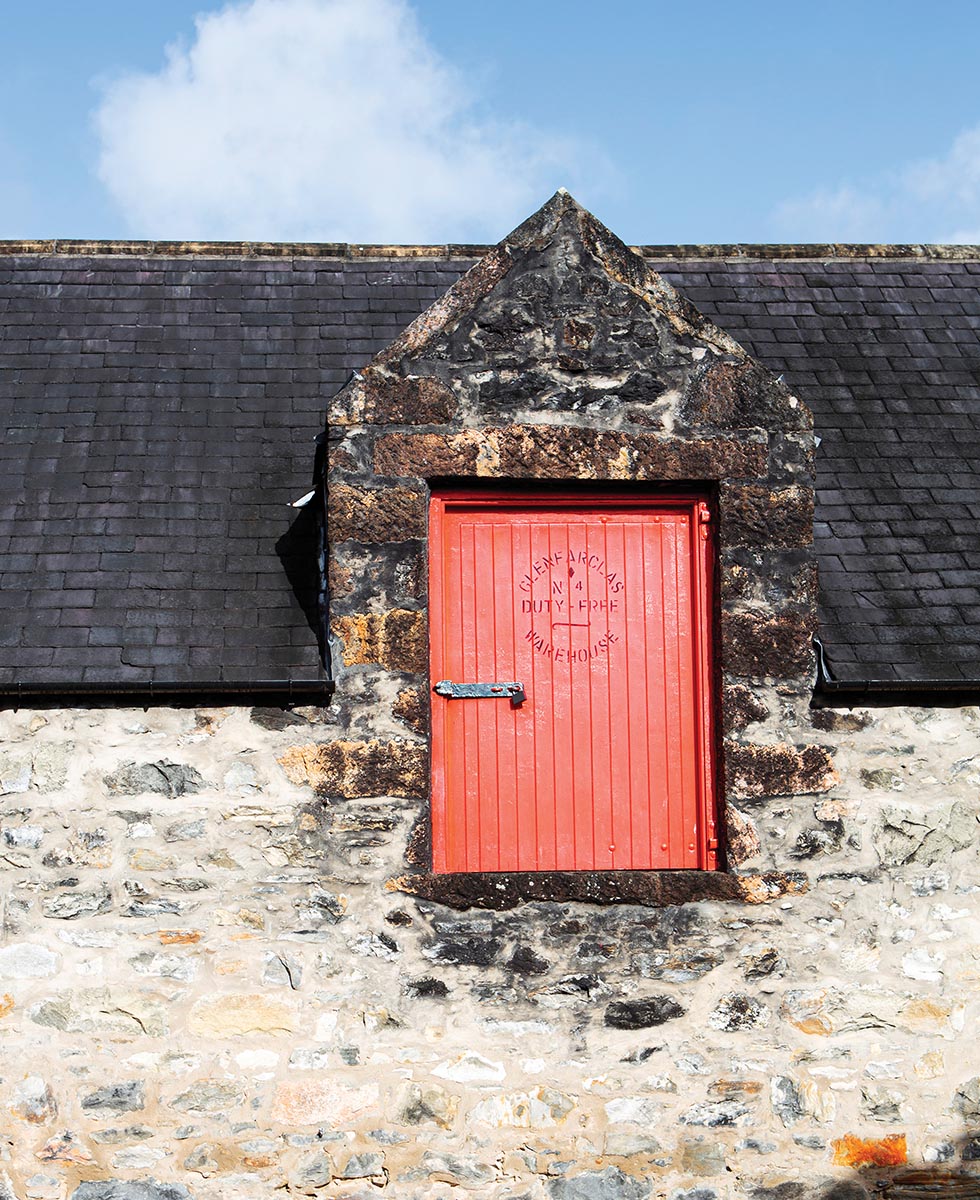
Founded in 1865 by John Grant and passed down through six generations, Glenfarclas is one of the few family-run distilleries left in Scotland. Beyond its soot-darkened warehouses looms Ben Rinnes, which locals call the “whisky mountain.” Glenfarclas is on the smaller side for Speyside, yet more than 3,500 whisky casks sit waiting to mature here. A blackboard at the reception desk meticulously lists the whiskies by vintage. The one poured in the tasting room today happened to be from 1994. Counting the years of aging, it means drinking a whisky older than many young adults.
Cairngorms
National Park
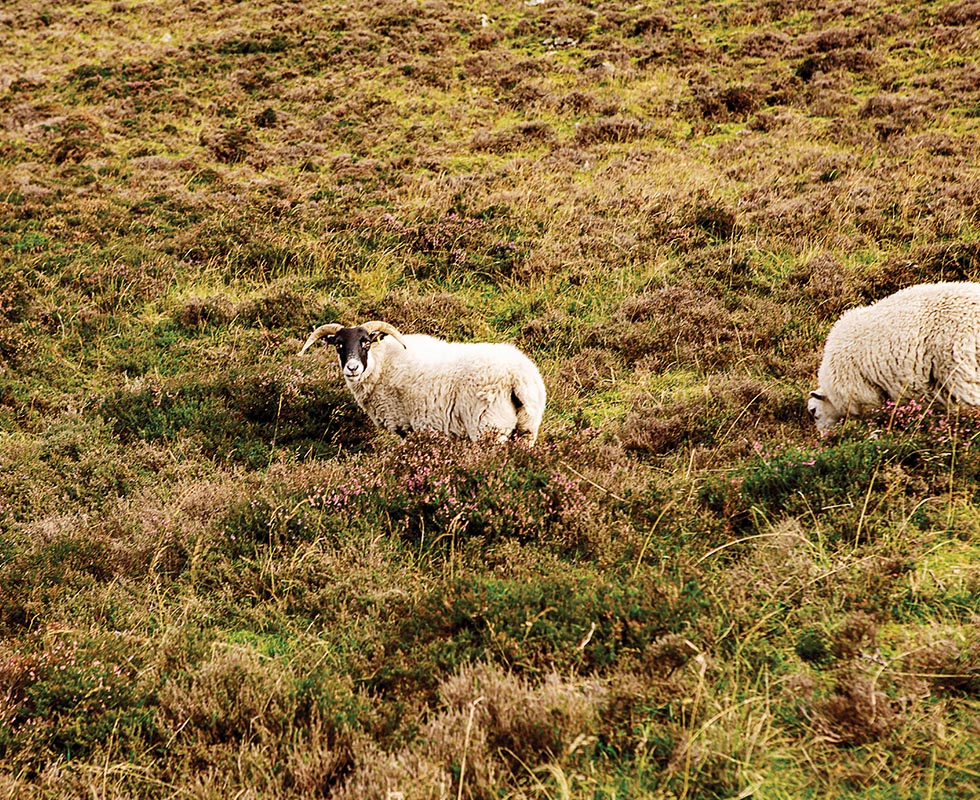
It is only when you reach Cairngorms National Park, south of Speyside, that you truly feel you are traveling in the Highlands. Flip through a Highlands guidebook and you will find the park occupies only a sliver of pages, as it is not considered a major destination, yet it boasts a vast expanse that covers 10 percent of Scotland’s total area. The River Dee flowing through the heart of the park, the flocks of sheep wandering along its banks, and the occasional village that appears together create a pastoral landscape.
In Dyce, which marks the park’s eastern boundary, you will find the Deeside Gliding Club. I pulled the car over for a moment to watch the unfamiliar sight of an unpowered glider attempting takeoff, tethered to a light aircraft. The glider, carrying a single pilot, climbed several hundred meters, released the line connecting it to the plane, and glided across the sky. “The wind is a bit weak today. When the weather conditions are good, you can fly for almost an hour without power.” So said the white-haired pilot, who, having made a nail-biting landing, was towing his glider along.
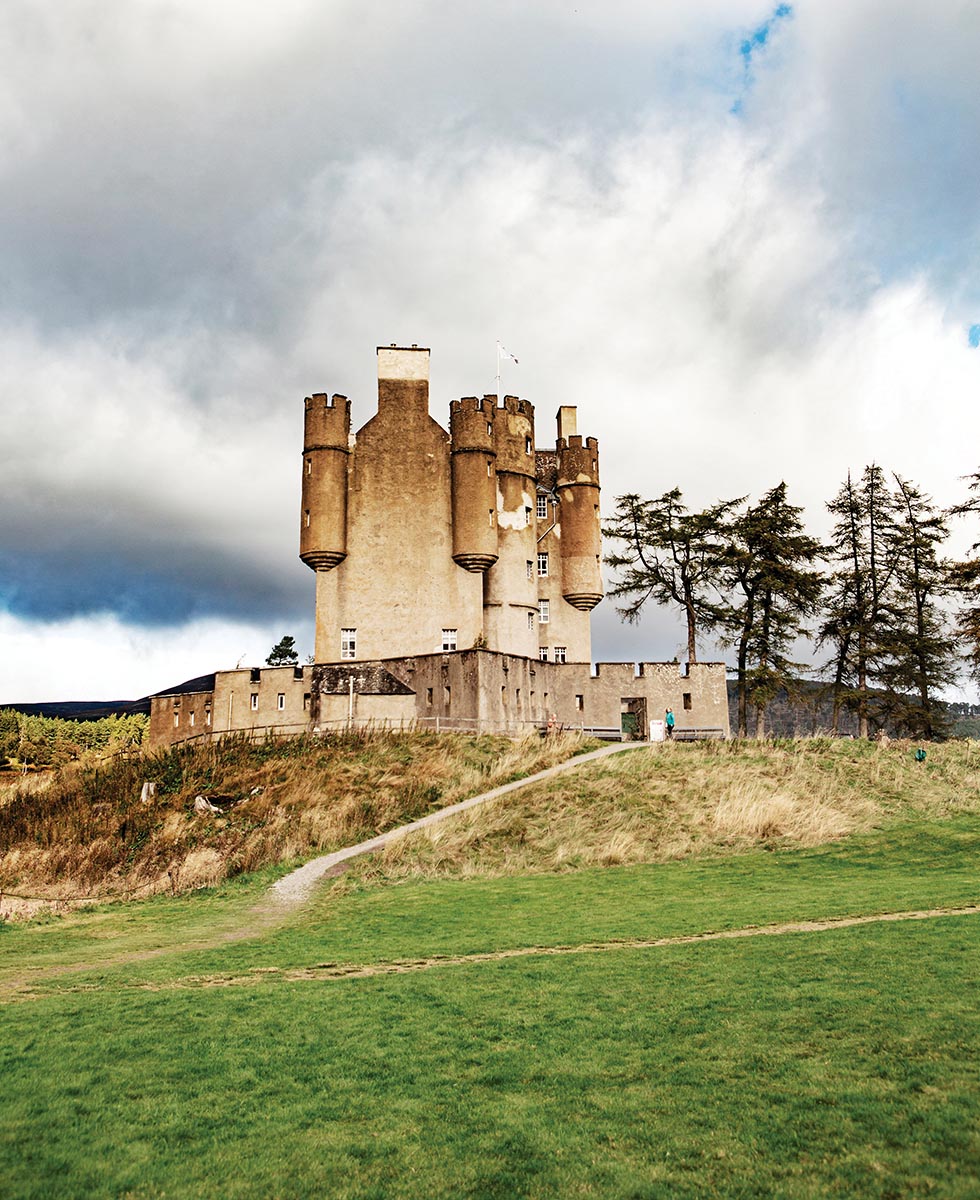
Driving the roads of Cairngorms National Park, stops like this happen all the time. Cars are always pulled over at a remote, rust-covered gas station, in front of a castle basking in the sun on the plain, and beside hills where black-faced sheep roam. To gaze quietly at the rugged moorland and the steep ridgelines of the mountains, the road faintly threading between them, the clouds drifting low across the sky, and the fog that rises without warning: perhaps that is the purest way to approach the Highlands. And perhaps the most enchanting moments Scotland has to offer arrive in front of dreamlike scenes such as these.