
Quebec Vacation Guide — A Travel Guide to Quebec, Canada
Quebec is Canada's largest province, and its official language is French. From Quebec City to Montreal, here is how to travel through Canada's other identity, from the fortified old town to the apple orchards and food trails of the Laurentians.
Quebec Vacation Guide — A Travel Guide to Quebec, Canada
Sophisticated cities, vast stretches of nature, and people who greet you first with a warm “Bonjour.” Quebec is, in a sense, another identity that Canada holds within itself. From Quebec City to Montreal, here is how to travel through a province devoted to the joy of living.
Words & Photos Hur Taewoo
Quebec City
Quebec City
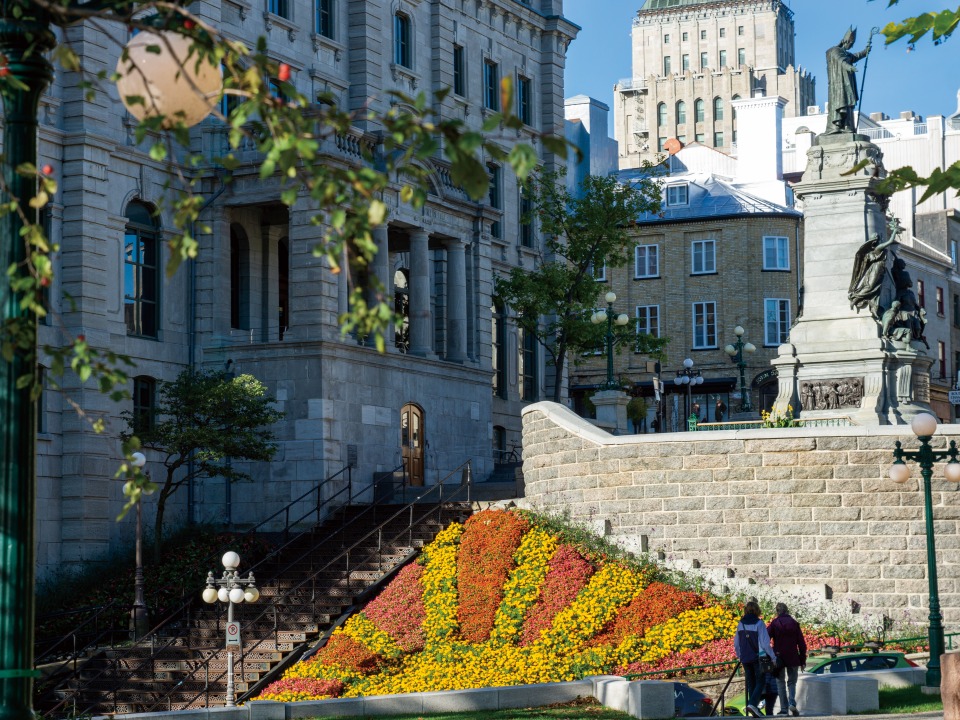
The capital of Quebec and the birthplace of the Québécois. Behind its look of an old fortress on the banks of the St. Lawrence, Quebec City holds passion, good humor, and hospitality. This beautiful city is also older than you might guess, and it has lived through hard years you may not know about. The so-called “Quiet Revolution” was not violent on the surface, but the language, daily life, and home ground of the Québécois are unlike anywhere else in North America or Europe. What you find within is something that belongs to Quebec City alone.
Old Quebec
The history of Quebec City, and any trip there, begins in Old Quebec. Apart from Mexico City, it is the only fortified city center in North America. Old Quebec covers about 1.35 square kilometers in the eastern part of Quebec City. It was inscribed as a UNESCO World Heritage Site in 1985 and is divided into Upper Town and Lower Town, with La Citadelle de Quebec at its peak. Upper Town looks down on Lower Town with a romantic panorama, while the charming alleys of Lower Town summon the past like a film set about the early settlers of the New World.
The geometrically shaped Citadelle is a fortress first built in 1820 to defend Quebec against the United States. Because the St. Lawrence, which flows out to the Atlantic, narrows right in front of the fortress, every approaching ship could be kept within range of its cannons. The defenses were thorough, but no war was ever actually fought here. If you join a guided tour, you can hear the history and events tied to the Citadelle laid out clearly. Part of the Royal 22nd Regiment of Canada, which fought in the world wars, is still stationed at the fortress.
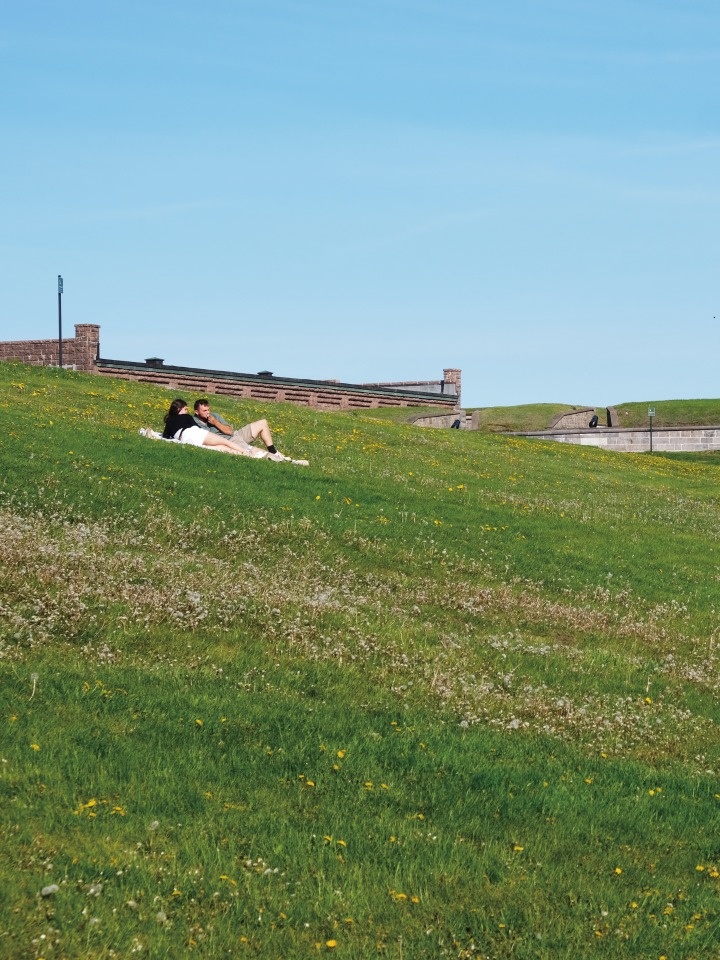
Below the Citadelle lies Parc du Bastion-de-la-Reine, home to the most famous view in Quebec City: a postcard scene of the Fairmont Le Château Frontenac hotel, the Terrasse Dufferin promenade, and the St. Lawrence River together. At La Terrasse Saint-Denis, a small resting spot on the park's slope, crowds of travelers strike poses nonstop for that postcard shot.
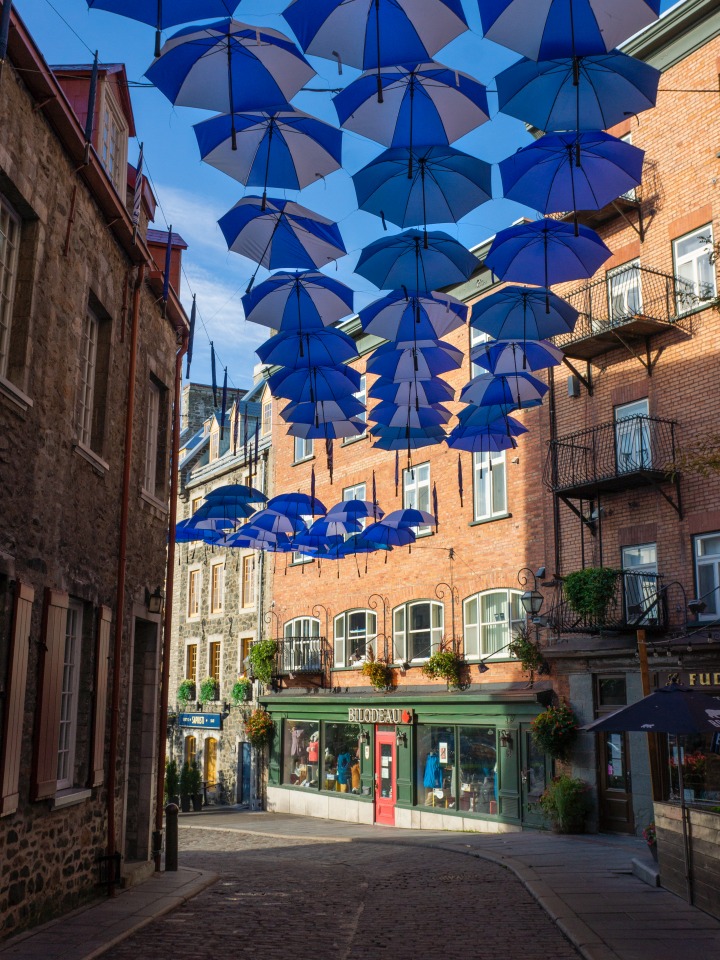
Follow the park's lawn downhill, stroll a short way along Terrasse Dufferin, and head to Lower Town. Here, 18th-century Norman-style houses line both sides of cobblestone streets, and shops and cafés are everywhere. The view of Petit-Champlain Street from Escalier Casse-Cou, which translates as “Breakneck Stairs,” is especially memorable. In winter, when the streets freeze, visitors are advised to take photos on the stairs and then (before they slip) ride the funicular up and down. Another famous spot in Lower Town is Place-Royale, exactly where Samuel de Champlain settled in 1608. Sit on the church steps in front of the small square and watch the street performers for a while, then take in the mural La Fresque des Québécois. The trompe l'oeil mural, which seems to recreate the street itself, depicts 17 key figures from Quebec's history at life size.
Saint-Jean-Baptiste & St. Roch
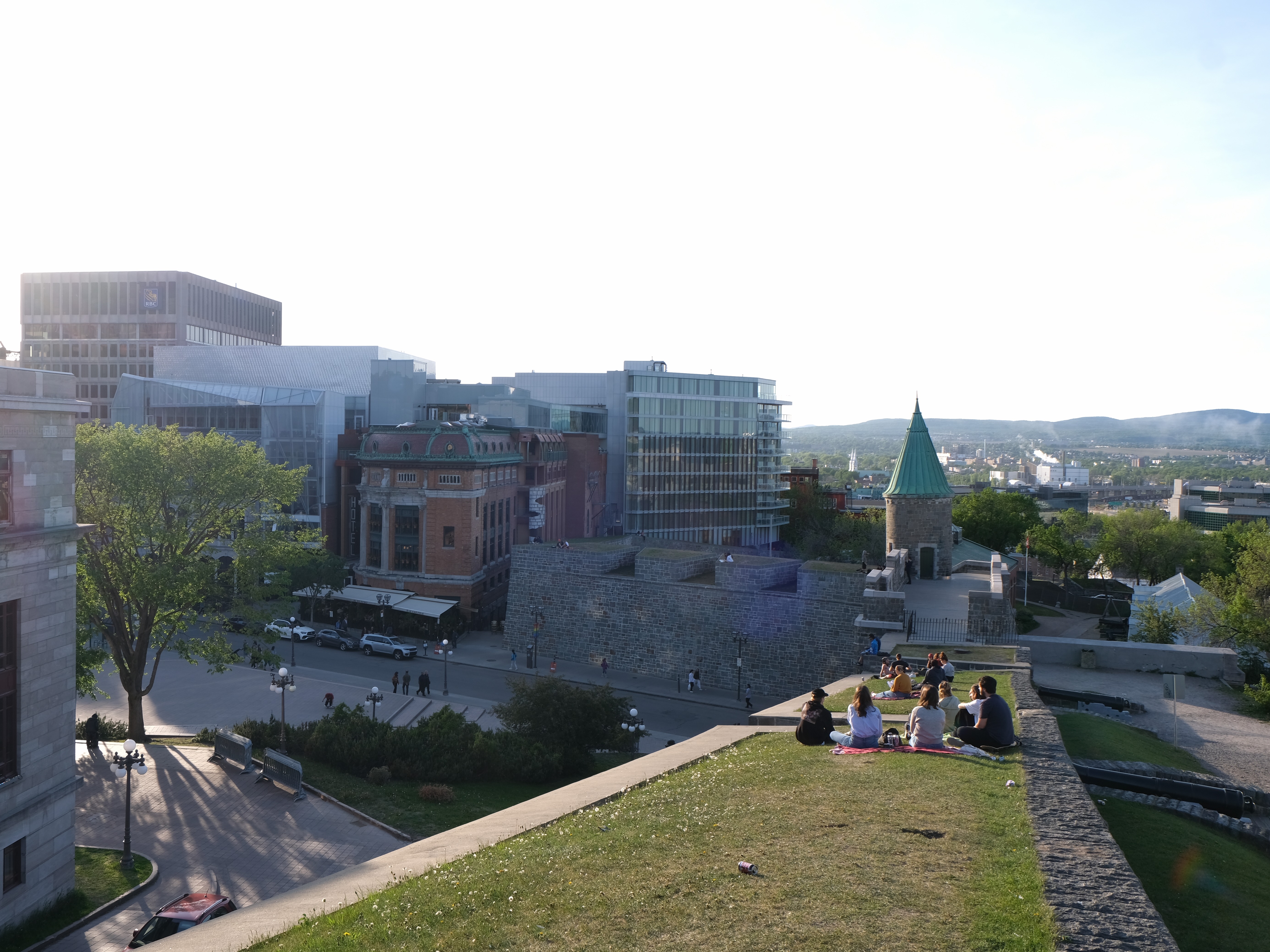
Turn back toward Upper Town in the old quarter and pass the lively restaurants of Rue Saint-Jean, and St. John Gate appears. It is the most heavily used of the gates encircling the old town. From Place D’Youville in front of the gate, Quebec City's clock moves into the modern era. This neighborhood is known as Saint-Jean-Baptiste. Cafés, restaurants, and pubs favored by locals line both sides of the street, making it a good place to feel the friendly local atmosphere away from the tour groups of the old town. In one of the low brick buildings on Rue Saint-Jean, Cantook Micro Torréfaction serves some of the best coffee in Quebec City.
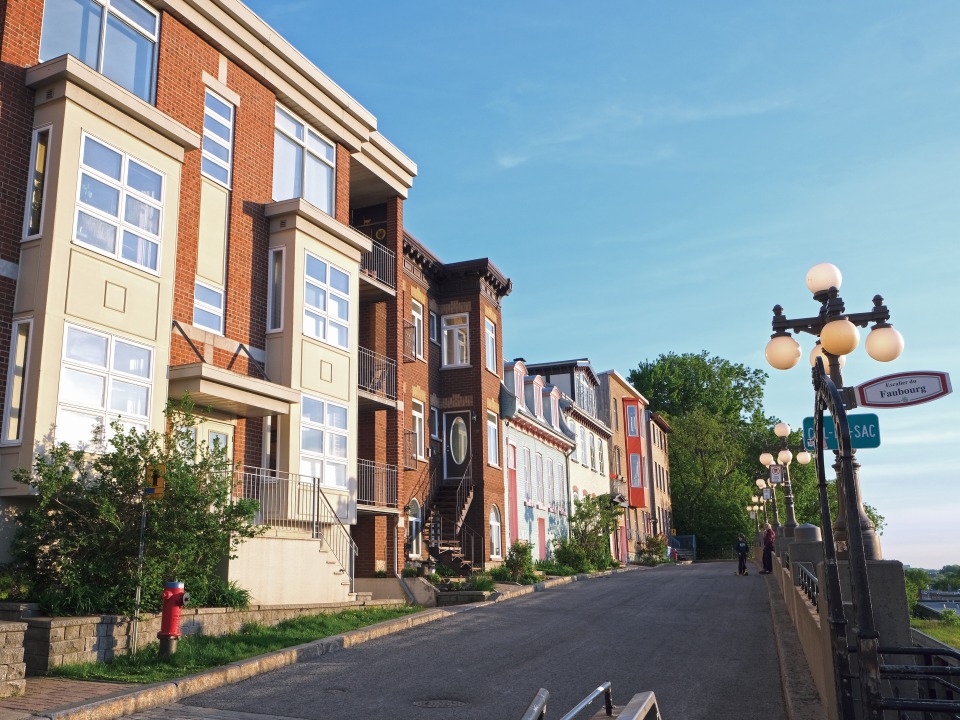
The neighborhood below Saint-Jean-Baptiste is St. Roch. It is home to the best restaurants and pubs in Quebec City, and on weekends the cheers of young Québécois ring out from every corner. Take the Art Deco Escalier du Faubourg, which offers a wonderful view at dusk, down into St. Roch.
St. Roch is full of the Québécois devotion to cooking. Restaurants that look ordinary from the outside but open into dazzling gastronomy are hidden throughout: Battuto, repeatedly named one of Canada's best Italian restaurants; l’Affair est Ketchup, recommended by chef Anthony Bourdain; and Tumi, which blends Peruvian and Canadian cooking. After a satisfying meal, move on to a nearby live music bar or microbrewery and enjoy a Quebec City night. You will feel the quiet heat of the Québécois, something tourists in the old town never get to experience.
The Laurentians
Laurentides
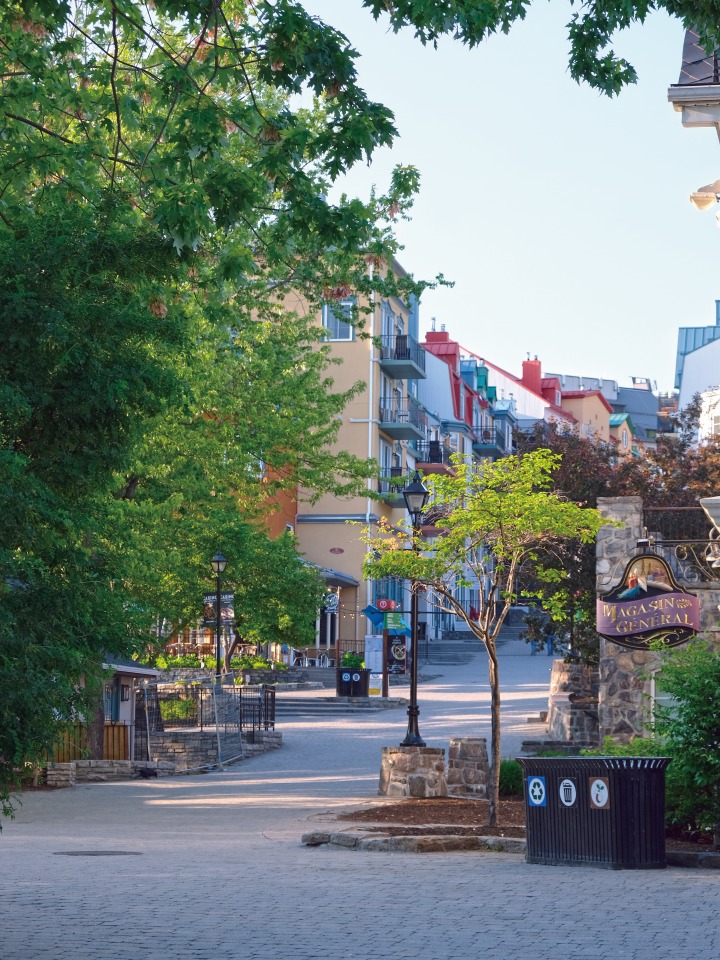
The Laurentians, an hour's drive from Montreal, are a stage for activities and food. The rolling Laurentian Mountains and the clear lakes and rivers nestled among them form the backdrop of an exceptionally clean environment. In summer, the main draws are hiking, cycling, and the rich flavors of local ingredients along the gourmet route Chemin du Terroir. In winter, visitors gather at the Mont-Tremblant ski resort, and après-ski parties melt away the cold.
Chemin du Terroir
Start your Laurentians trip with a leisurely lunch. Labonté de la Pomme is an orchard and apple shack on the Chemin du Terroir. In eastern Canada, a barn or shop that makes maple syrup is generally called a sugar shack. Famous sugar shacks serve all kinds of sweet dishes made with maple syrup and farm produce. An apple shack is similar, a place that makes apple cider and jam. Naturally, the food made with them is bound to be sweet and delicious.
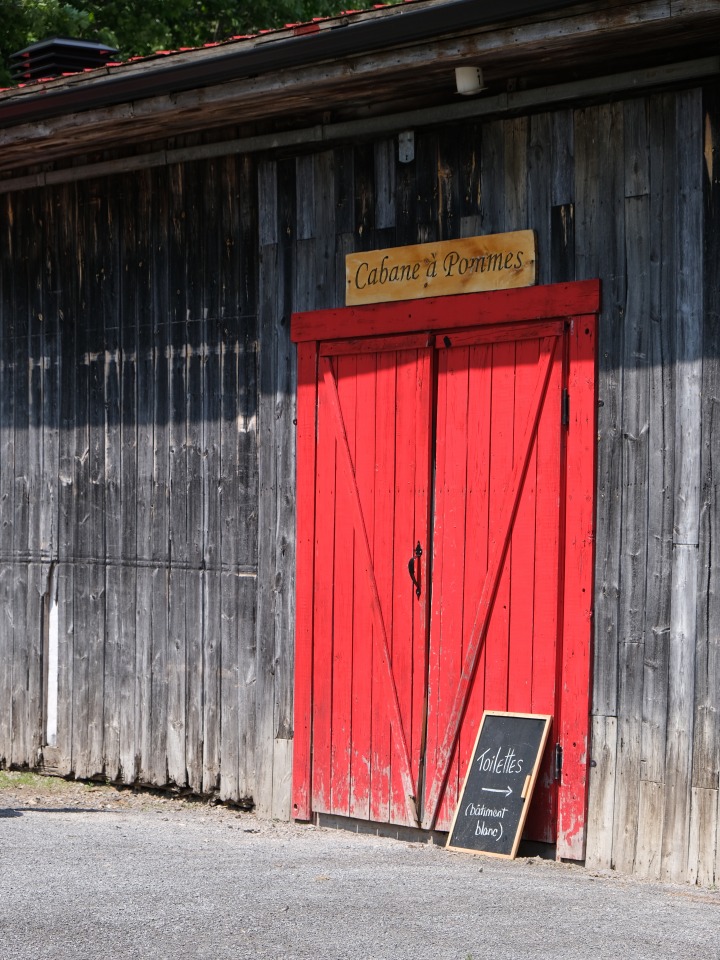
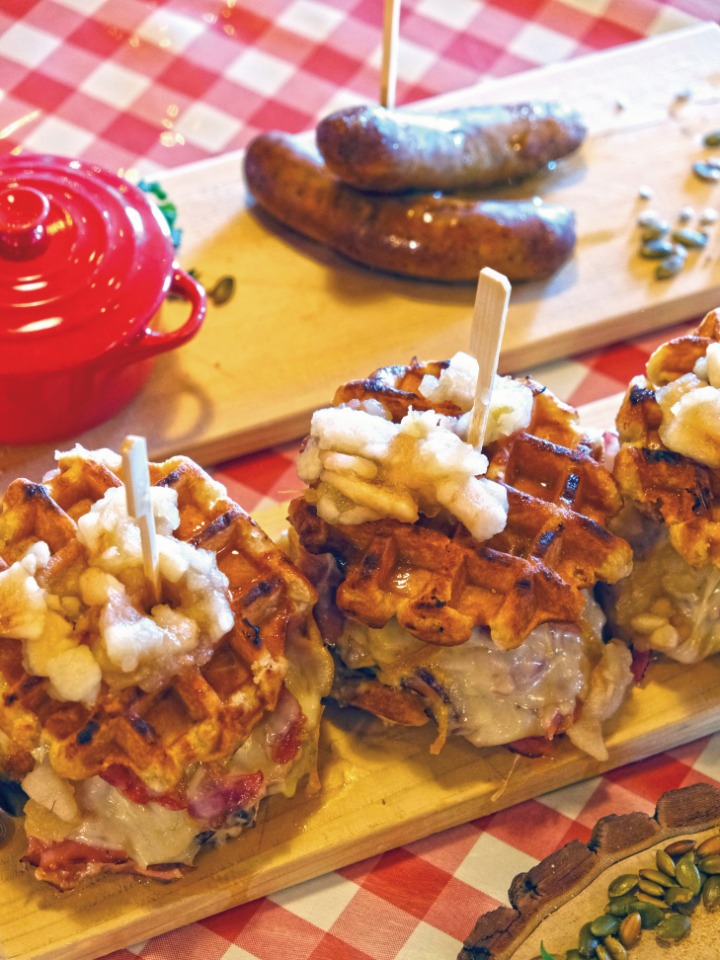
A meal at the apple shack at Labonté de la Pomme is generous enough to fill the whole table: a waffle burger with apple compote, bacon, and Oka cheese; homemade sausage smoked over apple wood; a salad dressed with apple vinegar; apple jelly and bread; and freshly pressed apple cider and juice. It is a perfect lunch built from the flavors of Laurentian nature. Afterward, you can burn off the calories with a leisurely walk through the orchard, under fresh green leaves and a pale blue sky. Depending on the season, picnic programs and fruit-picking experiences are also offered, so interested travelers should check the schedule on the website. The shop inside the apple shack sells a variety of ingredients produced by Labonté de la Pomme, along with cider.
Mont-Tremblant
The hub of activity in the Laurentians is Mont-Tremblant. Ringed by the Laurentian ridgelines, this small town brings together a national park, a ski resort, a racetrack, and several golf courses in a spectacular landscape.
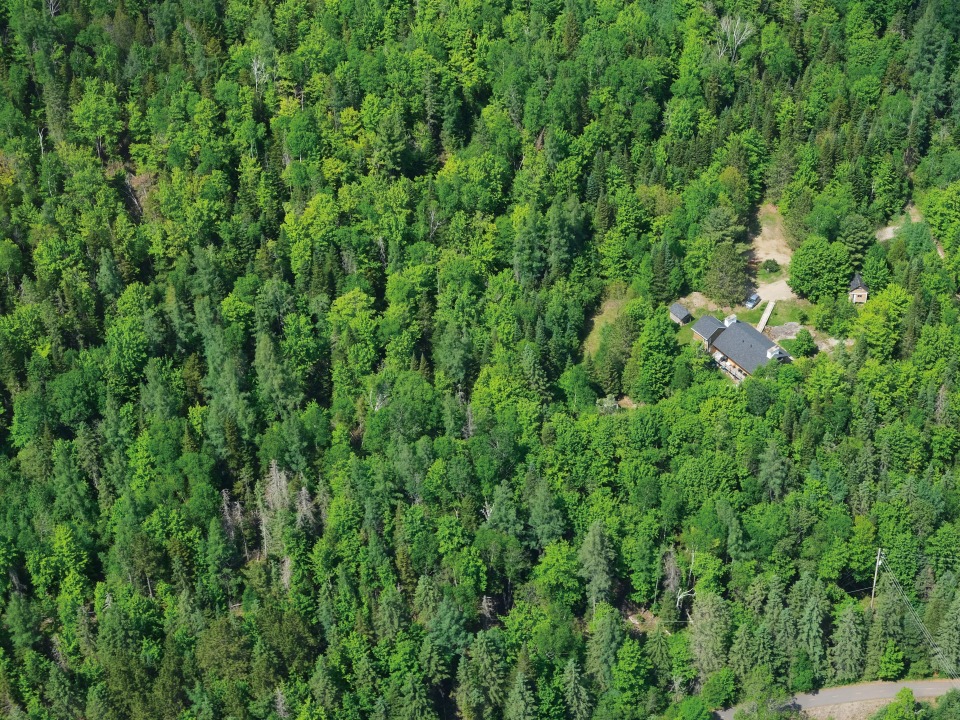
Start with a helicopter tour with Héli-Tremblant (www.heli-tremblant.com) to take in Mont-Tremblant’s nature at a glance. Seen from the sky, with its dense forests, rolling foothills, and lakes that mirror the clouds on their surface, Mont-Tremblant looks like an Impressionist’s canvas.
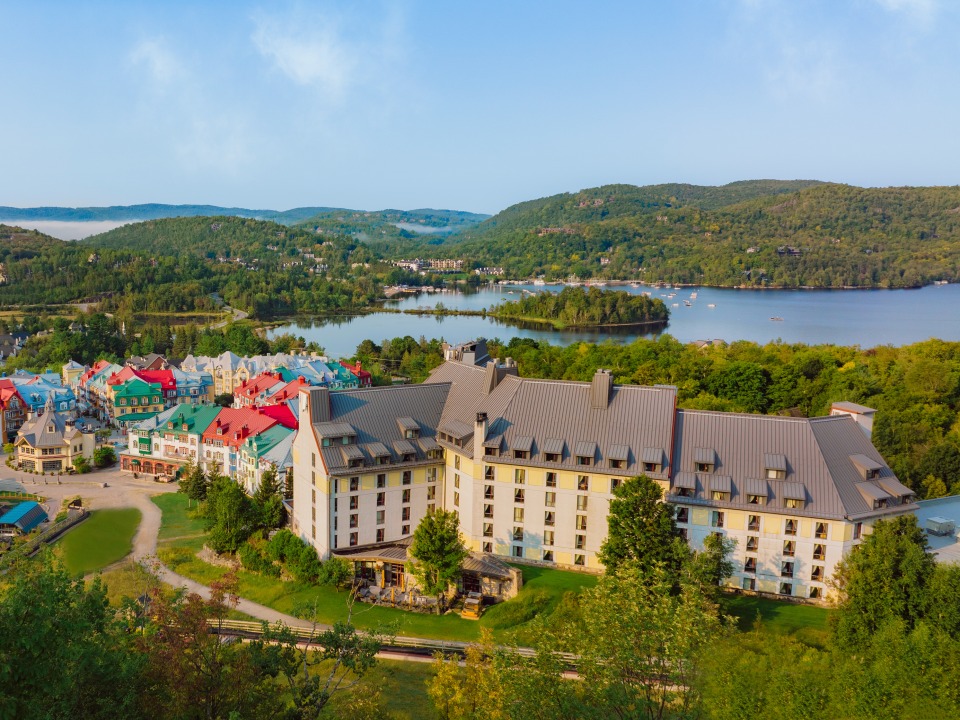
Most of the scenery belongs to Mont-Tremblant National Park, which covers more than 1,500 square kilometers. It is a thrilling place for travelers who love the outdoors. More than 400 kilometers of hiking trails and bike routes wind through it, and several rivers invite canoeing and fishing. At the edge of the park, Tremblant Resort is the most popular ski destination in eastern Canada. Nicknamed the ‘Whistler of Quebec,’ it has a full 102 ski runs. The resort village, with hotels, restaurants, and shops gathered in one place, is well equipped with entertainment and amenities. It is also known for its spectacular fall foliage, and in autumn long lines form for the gondola and the zip trek.
After a full day outdoors, you can unwind in peace at Scandinave Spa Mont-Tremblant. This outdoor spa has hot and cold pools, dry and steam saunas, lounges, hammocks, and sun beds. For complete relaxation, electronic devices and conversation are both forbidden on the grounds, which lets you feel cut off from the world, if only for a little while. Lie back on a sun bed and close your eyes, and all you hear is the lapping of water and the soft rustle of the breeze. When the weather is warm, you can walk down to the river connected to the spa for an unusual outdoor swim.
To stay Fairmont Tremblant
Fairmont Tremblant, which underwent a major renovation in 2017, excels in the winter season. It is the only hotel in Tremblant Resort Village with ski-in, ski-out access, and it even offers a ski valet service that stores your equipment. You can enjoy après-ski on the outdoor terrace connected to the slopes, and the indoor and outdoor heated pools stay open whatever the weather.
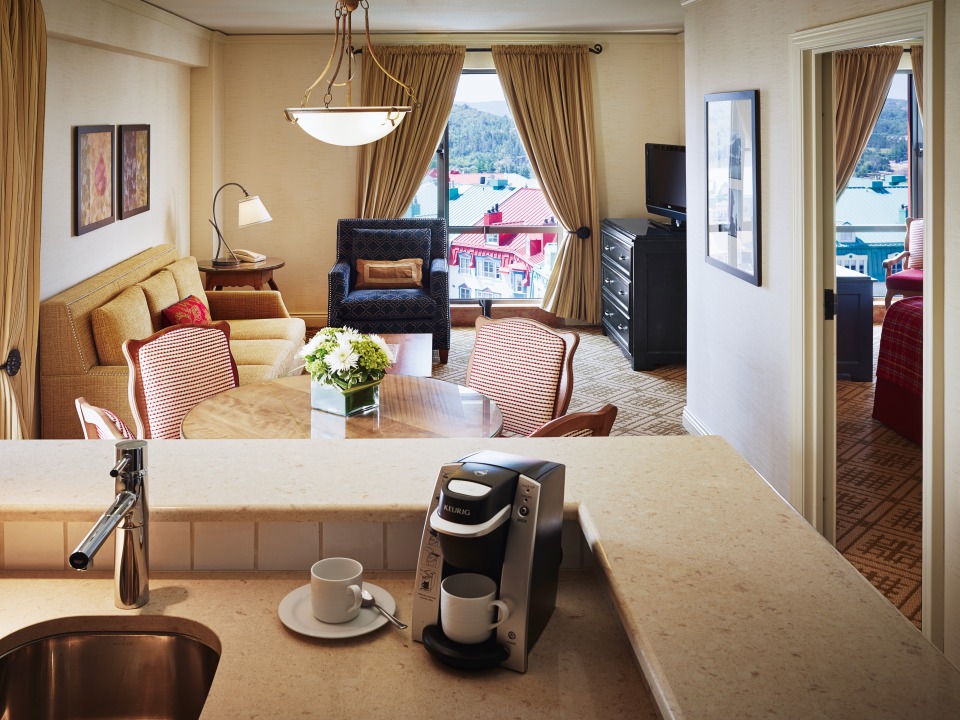
Of course, it is a retreat that lacks nothing in summer, either. The hotel is set up so guests can golf, hike, or simply rest. On weekends, guests can join yoga classes and hiking programs free of charge. Every room has a great view of Mont-Tremblant, and the suites, equipped with sofa beds and kitchen facilities, are ideal for families or groups staying for an extended period.
Another of Fairmont Tremblant’s strengths is its dining. Choux Gras is a restaurant with a contemporary sensibility, armed with cuisine and service that rival fine dining in Montreal. The Italian bistro Comptoir serves first-rate dishes made with local ingredients in a casual atmosphere. Café Ricochet, which follows a no-plastic policy, is the perfect choice for anyone who needs a quick bite before heading outdoors. From CAD 280, www.fairmont.com/tremblant
Outaouais
Outaouais
Separated from Canada’s capital, Ottawa, by a single river, Outaouais is a beloved weekend escape for locals. It is not far from Ottawa in Ontario or from Montreal, Quebec’s big city, and the unhurried natural setting along the Ottawa River delivers a sense of ease in full. The charming villages and historic sites quietly breathing in the countryside are well worth a leisurely visit. Among them, Montebello may be the town that best shows off what Outaouais has to offer. A hidden pearl on the banks of the Ottawa River, it is home to one of Canada’s historic hotels, along with shops full of local character, elegant manor houses, and an exciting nature park.
Montebello
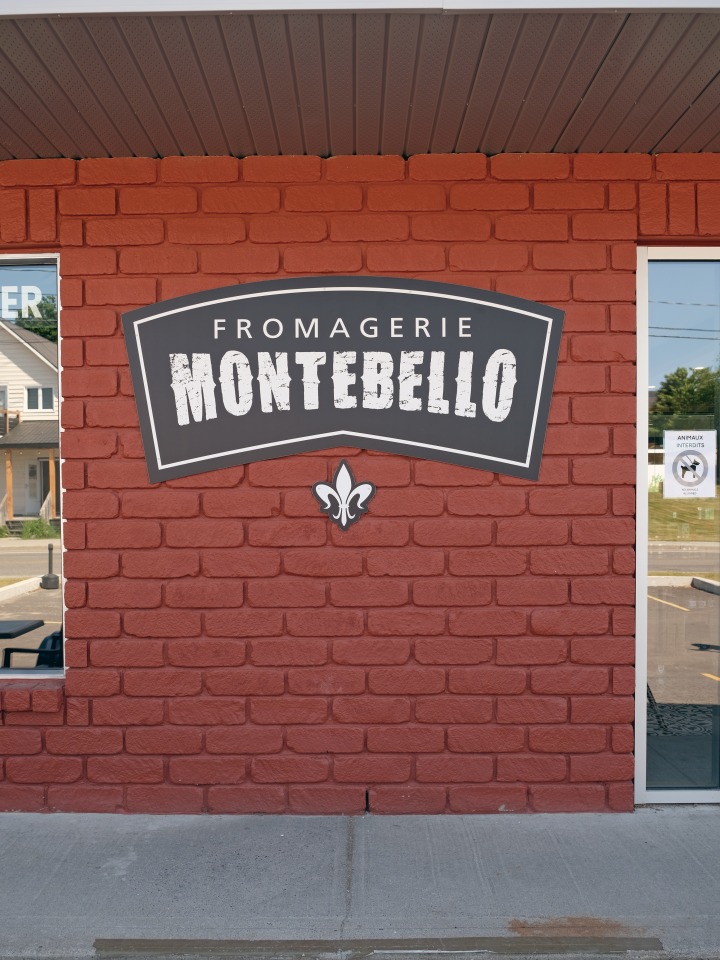
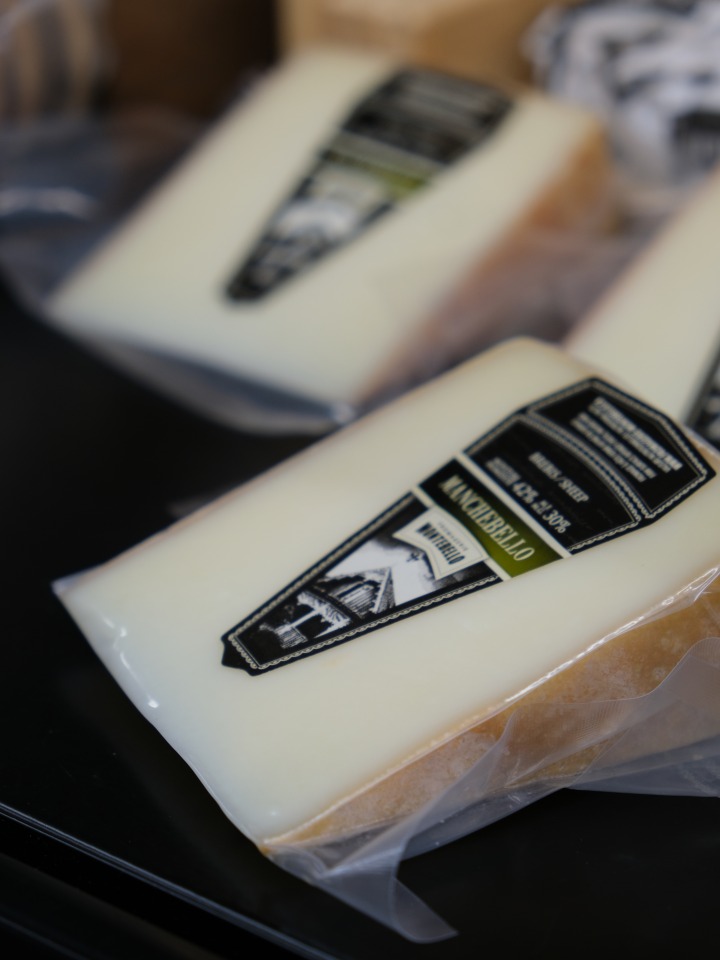
The popular local foods to try in Montebello are cheese and chocolate. The family-run Fromagerie Montebello, a cheese shop that opened in 2011, doubles as a local grocery and restaurant. Every item on the menu, from salads and poutine (fries topped with cheese curds and gravy) made with its own cheese to sandwiches, gets rave reviews. There is also terrace seating with a view of the Ottawa River, so it is best to grab a spot early on weekends.
About a 10-minute walk from the fromagerie, Choco Motive is a chocolate shop that makes its chocolate with fair-trade cacao. Housed in a restored old train station building, it also sells dozens of local craft beers and a range of souvenirs. If you join a tasting workshop, you can sample chocolates in different styles paired with wine, beer, and other drinks.
Parc Omega
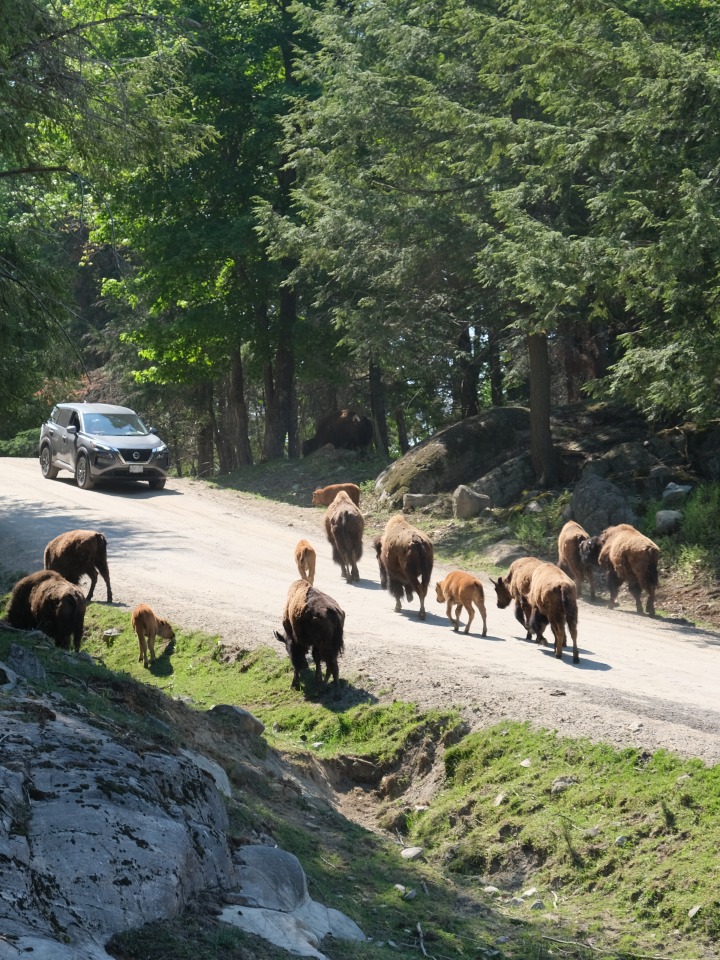
Animal lovers should put Parc Omega on their must-visit list. This park, which covers about 8 square kilometers, is home to some 20 species of wild animals. It protects and manages the animals in a setting as close to nature as possible and runs distinctive activities such as a self-drive safari.
From the moment you drive into the park and enter the trail, about 12 kilometers long, deer, caribou, wild boar, elk, and more come up to your car window and pester you for food. Don’t be afraid. Just put a carrot in their mouths or toss it nearby. Once they have settled today’s meal, the animals will wander past your car without a care. Beyond the herbivores strolling along the road, carnivores such as bears and wolves are kept in special enclosures. They seem uninterested in the world outside, busy prowling around or playing with one another. If you stop the car and look closely, you can even make out their facial expressions. The whole trail takes about three hours. The park is run in an eco-friendly way and also offers educational programs on wildlife habitats and behavior. If you book a tent or cabin, you can even fall asleep to the howls of wolves and the calls of bears.
To stay Fairmont Le Château Montebello
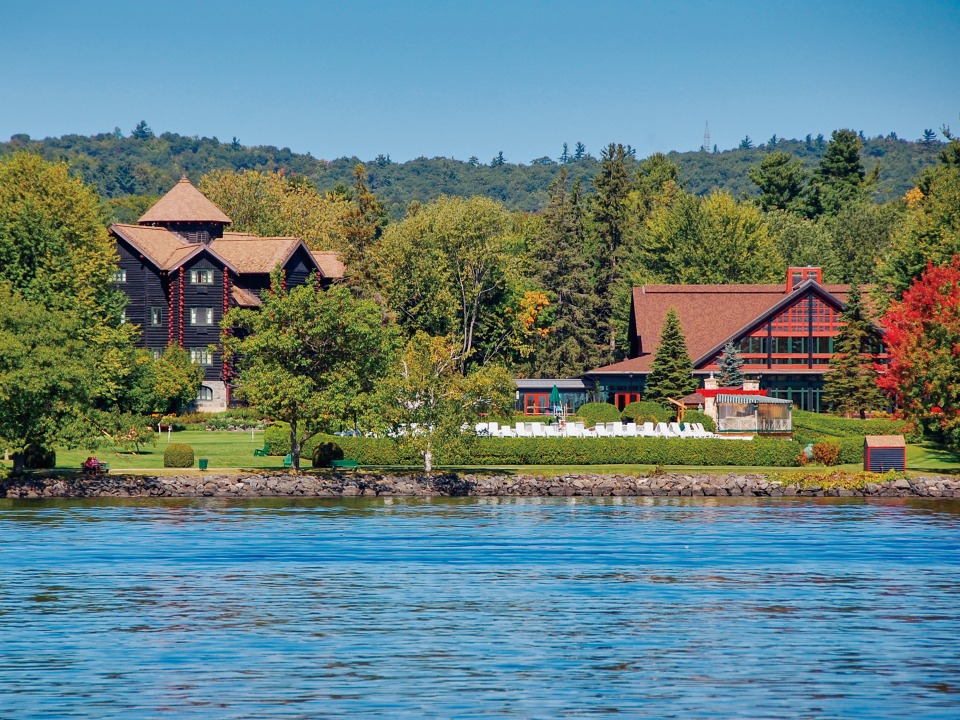
Fairmont Le Château Montebello is considered one of Canada’s best resorts for couples and families. Its main building, completed in 1930, is the largest log structure in the world. Designed by a Finnish architect, it used some 10,000 red cedar logs and is said to have been finished in just four months. It began as a space for an upper-class social club, later became a hotel, and has carried the Fairmont brand since 1999.
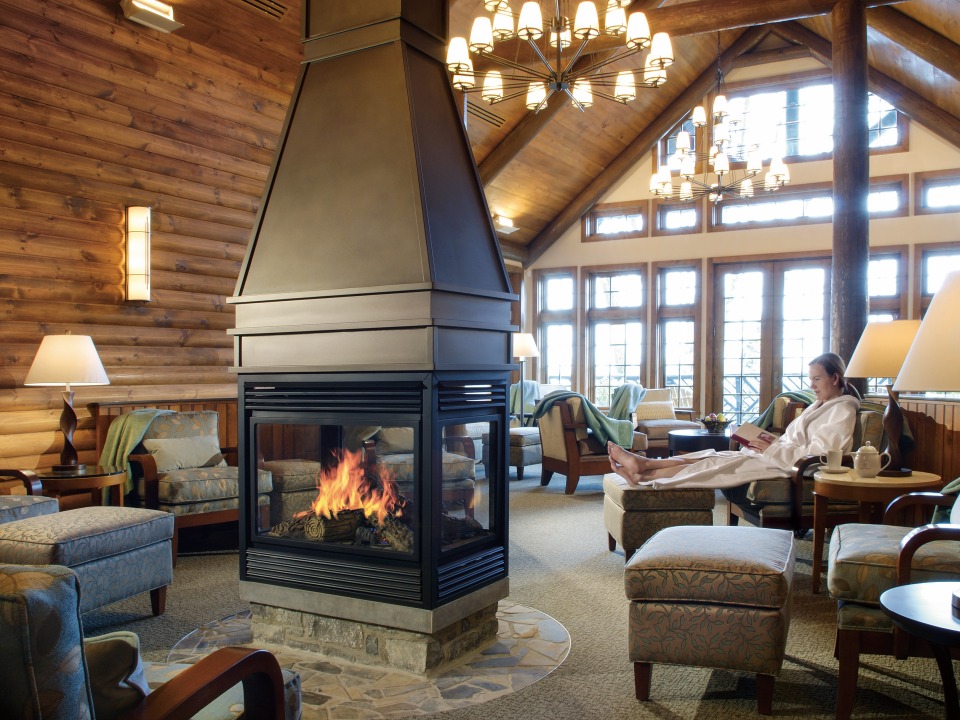
From the grand three-story lobby onward, the hotel seems to recreate Château Montebello’s glory days. International events such as a G7 summit were held here, and countless political and business figures stayed and built friendships. Photographs of presidents and prime ministers strolling the grounds of Château Montebello hang in the atrium corridor. The spacious guest rooms, decorated in wood and fabric, have a classic atmosphere and feel as cozy as an old country lodge. Even if you can’t swim, be sure to visit the Art Deco–style indoor pool. You’ll come away with a great photo for your social media feed. The resort also has an 18-hole golf course and a yacht marina, and it makes use of its extensive grounds to offer some 40 varied activity programs, including horseback riding and stand-up paddleboarding. From CAD 320, www.chateau-montebello.com
Montreal
Montreal
It is Canada’s second-largest city and, after Paris, the city with the most French speakers in the world. Montreal holds European tradition and North American modernity together like a well-conducted orchestra. Cobblestone lanes and 19th-century cathedrals stand beside skyscrapers and contemporary art, and its innovative pop culture and iconic food are, without exception, captivating. It is also a global home to industries as different as circus performance and visual graphics. If you wonder how Canada will progress in the years ahead, Montreal is where you should look for the answer.
Downtown Montreal
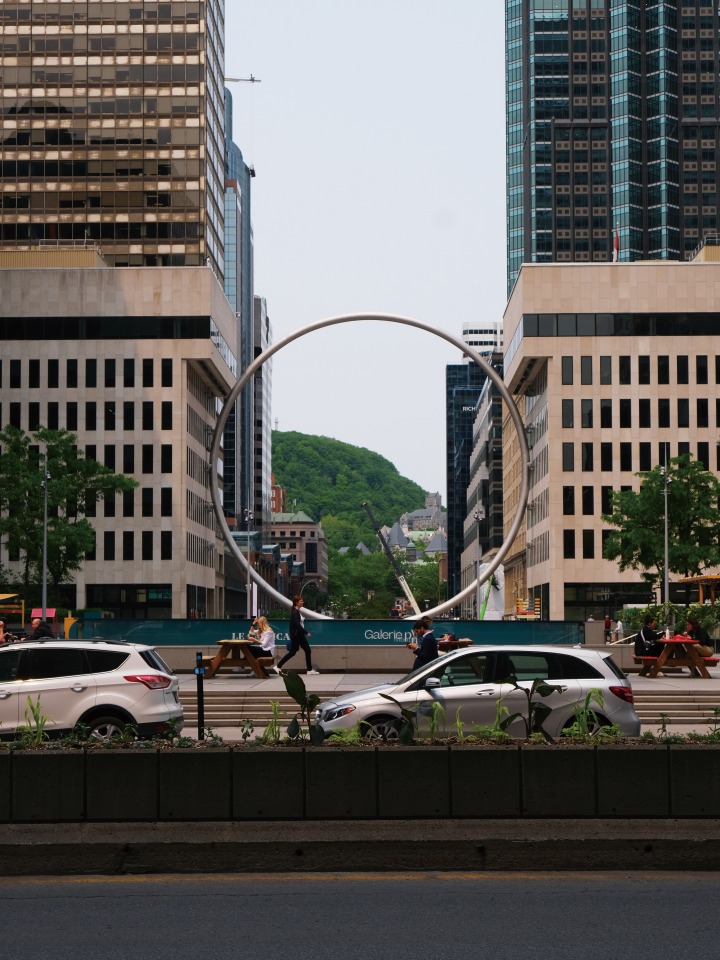
Discover how Montreal is changing beneath The Ring, a giant 30-meter-diameter installation suspended above Place Ville Marie downtown. This landmark, which appeared in the summer of 2022, is a huge sculpture floating in midair, said to bring together Montreal’s past and present. With The Ring as its centerpiece, downtown redevelopment is steadily falling into place. With the opening of the Réseau express métropolitain (REM), the city has gained even more momentum for growth and change.
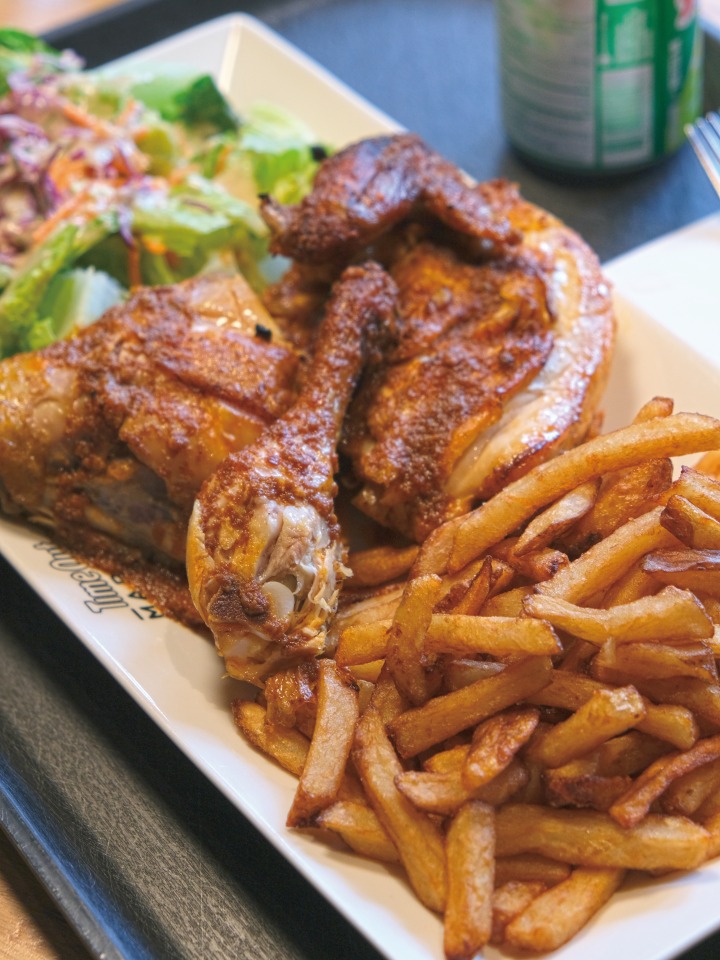
Beneath downtown lies a multilayered space, tightly linked by Montreal’s underground pedestrian network (Le Réseau Piétonnier Souterrain de Montreal). The underground complex was built so the metropolis could keep running efficiently even through the bitter cold of winter. The tunnels stretch a total of 33 kilometers. Along the maze of passages, train stations, hotels, museums, performance halls, shopping malls, offices, and universities are all connected, so neither travelers nor businesspeople need worry about slipping on the ice. Using only the tunnels, you can shop for all kinds of fashion brands, see art exhibitions, and then fill out half a day with a meal and cocktails at Time Out Market, which gathers the hottest global cuisine in Montreal under one roof.
Mile End
Mile End is a neighborhood brimming with the energy of Montreal’s youth, and a model worth emulating as an example of a sustainable community. Low brick buildings that show off traces of the twentieth century huddle together across 40 blocks, with local cafés, restaurants, and vintage shops tucked into every corner. Sidewalks are planted thickly with grasses and trees like a street-side botanical garden, so the whole neighborhood feels like a park. Bold graffiti that pops out as you turn a corner adds to Mile End’s creative atmosphere.
The attitude and activities of the locals are also very different from downtown. People dressed in a blend of hippie and hipster style drift in and out of shops selling endless vintage finds, from souvenirs of the 1976 Montreal Olympics to Chanel luxury jackets, and the narrow tables of espresso cafés are invariably full. Graphic-novel bookstores, cinema cafés, and microbreweries bustle, and small objects from galleries glitter in shop windows. Authentic pizzerias and bistros that have expanded from neighboring Petite Italie join in, doubling the chatter and liveliness. Just when the energy of Mile End starts to make your head spin, there is something you absolutely must eat: the bagels Montrealers boast about with such fervor. Two legendary bagel shops, Fairmount Bagel and the original St. Viateur, compete head to head in Mile End. If the weather is fine, we recommend taking Fairmount Bagel to go, sitting on a bench, and savoring it slathered with plenty of cream cheese.
Old Montreal
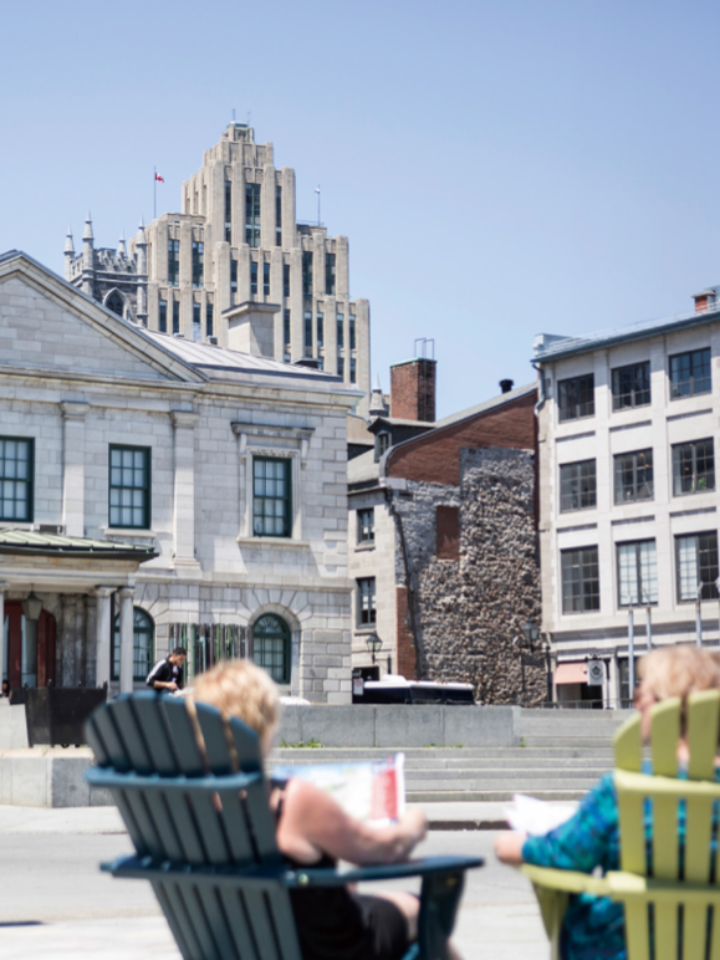
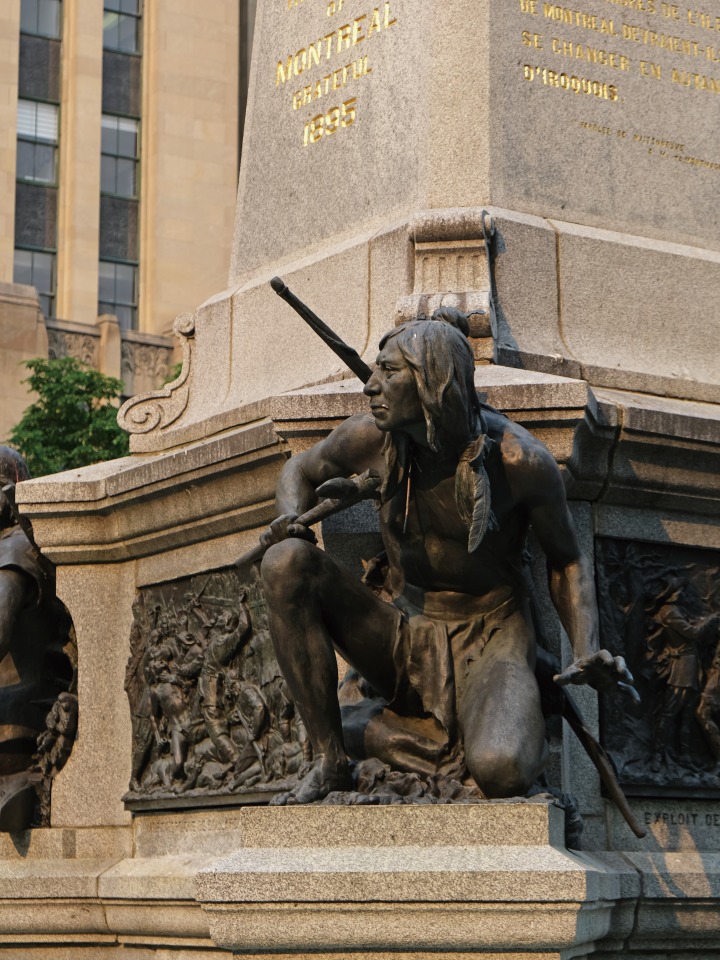
Laid out in the seventeenth century, Old Montreal is the district visitors come to first and in the greatest numbers. More than 400 years of Montreal’s history are compressed here: narrow lanes, squares where tour guides wave flags at group tourists, an archaeology museum and a science museum, Gothic-style churches and convent buildings, and a harbor with a whimsical Ferris wheel.
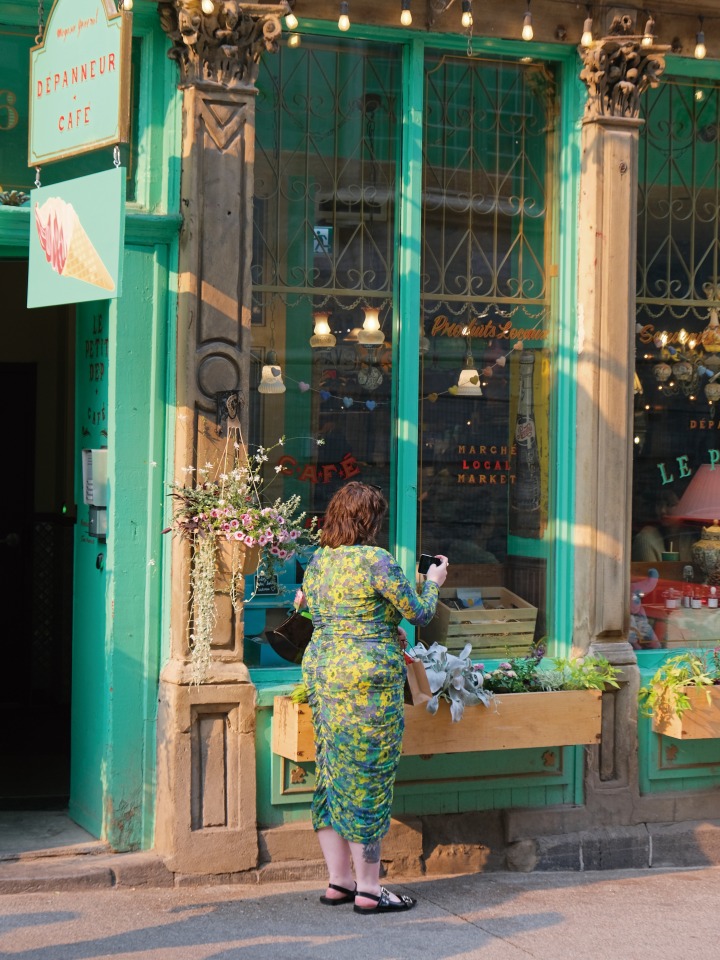
On weekday afternoons, every street in Old Montreal is crowded. Spots popular on Instagram, such as Tommy Café, draped in trailing plants, and Crew Collective & Café, a renovated old bank building, are so busy that it is hard to find an empty seat. When that happens, stroll the lanes and console yourself with the dazzling multimedia show at Notre-Dame Basilica of Montreal.
Starting out as a modest seventeenth-century stone church, Montreal’s Notre-Dame Basilica bears witness to the footsteps of religion and art that accompanied the city’s history. Standing firmly in front of Place Jacques-Cartier,
the basilica has two towers on its façade like a Paris cathedral, and an interior of stained glass and a pipe organ adds to its sanctity. The evening AURA Experience multimedia show lets you witness how a historic space is revived through modern visual wizardry. Graphic lighting projected onto the walls and ceiling changes moment by moment to the music of an orchestra, completing a spectacle as dramatic as today’s Montreal, which seems to travel across time and space.
To stay Fairmont The Queen Elizabeth
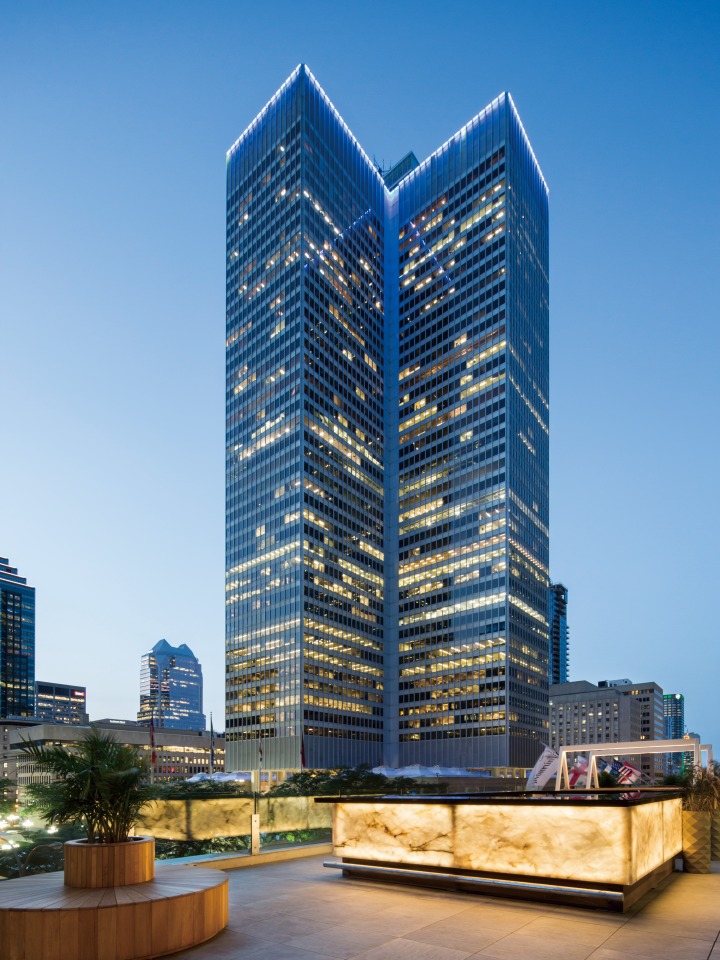
When it opened in 1958, the Fairmont The Queen Elizabeth was the first hotel in North America to install escalators and air conditioning. Britain’s Queen Elizabeth II visited it once every decade of her reign. A downtown Montreal landmark that has weathered the city’s ups and downs, it reopened in 2017 with a sleek design after a renovation costing 140 million dollars.
The hotel connects directly to the underground pedestrian network, with easy access to Montreal’s Central Station and the downtown shopping district. Open spaces on the lower floors, including the lobby, extend naturally into a convention hall and casual restaurants. It is also the first hotel in Canada to put a local food market in its lobby, building ties with the local community. The renovation also added a state-of-the-art wellness center and spa with an indoor swimming pool.
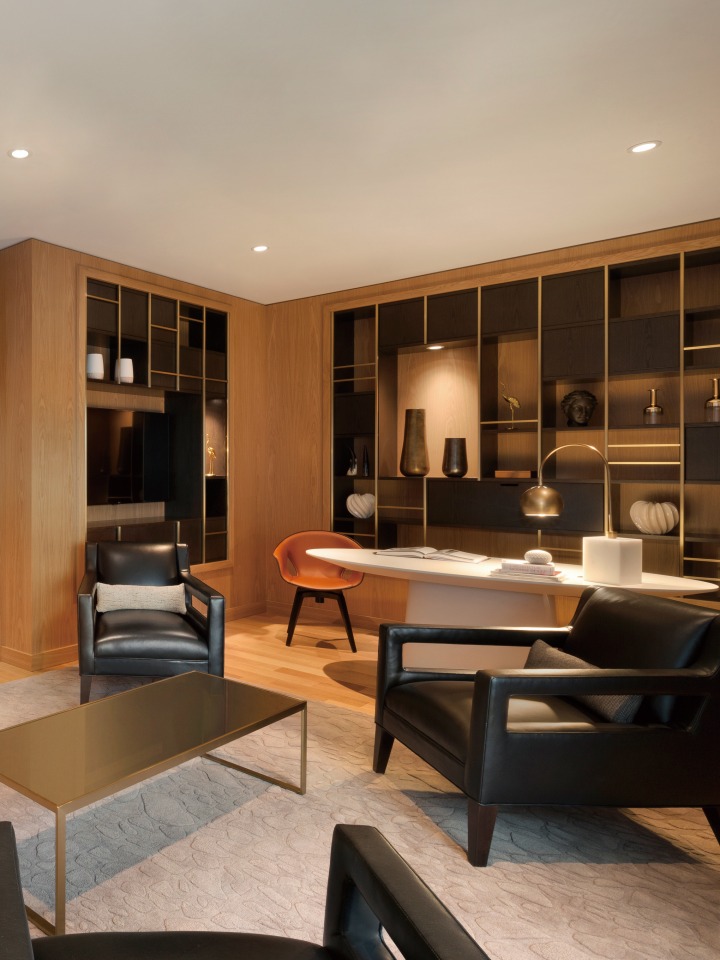
The guest rooms keep their mid-twentieth-century style while being neatly finished with modern touches. Depending on the room’s location, the layered Montreal scenery visible from the window is another eye-catching feature. The amenities, naturally, are Le Labo products made exclusively for the Fairmont brand. Fairmont Gold members can enjoy light snacks and drinks in the private lounge on the 21st floor, which has superb views, and can reserve high-floor rooms first. Suite 1742, where John Lennon and Yoko Ono stayed for their peace protest instead of a honeymoon, was designed with musical inspiration; you can book it and stay there, or sign up for a tour to look around. From 386 Canadian dollars, www.fairmont.com/queen-elizabeth-montreal/


