
One Day in Huam-Union — An Architect’s Guide to a Day in Huam-dong
Huam-Union is a local brand made up of eight shared spaces, built around the question of how an old neighborhood can sustain itself. We spoke with Lee Junhyeong of Dosi Gonggam Cooperative Architecture Firm, who led the project.
One Day in Huam-Union — An Architect’s Guide to a Day in Huam-dong
Huam-dong, a small neighborhood at the foot of Namsan in Seoul, has a movie theater, a study, a getaway retreat, and even a baking room. We met Lee Junhyeong, principal of Dosi Gonggam Cooperative Architecture Firm, whose Huam-dong Project grew into a full-fledged brand: Huam-Union.
Words Parc Jinmyoung
Interviewee Architect Lee Junhyeong (Dosi Gonggam Cooperative Architecture Firm)
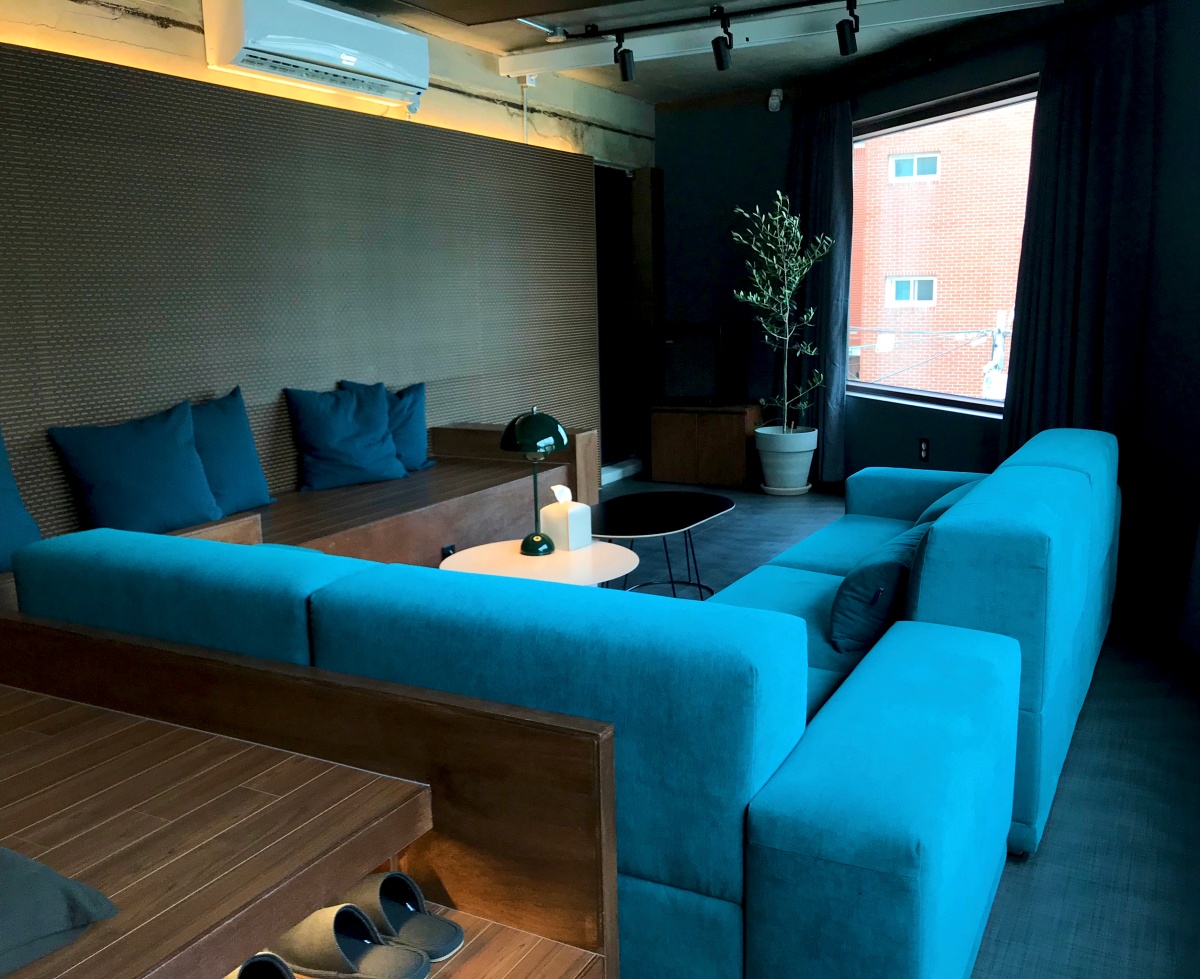
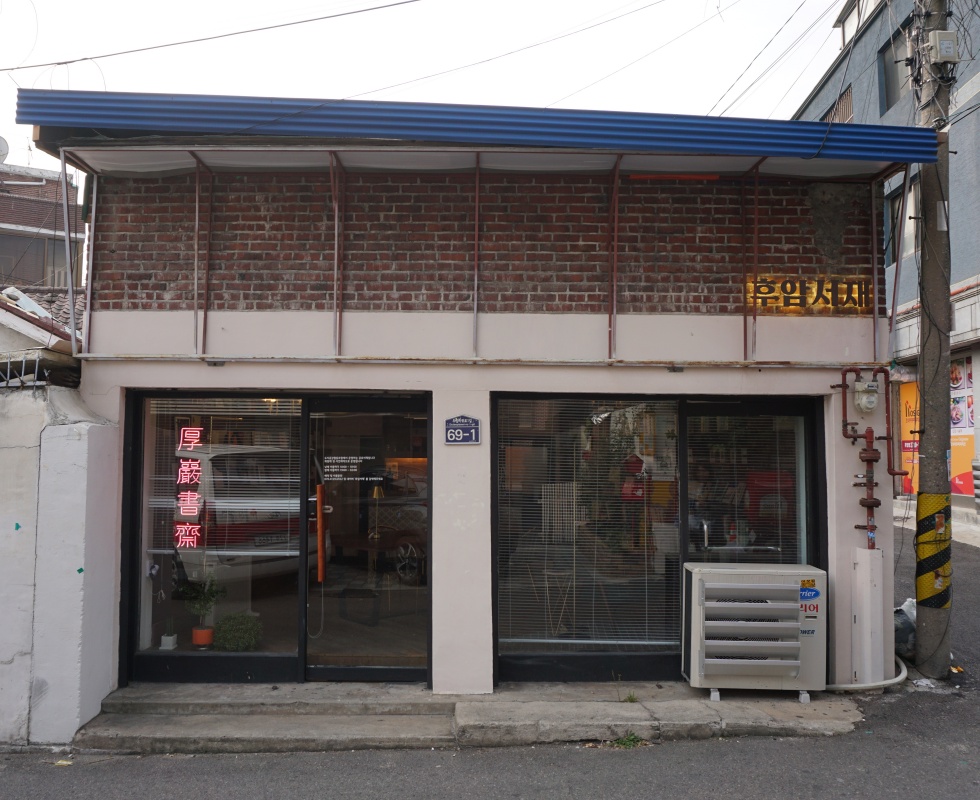
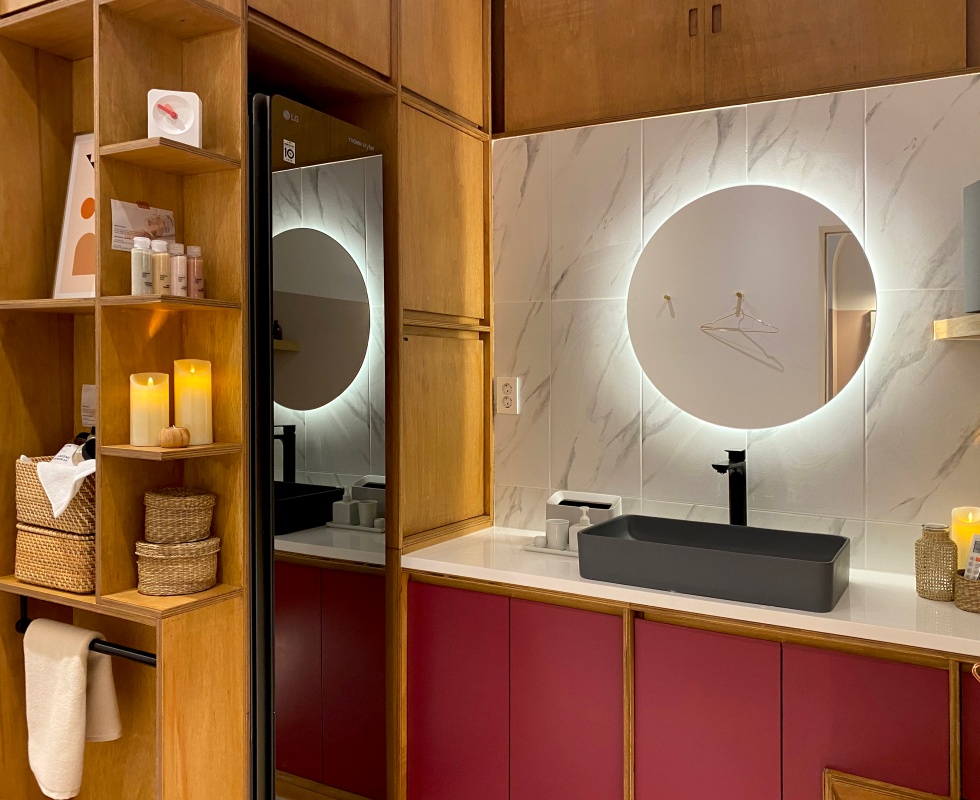
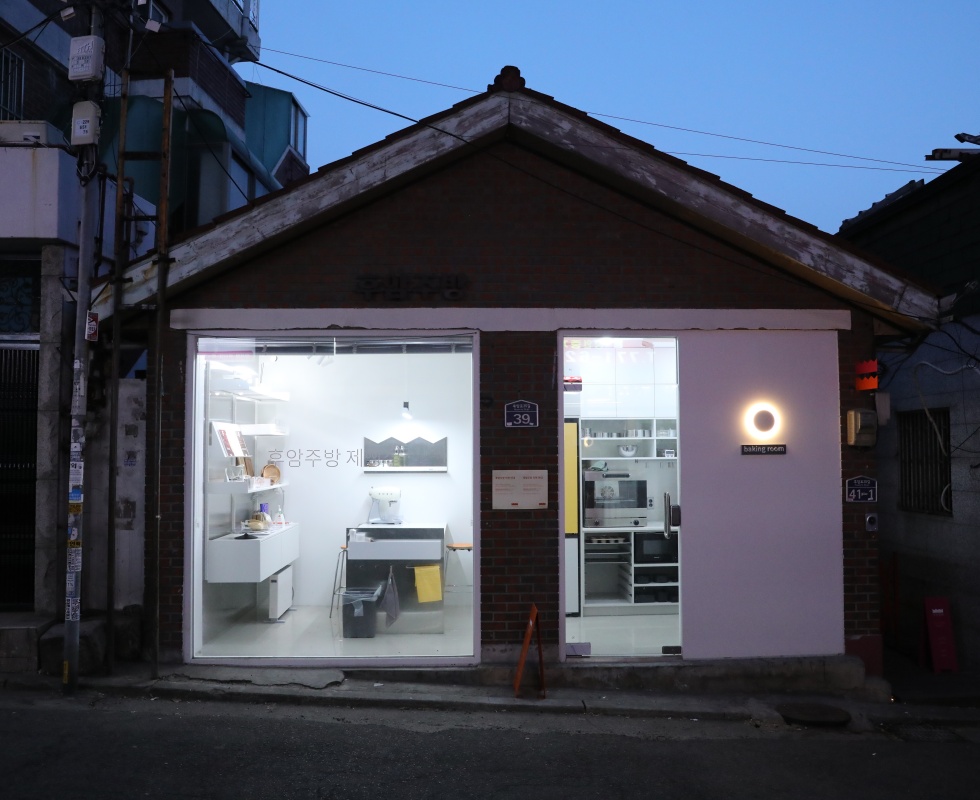
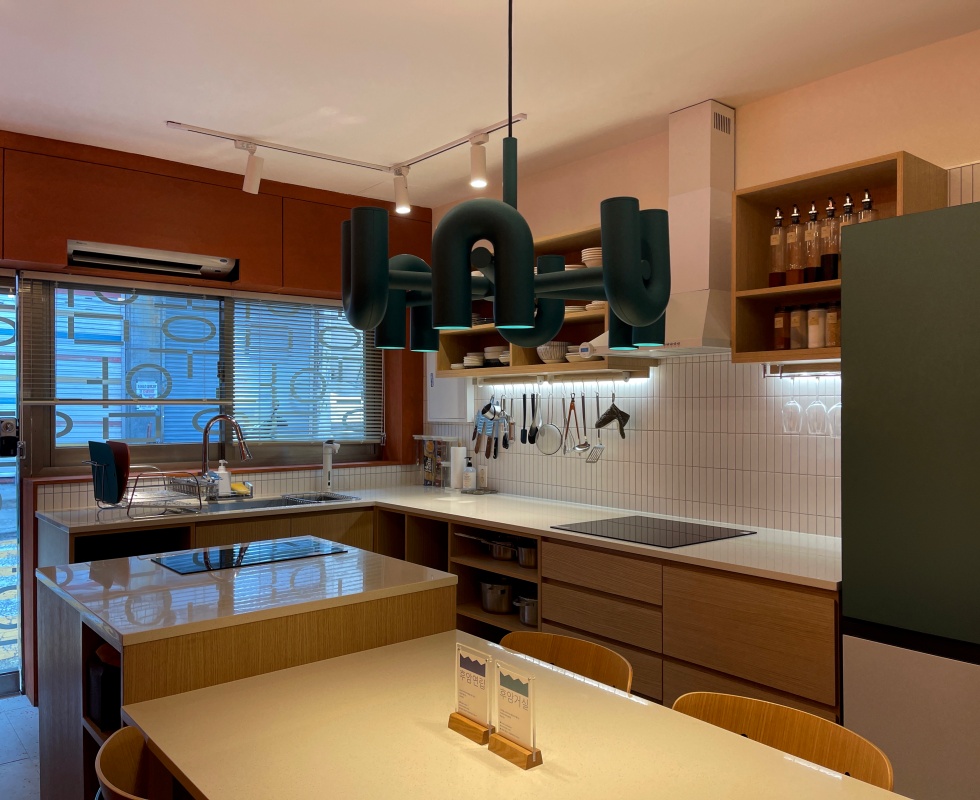
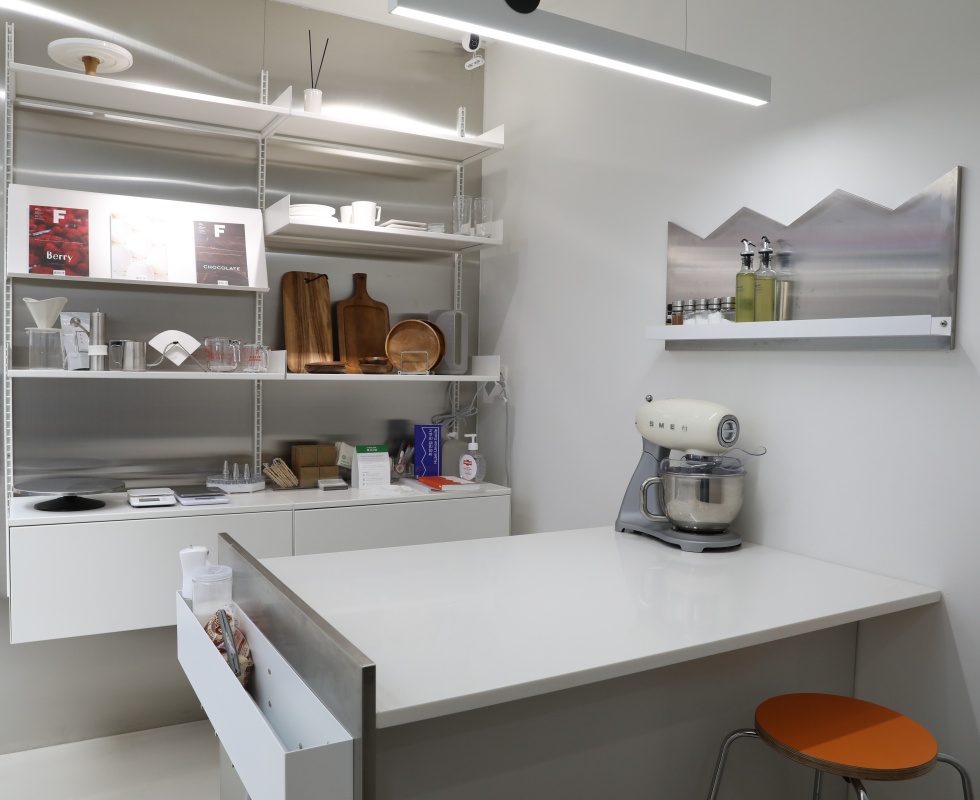
Turning into an alley in Huam-dong, the road narrows until barely one car can pass. Long-weathered houses stand beside cafes with a contemporary sensibility scattered here and there, and you hear school bells, the sounds of daily life, and neighbors talking. Following the tangled streets, we arrive at Huam-Union. On the first floor, a cafe run together with Huam-dong’s Cafe Urida welcomes visitors, and up a narrow staircase on the third floor is Huam Geosil (Huam Living Room), a small movie theater. Around Huam-Union stand the other spaces born from the Huam-dong Project: Huam Jubang (Huam Kitchen), a shared kitchen; Huam Seojae (Huam Study), a shared study; Huam Byeolchae (Huam Annex), with a private bath; Huam Note, an exhibition space; a baking room at Huam Jubang for home baking; and Huam Garok, which records Huam-dong’s old houses and the lives of the people who live in them. All of it was planned by Dosi Gonggam Cooperative Architecture Firm.
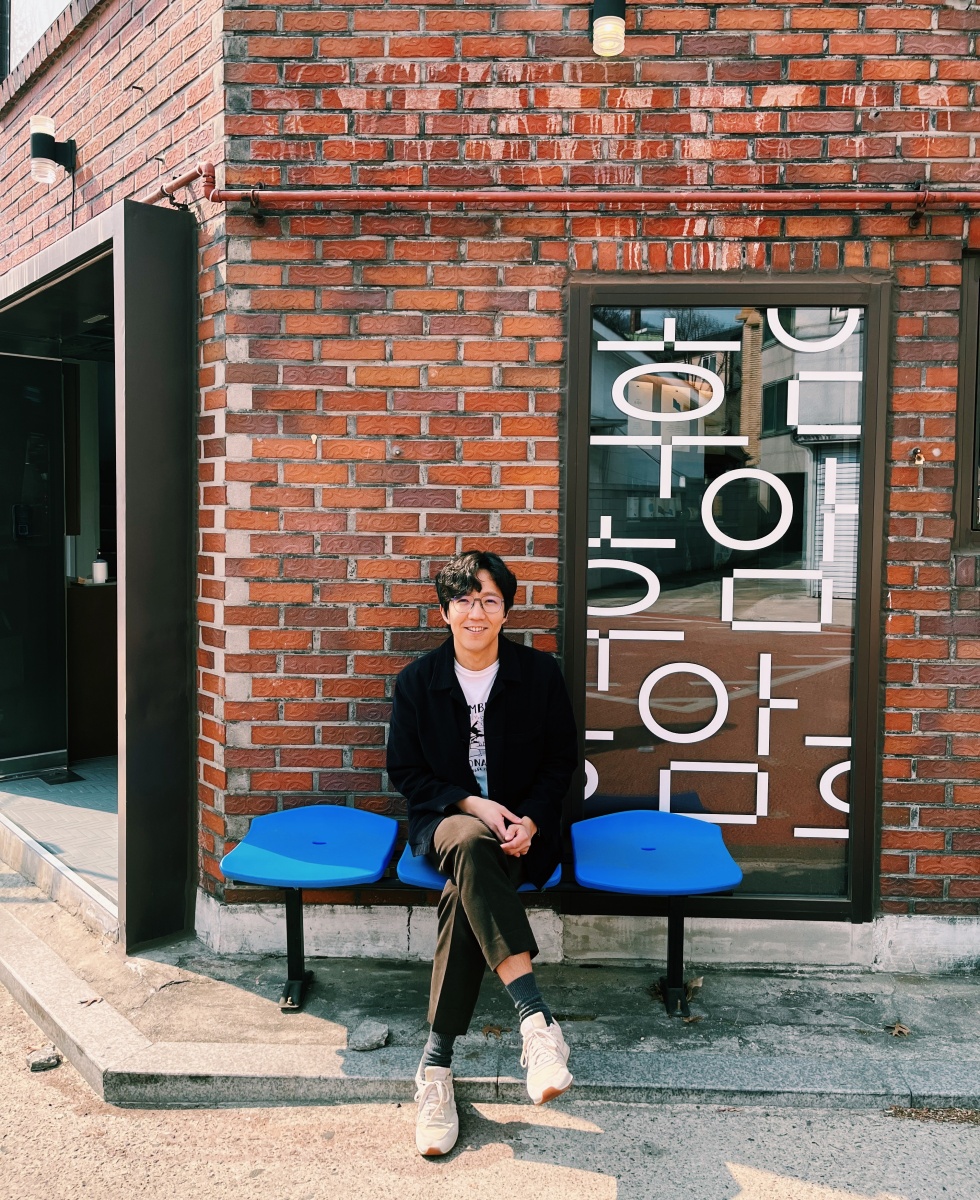
Memo 1. Is “urban regeneration” just a feel-good phrase?
What led you to start the Huam-dong Project?
When I first came to Huam-dong, I didn’t have a specific plan. My teammates and I studied architecture, and we had learned about and worked with two keywords: community and regeneration. We started the firm because we wanted to take on projects related to them. While thinking about the sustainability of low-rise residential neighborhoods, we founded Dosi Gonggam Cooperative Architecture Firm, and we chose Huam-dong, which we had come across by chance, as our own neighborhood. I’m not from Seoul, so there was nowhere in the city I could readily call ‘my neighborhood.’ Through this project, I’ve become able to say that Huam-dong is mine. Huam-dong is special to me, both professionally and personally.
What other work does Dosi Gonggam Cooperative Architecture Firm do?
We’re a company, after all, so we have to earn money (laughs). Honestly, the work we do in this neighborhood makes up only about 20 percent of our total revenue. Like most architecture firms, we usually design or renovate the interiors of small spaces. We also take part as experts when local governments carry out plans at the scale of a small alley or a neighborhood.
What is an architect’s role in urban regeneration?
I actually spent a lot of time thinking about how to interpret the term ‘urban regeneration.’ People often assume it’s a government-led project. But when I looked for an architect’s role within an existing city, I felt it could mean something a little different. Architects work with physical space, and that includes putting the stories of the people who live there into the space. In other words, it’s important to understand and interpret the neighborhood where a building stands. Besides, cities are bound to change. I think helping a place keep changing while preserving its own identity is also part of an architect’s job.
When you first came to Huam-dong, what did you want to change?
I didn’t come here wanting to change Huam-dong. Residential areas began to form here in earnest in the 1930s, so it’s an old neighborhood. But I wasn’t hoping for change so much as wanting to play a positive role, as an architect, while living in such a lovable and charming neighborhood.
What did you find lovable and charming about it?
I liked that wherever you go, you can see Namsan and N Seoul Tower, the symbols of Seoul. Walking through the alleys, you can see everything from Japanese-built houses from around the colonial period to detached houses recently built by young architects. I think the biggest appeal is that houses of so many forms, from the modern era to the present, exist in one neighborhood. It also means that many different kinds of people live here. Huam-dong has very old, worn-down houses, upscale villas, and newly built detached homes. Very wealthy people live here, but so do people in their twenties and thirties, couples raising children, and elderly people living alone. I think that is what makes Huam-dong feel like ‘Huam-dong.’
Memo 2. Neighborhoods rise and fall. Even neighborhoods have trends…
It’s been more than five years since you set up your firm in Huam-dong. What has changed the most?
Compared with other neighborhoods, Huam-dong doesn’t change very fast. Compared with when I first arrived, there are more cafes and shops aimed at customers in their twenties and thirties, and new villas keep going up. But compared with what we usually call ‘rising neighborhoods,’ like Euljiro or Seongsu-dong, the past five years here seem like nothing.
Could Huam-dong become a hot spot too?
Five years ago, too, people were saying Huam-dong was about to take off. But I think the reason change has been so slow is that the balance between commercial and residential space is good. If a neighborhood has few residents and commercial facilities keep multiplying, then when trends shift and the flow of visitors drops, businesses are bound to collapse quickly. The fact that Huam-dong’s commercial spaces hold up well and don’t lose the neighborhood’s identity is proof that more people actually live here. In that sense, I think Huam-dong is a neighborhood that can survive in a sustainable and healthy way.
Which space in the Huam-dong Project is your favorite?
Personally, I like Huam Seojae the most. I love books, and since I was young it was my dream to create a space that collects them. Going by user reviews, the standard use time at Huam Seojae is eight hours. People come early in the morning, read or work, then eat in the neighborhood, buy a coffee and take a walk, and come back to use the study again. Huam Seojae is a hideaway that lets people spend a whole day in Huam-dong.
That review matches your intention exactly.
Let’s imagine a one-day trip in Huam-dong. In the morning, you watch a movie at Huam Geosil, then go shopping at the market. Then you cook and eat at Huam Jubang, move to Huam Seojae to read, or relax with a bath at Huam Byeolchae. Along the way, you naturally grow to like the neighborhood more, and you come back. Honestly, I hope residents use the Huam-dong Project a lot. One of the project’s goals was to create ‘our neighborhood’s shared spaces’ that are part of residents’ everyday lives. I’d love to see more spaces like this in other regions, spaces that residents and outsiders enjoy together and that make a community more sustainable.
Memo 3. An architect’s travels
What’s your favorite place in Huam-dong?
Halfway up Namsan, there’s Baekbeom Plaza. It’s where I often go for walks with my dog. There’s a statue of Kim Koo and a wide lawn, and you can take in the Hilton hotel and the whole neighborhood at a glance. From children running around to people having picnics, I find it exotic to see scenes like this in the middle of Seoul. Most Huam-dong residents probably love it. The small park right in front of Huam-Union is a place I pass through many times a day, and it’s lovable every time I see it. It condenses the diversity of Huam-dong’s people I mentioned earlier. Schoolchildren in the morning, elderly people playing gateball in the afternoon, people out for a stroll in the evening, and scary teenagers at night. It’s an ordinary park you could find in any neighborhood, but I think its charm is that it’s shared by all kinds of people of every age.
If you had to pick the most ideal kind of town in Korea?
It’s not easy to think of just one, but let me be biased and say my hometown, Chuncheon in Gangwon-do. There are several reasons. First, it’s close to Seoul and the metropolitan area, the center of trends, and transportation is convenient. However much remote life takes off, seeing, hearing, and experiencing things in person matters more. Next, with several universities, it has a lot of young people, and quite a few young people come in from elsewhere. In the end, it’s people who bring lasting vitality to a town. And everyone knows it’s a city that blends with nature, with lakes and mountains. Beyond that, I think the more there is to see and experience on foot, the better the town, and in downtown Chuncheon that’s possible.
Is there a destination you’d recommend to travelers who practice sustainable travel?
I sometimes do space consulting. The year before last, I took part as a consultant in a traveler platform called Gri Gokseong in Gokseong, Jeollanam-do. Gri Gokseong is a cooperative created by local residents. It has an information center for travelers and also runs a cafe. There are people working hard for sustainable living and travel there, so I recommend visiting at least once.
What are your plans for the future?
I didn’t get here by planning everything out in detail from the start. Over five years, I’ve created eight spaces in Huam-dong. They aren’t large, but there are moments when I look at them and suddenly feel overwhelmed with emotion. For now, I have no plans to add more spaces or expand. What I do want is to fill each space with richer content. I brought the zero-waste shop Jigusyop into the first floor of Huam Yeonlip because I wanted to introduce products that speak to a sustainable way of life. Through Huam Yeonlip, I want to make the range of experiences available in Huam-dong even richer.
Note 4. Honestly, my faith in the sustainability of local brands wasn’t all that firm, so the way the Huam-dong Project works struck me as strikingly fresh and powerful. Isn’t it the ideal model for local travel that thrives alongside its community? I hope a second and a third Huam-dong Project will spring up in many more places.


