
Not to Do What People Make You Do — Natto and the Search for Essence at Nattodo Natto&Bar
An interview with Je Junhyuk, owner of Nattodo Natto&Bar, who reflects on identity and essence through the simple process of making natto.
Not to Do What People Make You Do — Natto and the Search for Essence at Nattodo Natto&Bar
“No need to do anything, just stay still, but you keep trying to do something.” Walking into Nattodo Natto&Bar brings to mind these lyrics by Jang Kiha. In an era where formulas for success are hard to avoid no matter how much you shut your eyes and ears, and where following them still leaves you anxious, Je Junhyuk, owner of Nattodo Natto&Bar, talks about a life of subtraction through natto. Let’s hear his story—how making natto, which requires nothing more than soybeans, natto bacteria, and the right temperature and humidity, resembles the process of finding one’s true self.
Interviewee Je Junhyuk (Owner, Nattodo Natto&Bar)
Interviewer Ryu Sunwoo
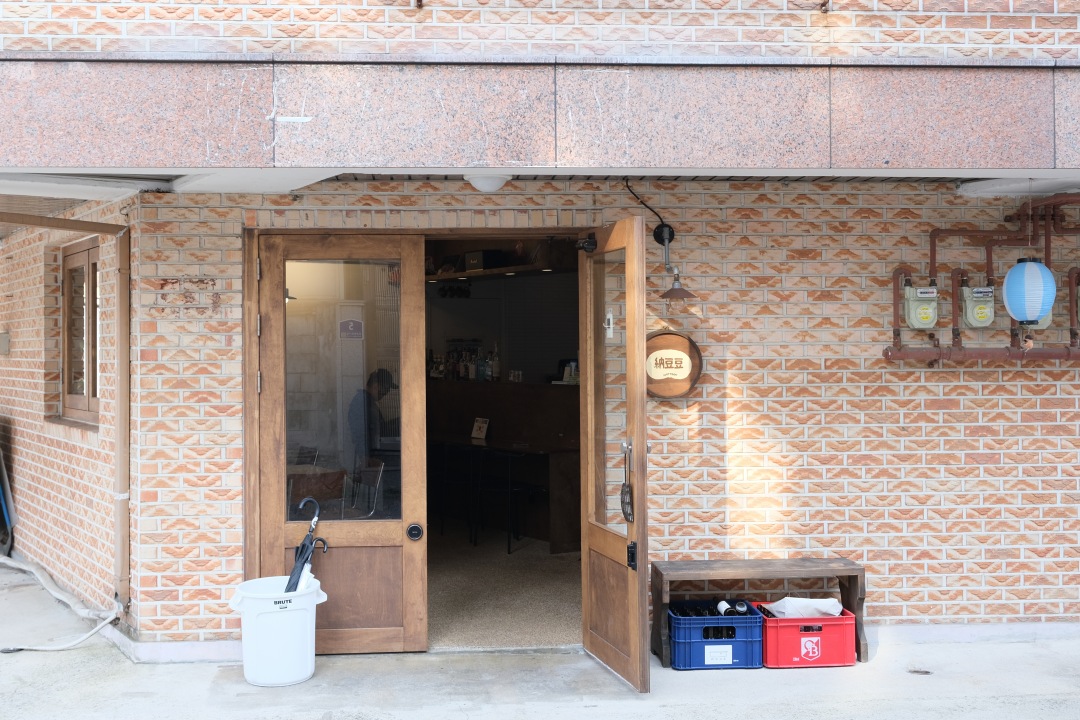
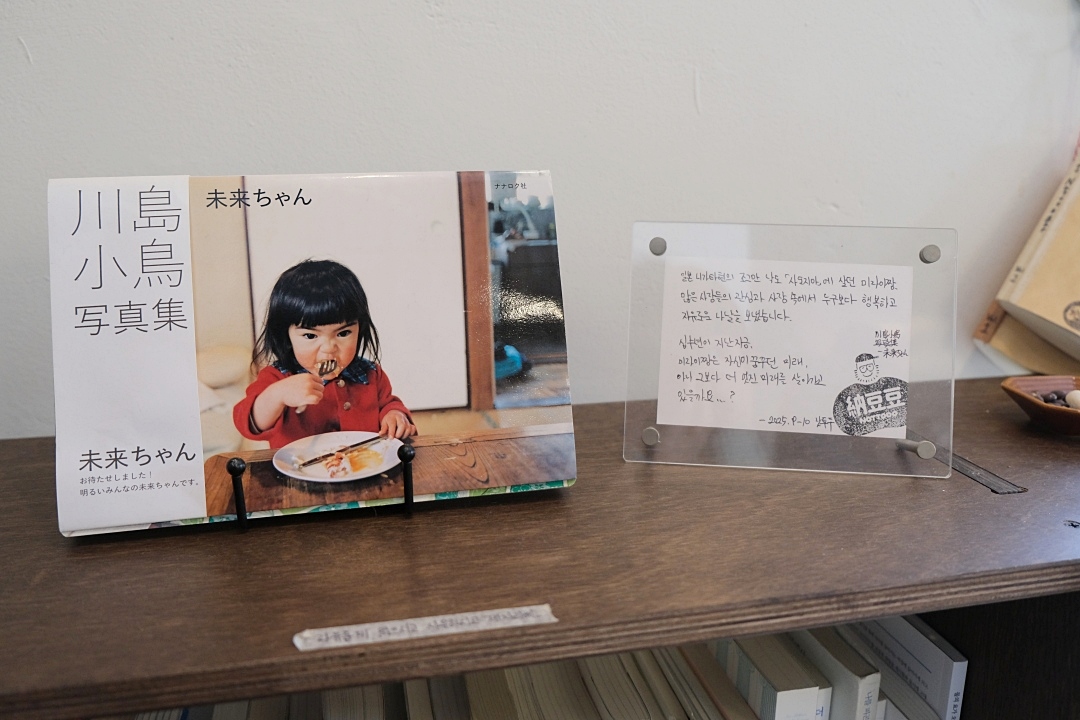
How have you been lately?
Last week was busy—I had a stall at the Marché Farmers Market and at an organic food festival in Hongseong-gun, Chungcheongnam-do. This week I’m back to just running the shop, so it finally feels like I’m returning to my regular routine.
I understand you make Kyoto-style natto. How does it differ from natto from other regions?
The differences come more from the manufacturer than the region. If I had to point to a regional difference, natto originated in eastern Japan, from Hokkaido down to Tokyo. Most well-known natto companies are based in Ibaraki Prefecture (a plain roughly 100km north of Tokyo on the eastern side of Honshu, famous as the birthplace of natto). When I first wanted to learn how to make natto, I contacted one of the natto manufacturers in Ibaraki, but since it was a large, long-established company, it was understandably conservative. Later, through an acquaintance, I was introduced to a natto workshop in Kyoto called Fujiwara Foods (藤原食品, @fujiwara_syokuhin). Though small in scale, it has a long history and has tried all sorts of new things. The owner, who’s running the family business passed down through four generations, is really into rock and band music and likes Korean artists too. After taking over the workshop, he thought just making natto would be boring, so he’s done various collaborations with bookstores and apparel brands. That’s where I learned the basics of how natto is made.
What was it like learning to make natto?
I worked at Fujiwara Foods for two months, essentially as an intern. I stayed at a guesthouse in Kyoto that I used to visit often when I lived in Osaka—they gave me a cheap room. It was fun, honestly. I learned from the owner’s mother, and got scolded a lot for not understanding what she said—her dialect was hard to follow. (Laughs) It was tough, too. In the dead of winter, I’d wake up before sunrise to go to work, and since my lodging was a renovated old house, it creaked with every step and the insulation was poor, so it was freezing even with the heater on. Still, I stuck with it, thinking, ‘I decided to do this.’ To learn how small-scale natto shops operate, I also made several visits to Rakudazaka Natto Workshop (らくだ坂納豆工房, @rakudazaka_natto) in Osaka, which the owner of Fujiwara introduced me to, and got a lot of help there.
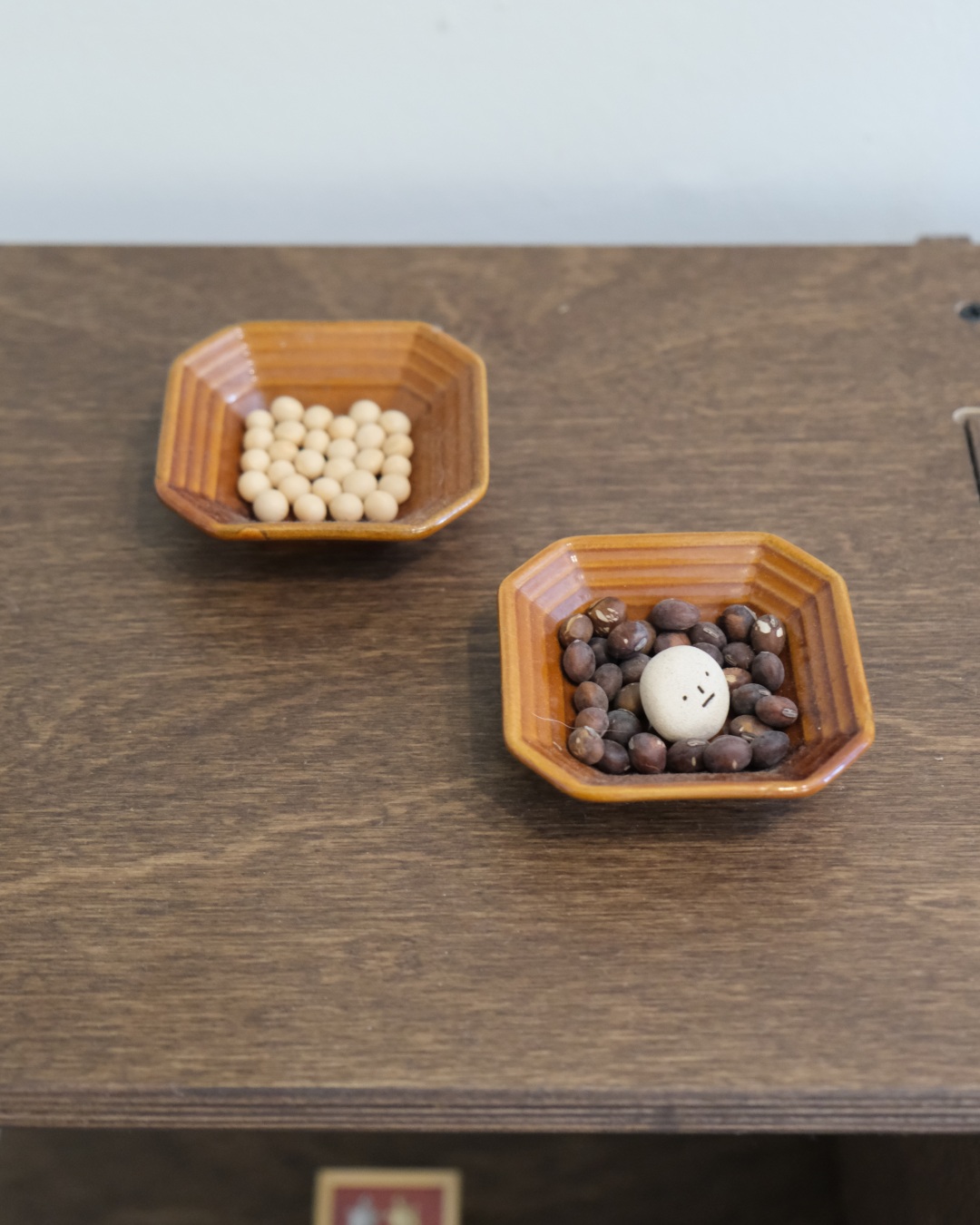
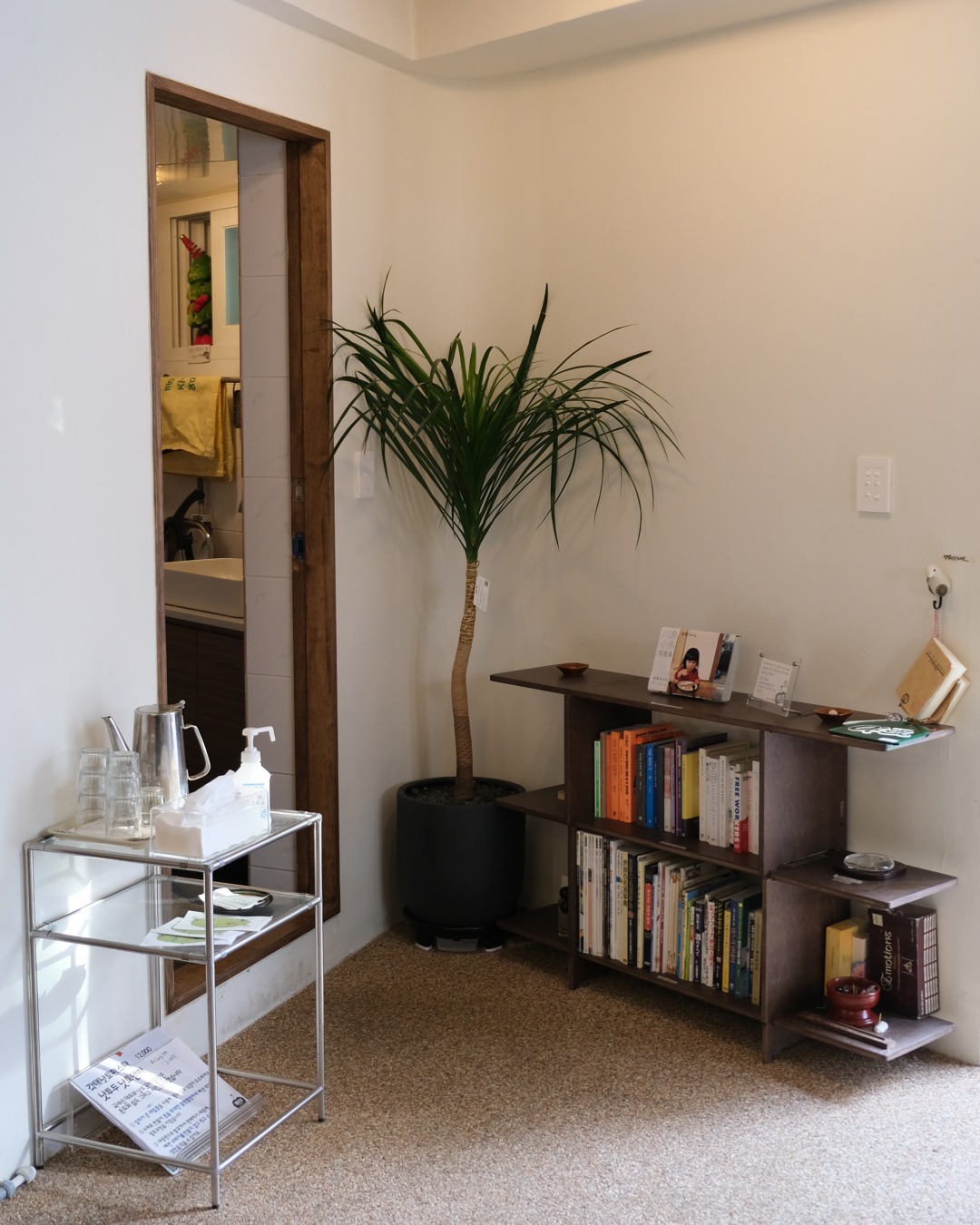
I see you have a natto magazine in the shop?
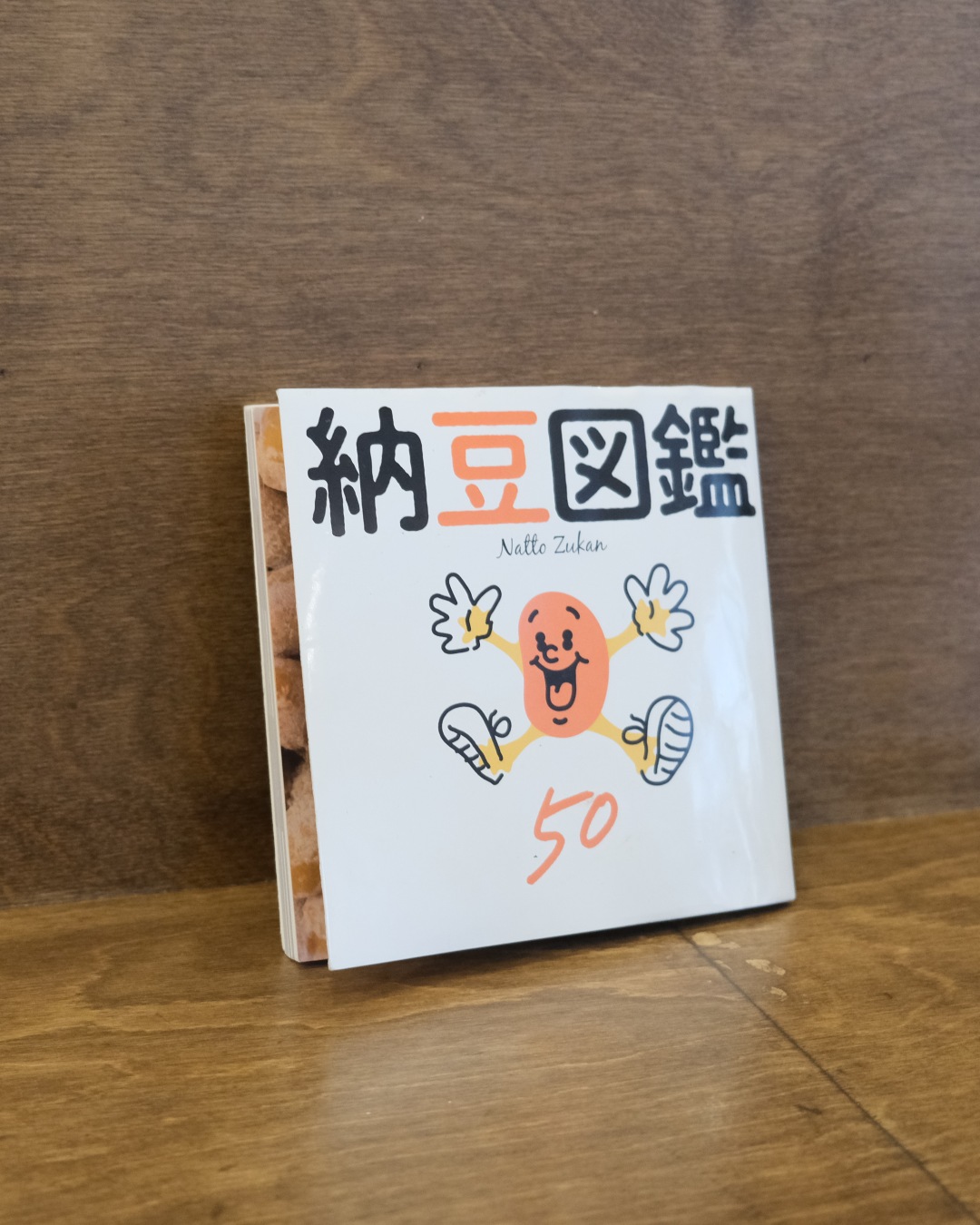
That was made by a natto influencer named Murakami (@mikaramura_natto). She used to work as an editor for a local fashion magazine in Osaka. She started posting natto content on Instagram as a hobby, then went on to publish a proper natto magazine and even a book called ‘Natto Illustrated Guide’. We’ve also held a natto tasting seminar together at my shop. In terms of doing interesting things with natto, she’s basically my only peer.
What mindset do you run the natto shop with?
To avoid doing unnecessary things. Even the shop’s name, Nattodo, reflects that. There are two meanings behind the name. The first is the English phrase itself, ‘not to do’—not having to do things. There are so many people, on social media and elsewhere, preaching formulas for success. I think there’s definitely a limit to trying to imitate that. I used to work at a venture capital firm investing in startups, and in that industry, you naturally meet a lot of people who’ve gotten close to what the world calls success. But everyone’s good at different things. I realized I shouldn’t try to be good at what they’re good at. The second meaning comes from combining natto with the Chinese character for ‘bean’ (豆, du). Because the only things needed to make natto are good beans and bacteria—nothing else. It reflects the idea that instead of doing this and that, it’s better to focus only on what’s essential. I approach making natto with that same mindset.
What matters most when fermenting natto?
Natto bacteria can ferment a large amount of soybeans with a surprisingly small amount of culture. The most important thing is creating an environment the bacteria like—keeping the temperature steady above 40°C. If you look at finished natto, there’s plastic film covering the top. That’s to preserve moisture while still poking holes to let air through. Many people ask me what’s needed to ferment natto. Nothing but beans and bacteria. It’s not that other things are optional—it’s that they shouldn’t be there at all. I focus entirely on soaking the beans well, steaming them well, and maintaining the right temperature so they ferment properly.
What led you to start making natto?
I originally worked a regular office job. I enjoyed being surrounded by capable, cool colleagues and learned a lot. But when work went well, I’d feel happy only briefly, and when it didn’t, I’d get incredibly stressed. So I quit. After that, I worked as a business advisor for a startup, which gave me flexible working hours, so I traveled around a lot. I visited various regions across Korea centered on youth villages—places like Hongseong in Chungcheongnam-do, Gunsan, Geoje, Yeongwol, and Yeongju. Through these visits, I developed an interest in a few themes. I met all kinds of people working in local revitalization, fermentation, and agriculture. Among them was the owner of Paap Tempeh (@paap_tempeh), who makes the Indonesian fermented food tempeh. Watching how making fermented food had changed his outlook on life and his lifestyle sparked my interest. As I thought about what I could do within the category of fermentation and its market potential, I figured natto made sense, given my experience living in Japan and the size of that market. I’d also lived in Osaka for a long time and wanted to try living in Kyoto. So, as I mentioned, I spent time at Fujiwara Foods in Kyoto, making natto in the mornings and doing freelance or company work in the evenings. Honestly, even after learning how to make natto and returning to Korea, I had a lot of doubts.
In what way?
I wondered if this was really the right path. My entire career up to that point had been in business development between Japan and Korea, edtech, and startup investing. I agonized a lot over whether it was okay to do something in a completely different direction.
And how do you feel now?
Now that I’ve actually started, I feel fine about it. At first, I planned to make natto and get it stocked in offline and online shops. I even went around looking at food processing factories on the outskirts of Gwangju, Gyeonggi-do. But the thought of having to fill up a huge factory space and mass-produce suddenly scared me. In the end, I came to believe that what I needed was a space where I could make natto on a small scale like this, build up experience, and share why I make natto in the first place.
How did programs like ‘The Person Who Does Nothing’ and the ‘Nattoodoo Sunday Reading Club’ get started? We're curious about how they've gone so far.
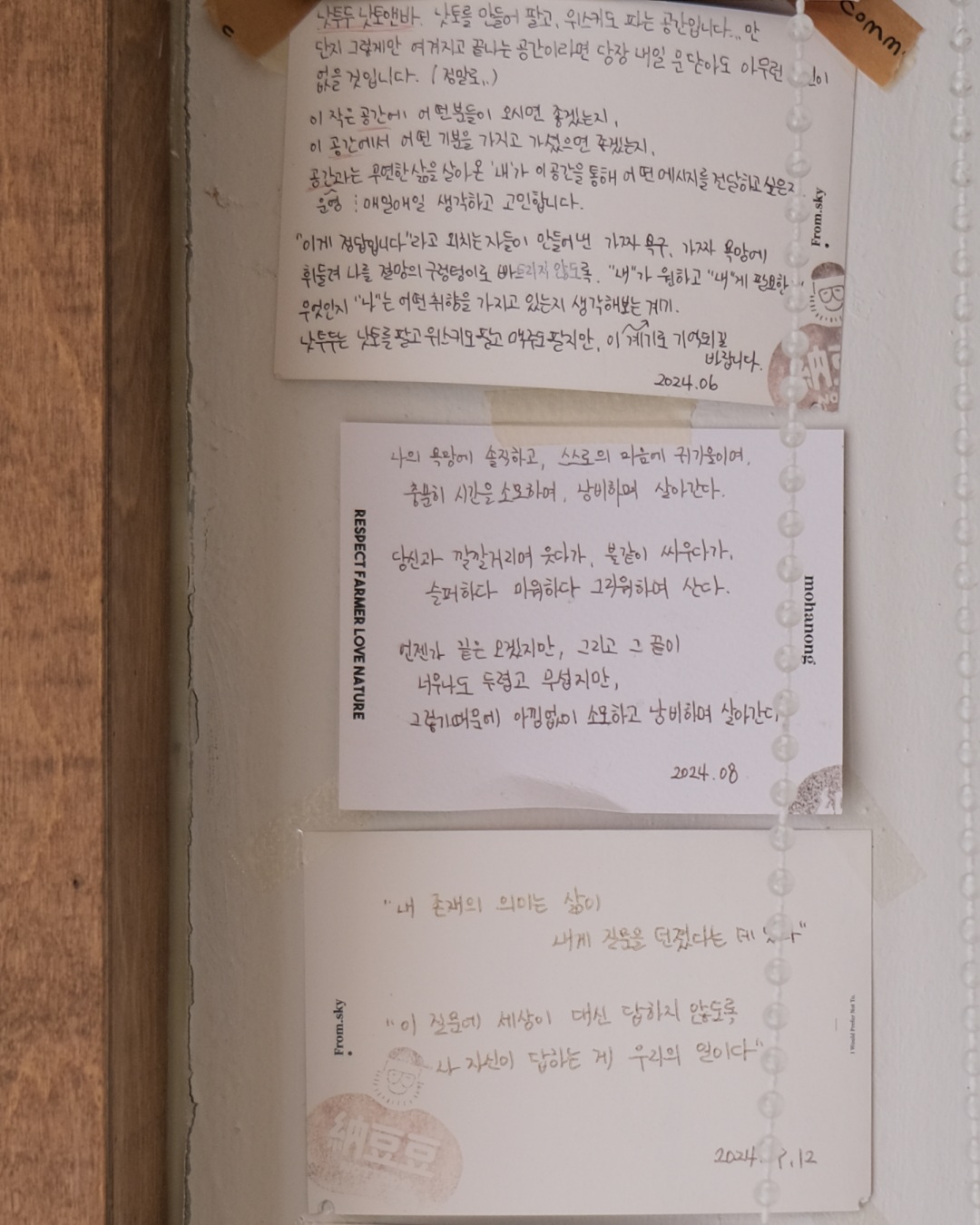
On weekday evenings, I tend to have some free time. During that time, I mull over what might be fun to do, or read a book I've been wanting to read — that's actually how I came across 1‘The Person Who Does Nothing.’ It's about a kind of one-on-one service — for example, if someone wants to clean their house but can't bring themselves to start, this person just sits beside them while they do it. Or if someone's running a marathon and asks them to stand at the finish line between certain hours, they simply stand there. Thanks to that, someone who wouldn't have cleaned alone ends up cleaning, or someone finishes the marathon they might not have finished otherwise.
Since I run a shop, I'm always here during set hours anyway. I thought that just gathering in this space might give people a reason to finally do the things they'd been putting off, and that's how I came up with the program ‘The Person Who Does Nothing.’ In a way, I'm playing that role myself.
The ‘Sunday Reading Club’ ran quite actively until earlier this year, but since the founding members moved away, we now only hold it about once a month. Having familiar faces show up every week during the reading club really helped make running a shop I started alone feel a little less daunting.
Last October, you held the Nattoodoo Cup Natto World Championship. Who was the winning team?
It's called a competition in name only — there wasn't really any competing. I named it after the ‘World Martial Arts Tournament’ from the manga ‘Dragon Ball,’ but because it was called a competition, a lot of people asked if they could come and eat. Actually, most of the participants were our regular customers, and it was really a gathering where everyone showcased their own dishes using natto, shop-in-shop style. Luckily the weather was nice that day and more people showed up than we expected, so it ended up being a great success. What I love most about events like this is getting to do something fun together with fun people, and it's also a natural way to bring together people with a similar sensibility while building the brand.
The Natto & Bar concept is unique. 2Could you explain how Nattoodoo Natto & Bar operates, split between Day and Night?
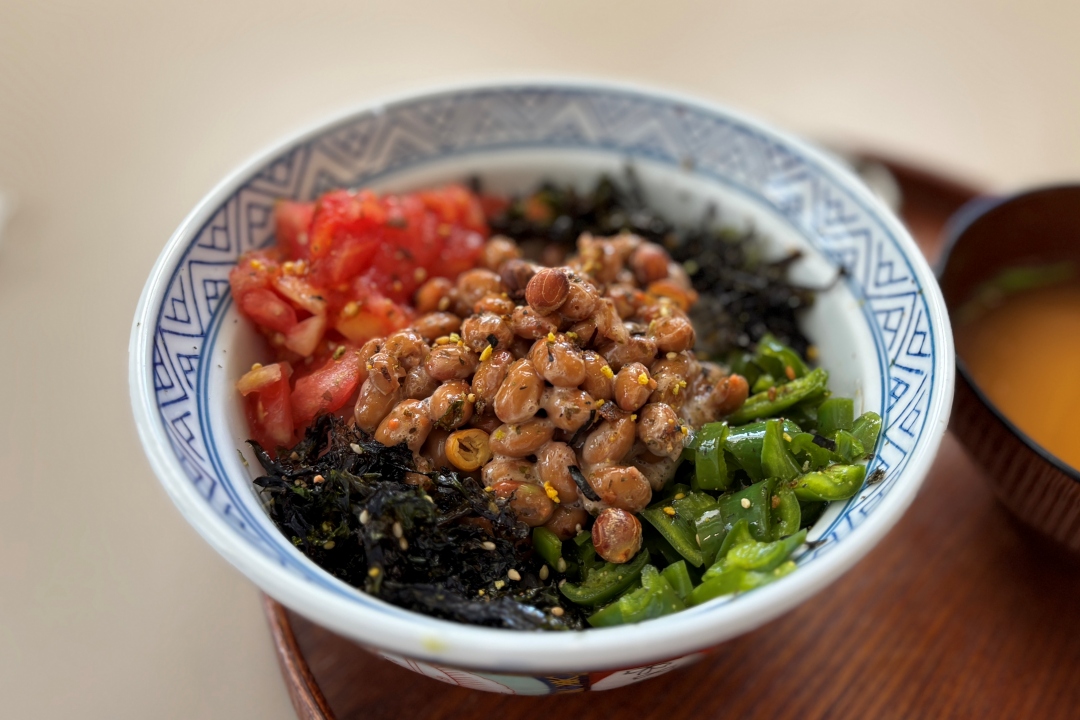
During lunch hours, it's a dining space for people who love natto or want to try it for the first time. In the evening, it operates as a bar where you can enjoy whiskey, beer, highballs, or non-alcoholic drinks alongside small bites. We serve alcohol in the evenings, but we ask guests to treat it less like a noisy pub and more like a space where you can come alone to read a book or quietly gather your thoughts. I've wondered a lot whether I'm chasing too idealistic a vision for this space. Still, I enjoy doing it, and I'm grateful to meet people who resonate with the direction Nattoodoo is going. Honestly, I think of this space less as a way to generate big profits and more as a way to build a brand. Right now, the shop's sales make up the largest share of our revenue, but going forward, as a brand, we may be able to generate revenue in other ways too. This space serves two purposes. First, to show and share what I'm thinking when I make natto, and the philosophy behind how I run the Nattoodoo brand. Second, I'd love for people who share similar concerns about life to gather here and spend time together.
1 : ‘Rental Person Who Does Nothing’ by Shoji Morimoto, translated by Kim Soohyun, Mimesis
2 : Day hours run 11:30am–2:00pm (Sat, Sun, and holidays 12:00pm–2:30pm), and Night hours run 7:00pm–12:00am.
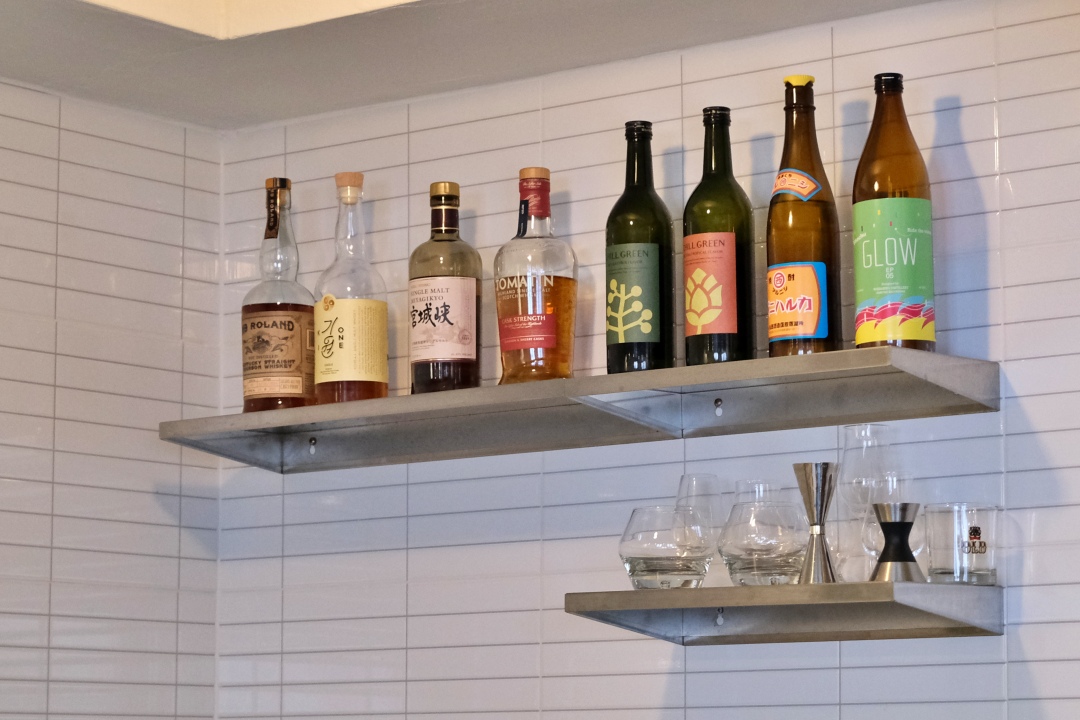
I heard you have a strong interest in whiskey.
I've been holding whiskey gatherings on and off since 2019. Compared to now, my knowledge back then was limited, but after doing it a few times, I actually ended up learning a lot of expert knowledge and information. My interest first sparked after I got a job in Japan. There was a bar close to where I lived at the time. Maybe because I looked like a young professional going alone, the regulars would buy me a drink now and then, and the owner taught me a lot about whiskey too. That's how my interest began, and from there I studied the basics while preparing for the ‘Whisky Kentei,’ a private certification exam in Japan.
How does the process of developing seasonal menu items work?
Using seasonal ingredients comes first, and a lot of ideas also come from people around me. Our signature dish, the Gamtae Natto Cold Pasta, came about last summer when we ran a pop-up for about a month with Hafeteria (@hafeteria), an influencer focused on healthy lifestyles, and we developed the dish together. The Konbu Soy-Braised Eggplant Natto Bowl, which debuted this summer, is based on a recipe shared by the chef behind Vegenamja (@vegenamja), a vegan fine dining restaurant I got to know through supplying them natto. This coming winter, we're planning to collaborate with Gothic Jang (@gothic_jang), who presented a curry dish at the Natto World Championship, to serve an amazing natto curry.
What would you recommend to someone who has never tried natto before?
Adding natto to a fridge-clean-out dish is a low-pressure way to try it. Natto is traditionally a side dish eaten with rice, so it pairs best with seaweed, egg, and kimchi, and it's also delicious over soy sauce egg rice. If going further than that feels intimidating, then just come to Nattoodoo Natto & Bar. (laughs)
What's your favorite time of day?
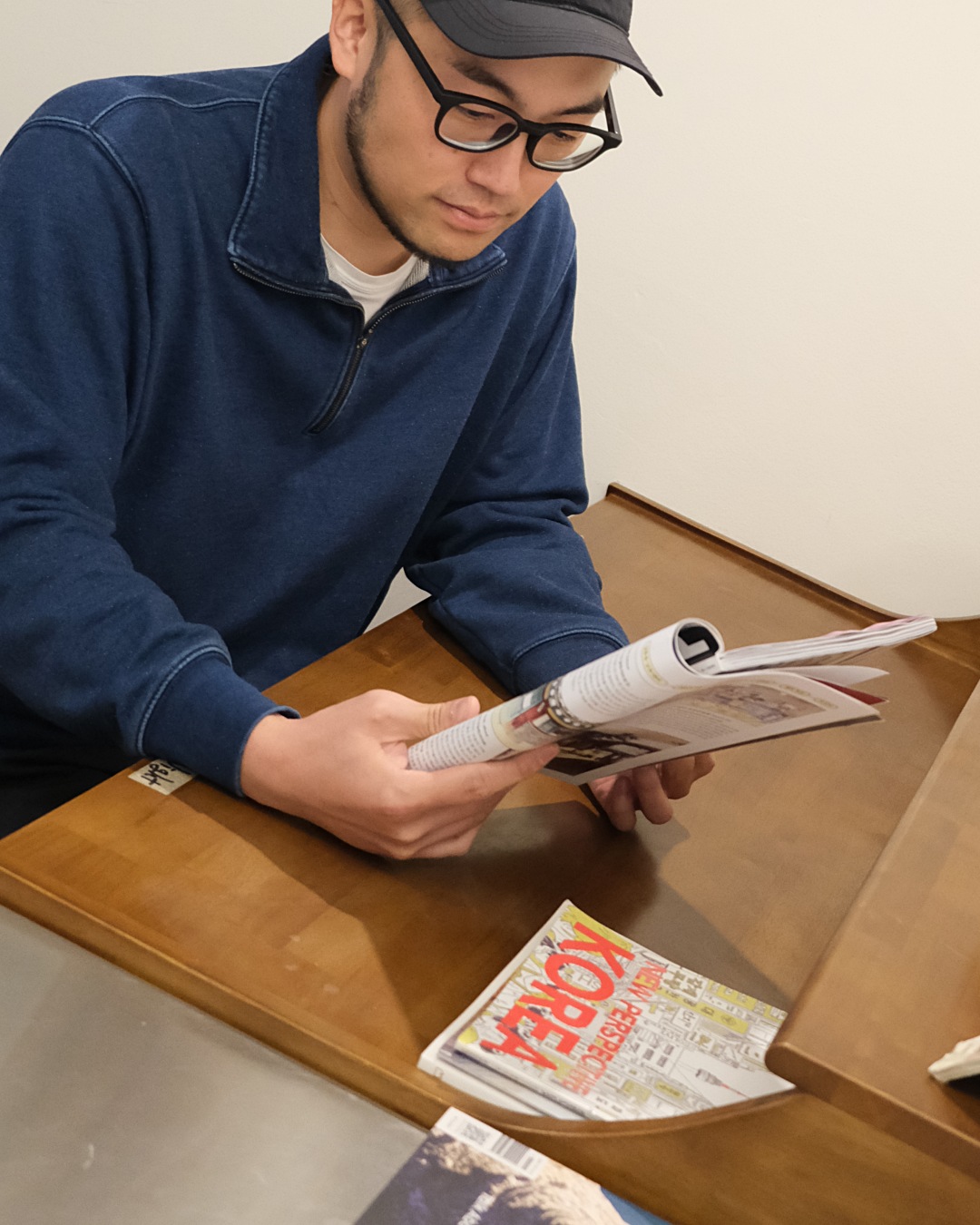
The break time. (laughs) It's five hours, so if there's somewhere I want to go, I can go and come back. Sometimes I go see an exhibition I've been wanting to see, or take bus 1711 to Buam-dong for a walk. I don't like summer, so during summer, as soon as the daytime shift ends, I go straight home, shower, sit in the air conditioning, take a nap, and then head back out for the evening shift.
Is there anywhere you'd like to travel to these days?
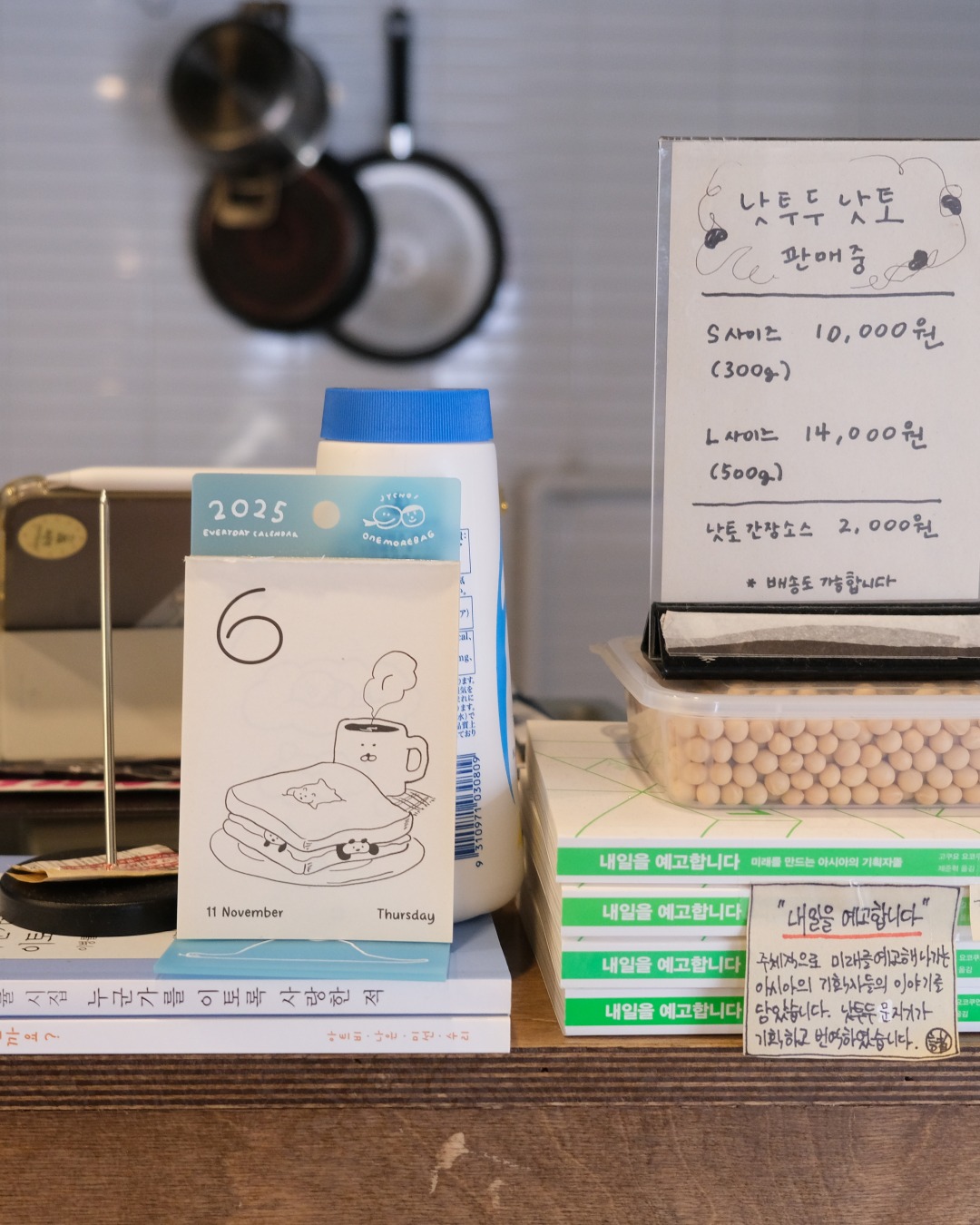
I planned and translated a book called ‘Foretelling Tomorrow,’ published by Bookstone. It's about people working as planners and organizers across Asia — Viet Nam, Japan, Korea, Taiwan, India, and more. In the book, there's a story about someone in a mountain town called Taitung in Taiwan who organized a slow food festival to promote local Indigenous culture. That town looked really interesting to me. It's a minority culture, right? I think I tend to find things fun when I discover something unusual or something most people wouldn't know about. I've also been thinking I'd like to visit places with a lot of ancient temples, like Greece or Egypt. It's hard to wrap my head around how, in times when people were truly struggling just to survive, they still built these massive structures to worship the gods — but that's exactly what makes it so fascinating to me.
What does the future look like for Nattoodoo Natto?
I believe that to do what you want to do, you need the strength not to be swayed by cynical or negative comments from people around you. Even if you know exactly what you want, if you don't have a stable enough foundation to support it, you can't only do what you want. So next year, my first goal is to achieve some concrete, measurable growth. As I grow the scale and run things more stably, I want to be able to do even more of what I want to do.


