
New & Sustainable Singapore — A New Way to Travel
Just when you think you know Singapore, it reveals a new side. We look at how this small island nation, which believes passion can make anything possible, pursues sustainability, from pleated bags to kelong-farmed seafood.
New & Sustainable Singapore — A New Way to Travel
Just when you think you know Singapore almost inside out, it quietly shows you a new side. 1 We take a look at how a small island nation that declares its passion can make anything possible goes about pursuing sustainability.
Words Pyo Youngso
Photos Park Nahui
In collaboration with Singapore Tourism Board
1 Passion Made Possible is the slogan of the Singapore Tourism Board.
Make It Yourself
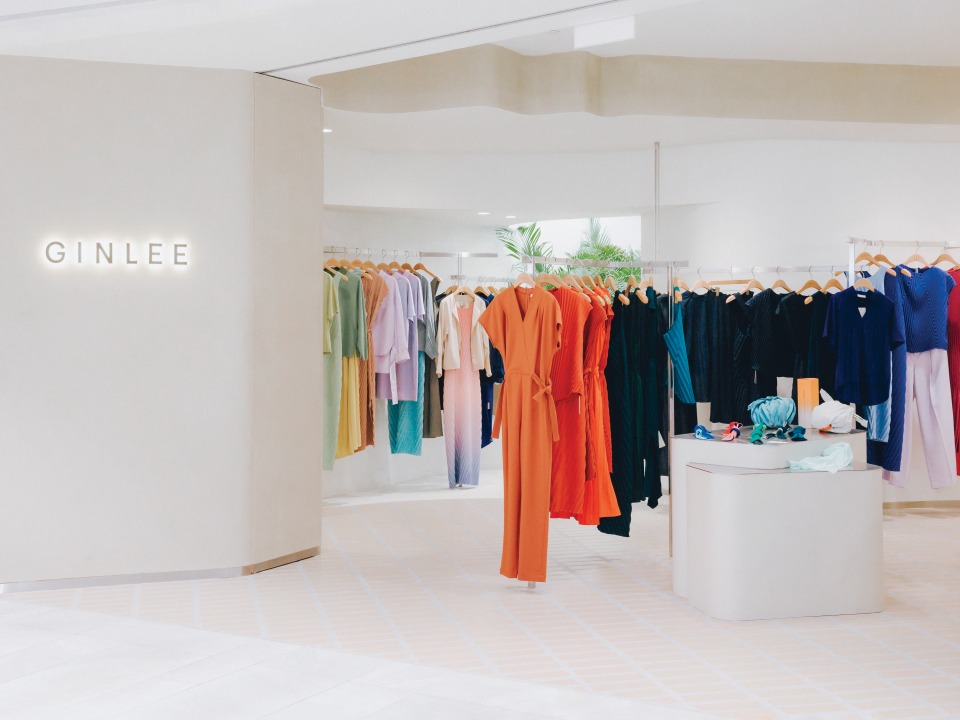
Singapore is a little larger than Seoul and a little smaller than Busan, and some 200 shopping malls, big and small, are packed across it. Great World City is one of them. Even in the early morning, when shops are just starting to open, the cafés and restaurants inside the mall are busy with people having breakfast. In this space, a byword for consumption, there is a brand that sells its products in an unusual way: 2 GINLEE Studio.
GINLEE Studio began in Israel in 2011, founded by a married pair of designers, Gin Lee from Singapore and Tamir Niv from Israel. It is a women’s fashion brand built on traditional pleating techniques. A few years after its launch, it began to draw attention in Singapore as a local designer brand, and it opened its first store in 3 Tangs. The couple naturally followed the brand and moved to Singapore in 2020. Along the way, the brand evolved a step further, and the Make (/ake) workshop is at the heart of that change. In a corner of the store, where fabrics, cords and other materials hang beside pleated bags and a small worktable is set up, five classes run every day. It is a chance to make your own pleated bag exactly the way GINLEE Studio makes its products. 4
Why would a retail shop in an upscale mall give up costly space, time and energy to run workshops? In Tamir’s words, the Make class is a “New Way of Retail.” It lets customers take part in making the product and feel more connected to it. Another reason, he says, is a concern for sustainable fashion. As an alternative to mass-produced ready-to-wear, or so-called fast fashion, the workshop brings in the idea of made-to-order. Customers get the chance to make the product they want themselves, and the brand can avoid unnecessary production. In addition, every product is built in a modular way to minimize waste in the production process, and the brand has introduced a Get-Order-On Demand (GOOD) system 5 to cut down on the leftover stock and waste generated every season.
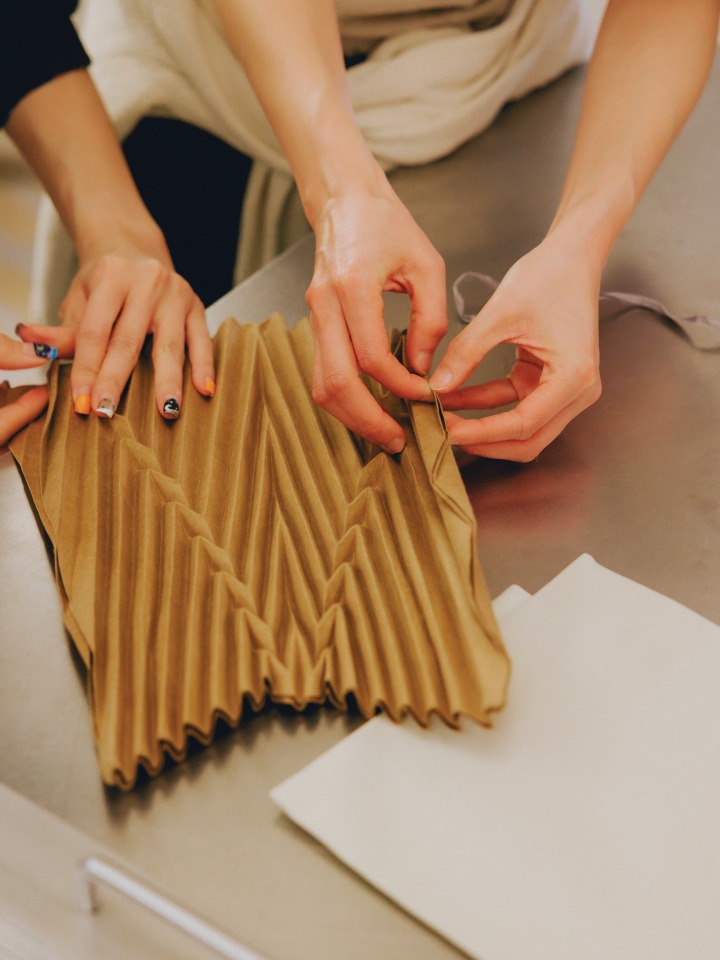
By joining Make, you can experience the traditional way of pleating. A fabric sewn into the shape of a bag is placed in a paper pattern mold, folded neatly, and bound tightly with cord. It is then 6 heated in a 100-degree Celsius oven for 20 minutes, and it is done. GINLEE Studio’s pleated products are also 7 made in exactly the same way. Because everything is done by hand, it reportedly takes the hands of eight people just to prepare the pattern work for a single dress. The waste produced while making a pleated bag is little more than the cord cut to the desired length and the ends of the finishing material. Even those scraps are reborn as cute charm decorations.
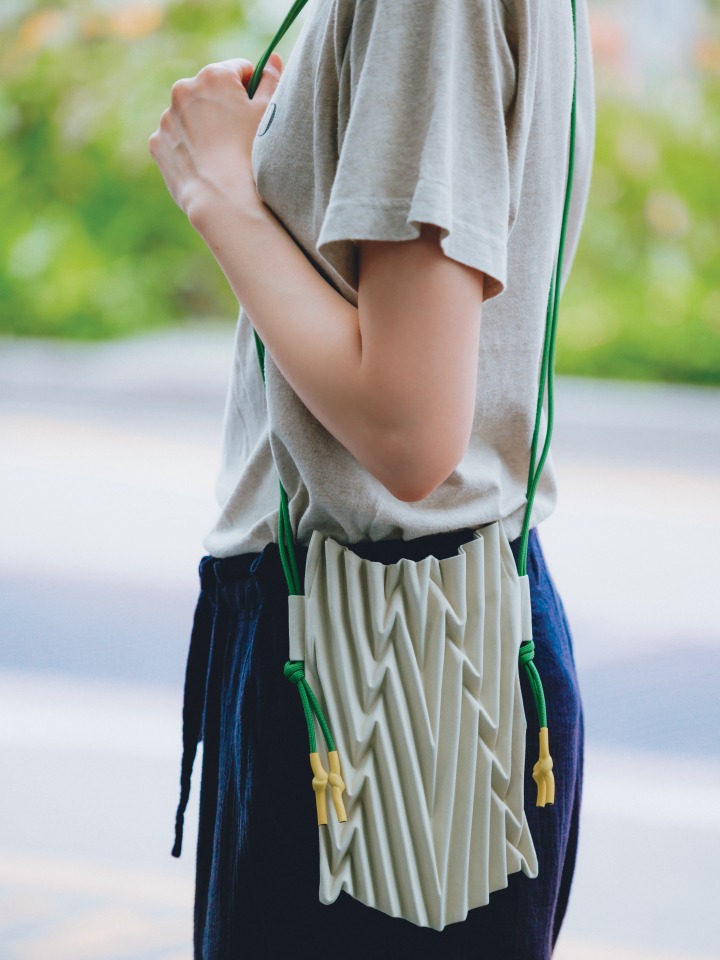
The appeal of pleated pieces shows when you actually wear them. They flex to the shape of your body and the size of what you carry inside, creating a one-of-a-kind pattern each time. That mirrors the brand’s philosophy of making clothing that is both beautiful and functional, beyond time and trends. So does the “Make” logo, which is shaped like a pleated pattern.
3 A historic local department store that symbolizes Singapore. It opened in 1932.
4 Held at the Great World City and Raffles City stores. Up to 7 people per session, 1 hour 30 minutes, 78 Singapore dollars.
5 In exchange for the extra wait while your item is made, you receive a discount.
6 Fabrics with a high polyester content behave much like plastic, so applying heat sets their shape.
7 Each type of product has its own paper pattern mold, and a single mold can be used about 50 times.
Local Food That Protects Local Culture
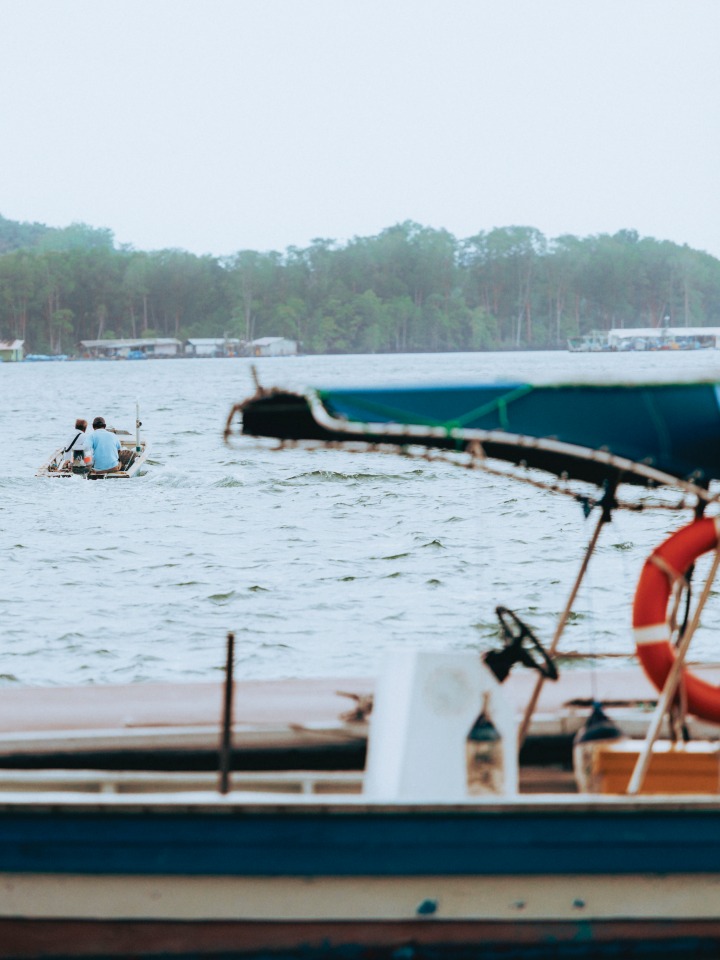
A kelong is a traditional fish farm found along the coasts of Singapore, Malaysia and Indonesia. Typically built over shallow coastal waters, it uses wooden planks, timber posts and rope to mark out sections, with nets hung to hold and raise fish, crustaceans and seaweed. Traditional kelongs have been gradually disappearing in recent years, but 8 Ah Hua Kelong, set in the waters between mainland Singapore and Palau Ubin, seems unaffected by that trend.
Wong Jing Kai, who joined Ah Hua Kelong in 2014, says he wanted to change how people think about Singapore-grown seafood. It is ironic given that this city-state’s history began in a fishing village, but most of the seafood consumed in Singapore today is imported. The belief that imported seafood from places like Japan or Europe is better than local seafood was another mountain to climb. His conclusion was that, to promote local seafood, he would bring the kelong to the people of Singapore. That is why, unlike other kelongs that focus on B2B sales, he took on a B2C service that delivers seafood to your doorstep, and why he also ventured into the 9 restaurant business.
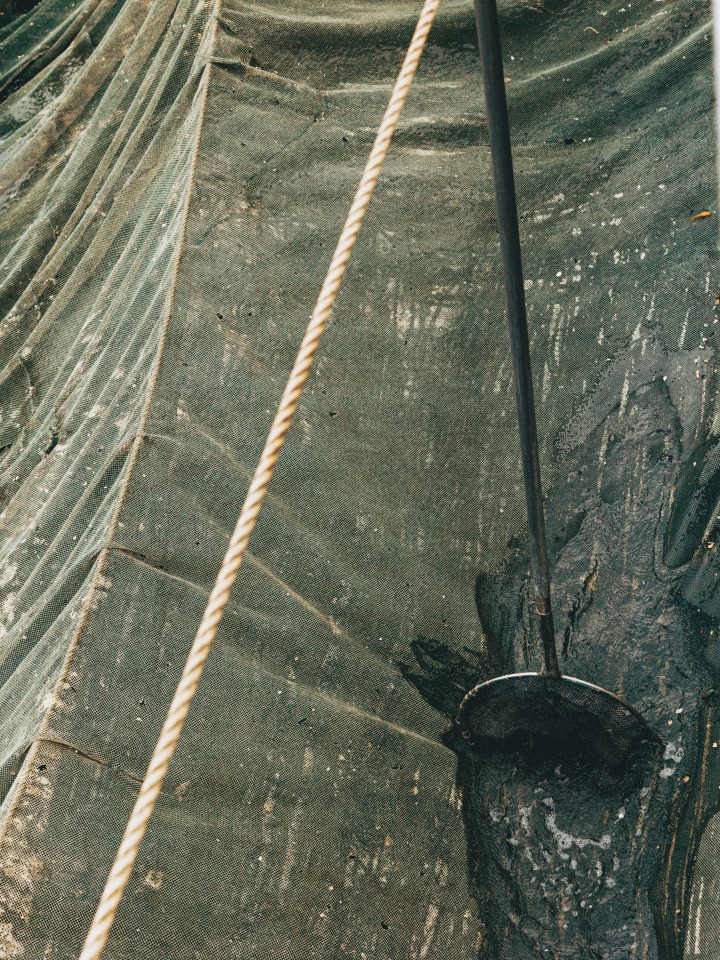
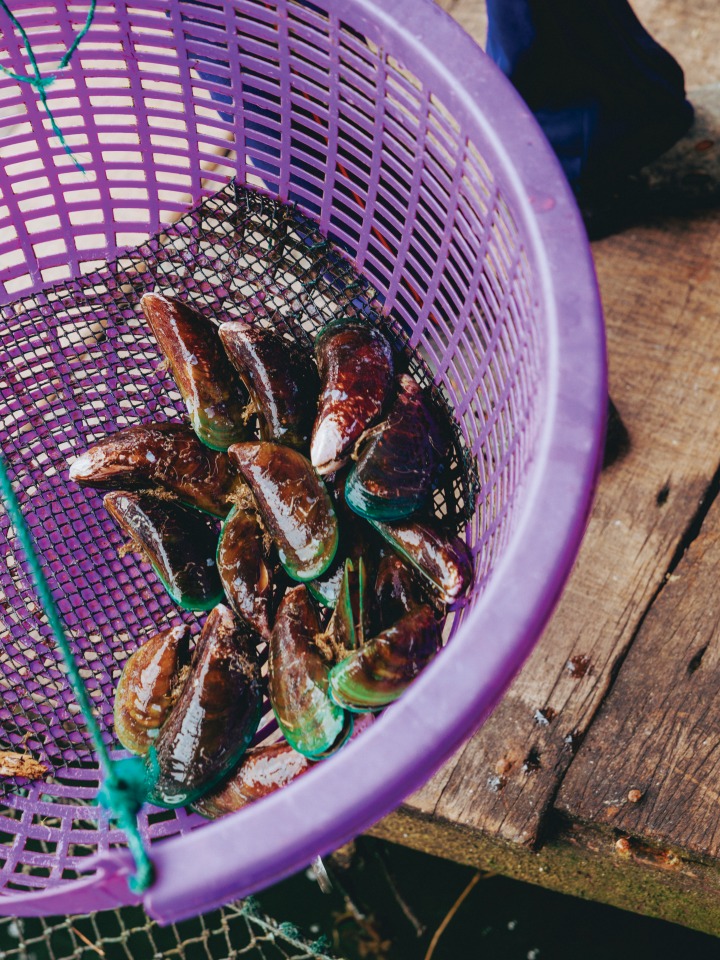
You board a small motorboat that barely seats four or five people and cut across the sea for about five minutes to reach Ah Hua Kelong. It is a floating fish farm of half a hectare, seemingly pieced together from wooden boards. Five kinds of fish, including sea bass, sea bream and grouper, are raised here, along with shellfish such as mussels. To an outsider’s eye it looks rough and ready, but two dogs and the farmhands live on site, and there is even a rest area for them and a mini garden they tend as a hobby. Kai, who guides us through every corner of the farm, boils freshly harvested mussels and brings them out. He explains that Singapore’s highly saline seawater makes the shellfish sweeter.
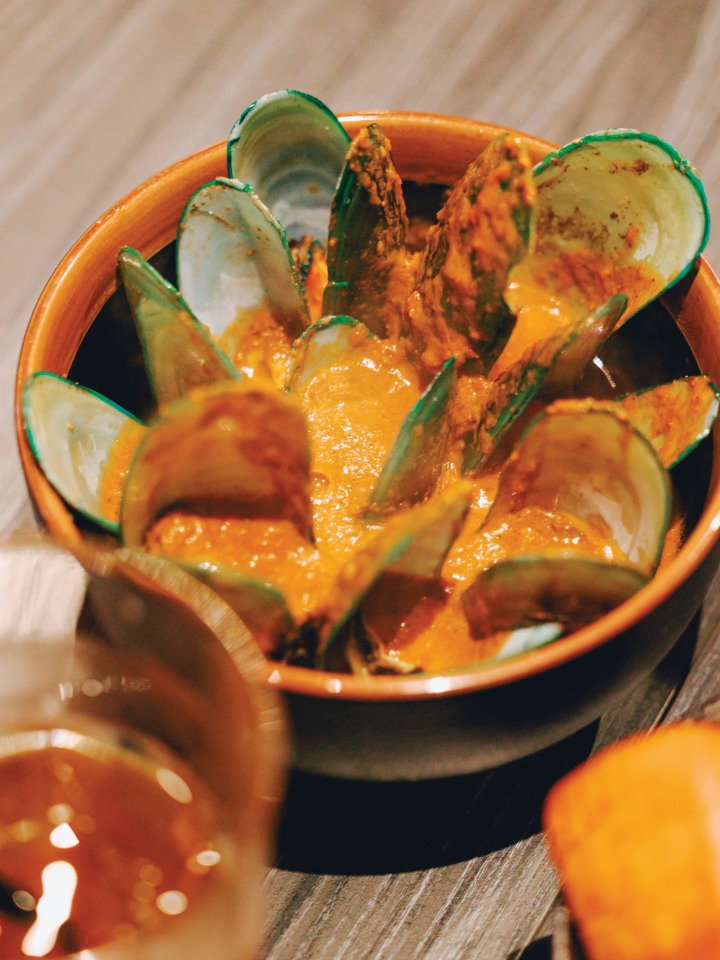
To taste the kelong’s fresh mussels properly, you need to go to 10 Scaled by Ah Hua Kelong, which opened on Haji Lane in 2017. It is the only seafood restaurant in Singapore that owns a kelong. From the strongly curry-scented steamed mussels (Curry Mussel), served with Chinese steamed buns, to the sea bass paste spread on sourdough, the menu here does more than enough to change how you think about local seafood.
Another Local Restaurant
11 Sinpopo, which has carried on Singapore’s Peranakan food traditions, closed its original store in the 12 Katong area and recently opened a flagship restaurant in the Tangs department store. In a modern, elegantly designed dining space, you can enjoy a range of Peranakan food, from meals to tea and desserts. Nasi lemak, sweet rice cooked in coconut milk, is Sinpopo’s signature dish. Dishes such as cashews stir-fried in sambal sauce, eggplant and spicy squid sharpen the appetite even further. Be sure to try the desserts, another of Sinpopo’s specialties, including pink coconut cake, pandan kaya cake and ondeh ondeh, rice cakes filled with palm sugar.
9 It operates 2 kelongs, 2 restaurants and 1 bakery.
12 An area with clusters of shophouses where you can experience Peranakan culture and food.
The Potential of Wetlands
13 Sungei Buloh Wetland Reserve is one of Singapore’s four nature reserves. It began in 1993, when wetlands on the country’s northwest coast were designated a nature park and opened to the public. Today the reserve covers roughly 200 hectares of wetlands, including mangrove forests, mudflats, and ponds.
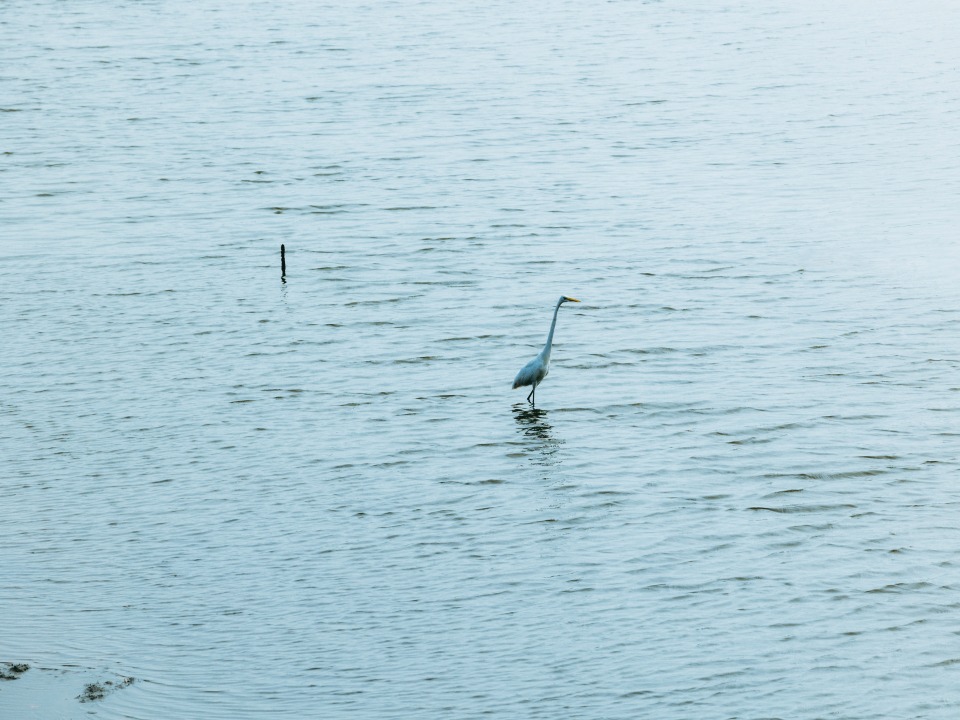
The first to recognize the value of this place were birdwatchers. Every year, from autumn through the following spring, 14 migratory birds fleeing the cold of the Northern Hemisphere for the Southern Hemisphere are spotted in these wetlands. For them, the reserve is an important rest stop on a journey of more than 130,000 kilometers from Siberia to Australia, a place to drink and refuel. It is also, of course, home to many resident birds, including herons, egrets, kingfishers, and sunbirds. Walk along the trails laid out through the reserve and you will come across birders at every turn, concentrating behind enormous, cannon-like super-telephoto lenses. Eagle Point is the best-known spot. Standing on a deck that juts out toward the Straits of Johor, I watched three or four white-bellied sea eagles circling overhead while a heron stood motionless at the water’s edge.
Another thing that catches the eye is the mangrove forest. Lying between the wetlands and the sea, mangroves are far more important than they appear. Lim Gim Cheong, the guide who led our tour of the wetlands, says Singapore has been spared tsunamis thanks to its mangroves. (In fact, many parts of Southeast Asia that suffered heavy tsunami damage had destroyed their mangroves for development.) The soil here is a mix of fresh water and seawater, a harsh environment where plants struggle to grow, and the shrubs that have survived these poor conditions shield the coast from waves and strong winds. Their ability to absorb and store carbon dioxide from the air is at least ten times that of ordinary forests, which is why they are also called ‘carbon storehouses.’ When you think about it, the protagonist protecting the ecosystem of Sungei Buloh is not the Singaporean government or the title of ‘reserve,’ but the mangroves, a natural breakwater and a natural purification system.
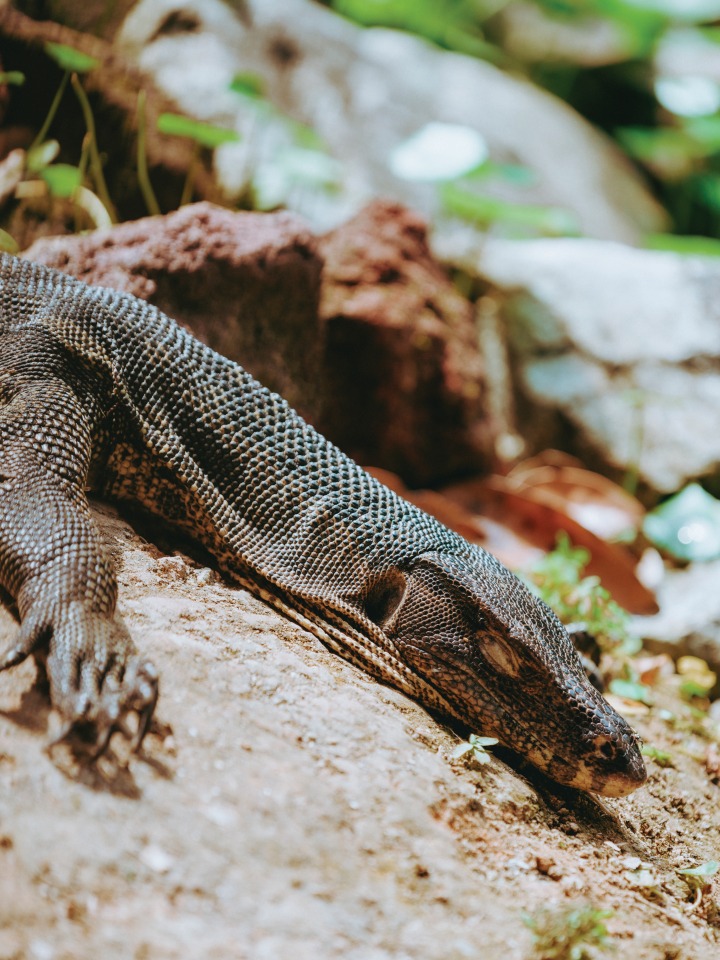
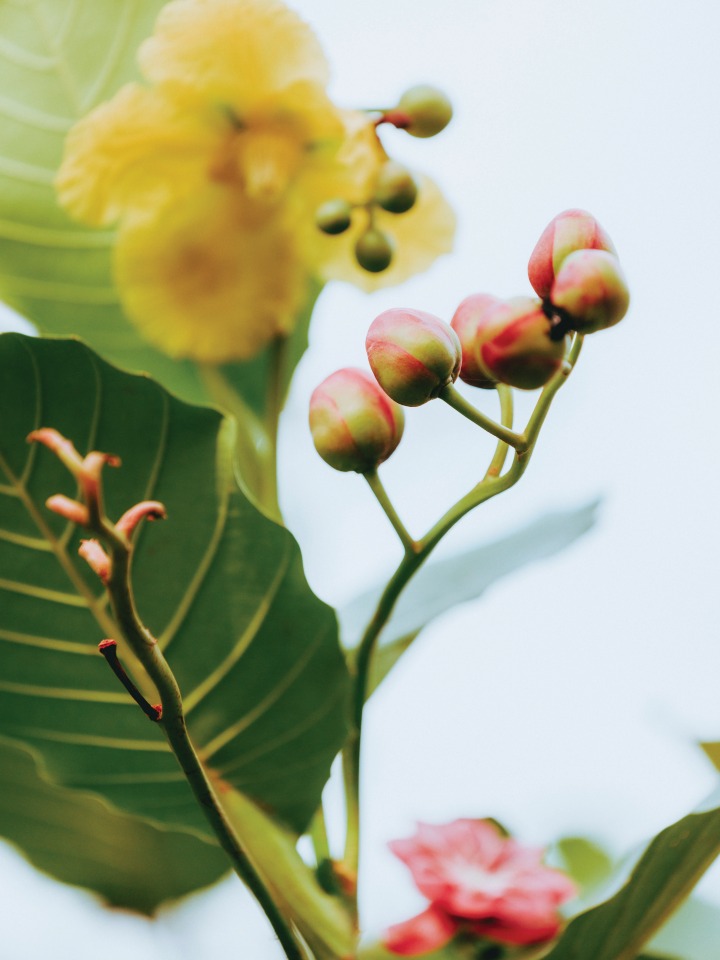
Themed trails, including coastal, forest, and bird-watching routes, wind through every corner of the wetlands. The longest section is under 2 kilometers, so the walking is easy. Still, with a variety of tropical plants such as dillenia and pandanus, and creatures of every kind appearing with each step, from the mud lobsters that live in the mangroves to tiny, adorable beetles, I recommend visiting on a leisurely schedule. With luck, you may even spot a crocodile sunbathing with its mouth wide open or an iguana lazily tanning.
Another Kind of Nature
15 Gardens by the Bay is a vast urban garden where man-made structures and natural beauty blend in perfect harmony. Across 101 hectares, it holds themed gardens, conservatories, and observation decks. The most popular spot of late is Cloud Forest, filled with rare plants from tropical highlands, thanks to ‘Avatar: The Experience,’ themed on James Cameron’s film ‘Avatar.’ Sculptural installations reminiscent of the film’s setting, green plants, waterfalls, and lighting come together to create a special experience. The Garden Rhapsody Supertree show, held twice every evening, is also too good to miss.
13 In 2003, it became Singapore’s first ASEAN Heritage Park.
14 Typical examples include sandpipers such as the whimbrel and the common greenshank, and plovers such as the grey plover and the greater sand plover.

The Future of Zero-Waste Restaurants
Shaw Centre is one of the many shopping malls on Orchard Road. Tucked in among the various eateries gathered here, 16 Kausmo is Singapore’s first zero-waste restaurant. It really is not easy to find. Just as you start circling the same spot, wondering whether the place actually exists, a sliding door hidden in a wall with a small horizontal window finally catches your eye. Is it a sign of resolve to quietly go its own way, no matter how the world outside turns?
Inside, the space is filled by nothing more than a communal table seating up to 16 and an open kitchen. There is one chef making the food and one manager who serves the finished dishes and tells the stories behind them. It operates strictly by reservation, and apart from the six-course format, nothing is fixed in advance. Kausmo serves only a 17 carte blanche menu for one reason: to minimize discarded ingredients.
In 2019, 18 Lisa Tang and Chew Shian, two women in their twenties, opened a restaurant with a new concept, dreaming of a universe of their own (‘kosmo’). They wanted to try out in Singapore the ideas of local food and zero waste they had experienced while training at a farm restaurant in the United States. For Singapore, which imports most of its ingredients, it was also the perfect testing ground for an unprecedented venture. Six months after opening, COVID began, and since this is a place where communication matters, it is true that those were hard times. This June, Kausmo marks its fourth anniversary.
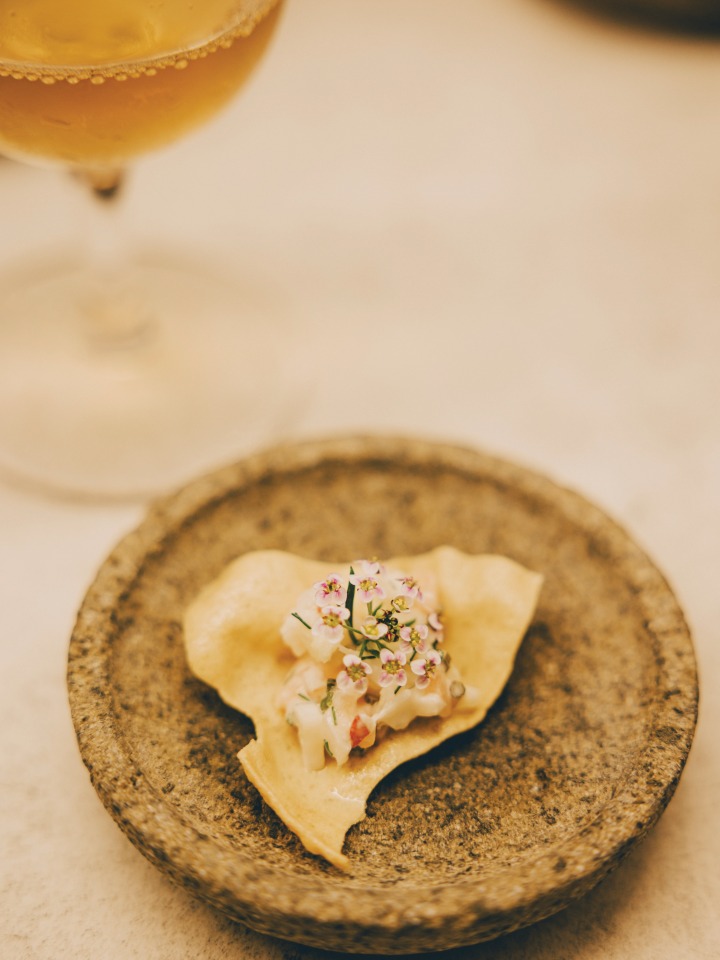
At Kausmo, ingredients are purchased weekly. With food miles in mind, they use ingredients produced locally or in neighboring countries whenever possible, choose what is in season, and favor ingredients that are overstocked in Singapore or hard to distribute because they look less marketable. Leftover ingredients are turned into vinegar or pickles and used in dishes. All of this is an effort to reduce food waste. For example, the grilled octopus served as an appetizer uses 19 baby octopus caught by sustainable methods, accompanied by a purée made from a pumpkin that is a little homely but perfectly fine in flavor. The second appetizer, eggplant in season fried to resemble a schnitzel in shape and texture, is garnished with marigolds sourced from a partner farm in Malaysia. Sharing these behind-the-scenes stories and changing how people think about food is also Kausmo’s reason for being. Look for the ingredient illustrations Lisa drew herself and their stories on the menu, and listen to Chew’s soft voice as she explains each dish in detail when it is served.

More Sustainable Places to Eat
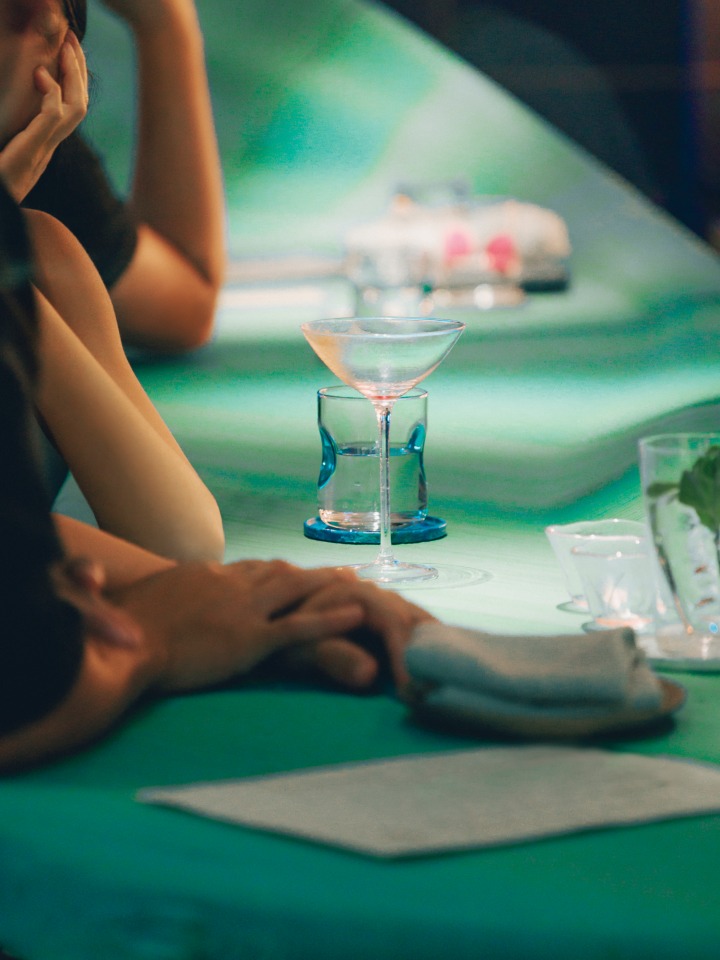
Singapore offers quite a range of options for vegans. Right in the middle of Orchard Road, surrounded by a rooftop with great views, 20 Joie is a meatless restaurant serving original dishes. You can enjoy vegetarian fine dining made with fresh vegetables, fruits, and herbs, and the delicate plating is impressive too. For a more casual meal, I recommend 21 Love Handle, Asia’s first vegan butcher. It sells plant-based meats of its own development along with products from various vegan brands. From burgers and chicken to ragù pasta and satay, you can try a wide range of dishes that will blow away any preconceptions about vegetarian food. 22 Analogue, set in the former convent complex CHIJMES, is a great place to sip cocktails and enjoy a Singapore night. Every dish on the menu is 100 percent plant-based, as a matter of course, and the bar was made with 3D printing and the tables from mushroom mycelium, which shows an uncommon passion for sustainable food culture.
17 A menu composed entirely at the chef’s discretion. Prices vary with the menu.
18 The two first met while studying food and culinary management at Temasek Polytechnic in Singapore. Lisa later graduated from the Culinary Institute of America (CIA) and built her career working at world-class restaurants, then joined forces with Chew, who had become interested in crop cultivation and food management. They opened Kausmo in partnership with Les Amis, a French restaurant awarded three Michelin stars.
19 Rather than by large-scale commercial fishing, they are caught in the deep waters off Malaysia in a manner as close to natural as possible.
More Than Entertainment
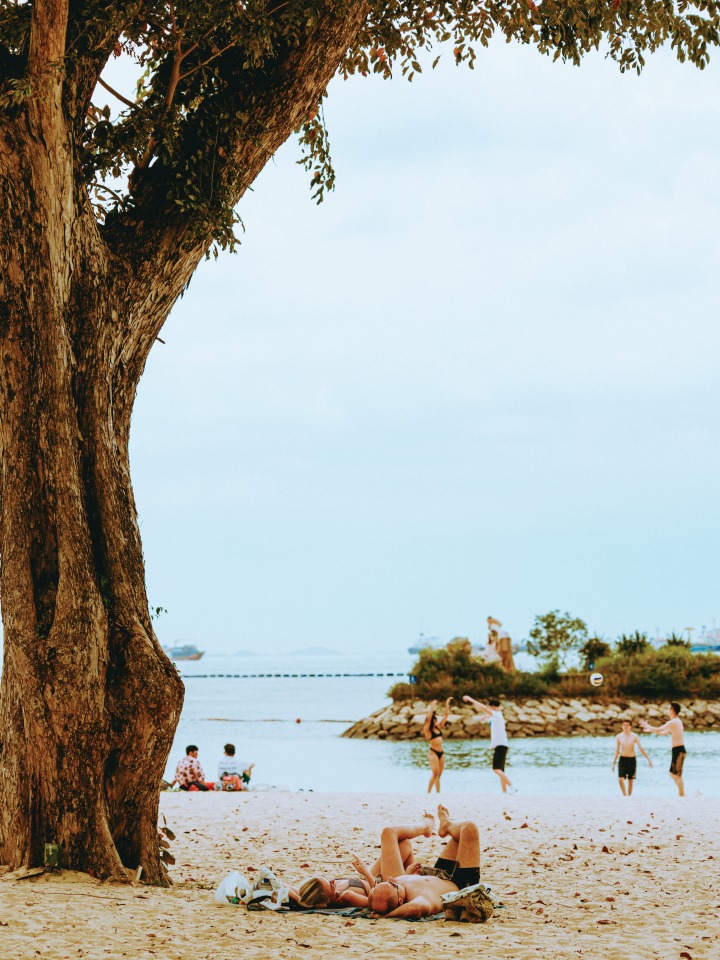
Originally planned as a resort destination, the island 23 of Sentosa is always 24 peaceful, even when it isn’t quiet. It is packed with entertainment, including Universal Studios, an aquarium and a water park, and it has three polished artificial beaches. With every kind of amusement perfectly in place, it can feel like a world preserved inside a snow globe, but that doesn’t mean time stands still on Sentosa.
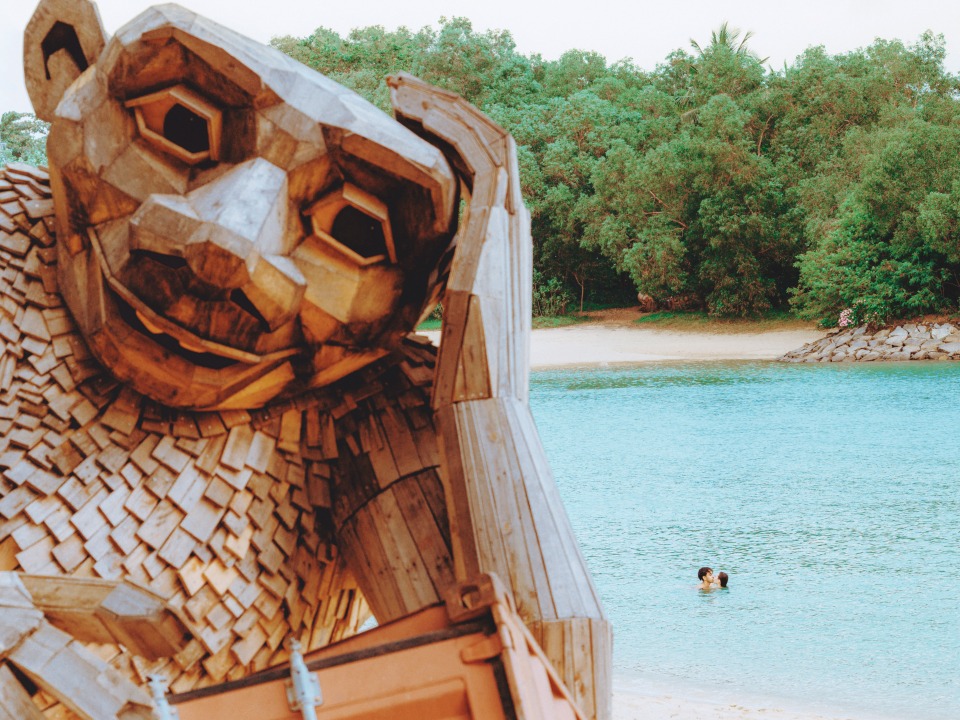
At the end of last year, ‘Explorers of Sentosa’ appeared on Palawan Beach 25. The large-scale installation was created from scrap wood and plastic by Thomas Dambo, a Danish recycling artist and activist. Four families of giants, each with a distinct personality, including a curious girl and a nature-loving dreamer, are scattered along the beach. The artwork used a total of 5.5 tons of wood, donated by Singaporean companies that had used it as shipping crates and pallets. The giants, built from thousands of wooden planks, turn out to be surprisingly cute. Their expressions, earnest yet witty, are part of the appeal. True to the work’s title, there is also a distinct kind of fun in roaming every corner of the beach to find the hidden giants.
Sentopia 26 at Silo Beach is another new attraction on Sentosa. Through interactive exhibits and guided tours, visitors can experience Singapore’s floral heritage. In the perfume-making workshop, you can take home a one-of-a-kind custom fragrance based on your own preferences, identified through a questionnaire. That is, if you’re confident you can choose the scents you want from 6,000 oils, in 20 or fewer.
Some things haven’t changed. You can spend a leisurely time at a fine restaurant such as Bedrock Origin 27, savoring cuisine that spans Singapore’s seas and land, or ride the Mount Faber 28 cable car for a 360-degree panorama of lush rainforest, the harbor and Sentosa. And Wings of Time, an outdoor show that stages fire, lasers, grand sound and imagery against the sea and sky, is the best way to end a night on Sentosa.
More to Enjoy
Asia’s largest observation wheel is in Singapore. The 29Singapore Flyer has 28 cabins, each holding up to 28 passengers, moving in a circle 150 meters in diameter. At the top, 42 stories (165 meters) up, all of Singapore opens out in every direction. In late 2020, Time Capsule, an exhibition hall offering an overview of Singapore’s history and culture, opened. After viewing the two-floor digital exhibition with R65, a time-traveling robot, and then boarding the Flyer, you’ll find the city’s views feel far more familiar.
24 In Malay, Sentosa means ‘peace and tranquility.’
25 On display through the end of 2024.
27 A fine dining restaurant inside Oasis Resort Sentosa. bedrock.com.sg


