New Cultural Spaces in France
Luma Arles, the Couvent des Franciscaines in Deauville, Narbo Via, Abbaye de Fontevraud and more: a tour of the hottest new art and culture venues in France, from Provence to Normandy and the Loire.
New cultural and artistic spaces are opening all across France. There is an abbey holding a vast collection of books from the Middle Ages through the 18th century, a contemporary art museum reshaping the landscape of Provence, a museum preserving the footprints of the ancient Gauls, and villas and convents that evoke the 19th century. Even in a pandemic, France’s passion for culture seems unstoppable.
In collaboration with Atout France
Luma Arles, a New Landmark of Contemporary Art
Luma Arles
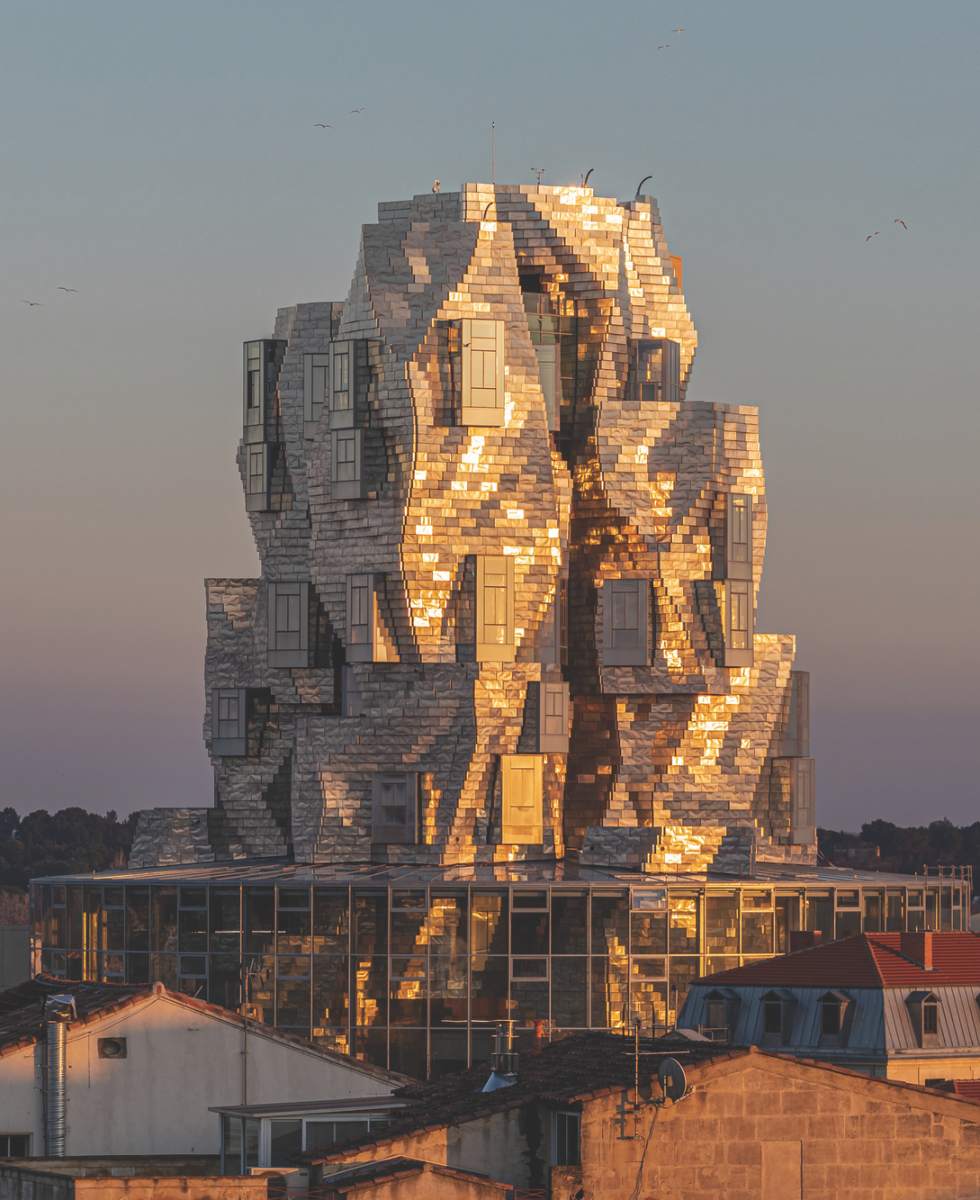
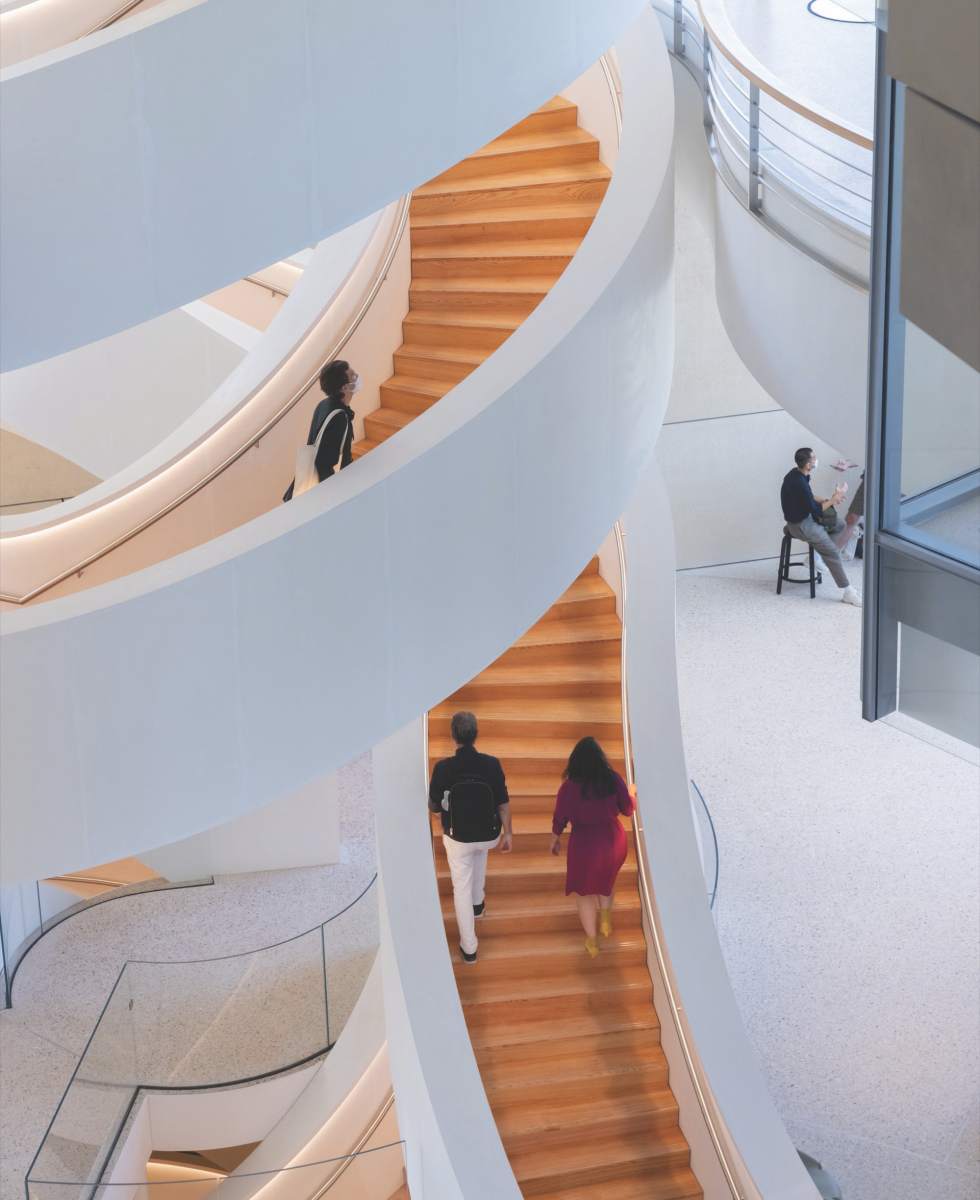
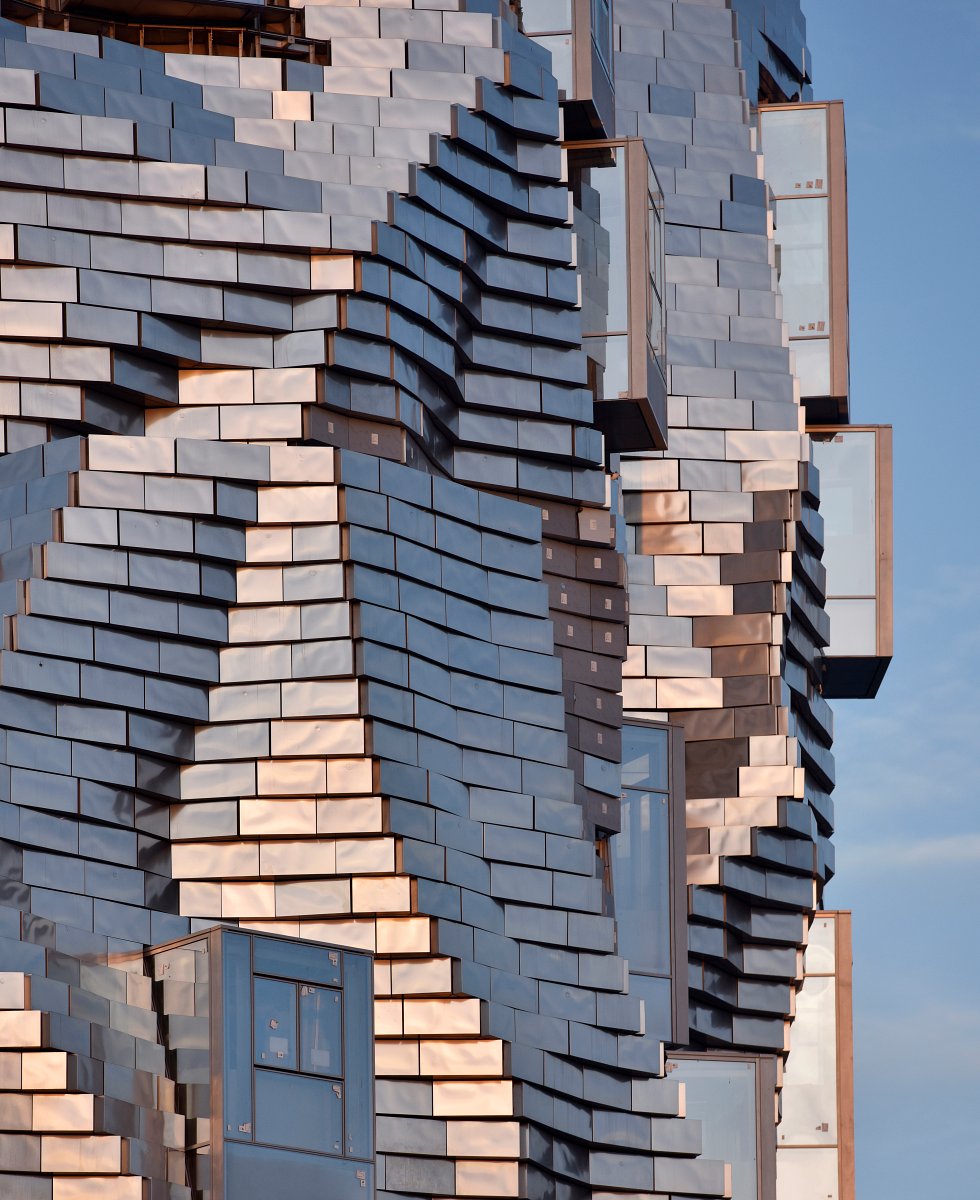
Opened on June 26, Luma Arles is already drawing attention as a landmark of Provence. Set on an 11-hectare site in the heart of Arles, it was built according to the ambitious plan of the Luma Foundation (Fondation Luma) to create an environmentally friendly arts space. The Luma Tower (Tour Luma), which crowns the complex, rises 56 meters, and the metal panels wrapping the building cover a total of 11,000 square meters. Its distinctive exterior expresses Luma Arles’s confidence that it will take its place as a new landmark of Arles, following the city’s cultural heritage: the art of Van Gogh, the beautiful natural scenery of the Alpilles, and the ancient amphitheater.
Designed by the world-renowned architect Frank Gehry, the Luma Tower offers a range of facilities, including exhibition halls suited to large-scale events, an archive room, seminar rooms, a library, a café, and a restaurant. From the terrace on the ninth floor, visitors can take in a beautiful view where the Camargue, a UNESCO-recognized area, the Alpilles, and the Rhône come together. Six nearby buildings that once served as industrial facilities have been reborn as artist residences and an installation art museum. Luma Arles is now stirring visitors’ imaginations with exhibitions by leading contemporary artists, including Pierre Huyghe and Philippe Parreno.
The Franciscan Convent in Deauville, Reborn as a Multidisciplinary Arts Space
Couvent des Franciscaines
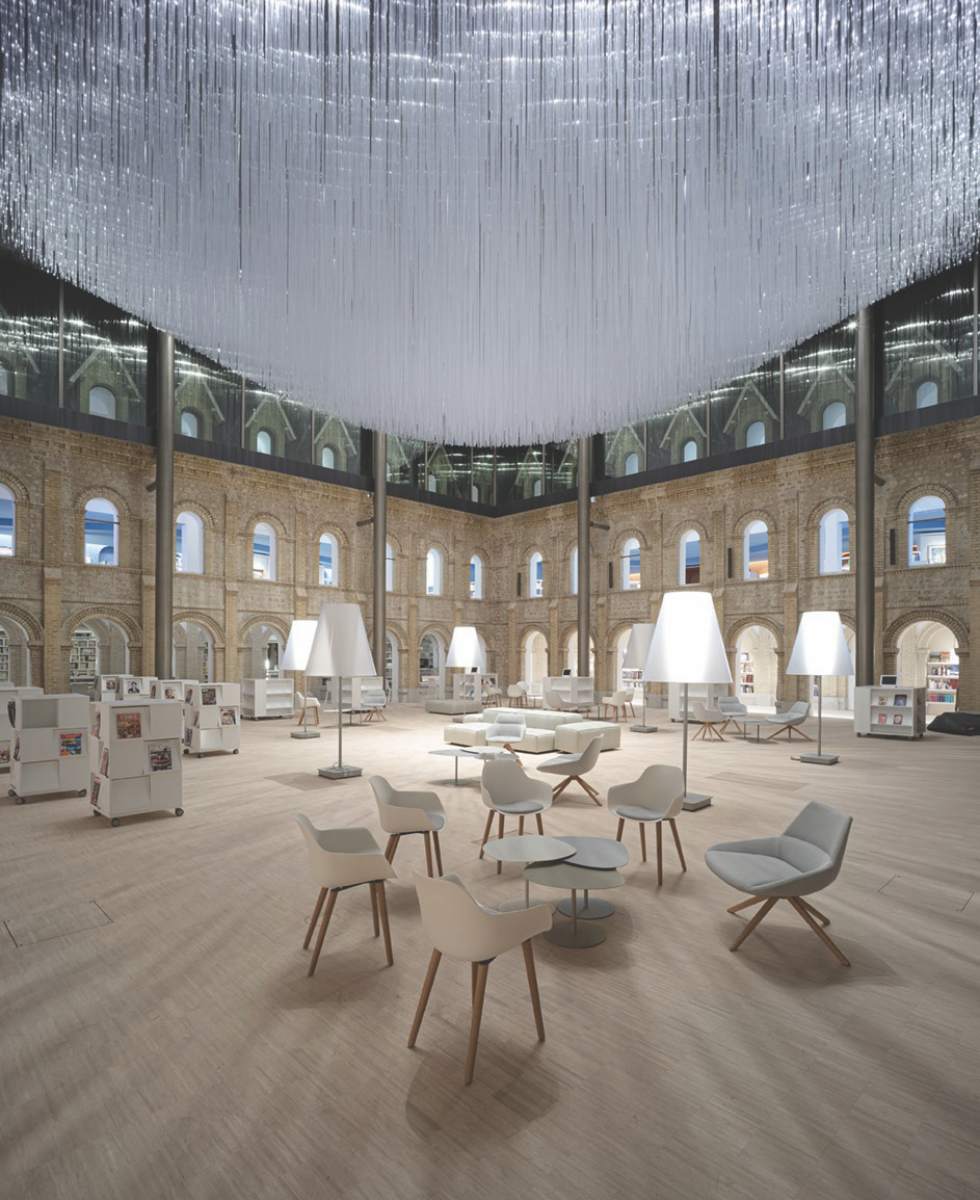
The Franciscan convent in Deauville, which has served as an orphanage, a hospital, and a hotel school, among other uses, has been reborn after three years of construction as a multidisciplinary arts space with museums, a multimedia hall, and a performance venue. Welcoming every artistic discipline and every kind of visitor, the space stays true to the convent’s former role of passing on knowledge.
The “Place of Life” (Lieu de Vie), shaped by the architect Alain Moatti, is a space devoted to sharing knowledge. The cloister beneath its glass roof serves as a reading room, a meeting place, and a theater lounge, while the former chapel has been transformed into an auditorium. The gallery acts as a “Ribbon of Knowledge” (Rubans de la Connaissance) linking the five universes that define Deauville’s worldview (Deauville, horses, lifestyle, youth, and theater and film), presenting books as well as digital and other artworks to visitors. The convent houses four museums in all. First is the Musée André Hambourg, which displays more than 4,000 works owned by the collector André Hambourg. There is also the Galerie des Maîtres, which gathers famous and rare pieces, and a gallery for photography. The courtyard, used for special exhibitions, has been restored to the convent’s original appearance.
Narbo Via, in Search of Gallic Culture
Narbo Via
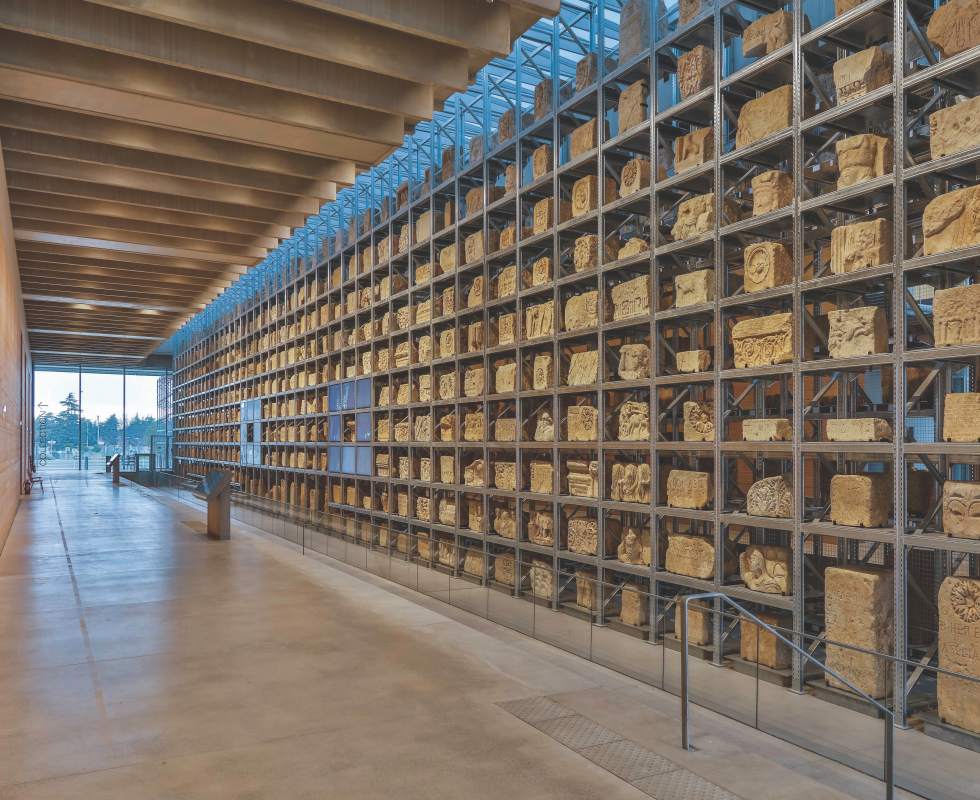
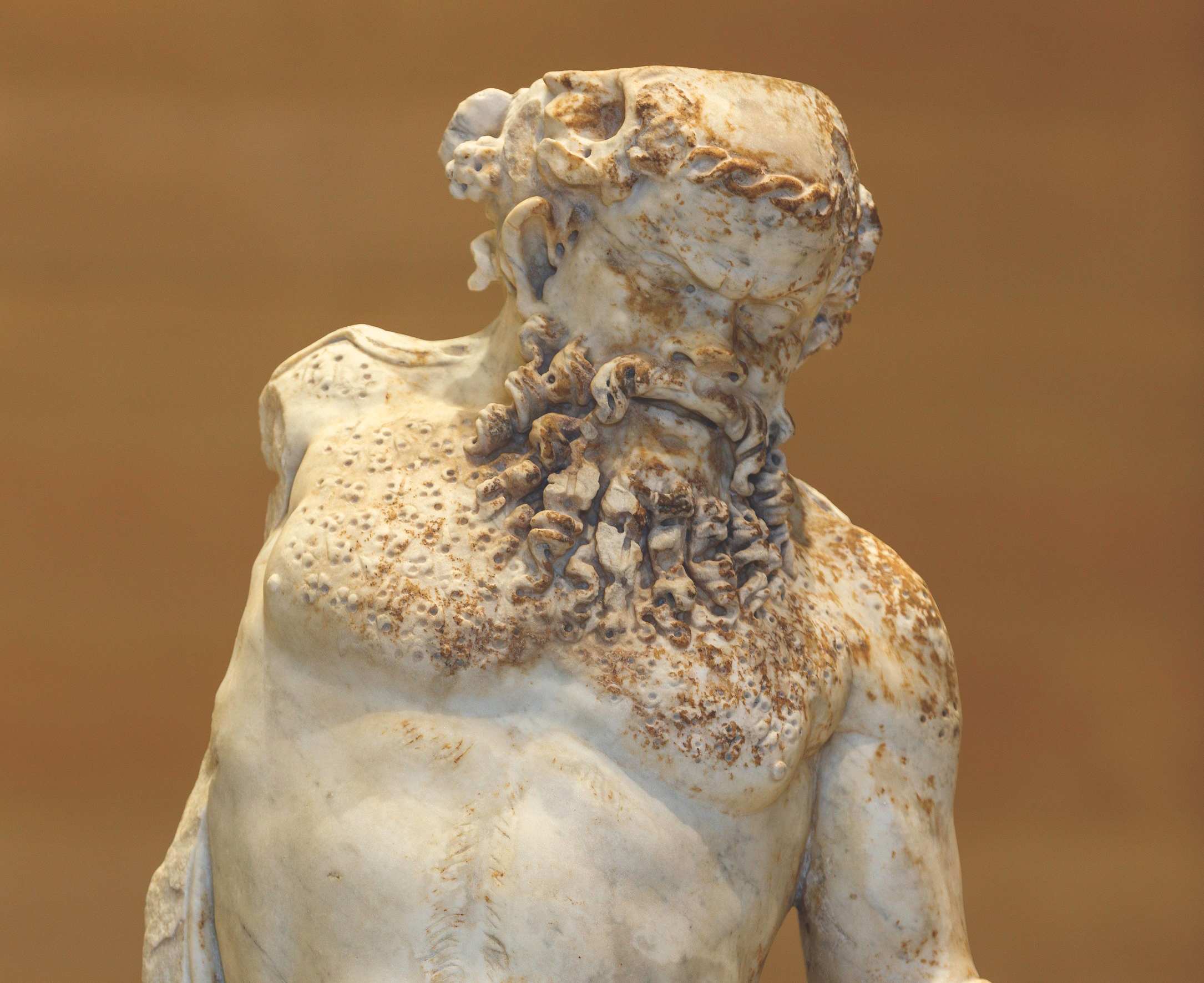
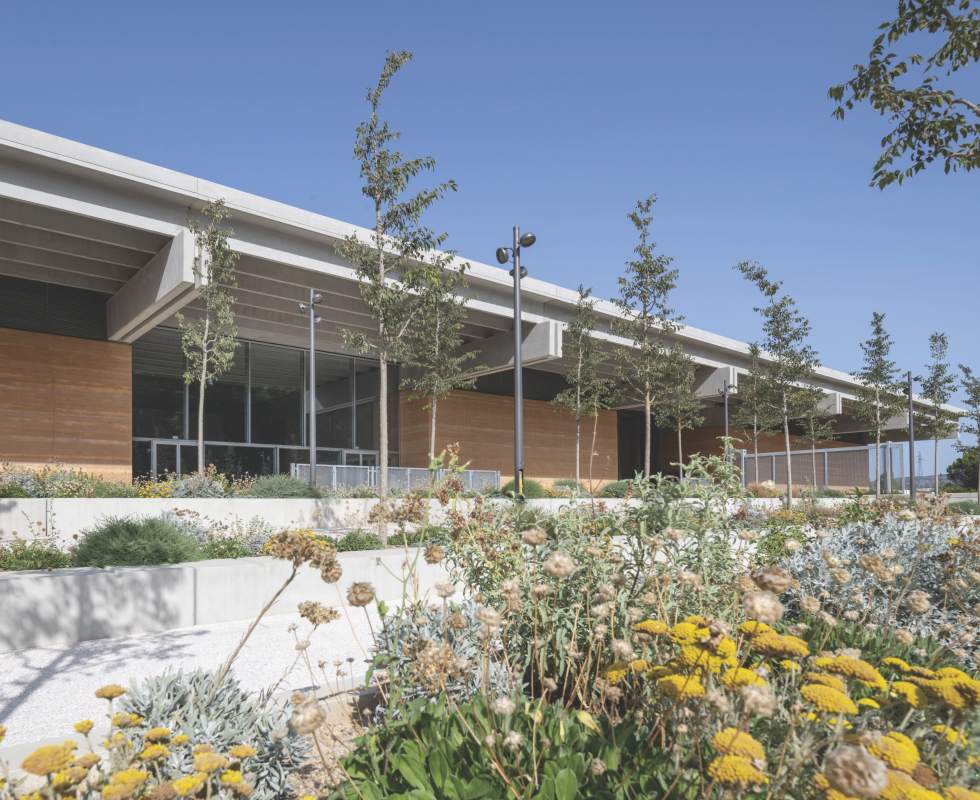
Narbo Via, the newly opened museum in Narbonne, traces the remains of ancient Gaul as it existed in 118 BC. It carries real significance in preserving and reconstructing a history of the Gauls whose relics are hard to find today.
Foster+Partners designed the museum, which stands at the end of the Canal de la Robine. Across a total floor area of 3,200 square meters, Narbo Via displays more than 7,000 ancient artifacts. Its crowning feature is a wall made of 760 stone blocks quarried from an ancient Roman cemetery. Inside the museum, visitors can operate an interactive historical timeline themselves. The pavilion in the courtyard behind the museum recreates the life of the ancient Romans through three-dimensional reconstructions of the ancient city and port. Don’t miss the beautiful collection of mosaics and frescoes found at Clos de la Lombarde, a notable archaeological site in Narbonne.
Fontevraud Abbey, a Collection Built on Passion
Abbaye de Fontevraud
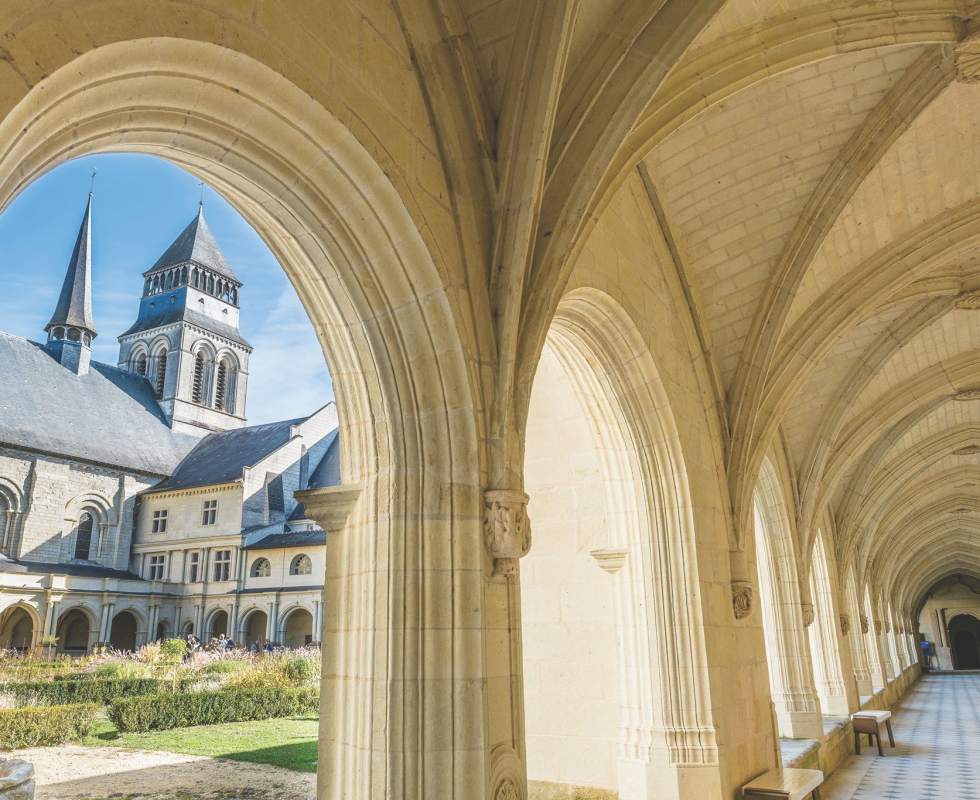
Fontevraud Abbey is the largest medieval monastic complex in Europe and a UNESCO World Heritage site. A new museum of modern and contemporary art has opened at this abbey, which guards the entrance to Saumur in western France. An 18th-century building that was originally a stable has been renovated into a three-story exhibition hall of 1,700 square meters. The splendid collection, created through a donation from Léon and Martine Cligman (Léon & Martine Cligman), longtime patrons of modern and contemporary art, includes about 900 works: paintings by leading 19th- and 20th-century artists such as Toulouse-Lautrec, Chaim Soutine, and Bernard Buffet, along with 14 sculptures by Germaine Richier. Visitors can also see about 300 original antiquities, including pieces from outside Europe such as Mesopotamia, Africa, and Egypt. It is a new museum of contemporary art whose curation reflects the eye and passion of its collectors.
La Villa du Temps Retrouvé, a Journey Back in Time to the Belle Époque
La Villa du Temps Retrouvé
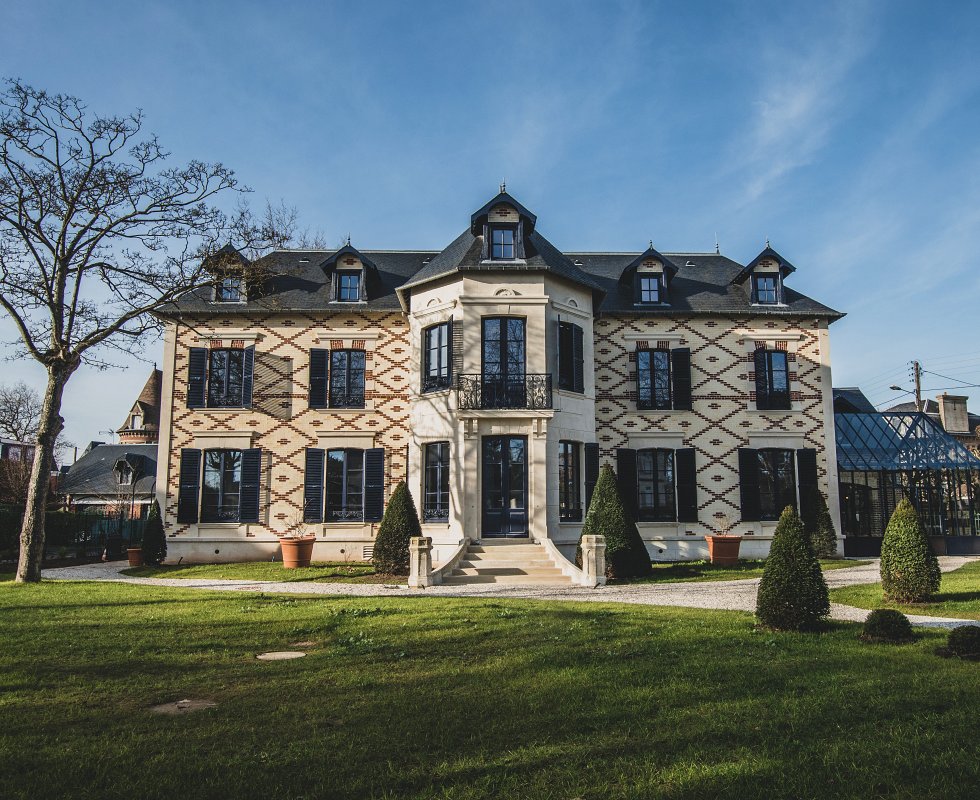
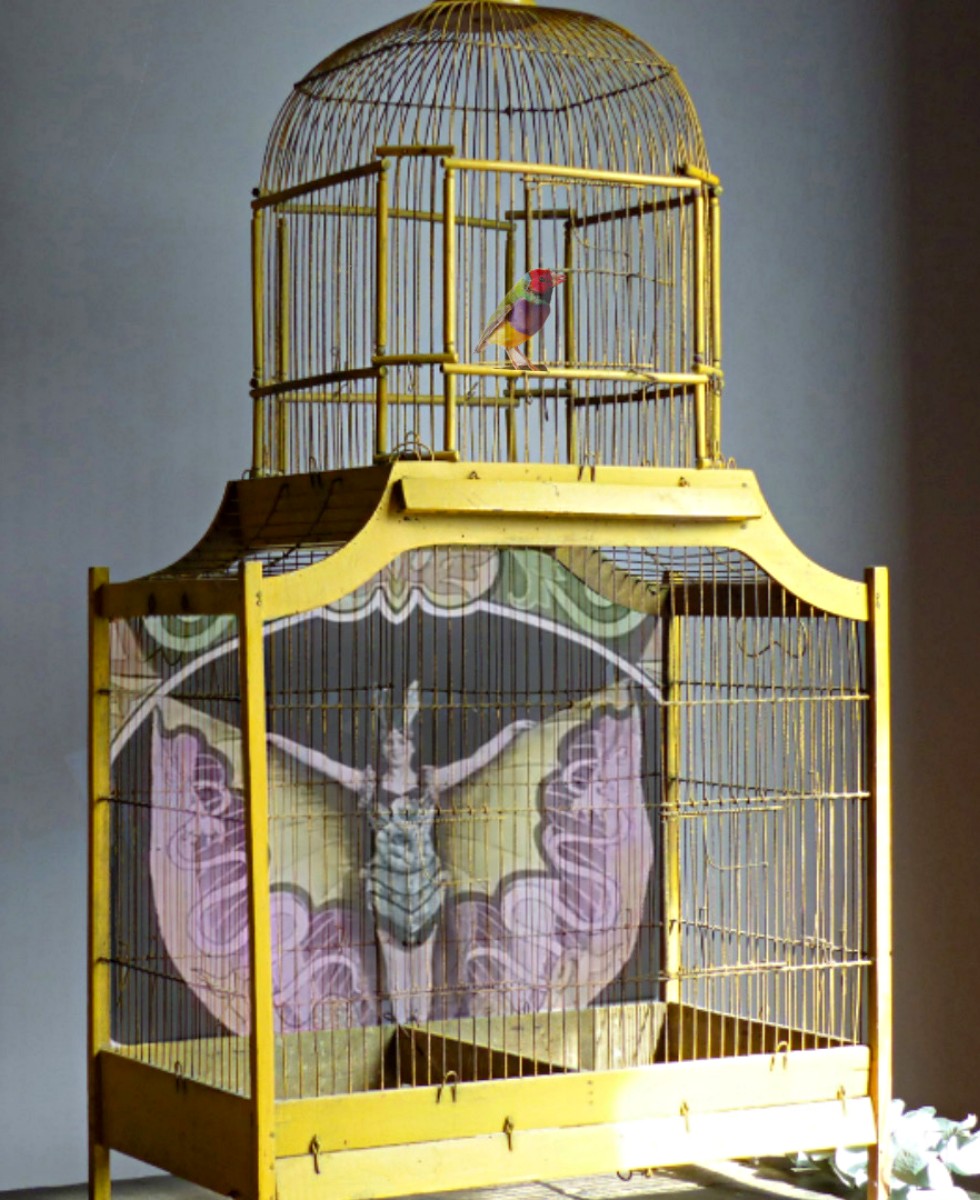
How wonderful would it be to stroll beside the swans, as in a scene from a Marcel Proust novel? Between 1907 and 1914, Marcel Proust would leave for the summer to Cabourg, a seaside resort on the coast of Normandy, France. To mark the 150th anniversary of Proust’s birth, the Villa du Temps Retrouvé recreates the atmosphere of the Belle Epoque, the era in which the characters of his novels lived. The moment you step into the villa, fully restored to its Belle Epoque appearance, you will feel as though you have traveled through time in a time machine. Inside, you can glimpse the way people of the day lived while enjoying the leisurely pace of the beautiful Côte Fleurie. As you browse some 350 works of art, including furniture, paintings by masters, costumes, films and photographs, all recreated through immersive content that engages sight, sound and smell, the two centuries that separate you from that time seem to melt away. The Belle Epoque was also the age in which figures still recognized as masters today, such as Claude Monet, Eugène Boudin, Auguste Rodin and Claude Debussy, were at the height of their activity. The villa’s first special exhibition, on the popular culture that emerged during the Belle Epoque, ‘Fantômas and the Mirror of the Belle Epoque (Fantômas et le miroir de la Belle Epoque)’, runs through November 11, 2021.
Orléans MOBE, an Eco-Friendly Museum Preserving Biodiversity
Muséum d’Orléans pour la Biodiversité et l’Environnement
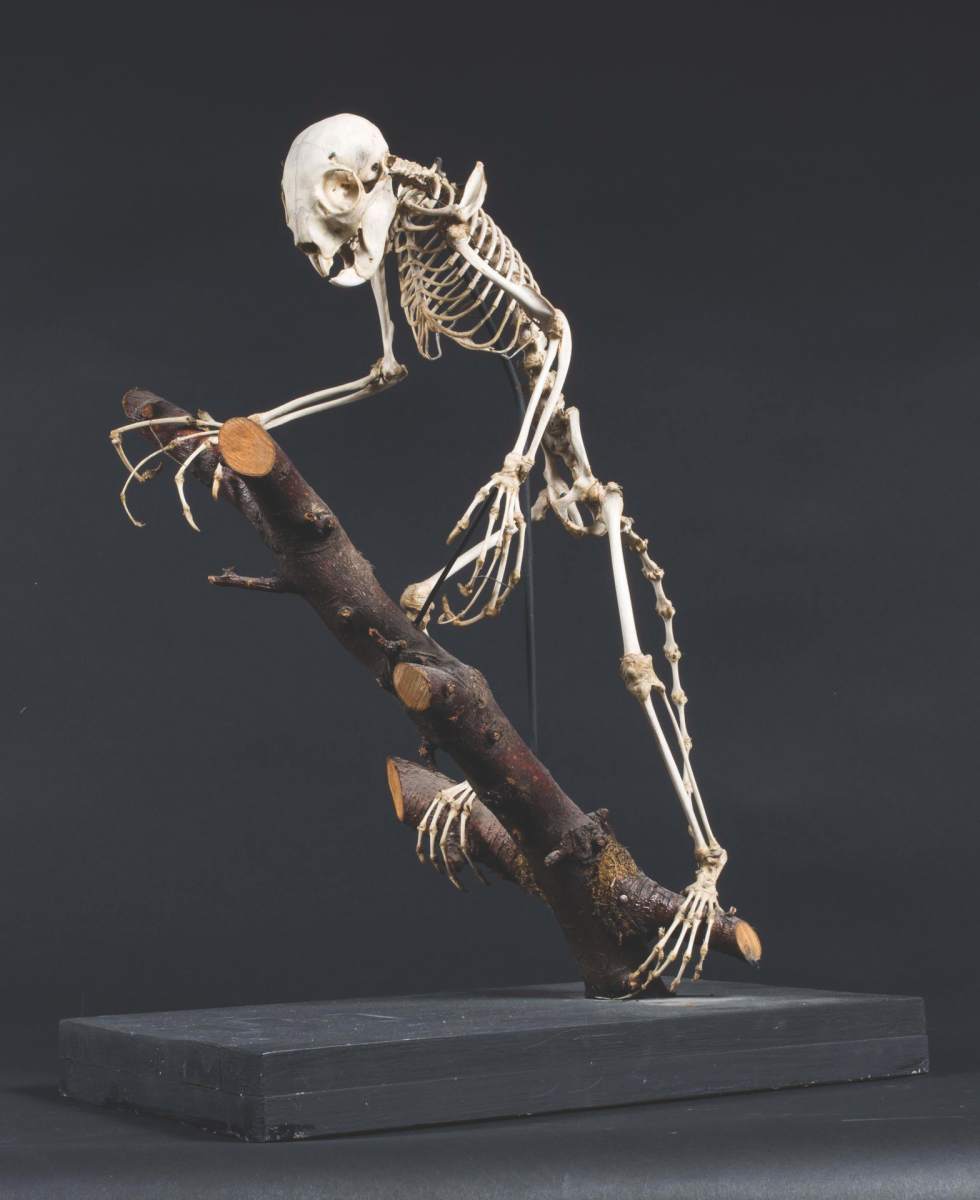
Launched under the name MOBE, this museum focuses on biodiversity and environmental conservation. Across its vast grounds of 3,000 square meters, visitors can encounter every plant that grows in the Loire Basin. The collection preserves roughly 435,000 plant specimens. Among its rarest pieces are an ichthyosaur fossil; a fish-like reptile believed to have lived on Earth 180 million years ago; a burial site where a Neolithic woman known as ‘La Dame de Monteloup’ was laid to rest together with her child; and the skeleton of the legendary dodo, a bird native to the island of Mauritius that went extinct within 100 years of outsiders settling there.
Colmar’s Dominican Convent, a Treasury of Books Spanning Human History
Couvent des Dominicains de Colmar
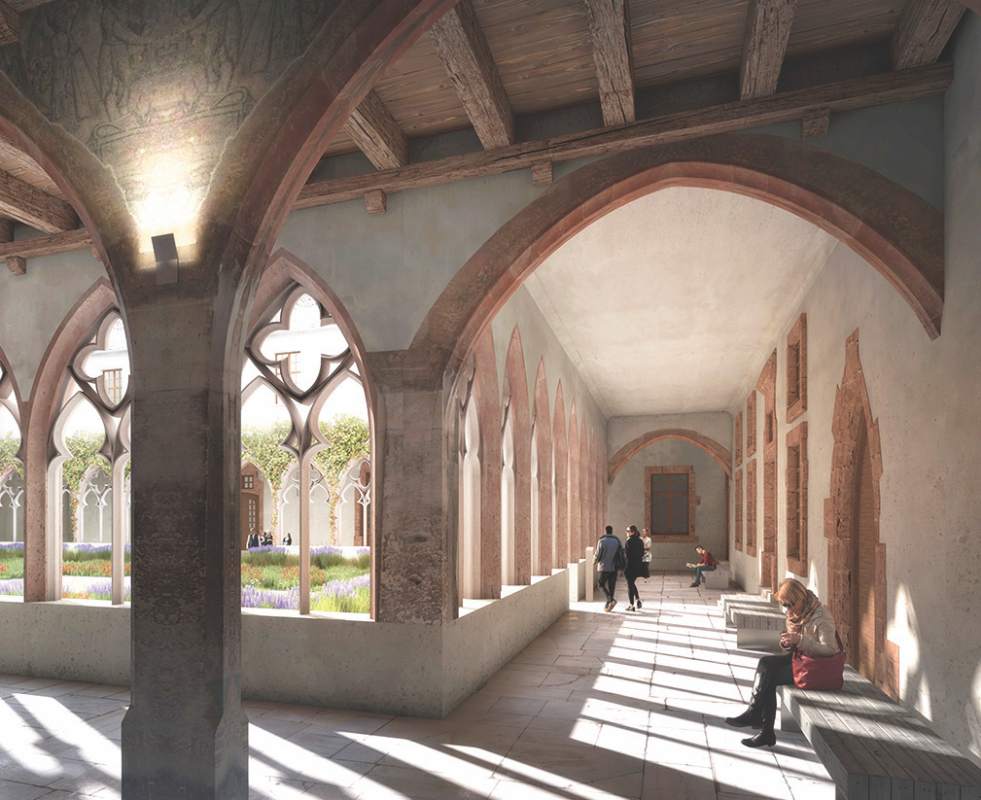
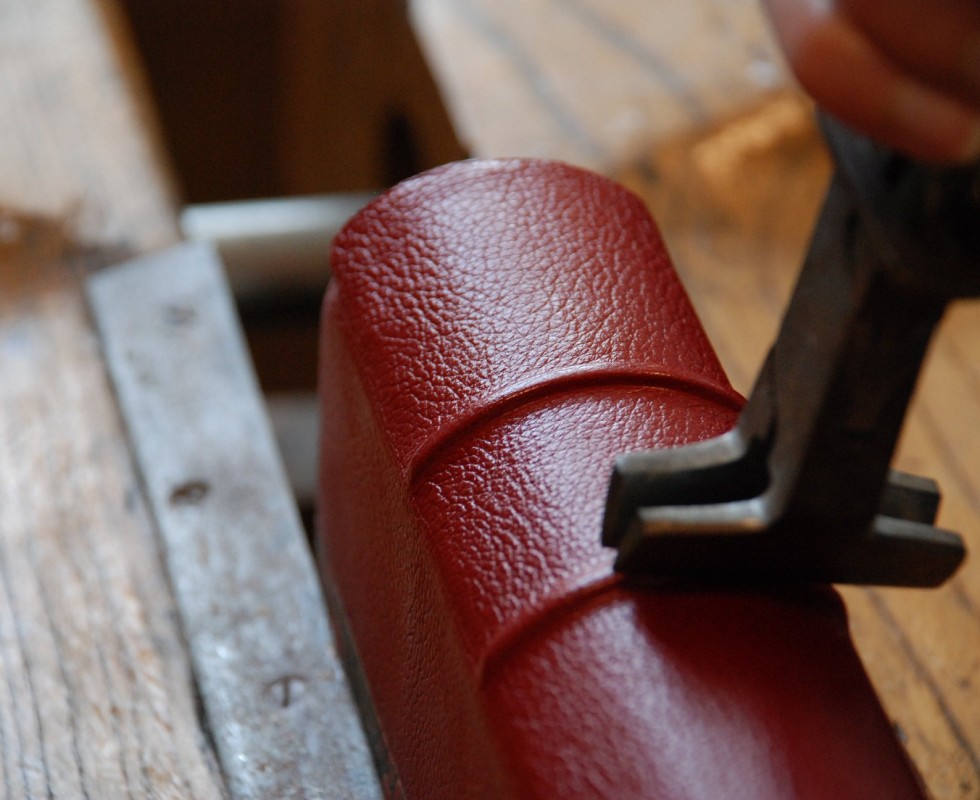
The Dominican Convent of Colmar, both a repository of relics and a library, has completed its renovation and been reborn as a treasury of books. Here, visitors can see the leather and parchment once used to make books, images excerpted from the Description de l’Egypte, and old volumes brought back by Napoleon Bonaparte from his expedition to Egypt. They can also try making a manuscript of their own under red lighting. The 14th-century cloister, which once housed Gothic works of art, now holds 380,000 documents, including 1,800 manuscripts and 2,300 editions, among them the first books ever printed between 1455 and 1500. The convent, which holds books from the Middle Ages through the 18th century, presents its collection in three themes: ‘Livre Triomphant’ (the Book of Triumph), on the Age of Enlightenment; ‘Livre Conquérant’ (the Book of Conquest), on the Renaissance; and ‘Livre Manuscrit Monopole de l’Eglise’ (the Manuscript Book Monopolized by the Church), which attests to the authority of the Church that once led book production. Its most prized treasure is the original manuscript recording the monastic rites once performed at the convent.
Paris’s Newest Cultural Spaces
Paris
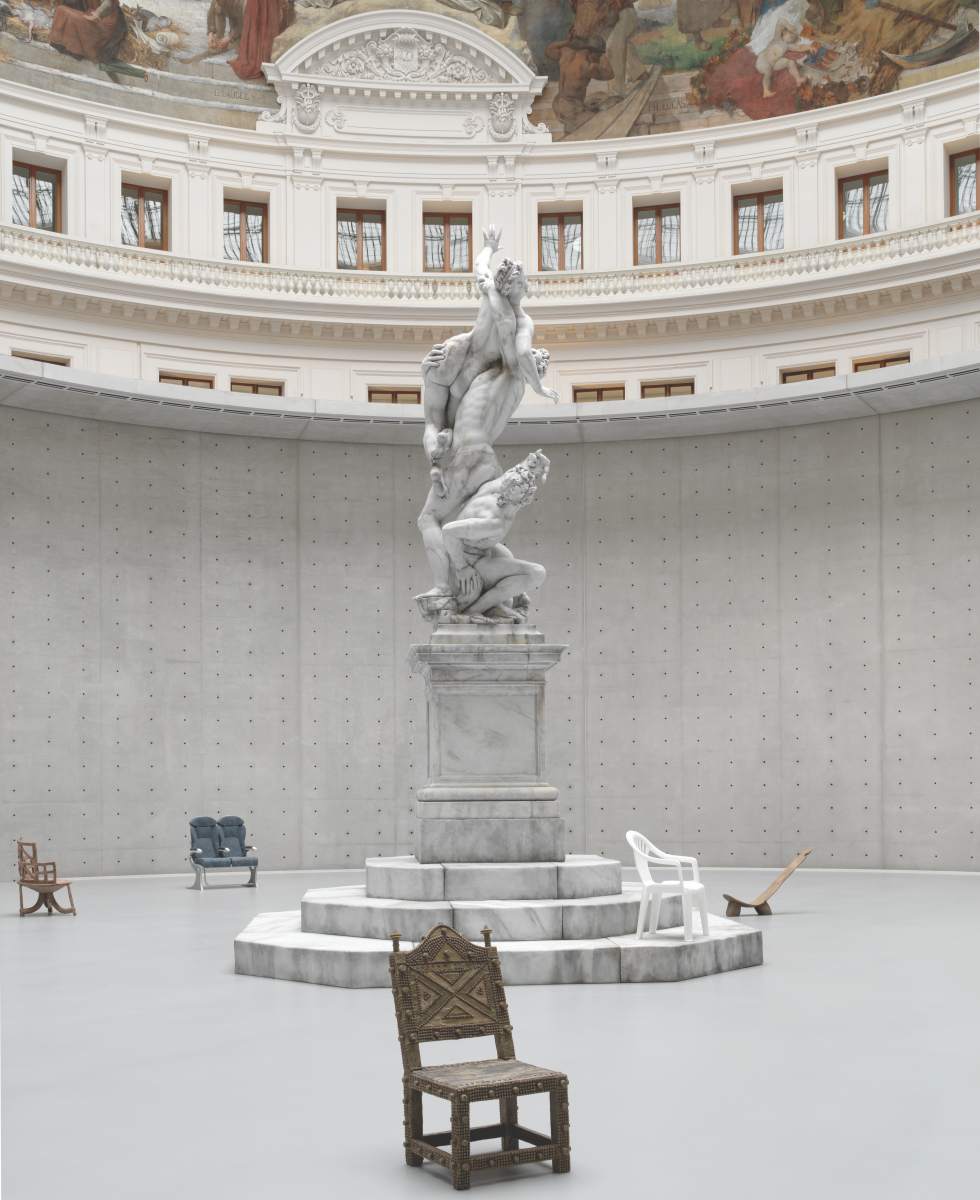
In the heart of Les Halles, the former Bourse de Commerce has been reborn as the Pinault Collection, a contemporary art museum with 6,800 square meters of public space. It plans to hold 15 exhibitions a year, showing more than 10,000 works of painting, sculpture, video, photography and installation art owned by businessman and art patron François Pinault.
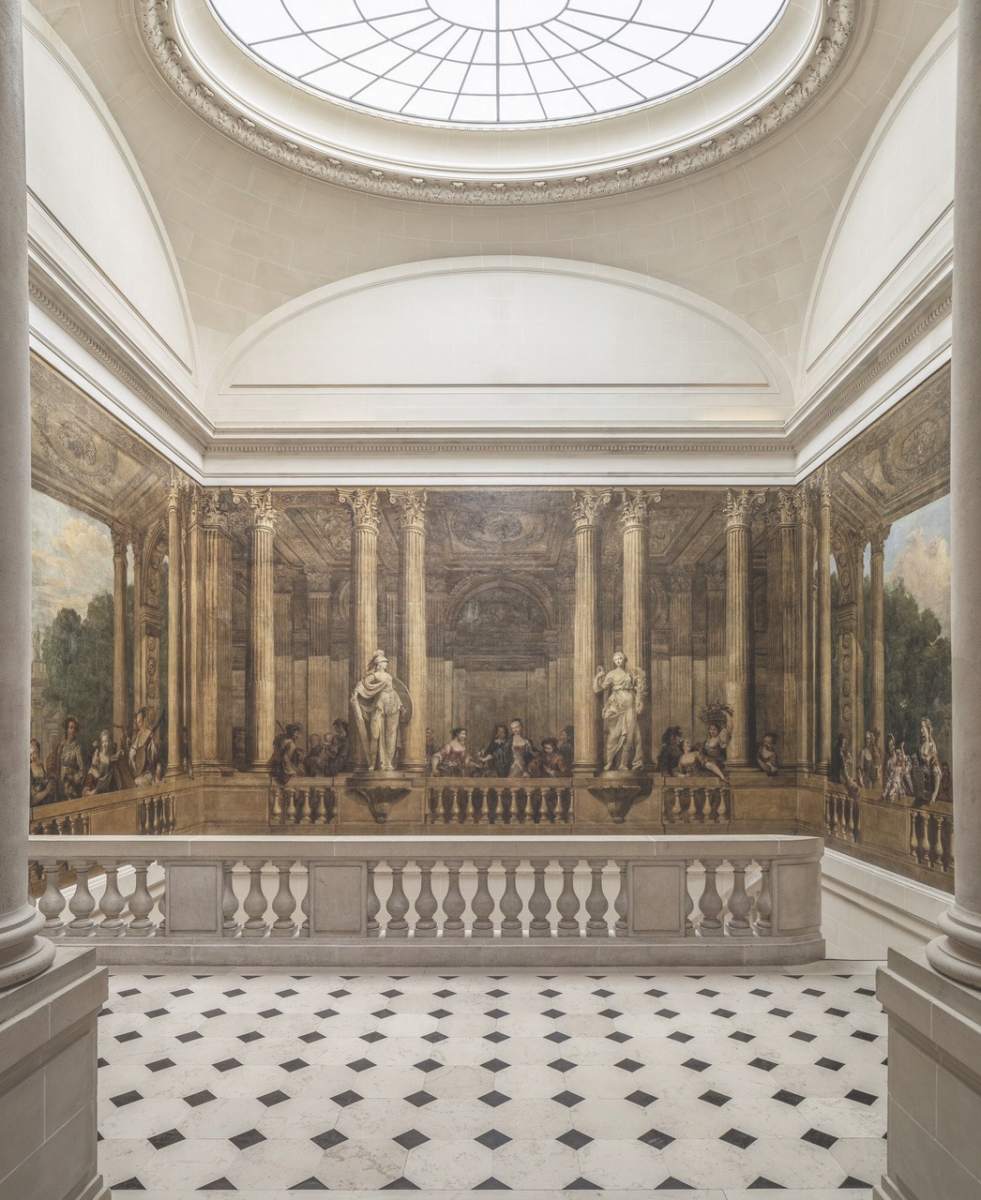
On the Place de la Concorde, the Hôtel de la Marine, the former royal furniture repository, opens its Enlightenment-era palace to visitors. Splendid salons, a gilded library and the intendant’s offices, all testaments to the decorative arts of the 18th century, known for their grandeur and opulence, throw open their doors to welcome guests.
In the Marais, the Musée Carnavalet, a rare Renaissance architectural landmark in Paris, is finally reopening after four years of renovation. The museum offers exhibition programs divided into various themes, including content for young visitors on the history of Paris from prehistory to the 21st century, and presents a vast collection of more than 600,000 pieces.
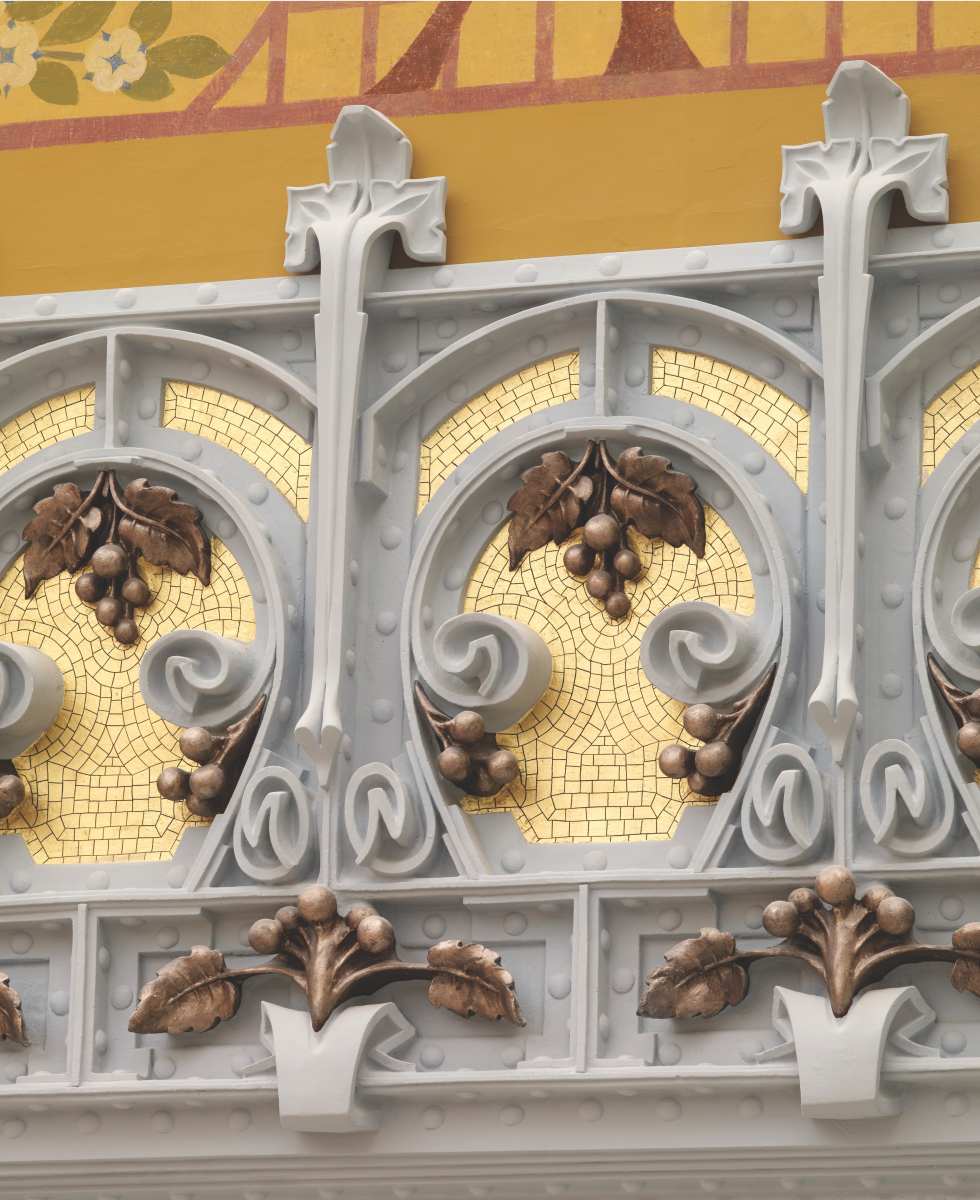
La Samaritaine department store has reopened in grand style. Once called a jewel of Art Deco style, the store closed in 2005 for safety reasons and has now completed 15 years of renovation. Located between the Pont Neuf and the Rue de Rivoli, it is a landmark Parisian shopping destination that LVMH Group acquired in 2000. The renovated Parisian shopping complex spans more than 70,000 square meters in total, with the department store itself covering 20,000 square meters. It will also house a 72-room hotel, offices, restaurants, public housing and a day care center.