New Cheongdo Travel Guide, Part 2 — A Food Lover’s Guide to Gyeongsangbuk-do
Part 2 of our new Cheongdo travel guide uncovers the county’s hidden charms through food: local specialties and neighborhood favorites, plus a botanical complex and gallery cafés, for a delicious trip through Cheongdo, Gyeongsangbuk-do.
New Cheongdo Travel Guide Part.2 — A Food Lover’s Guide to Cheongdo, Gyeongsangbuk-do
Part 2 of our new travel guide to Cheongdo, where hidden charms await! From local delicacies and neighborhood favorites to a botanical complex and gallery cafés, here is our recommended list for a culinary trip through Cheongdo.
To Eat
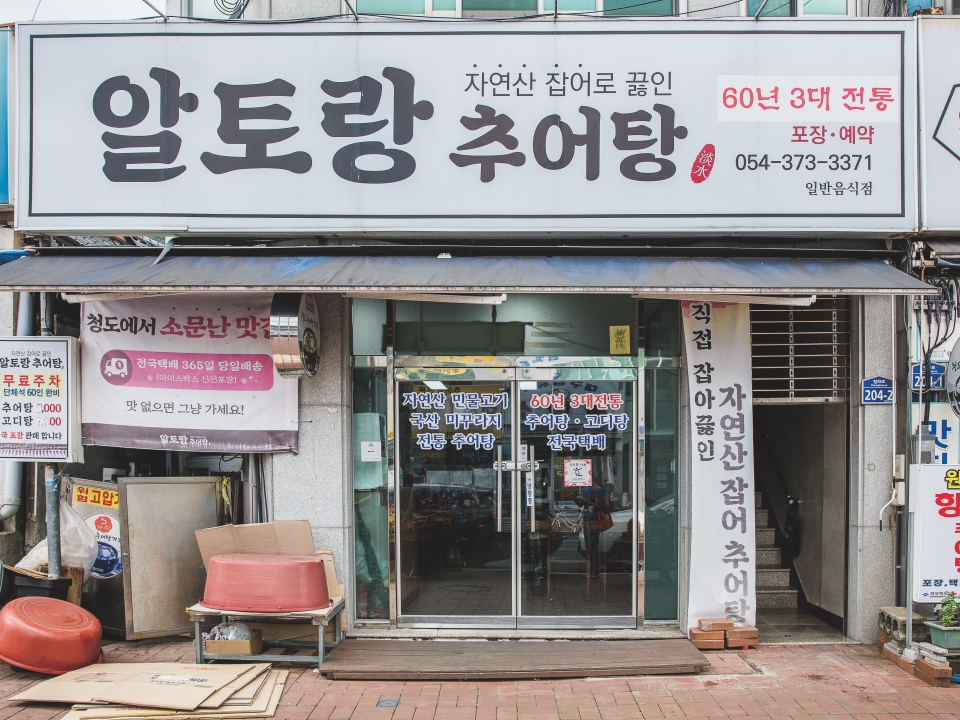
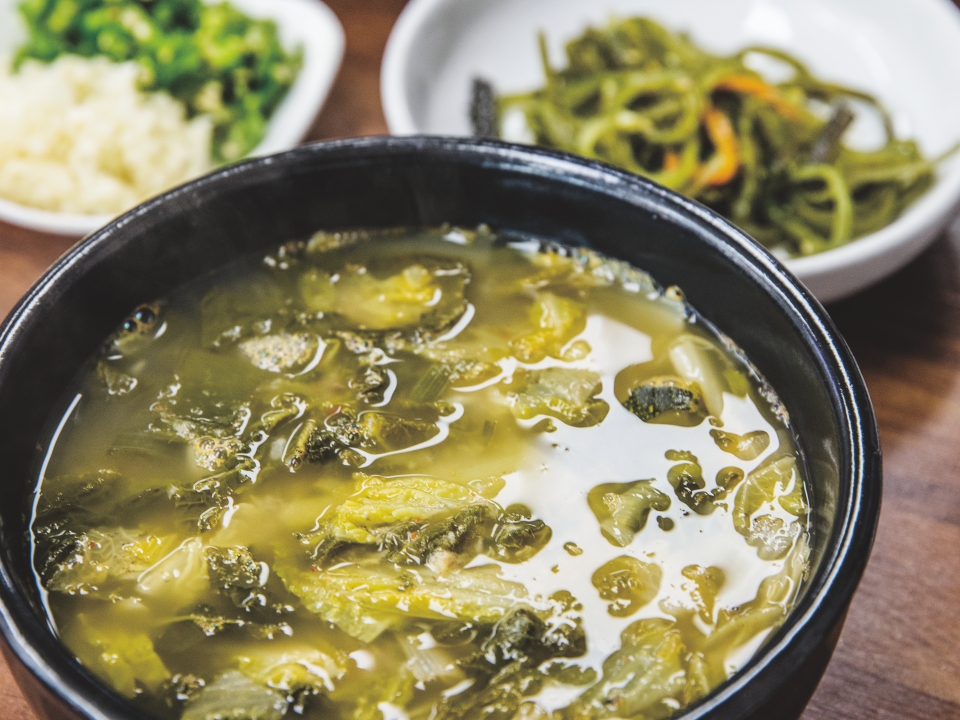
Somewhere Between Loach Soup and Cabbage Soup: Altorang Chueotang
Cheongdo-style chueotang (loach soup) looks and tastes nothing like the version most people know. The freshwater fish are simmered for hours and strained several times, so the broth comes out clear and clean, closer to a nutty, savory cabbage soup. It is also unusual in that, besides loach, it blends in other freshwater fish such as carp, catfish, and Korean perch. About twenty chueotang restaurants line the “Chueotang Street” that runs from Cheongdo-eup Office to Cheongdo Station. Altorang Chueotang, a 60-year-old institution now in its third generation, sits along this road. Mixed river fish caught in the Cheongdocheon and Dongchangcheon streams and nearby waters are simmered with tender early-season cabbage, and what stands out is a flavor that relies on the plain, clean taste of the ingredients rather than the umami of seasoning additives. Add zanthoxylum powder (jepi), minced garlic, and chopped Cheongyang chili peppers to taste. rtorang88
204-2 Cheonghwa-ro, Cheongdo-eup, Cheongdo-gun (1st floor)
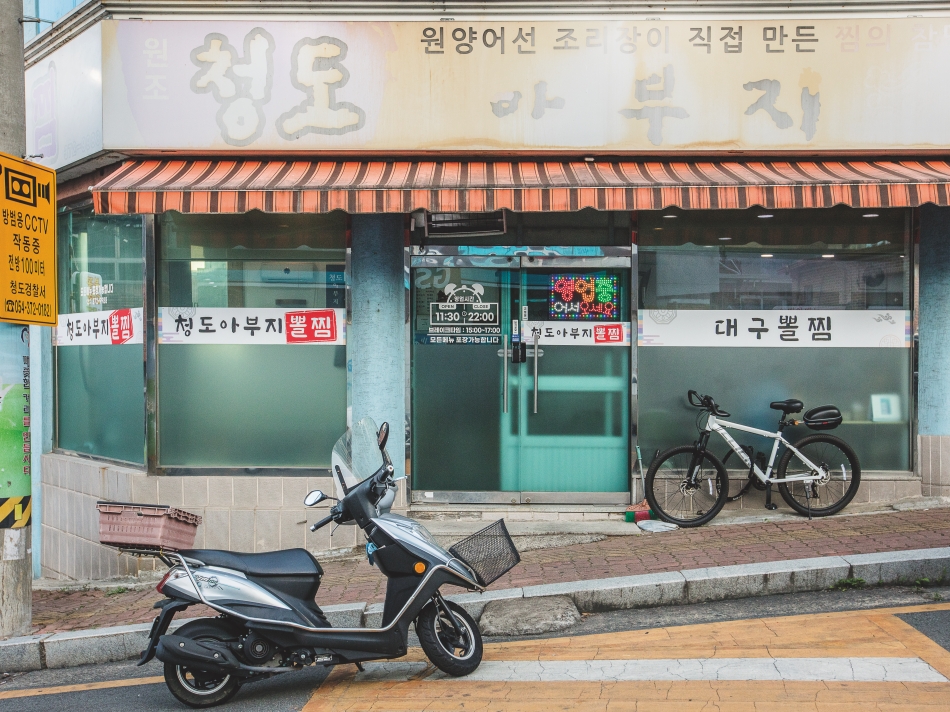
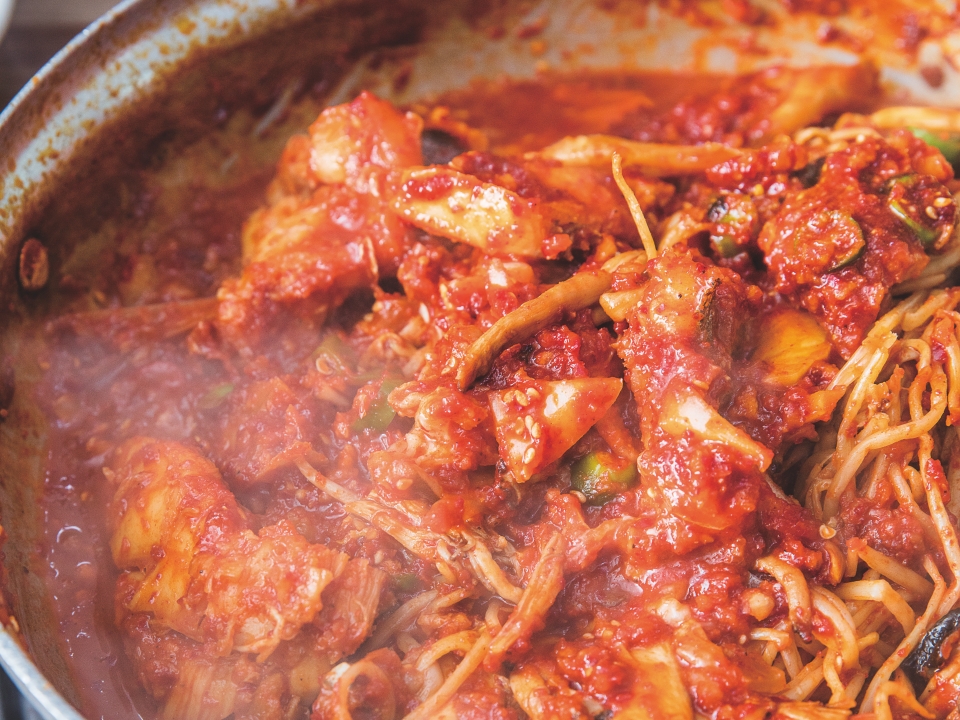
Dad’s Cooking, Just as It Was: Cheongdo Abuji Ppoljjim
There’s no need to stick to traditional local food when you travel. If you’re curious about where Cheongdo locals eat, head here. A daughter runs the restaurant, faithfully carrying on her father’s recipe for daegu ppoljjim (braised cod cheeks). Her father, who once worked on an ocean-going ship, began cooking the dish he used to enjoy with his fellow sailors 22 years ago, starting without even a signboard at the entrance of the traditional market in Wonjeong-ri, Cheongdo-eup. It has stayed true to the original apart from one change: his soy sauce–based seasoning now includes chili powder for a spicy kick. Plump cod cheeks are tossed in fiery red seasoning and simmered with bean sprouts in a shallow broth. Hanjae minari (water dropwort) from Cheongdo adds a fragrant local touch. Finish by ordering fried rice to soothe your tingling palate.
9 Gosuseo 4-gil, Cheongdo-eup, Cheongdo-gun
A Meal with Atmosphere: Oh My Cook
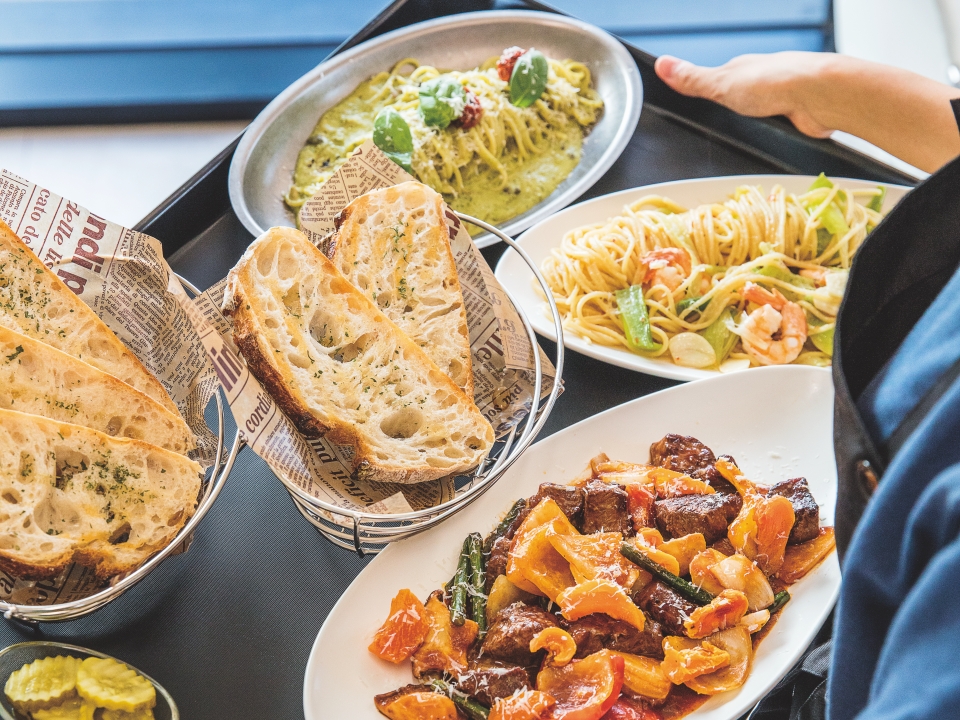
Stay on Page in Hwayang-eup is a book stay made up of four standalone guest houses, each with its own theme. Right next door is Oh My Cook, a restaurant serving brunch and Western dishes. It began as a breakfast and dinner space for guests before expanding into a full restaurant. Besides providing breakfast for those staying at Stay on Page, it serves steak, pasta, and pizza alongside wine. The signature dish is a cube steak topped with Cheongdo banshi (flat persimmons). Piled high with chewy, sweet persimmon, it delights in flavor, color, and texture alike. From the second-floor tables, floor-to-ceiling windows frame the peaceful surroundings, including the book café Oh My Book on the same grounds. stay_on_page
67 Dongcheon 3-gil, Hwayang-eup, Cheongdo-gun
When You Miss Home Cooking on the Road: Toyang Sikdang
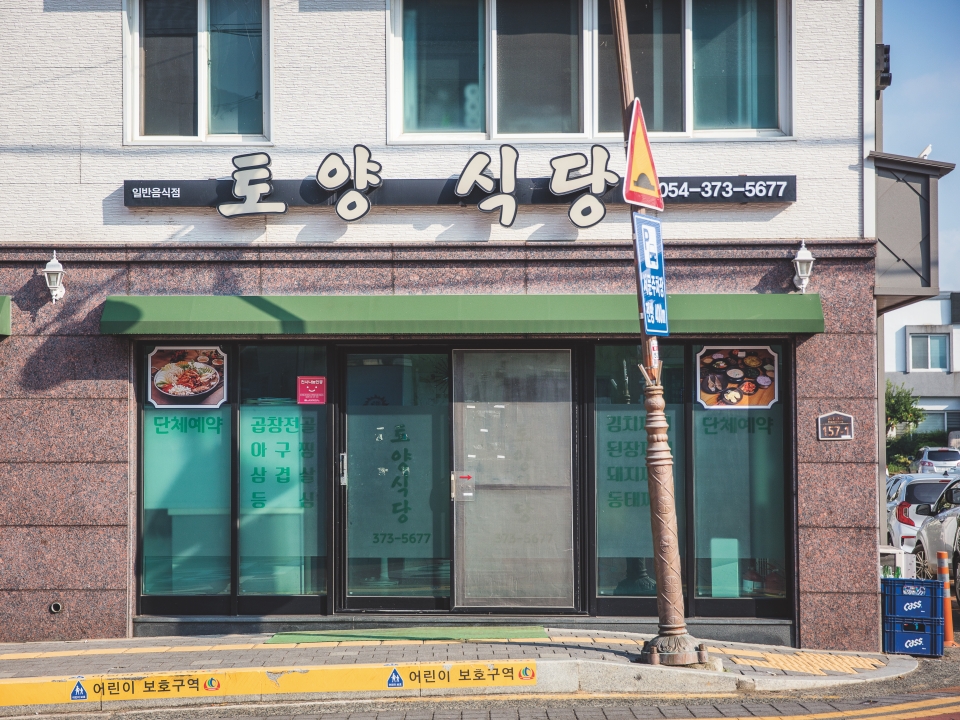
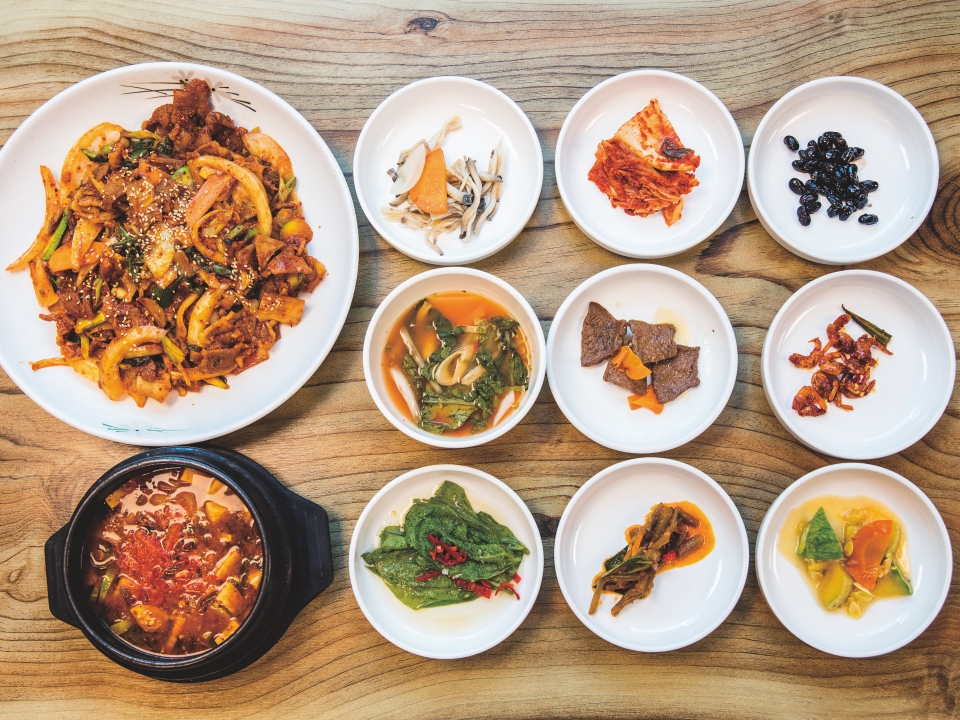
This unpretentious baekban (set-meal) restaurant near Cheongdo Eupseong Fortress is a good stop after exploring nearby sights such as the fortress and the stone ice house. The menu includes set meals, doenjang-jjigae (soybean paste stew), kimchi-jjigae (kimchi stew), and dongtae-jjigae (pollack stew), along with dishes suited to dinner, such as samgyeopsal (grilled pork belly) and gopchang-jeongol (beef tripe hot pot). The best value is the 8,000-won set meal, with a soup that changes daily and about ten side dishes. Ojingeo-jeyuk (stir-fried squid and pork) and dwaeji-duruchigi (spicy stir-fried pork), both good with rice, are also popular. With both floor seating and regular tables, it also works well for groups and gatherings. Look for the small two-story building right next to the entrance of Hwayang-eup Office.
157-1 Dojugwan-ro, Hwayang-eup, Cheongdo-gun
Hanjae Minari from Hanjaegol Valley: Hanjae Nadri
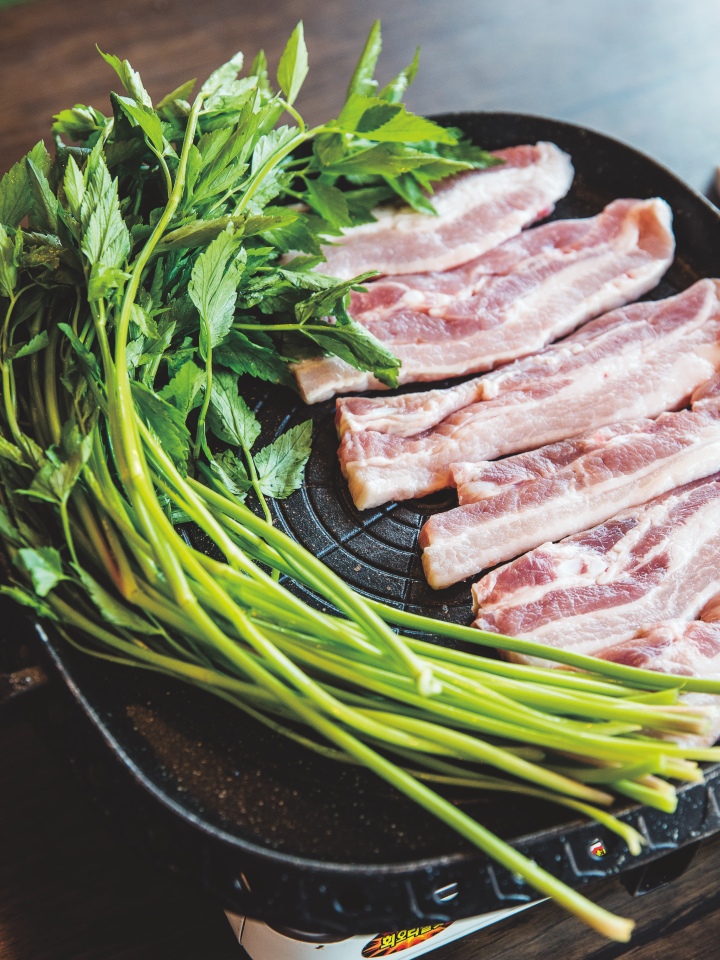
Even travelers unfamiliar with Cheongdo have likely heard of hanjae minari (Hanjae water dropwort). It is the county’s signature specialty, grown in Hanjaegol, the valley between Namsan and Hwaaksan. The abundant sunshine of Hanjaegol and the clean underground bedrock water flowing down from Hwaaksan are the secret to a minari with a softer texture and deeper aroma than ordinary water dropwort. Farmers began cultivating minari fields here in the 1980s, and today about 160 farms form the Hanjae minari cluster. On a trip to Cheongdo, you can’t pass up the perfect pairing of minari and samgyeopsal. Dozens of minari-and-pork-belly restaurants line the Hanjaecheon stream from the village entrance toward Hanjaegol. Most open only in spring, when minari is in season, but Hanjae Nadri serves hanjae minari year-round. The minari cuts the richness of the pork belly so cleanly that it’s hard to put your chopsticks down. hanjaeminari_nadri
303 Hanjae-ro, Cheongdo-eup, Cheongdo-gun
To Drink
A Plant Café with Arboretum Dreams: Sowmow
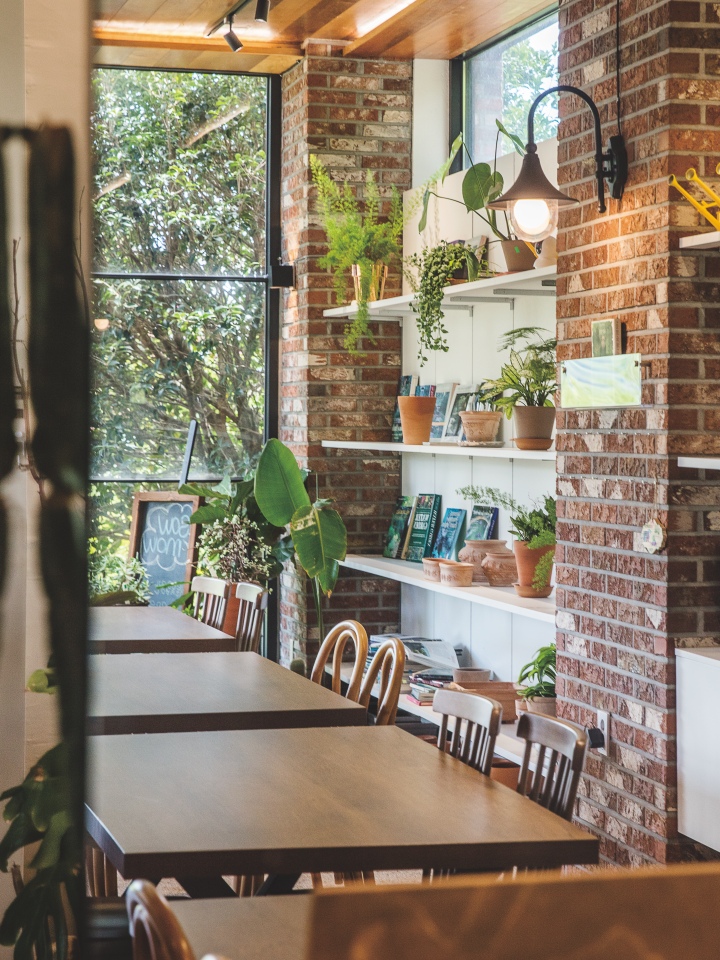
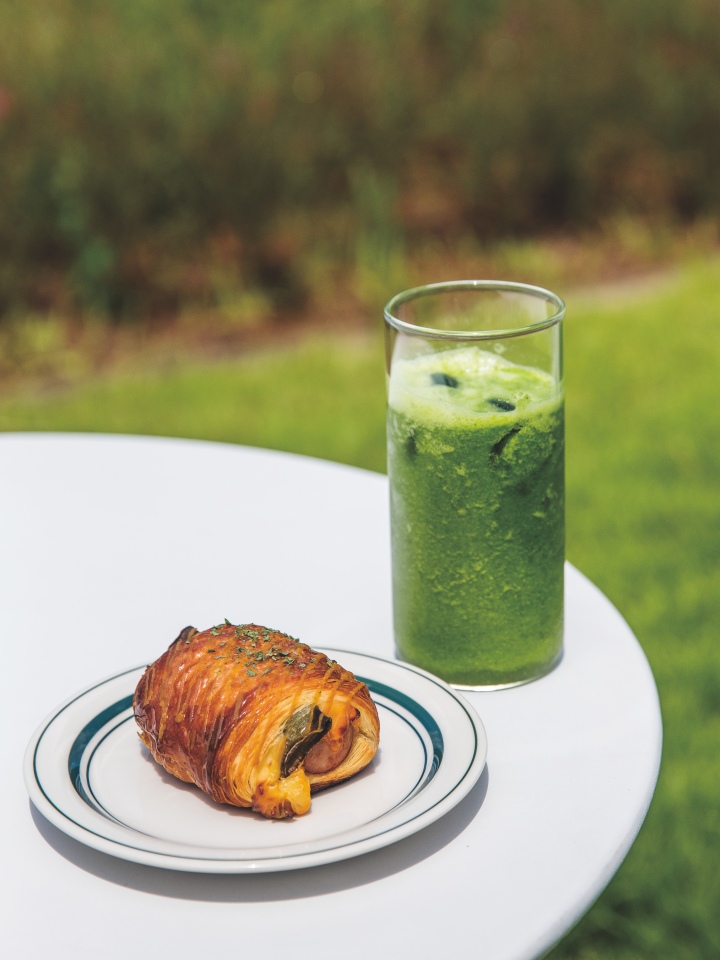
Sowmow is not a large café that wins on size alone. To be precise, it is a botanical complex run by Geumjandi Nongwon, a landscaping company. On about 181,800 square meters, a café, a plant shop, and a vast garden tended entirely by hand, without herbicides, come together. Preparation took two years. More than 30 kinds of flowers and trees, from azaleas and hydrangeas to crape myrtles, fringe trees, and Yoshino cherries, were planted by the team itself, and the building was designed to put nature and plants at the center. Interior decoration is kept to a minimum, so the floor-to-ceiling windows that draw the surrounding scenery into the café shine all the more. Enjoy the Sowmow green juice and a range of other drinks and baked goods, with seating throughout, including the greenhouse, outdoor deck, and rooftop as well as the café itself. sowmow_official
184-42 Palchi-gil, Cheongdo-eup, Cheongdo-gun
Green in Name and Menu: Verdant
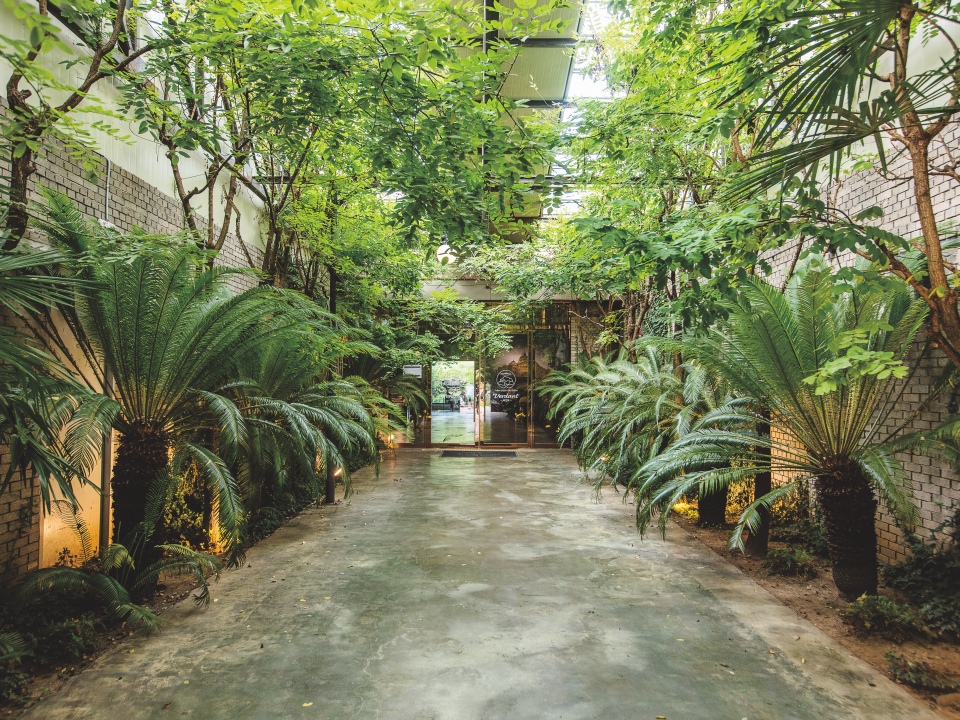
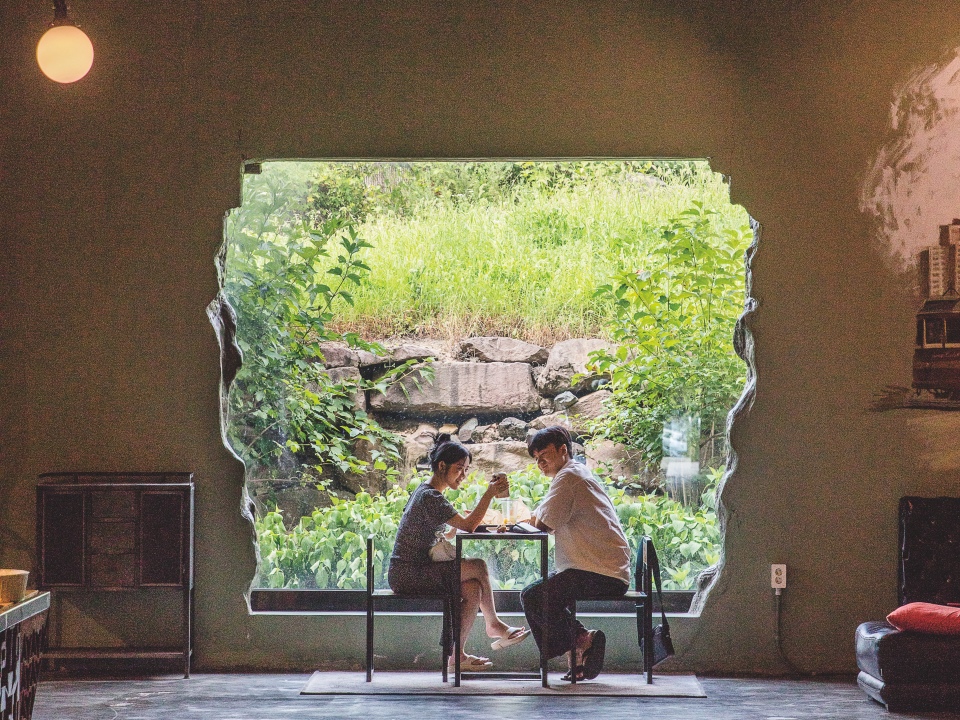
True to its name, Verdant is a place “covered in fresh green.” Step into the gray concrete building, once a spun-yarn factory, and a passageway garden of tropical plants brought over from Jeju clearly divides inside from outside. The menu is green from top to bottom, from avocado coffee, which pairs avocado smoothie with espresso, to avocado sandwiches and avocado ice cream. It is the second location of Geuchorok, which runs on the same concept in Jeju, and two brothers each lead one branch. Thanks to its open interior, it is also popular with older visitors who like roomy spaces and privacy. The windows cut into the building’s exterior walls are stylish as well. cafe_verdant
330 Yeonji-ro, Iseo-myeon, Cheongdo-gun
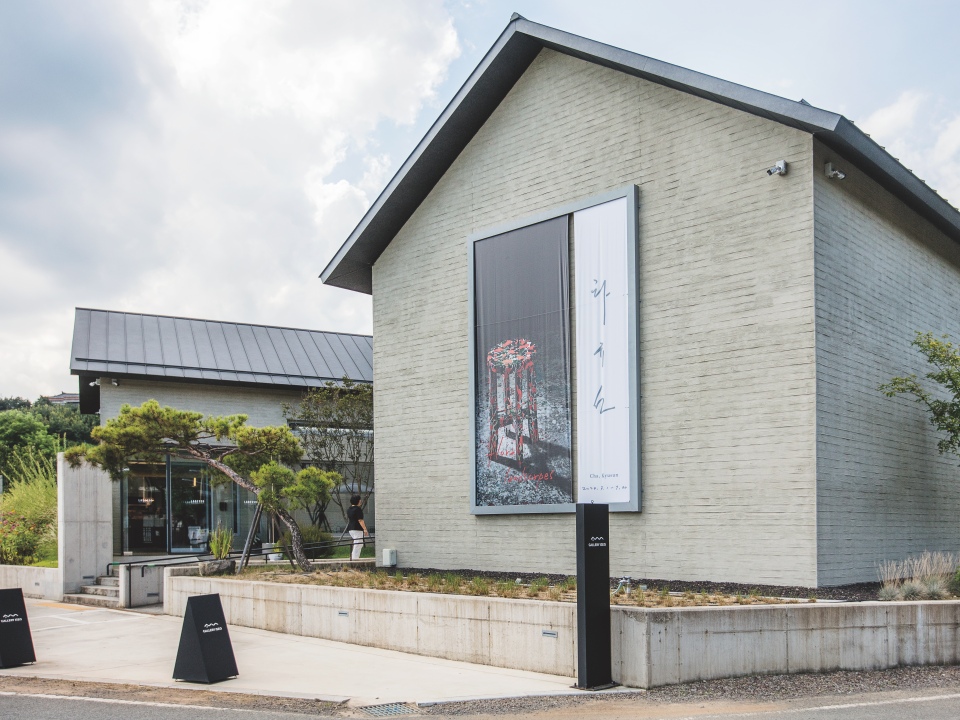
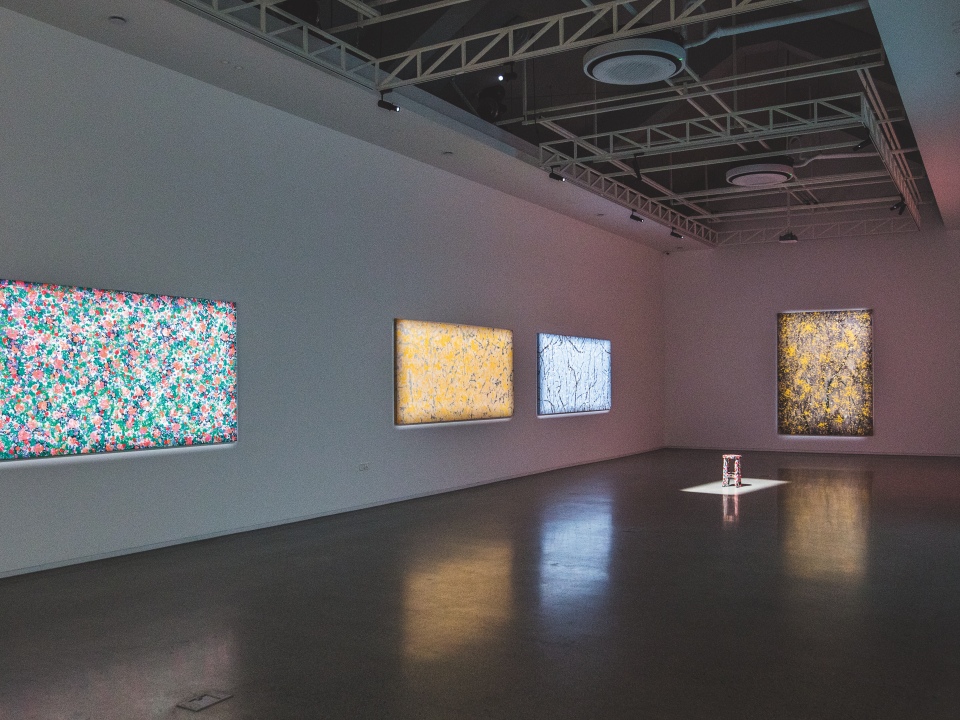
A Cafe Next to an Art Gallery: Labesso Gallery Iseo
This gallery cafe opened in June 2023. Its biggest draw is that the bakery cafe Labesso and Gallery Iseo sit side by side, so you can wander through the exhibitions freely while sipping coffee. Shows usually change every three months and include a mix of curated exhibitions, from the gallery’s own collection to invitational shows. All of them are free, which lowers the threshold for stepping into a gallery even further. The wider reach among the general public also leaves participating artists highly satisfied, they say. It’s only about 30 minutes by car from Suseong-gu in Daegu, so a large share of visitors come from Daegu. You’ll find several kinds of shio bread (salt bread) and financiers, and the coffee is good, too. labesso_iseo
43 Daegok-gil, Iseo-myeon, Cheongdo-gun
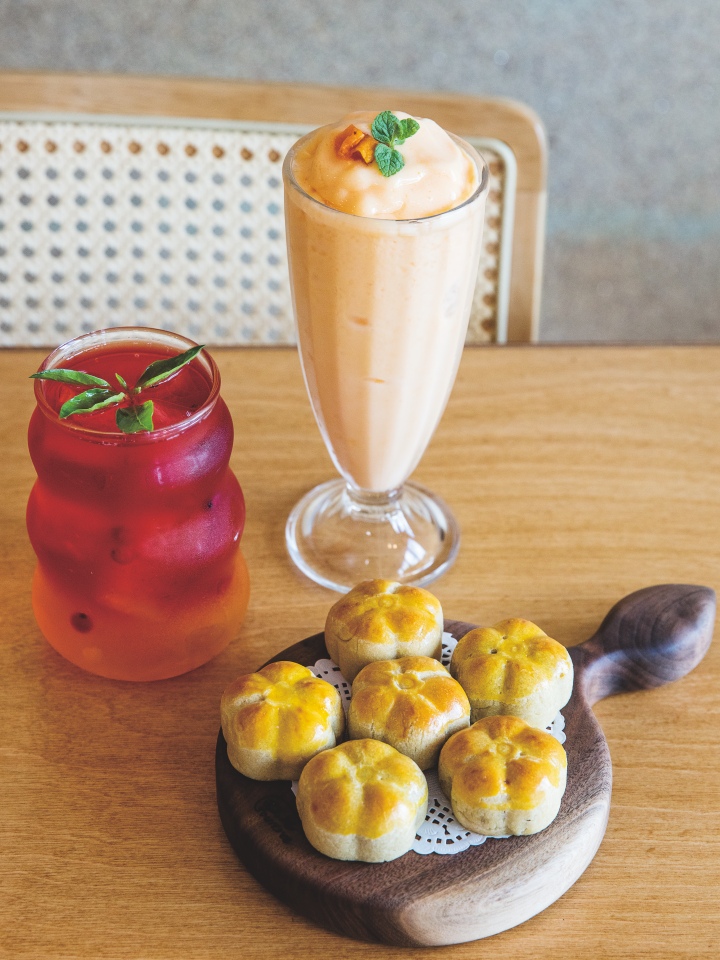
Cheongdo Has Its Own Bread, Too! Soso Honghong
Cheongdo banshi, a seedless persimmon, is another of the region’s signature specialties. Seedless persimmons grow only in Cheongdo, they say, partly because many of the local persimmon trees are varieties that produce only female flowers, and partly because the basin terrain often fills with fog around May, the flowering season, making it hard for bees to pollinate. The fruit is called banshi (盤柿, “plate persimmon”) for its flat shape. It is moist thanks to its high water content, and because it has no seeds it is easy to process. That’s why gammallaengi, banshi simply dried until chewy, is also counted among the region’s popular local products. Across from the west gate of Cheongdo Eupseong Fortress, Soso Honghong is a cafe run by owner Jeong Insuk, who won an award at the Cheongdo Banshi Cooking Contest. Here you can try Cheongdo gam-ppang (persimmon bread), made by baking a dough of dried persimmon, almond flour, and nuts into the shape of a persimmon blossom, along with a range of drinks made with Cheongdo banshi. Whichever of Jeong’s own creations you choose, you’re bound to be satisfied, whether it’s the Sohong Latte, made with ground Cheongdo banshi, or the Sohong Iced Tea, made with Cheongdo persimmon vinegar. soso.honghong
114 Dojugwan-ro, Hwayang-eup, Cheongdo-gun
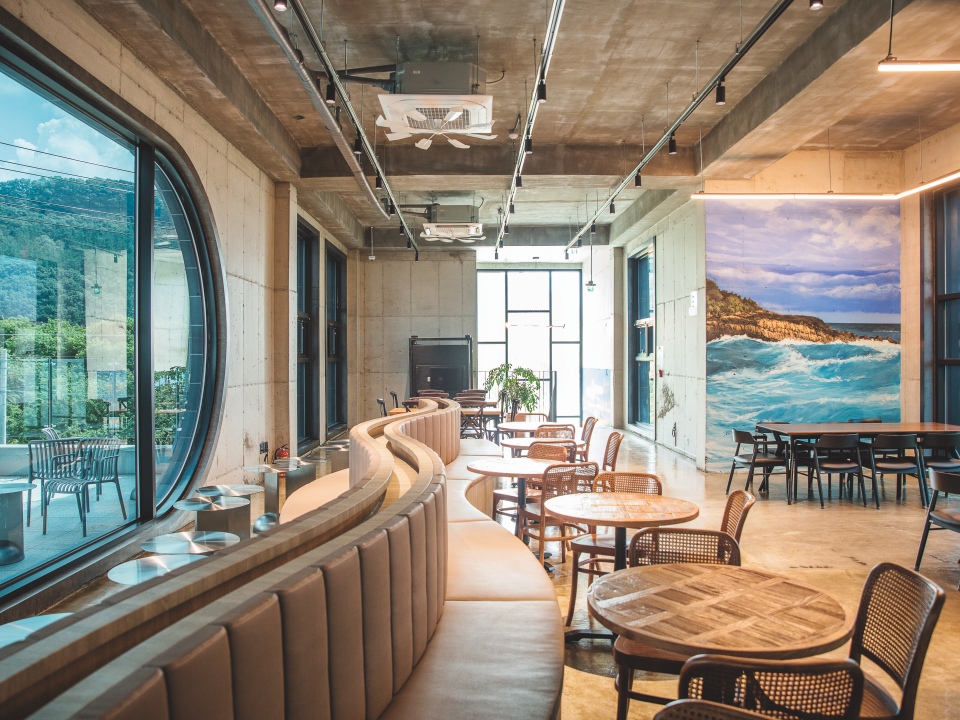
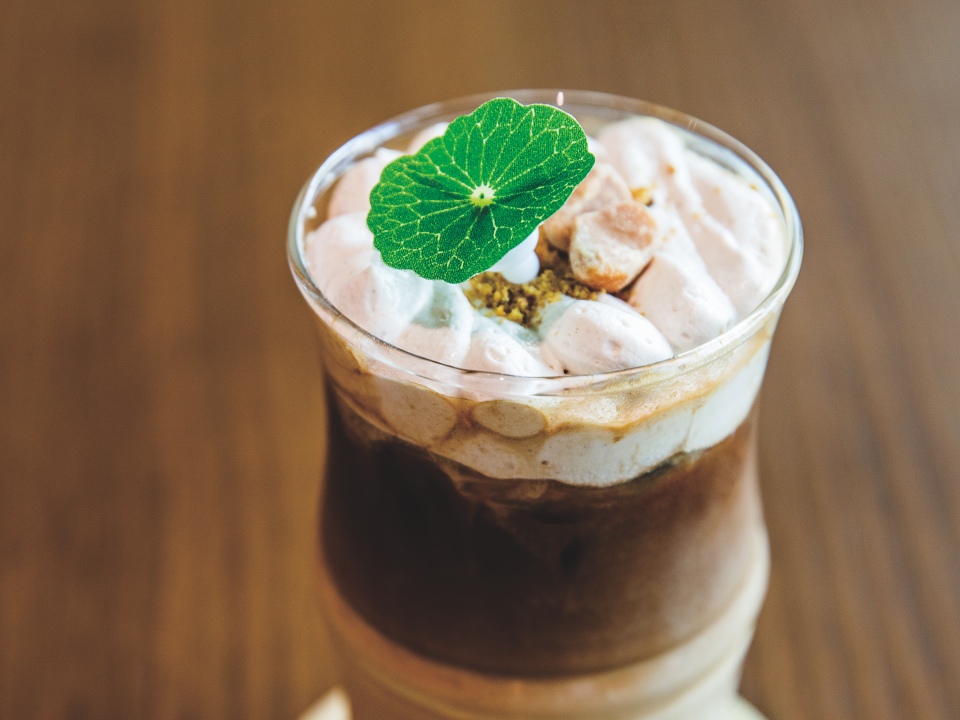
A Lotus Blooms in Your Latte: Painos
This spot is known for its Yeonji Latte and Hanjae Pudding, which took first place in the beverage and dessert category at the Cheongdo County Youth Food Startup Academy. The Yeonji Latte is made with lotus seeds (yeonjayuk) from lotus flowers grown in Cheongdo’s Yudeung Yeonji pond, and it’s topped with rich, nutty cream. If you want coffee, go for the Yeonji Coffee, which contains espresso. The dessert menu is wide-ranging, too, including the Hanjae Pudding, made with Hanjae minari (water dropwort), apples, and natural vanilla, as well as breads and ice cream baked and made in-house. Inside, the ceilings are high and the front wall is floor-to-ceiling glass, giving the space a wonderful sense of openness.
121-4 Songbuk-ri, Hwayang-eup, Cheongdo-gun
Cheongdo, Gyeongsangbuk-do: A New Travel Guide (3) — See an Influencer’s Way to Travel Cheongdo