
Myeongju Garden — A Space Connecting the Past and Present of Hamchang Silk
An interview with the director of Myeongju Garden, a Sangju space run by local brand Our Perspective, honoring the history of Hamchang silk production while offering a fresh perspective on tradition.
A Space Connecting Tradition and the Present — Myeongju Garden, Where the Past and Present of Hamchang Silk Meet
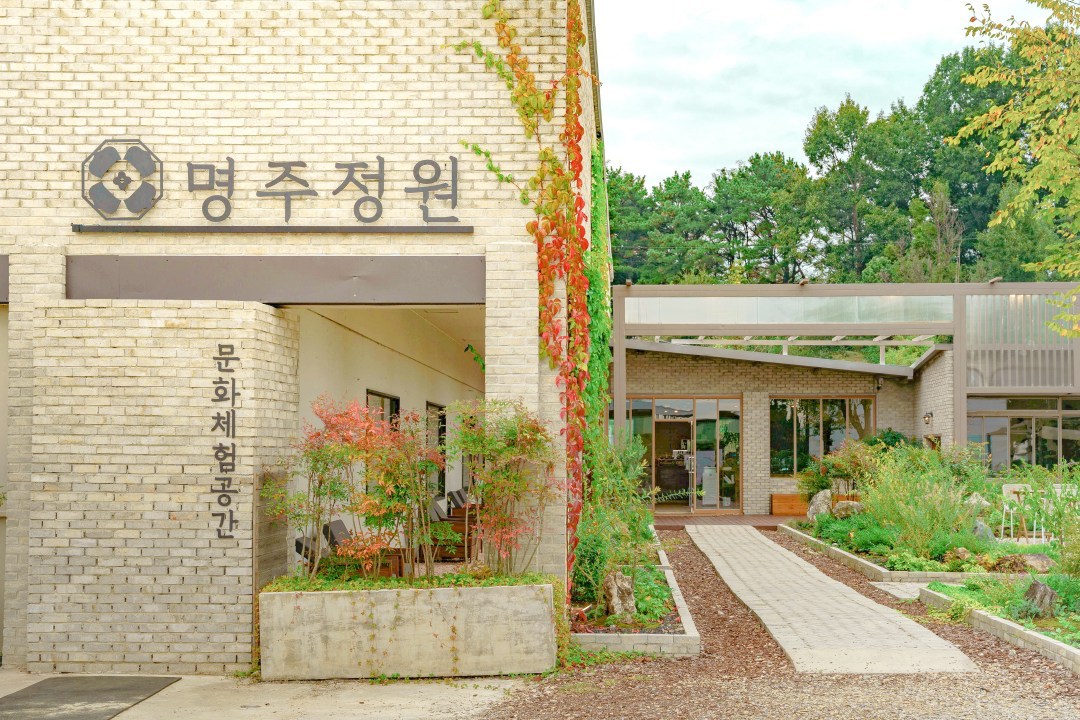
Hamchang, in Sangju, Gyeongsangbuk-do, was once the country’s largest producer of myeongju, a traditional Korean silk. Located in Hamchang-eup, Sangju, Myeongju Garden is run by Our Perspective, a local brand that offers a fresh way of looking at tradition, in honor of the region’s silk-producing history. The operator of Myeongju Garden left city life to return to their hometown of Sangju, hoping that tradition could become not something to merely preserve, but a hip part of everyday life. We spoke with the team behind Myeongju Garden, a space that went from concrete factory to jjimjilbang (Korean sauna) and now stands as a multipurpose cultural space introducing Hamchang silk to the world.
Interviewer Ryu Sunwoo
Interviewee Lee Minju (Director, Myeongju Garden)
Could you briefly introduce Myeongju Garden?
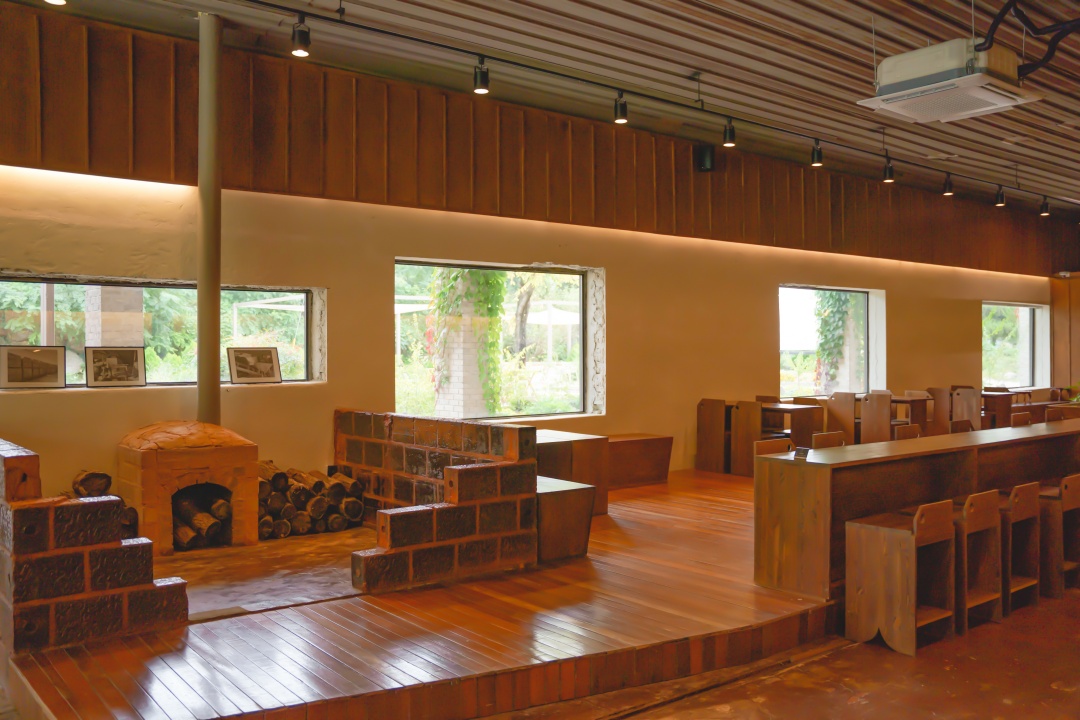
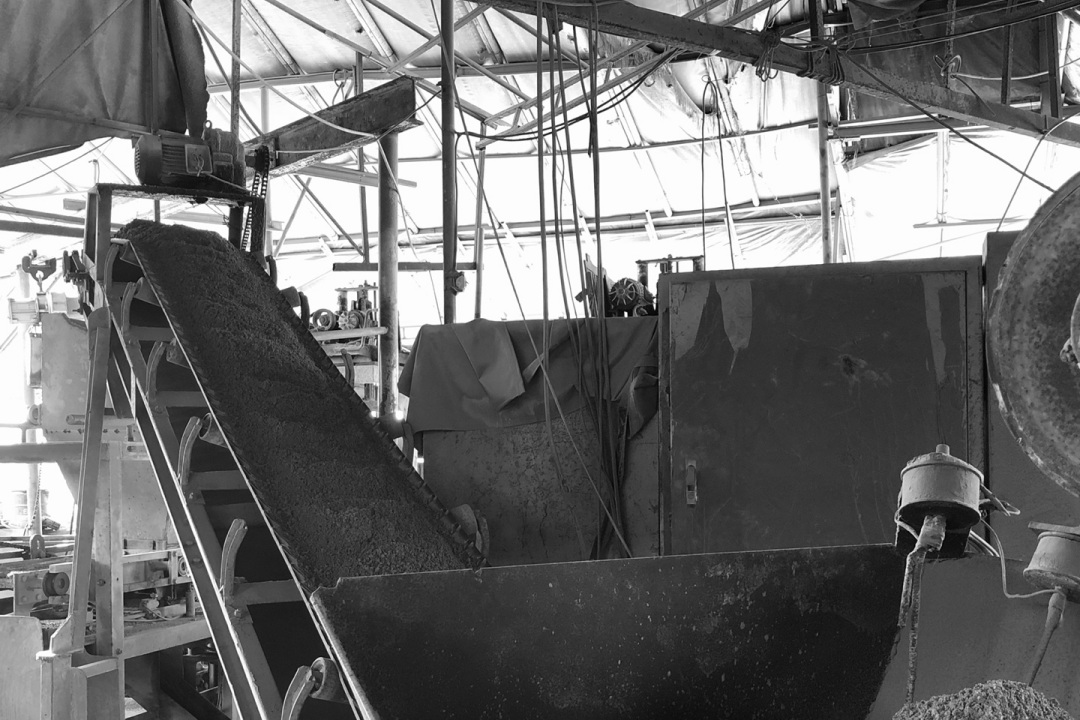
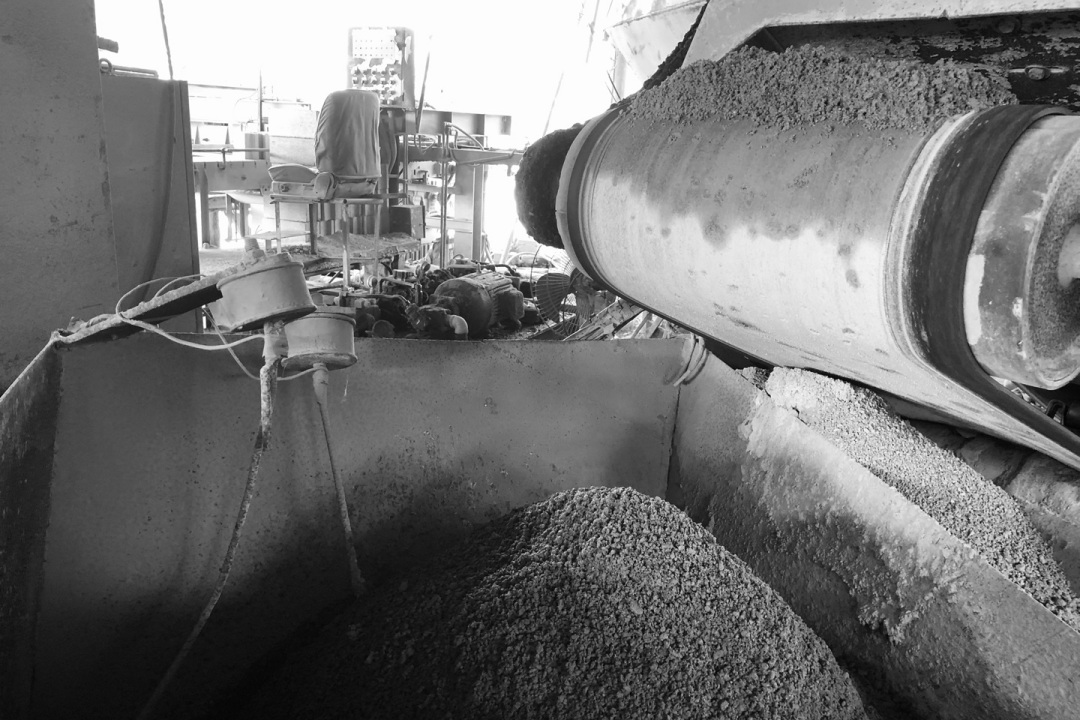
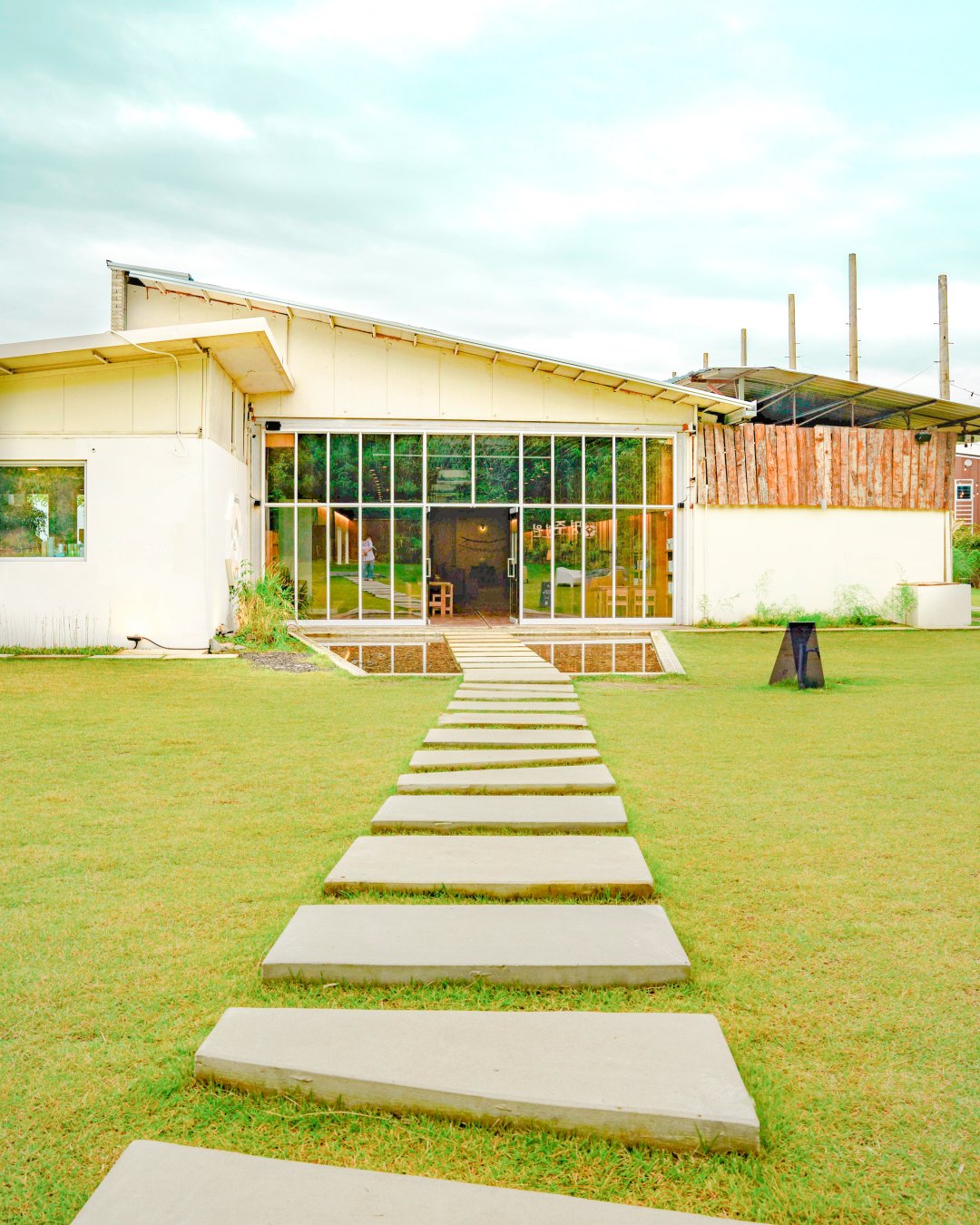
I like to describe it as a space that reflects the history of Hamchang-eup in Sangju. In the 1960s and ’70s, when the cement industry was thriving in Sangju and Mungyeong, this was a Daehan Concrete factory. In the early 2000s, it became a charcoal-kiln jjimjilbang. After the sauna closed, the building sat abandoned for about ten years before my family, friends, and I spent two years renovating it ourselves. Today it functions as a multipurpose cultural space that introduces the thousand-year history of Hamchang silk and runs various projects together with the elders of the village.
What led you to settle in Sangju?
Hamchang is my hometown. As a kid, it felt like such a quiet town that I couldn’t wait to leave. But after living in Seoul, Australia, and other cities for school and work, I found myself drawn back to the stillness here — the unhurried density of life. Around that time, I learned about the first round of Gyeongsangbuk-do’s ‘Urban Youth Rural Dispatch Program’ in 2019, and that became the opportunity that brought me back to my hometown.
What did you do before opening Myeongju Garden?
I studied Hospitality Management in Australia. Through school, I learned a broad range of management skills — spatial planning, operations management, food and beverage program development, customer service. After graduating, I worked as a chef there, developing menus and gaining hands-on experience running brunch cafés and restaurant kitchens. That experience became an essential foundation for running Myeongju Garden. I care just as much about the rhythm and sensibility visitors feel here as I do about serving them a good menu.
Did your life in Australia inspire Myeongju Garden in any way?
I was deeply inspired by the relaxed daily rhythm of Australians and the way they enjoy their spaces. I learned that a space doesn’t need to be grand to be beloved for a long time — it just needs to feel natural and comfortable. In some ways, Australia and Sangju are quite alike. People in both places prioritize peace of mind over material comfort, and the wide-open fields you see out the car window as you drive are similar too. I wanted Myeongju Garden to carry that same natural, unhurried attitude toward life. That’s also why I wanted tradition to seep in gently rather than being forced or handled too heavily.
What matters most to you in running Myeongju Garden?
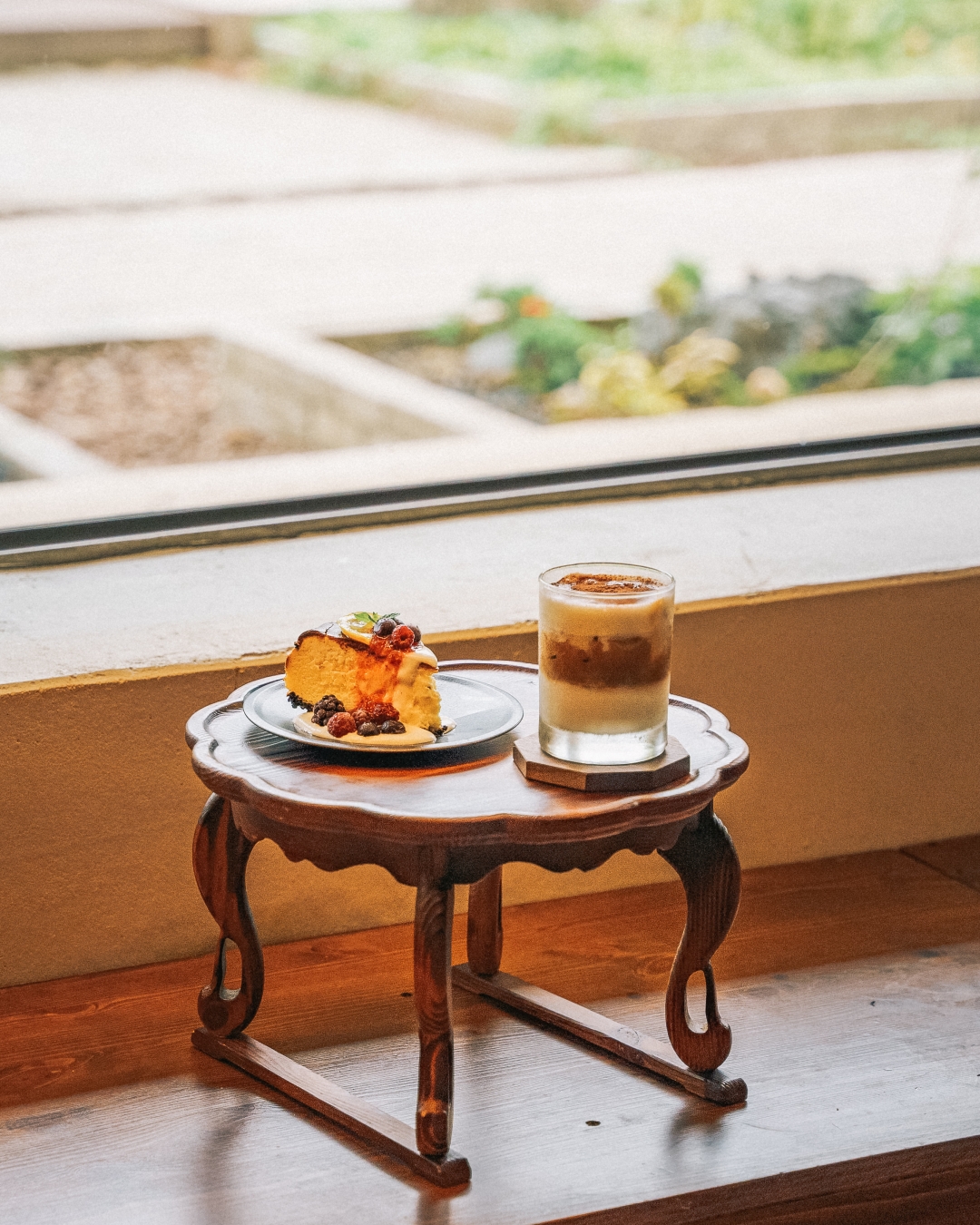
Balance. I’m constantly fine-tuning things so that four keywords — coffee, space, tradition, and locality — stay in harmony. I don’t want any one of them to overpower the others; I want this to be a place people want to linger in for a long time. The other thing is pace. I’d rather things sink in slowly than change quickly. I hope visitors can sit by the window and let their minds wander for a moment, or come in just for a cup of coffee and unexpectedly find themselves connecting with the traditional material of myeongju silk.
How did local residents react after this space opened?
At first, some people wondered, ‘Why did they fix up this place like this?’ — after all, it used to be a jjimjilbang. But now, elders from the neighborhood stop by often, and more and more young people are showing interest in myeongju-related items. We’ve also seen more families with children visiting. Lately, the neighborhood elders have even been bringing their friends here, reminiscing about the old sauna and cement factory. Watching them introduce the space through their own memories is incredibly rewarding. We recently opened a myeongju showroom, and elders come by saying things like, ‘We used to wear things like this when we were young,’ sharing old memories tied to the fabric. Hearing conversations like that makes me feel this space is truly alive, and that we’re genuinely connected to this community.
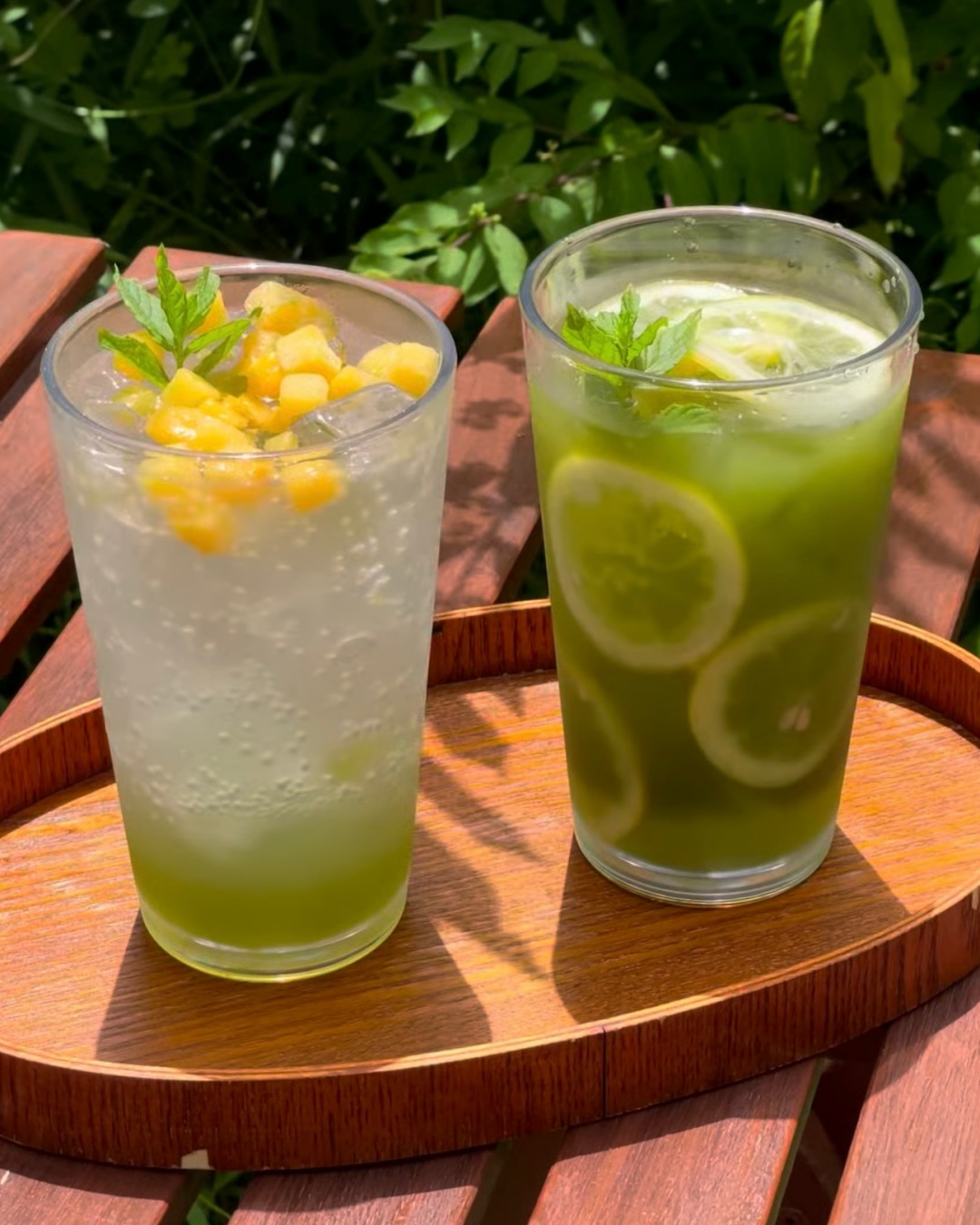
Is there a menu item at Myeongju Garden’s café you’d recommend for this season?
I’d recommend our three signature drinks launched this summer, made with Sangju’s in-season Shine Muscat grapes. We use a syrup made from Shine Muscat sourced directly from local farms. Each drink brings out a different character — the green-tea-based Sunshine Green Tea, the Sunshine Peachade combining Shine Muscat with peach, and the Sunshine Yogurt Smoothie. We actively use ingredients grown right here in the region as part of our effort to make ‘local’ part of everyday life.
I learned about Hamchang silk through Myeongju Garden. Could you tell us more specifically about what you’re doing to promote it?
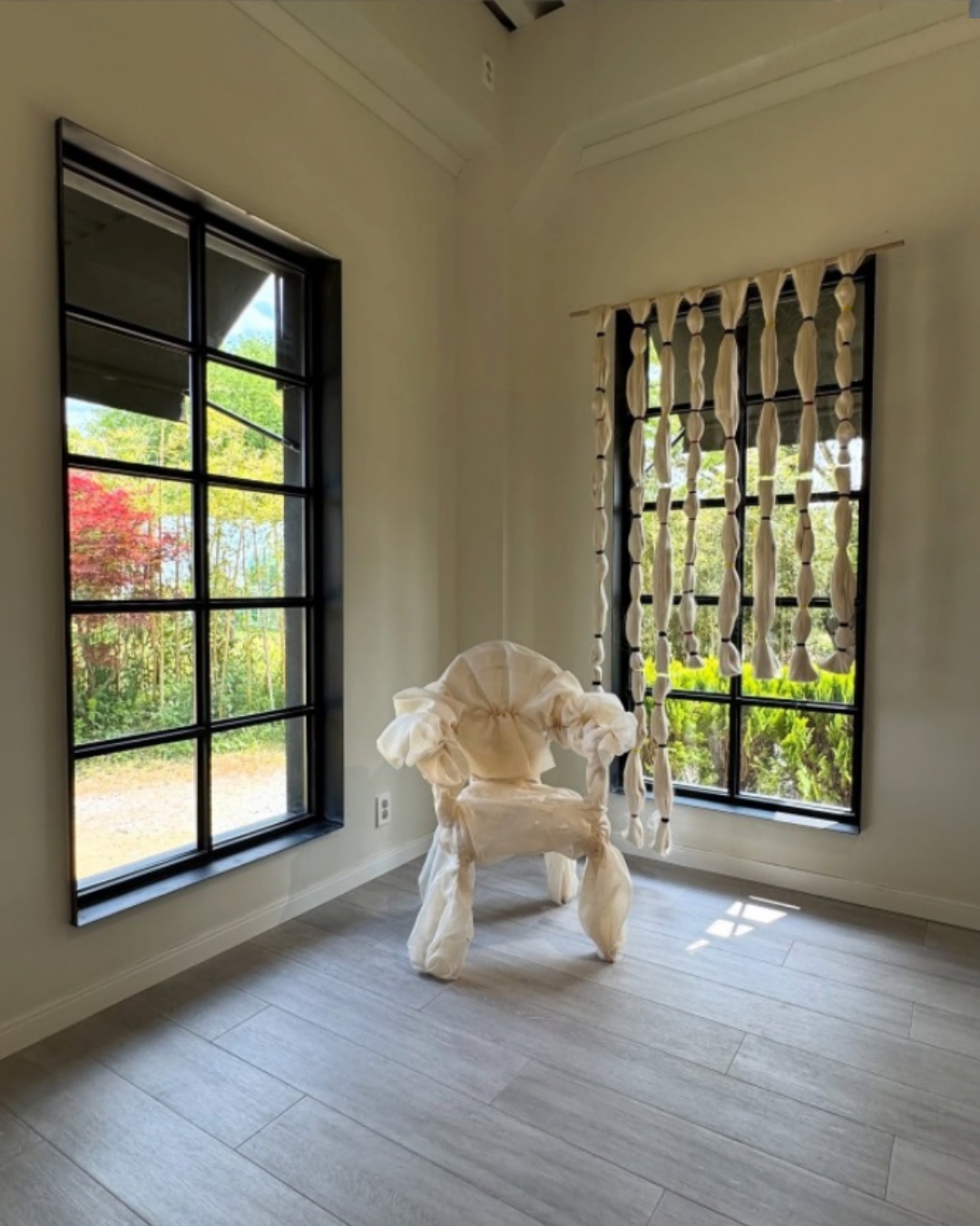
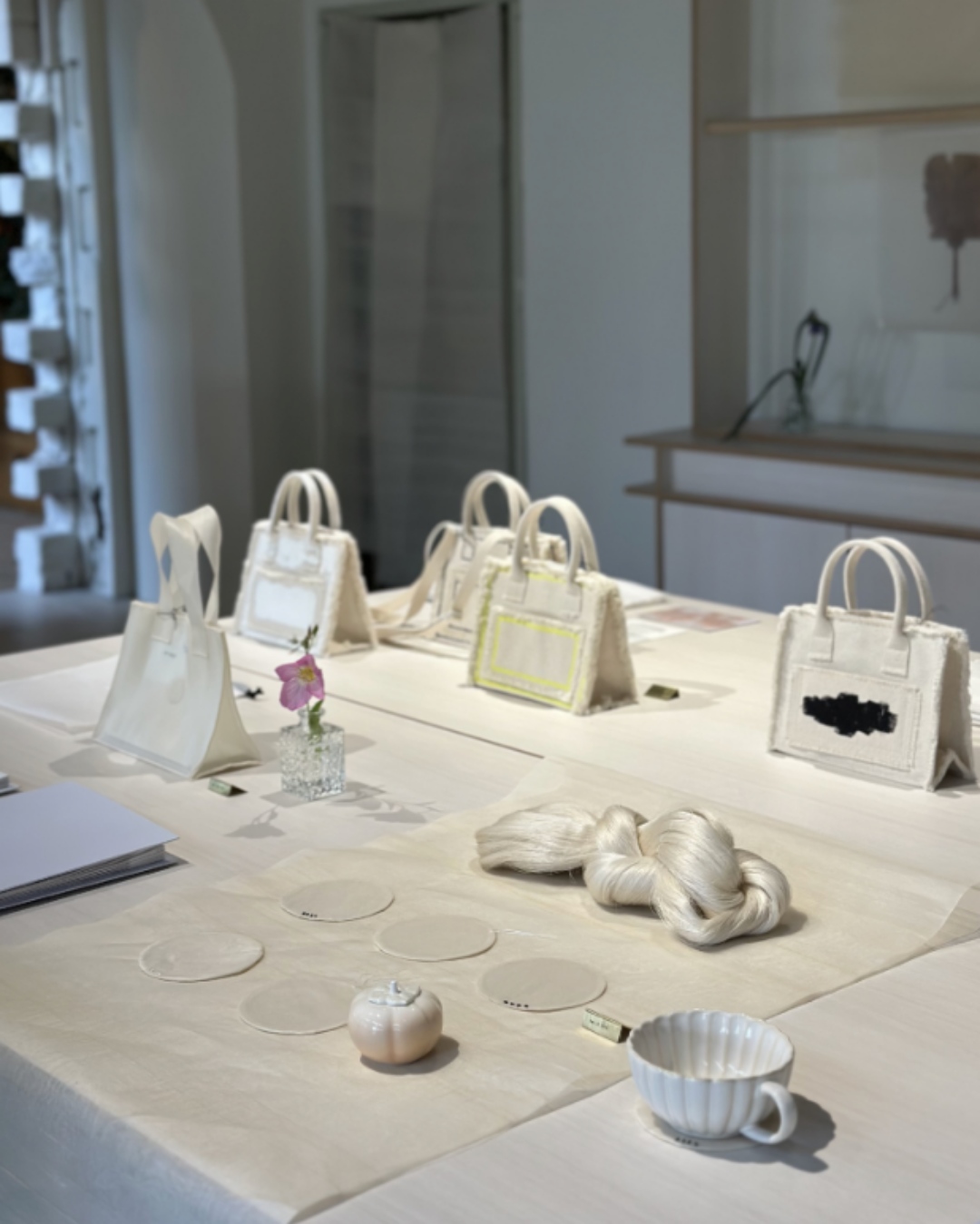
Using Myeongju Garden as a base, we’re working on a rebranding project to bring Hamchang silk — a local asset — back into the spotlight. It’s a fabric with a long tradition, but its existence has largely been forgotten today. The core of the ‘Hamchang Silk Rebranding Project’ is to let people experience the fabric sensorially through various artistic approaches — exhibitions, performances, shows. Starting this year, we’ve been collaborating with artists to develop a range of products using myeongju silk. We’re exploring its everyday uses across genres — fashion items, lifestyle goods, spatial textiles — crossing boundaries wherever we can. Ultimately, I want more people to see myeongju not as a traditional material, but as a trendy one. I hope Myeongju Garden can be the lab and platform that drives that shift.
Is there a place you’d recommend to travelers visiting Sangju?
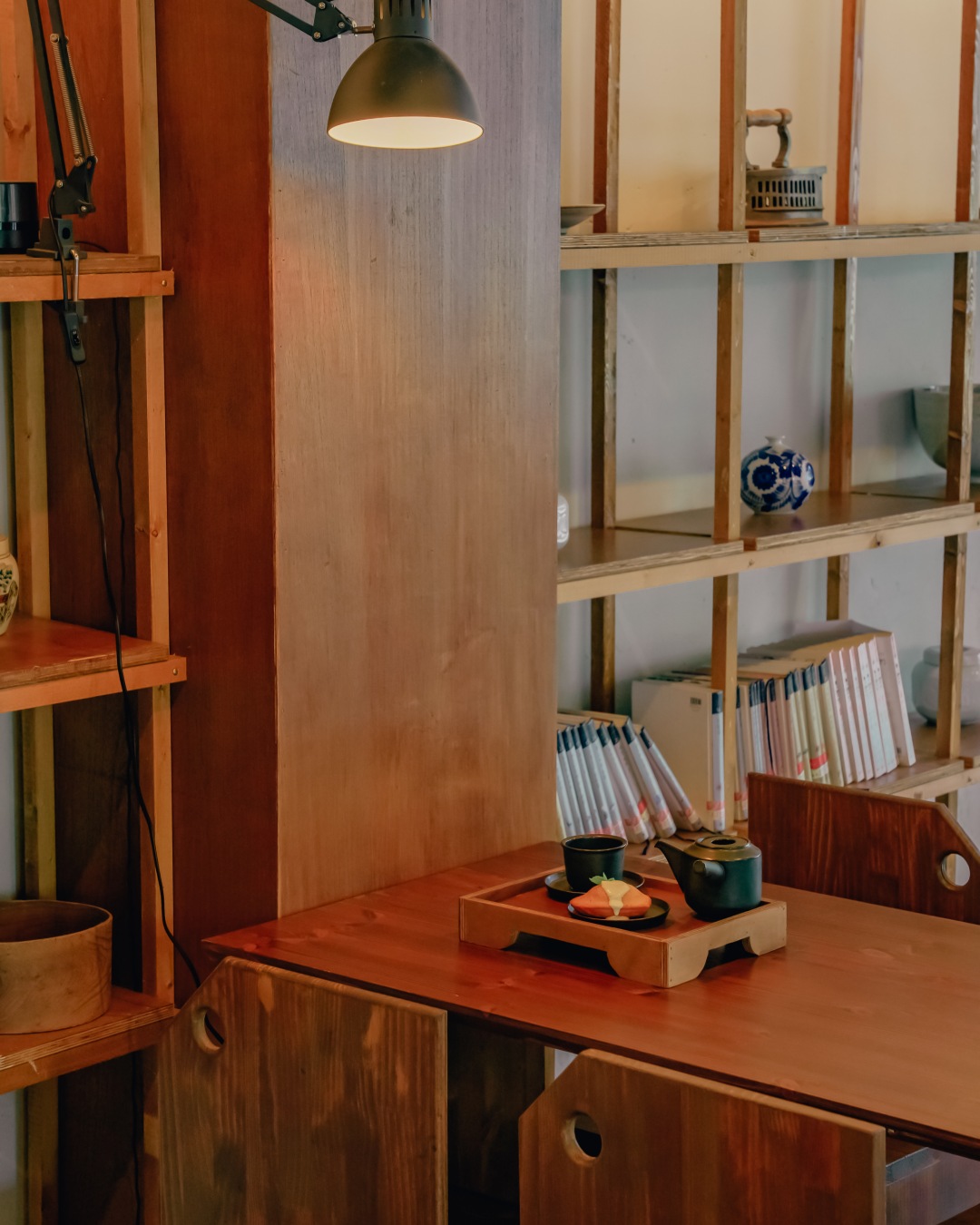
Gyeongcheon Seorim, near Gyeongcheon Island. It’s a hanok-style book café that our Myeongju Garden team helped renovate. It used to be a hanjeongsik (traditional Korean set-meal) restaurant that had closed down, and we transformed it into a bookstore-café. You can see Gyeongcheon Island through the windows, and the sunset views around dusk are truly beautiful. Most of all, it’s a quiet place to read and gather your thoughts, so it’s somewhere I personally love to visit. Near Gyeongcheon Seorim, I’d also recommend a restaurant called Sangju Jumak. It serves traditional Korean food in a way that feels light, not heavy. In summer, you can also enjoy activities like kayaking or paddleboarding at the nearby Nakdanbo Water Leisure Center, so it’s a great spot for both a relaxed getaway and an active one.
What kind of travel destinations do you personally enjoy, and what’s your travel style like?
I prefer neighborhoods that reveal a place’s own texture over crowded tourist spots. I love the mood and scenery of old bookstores, tea houses, and small markets. I think a good trip is one where the spaces, people, and even the smells of a place stay with you. I like to travel slowly. Rather than packing my itinerary full, I find it more appealing to stay in one place for a long time and really soak in its atmosphere.
What would you say to young people considering leaving the city?
Local life isn’t a fantasy — it’s reality. If you lived as a consumer in the city, you have to live as a creator locally. That comes with more responsibility, but it also means more opportunities to live in a creative way. If you want to live at your own pace or keep doing what you love for a long time, I don’t think there’s a better stage than a regional city. That said, you do need the patience and flexibility to adapt to and endure a different pace of life than the city. If you feel ready for that, I say go for it!
What are your future plans or goals?
My goal is to enrich Myeongju Garden further by expanding goods, exhibitions, and seasonal programs themed around myeongju (silk). Beyond that, I’d like to hold pop-up exhibitions or local brand showcases overseas under the name ‘Hamchang Myeongju 1481.’ ‘Hamchang Myeongju 1481’ is a regional brand created based on records from a 1481 document, which contains the first mention of Hamchang myeongju. I believe tradition isn’t something to be merely preserved, but a resource of our time that can be enjoyed in new ways. I hope Myeongju Garden conveys that idea well.


