
Made by Artists, for Artists — Artist Bottle Club, a Space That Follows Inspiration Instead of Alcohol
Meet Artist Bottle Club, a Seoul concept shop curating non-alcoholic drinks from around the world. Founder Lee Jaebeom talks craftsmanship, curation philosophy, and the rise of the Sober Curious trend.
Made by Artists, for Artists — A Space That Follows Inspiration Instead of Alcohol, Artist Bottle Club
The days of drinking just to get drunk are over. Now it’s time to talk about alcohol in the language of taste and refinement. We invite you into the world of non-alcoholic drinks, where artistic experimentation fills the space once occupied by alcohol. Let’s hear what Lee Jaebeom, founder of this experimental stage that curates the joy of drink without alcohol, has to say.
Interviewee Lee Jaebeom, founder of Artist Bottle Club
Interviewer Ryu Sunwoo
Could you briefly introduce Artist Bottle Club?
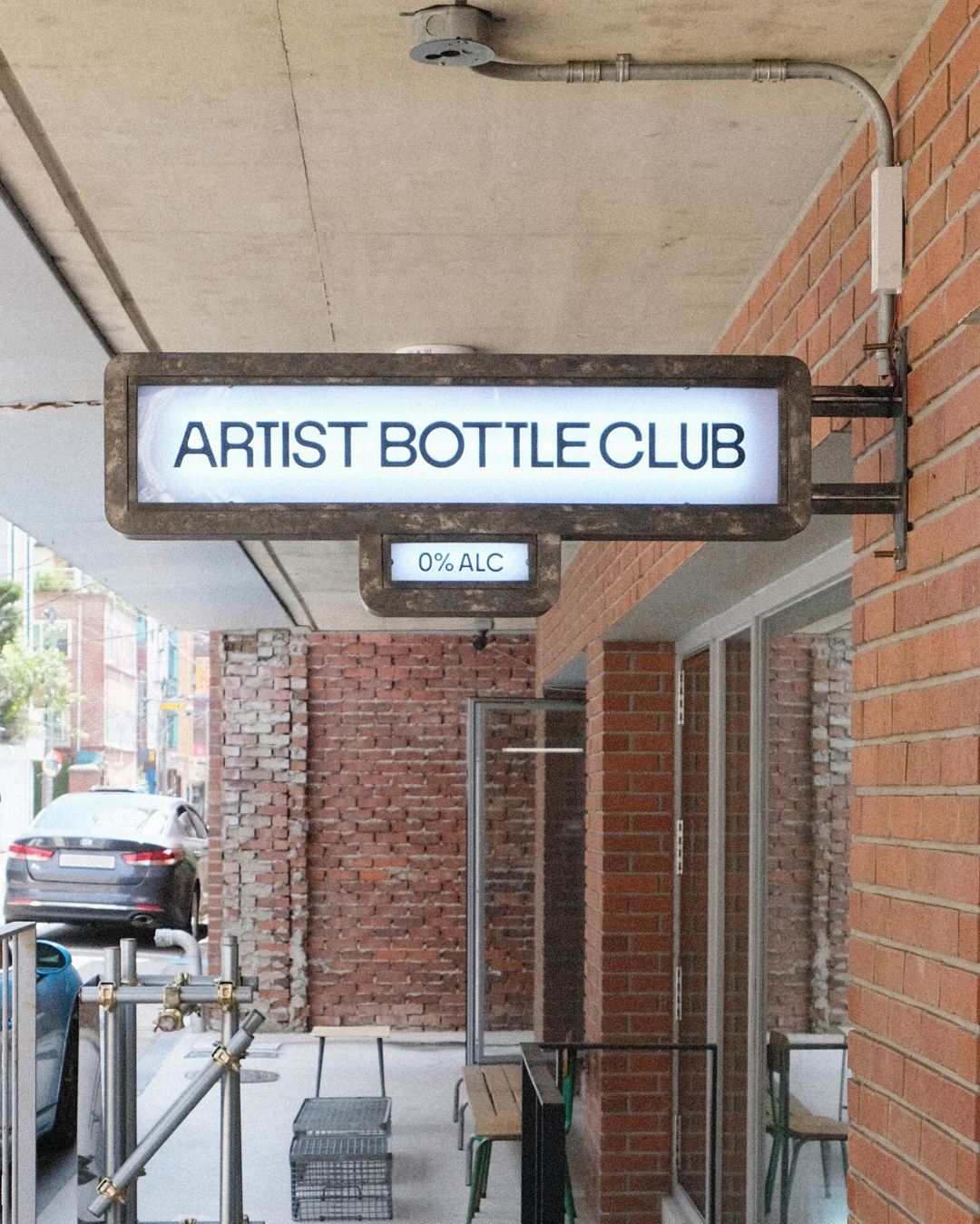
We’re a non-alcoholic drink curation studio. We carefully select products from Korea and abroad and introduce them both online and offline. After running our online shop, LEF, for two years, we opened a new offline showroom under the name Artist Bottle Club on April 1st this year in Yeonnam-dong, Mapo-gu, Seoul.
What does the name ‘Artist Bottle Club’ mean?
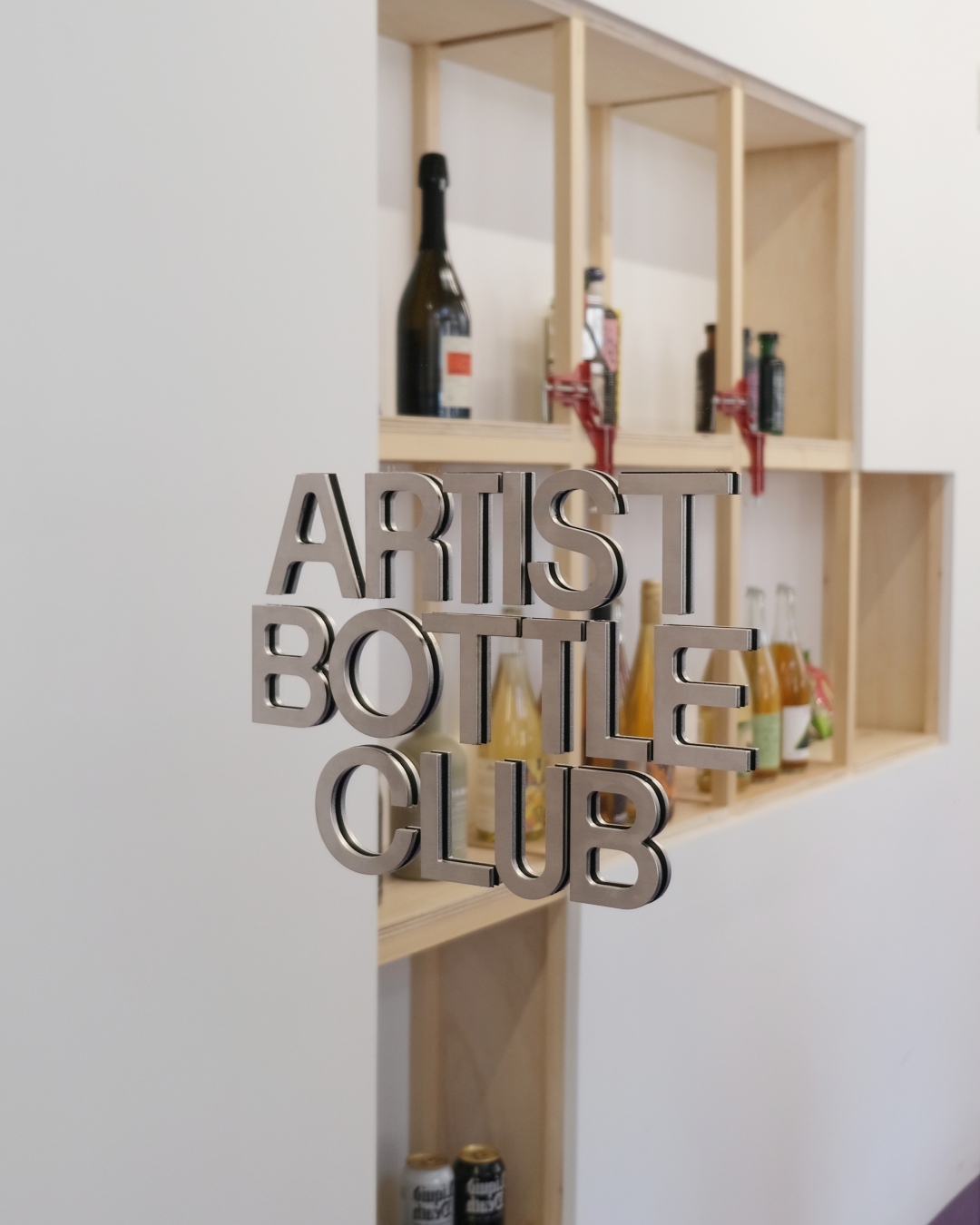
Our brand copy is ‘Made by Artists, for Artists.’ Having met and spoken with many non-alcoholic drink producers around the world, I felt that they think of what they make as works of art. Making a non-alcoholic drink requires tremendous effort to fill the void left by alcohol. Out of respect for that craftsmanship, the name captures the idea of introducing products made by one artist to another artist. Here, ‘artist’ isn’t meant in a grandiose sense—it’s closer to the artistic desire that everyone carries within. Even if you’re not a professional artist, we hope that drinking a product that feels like a work of art can help draw out your own creativity. That’s the thinking behind the name.
What led you to start introducing non-alcoholic drinks?
Before running Artist Bottle Club, I worked at an advertising agency for eight years, where drinking was part of everyday life. On days when I worked overtime, I couldn’t drink, so my team and I would eat late-night snacks and buy non-alcoholic beer from the convenience store instead. That’s how I first became aware of the non-alcoholic genre. I kept looking for better products and even started ordering directly from Amazon. Gradually, it became a hobby, and eventually it grew into the brand it is today.
Do you enjoy alcoholic drinks too?
It’s not that I don’t drink alcohol at all. I think of non-alcoholic drinks not as a substitute for alcohol, but as a complement to it. They let people who can’t drink still take part in a night out, and they offer a new experience for those who enjoy drinking. I should add, I do drink occasionally, but I dislike diluted soju. That’s part of why I turned my attention to non-alcoholic drinks.
I understand you don’t just curate—you’ve also developed your own products.
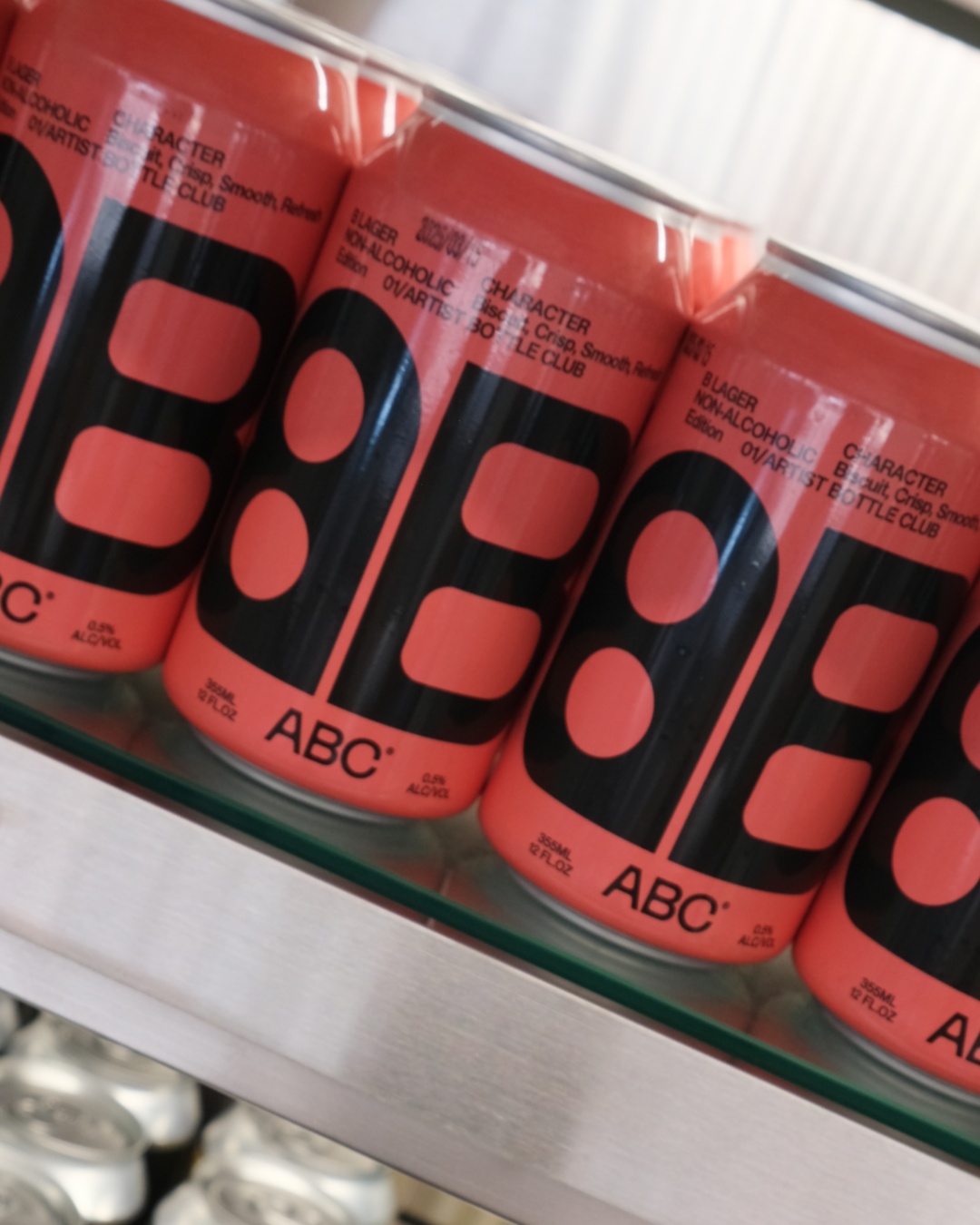
I thought showing the flavor profile we pursue would help promote the brand. We collaborated with Afriday, a brewery I consider the best in Korea at making non-alcoholic beer, to create a craft beer—raising the hop ratio in a lager to create something between a lager and an ale. Since our brand is called Artist Bottle Club, we’re also very interested in discovering and collaborating with lesser-known artists and designers. For the label design, we worked with a designer named Huisosung, embedding our brand philosophy into the product’s appearance as well.
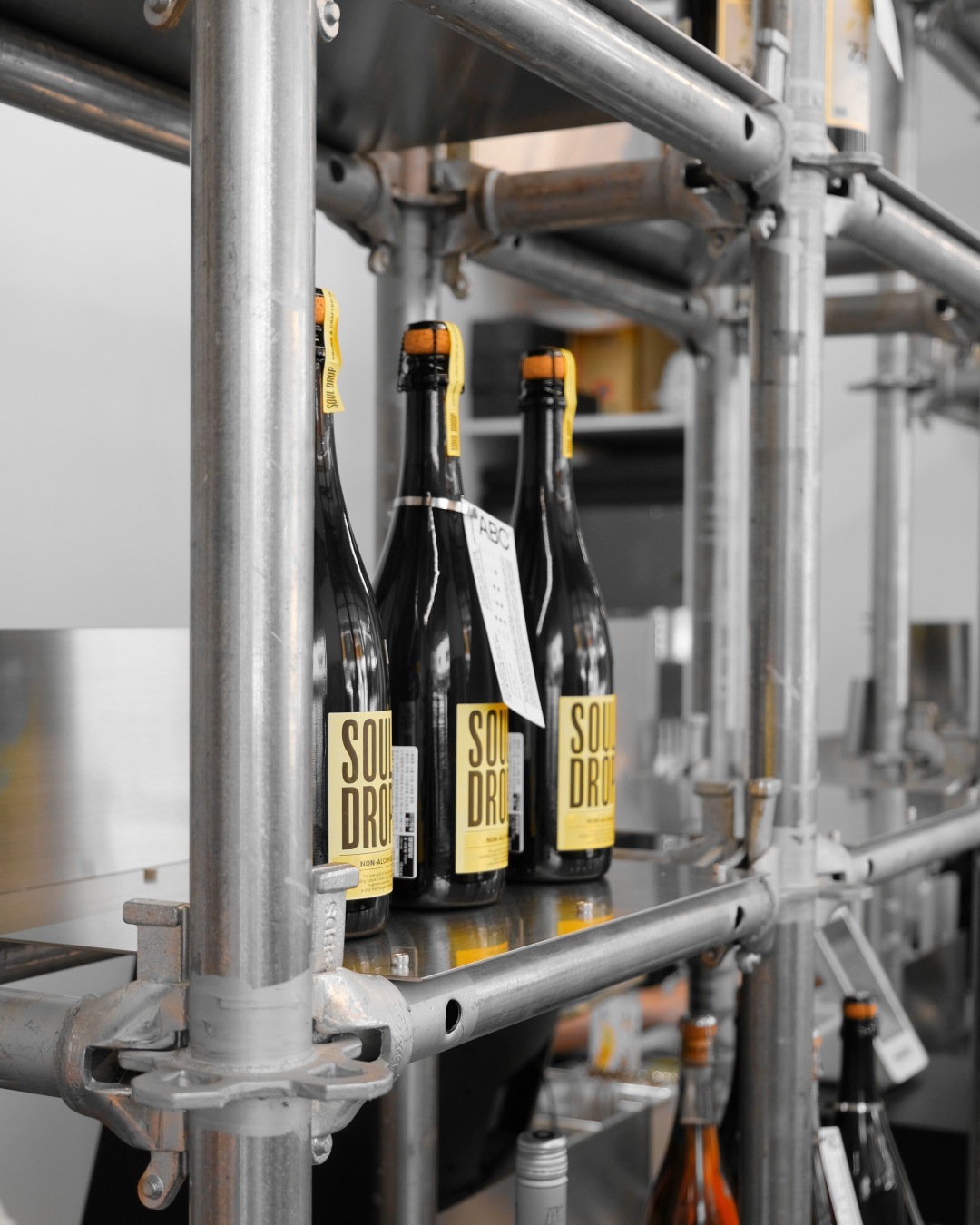
Do you have a set of criteria or a philosophy behind your product curation?
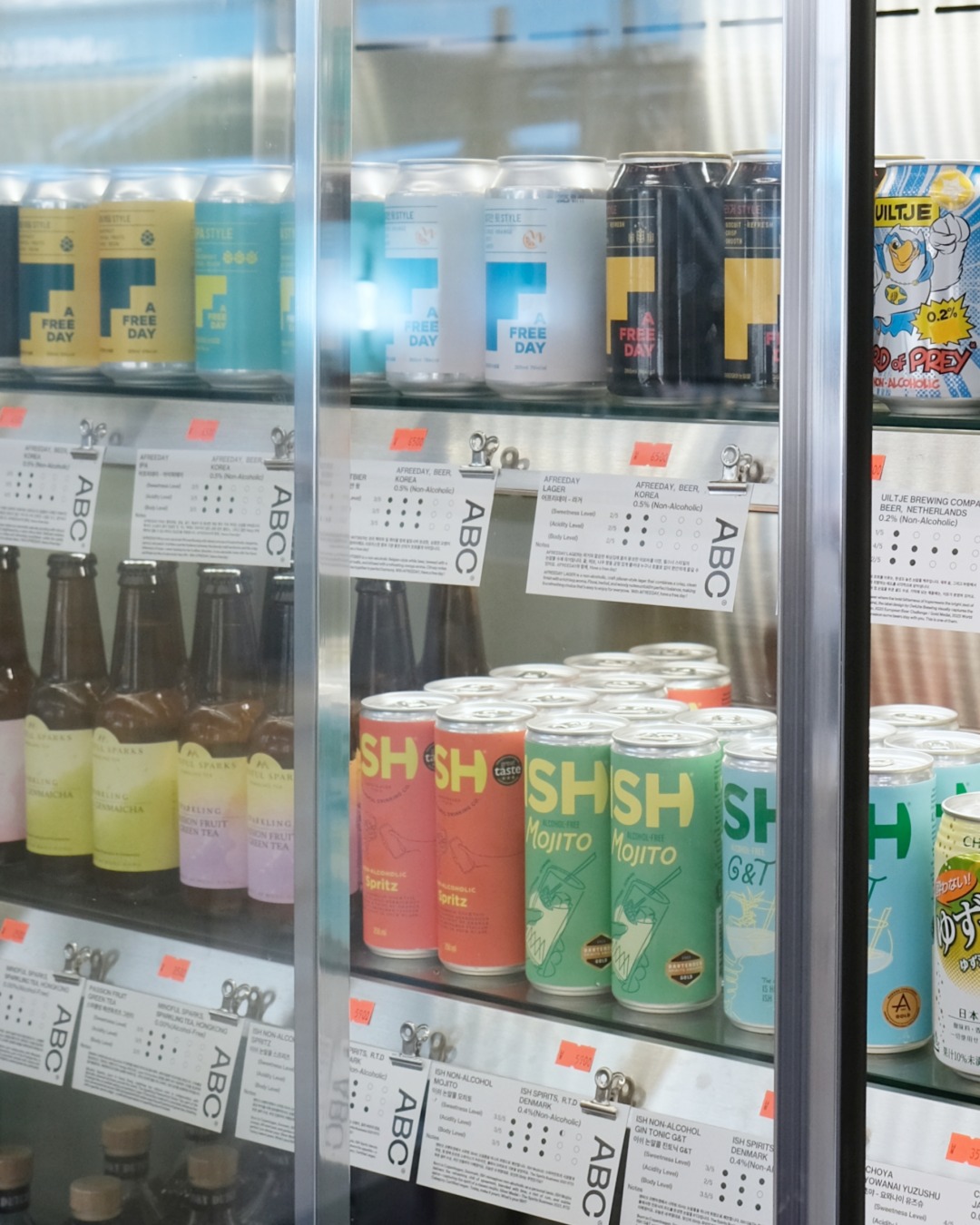
With a sense of mission to present each product as a piece of art, we prioritize the story behind the product and its producer, and we also carefully examine the package design and overall appearance, since those shape the first impression. We rigorously evaluate whether the flavor and balance are excellent once opened, and whether it truly fills the absence of alcohol, among other criteria. When an objective assessment is difficult, we sometimes send samples to master baristas or sommeliers at Michelin-starred restaurants we collaborate with for their advice.
The space feels very stylish. What did you focus on most in the spatial branding?
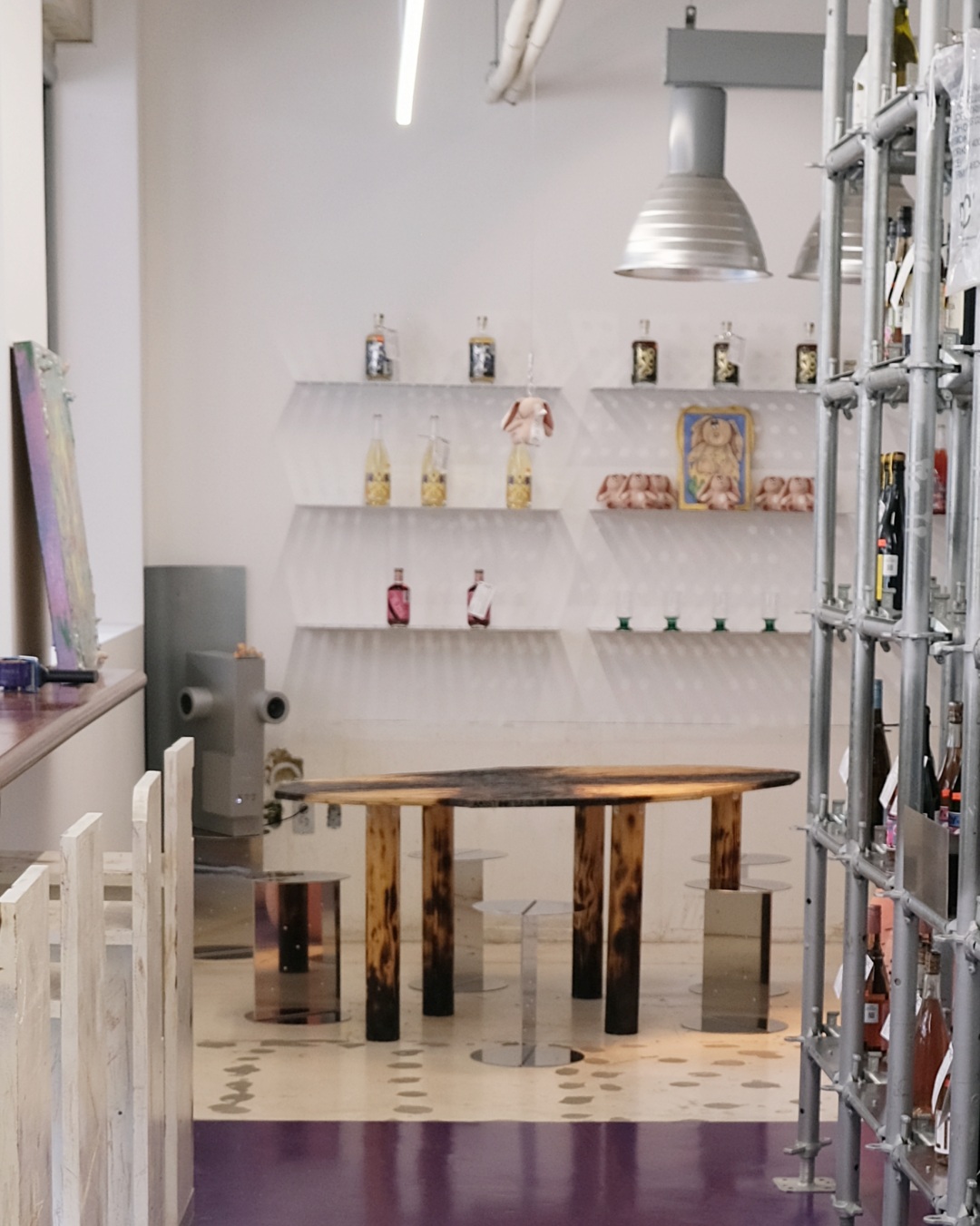
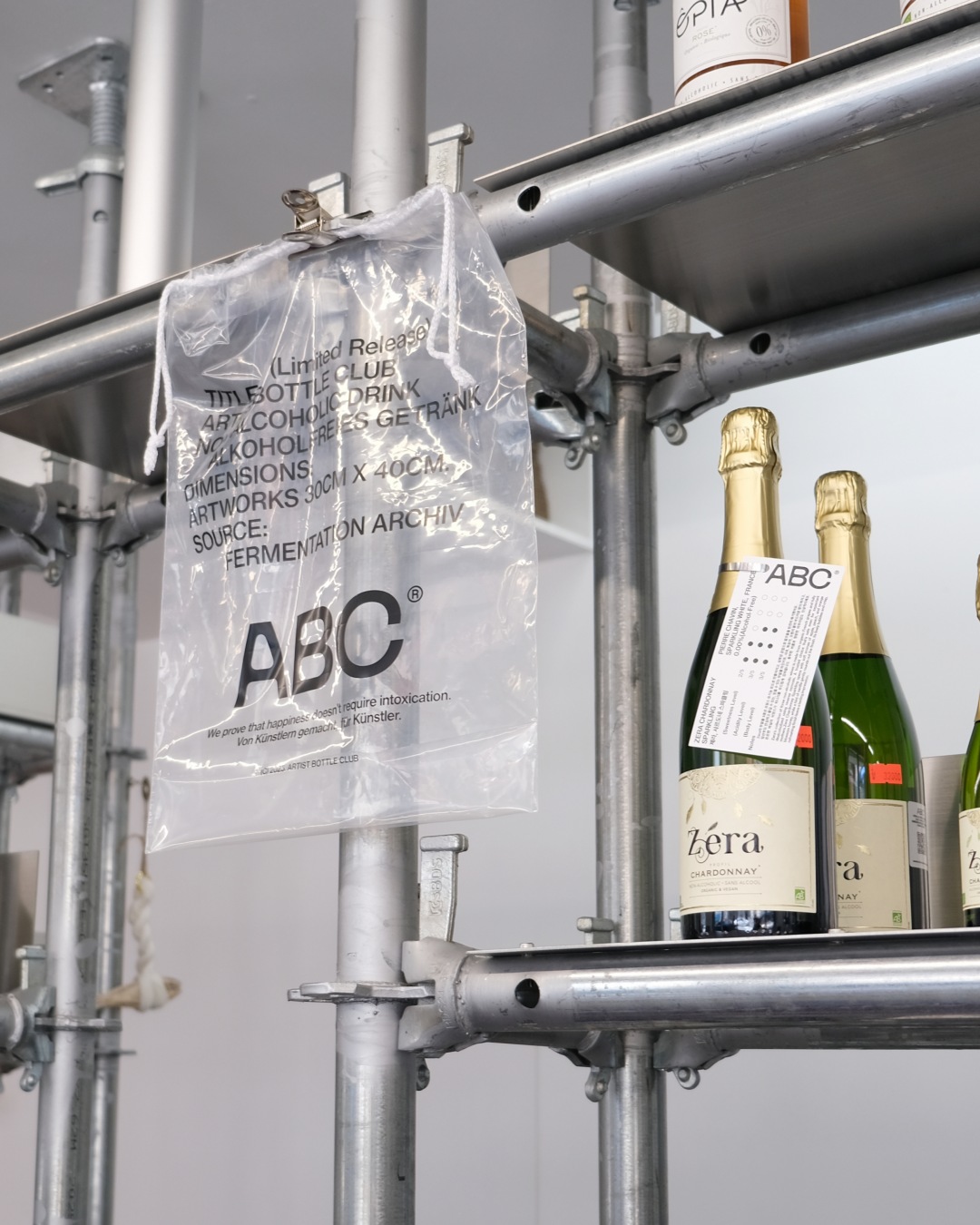
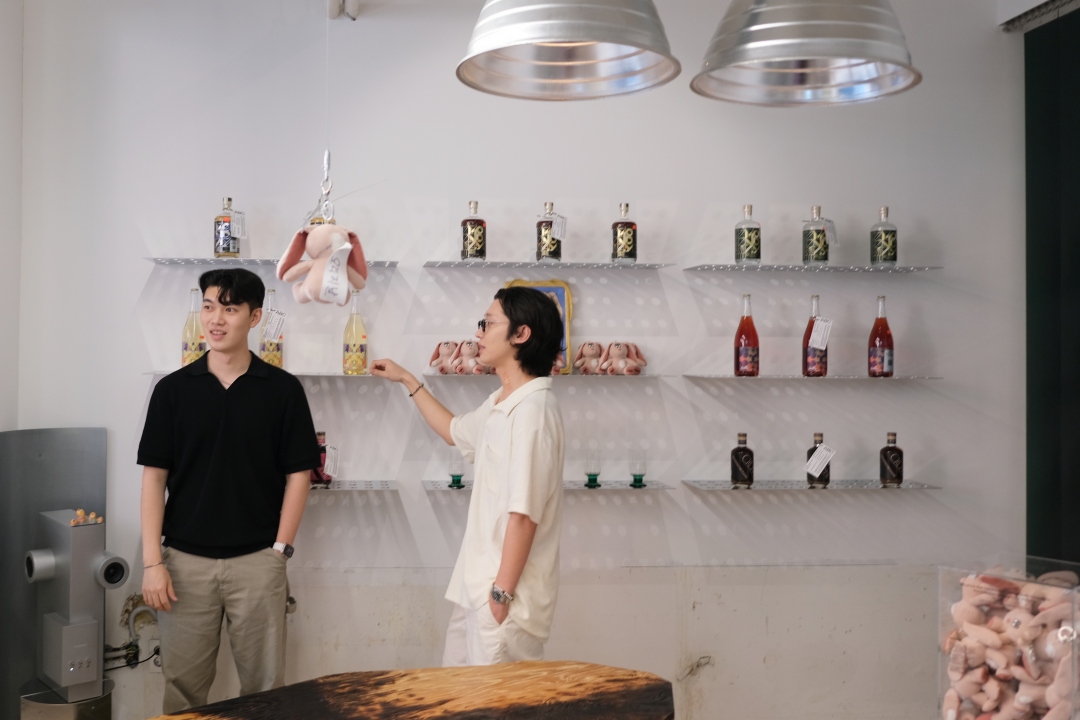
We took an artist’s studio as our motif. We wanted actual artists to be able to comfortably work here while enjoying a non-alcoholic drink. We used wood and metal materials and brought in scaffolding structures known as “asiba” from construction sites. Each object, like the speakers, was placed as if it were a piece of art. The interior drew a lot of inspiration from Voo Store in Berlin, Germany—we wanted to capture that same organized irregularity found in Berlin, where the old and new coexist in harmony. I believe creativity and ideas emerge from that kind of environment.
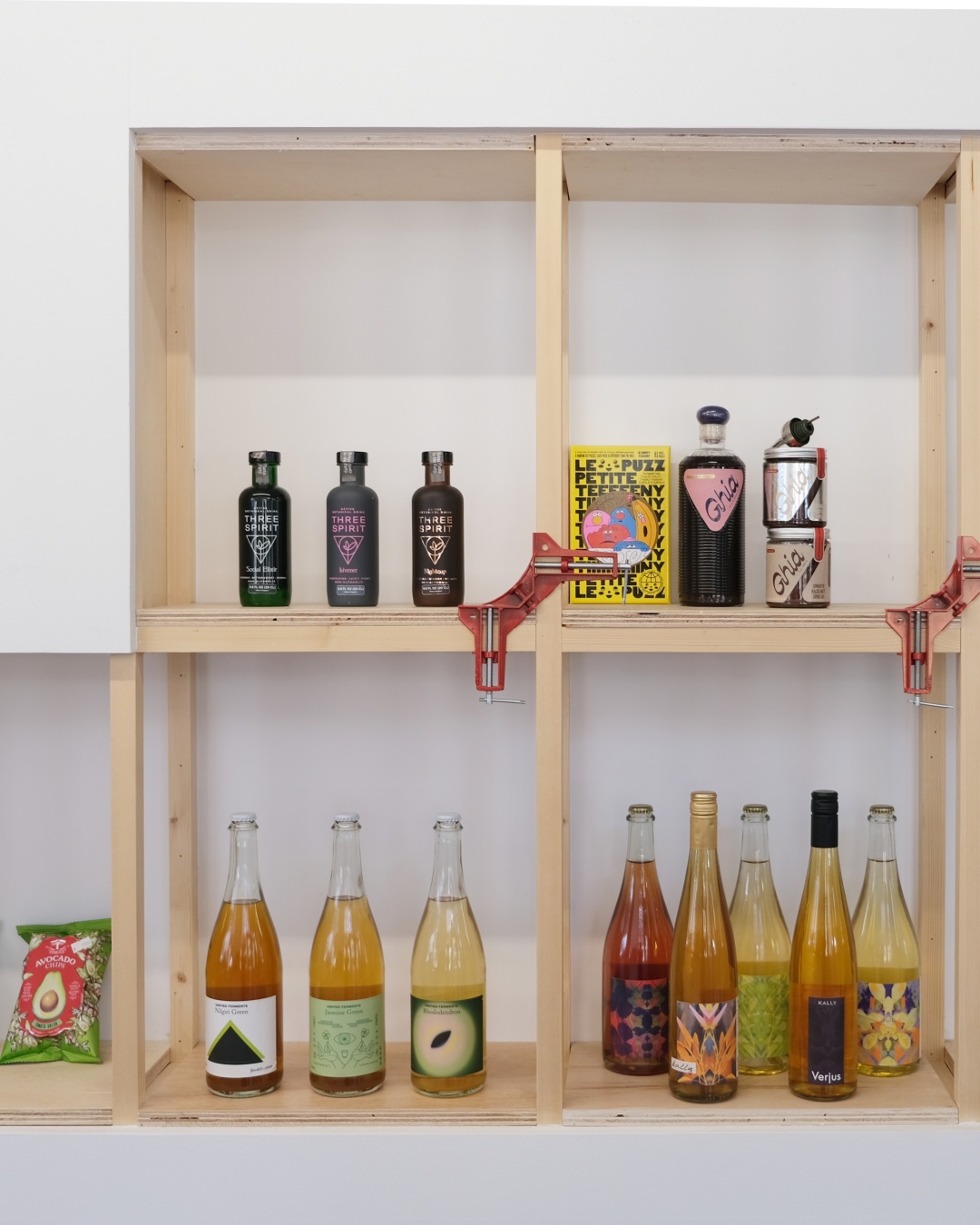
You introduce non-alcoholic drinks from the US, Japan, Hong Kong, Germany, Denmark, and more. I hear some products were imported directly by you?
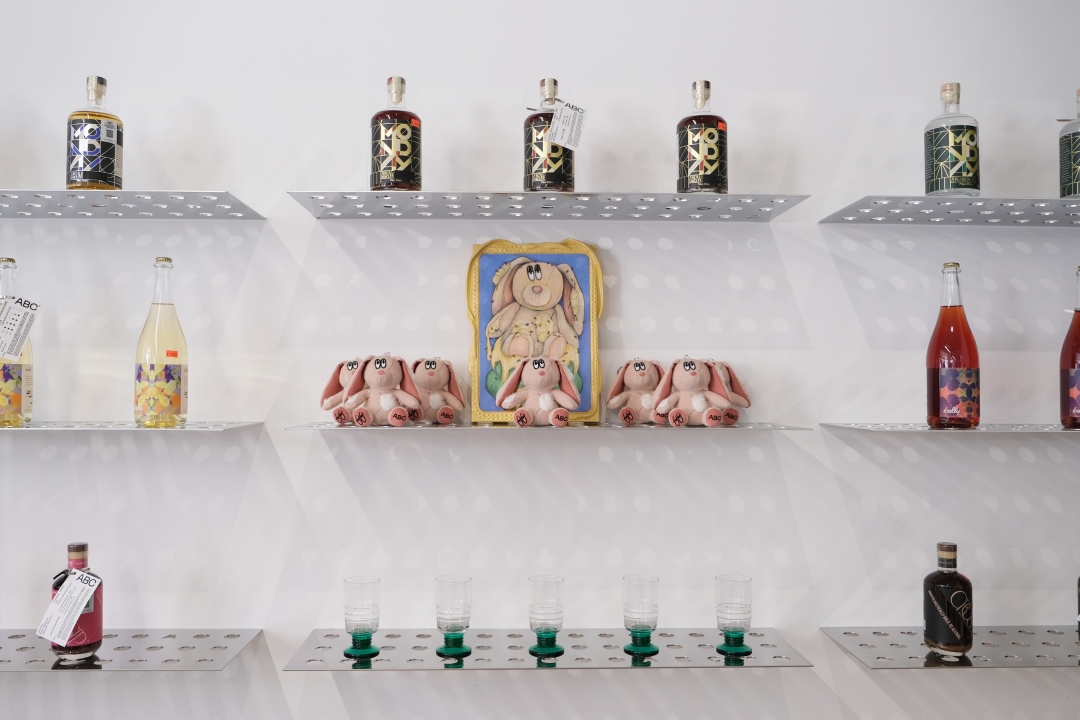
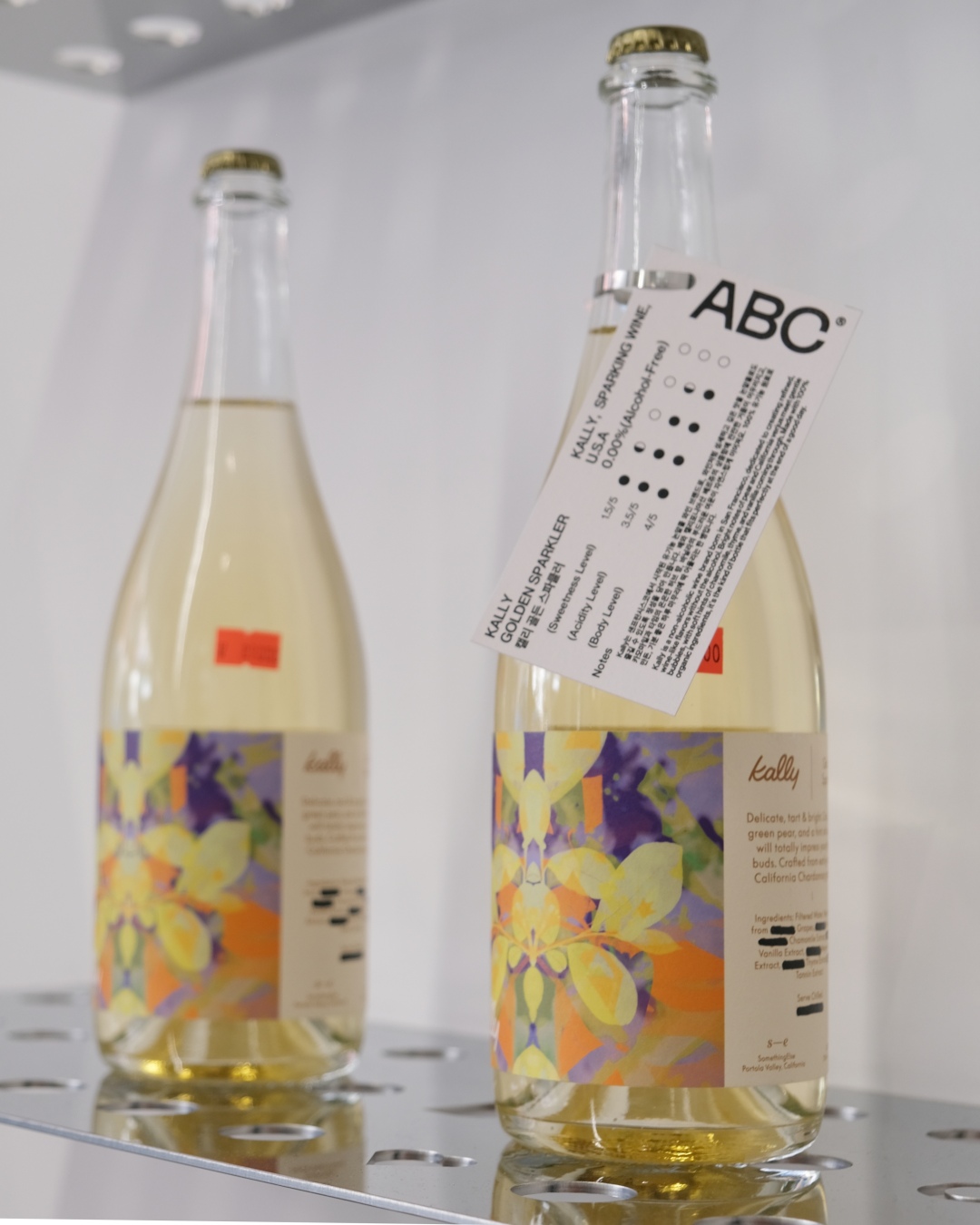
Only two products were imported directly by us. The story behind that import is quite fun—I reached out out of the blue to Cho Hanseok, a mixologist specializing in non-alcoholic drinks at a Michelin-starred restaurant in LA, and asked for advice on the non-alcoholic market. He recommended a product called Kally, which he’d been involved in developing throughout the entire production process, so I tried it. I loved that it was made only with organic ingredients, and the taste was excellent too, so I went straight to San Francisco to meet them in person. I met with the company’s founder, got a list of ingredients, and proceeded with the import—but the process through the Ministry of Food and Drug Safety and Korea Customs was so complicated that it took over six months to complete the import.
That sounds harder than expected.
Non-alcoholic drinks are especially difficult. To fill the absence of alcohol, producers often use unfamiliar ingredients like traditional medicinal herbs. That’s unavoidable if you want to create bitterness, spice, or sourness. If even one ingredient used isn’t distributed in Korea, the import becomes impossible. Because this verification process is so strict, the range of non-alcoholic drink options available in Korea inevitably ends up limited.
You’ve also worked on various projects, including exhibitions. Is there a project that stands out to you the most?
Back when we ran LEF, we once sponsored a running crew. One member told me that the running record they’d worked two to three weeks to improve could vanish after just one night of drinking, and they were disappointed that they couldn’t have a beer or drink after a run. I remember how refreshingly they drank the non-alcoholic beer we brought after that run, saying with delight that it was the first time they’d ever enjoyed a beer like that after running. It made me realize once again how closely non-alcoholic drinks are tied to a healthy lifestyle.
So the non-alcoholic market will likely keep expanding alongside the wellness trend.
Exactly. Based on market research I did directly in the US and Japan, Korea’s current non-alcoholic market resembles what the US market looked like five years ago, or Japan’s three years ago. We’re a bit behind, admittedly.
Is the non-alcoholic market clearly larger in the US and Japan?
In Japan, there’s a place in Shibuya, Tokyo run by Asahi called *SUMADORI-BAR SHIBUYA. The first floor operates as a non-alcoholic bottle shop, and the second floor as a non-alcoholic cocktail bar, where you can enjoy 0%, 0.5%, and 3% ABV cocktails in a bright, café-like atmosphere. In the US, the non-alcoholic market has grown remarkably alongside the rise of the Sober Curious trend. There are quite a few bottle shops specializing exclusively in non-alcoholic drinks, mostly in LA and New York, and they regularly host tasting events and sizable parties.
I’ve never heard of the Sober Curious trend before. Does it come from the word ‘sober,’ meaning ‘not drunk’?
Yes, that’s right. It’s a trend built on the idea that you can enjoy alcohol just enough without getting drunk, or that you can fully enjoy life without alcohol altogether. This trend has been popular in the US for nearly five years now. The idea isn’t to drink in order to get drunk, but to enjoy alcohol as a culinary experience, or to enjoy the atmosphere of a gathering in a healthy way.
*: SUMADORI is short for “Smart Drinking,” a project championing the ‘smart drinking’ culture led by Asahi Beer. It proposes a new drinking culture centered on non-alcoholic and low-alcohol beverages so that both those who drink and those who don’t can enjoy time together.
Where do you think non-alcoholic drinks are headed next?
Right now the main focus is on replicating the taste of alcohol. Since there’s no alcohol, other ingredients are used to fill in the body that’s missing. That’s what today’s non-alcoholic drinks are about. But there’s a next generation coming. It’s about stimulating the brain’s GABA system to create a feeling of intoxication, without the alcohol, which is classified as a Group 1 carcinogen. Products like Sentia Spirits have already been developed in the UK. In the US, you can find non-alcoholic products with added functionality—for example, ones designed for parties, or ones meant to help you sleep. They’re called ‘euphorics,’ and they’ve become mainstream enough that you can easily find them at regular American supermarkets.
What would you recommend to someone who doesn’t know much about non-alcoholic drinks?
For beginners, I’d recommend a sparkling white non-alcoholic wine. The bubbles fill out the body just enough, and the acidity and aroma come together for a really clean taste. If you’re looking for something more special, there are blended wines. While a typical non-alcoholic wine is made using the same grape variety and process as regular wine, then having the alcohol removed, a blended wine is a completely alcohol-free wine that skips fermentation entirely and uses verjus—the juice of unripe green grapes. The Kally sparkling wine I mentioned earlier is a blended wine. Fermented teas also fall into the non-alcoholic wine category; they’re teas fermented to express the acidity and nuance of wine. Artist Bottle Club carries Mindful Sparks from Hong Kong, so I’d recommend giving it a try if you get the chance.
Is there a destination you’d like to travel to in relation to non-alcoholic drinks?
I’d like to visit wineries in Germany. German non-alcoholic wines are excellent, and they have their own proprietary techniques, like vacuum distillation. I’d like to explore the non-alcoholic markets of Europe as well as the US. I’d also like to visit Muslim countries like Indonesia, where the non-alcoholic market has developed for religious reasons around the taboo on alcohol. I’ve heard that thanks to the Korean wave, there’s alcohol-free soju available in Indonesia, and I’d love to go see it for myself.
What’s a memorable trip for you?
The trip to the US where I met the founder of Kally really stands out. I went with the intention of trying every notable non-alcoholic drink I could find, so for ten days all I did was hunt down non-alcoholic drinks. I also visited a restaurant in LA called KATO, which is famous for its non-alcoholic pairings. I chose a course that paired ten dishes with ten different non-alcoholic drinks, and one thing I discovered there that still sticks with me is Unified Ferments’ Wen Shan Bao Zhong. It was so delicious that after I got back to Korea, I got a sample to try importing it—but it didn’t taste the way I remembered from the trip. The difference was so big I could hardly believe it was the same product, and it made me realize just how much the atmosphere of a place and the pairing itself can affect the way something tastes. I also visited a non-alcoholic drink bar, and I remember being caught off guard because they were selling cannabis there. Apparently, since it’s illegal to sell alcohol and cannabis together, quite a few bars end up selling non-alcoholic drinks instead. There were so many different kinds of non-alcoholic drinks, and it was fascinating to see menu items like non-alcoholic cocktails infused with cannabis.
Do you have any routines of your own when you travel?
My MBTI isn’t the planning type, the ‘J.’ (laughs) I don’t have a fixed routine or meticulously plan my trips, but I always make sure to visit the famous restaurants in whatever city I’m in. I place a lot of importance on culinary experiences in general. Since I never know when I’ll be back, I feel like I have to try the food that’s supposed to be delicious. I mostly seek out restaurants that have been nominated for a Michelin star.
Do you have any goals or projects you’re working on for the future?
I want to keep running Artist Bottle Club well enough that it naturally comes to mind whenever people are looking for a delicious non-alcoholic drink. Next month, we’re taking part in a major fashion and art event in Seoul with a non-alcoholic booth, and I’m really looking forward to it. There are plenty of limitations, but I hope the non-alcoholic market in Korea continues to grow. I especially hope the prejudice that ‘non-alcoholic drinks don’t taste good’ starts to break down—I think that stereotype exists because big companies have prioritized cutting costs and mass production. When it’s made properly, non-alcoholic drinks can be truly delicious.


