Living in Tokyo’s Island, Izu Oshima — What It Means to Live in an Island Village of Tokyo
Why a Japanese travel journalist who has worked all over the world moved to Izu Oshima, one of Tokyo’s islands, and opened a café.
Living in Tokyo’s Island, Izu Oshima — What It Means to Live in an Island Village of Tokyo
Why a Japanese travel journalist who has worked all over the world moved to Izu Oshima, one of Tokyo’s islands, and opened a café.
Words & Photos Terada Naoko (寺田直子)
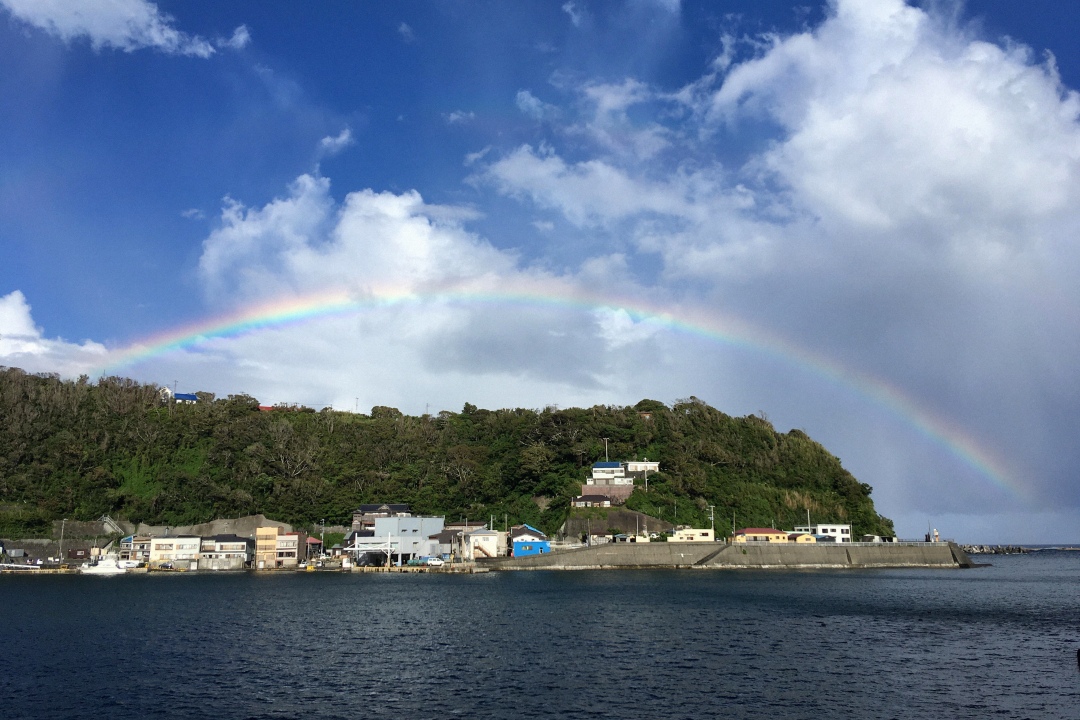
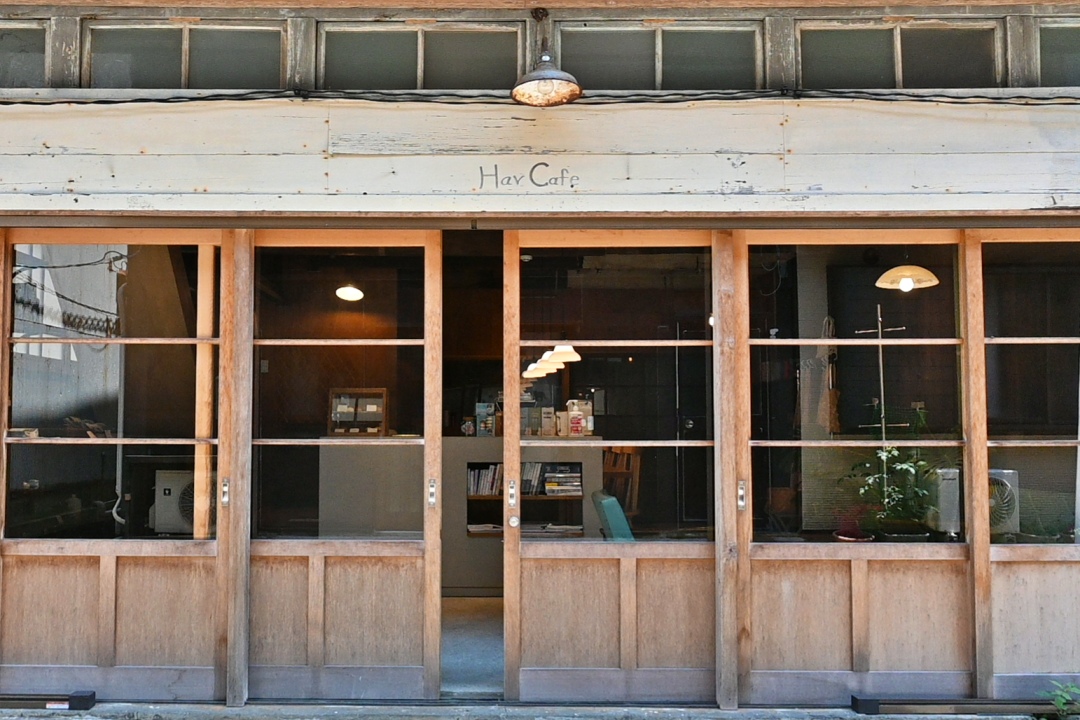
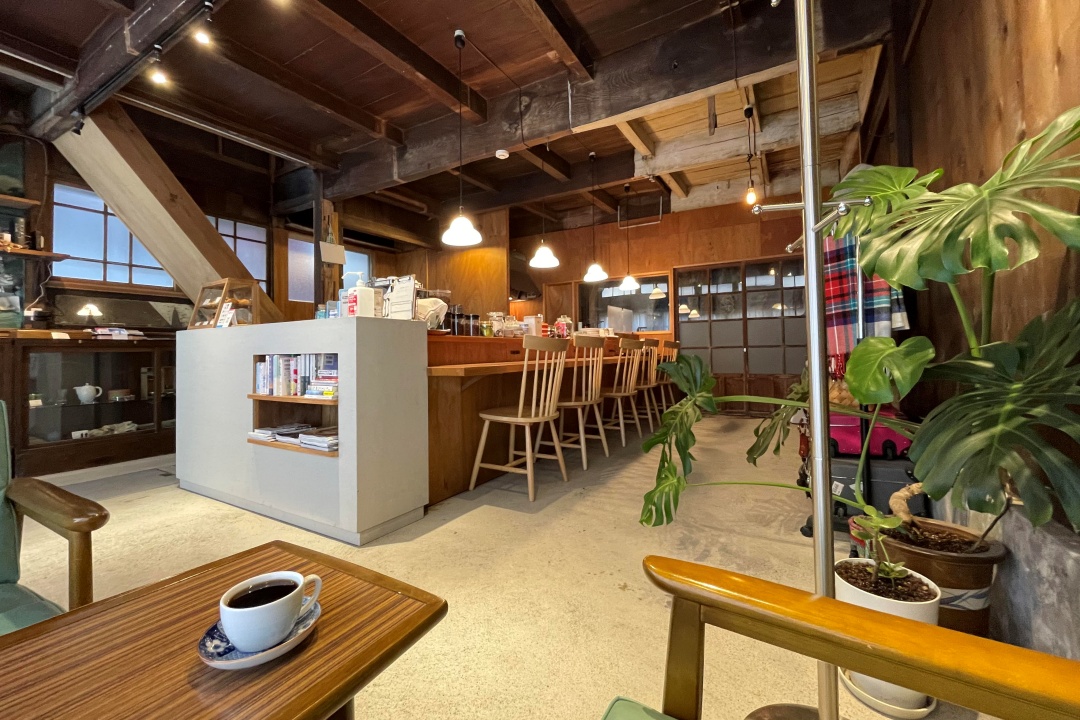
Thirty steps along a narrow alley bring you to Habu Port (波浮港). That is where my little café, Hav Cafe, sits. The building is an old Japanese house more than 90 years old. I bought it seven years ago. No one had lived in it for nearly two decades, so the floors were full of holes and everything was covered in dust. It hardly looked like a place for a café. Yet I had a hunch that this house would lead my life in a new direction. I had no basis for it, but it turned out to be the right choice.
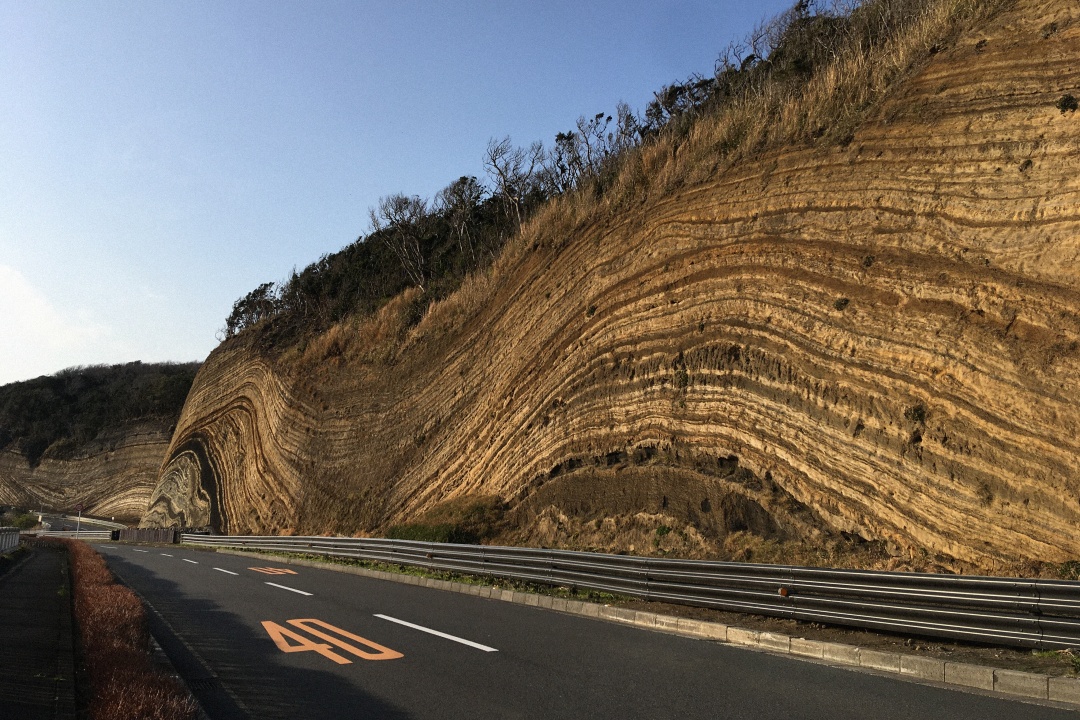
Hav Cafe is on an island called Izu Oshima (伊豆大島). You may be surprised to learn that it belongs to Tokyo. Tokyo has nine islands in all, and Izu Oshima is the largest. Even so, you can drive around it in about an hour. Its population is only about 7,000. Ninety-seven percent of the island is designated national park, and the active volcano Mount Mihara (三原山) rises at its center. It is a popular destination for people who want to enjoy outdoor activities year-round, from trekking and cycling to fishing and diving. Visitors from all over the world come to Hav Cafe too. They say things like, “I’ve already been to all the tourist spots like Niseko, Kyoto, and Hiroshima, and I was looking for somewhere quiet that isn’t crowded with tourists,” or “I love nature. I wanted to walk around an active volcano.” Many people come to Izu Oshima for these reasons, and I understand them completely. I was once one of them.
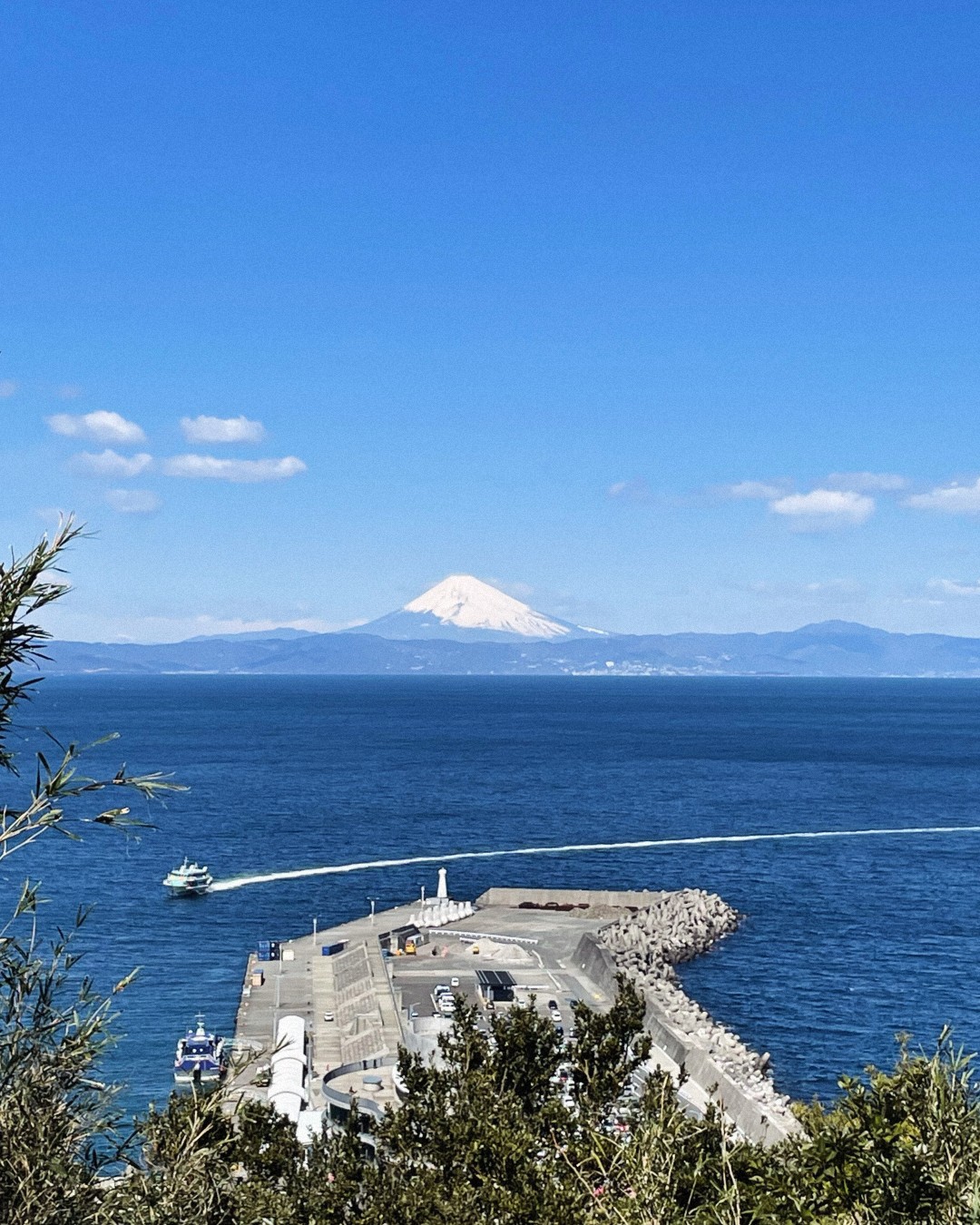
Before I lived on Izu Oshima, I visited whenever I had time. From the airport near my home in Tokyo, a small plane that carries up to 19 passengers reaches the island in just 25 minutes. Or you can take a high-speed jet boat from Tokyo’s Takeshiba (竹芝) Pier and enjoy a one-hour-and-45-minute voyage. I think Izu Oshima’s greatest appeal is that it is so easily reached from central Tokyo while offering beautiful island nature. As I came and went, I made friends, and one by one I found restaurants and hotels I loved. Each time I returned, people greeted me with “Welcome back,” and I was happy to know there was a place where I could feel as comfortable as if I had come home. With every visit, the island became more precious to me. Then one day I happened upon an old Japanese house, and I bought it. That was the beginning of Hav Cafe.
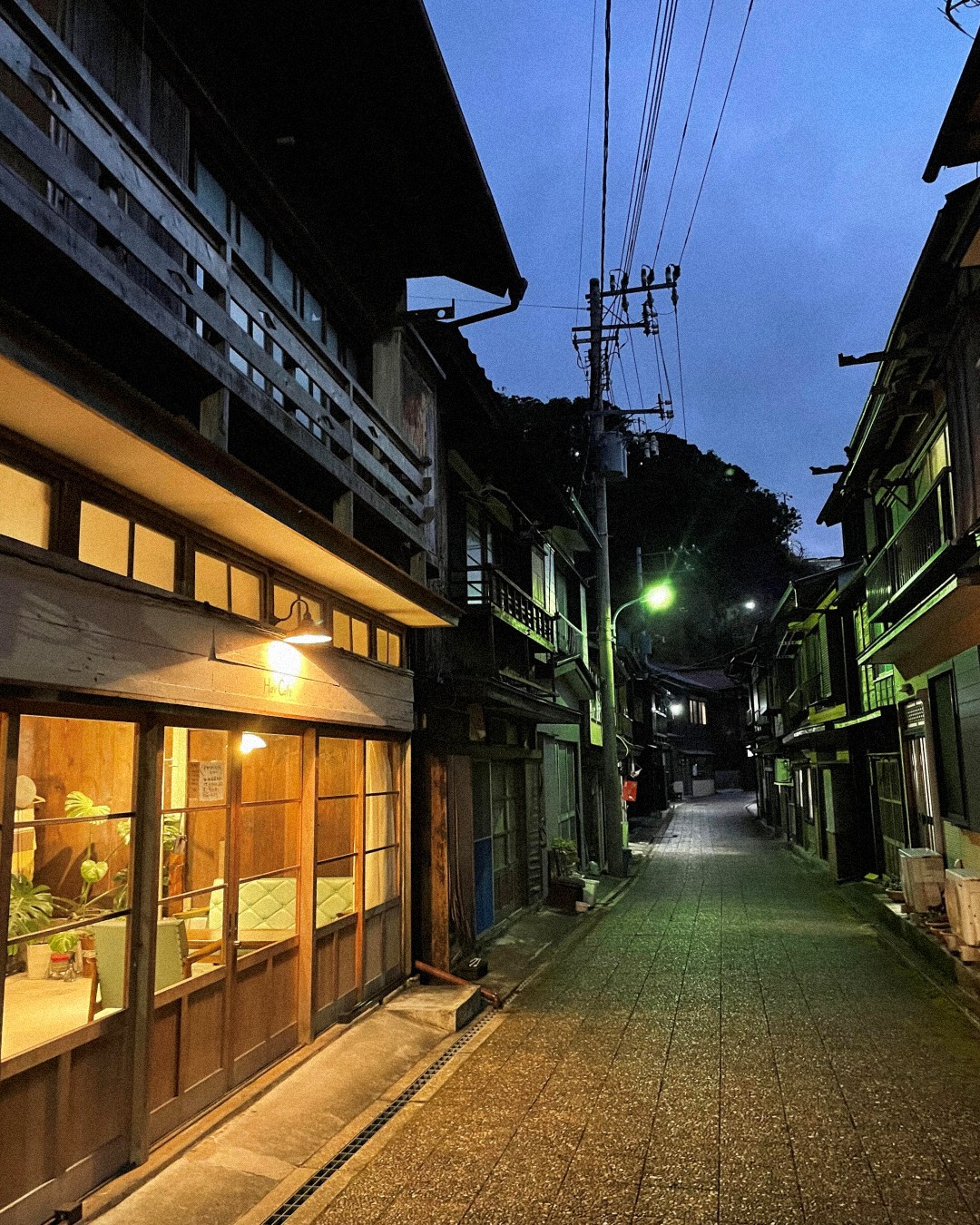
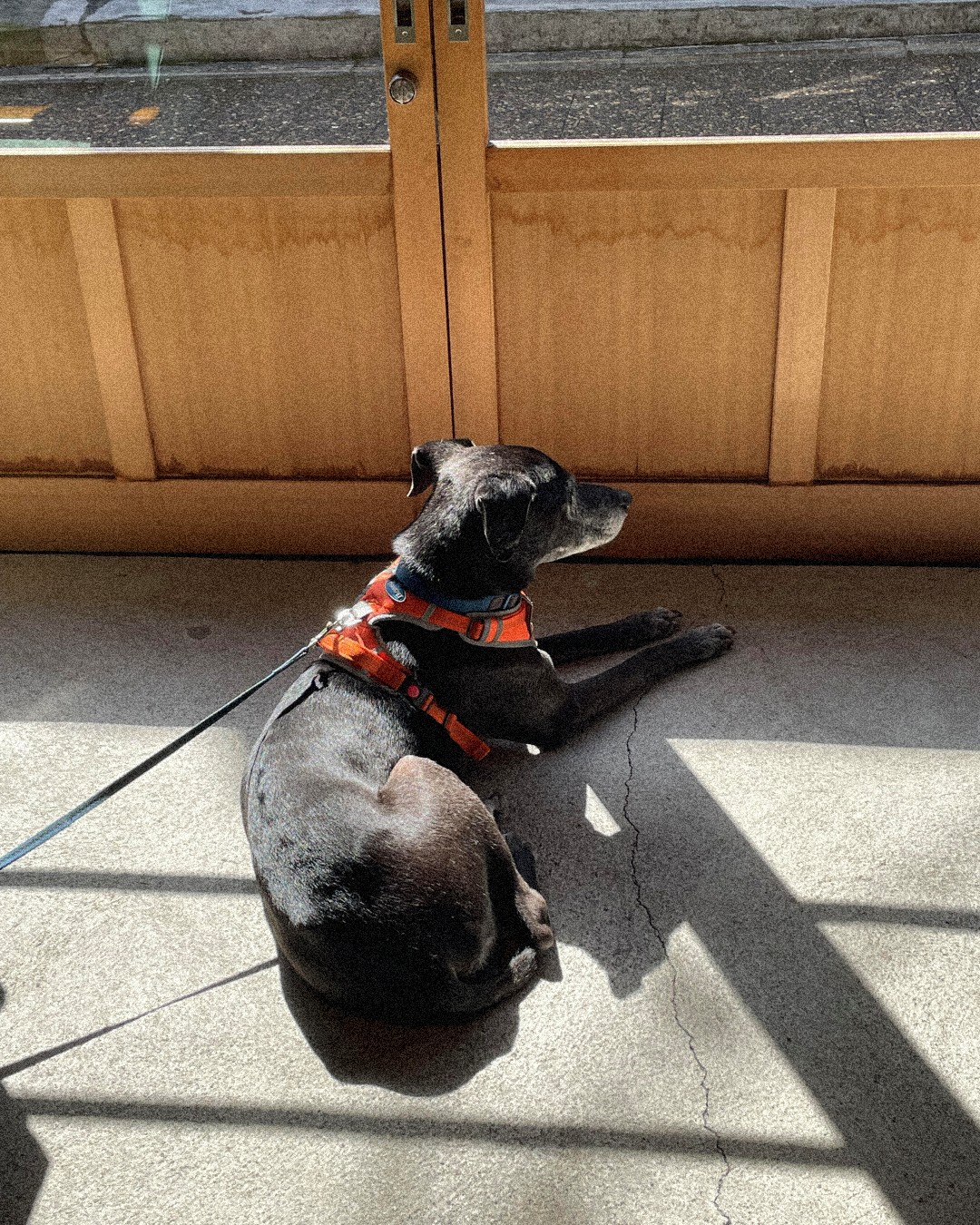
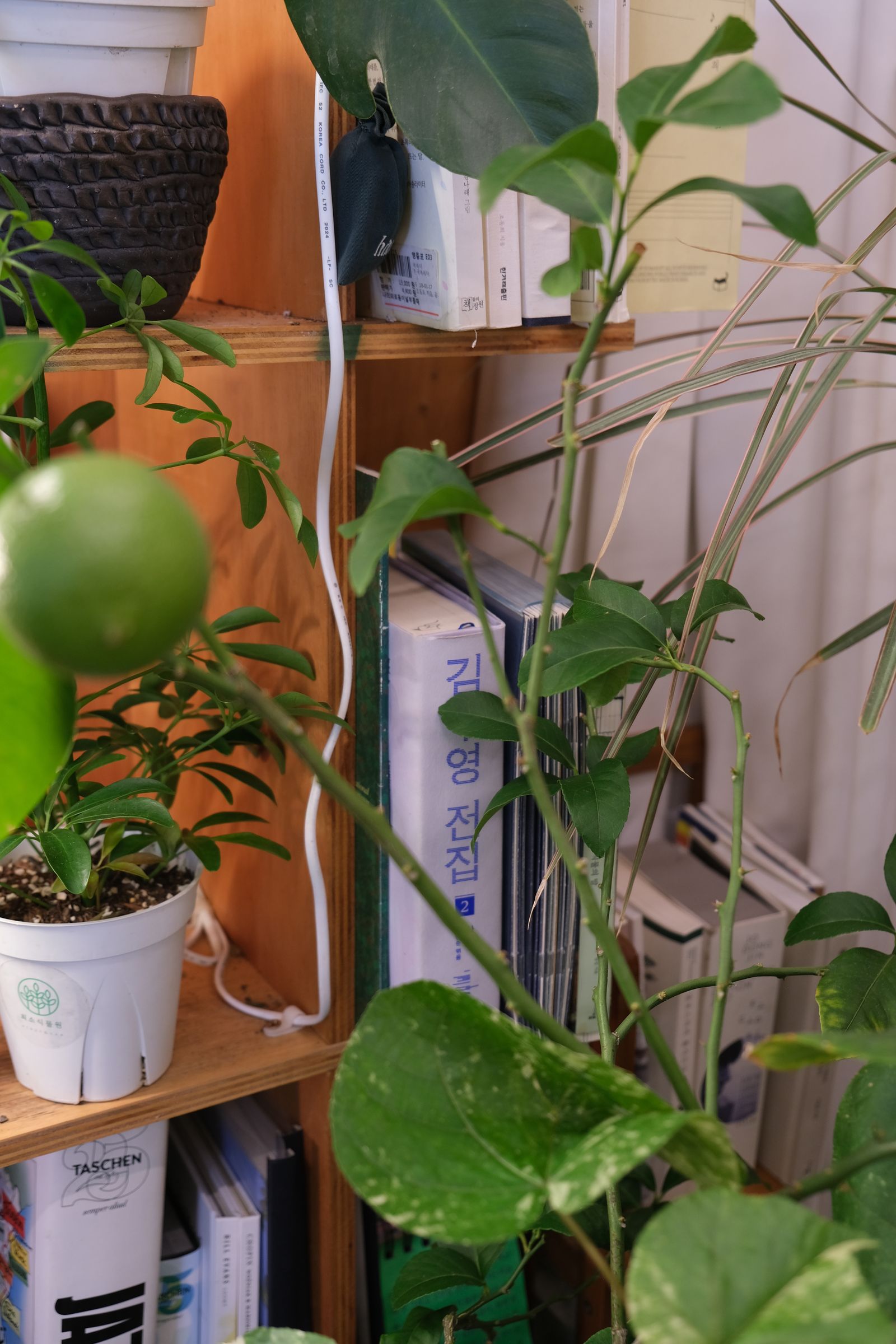
Hav Cafe is very small. It has just five counter seats and a vintage Karimoku sofa. On the large glass shelves that were already here, I display more than a hundred collected items from travels in over 100 countries, including small ceramic plates, clocks, paintings, and postcards. Guests love the space because the atmosphere of the old house remains intact. A few years ago, the café was used as a filming location for “Tokyo Bocchi Shokudo,” directed by the producer of the TV drama “Solitary Gourmet” and starring the actress Hairi Katagiri (片桐はいり).
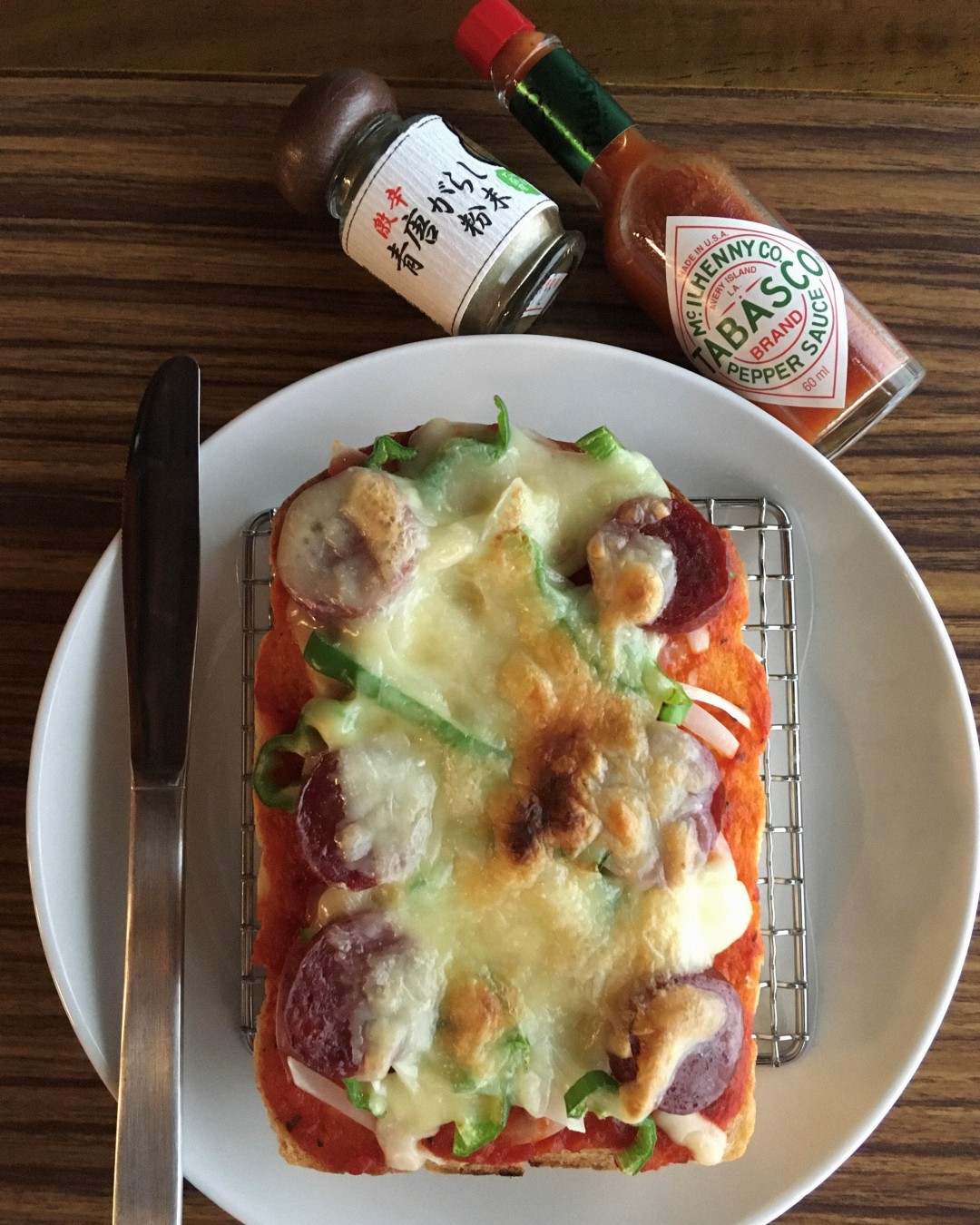
In contrast to this mood, the café’s facilities are state of the art. It has the latest equipment, including a professional Italian espresso machine and a high-performance toaster for the popular pizza toast. It offers free ultra-fast Wi-Fi, and the counter seats have outlets for anyone to use. You get retro charm and modern comfort at once. As a result, many guests linger and spend their time unhurried. Sometimes an islander and a traveler who happen to sit next to each other strike up a conversation, and then say, “Let’s go to a viewpoint that’s not in the guidebooks!” and set off on a drive together. In Japan there is a saying, “ichigo ichie” (一期一会), which means to treasure a once-in-a-lifetime encounter. With the hope that everyone’s trip to Izu Oshima becomes a wonderful memory, Hav Cafe opens its doors again today.