
Journey of Sustainability — A Porsche E-Performance Road Trip
Forty-eight hours in Wanju, Jeollabuk-do, behind the wheel of the Porsche Taycan 4S, Cayenne E-Hybrid, and Panamera 4 E-Hybrid. A road trip through culture, local food, and generous nature.
Journey of Sustainability — A Porsche E-Performance Road Trip
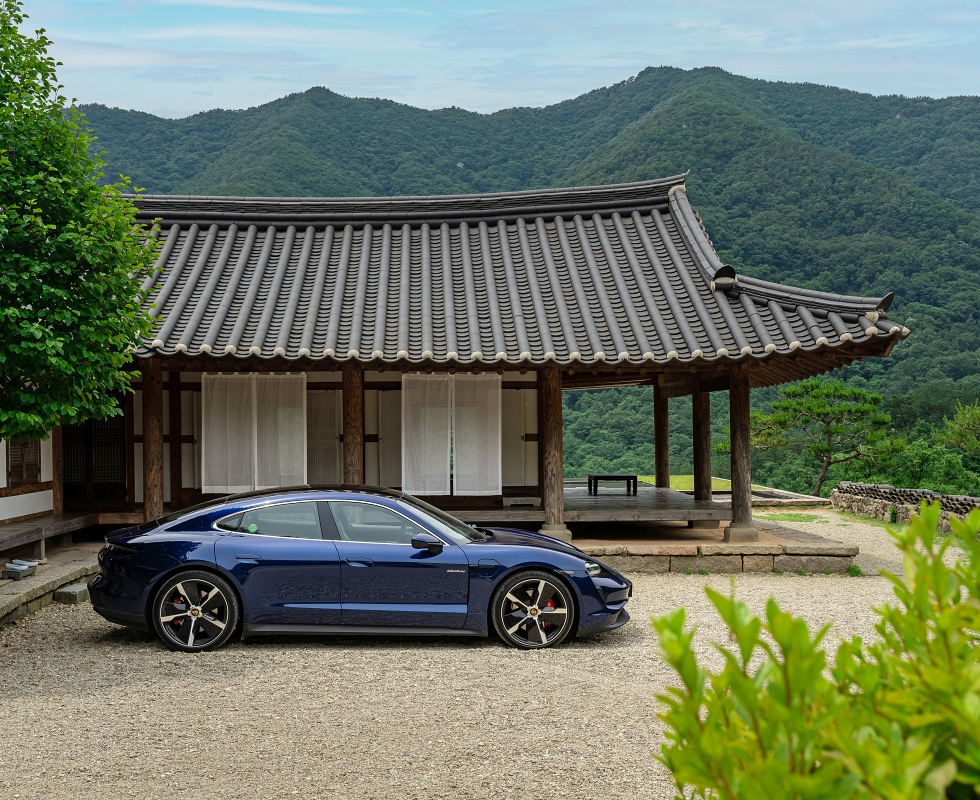
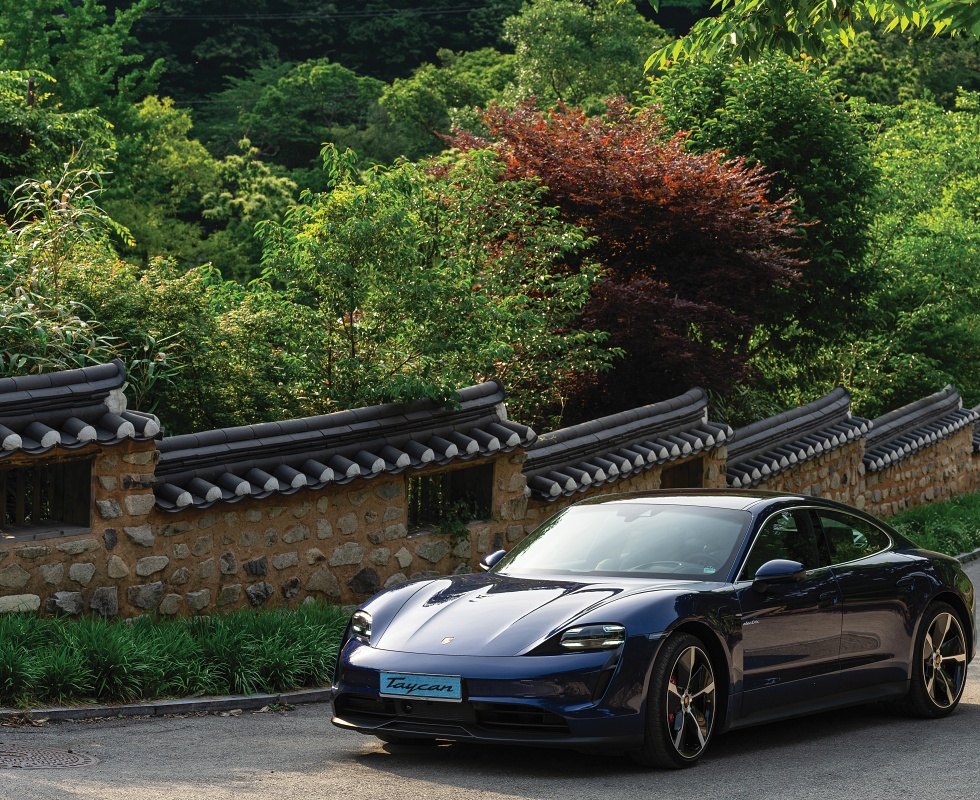
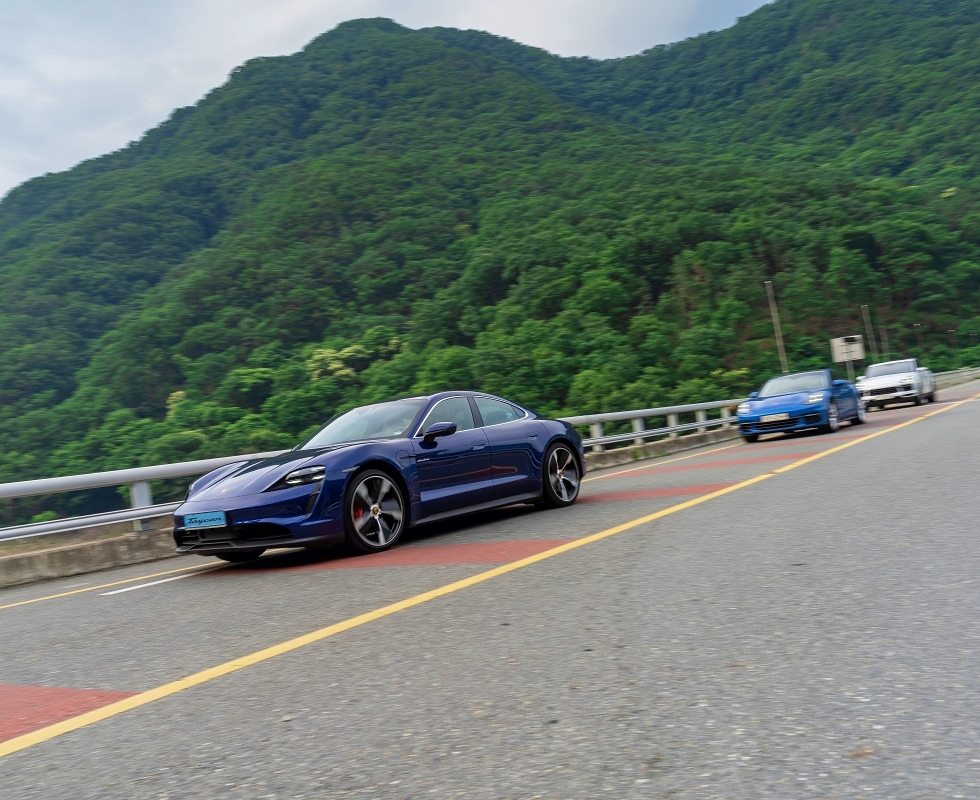
Wanju is a land of mountains, rivers, and lakes, and its people are as spacious and easygoing as the nature around them. With traditions and local character carefully tended over many years, it is a destination for true rest and renewal. We spent 48 hours there with the Porsche E-Performance lineup: the Taycan 4S, Porsche’s first all-electric sports car and a symbol of the brand’s commitment to sustainability, along with the Cayenne E-Hybrid and the Panamera 4 E-Hybrid.
Words Pyo Youngso
Photos Kim Joowon
In collaboration with Porsche Korea
Road Trip Route
Samnye Culture & Arts Village and Samnye Book Village – Bibijeong Farmhouse Restaurant – Awon – OS Gallery – Cafe Soyang – Flicker Bookstore – Gonggi Village Hinoki Cypress Forest
A trip through Wanju in the Porsche E-Performance lineup is a chance to experience the kind of sustainable journey Porsche aspires to. It takes you past Wanju’s signature spots, where tradition and local character are layered with a rich array of culture and art, and along roads that wind through the region’s abundant nature: mountains, rivers, wetlands, and reservoirs.
Day 1 / 10:00 Samnye Culture & Arts Village and Samnye Book Village
A Way to Remember a Painful History
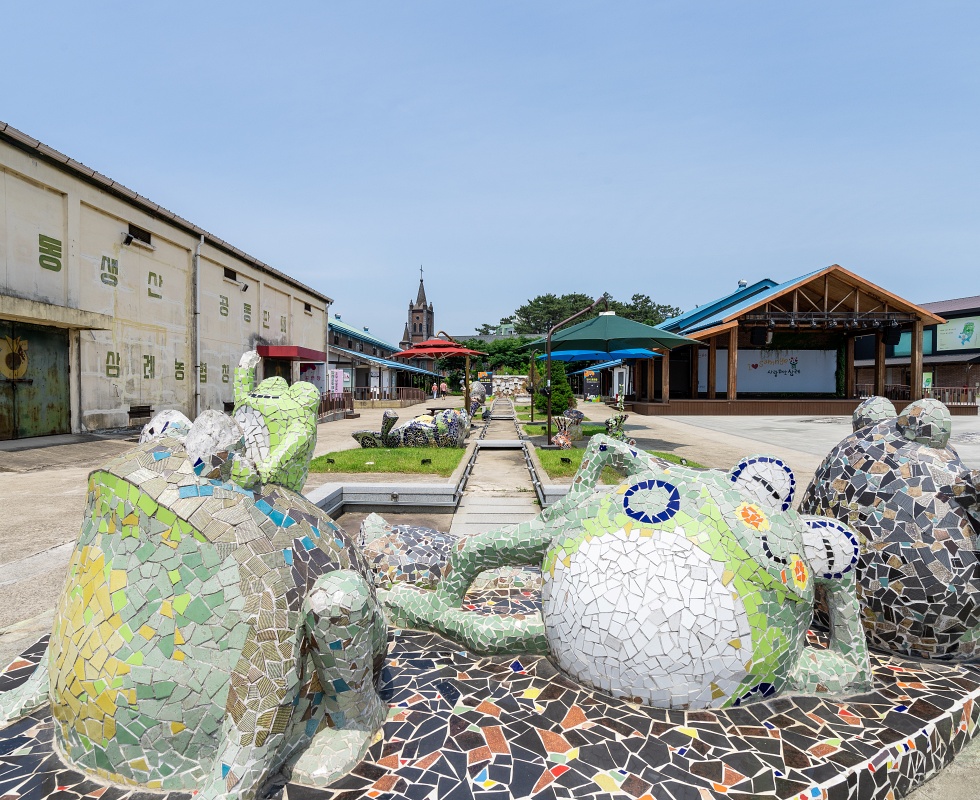
During the Joseon era, Samnye was a key transportation hub. Two great roads, one running from Hanyang (present-day Seoul) to Tongyeong and the other from Hanyang to Gwandeokjeong Pavilion on Jeju Island, both passed through it. The post station that oversaw thirteen relay stations across Jeolla-do was also here. Add the Mangyeong Plain, which spreads across Wanju, Gunsan, Iksan, and Gimje along the Mangyeong River basin, and it is little wonder the Japanese did not overlook the area during the colonial period. As large-scale farms were built across the region, grain warehouses rose in Samnye, which sits on wetlands upstream of the river.
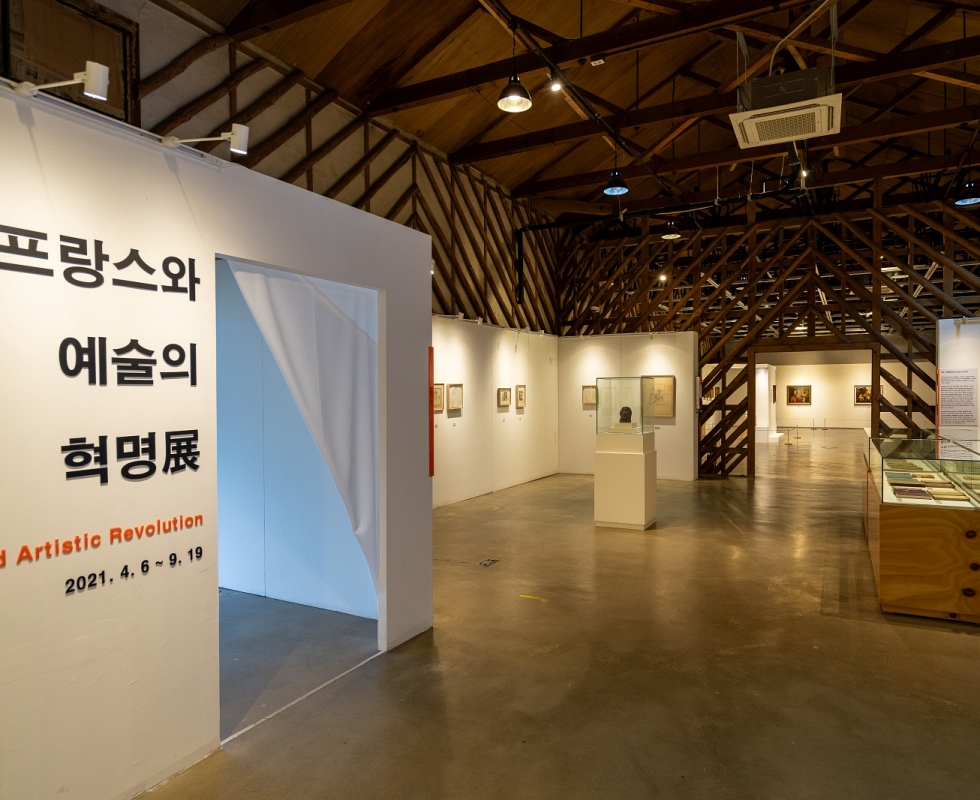
“Gwaek, gwaek, gwaek.” A single-syllable croak cuts in between the birdsong and the music drifting from the speakers, as if to prove that this was once a wide wetland along the Mangyeong River. Park Yunshin, a docent I met at Samnye Culture & Arts Village, explains that it is the call of the narrow-mouthed toad, which we can hear thanks to the rain that fell early this morning. The rice warehouses of the colonial era have been reborn as a cultural and arts space for local residents. The old storehouses and administration buildings now serve as exhibition halls and performance venues. In Exhibition Hall 1, a 100-pyeong (about 3,300 square feet) rice warehouse that once held some 10,000 sacks of rice, you can now see works by French modern painters and writers of the 19th and 20th centuries. In a building erected after liberation as an agricultural cooperative warehouse, musicals and classical concerts are staged every weekend, and there is also a space displaying photographs and paintings by Wanju residents.
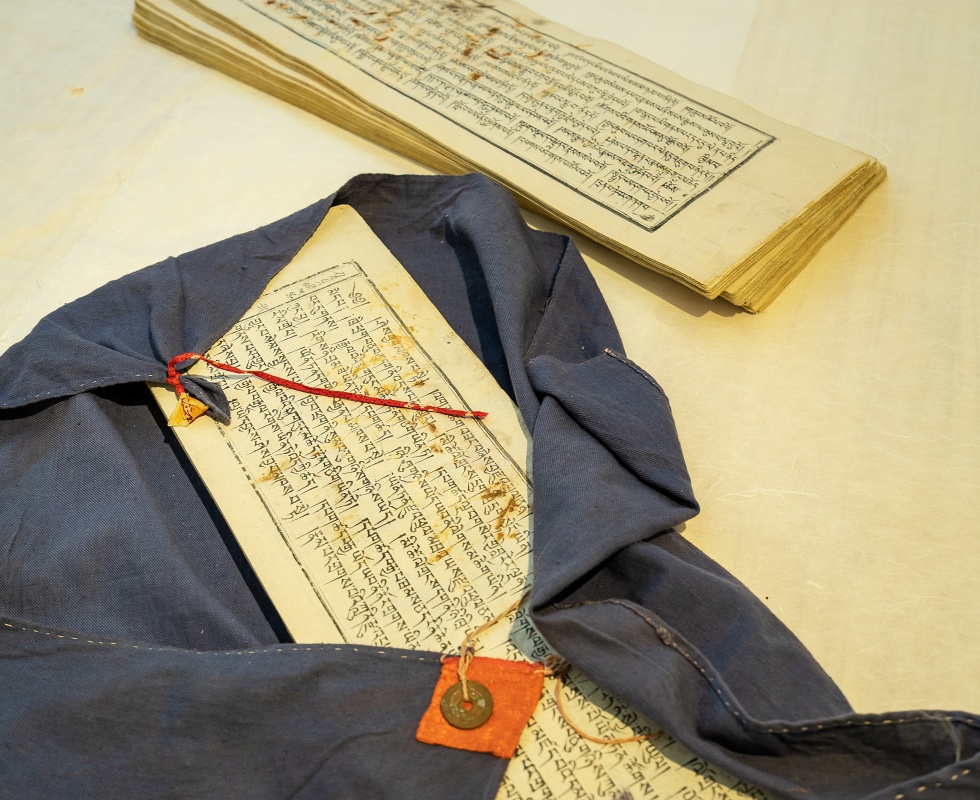
Cross a single road from the arts village and you reach Samnye Book Village. It centers on the Book Museum and the Picture Book Museum, both converted from fertilizer warehouses, and gathers around them the antiquarian bookshop Hosanbang, a secondhand bookstore whose shelves are run by local residents, and a book café and book gallery. The special exhibitions at the two museums are a must. You may walk in with modest expectations, only to be impressed again and again by subjects and exhibits of a quality rarely found anywhere else in the country.
12:00 Bibijeong Farmhouse Restaurant
A Grandmother’s Table Set with Local Food
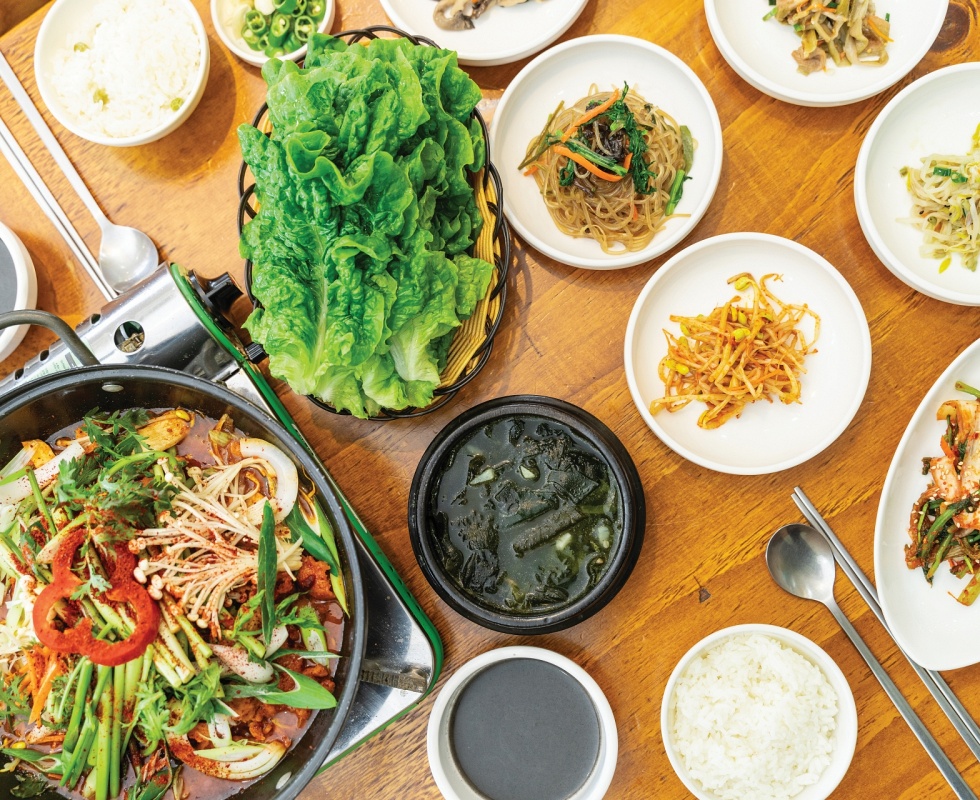
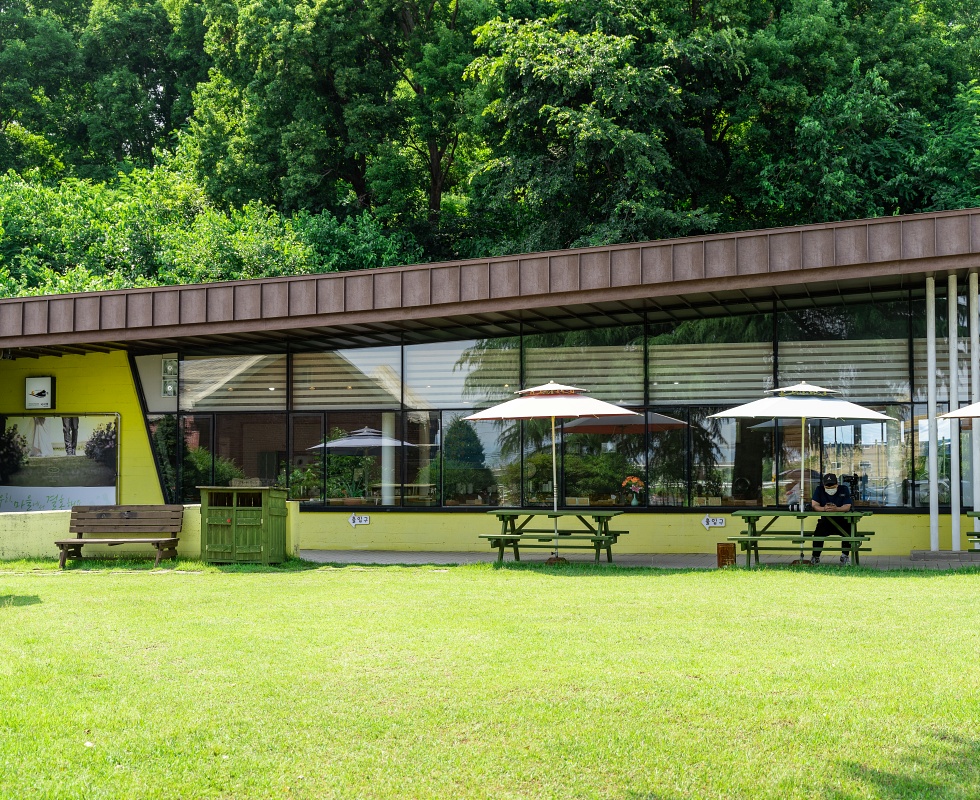
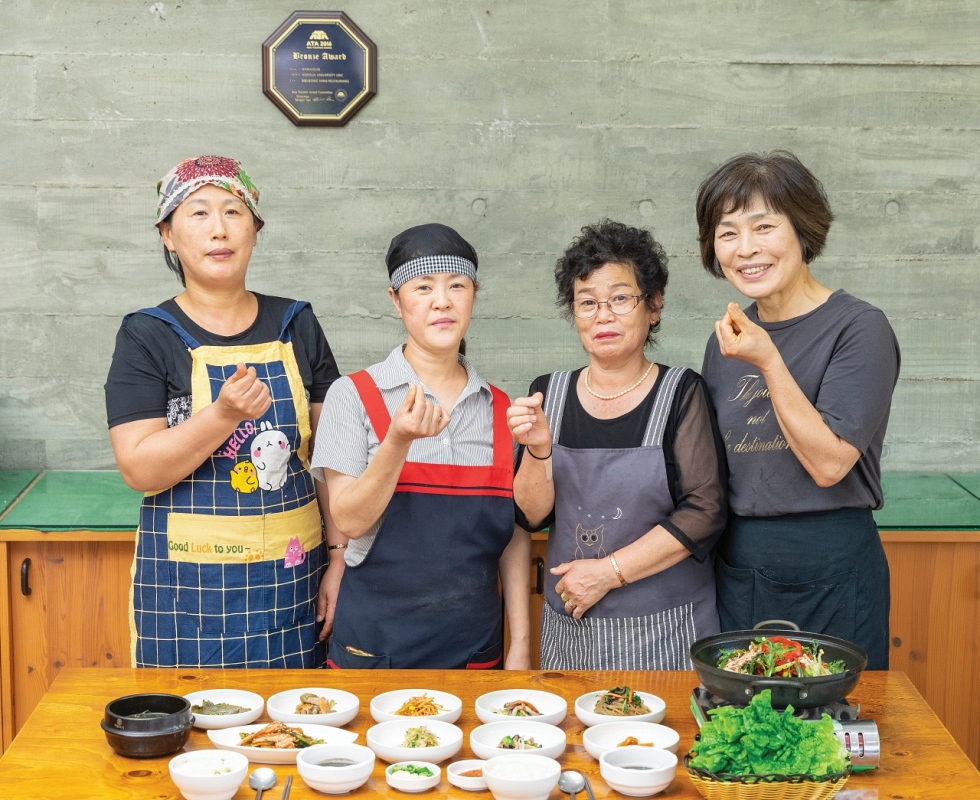
Bibijeong is a small country village on a hill overlooking the Mangyeong River. There was a time when its only claim to fame was the sunset seen from the Joseon-era pavilion that gave the village its name, but these days people come for a variety of reasons: a café and observatory with views that take in all of downtown Jeonju, and an art train on the abandoned Mangyeong River railway bridge, among them. Bibijeong Farmhouse Restaurant, where you can taste a table set with Wanju’s local produce, is another. Launched in 2012 as part of a village community project, it began by serving meals cooked by the village grandmothers themselves, and it is now counted among Wanju’s best “local food restaurants.” Instead of chemical seasoning, the kitchen uses broth simmered by hand, and most of the vegetables are harvested right in the village. The pork in the bulgogi jumulleok (marinated, stir-grilled pork) is local, too. From the ten or so side dishes to a cup of water boiled with corn, cassia seeds, and barley, you can taste the care and skill in every bite. After the meal, stroll around the restaurant’s front yard, a popular spot for weddings and events, and the old red-brick Samnye Pumping Station just across from it. Then head up to Café Bibinakan for an open, sweeping view.
17:00 Awon
Our Garden, Embraced by Mount Jongnamsan
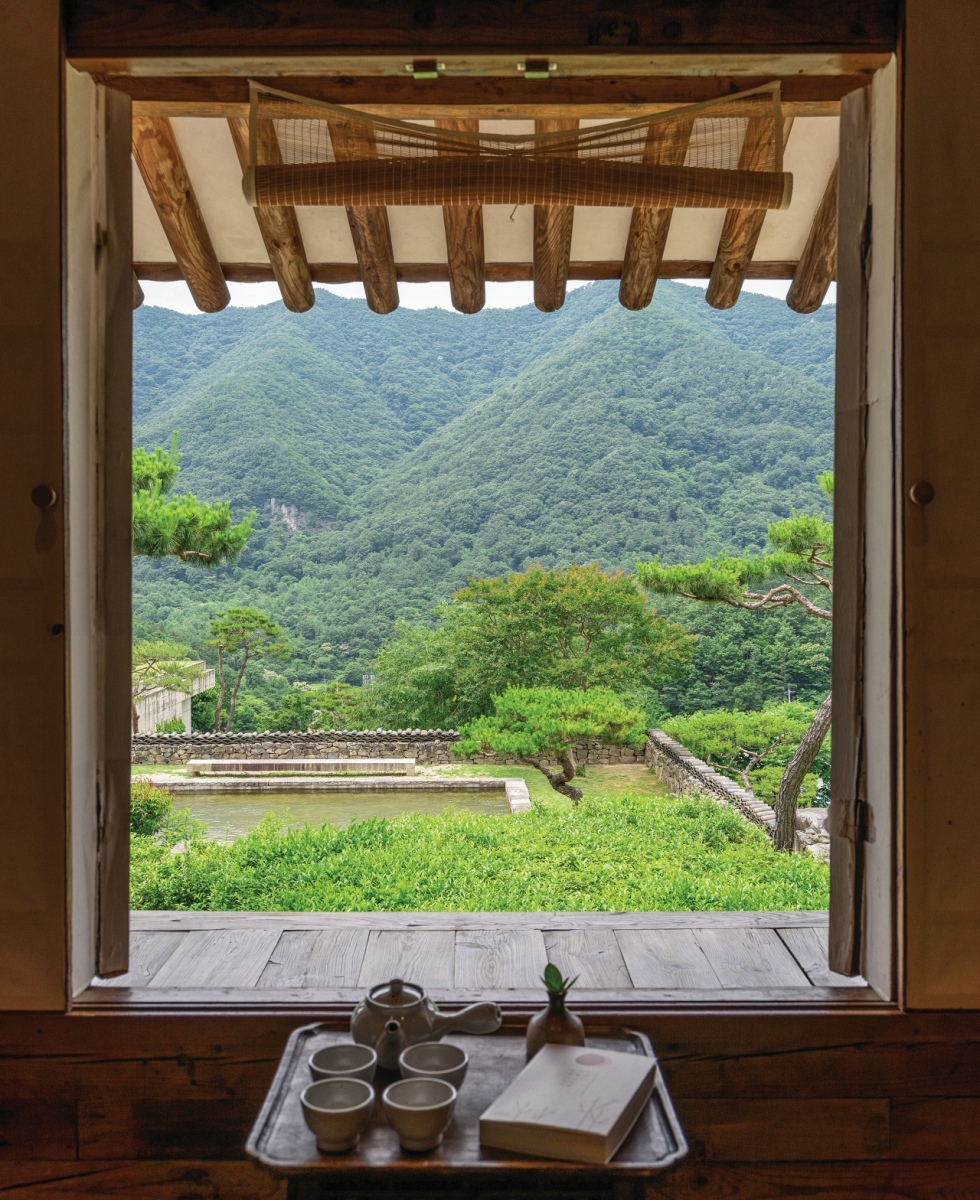
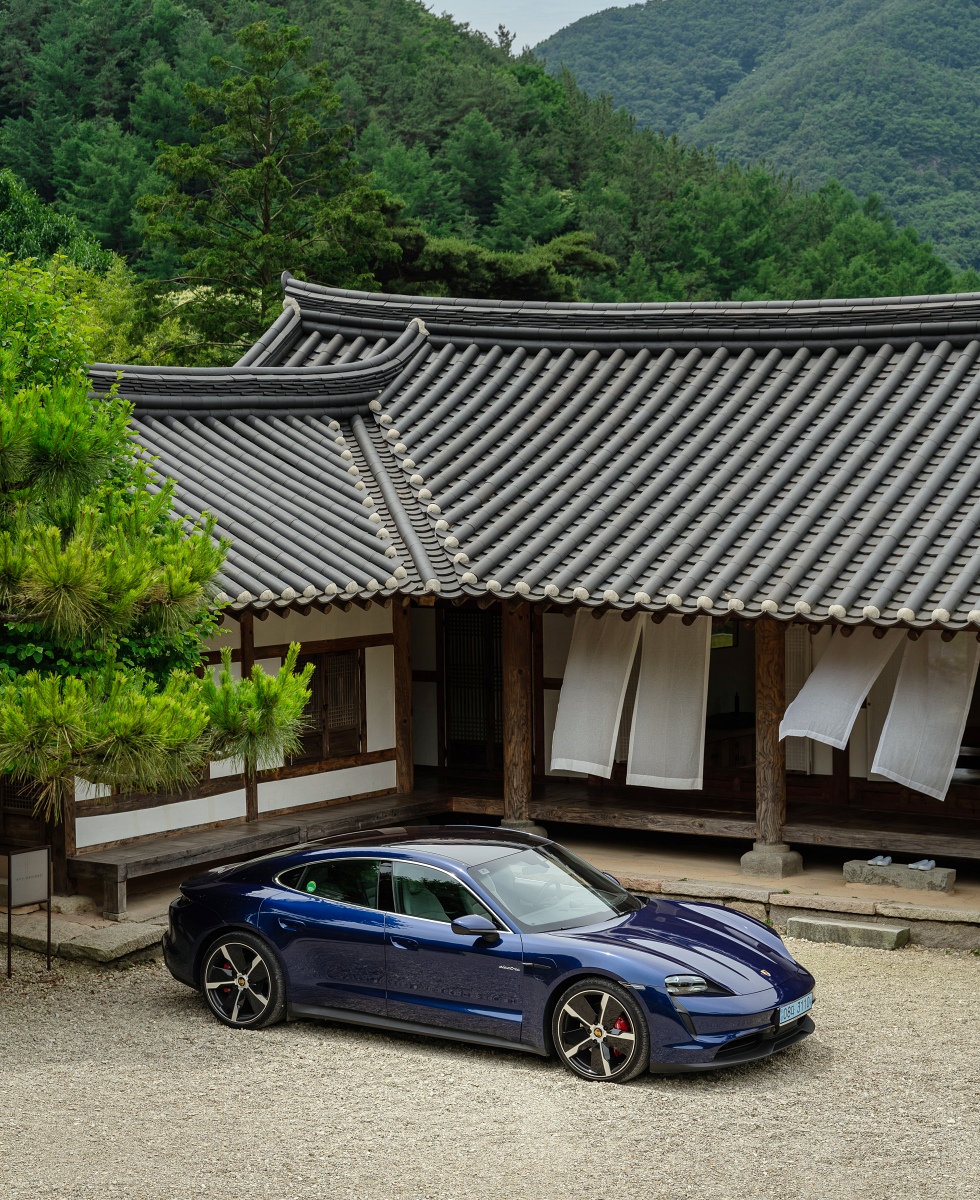
Awon is a place that moves you far more in person than in even the best photograph. To experience it properly, you should stay a night. It sits on Jongnamsan, at the tail end of the Taebaek Mountains. Owner Jeon Haegap first staked out this plot 30 years ago, when there was nothing else around in these mountains. After more than 20 years of preparation, Awon opened to the public five years ago. It is a cultural complex where a gallery and old hanok houses come together. For the stay, two traditional houses were relocated here: one 250 years old from Jinju, Gyeongsangnam-do, and one 150 years old from Jeoneup, Jeollabuk-do. Annex buildings were added to make up for the inconveniences of hanok living, so tradition and modernity coexist. The roughly 1,600-pyeong (about 5,300-square-meter) grounds are ringed on all four sides by green mountain slopes, which makes the place feel snug and yet refreshingly open. Sitting on the daecheong maru (the main wooden-floored hall) and soaking in the energy of the surrounding peaks, you may wonder what kind of eye first recognized this land. Manager Jeon Areum has the answer. “The owner says this mountain and this land caught his eye when he was at his lowest, when he had sunk to the very bottom of his heart. He says that if he’d had plenty and lived comfortably, he would never have noticed it.” That is why Awon is a garden for ‘us,’ not for ‘me,’ and it is no exaggeration to say that the true owner of this place is Jongnamsan itself.
Day 2 / 10:00 Oseu Gallery
Architecture and Art with a Philosophy
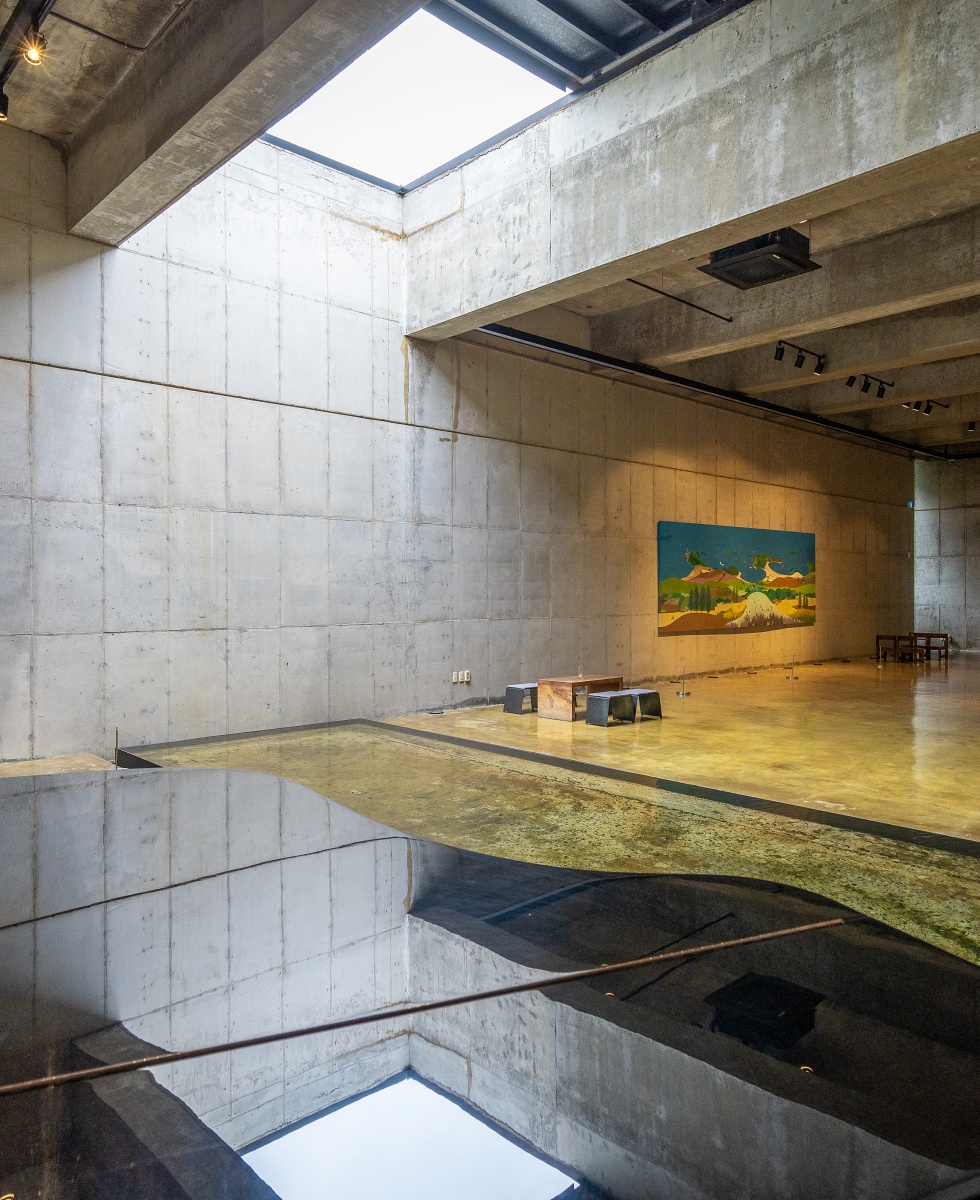
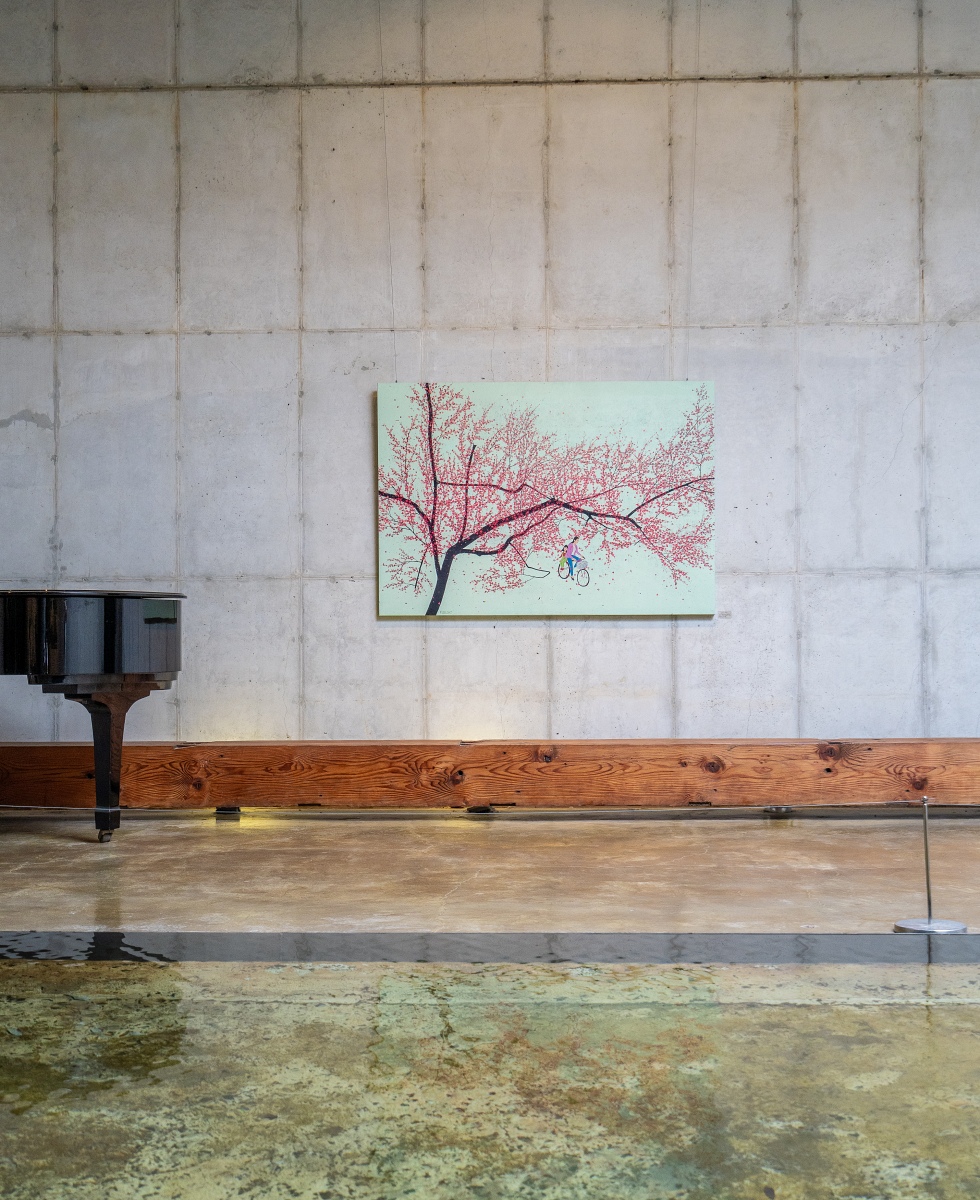
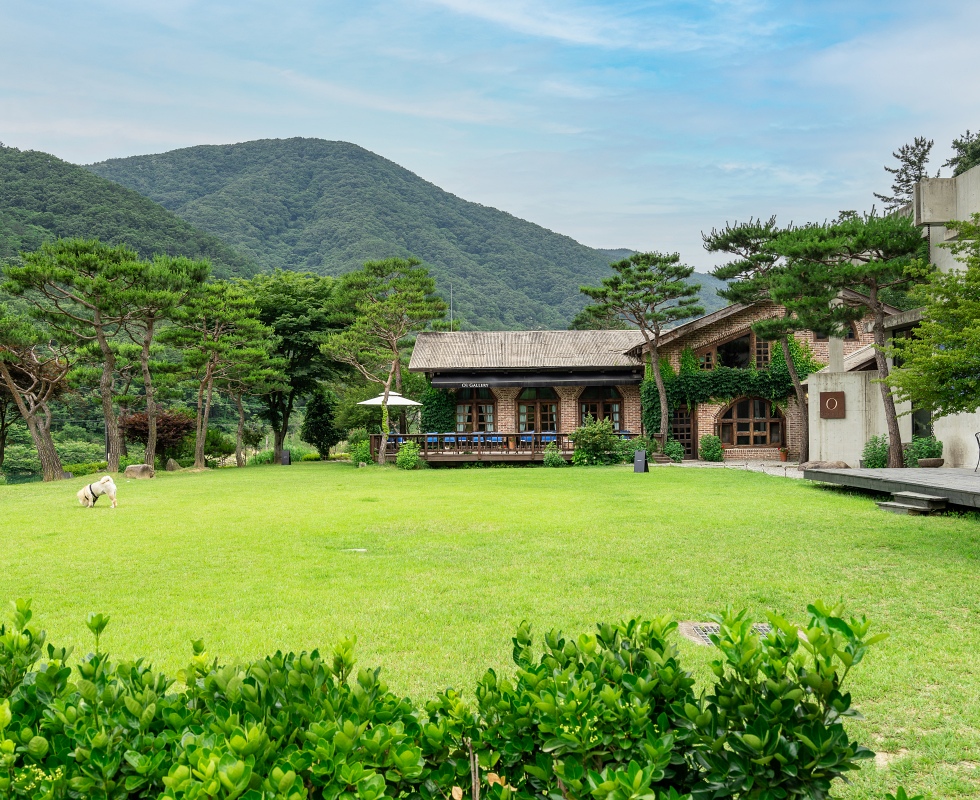
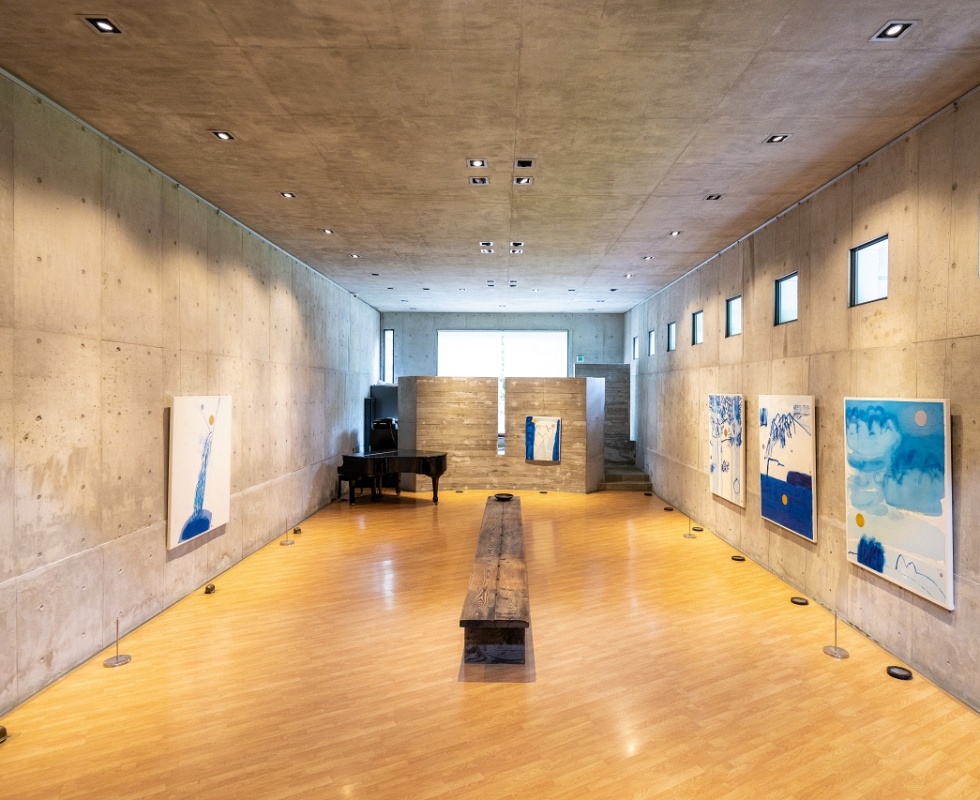
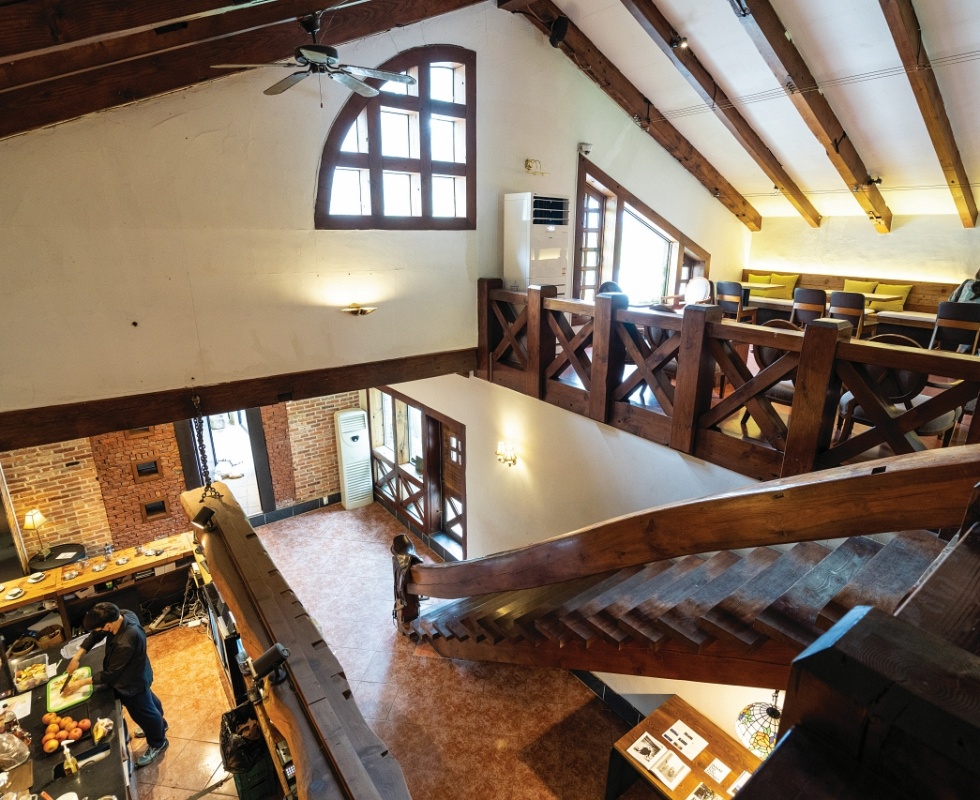
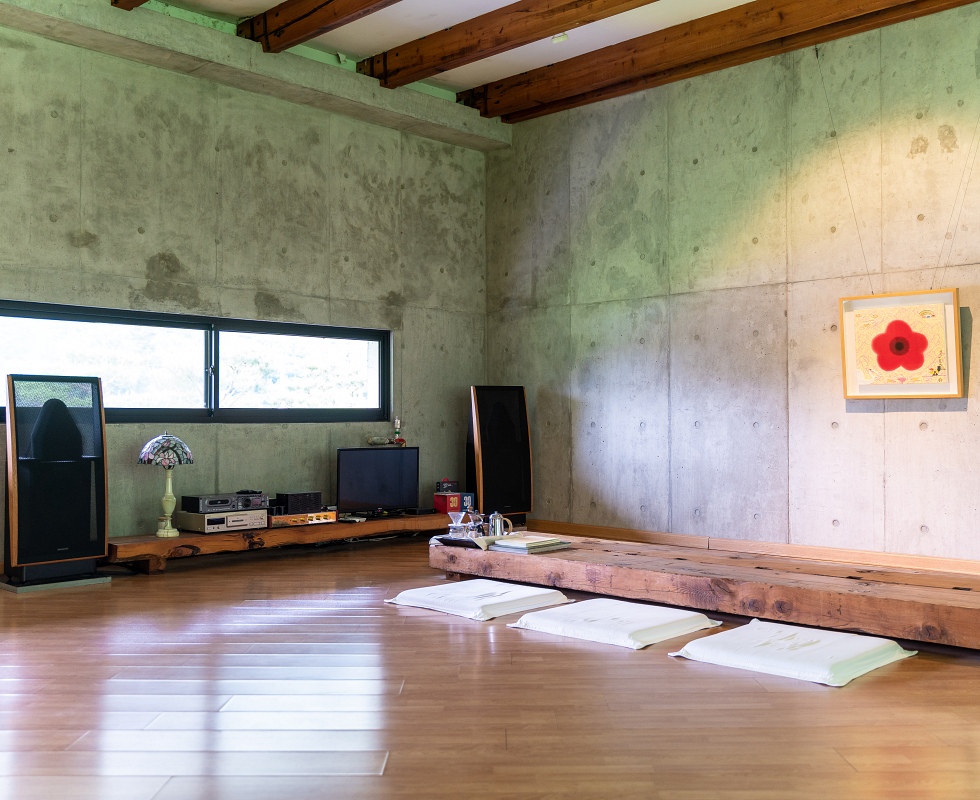
You could say that Oseong Hanok Village in Soyang-myeon began with Oseu Gallery. It stands right at the village entrance. Thirty years ago, owner Jeon Haegap converted an old silk-farming factory using old timber from Jeonju Elementary School and the red bricks salvaged when the Hwasin Department Store in Jongno, Seoul, was demolished. The building now serves as a cafe, and 20 years ago a new building was added right next to it to open the gallery. His philosophy is that even a commercial space depends on the content it holds. The owner’s thinking and taste show throughout: a music listening room tucked into one side of the cafe, and a tea room on the gallery’s second floor used as an artists’ residence. The wide garden that unfolds out front and Oseongje Reservoir are also indispensable parts of Oseu Gallery. Because the architecture doesn’t spoil the surrounding landscape, the nature is embraced whole. Like Awon, the name comes from “ours,” and because no one tries hard to possess the place, its value only grows.
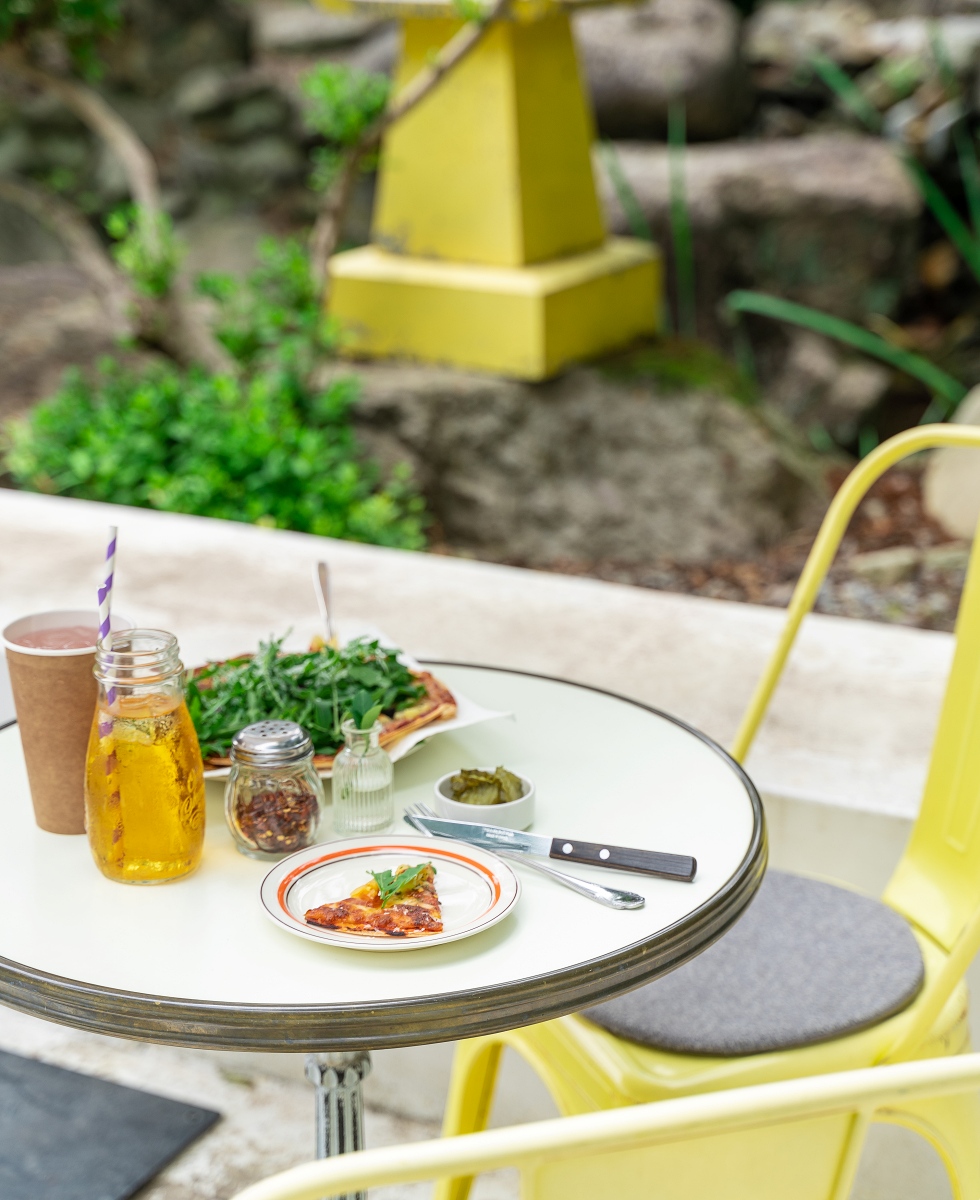
12:00 Cafe Soyang
Vintage Style in a Hanok Village
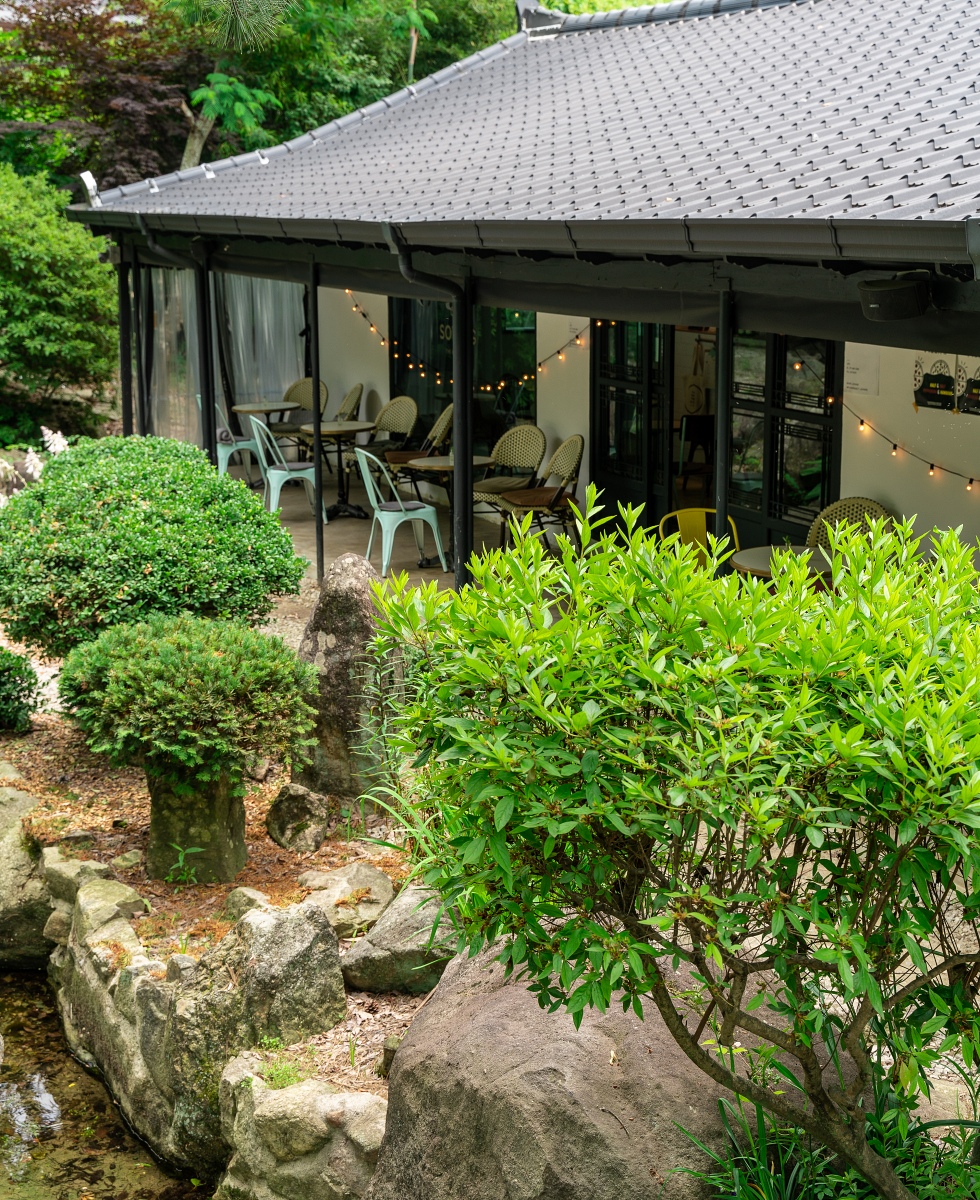
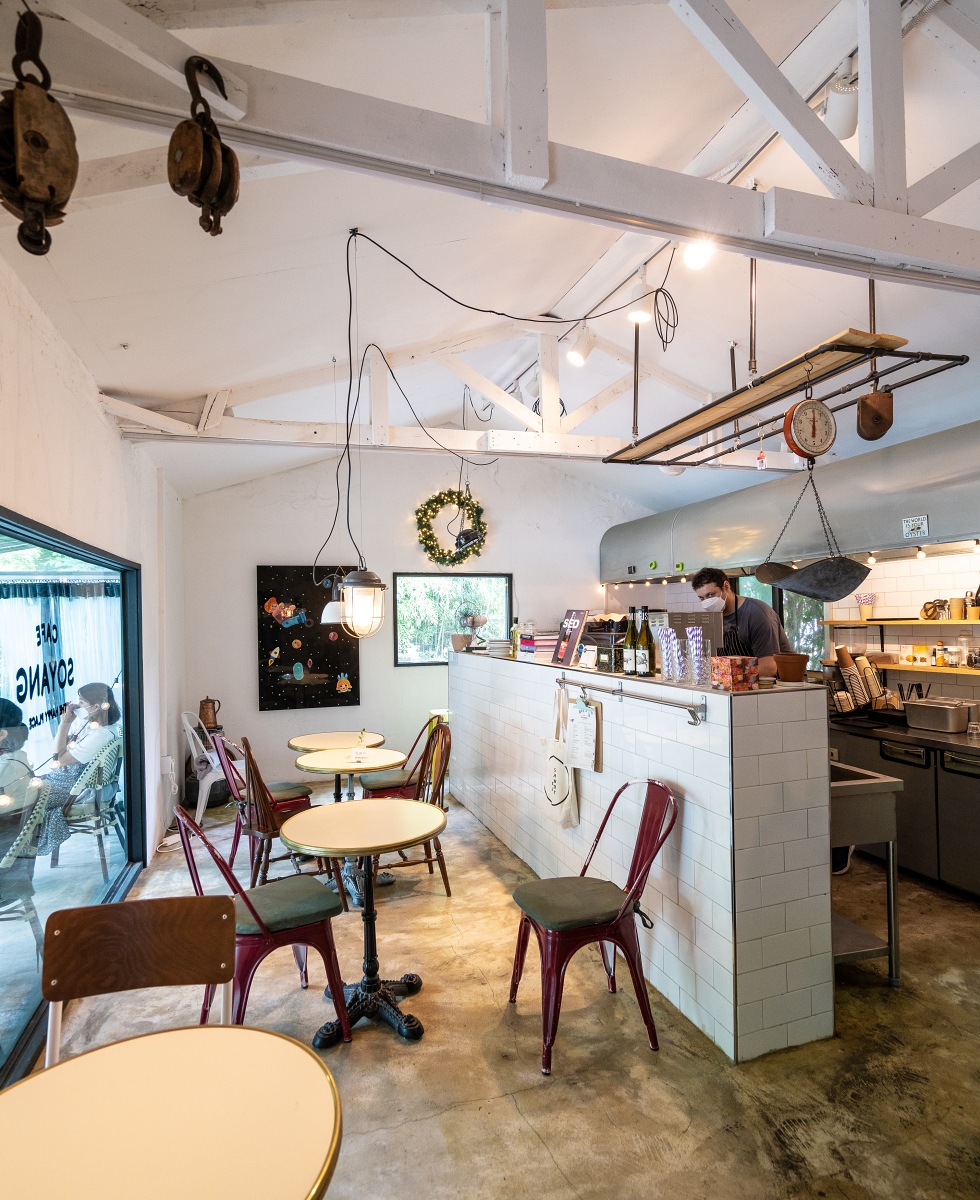
Among old houses that hold on to traditional charm, this is a place to enjoy an exotic atmosphere and flavors. It opened in a converted warehouse next to the restaurant Giyangcho in the hanok village. The interior pairs white-toned wood and floral wallpaper with outdoor tables beneath cute parasols and pastel-colored metal chairs, which makes it just right for a slice of pizza with freshly squeezed juice. The signature dish is the pepperoni and Hawaiian pizza, generously loaded with toppings. Don’t walk past Plus82 Project either, a lifestyle store sharing the same roof as the cafe. It sells stationery and small goods, including products from Rifle Paper Co., and just browsing is enough to lift your mood.
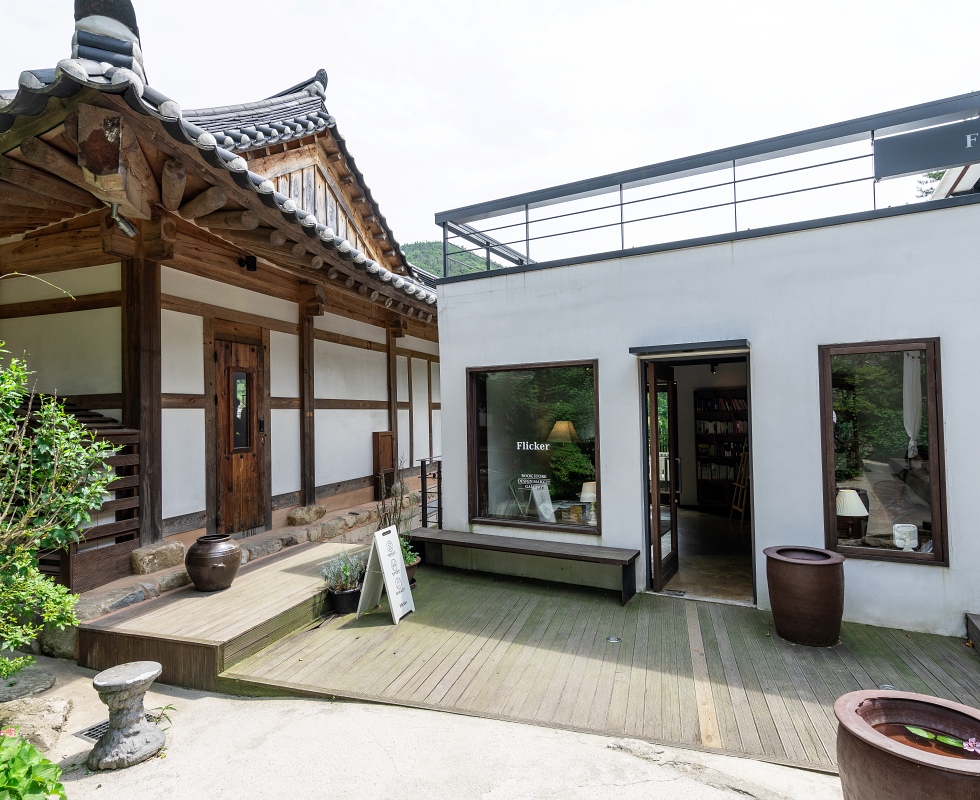
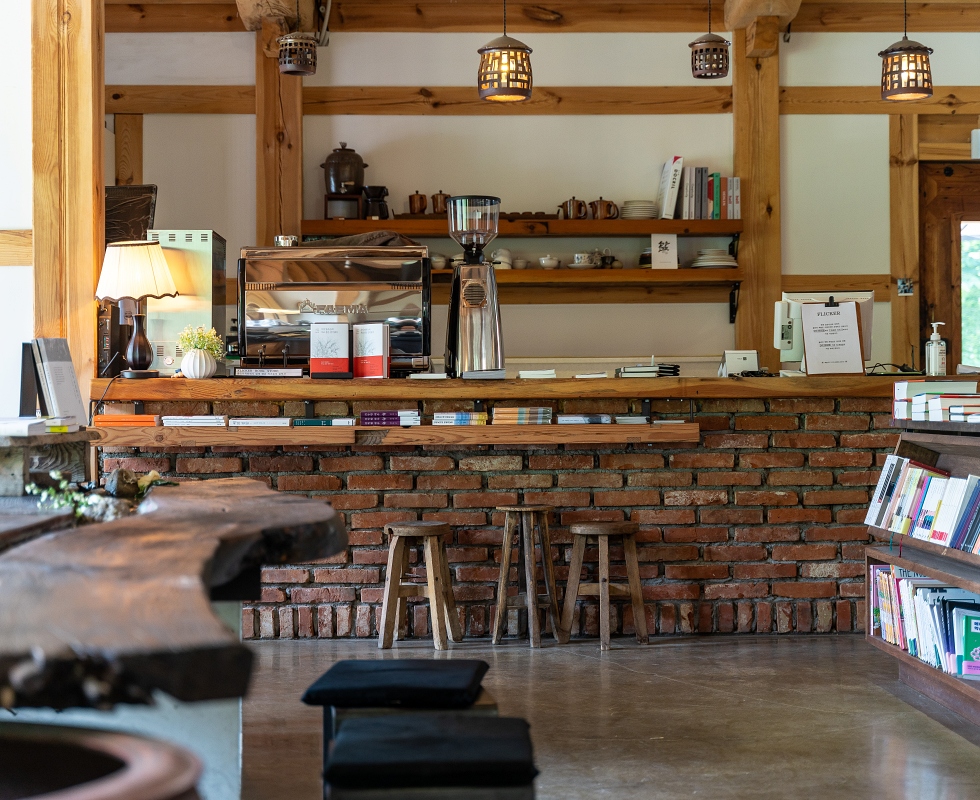
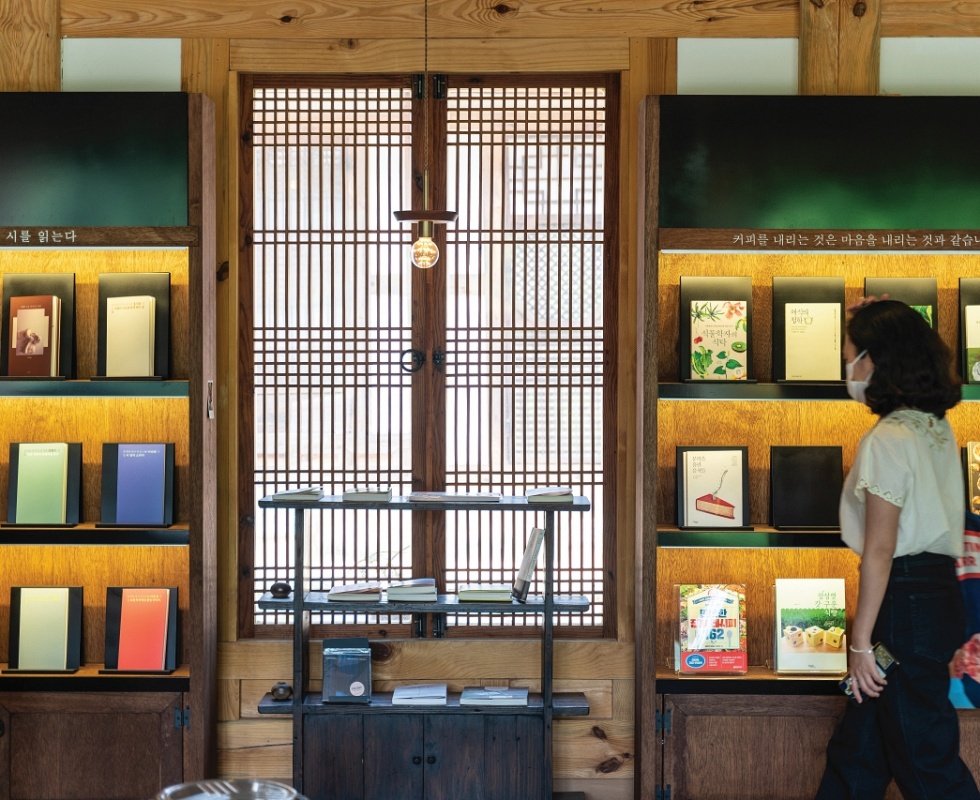
14:00 Flicker Bookstore
Where Books and Fateful Encounters Flicker By
Flicker Bookstore, part of Soyang Gotaek along with Dube Cafe, first opened in 2014. It is always described as the first independent bookstore in Wanju County, but it actually began as a service for guests staying at the hanok. The name means ‘to flicker past,’ and it embraces all the inspiration, ideas, and chance encounters that pass by through books. It is for this reason that the shop has organized events like monthly book concerts and meetings with authors, though these are on pause for now because of COVID. The store isn’t large, but its shelves are hand-curated around authors and independent titles that are hard to find through regular distribution, and browsing them is a real pleasure. Pick out a book and settle into the seating area set up in one corner. If you take your time, you can savor the tranquil atmosphere unique to a hanok bookstore much more fully.
16:00 Gonggi Village Hinoki Cypress Forest
Walk, Breathe, and Heal
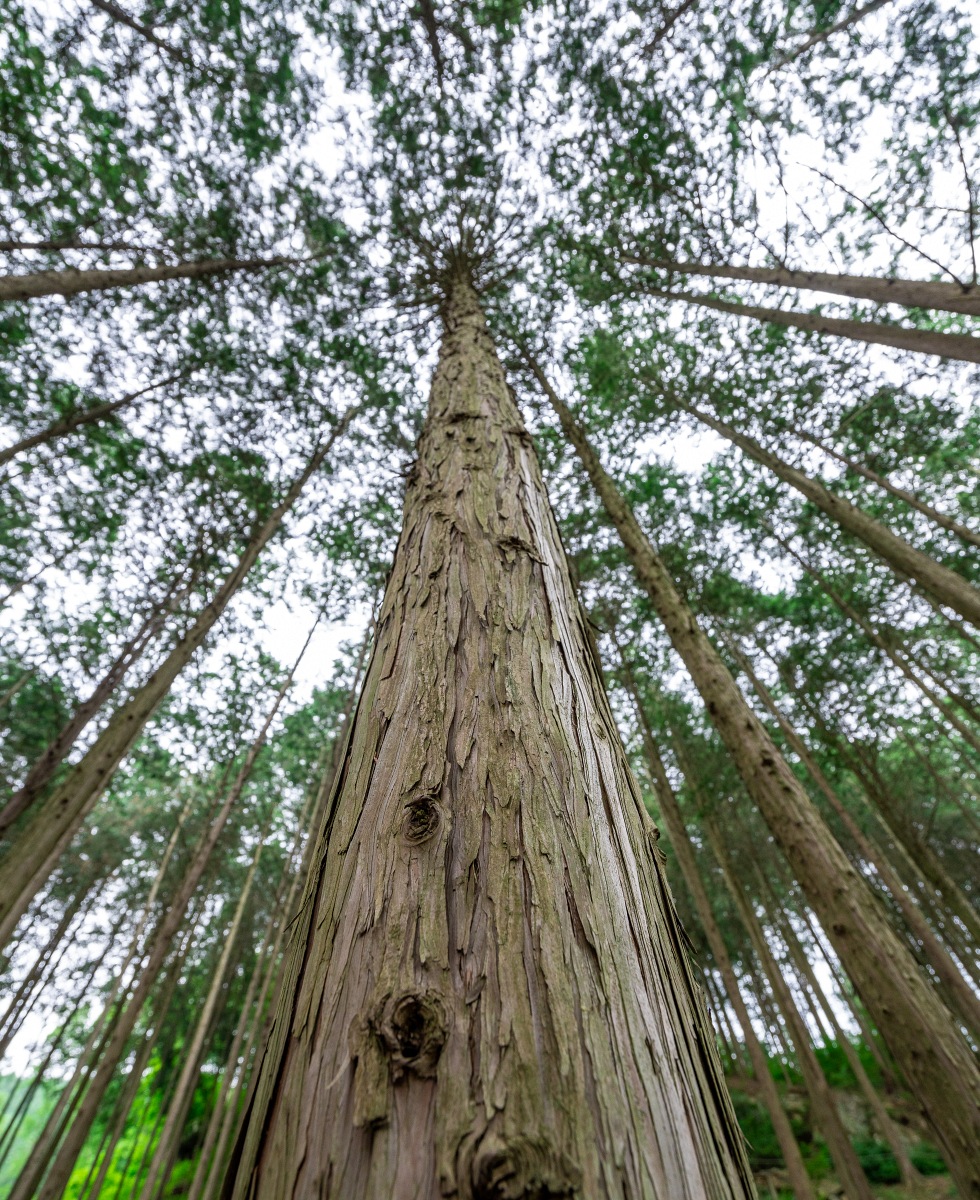
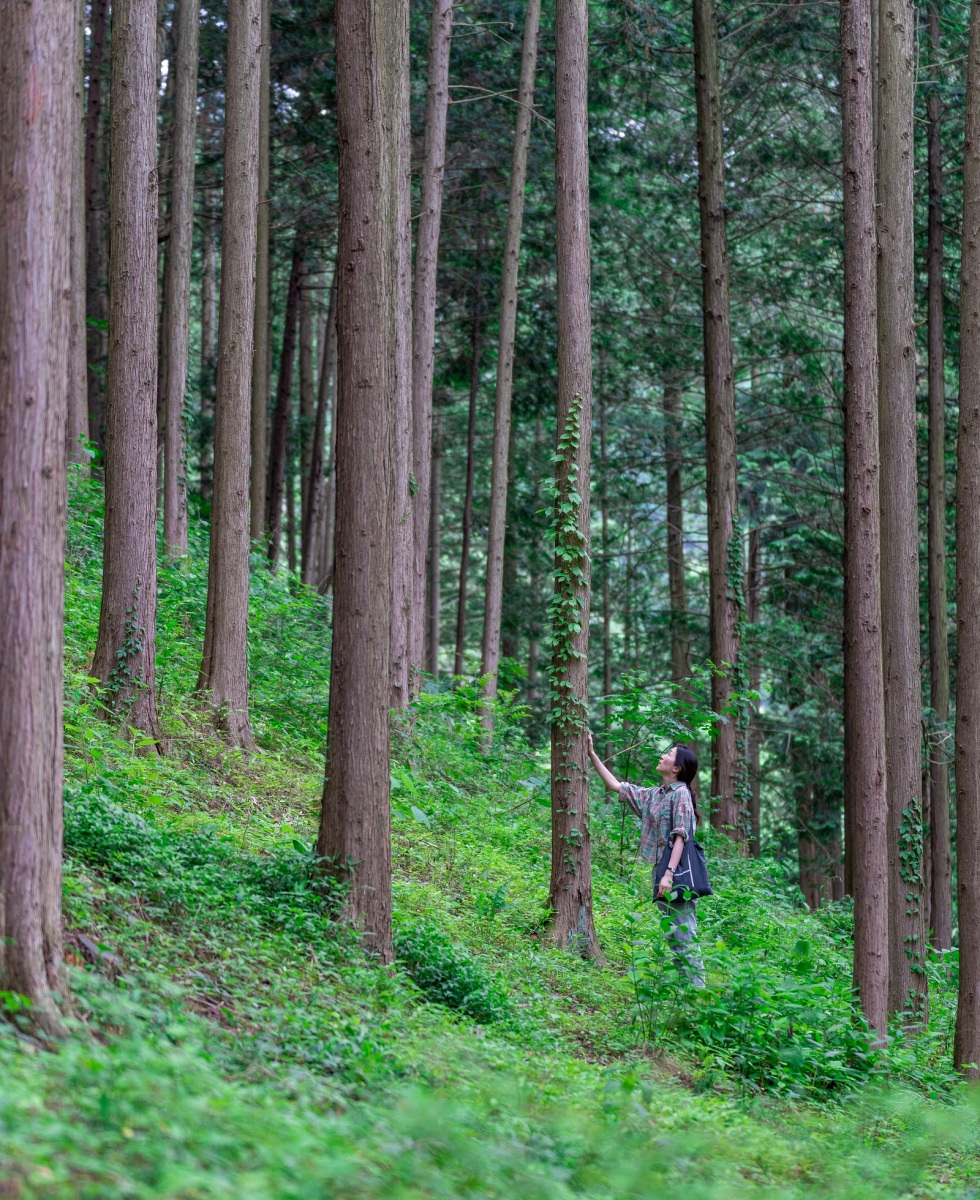
A hinoki cypress forest is a fitting way to end a trip to Wanju. It was first planted in 1976 as a private forest. In 2009, villagers pooled their efforts to build walking paths and a parking lot and began opening it to the public. Across about 86 hectares, the forest is made up of some 100,000 hinoki cypresses along with Japanese cedar, larch, and paulownia trees. A short walk from the entrance and the view is soon filled with straight, soaring cypress trunks. The pyeongsang (low wooden platforms) set among them are perfect for forest bathing. Let birdsong be your background music and lose yourself in the faint scent of cypress. Just resting a hand on a trunk and looking up to the treetops is enough to make you feel as if you’ve stepped into another world. Explore the forest along a variety of routes, from an easy cypress-lined footpath to a trail that follows the hiking route, and finish with a foot soak in the sulfur-hinoki footbath.
Driving Route 1
Daea Reservoir to Dongsang Reservoir
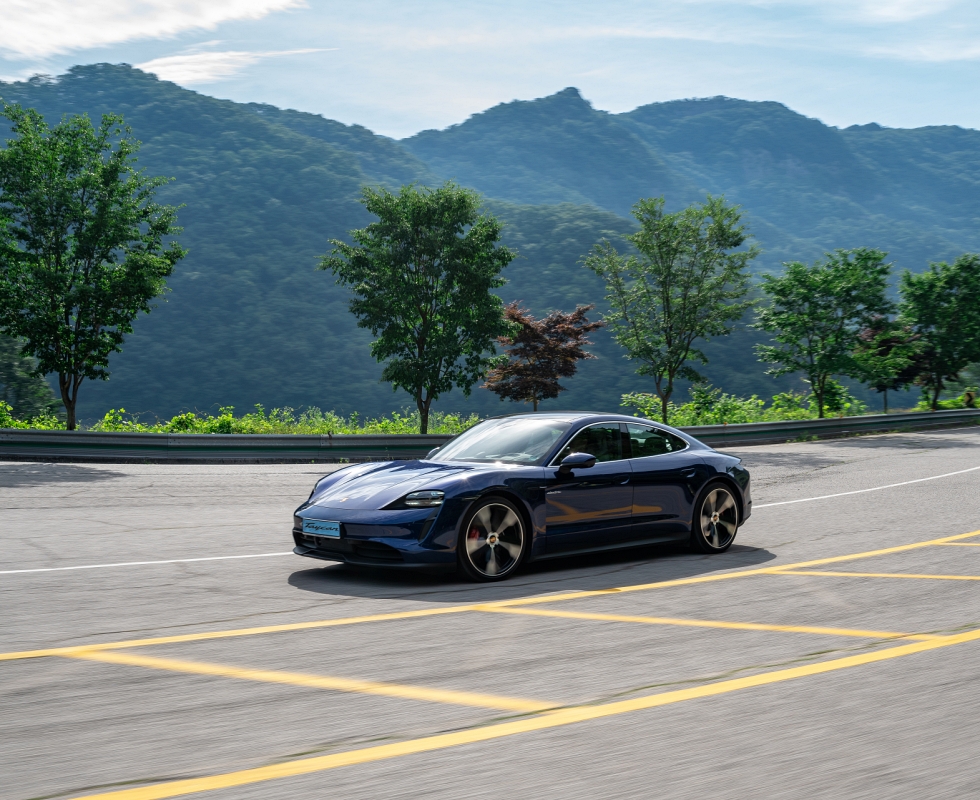
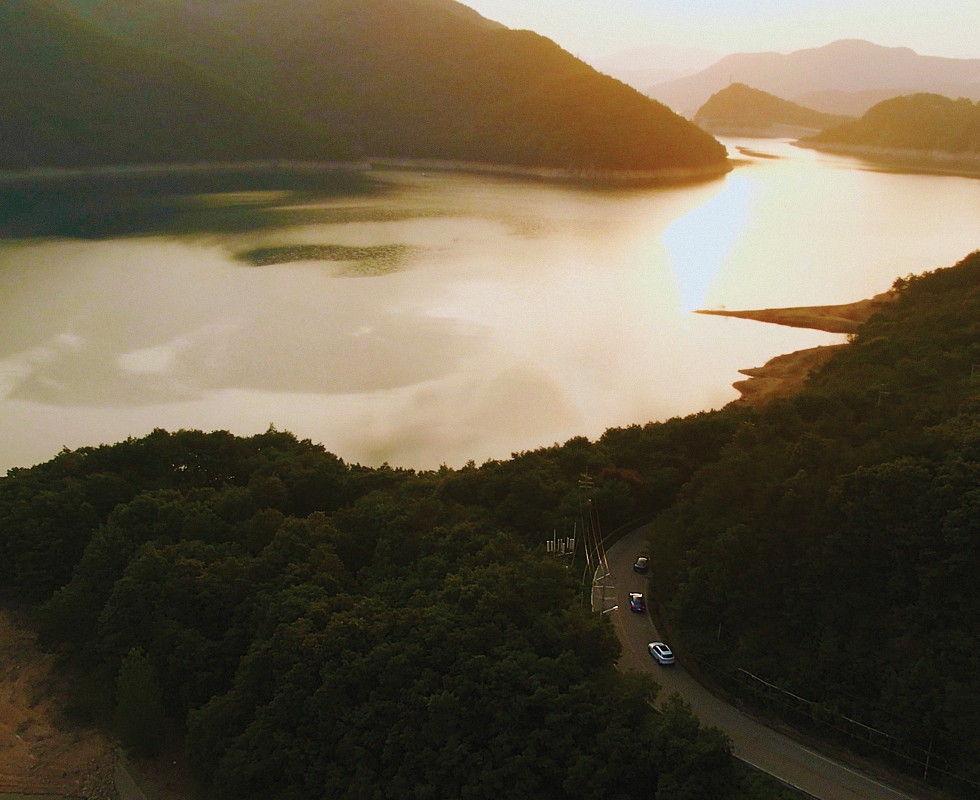
This lakeside drive runs along Local Road 732 from Daea Reservoir in Dongsang-myeon, Wanju, to Dongsang Reservoir. Along the winding 20-kilometer road, you can enjoy gentle mountain scenery and water whose beautiful color changes by the minute. On a clear day, we recommend going around sunset, when the setting sun turns the lake a glittering red.
Driving Route 2
Manggyeong River Levee Road
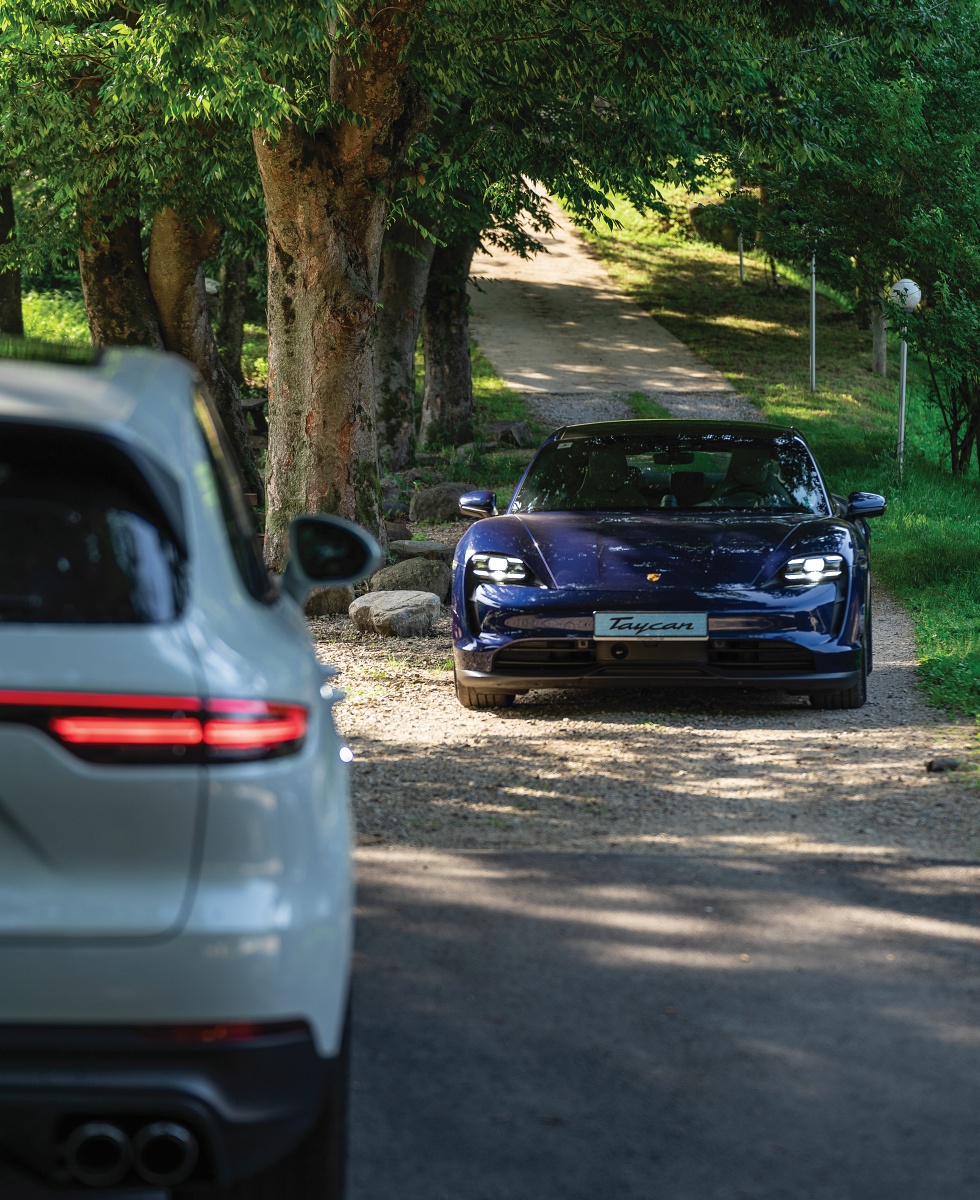
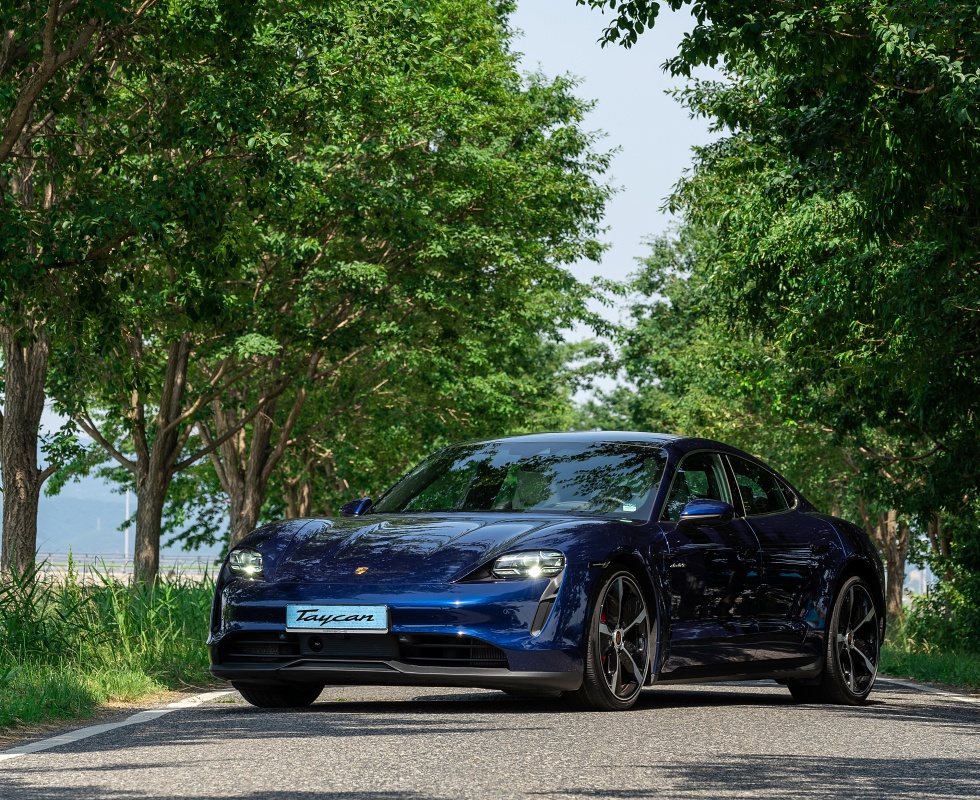
The levee road that follows the Manggyeong River from Samnye to Mokcheonpo in Iksan offers a unique ecosystem where river and wetlands meet, along with wide-open views. The stretch that skirts the Sincheon Wetland near Hari Bridge and passes beneath a tunnel of trees is especially atmospheric. Bike paths and walking trails run alongside the levee, so it is also a good place to pull over and rest during your drive.
Porsche E-Performance
Porsche E-Performance Opens the Age of Sustainability
Porsche Taycan 4S
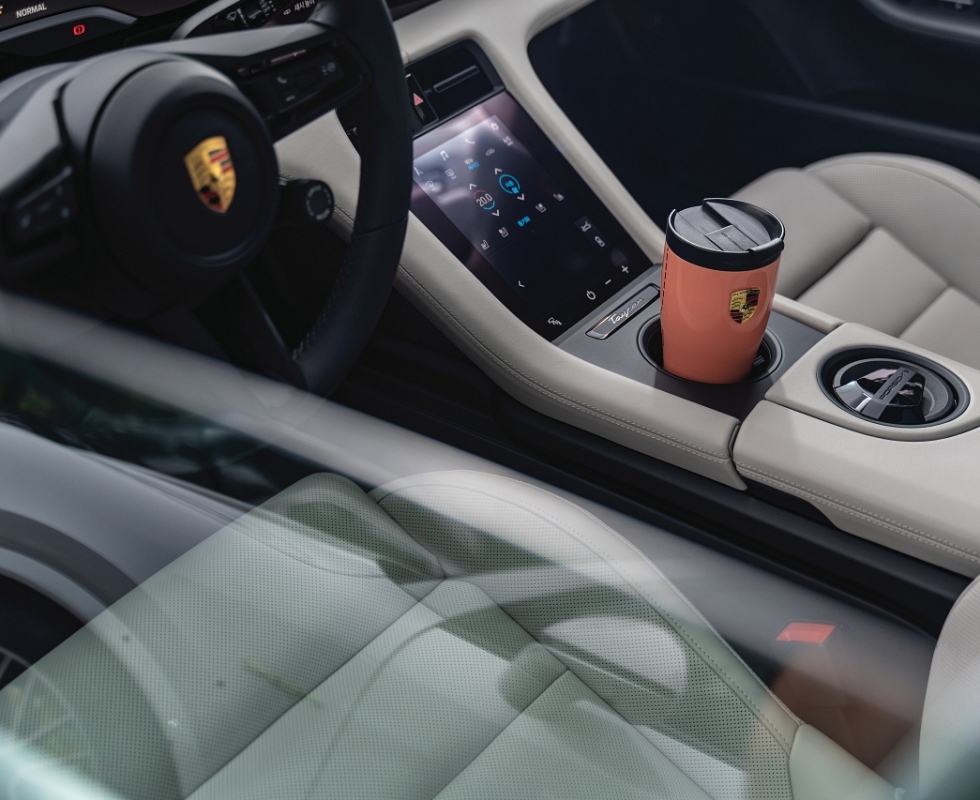
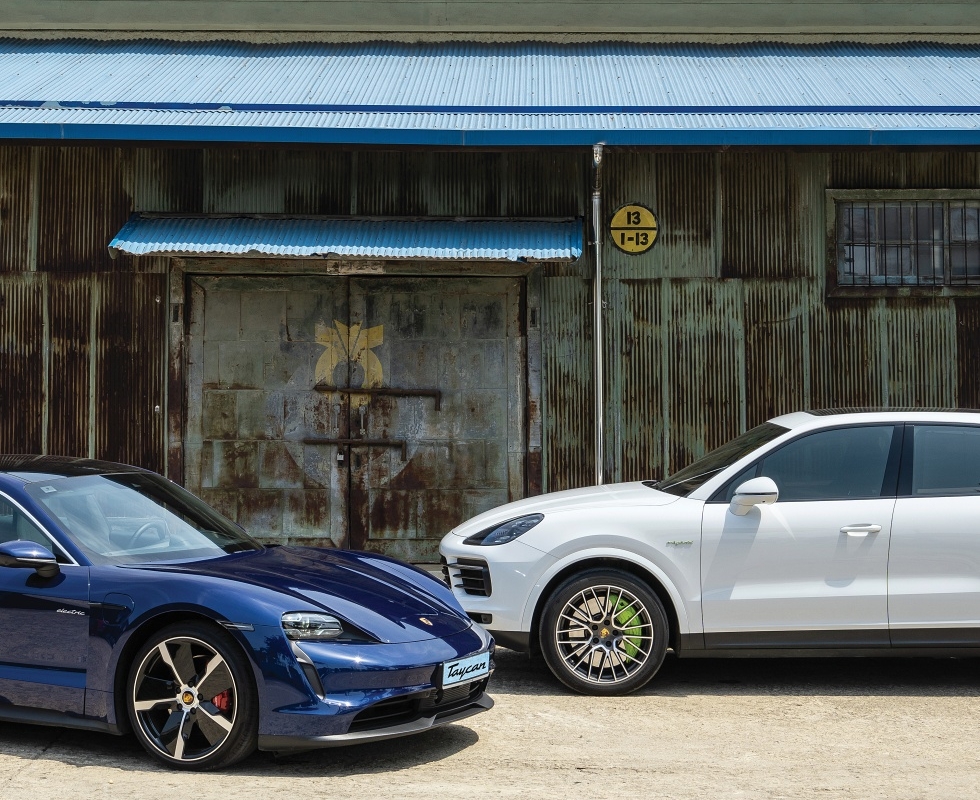
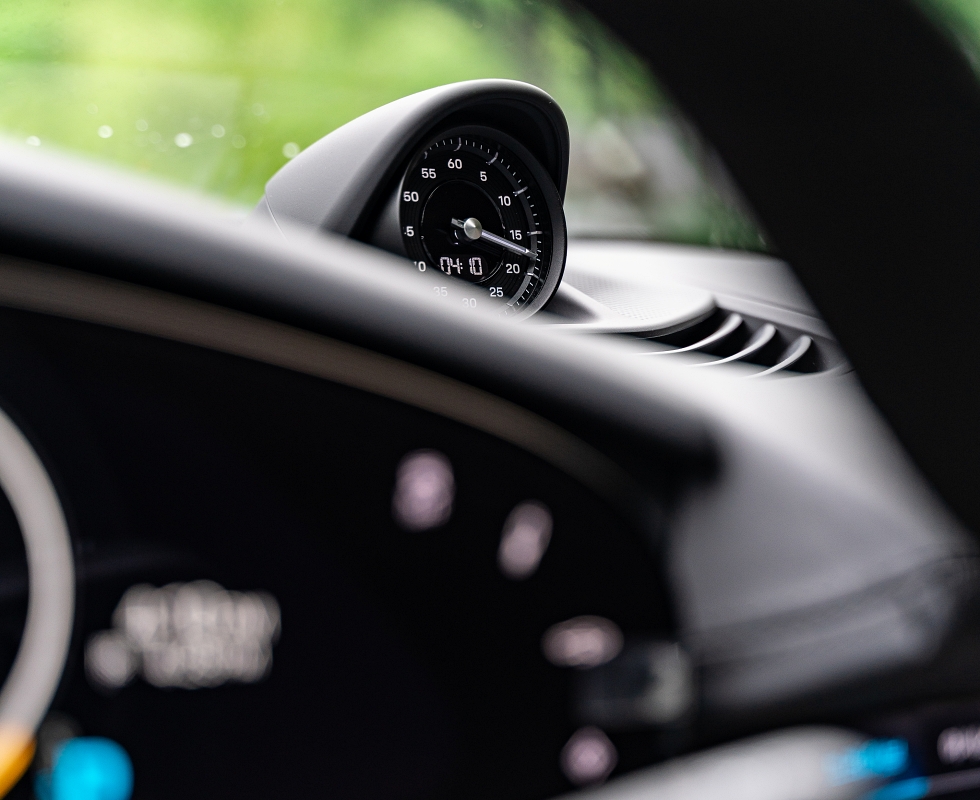
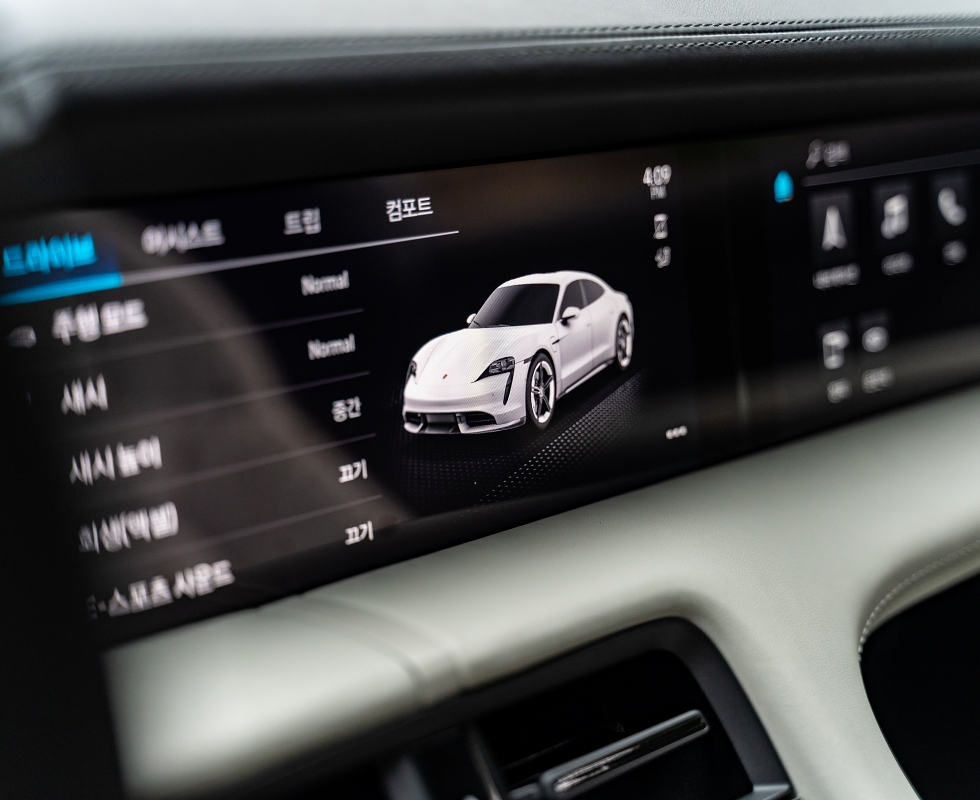
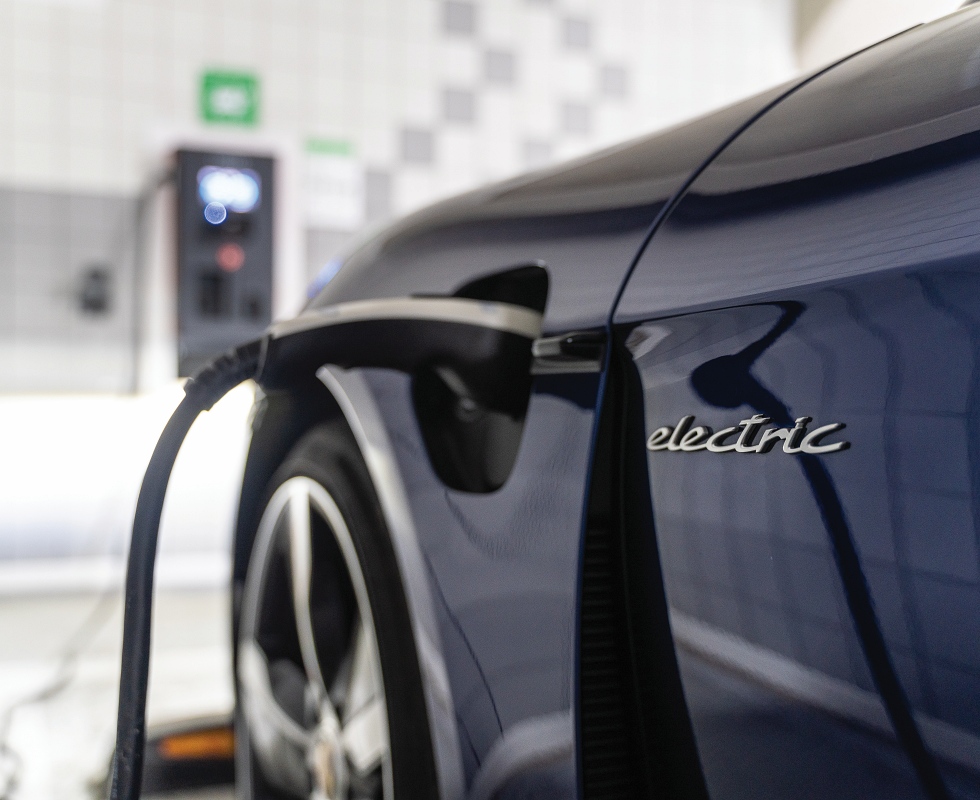
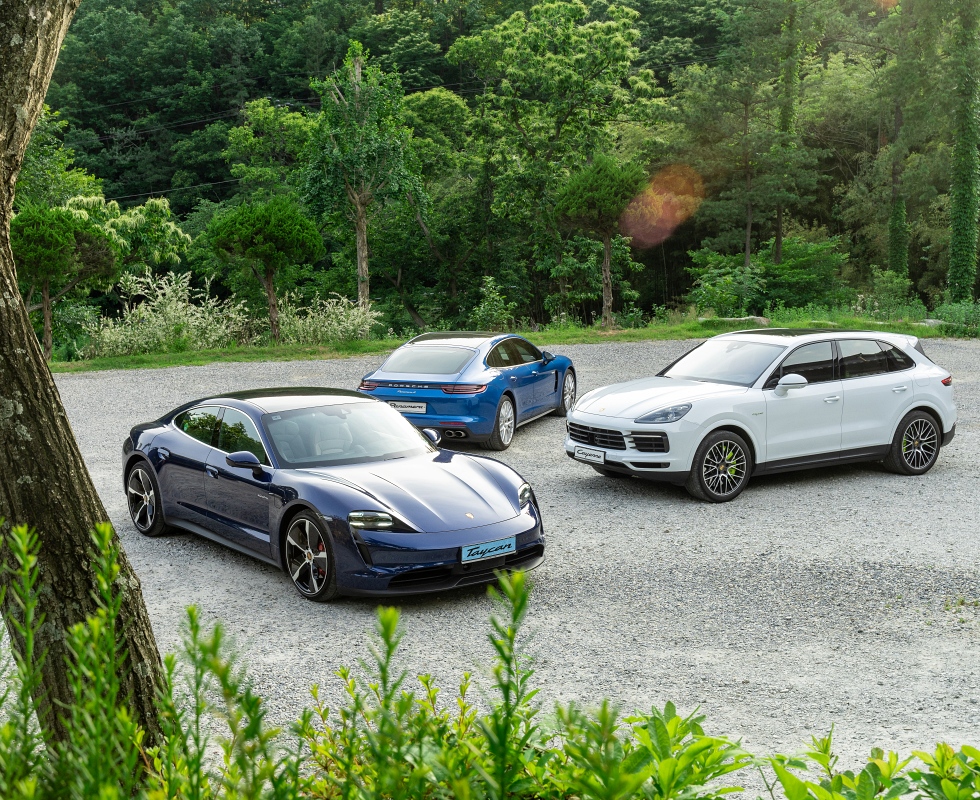
The Taycan, Porsche’s first fully electric car, ushered in a new era for sports cars. The Taycan 4S, launched last year, is equipped with the Performance Battery Plus, delivering up to 571 horsepower. It accelerates from a standstill to 100 km/h in just 4 seconds, with a top speed of 250 km/h. The moment you press the pedal, your body is pressed into the seat as if you were on a roller coaster, and instant power and thrilling speed run through you. In a word, the Taycan turns the fun of electric driving, something we could only imagine, into reality. It is also the first to adopt an 800-volt system instead of the 400 volts used in conventional EVs, so five minutes of fast charging adds up to 100 km of range. Porsche’s signature flowing, refined design sense is another essential element. From the sleek yet edgy silhouette to the clean-lined interior made with innovative recycled materials and the panoramic glass roof that gives a sense of openness, it has more than enough to set a new standard for future-minded, eco-friendly sports cars.
*Charging times may vary depending on various physical conditions and environments.
Porsche Panamera 4 E-Hybrid
Combining luxurious ride comfort with dynamic performance, the Panamera sports sedan has continued to evolve. Pairing a 2.9-liter V6 twin-turbo engine with an electric motor, it produces a maximum of 462 horsepower and reaches a top speed of 280 km/h, accelerating from a standstill to 100 km/h in a mere 4.4 seconds. It is performance worthy of the definitive luxury sports sedan.
*The specifications described differ from the vehicle in the image above and reflect the most recent data for the same model.
Porsche Cayenne E-Hybrid
The Cayenne E-Hybrid was born where sustainability meets the dynamism of a sports car. Combining a 3.0-liter V6 turbocharged engine with an electric motor, it delivers a maximum of 462 horsepower. It accelerates from a standstill to 100 km/h in 5 seconds, with a top speed of 253 km/h. It can also be charged easily at any public charging station and driven on electric power alone. You can switch between the driving modes ‘E-POWER,’ ‘HYBRID,’ ‘SPORT,’ ‘SPORT PLUS’ and ‘INDIVIDUAL’ with a single button, so the driving fun that makes a Porsche a Porsche is never missing.


