
Journey of Innovation — A Drive That Inspires
Behind the wheel of the Porsche Cayenne E-Hybrid, we drive a route that moves between city and nature, adventure and rest, linking places that spark inspiration, all in electric E-Power mode.
Journey of Innovation — A Drive That Inspires
Traveling in the Porsche Cayenne E-Hybrid means approaching nature in an unprecedentedly innovative way. The driving route “Pitch by Magazine” designed for E-Hybrid electric-powered driving moves between city and nature, adventure and rest, connecting places of inspiration.
Words Lee Kiseon
Photos Kim Joowon
Supported by Porsche Korea
Driving Route
❶ Sikmulgwan PH – 20km – ❷ Elefant – 40km – ❸ Yongin Natural Recreation Forest – 26km – ❹ GHGM – 13km – ❺ Dusugobang
With two slow-charging stops, this route can be completed entirely in the Cayenne E-Hybrid’s electric-motor E-Power mode. Set out from Sikmulgwan PH and drive toward Misa Riverside City, where lunch awaits at Elefant. Slow EV chargers are available nearby at the Misa 1-dong Community Service Center and the Hanam Knowledge Center. The next stop, Yongin Natural Recreation Forest, is about an hour from Elefant. Enjoy the refreshing drive along National Route 45. You can slow-charge in the recreation forest’s parking lot. After leaving the forest, follow National Route 45 and switch to National Route 43, and you will reach GHGM in about 30 minutes. Finally, spend the evening in Gwanggyo, which has become a hot spot. It is a 30-minute drive from GHGM to Alleyway Gwanggyo, and Gwanggyo Lake Park, near Alleyway Gwanggyo, is a good place for a short stroll. Total travel time is 2 hours 30 minutes.
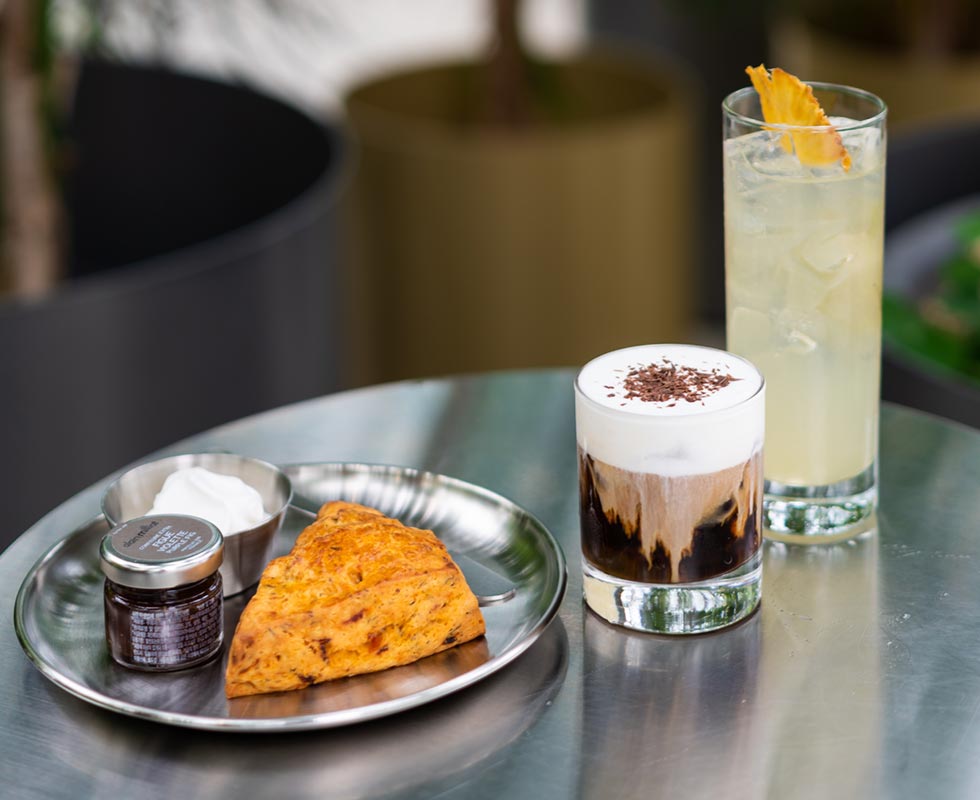
1. Sikmulgwan PH
A Botanical Garden for City Dwellers
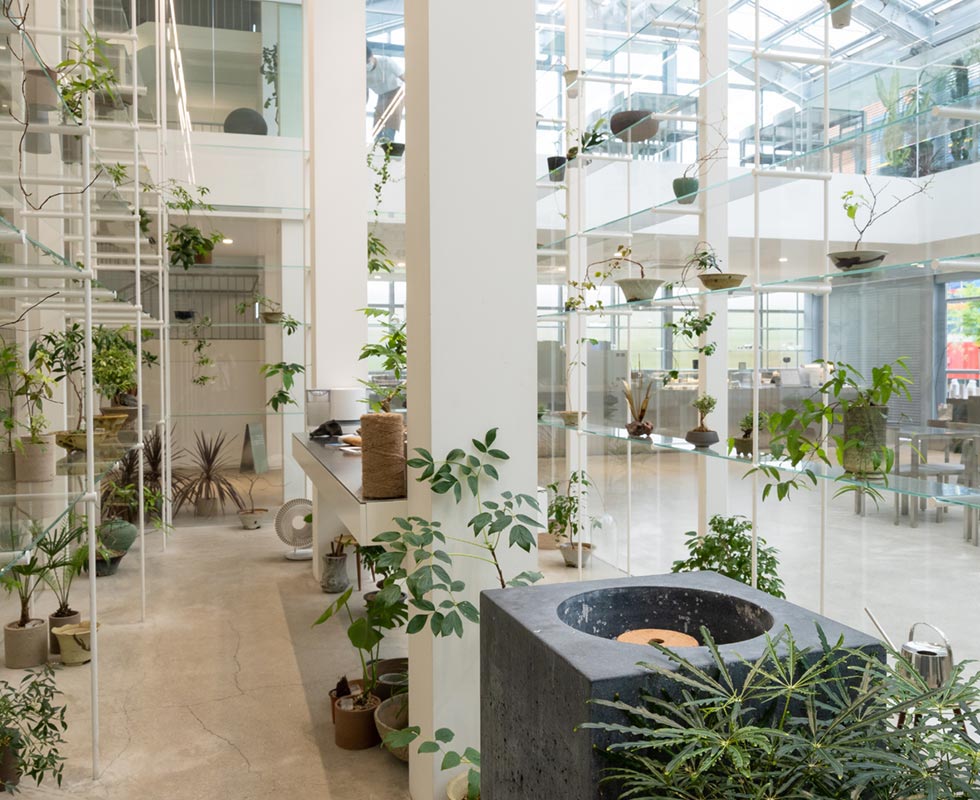
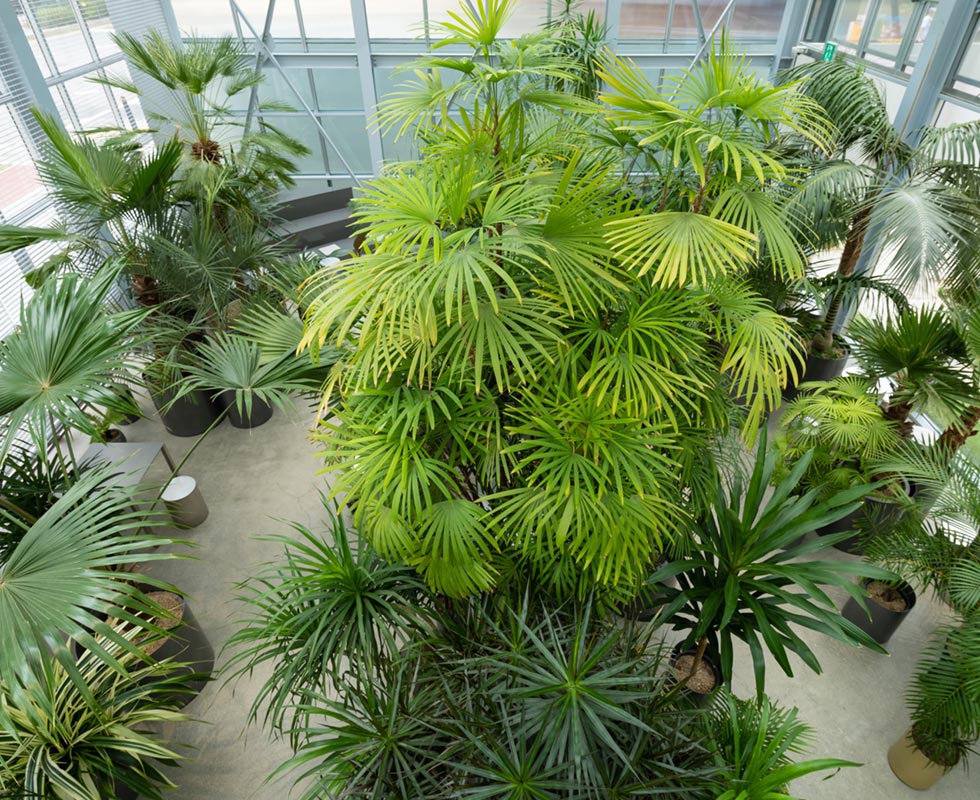
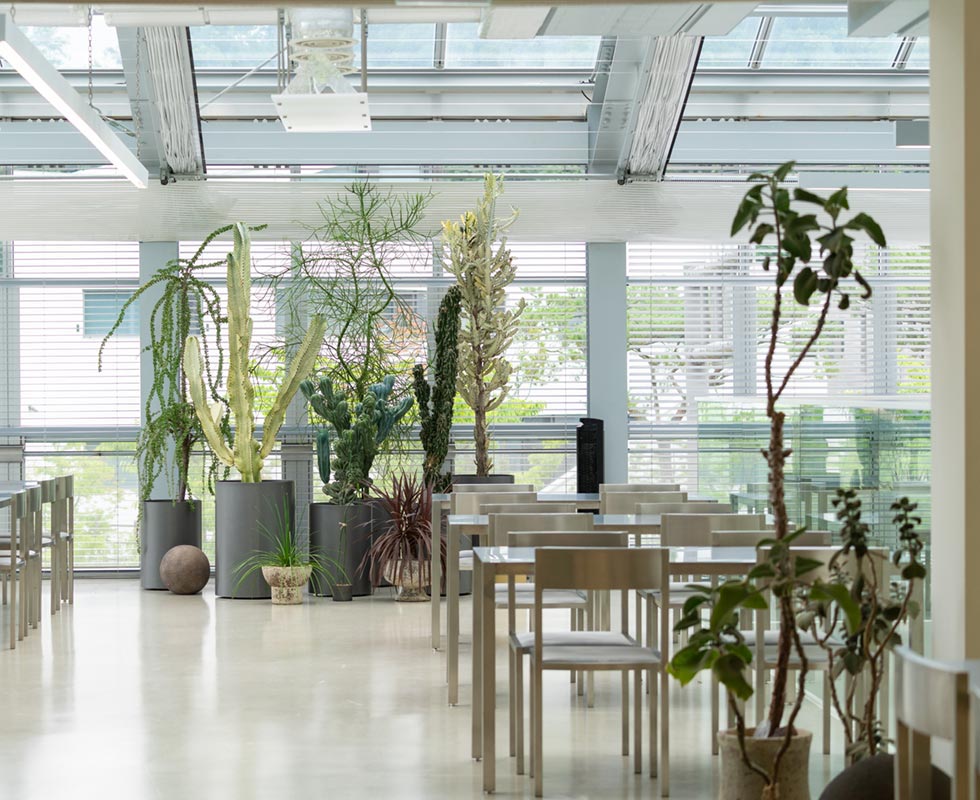
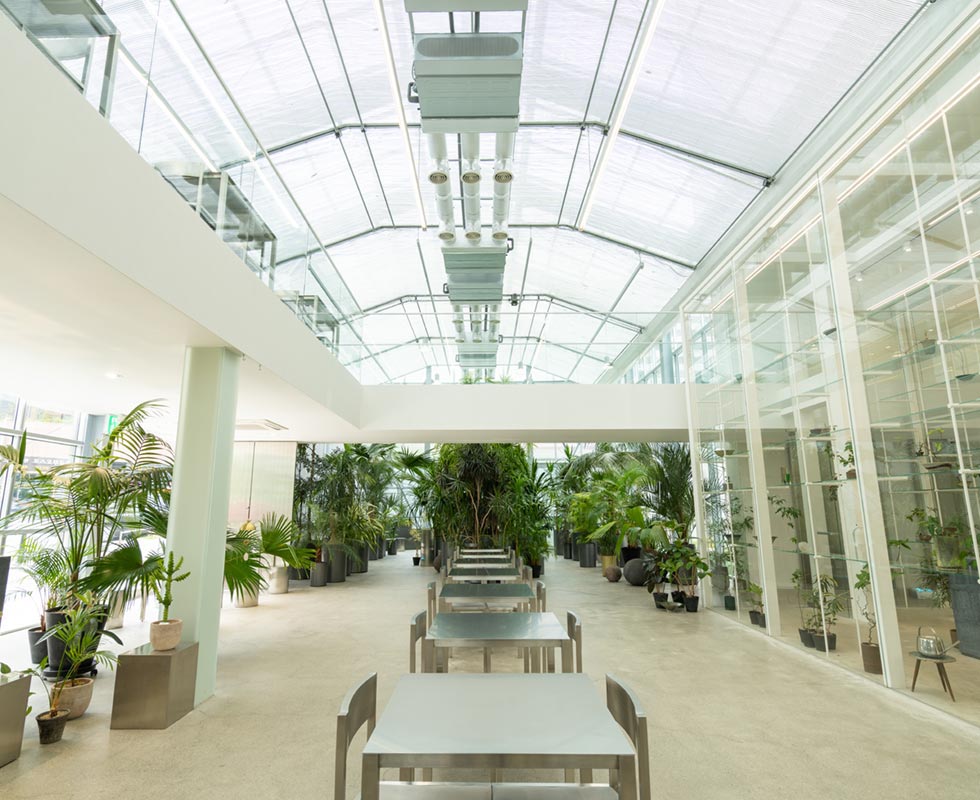
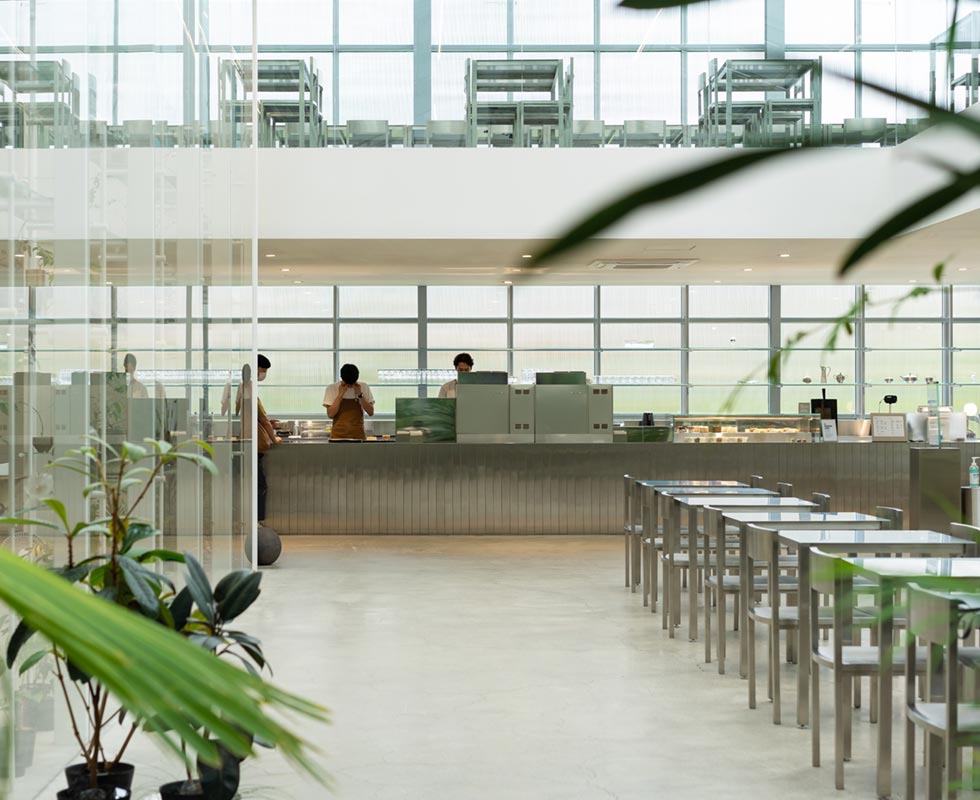
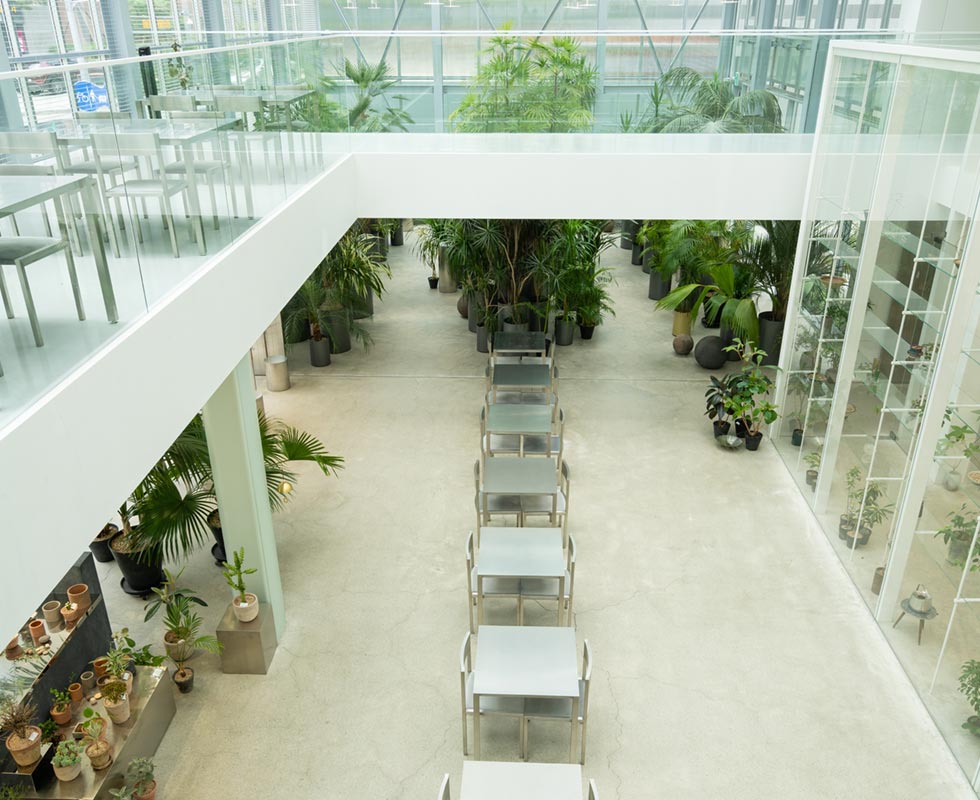
Sikmulgwan PH calls itself “a space of singular experience where plants and people rest together.” “We want to offer the new kind of rest that modern people need, not only through the visual, olfactory, and auditory elements that make up the space, but also through a range of performances,” explains Team Leader Chae Jiyeong, who oversees operations at Sikmulgwan PH. True to a name that combines a botanical garden and an art museum, the venue balances plant exhibitions with contemporary art shows. The double-height main hall lets foliage plants stretch up almost to the glass ceiling, with tables set among them, so it feels like sitting in a forest. In the adjoining glass greenhouse, wild plants by horticulturist Park Gicheol are displayed like paintings. On the third and fourth floors, an exhibition of meditative works by artist Lim Jeongju runs through August 16.
24 Gwangpyeong-ro 34-gil, Gangnam-gu, Seoul
Admission ₩10,000 (drink included), 11am–8pm

2. Elefant
The Taste of Classic Germany
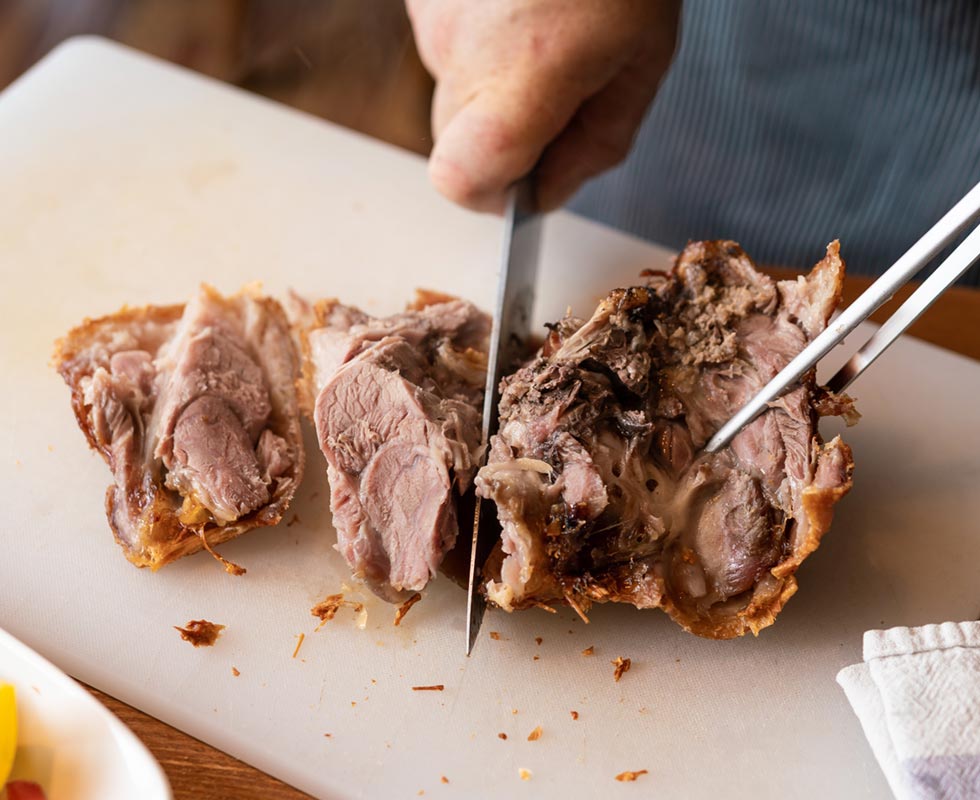
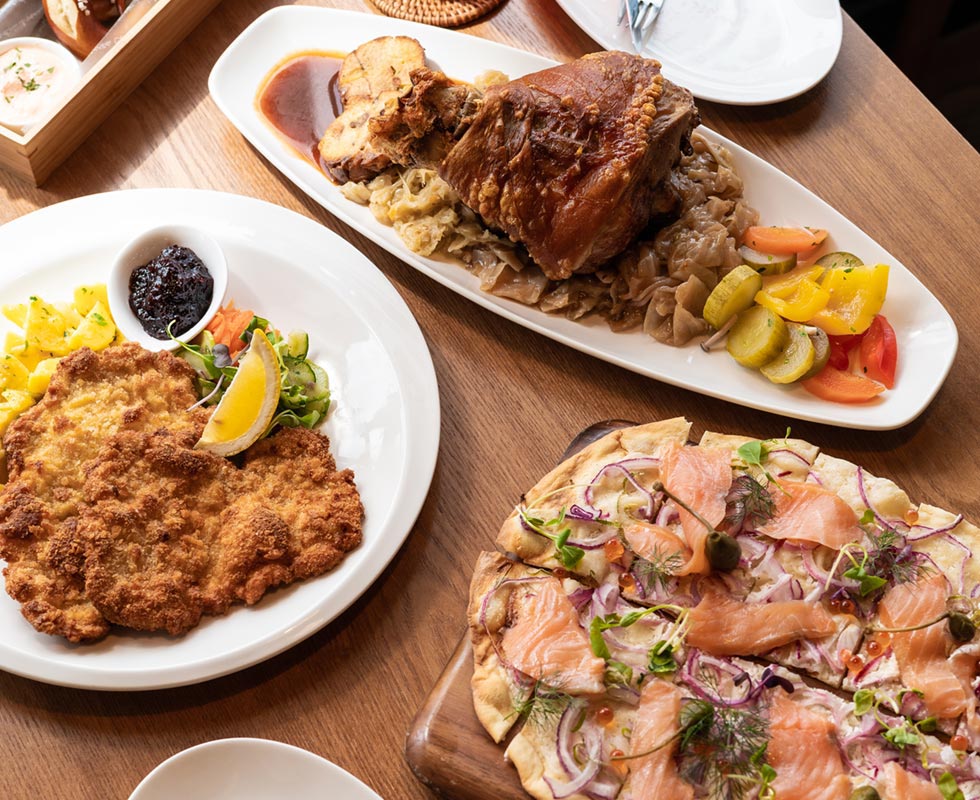
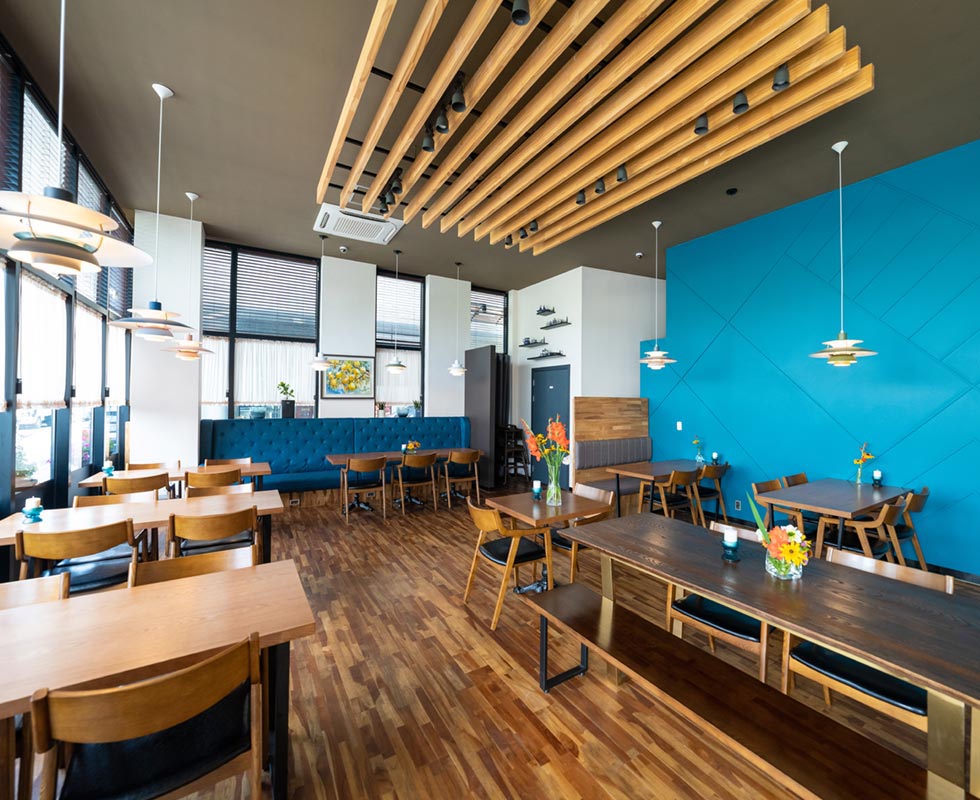
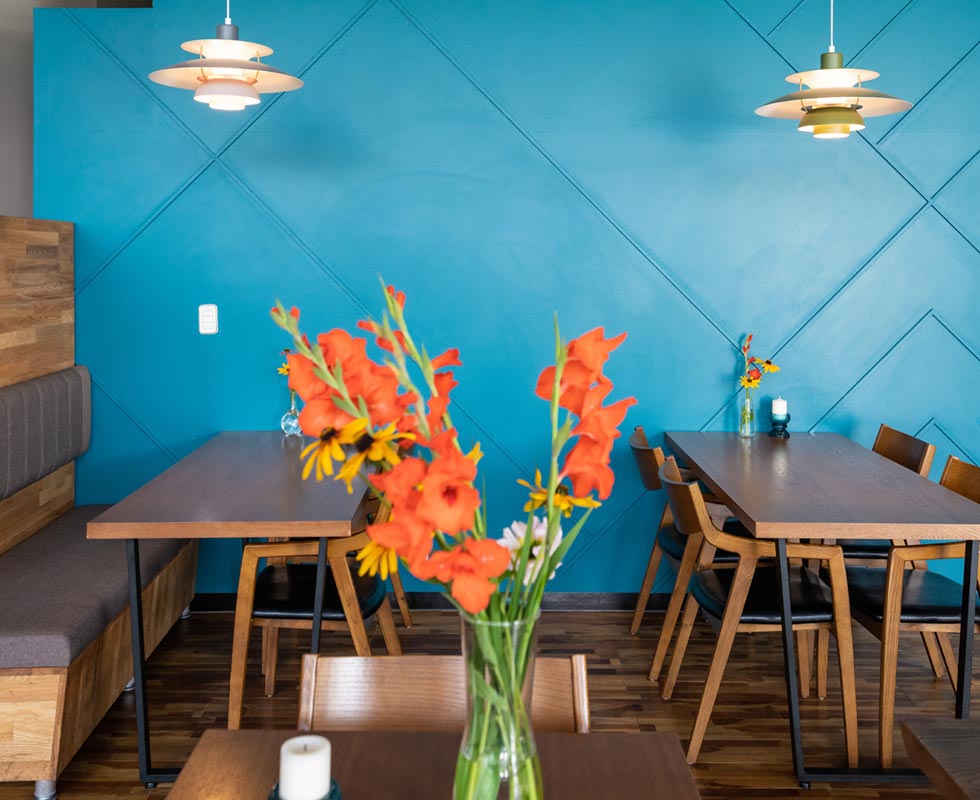
A German family restaurant run by Dirk Becker, a German chef with 25 years of experience, and his wife. Drawing on solid expertise, it serves authentic German cooking. “We serve the homemade German dishes our family enjoys cooking at home. They center on vegetables and pork and contain no artificial seasoning, so the flavors are healthy, and I think they suit Korean tastes too,” says Chef Becker. His résumé includes years around the world and a post as executive chef at a five-star hotel, and his perfectionism shows in every detail. He makes everything by hand, from the sauces to the pretzels, tarts, and ice cream, and places fresh flowers grown in his own garden on the tables every day. You can try Schweinshaxe (roasted pork knuckle) and schnitzel (breaded cutlet), as well as Flammkuchen, a pizza-like tarte made with thinly rolled dough baked in a wood-fired oven, and Spätzle (soft egg noodles), among other dishes.
22 Misa Gangbyeonjungang-ro 111beon-gil, Hanam-si, Gyeonggi-do
Schweinshaxe ₩38,000, schnitzel ₩16,000, 11am–10pm
031-796-0255
3. Yongin Natural Recreation Forest
A Forest of Adventure and Healing
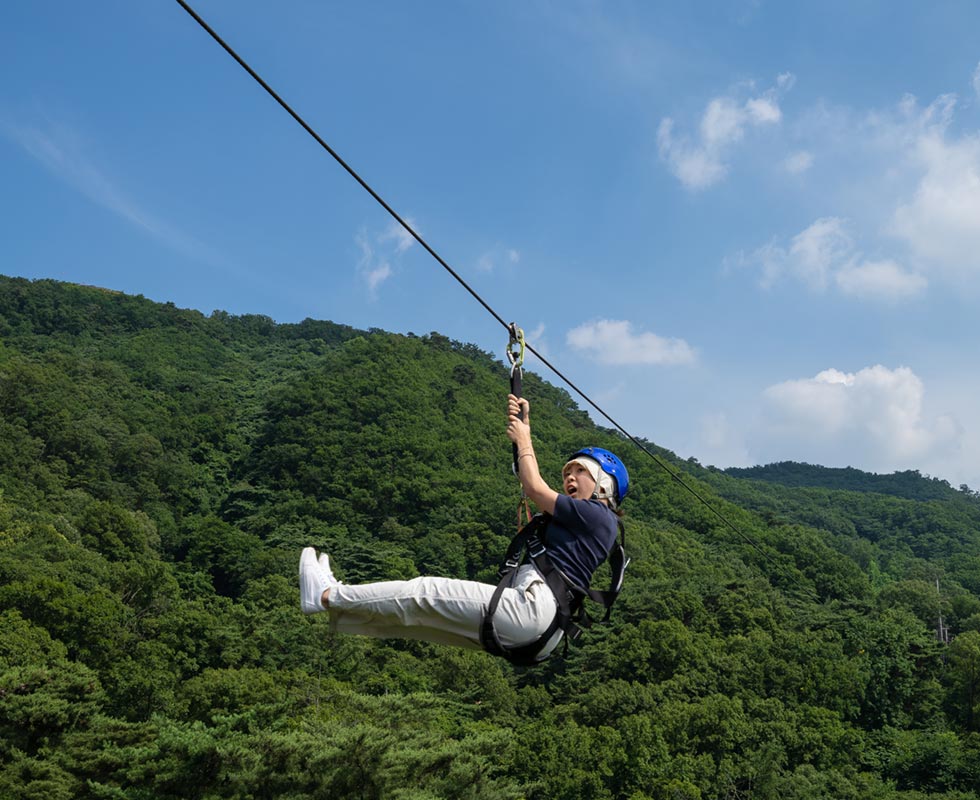
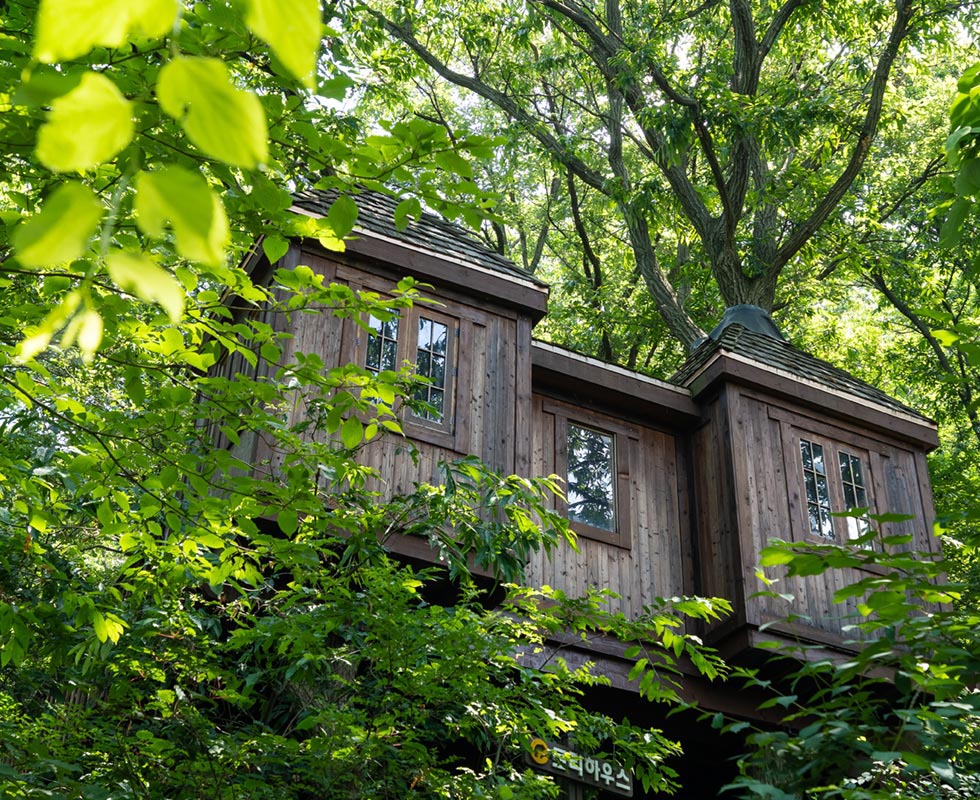
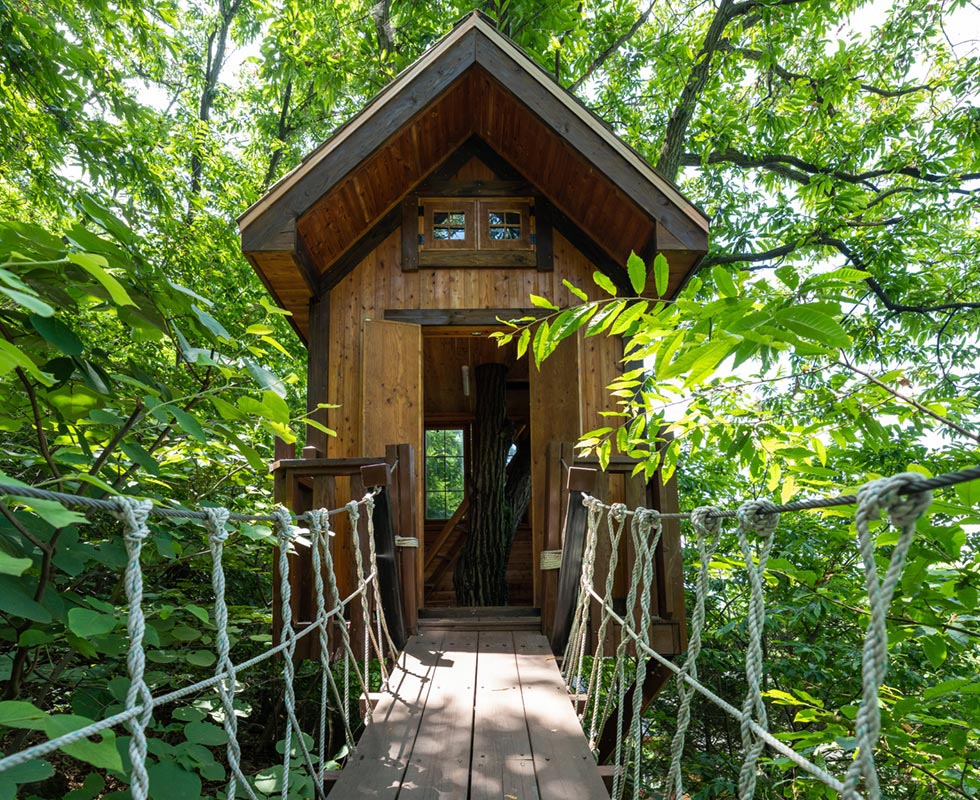
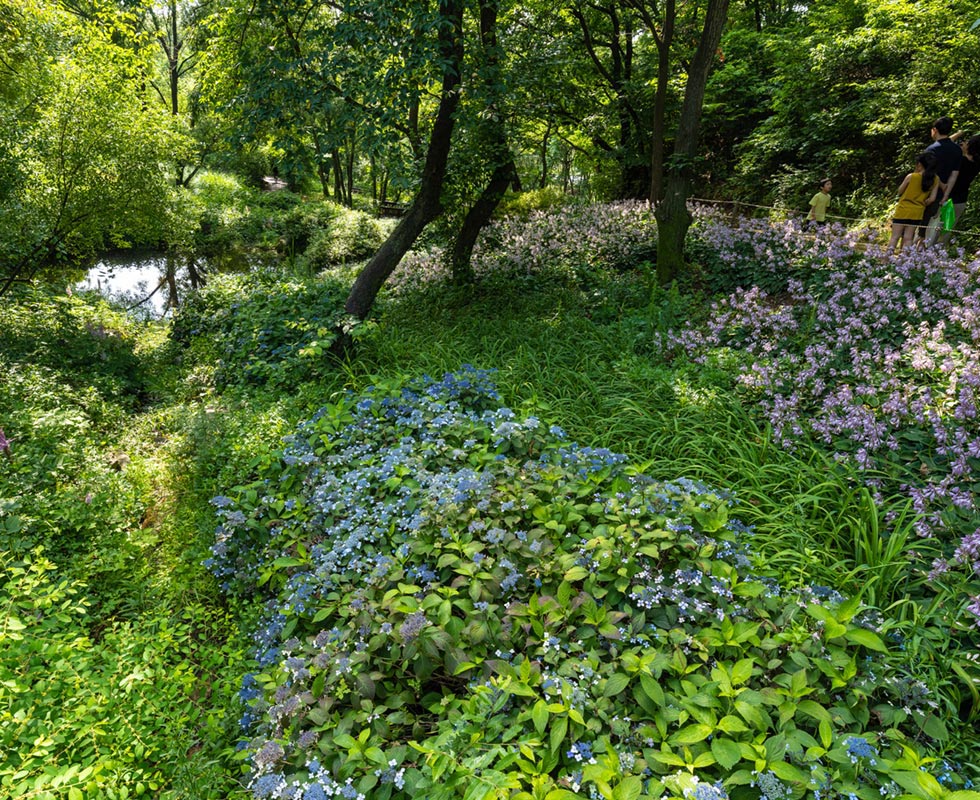
Yongin Natural Recreation Forest sits at the foot of 562-meter Jeonggwangsan. What makes it stand out among Gyeonggi-do’s recreation forests is not only its easy access. Natural terrain such as mountains, fallow rice paddies, and wetlands has been preserved as much as possible, and biotopes have been created to support a wide range of species. The grounds, covering about 1.62 million square meters, hold a variety of facilities: tree houses, Eco Adventure (an adventure playground for children), hiking trails and walking paths, and decks for meditation. In the wildflower garden, designed in collaboration with Hantaek Botanical Garden, flowers with different blooming seasons are planted from spring through fall, so you have a good chance of seeing flowers in any season. More active experiences are available too. The zip line strung over the valley has six courses totaling 1,238 meters. Take on the challenge according to your level of difficulty.
220 Chobu-ro, Mohyeon-eup, Cheoin-gu, Yongin-si, Gyeonggi-do
Admission ₩2,000, zip line ₩35,000, 9am–6pm
4. GHGM
Coffee in a Woodworking Studio
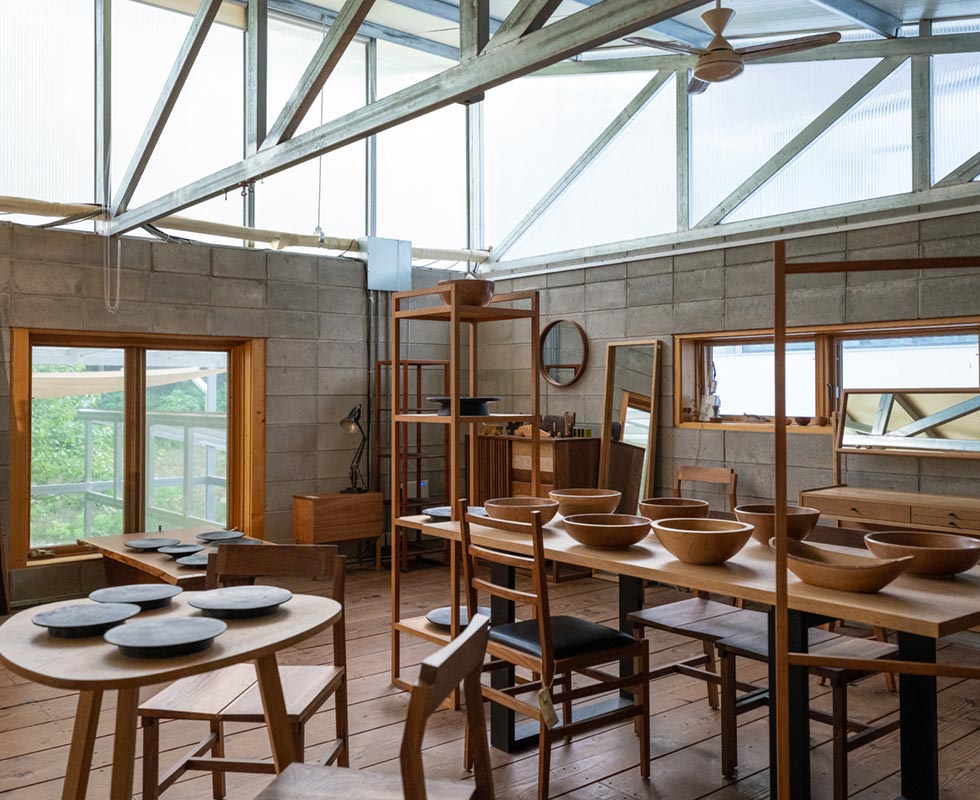
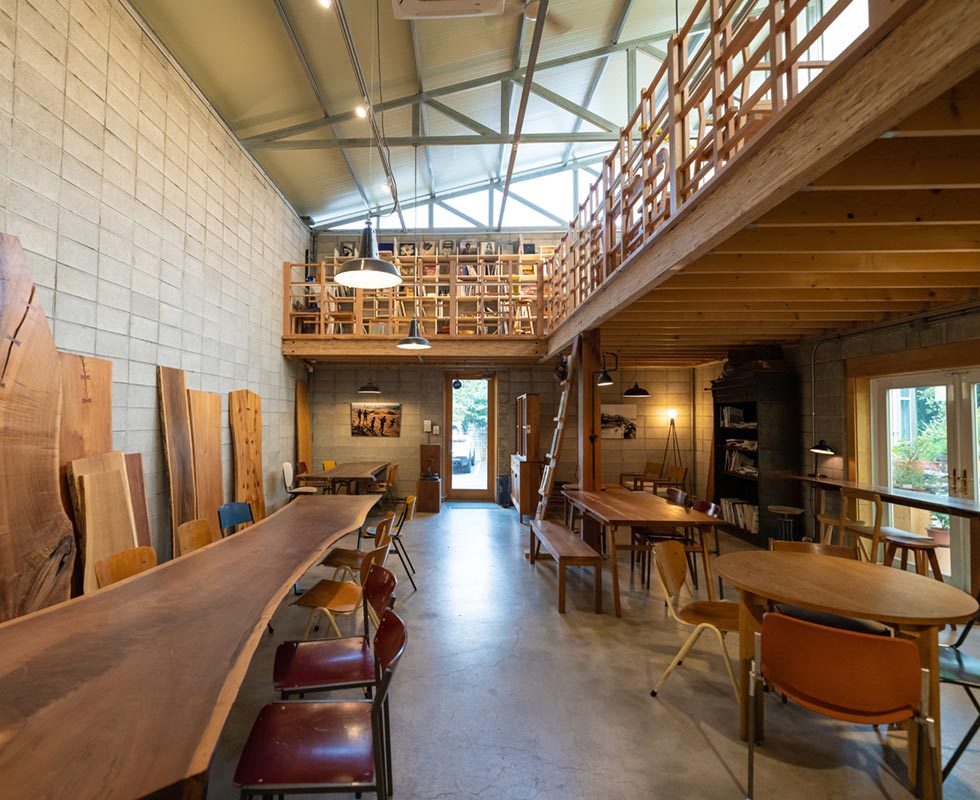
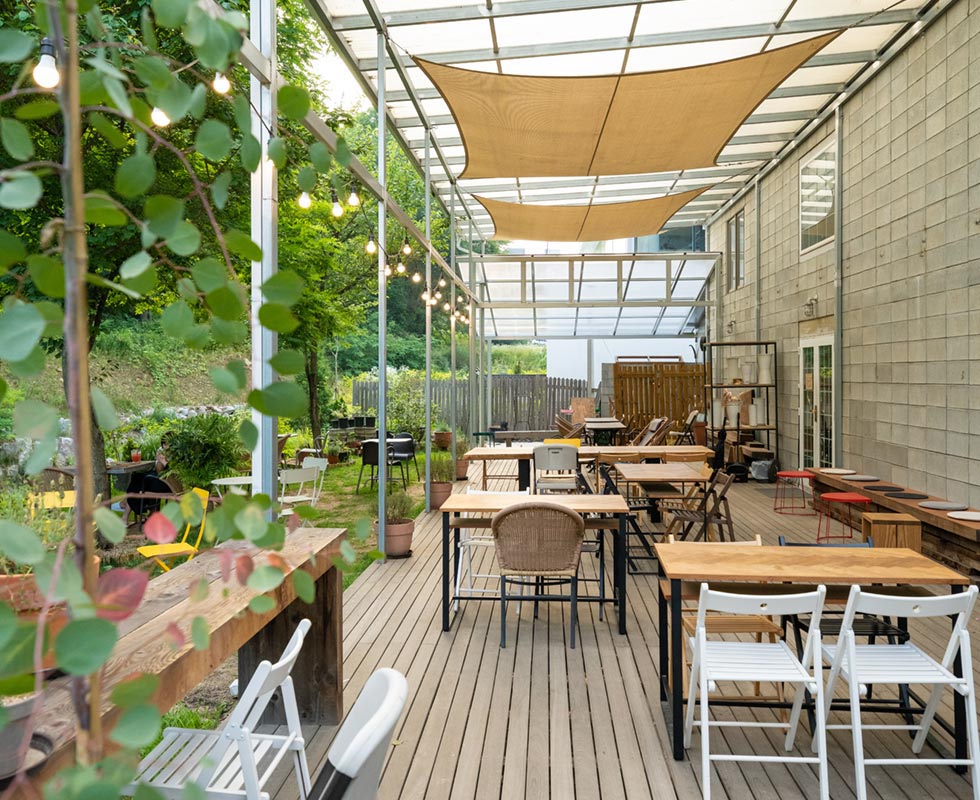
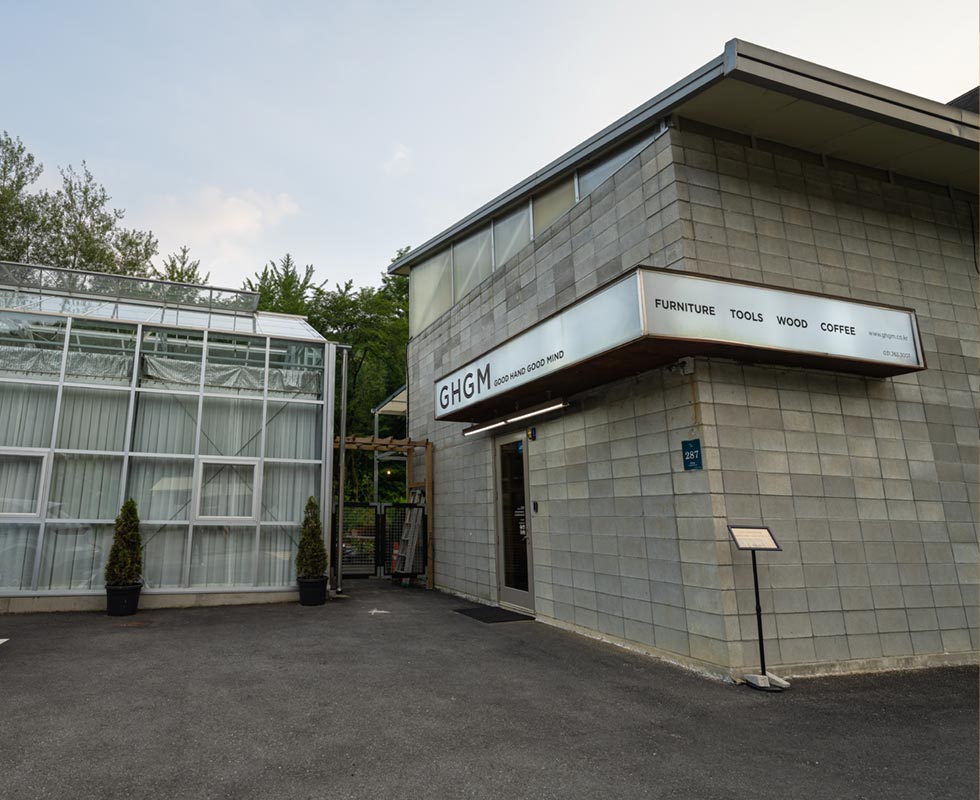
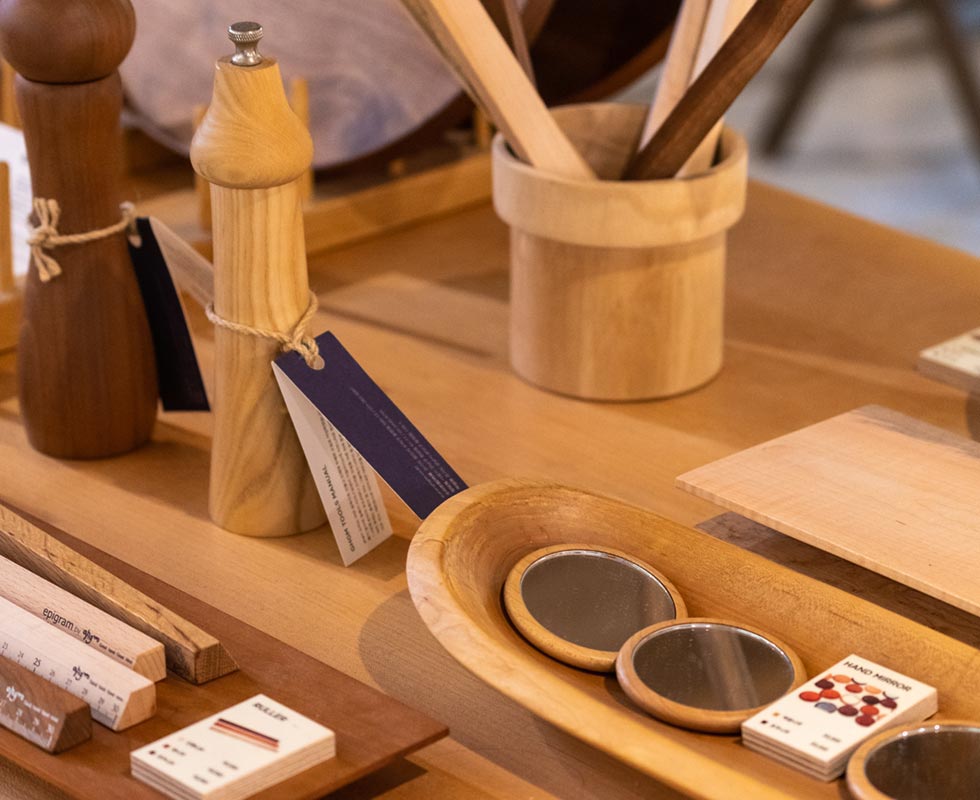
GHGM, short for “Good Hand Good Mind,” is a handmade solid-wood furniture brand founded by furniture designer Jin Seonhui and photographer Jo Namryong. Billed as “furniture that suits any space and only gets better with use,” each piece starts with carefully selected quality timber and is finished with attention to the smallest details, tailored to its owner. The GHGM showroom offers an indirect taste of that craftsmanship. A converted warehouse, it houses a café on the first floor and the showroom on the second. All furniture is made strictly to order, so you can’t buy it on the spot, but wooden accessories such as pencils, rulers, and cutting boards are available. “Wood is a living thing that breathes” is designer Jin Seonhui’s guiding principle. Spend some time on the terrace, overlooking Songokcheon Stream and a lush, overgrown garden, and you’ll find yourself unwinding naturally.
287 Dongcheon-ro, Suji-gu, Yongin-si, Gyeonggi-do
Coffee from ₩5,000, 11am–8pm
5. Doosoogobang
A Meal Both Sensual and Philosophical
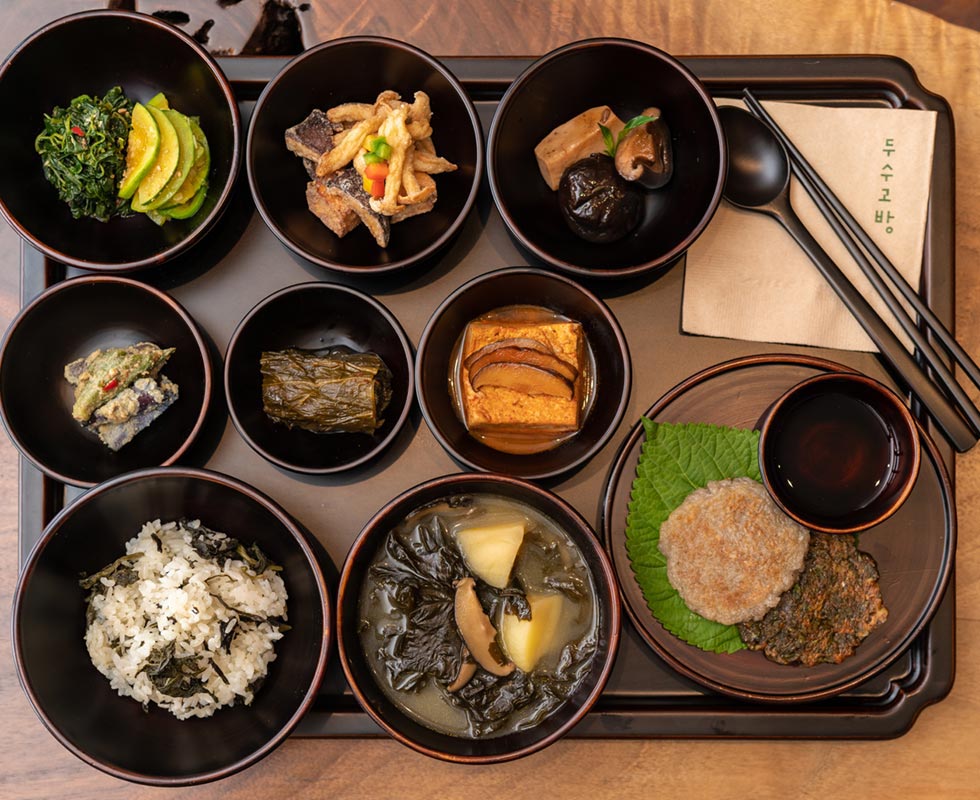
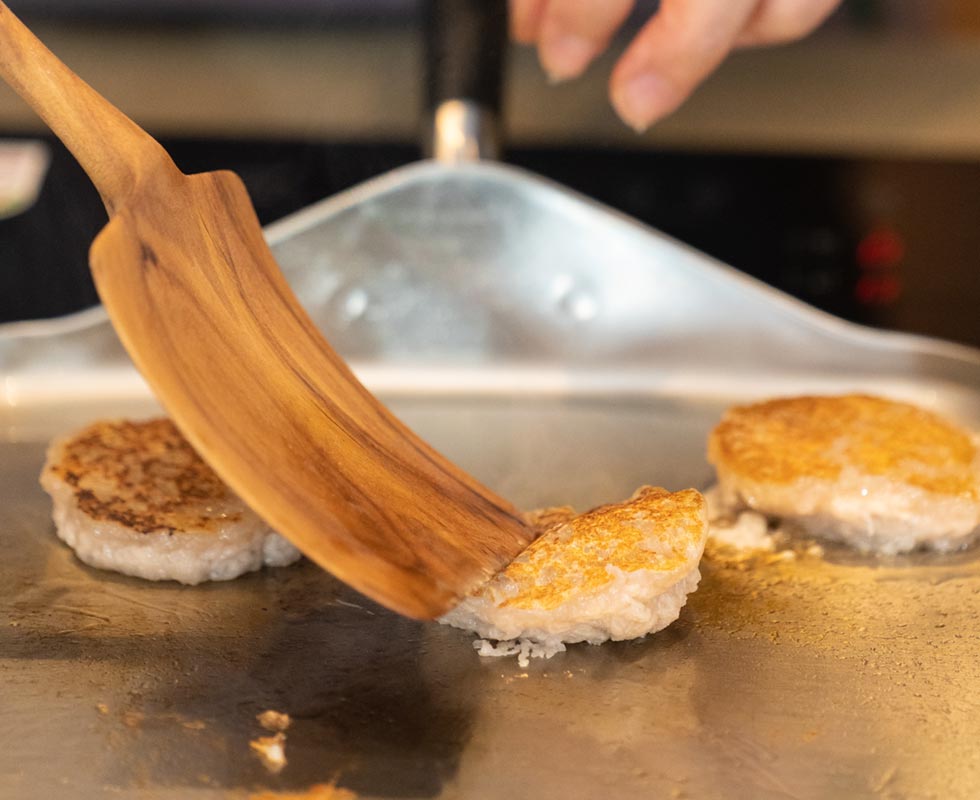
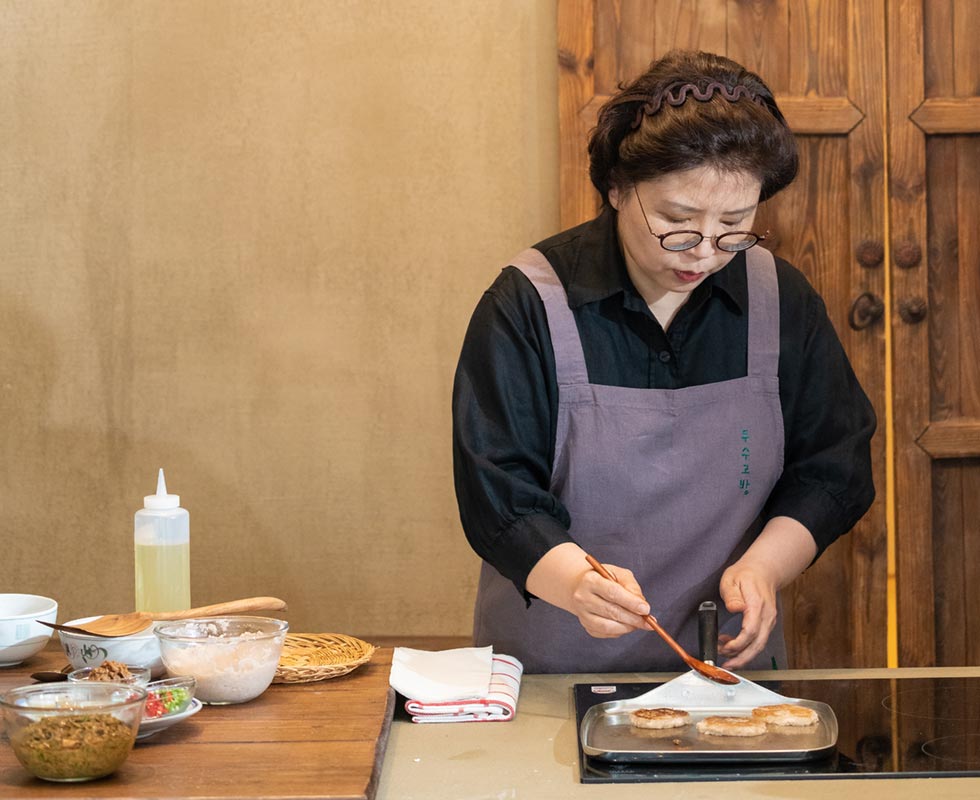
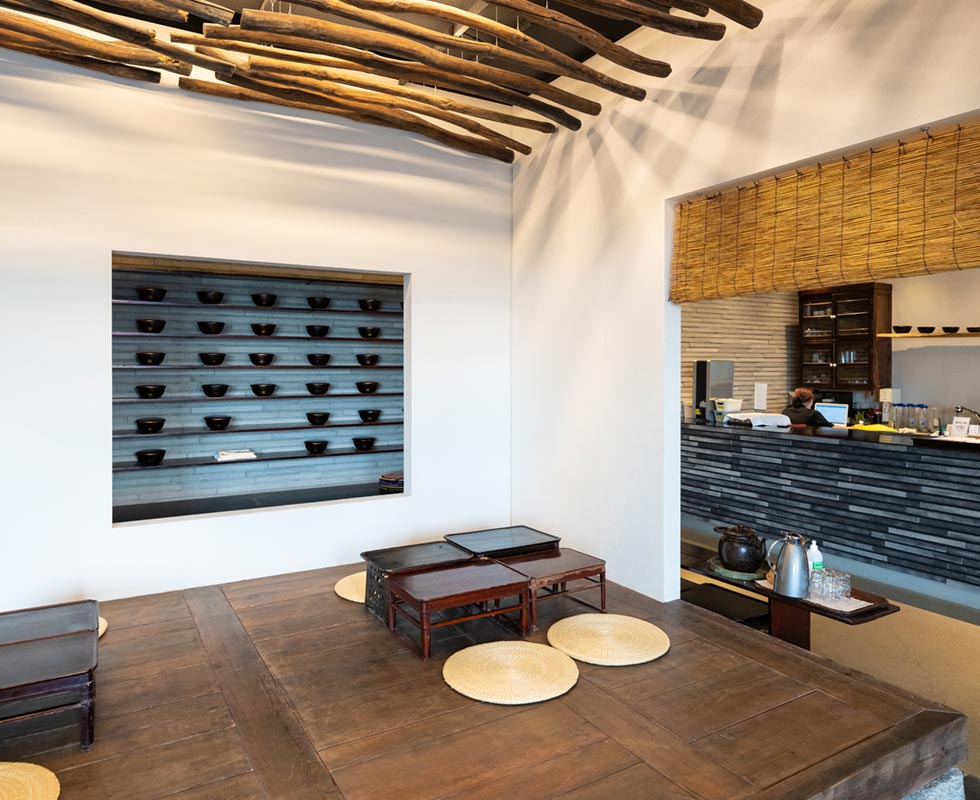
Doosoogobang serves the cooking of Venerable Jeongwan, a master of Korean temple cuisine. Its presence at Alleyway Gwanggyo reflects her wish to connect with younger generations through temple food. The modern, understated interior is furnished with small individual tables, wooden monastic bowls, and brass tableware that Venerable Jeongwan collected herself. The restaurant is run by her disciples, who cook using only the soy sauces, pastes, and seasonings she makes. According to chef Oh Gyeongsun, the Venerable’s recipes are so meticulous that they come close to a form of spiritual discipline. “The menu changes every time because we use seasonal ingredients, and even the same ingredient has to be handled differently depending on the season and the time.” The only meal on offer is “Today’s Gongyang” (an offering meal), served as a full table setting, in portions for 30 to 50 people a day. Venerable Jeongwan’s studio, set apart in one corner of the restaurant, is open by reservation only.
80 Gwanggyohosugongwon-ro, Yeongtong-gu, Suwon-si, Gyeonggi-do
Today’s Gongyang ₩18,000, 11am–9pm
Elephant – Semiwon
sideway 1
On the way from Elephant to Yongin Natural Recreation Forest, if the beautiful riverside scenery leaves you wanting more, take a short detour to Semiwon in Yangsu-ri. It takes about 20 minutes from Elephant to Semiwon. Yangpyeong Public Parking Lot, near Semiwon, has slow chargers.
Yongin Natural Recreation Forest – Idong Reservoir
sideway 2
Idong Reservoir lies about 45 minutes south of Yongin Natural Recreation Forest. The road along the reservoir’s southern end is a popular drive, with quiet waterside views. From Dongdosa Temple, which sits beside the road, you can take in the reservoir and the surrounding mountains.
Plants’ Tastes
An Interview with Horticulturist Park Gicheol
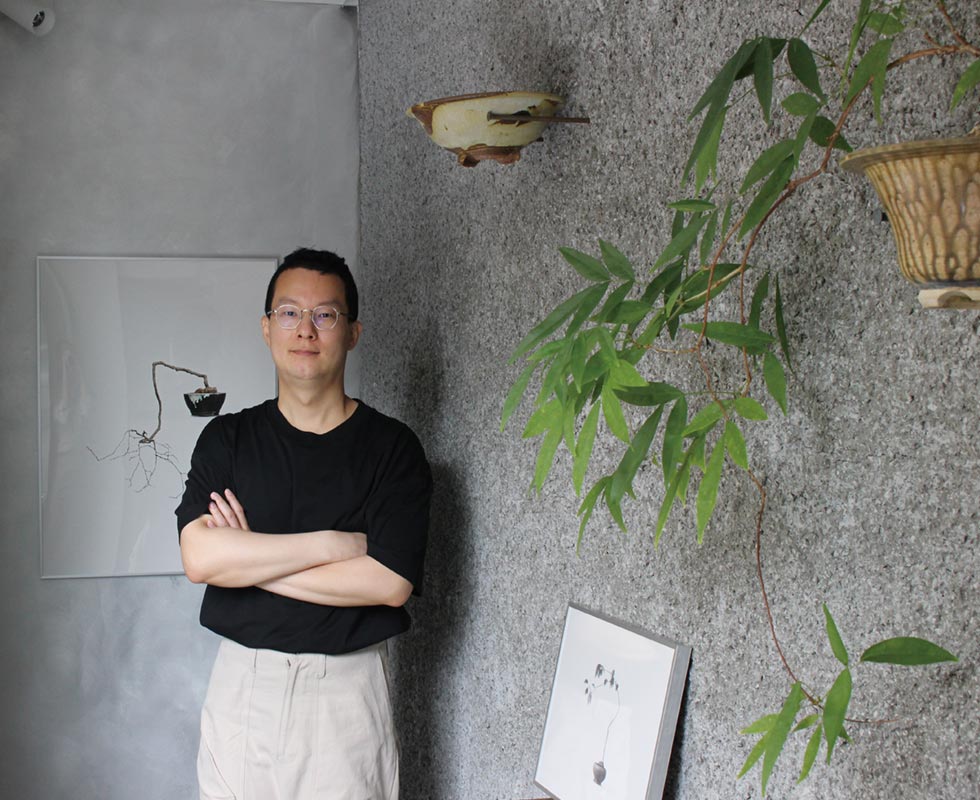
What does “Plants’ Tastes” mean? Just as we need clothing, food, and shelter in our daily lives, I believed plants have tastes of their own. For a plant, “clothing” is the vessel or pot, “food” is the right soil for its kind, and “shelter” is the space where it will be placed. So “Plants’ Tastes” has a double meaning: it is each plant’s own taste, and it is also Park Gicheol’s taste in plants.
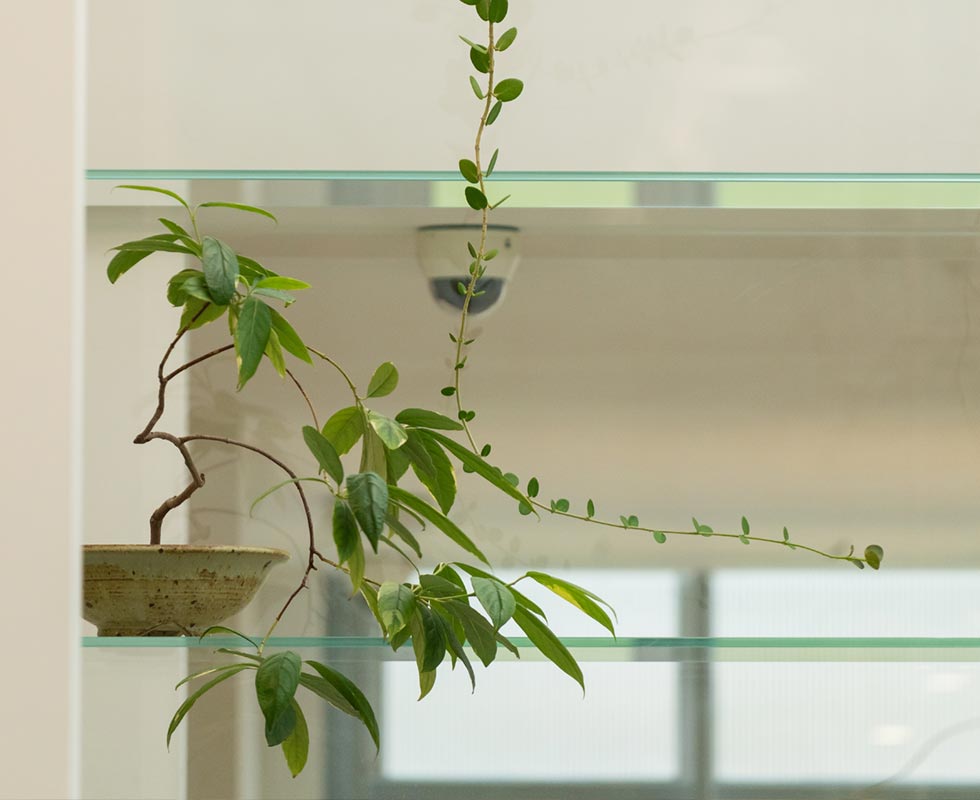
Is there a reason you mostly work with wild plants? Wild plants each take a different shape depending on where they grow, and their lines and forms can be changed according to the maker’s sensibility, skill, and technique. That’s why I prefer them. There’s also the joy of seeing flowers and fruit appear with the seasons and the environment.
What did you consider in the plant installation at Sikmulgwan PH (photo above)? Rather than simply filling the space with low-grade materials to make up the volume, I put harmony with the space first. I worked to raise the craftsmanship and finish of each individual plant, and to make visible the thought I had put into a new way of seeing a botanical garden, or a hybrid space.
Could you describe the plant photographs you showed in your recent exhibition? They capture the expressions and gestures of wild plants that were completed after a long period of post-production. I left out anything staged so that the focus could stay on the plants’ own beauty. I’m someone who wants to raise the finish of each individual plant. Even when I get requests for outside installations, I turn them down if the place and the plants don’t suit each other, or if the space is one the plants can’t survive in. If a client just needs a greenery image, I recommend photographs, prints, or paintings, and that’s how I ended up taking plant photos myself.
Plants are now widely used in interiors and many other fields. How do you see the market’s direction? For young people today, plants seem to have become a consumer good for expressing taste. Saying “I love plants” has become a “cool” thing to say. As this kind of style-consciousness continues, I expect more unusual species to be imported, and improved varieties that grow sturdy without special care, easy-to-use gardening supplies, and functional pots that make plants easier to maintain to appear. That should lead to more polished work with plants. What I consider the right kind of plant activity for tomorrow isn’t simply chasing style and trends, but thinking about the plants themselves and about what results you can show with them. If, through that thinking, creators use plants to make more meaningful work, I think it will only get more interesting.
GHGM
An Interview with Furniture Designer Jin Seonhui
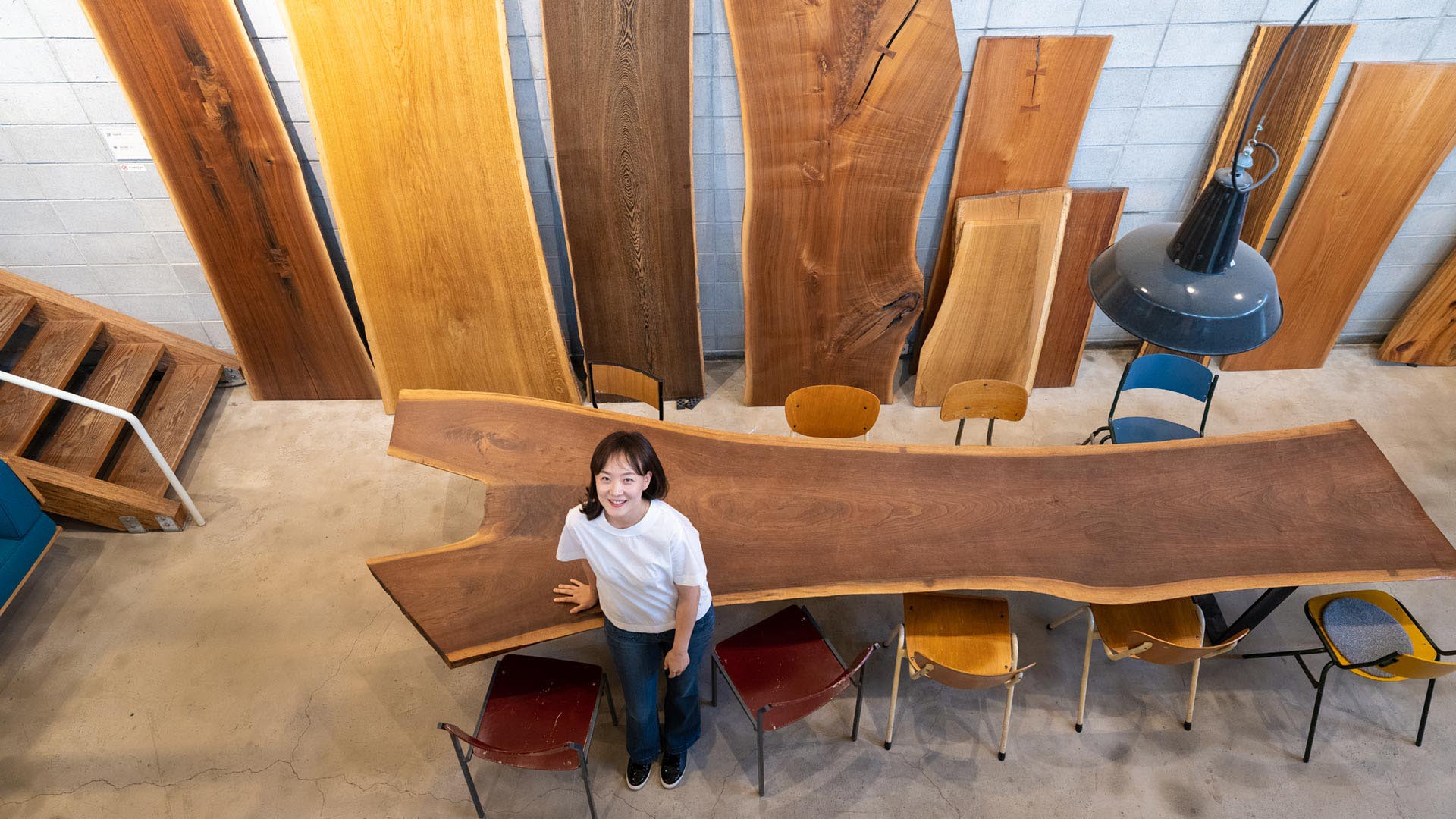
What got you started in woodworking? Since I was little, I’ve been drawn to making things with my hands. I majored in sculpture at university, and back then I worked with every material available: stone, wood, iron, ceramics, Styrofoam, oil paint. Wood turned out to suit me best. It’s less sensitive to seasons and temperature, and it’s constant. It also fits my design values. When I first started woodworking 11 years ago, there were hardly any places where a woman could easily experience and learn the craft. I struggled to get a job at a woodworking shop, built up my skills, and eventually created the GHGM brand. Strangely, after I started woodworking, I began to feel that I was becoming a better person.
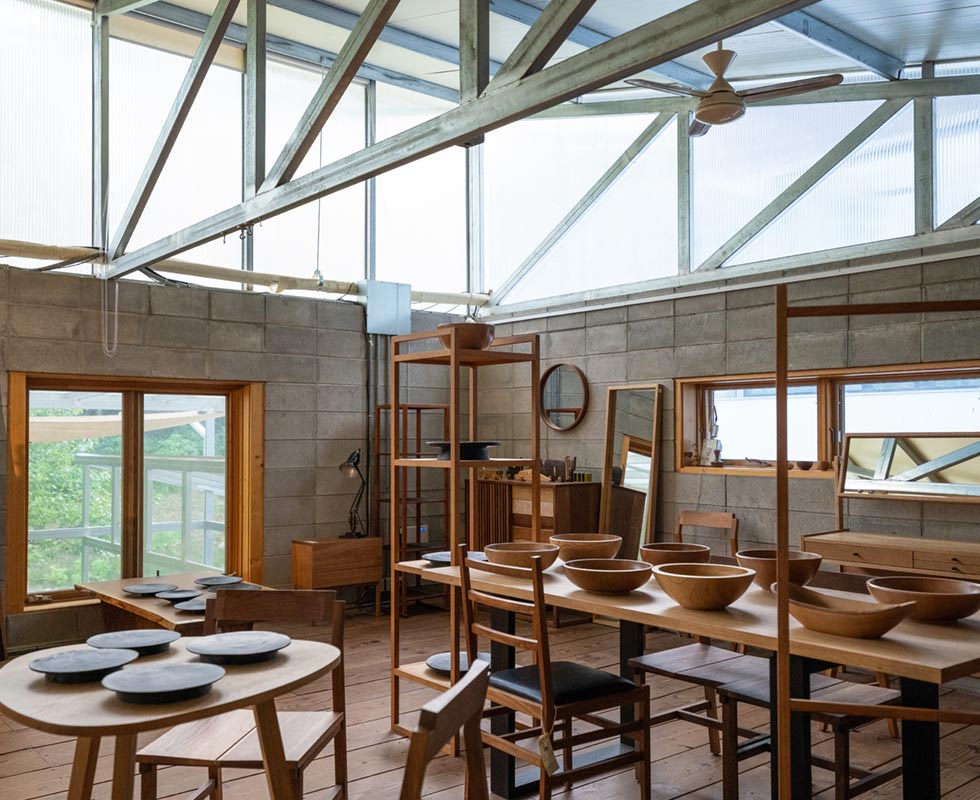
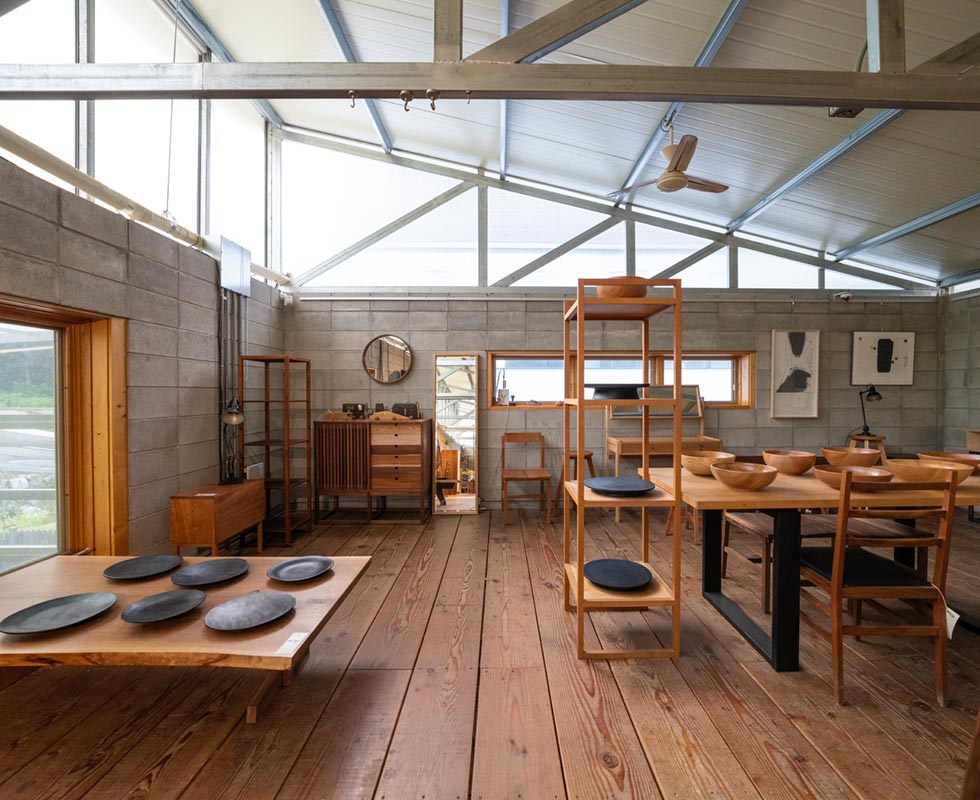
Do you have principles or a philosophy that guide your work? When I first started woodworking, I often wondered, ‘Why are carpenters and woodcraft artists treated so poorly in Korea? Why don’t people prefer Korean-made furniture?’ In the end, I decided to make furniture that lasts. That led me to pursue pieces made from good materials that you never tire of, with casual, unadorned designs. My motto was ‘a brand that lasts, furniture that lasts.’ I always select and use only the ‘good parts’ of the wood.
Where do you find inspiration for your work? When my thoughts aren’t coming together, I handle the material and try making things with it. In my free time, I read design books or go see exhibitions. I also like sports such as swimming, water skiing, and badminton.
What do you think of today’s DIY trend? More customers now understand woodcraft and connect with my work, which makes talking with them even more enjoyable. As small and large woodworking studios have multiplied, so have hands-on experiences and classes. I hope ordinary people can experience woodworking more freely. After all, what I pursue above all is enjoying the work itself.
Do you have any particular goals or dreams? I hope GHGM remains a small but steady brand for a long time. I once held a green woodworking workshop. Green woodworking starts with felling a tree with an axe, then shaping the undried, freshly cut wood with hand tools, without using any electricity. I’d like to try something like that again someday.
Porsche Cayenne
E-Hybrid
Porsche Cayenne
E-Hybrid
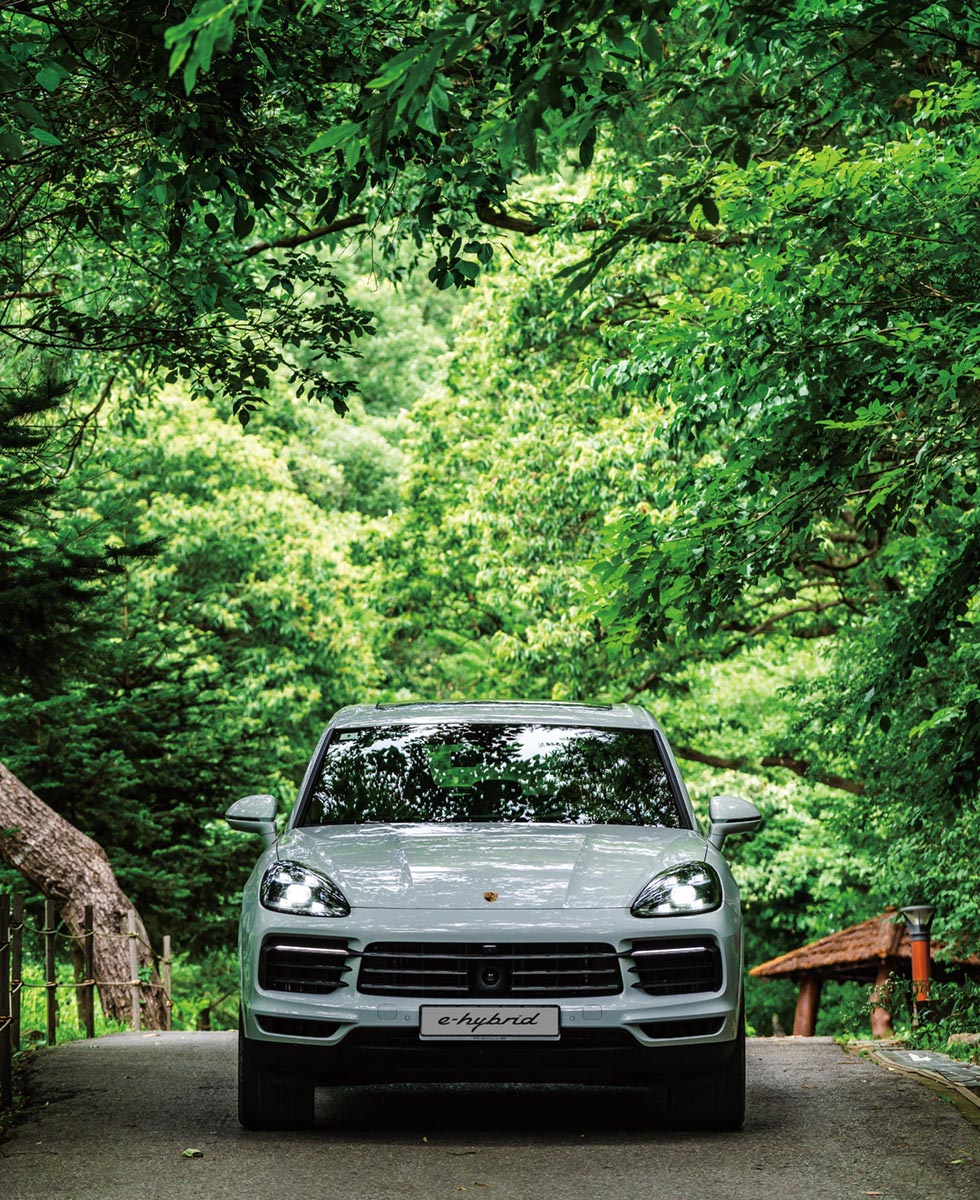
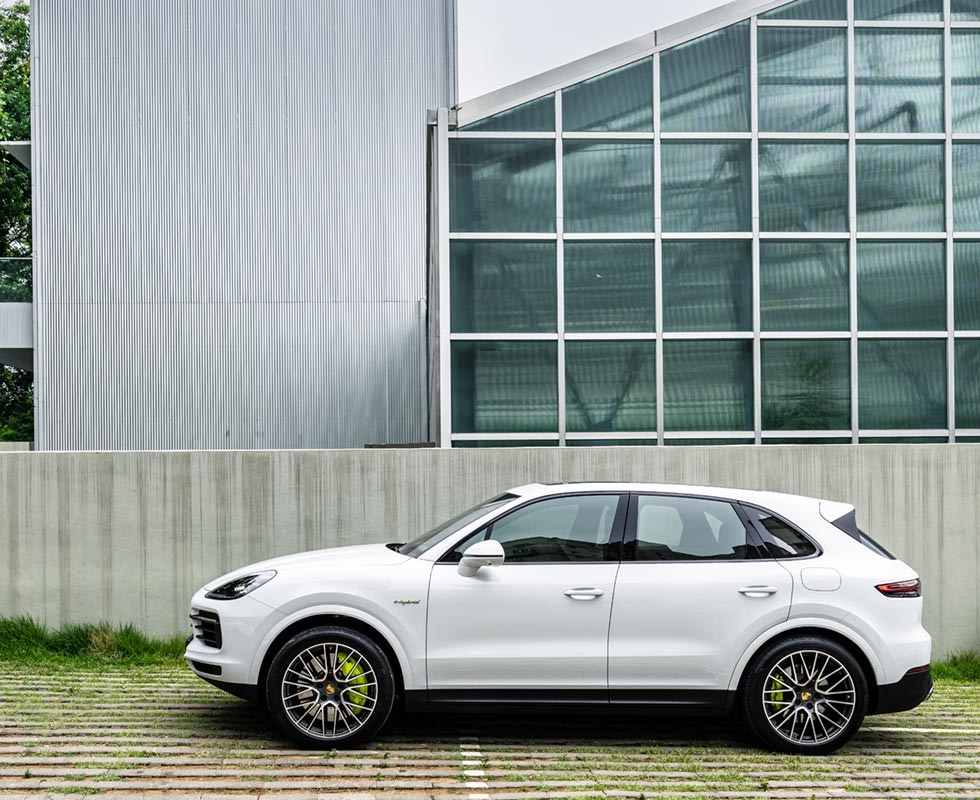
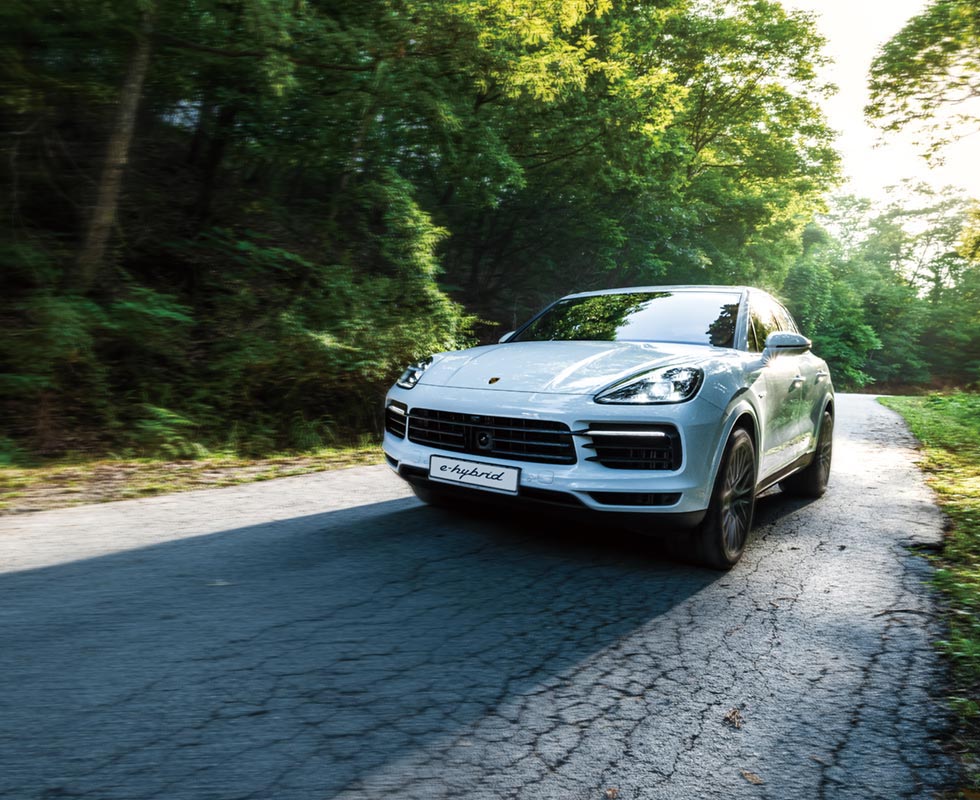
The Cayenne E-Hybrid was born where sustainability meets the dynamism of a sports car. Combining a 3.0-liter V6 turbocharged engine with an electric motor, it delivers up to 462 horsepower. It accelerates from a standstill to 100 km/h in 5 seconds and reaches a top speed of 253 km/h. It can also be charged easily at any public charging station, and it can be driven on electric power alone.
The thrill of driving that is so characteristic of Porsche is, of course, not to be left out. With a single button, the driver can easily switch between the driving modes ‘E-POWER,’ ‘HYBRID,’ ‘SPORT,’ ‘SPORT PLUS,’ and ‘INDIVIDUAL.’ Press the ‘SPORT RESPONSE’ button in particular, and the car’s responsiveness is set to its maximum for 20 seconds, unleashing even stronger performance as the hefty body surges ahead without a hint of excess. After all, every Porsche is ultimately a sports car.
Porsche Panamera 4
E-Hybrid
Porsche Panamera 4
E-Hybrid

The Panamera, a sports sedan that pairs a luxurious ride with dynamic performance, has continued to evolve. Combining a 2.9-liter V6 twin-turbo engine with an electric motor, it produces a maximum of 462 horsepower and reaches a top speed of 278 km/h. It takes just 4.6 seconds to accelerate from a standstill to 100 km/h. It’s performance that could be called the textbook definition of a luxury sports sedan.


