
Jeongneung Beer Doga, Our Neighborhood Brewery
We visited Jeongneung Beer Doga, a brewery tucked into Jeongneung, Seongbuk-gu, Seoul, to talk with its owner about brewing philosophy, community, and beer-fueled travels.
Story of Local Brewery — Jeongneung Beer Doga, Our Neighborhood Brewery
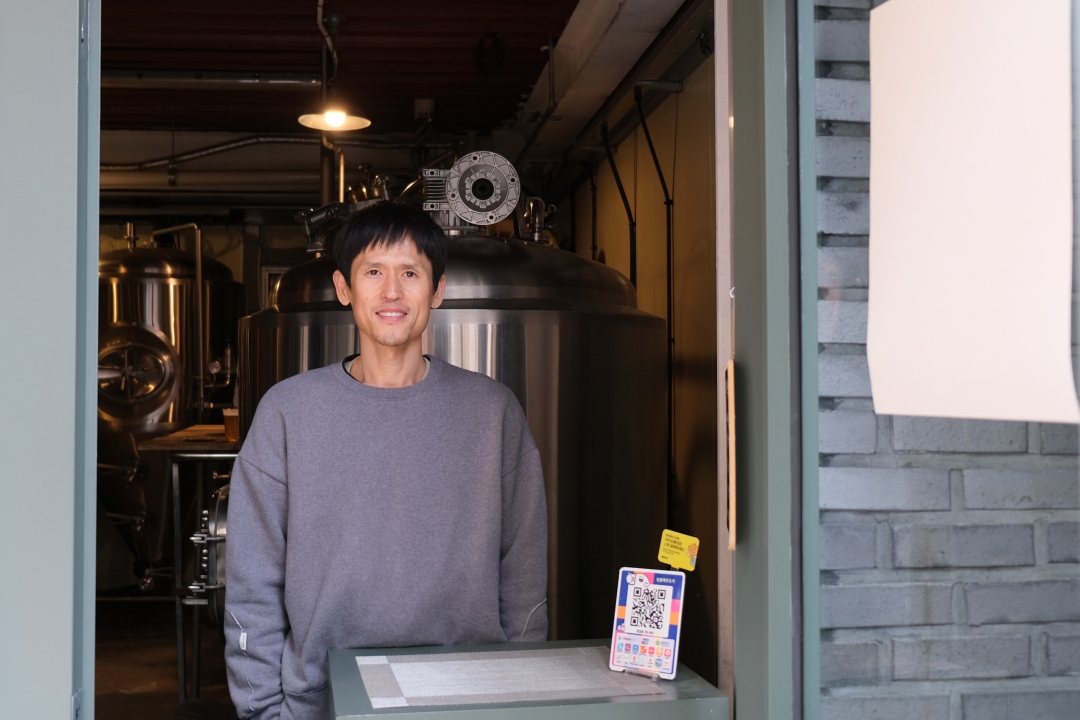
We sat down with Park Chansu, who introduces himself as a ‘doga worker,’ to talk about his approach to brewing—favoring solid fundamentals over flashy technique, flavors that customers actually enjoy over complexity for its own sake, and a style of brewing that anyone with genuine interest could follow.
Interviewee Park Chansu (Doga Worker)
Interviewer Ryu Sunwoo
How did you get started with your brewery?
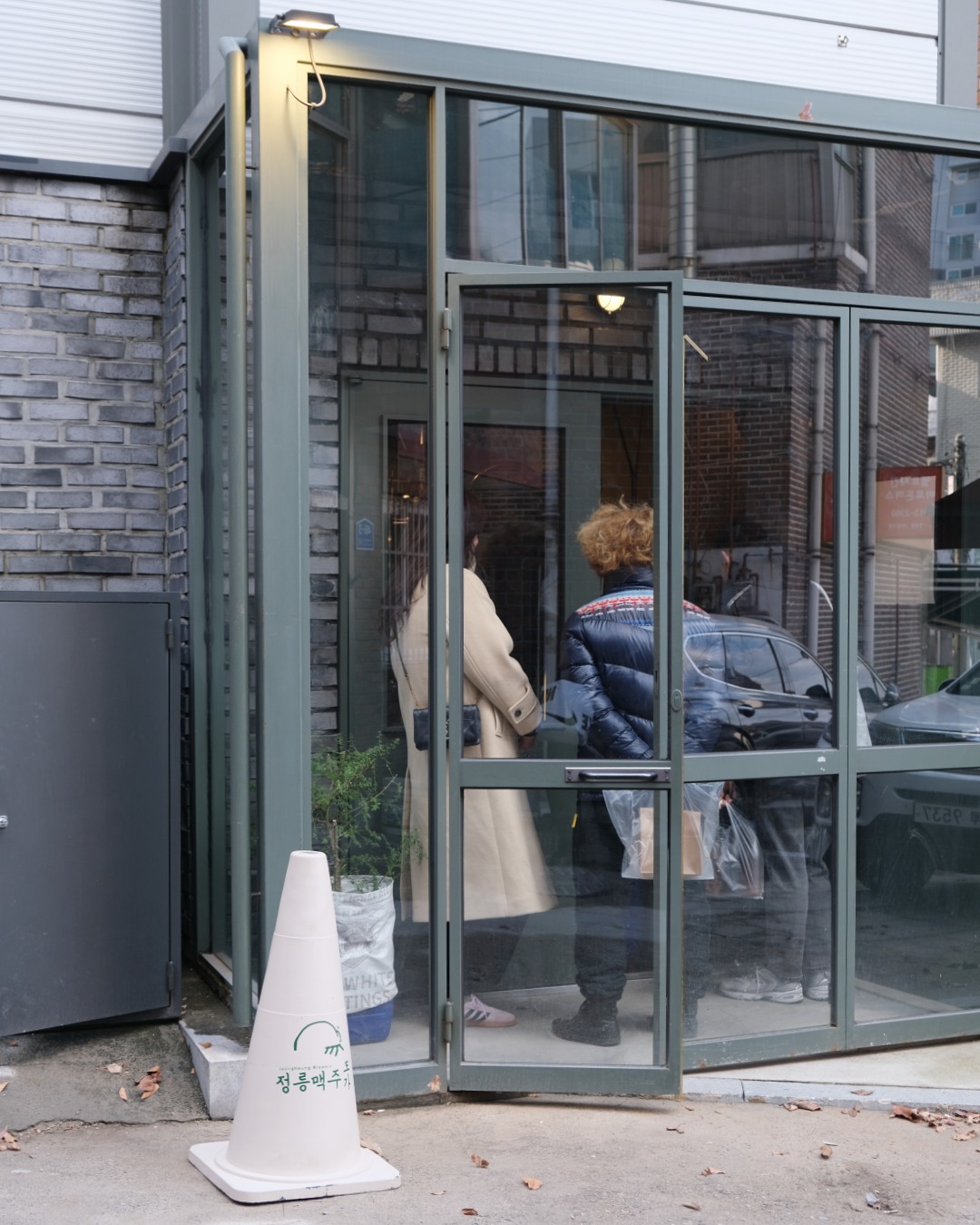
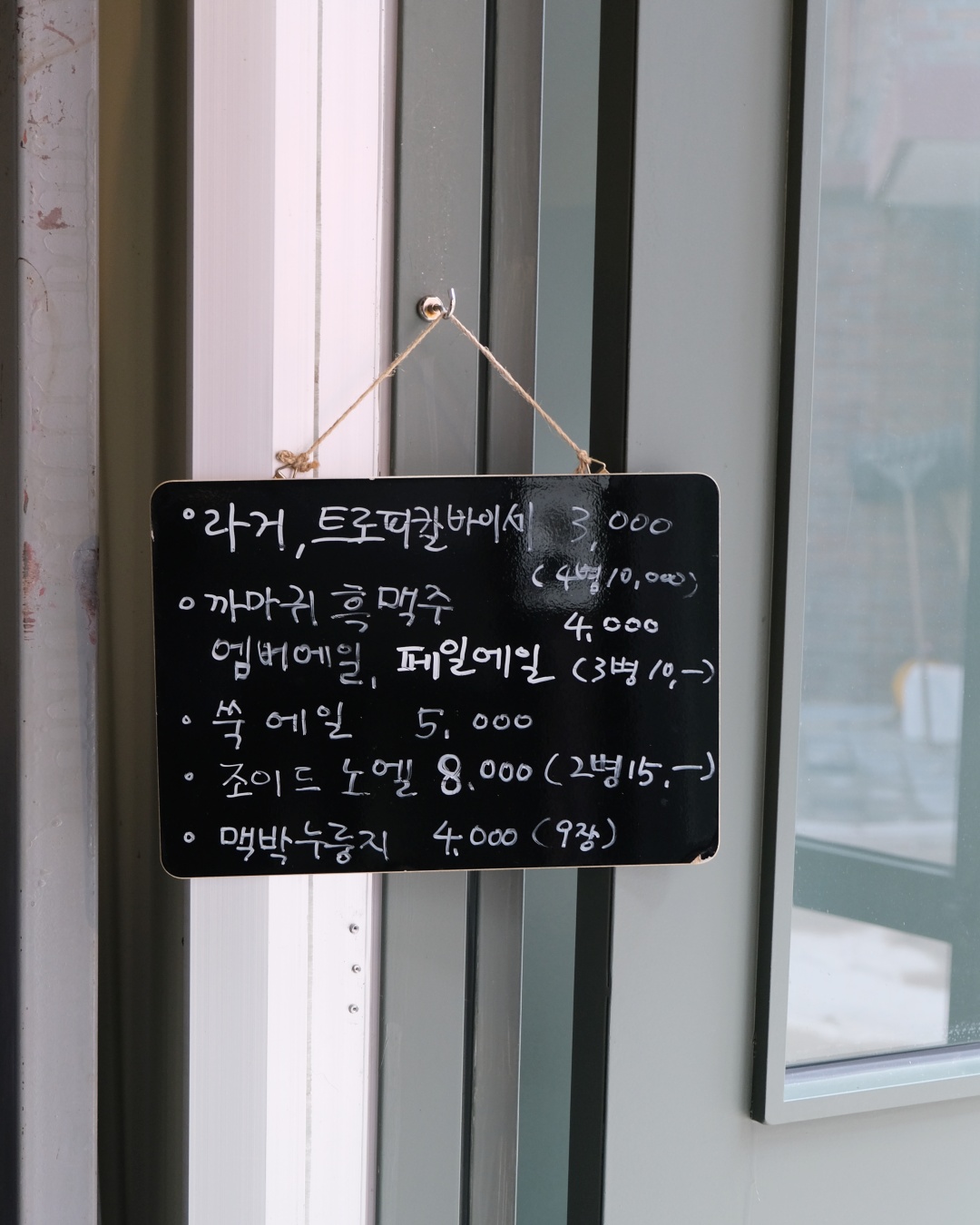
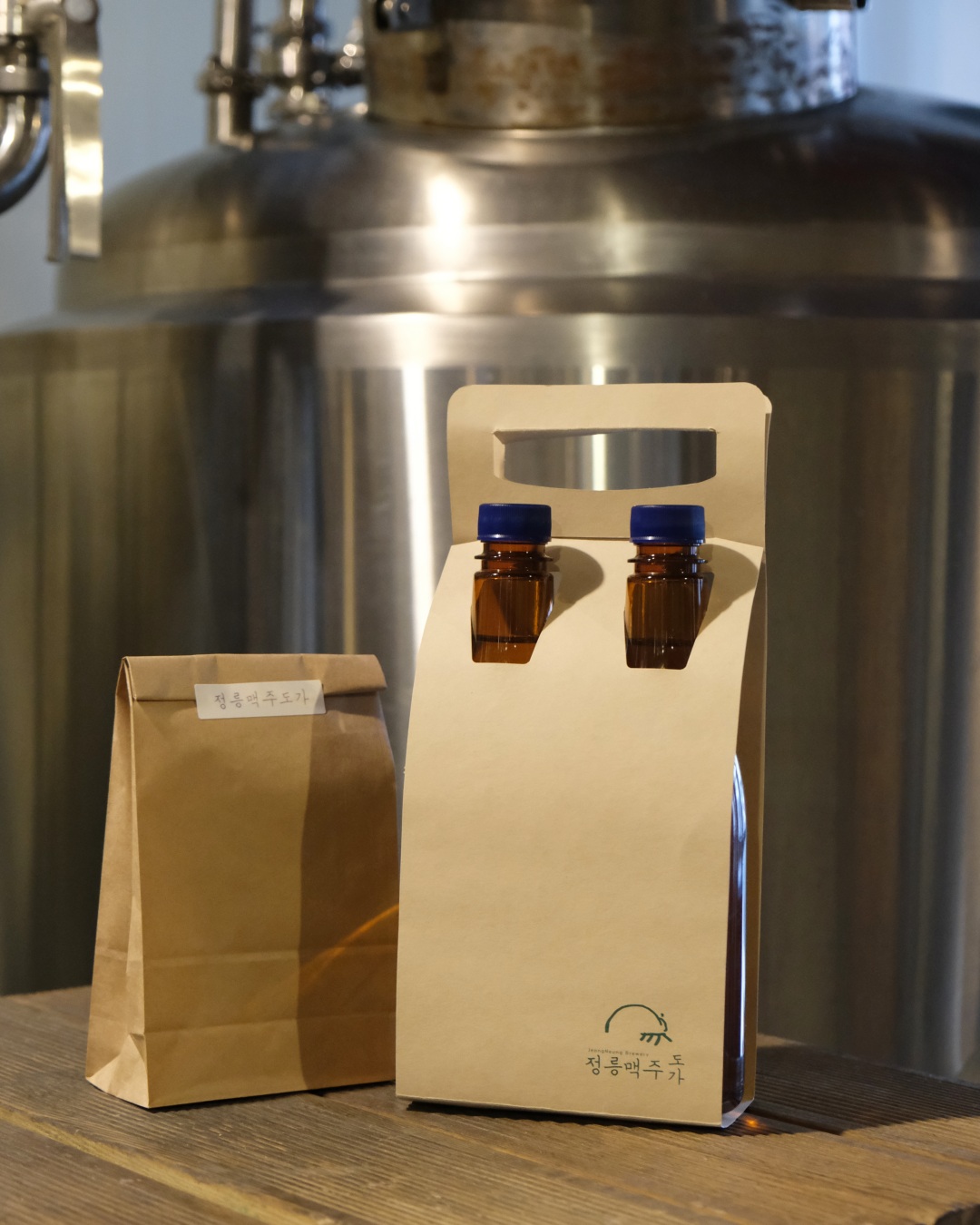
I loved beer and had been brewing as a hobby even before craft beer became popular in Korea. That hobby eventually became my job. At first, I didn’t plan to sell retail. Originally, I wanted to brew in what is now my brewery space and supply it in 20-liter *kegs to specialty bars. Then, when I needed to send samples to the Ministry of Food and Drug Safety, I filled some small PET bottles and gave them as gifts to the neighbors across the street, next door, and around the area. After that, people started asking to buy the beer, one by one. It was right when COVID started, so I figured I’d just try selling for a little while—and well, here we are. (laughs) Now I barely do any wholesale. There used to be just a small awning in front of the shop, but in summer, customers waiting outside had nowhere to shelter from the rain, so that fall we immediately renovated to create a proper waiting area.
*A metal container used to store draft beer
Why did you choose to settle in Jeongneung?
Once I decided to build a brand, I traveled all over Seoul looking for the right spot. I chose Jeongneung for two reasons. Usually people look for commercially advantageous locations—places suited to trends or new ventures—but I think I wanted something that felt like it could last a long time instead. Second, the feeling of the place was just right. Even the name ‘Jeongneung’ itself has a certain charm. If you look at our shop’s name, you’ll see that the combination of ‘Jeongneung’ and ‘beer doga’ makes it pretty clear what kind of place this is.
What do you consider most important in brewing?
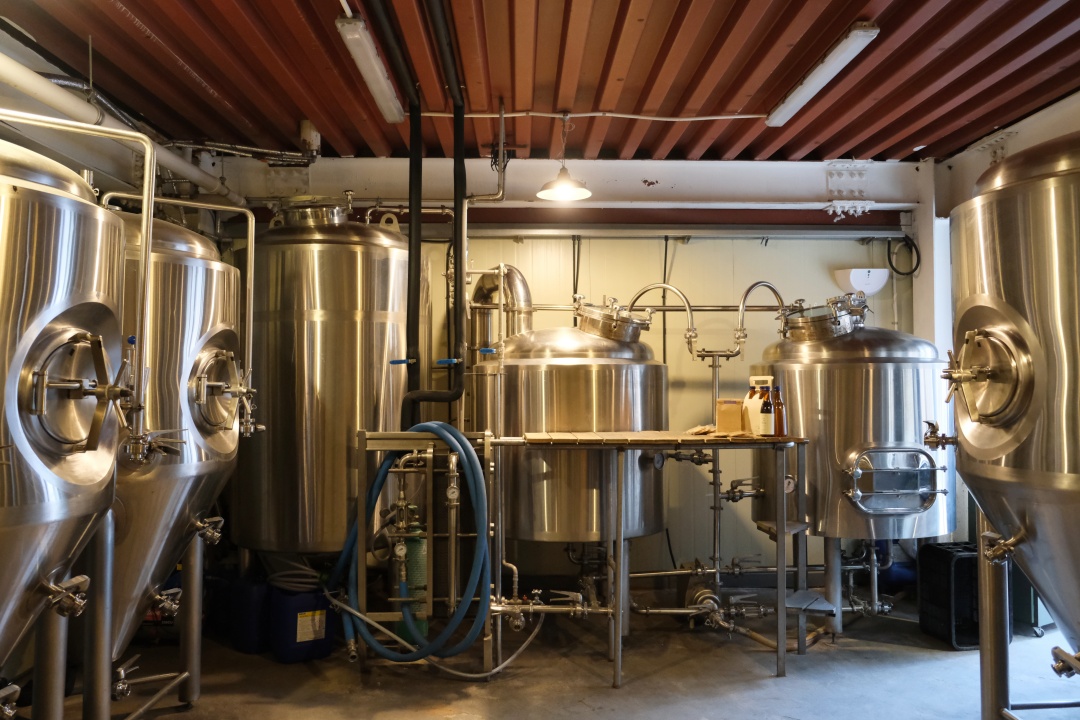
Most people just want to enjoy a beer casually without spending a lot of money. When people hear ‘craft beer,’ they often think of something hop-heavy, intensely flavored, and expensive. Sure, some people love that style, but plenty of others find the strong flavor and aroma off-putting. What matters most to us is making beer that anyone can enjoy without pressure—whether they’re an elderly neighbor or someone just starting out in the working world who doesn’t know much about beer.
How do you decide on your brewing direction?
Since beer developed in Europe, we follow their quality standards, but we aim for a flavor and balance that Koreans will genuinely enjoy. To bring out Korean flavors, I tried making things like mugwort ale. Mugwort isn’t widely eaten abroad, but it’s a beloved ingredient here in Korea. There’s actually historical record of Europeans once making ‘gruit beer,’ using herbs or root plants instead of hops. I figured it was worth a try, so I picked mugwort myself on a mountainside and developed a mugwort ale. I also made a beer inspired by sujeonggwa (a cinnamon-persimmon punch)—unfortunately I couldn’t share it with you today—using dried persimmon, jujube, and ginger, the same ingredients found in that drink. There’s also a drink called Andong sikhye, a spicy, refreshing beverage made with red pepper powder and ginger. Inspired by that, I even tried brewing a beer with red pepper powder in it.
I heard you run this place with your wife. How do you divide the work?
I generally handle anything physical or related to equipment, and we make other decisions together. My wife studied brewing engineering up to a master’s degree at the Technical University of Munich. She has far more experience with the technical and theoretical side of things. I approach it as a consumer chasing what I personally like, while she organizes everything she’s studied into academic knowledge and uses that as a reference—so naturally, our perspectives differ.
*I heard you also help others get started with small breweries.
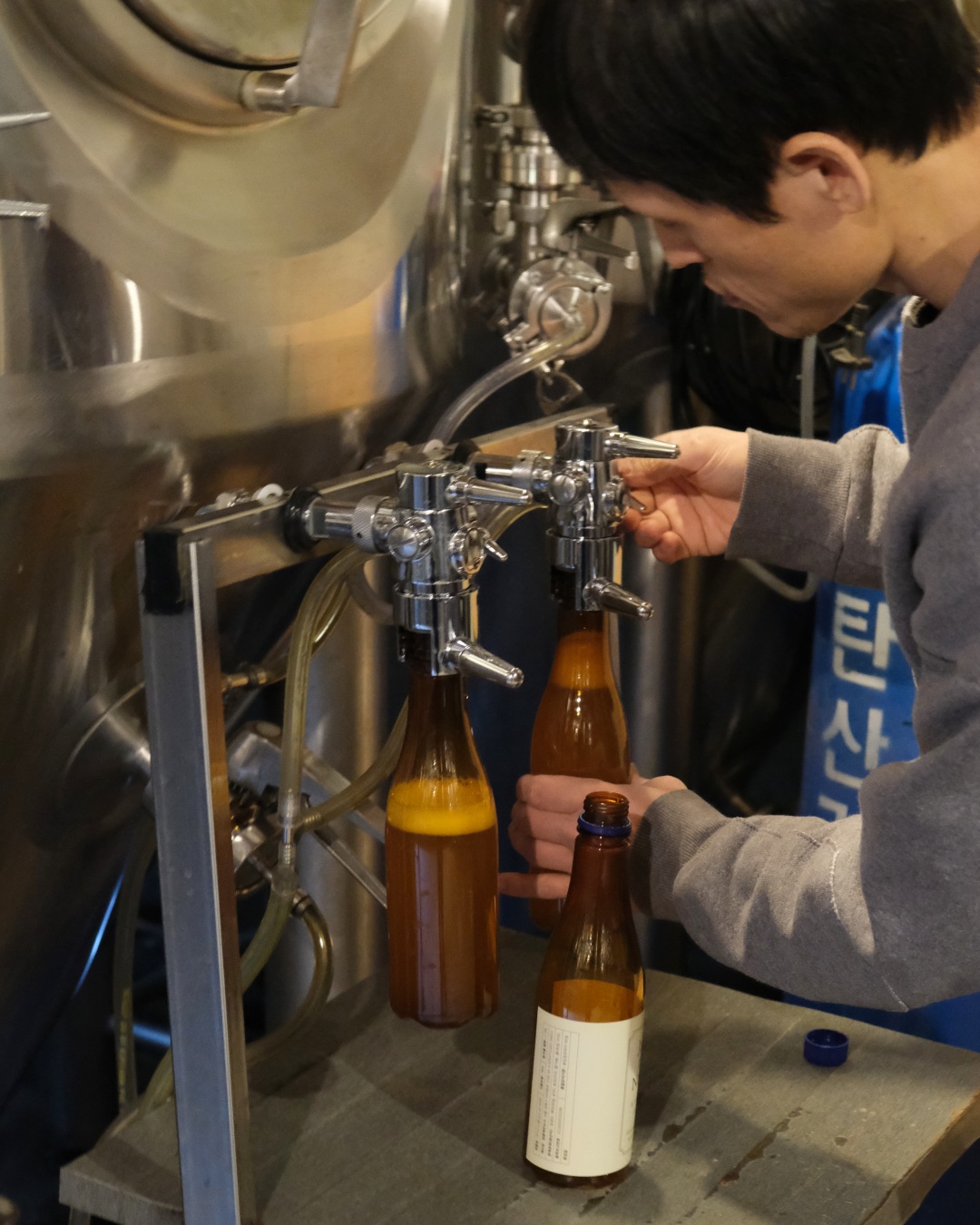
The biggest challenge for people starting out commercially is getting the right equipment. Since I’ve already been through that trial and error, I can help others. Even the PET containers we use now were developed specifically to suit small breweries, and I can share them with people who want to use them too. In the end, it’s about finding ways to share what I love. If more small breweries like ours pop up, more good beer can be made as a result.
*Inquiries about brewing equipment can be made through the Instagram account spicypint.
What’s it like keeping this shop in the same neighborhood for seven years?
I especially enjoy it when older folks stop by. What makes me happiest is that this is a place people can visit regardless of generation or taste. I actually posted about this on our Instagram once—older gentlemen often give very blunt opinions. Some of it isn’t technically correct from a brewing standpoint, but they’re speaking as consumers, after all. I really appreciate that. Sometimes I find a new direction from those comments. I might make something thinking, ‘I believe this is right, this tastes good to me,’ but that direction doesn’t always match what customers actually want.
Have you ever traveled with beer as the theme?
I did a Pilsner Urquell tour in the Czech Republic. I’ve also visited Belgium, the U.S., China, and Russia. American supermarkets are huge, right? I was impressed by the size of the beer section, thinking, ‘Wow, it really is huge!’—but right next to it was an equally large European beer section. And next to that, a whole local beer corner. The Czech Republic and Russia also have enormous beer consumption. While kegs used to distribute draft beer in Korea are usually 20 liters, the Czech Republic and Germany commonly use 50-liter kegs. In Russian supermarkets, they even sell beer straight from massive 5,000-liter tanks like the ones used in breweries.
I’m curious about your personal taste in beer.
I love Belgian beer. It belongs to a slightly different category than ordinary beer—there’s something special about how it combines elements of both wine and beer. It’s sour and has a higher alcohol content. Brewers use all sorts of methods, including blending different beers, to create incredibly diverse flavors. In the wine world, people often describe notes like graphite, leather, or tobacco, right? A lot of Belgian beers carry those kinds of aromas too. When I traveled through the Belgian countryside, I got the sense that people’s whole attitude toward beer was different there. At cafés, people drink beer with breakfast, and wine too, and even with kids around, nobody thought anything of it.
Is there anything you hope to accomplish this year?
What I regret most about our current space is that there’s nowhere to sit. Like that café in Belgium I mentioned, I’d like to create a space where people can drink coffee, eat a meal, and enjoy beer freely. Germany’s beer gardens are also an ideal model. It probably won’t be this exact spot, but I’d like to find another space in Jeongneung where customers can relax with a beer and enjoy food they’ve brought over from nearby.


