Itomachi Hotel Zero — Japan's First Zero-Energy Hotel in Ehime Prefecture
Itomachi Hotel Zero is Japan's first zero-energy hotel. We talk with its operator about how this sustainable hotel is bringing new energy to Saijo in Ehime Prefecture.
Itomachi Hotel Zero — Japan’s First Zero-Energy Hotel in Ehime Prefecture
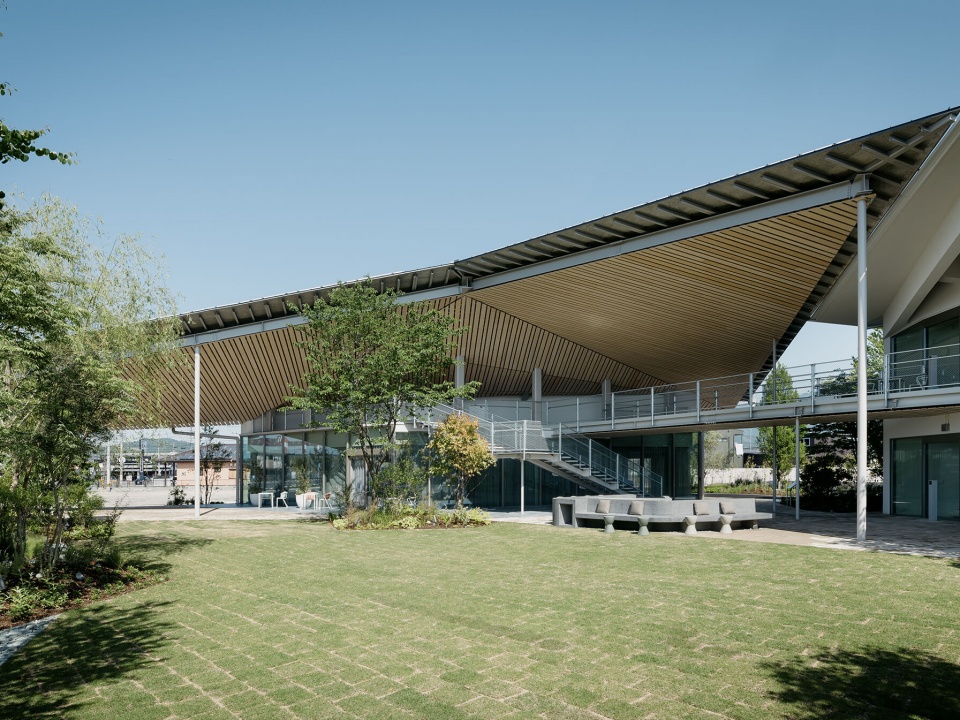
Itomachi Hotel 0 is breathing new life into Saijo, a small city in Japan’s Ehime Prefecture. Even before it opened in May 2023, it drew global attention for its design by architect Kengo Kuma and its original operating concept. We spoke with Akeyama Junya of Goodtime, the company that runs the hotel, about Itomachi’s approach to caring for both the region and the environment.
Interviewer Hur Taewoo
Interviewee Akeyama Junya, CEO of Goodtime
In collaboration with Inpainter Global
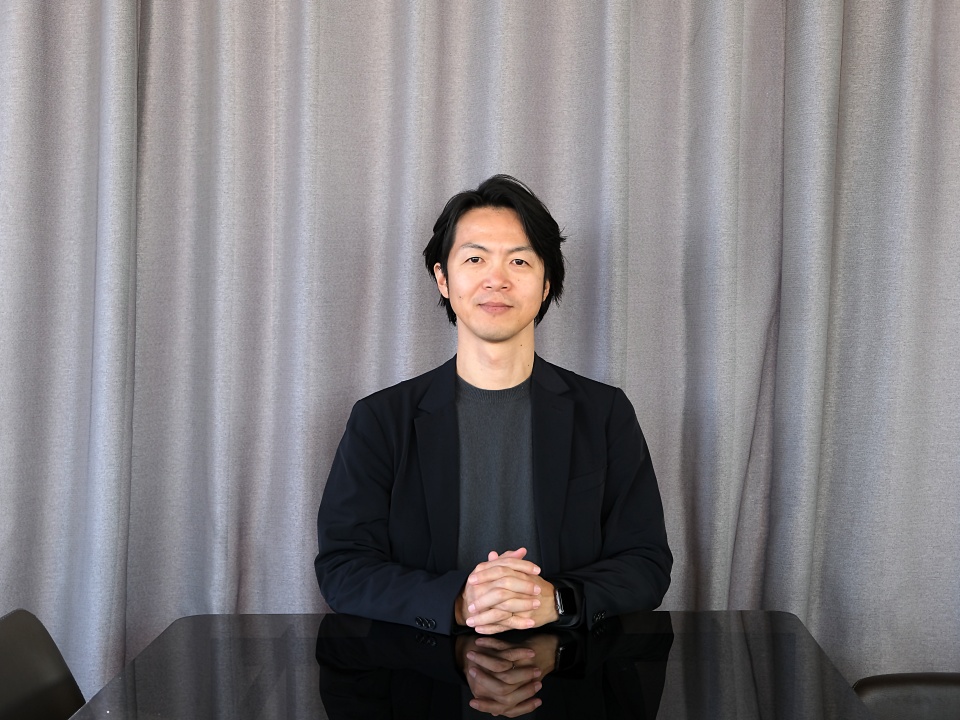
Could you start with a brief introduction to Goodtime?
We’re a company that creates distinctive places. We work on a wide range of them, from commercial facilities and housing to hotels and entire town developments. In particular, we’re building business models in which design value and profitability can coexist.
What kind of place is Saijo in Ehime Prefecture, where Itomachi Hotel Zero stands?
It’s a small city about an hour from Matsuyama. It takes five hours from Tokyo by train or plane, and three hours from Osaka. Thanks to its location on the Seto Inland Sea, it has an active industrial complex centered on manufacturing, and it has long been famous for its natural spring water, known as uchinuki. Its natural environment is outstanding too, with Mount Ishizuchi, the highest peak in western Japan. The local specialty is Iyo blue stone (Iyo no Aoishi), a mineral formed about 200 million years ago deep beneath the sea and brought up to the surface. But the city appeals not only for its nature but also for its history and culture. Mount Ishizuchi is well known as one of Japan’s sacred mountains, and Saijo’s matsuri festival has been held for more than 300 years, since the Edo period. It’s so famous that people from Saijo return home for the festival rather than for the New Year. Saijo has also ranked first for three years in a row in a survey of regional cities where Japan’s younger generation would most like to live.
Please tell us about the Itomachi project.
Itomachi is a project aimed at adding vitality to what makes Saijo appealing. Led by Advantec, a Saijo-based company that manufactures electronic equipment and operates a solar power business, we’re building a mixed-use district across about 6 hectares. It was planned by the Kengo Kuma Laboratory at the University of Tokyo. At present, Itomachi Hotel Zero and the Marché (a store for local products) are complete. A hot spring facility is in preparation, and residences are planned across the river on the site.
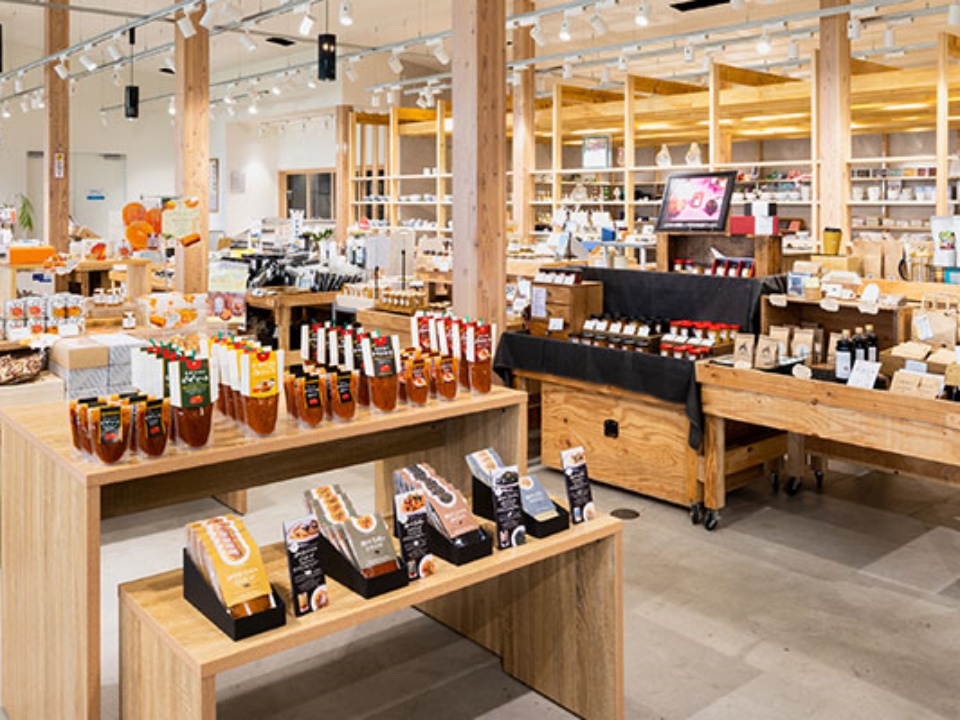
The Marché in the commercial zone sells local specialties and products, with a focus on sharing the region’s traditional food culture. We also brought in an Italian restaurant through a commission to a restaurant in Ginza. Saijo never had facilities like these before, so they’re attracting a lot of interest.
The energy policy of the Itomachi project is intriguing.
Itomachi aims to overcome the difficult realities facing Japan’s regional cities and contribute to a decarbonized society. We’re building a system that stores solar power and uses it effectively. To be ready for natural disasters, the town normally receives electricity from the power company, and in an emergency it draws on its own stored energy. The system can supply the town with electricity for up to three days. We stock food and water as well as electricity. The whole of Itomachi can shelter about 800 people.
How did Itomachi Hotel Zero begin?
Our goal is to care for the environment through a zero-energy hotel, bring new vitality to Saijo, and pass it on to the next generation. First, we want to increase Saijo’s “relationship population,” meaning people who have an ongoing connection with the area. Before the hotel opened, most visitors were people from nearby areas who drove over for a short visit. Since it opened, many people from around the world have come, and they have a reason to stay longer. Where we once had many visitors from the Kansai region, many travelers now come from Tokyo.
What is a zero-energy hotel?
“Zero energy” means that if a building needs 100 units of energy to run, you cut its energy use by 50 percent and produce the remaining 50 percent yourself. To do this, we design the building’s structure with that in mind, install high-efficiency insulation and heating and cooling systems, and set up lighting effectively, among other measures. Itomachi Hotel Zero is a zero-energy hotel that cuts energy use by 50 percent this way and makes up the other 50 percent with solar power.
What did you focus on in planning and running Itomachi Hotel?
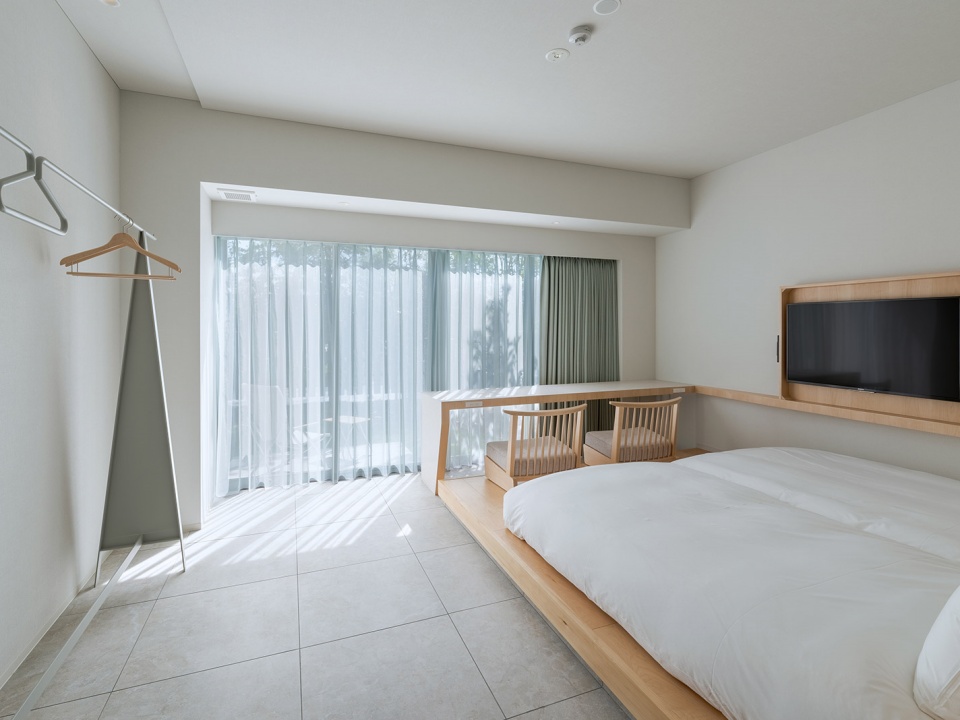
With accommodations, it’s important to give people a reason to want to go there. The title “Japan’s first zero-energy hotel” is just one element of promotion, and we don’t go out of our way to tell guests about it. Instead, we try to highlight local production for local consumption, in energy and even more in local culture, as the hotel’s appeal. We’re preparing things so that even someone who knows little about Ehime Prefecture can come to fully understand what makes the region special, from zero to 100, during their stay.
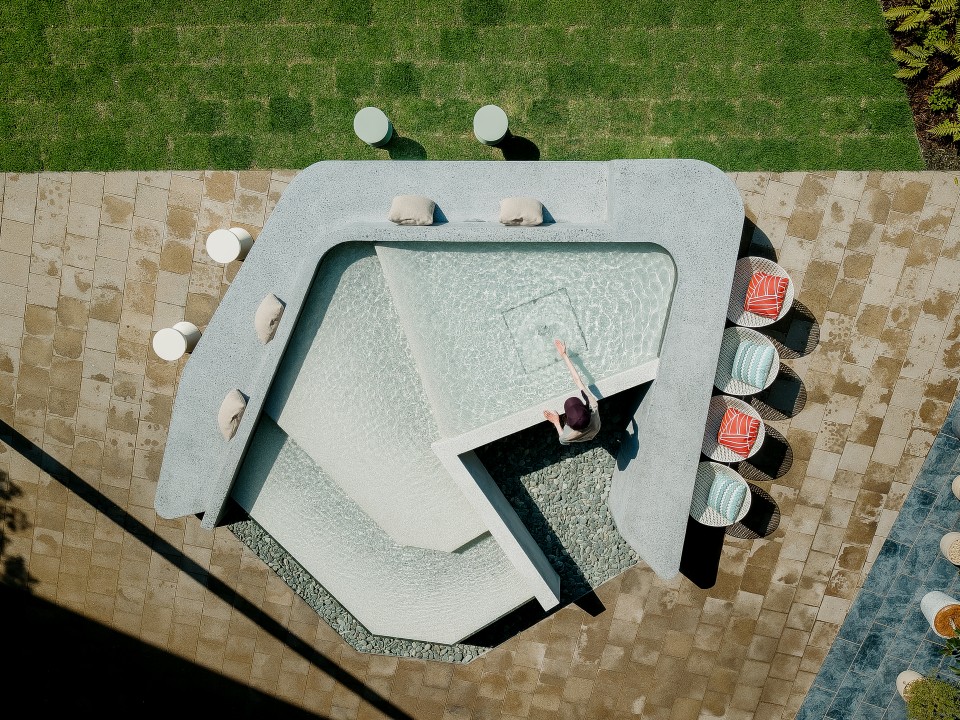
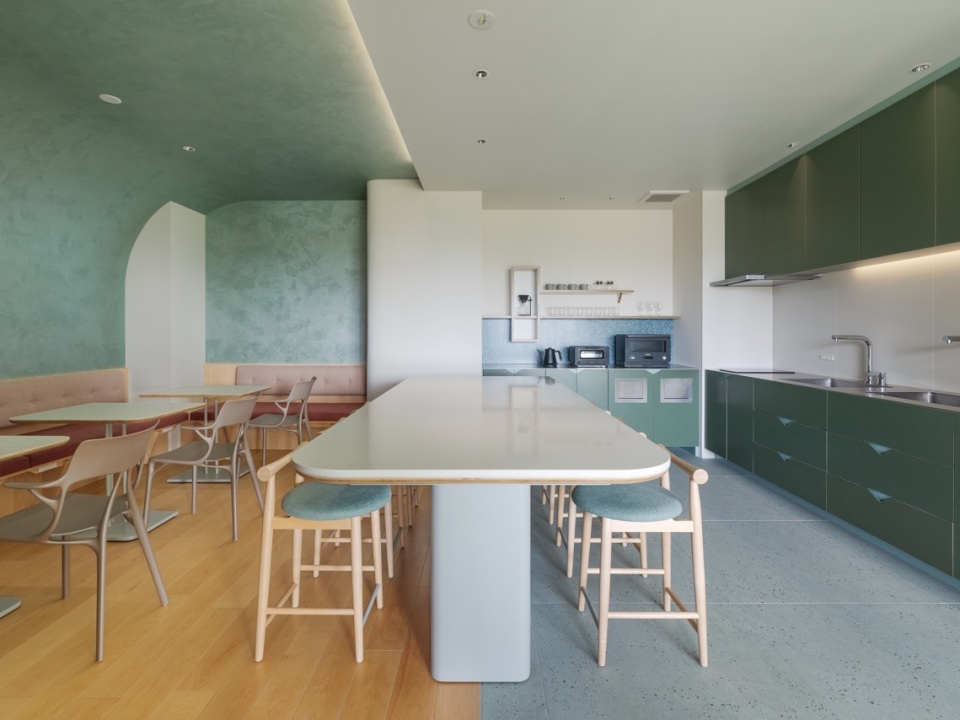
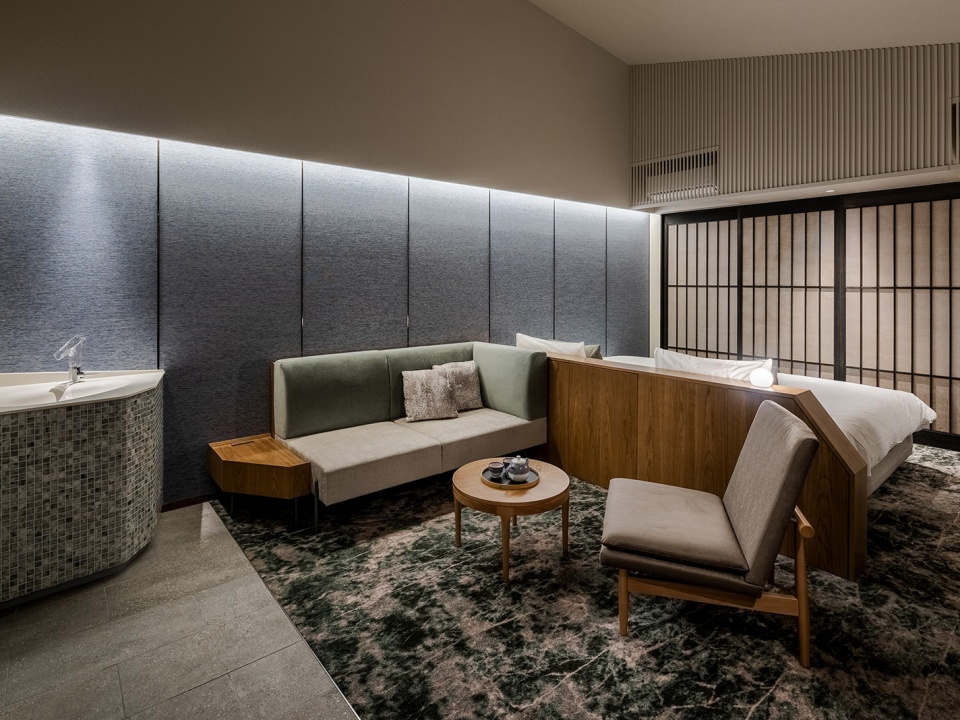
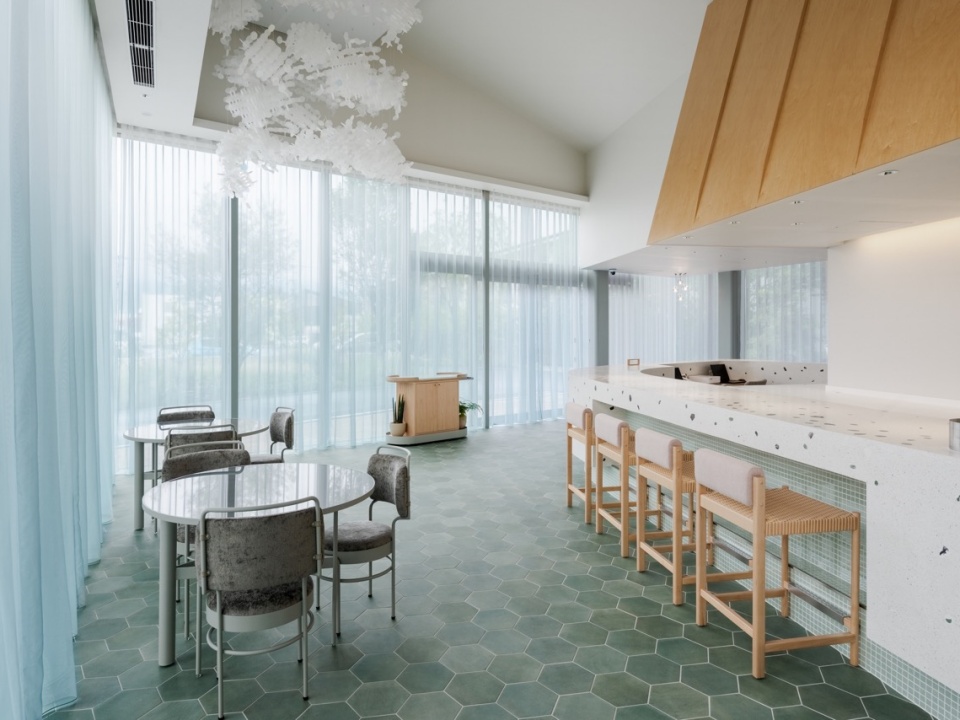
When designing the building, Kengo Kuma thought of the hotel lobby as a plaza. He designed it so that the region’s spring water flows through that plaza. The hotel conveys Saijo’s distinctive atmosphere throughout: the common spaces, including the reception, café, restaurant, and coworking space, use the emerald color of Saijo’s Iyo blue stone, and the room amenities are Ehime specialties too. We have Tobe ware ceramics and Imabari towels, and we source ingredients through partnerships with local farms and orchards. The Wakizeda green tea and the ICOI COFFEE drip bags are also from local Ehime brands. The bath products are from the organic cosmetics brand Nemohamo. Kengo Kuma’s architectural design, which blends with Saijo’s nature and culture, is another selling point.
The F&B concept seems to be another distinguishing element.
It also focuses on the environment. At the Reception Cafe, we serve meals made with locally grown seasonal vegetables and fruit. Based on the zero-energy concept, we use 10 percent more of the good ingredients with antioxidant and anti-aging benefits, relative to Japanese nutritional intake standards, and we lower the total calories by 10 percent.
How have locals responded?
In Japan’s regions right now, large commercial facilities are steadily disappearing. With Itomachi’s arrival in Saijo, residents have responded positively. In Japan, New Year’s and year-end parties usually draw 50 to 100 people, but most facilities that could hold that many have closed. Many wedding halls have disappeared too… So everyone is glad to have a facility and restaurants that can accommodate large groups. It’s also the result of Kengo Kuma’s research team reflecting residents’ opinions extensively from the planning stage. Local government offices are pleased as well, because Itomachi’s founding gave them a good opportunity to promote their relocation policies.
How do you plan to approach sustainability going forward?
To strengthen local production for local consumption and eco-friendliness, I think we need to create more region-specific activities. We plan to keep introducing programs such as local farm experiences and brewery tours.