
How to Live in Queensland as a Koala — Protecting Queensland’s Koalas
This May, the Currumbin Wildlife Hospital Foundation in Queensland, Australia, held a livestreamed charity event to share the plight of endangered koalas with the world. We look at the sustainable future of koalas through this community-based hospital.
How to Live in Queensland as a Koala — Protecting Queensland’s Koalas
Last May, the Currumbin Wildlife Hospital Foundation in Queensland, Australia, hosted a charity event. Because of COVID-19, it was held as an online livestream rather than in person, and it was called Virtual Benefit Under The Stars. Viewers met the hospital’s adorable koala patients and shared the endangered animals’ current situation with people around the world. Let’s catch a glimpse of a sustainable future for koalas at the community-run Currumbin Wildlife Hospital.
Words Pyo Youngso
Photos Courtesy of the Currumbin Wildlife Hospital Foundation
About the Hospital
Currumbin Wildlife Hospital (CWH)
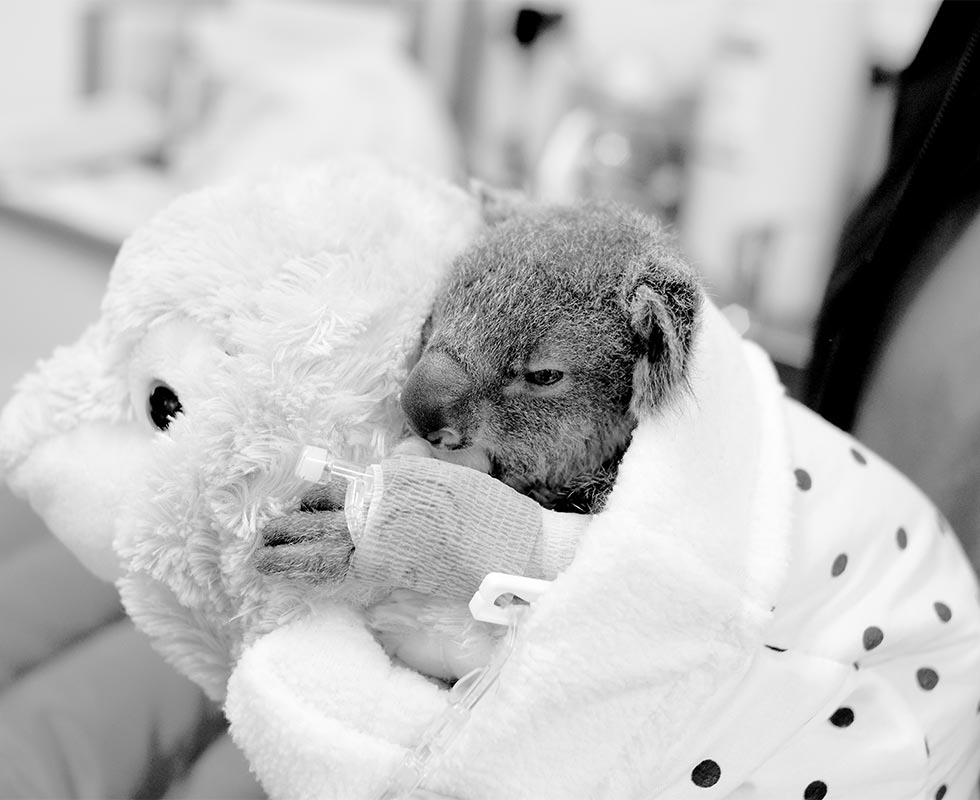
Located inside the Currumbin Wildlife Sanctuary on the Gold Coast, Currumbin Wildlife Hospital is known as “the world’s busiest wildlife hospital.” Its role is to treat wild animals that have been orphaned, sickened or injured, and to return them to their natural habitats after rehabilitation. Conducting research and projects needed to protect wildlife, as well as collecting data, is another important task. Through this work, the hospital’s ultimate goal is to safeguard the future of wildlife on the Gold Coast.
The hospital treats well over 10,000 animals a year, of which around 500 are koalas. As severe bushfires and drought in Australia have recently increased harm to wildlife, many animals, koalas among them, have been pouring into the hospital. Habitat destruction, food shortages, limited shelter and health problems are all intertwined, and the number of injured animals is expected to rise further over the next six months to a year.
Basic Knowledge and Tips for Protecting Wildlife from CWH
CWH’s Common Sense and Tips for Conserving Wildlife
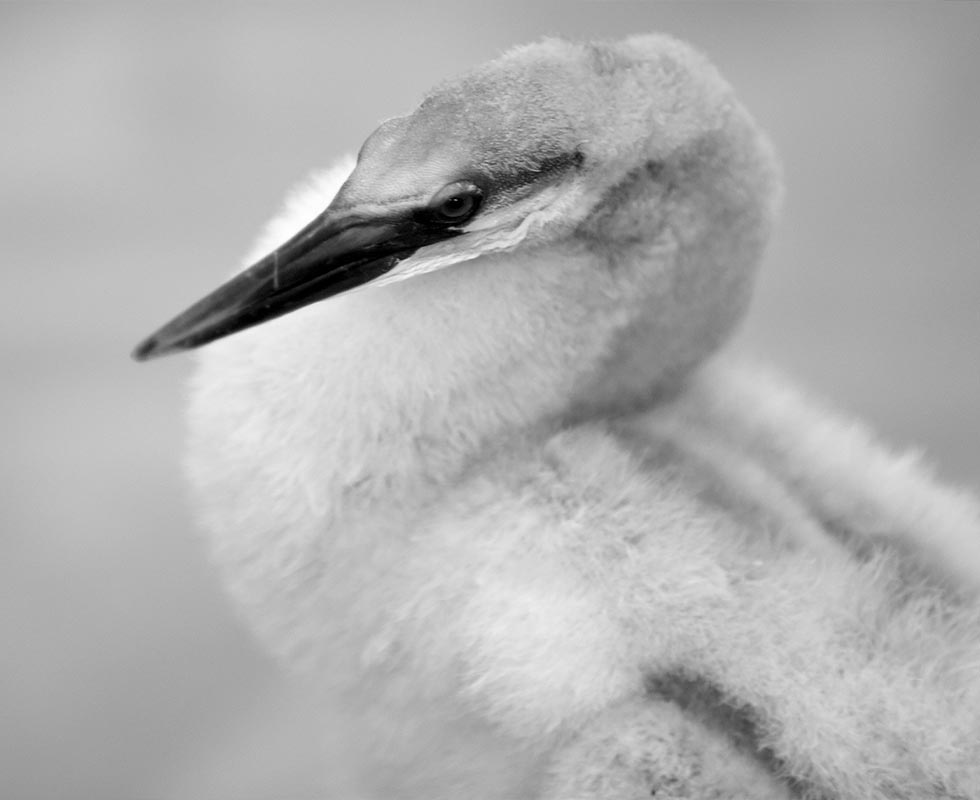
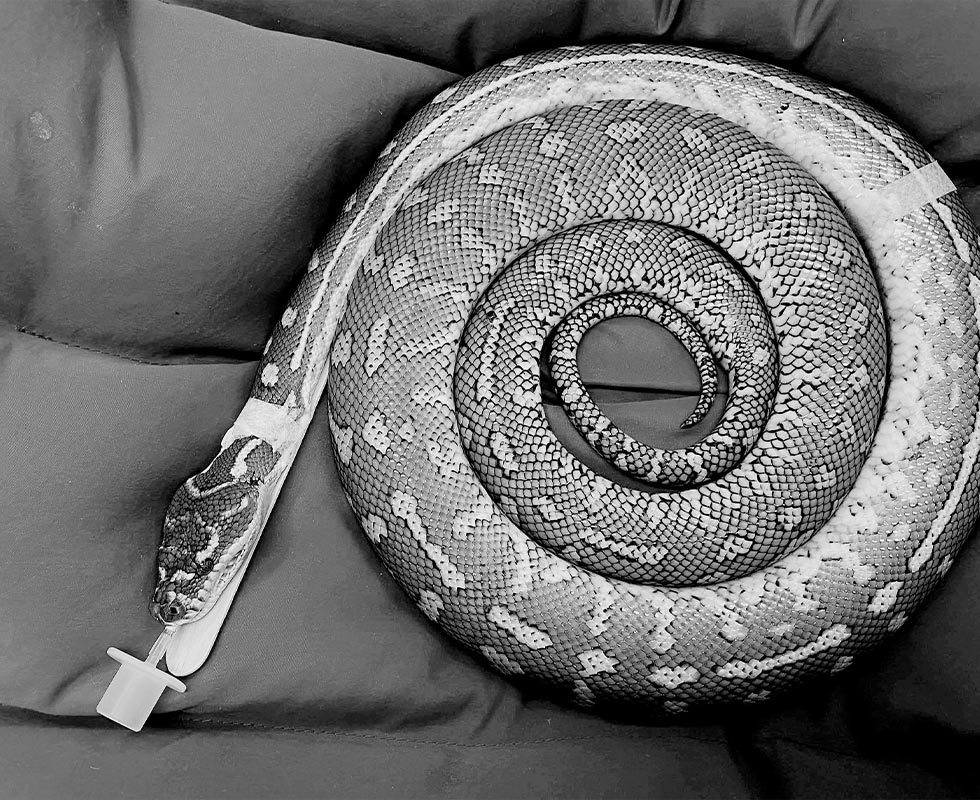
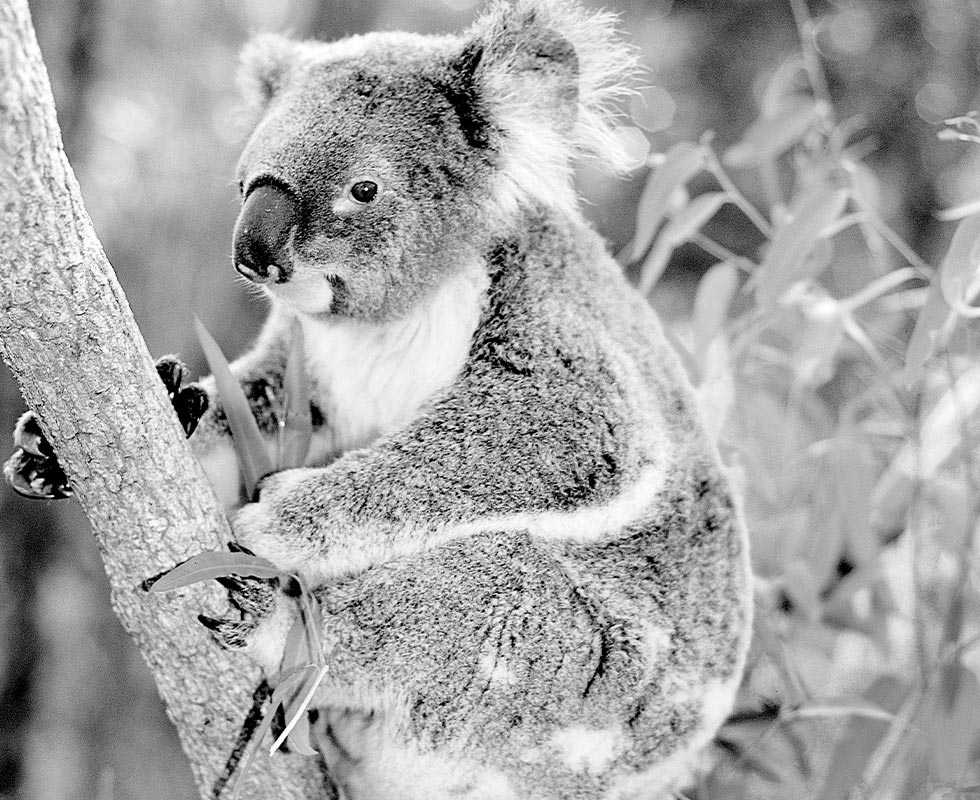
1. Most harm to wildlife is caused by humans. Typical examples include habitat destruction, traffic accidents, attacks by household pets and the careless use of fishing gear.
2. What can we do in daily life or while traveling to protect wildlife? First, to minimize stress on animals, observe them around sunrise or sunset, when they are on the move. Secure your doors and gates so that pets cannot escape. Reduce your use of plastic, and take care that waste does not flow into waterways.
A Great Barrier Reef Trip with Citizen Science Projects
Side Trip
All is not well with the Great Barrier Reef, the world’s largest coral system, which stretches along Australia’s northeastern coast. Rising sea temperatures are causing widespread coral bleaching, and the more tourists a site attracts, the more serious the situation. When corals lose their vivid colors, the countless marine creatures that depend on the reef suffer as well. Instead of simply marveling at the emerald, otherworldly scenery or enjoying water activities, here are a few marine research projects that anyone can easily join.
1. Project Manta: As part of ecological and biological research on manta rays at the University of Queensland, the project collects photos and videos of the undersides of these creatures. Simply sharing a manta ray photo on the official Project Manta Facebook page is a great help to the research. Anyone who discovers a new ray species even earns the right to name it. ProjectMANTA
2. Free tour of the Heron Island Research Station: Guests staying at Heron Island Resort can tour the largest research station in the Southern Hemisphere for free.
3. Minke Whale Project: The Great Barrier Reef Marine Park Authority (GBRMPA) links travel with research to support the study of small minke whales that visit the area in winter. Travelers become citizen scientists and can swim with the whales. The data collected is passed through tour operators to minke whale research conducted at James Cook University.


