
How to Be Neighbor in Huamdong — Becoming a Neighbor to the Locals of Huamdong at Tortue Seoul
Tortue Seoul, a local stay in Seoul's Huamdong neighborhood, shares a sustainable way to travel through an old, quiet part of the city — by becoming a neighbor.
How to Be Neighbor in Huamdong — Becoming a Neighbor to the Locals of Huamdong at Tortue Seoul
Every notice inside the rooms is printed on recycled paper, and bamboo tissues and toilet paper made from recycled milk cartons are provided throughout — Tortue Seoul, a local stay in Seoul's Huamdong neighborhood, has woven a zero-waste philosophy into every corner of its space. Alongside this, the most sustainable way to travel, according to Tortue Seoul, is simply to become a neighbor in an unfamiliar neighborhood.
Interviewer Parc Jinmyoung
Interviewee SOO (operator of Tortue Seoul)
What was this building used for before Tortue Seoul moved in?
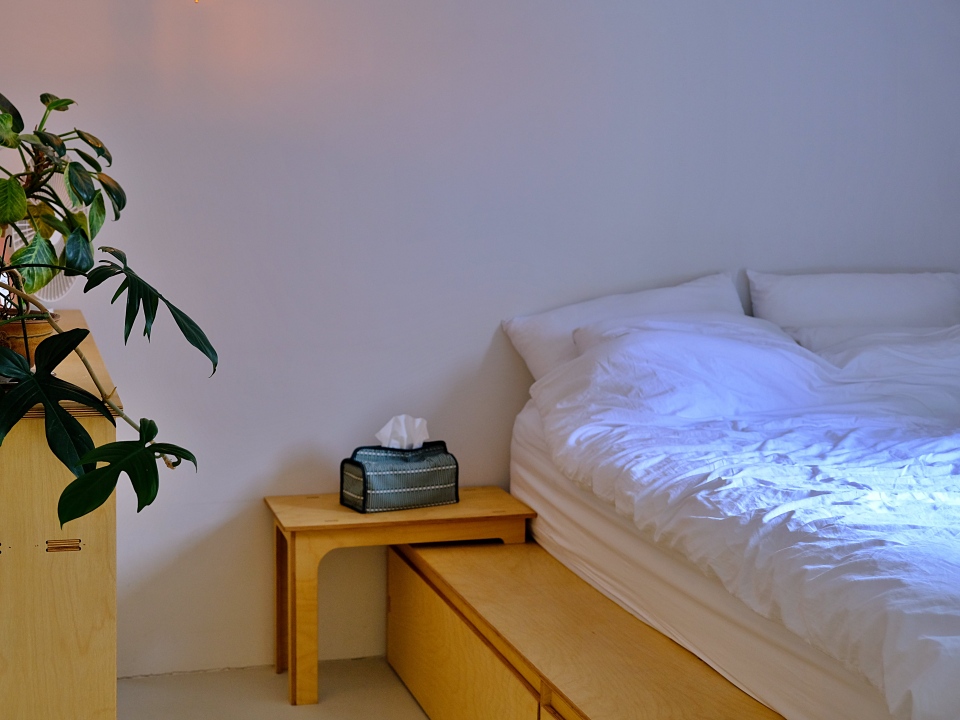
It's a two-story house built in 1965. The first floor, which became the guest rooms, originally housed a sewing machine factory. After the factory closed, the space sat abandoned as storage for a long time. Once I decided to run a lodging space here, I led the entire renovation myself — from design to construction, interior work, and even furniture making. Since I had no background in interior design and was also attending graduate school at the time, it took quite a while to finish. The second floor is still used as a residence, as it originally was.
What concept did you design the space around?
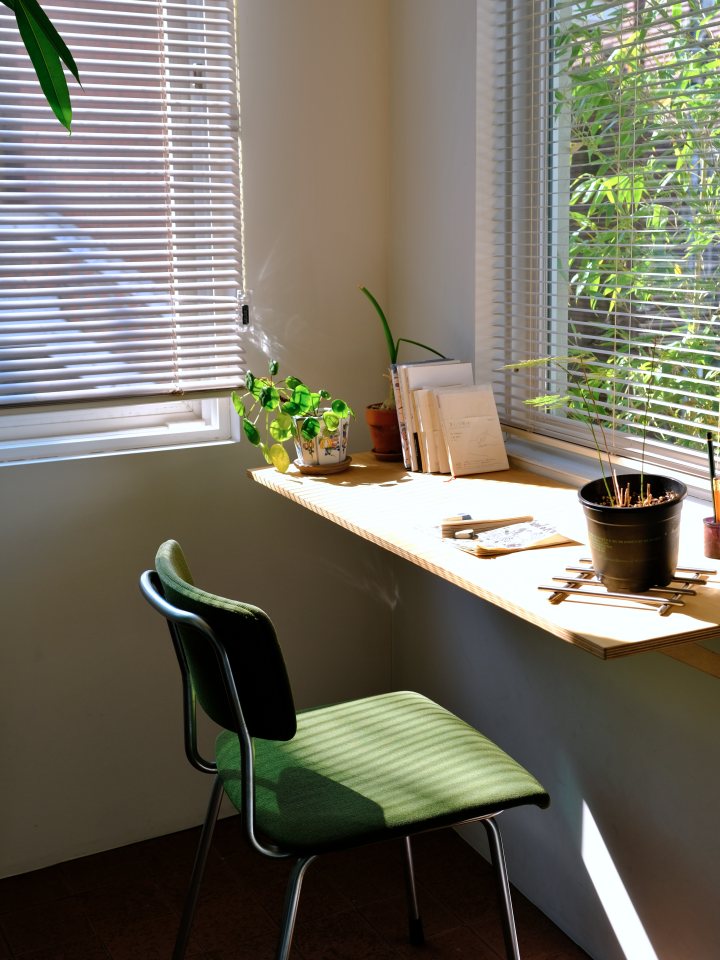
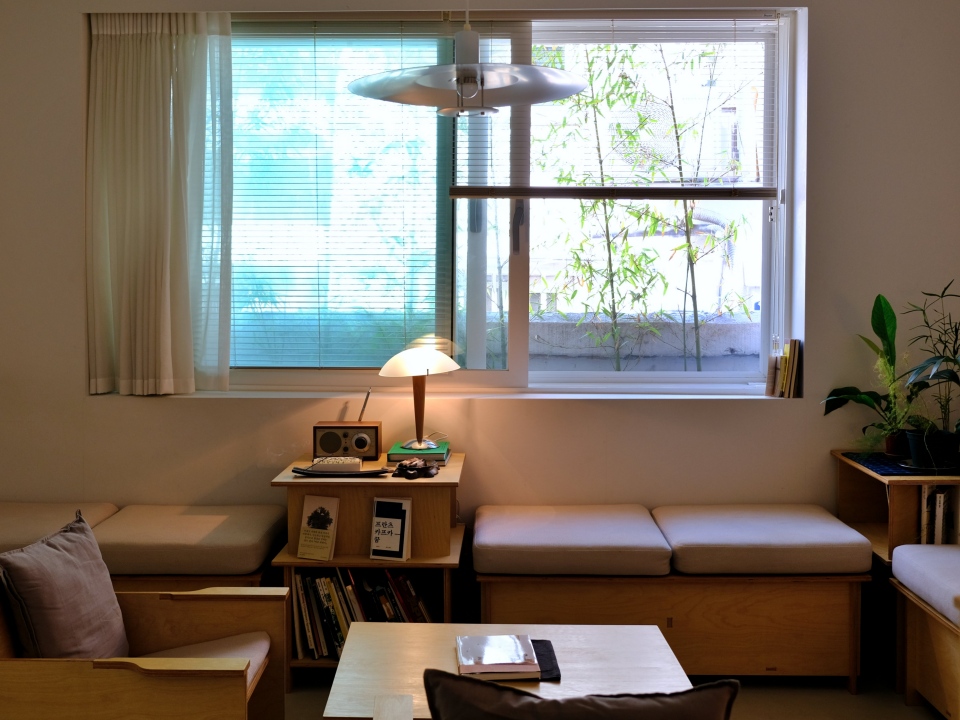
I usually enjoy visiting trendy cafés, but I noticed that most of the furniture in style these days looks nice but isn't very comfortable to actually use. Since this is a place for guests to stay, I felt it was even more important that there be nothing uncomfortable or visually jarring. I wanted to provide both aesthetic and functional comfort while still giving guests a sense of being on a trip. For example, I worried that a sofa with a backrest would make the space feel cramped, so I made a modular sofa instead, with cushions placed on a bench. I deliberately avoided typical residential interior elements like molding and standard flooring. Most of the furniture was custom-made.
What does the name Tortue mean?
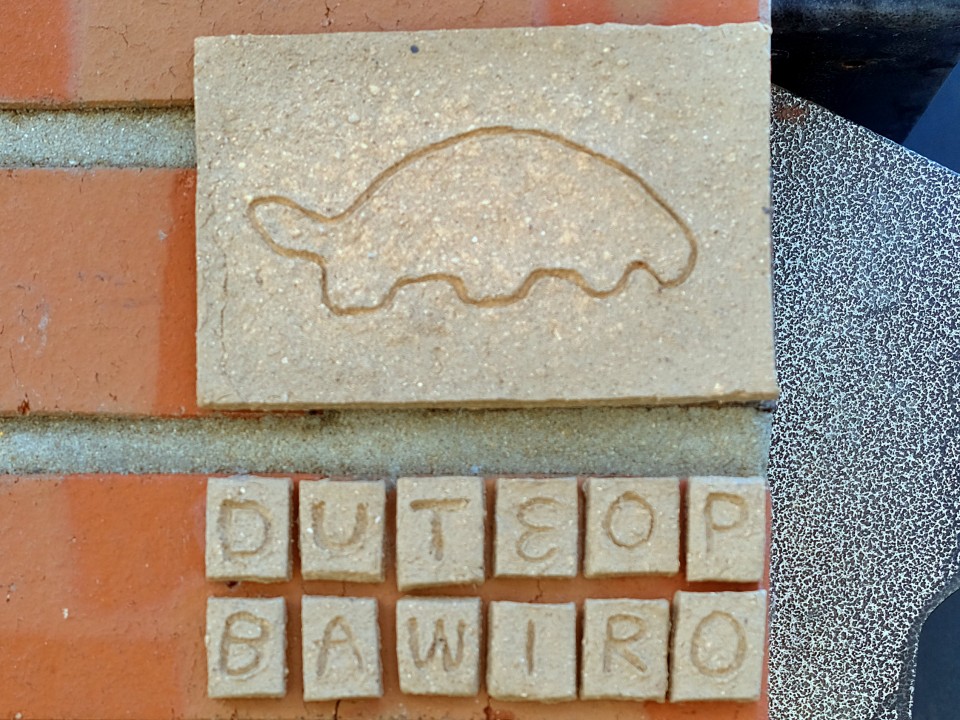
I love turtles. ‘Tortue’ means turtle in French. It's not exactly a name I'm thrilled about (laughs), but no matter how much I thought about it, nothing better came to mind. The name reflects the idea that at Tortue Seoul, it's okay to move slowly and be idle, just like a turtle.
You run this space with an emphasis on sustainable travel.
Honestly, no matter how much I try to run this place with zero waste or sustainability in mind, whether guests actually practice it depends a lot on their own inclinations. Even something as simple as the soap in the bathroom gets mixed reactions. I leave a note explaining that using soap doesn't pose any real hygiene issue, but people feel differently about it, and sometimes I just can't convince a guest. I think this might be one of the limitations of running a small-scale lodging space.
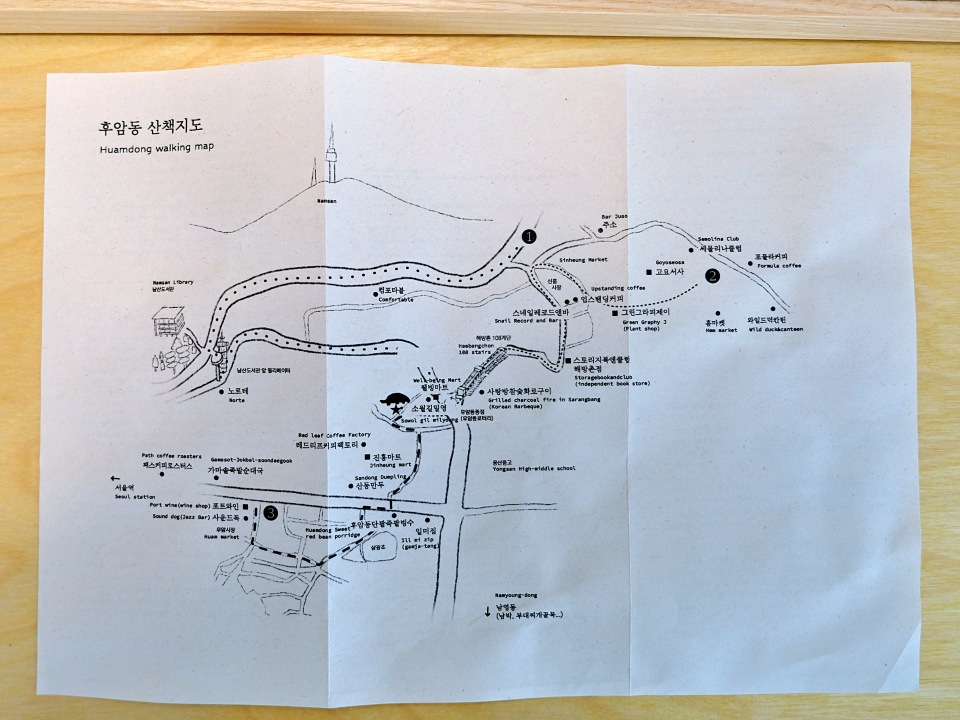
That said, there's one thing I can confidently claim: I've built loose but real relationships with people in the neighborhood. For instance, I take laundry to the local dry cleaner and pick up beans from a neighborhood roastery (Kongbat Coffee Roaster) within a 10-minute walk. It reduces my carbon footprint while also running this stay out of genuine affection for the neighborhood. In the end, even Paris's 15-minute city plan — a policy ensuring all amenities are reachable within 15 minutes on foot or by bike — is fundamentally about cutting carbon footprints.
Were you always interested in environmental protection?
It's nothing dramatic, but in summer I hold off on turning on the air conditioner until I think, ‘I'm going to die at this rate’ (laughs). In my passionate twenties, I used to feel so frustrated that everyone knew how serious the climate crisis was yet did nothing about it. I took courses on the climate crisis and even got involved in activism myself. I'm not as fervent about it now, but I still do my best within what I'm able to.
What led you to settle in Huamdong?
Most of the residents here are either elderly people who have lived their whole lives in this neighborhood, or young people like me who fled here, worn out by big-city life. That coexistence is subtle yet fascinating. I sometimes help the hardware store owner's grandson with his homework, or teach an elderly neighbor how to use digital devices. It's an atmosphere you rarely encounter in Seoul anymore, and I find it deeply satisfying.
What's the most memorable place you've traveled to?
Recently I visited Fujiyoshida, a small city north of Mount Fuji in Japan. It's a town where Mount Fuji is visible from everywhere — a place that truly lives alongside the mountain. It's so rural that most shops and restaurants don't even have signs, meaning only people who already know about them come by. I found a bar listed on a map app and ended up chatting with the owner in a mix of Japanese and English, and we hit it off. By the next day, I was touring Fujiyoshida together with him. I hesitated a bit, wondering if it might be risky, but the charm of travel lies in chance encounters, doesn't it? I also wanted to travel freely rather than rely too much on information. Thanks to that, I got to see all sorts of interesting things — walking a path that locals stroll every day, unexpectedly meeting the owner's cousin at an udon shop. It felt like I had lived in that town for a long time. I can't say that talking with just one person for a short time let me understand everything about that city, but I believe such experiences give travelers new energy for life. That's exactly what I hope guests at Tortue Seoul experience in Huamdong.
How did you first learn about Fujiyoshida?
A friend of mine once stayed at an artist residency in that town, and I remembered her saying it was a great place to rest when things got hard. So when I went to Tokyo, I decided to stop by. In a big city with countless options, everything can seem appealing, and you get caught up wanting to see it all, which sometimes ruins the trip. In Fujiyoshida, on the other hand, I liked that there weren't many options. When you go to the same restaurant, café, and bar every day, you naturally start to recognize the local residents, and they start to recognize you.
Were there any travel spots or spaces you referenced while running Tortue Seoul?
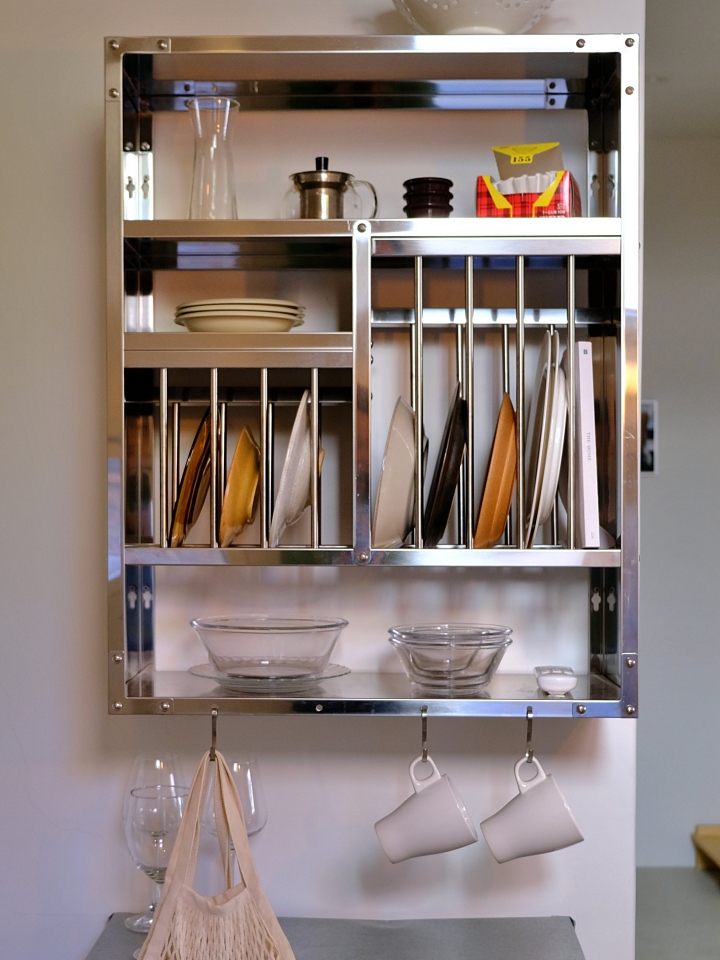
Personally, when I think back on my travel memories, cooking for myself at the place I was staying is always the first thing that comes to mind. I love cooking while traveling so much that even sharing a room with 16 people at a guesthouse felt fine, as long as there was a shared kitchen. Everything from grocery shopping to setting the table stayed with me as memories. I paid a lot of attention to the kitchen at Tortue Seoul, hoping guests here could gain similar memories. It's stocked with a variety of cooking tools, as well as seasonings like olive oil, salt, pepper, and basil.
What are your plans or goals going forward?
I think the most important thing for a space that people use is to hold onto a kind of loose, enduring strength over a long time. The book always sitting on the living room table at Tortue Seoul, ‘Music While Brewing Coffee,’ was written by the owner of Amenohi Coffee, a café I used to frequent. Recently, that place closed down for various reasons. It was one of the spaces that had steadfastly held its ground near Hongdae for a long time… and it felt like a piece of my own twenties disappeared along with it. I want Tortue Seoul, simply by continuing to exist for a long time, to be a source of strength for people. Sometimes just knowing that a place holding your memories is still there gives you the energy to keep going.


