How to Avoid Overtourism — Operation Keep Tourists Out
From Mallorca and Bali to Mount Fuji, Nice, Seoul's Bukchon, Athens, Pompeii, and Norway, here is how destinations around the world are curbing overtourism by limiting visitors, vehicles, hotels, and even promotion.
How to Avoid Overtourism — Operation Keep Tourists Out
Efforts to reduce the harmful effects of overtourism take many forms. Limiting visitor numbers is one of them. Some places ban vehicles in tourist areas, prohibit new hotel construction, or hold back on promotion. We’ve rounded up the policies of destinations around the world that are trying not to take in more tourists than they can handle.
Words Hur Taewoo
Click to subscribe to ‘Pitch by Letter’ and get useful travel information on the second and fourth Friday of every month!
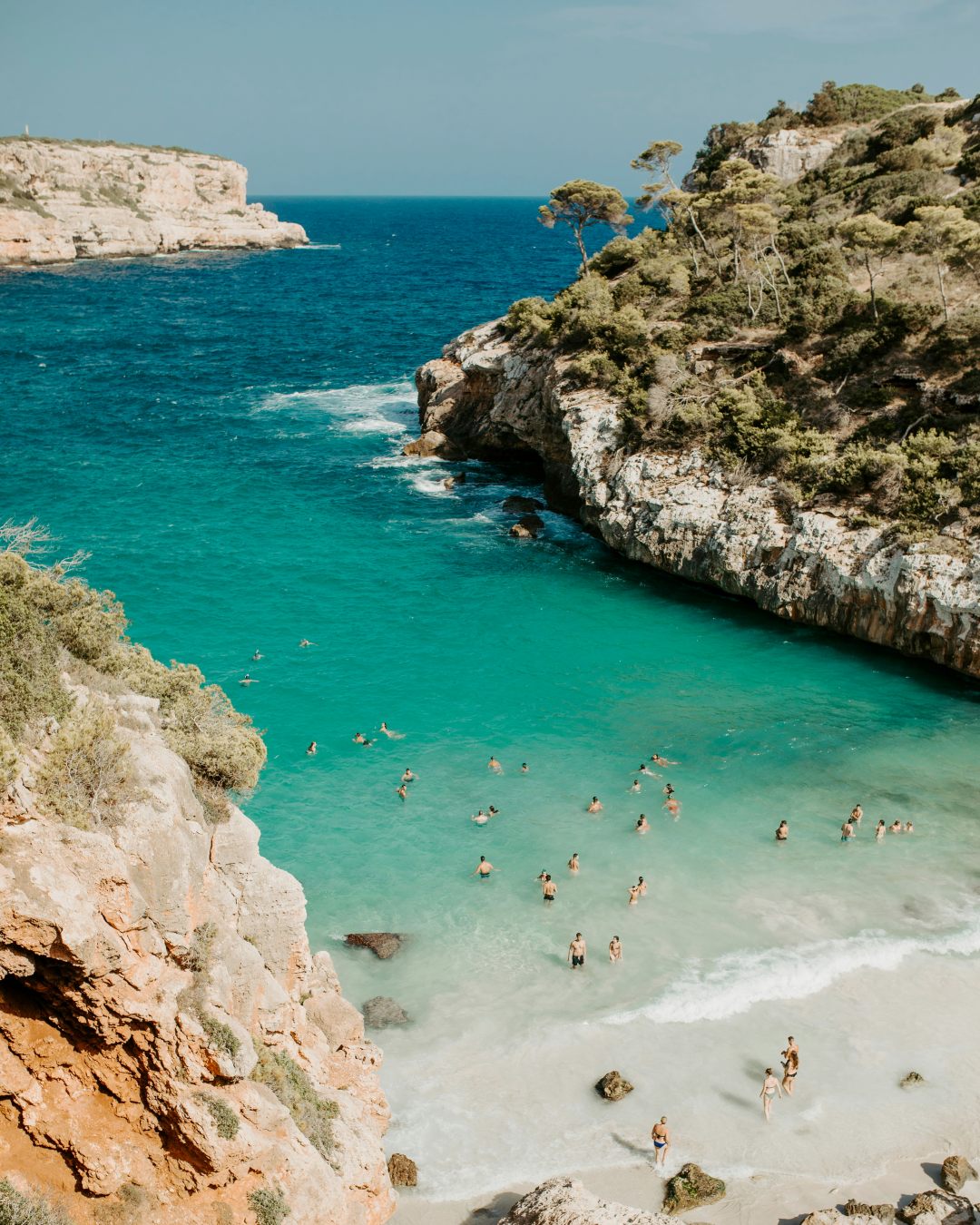
- Mallorca, Spain
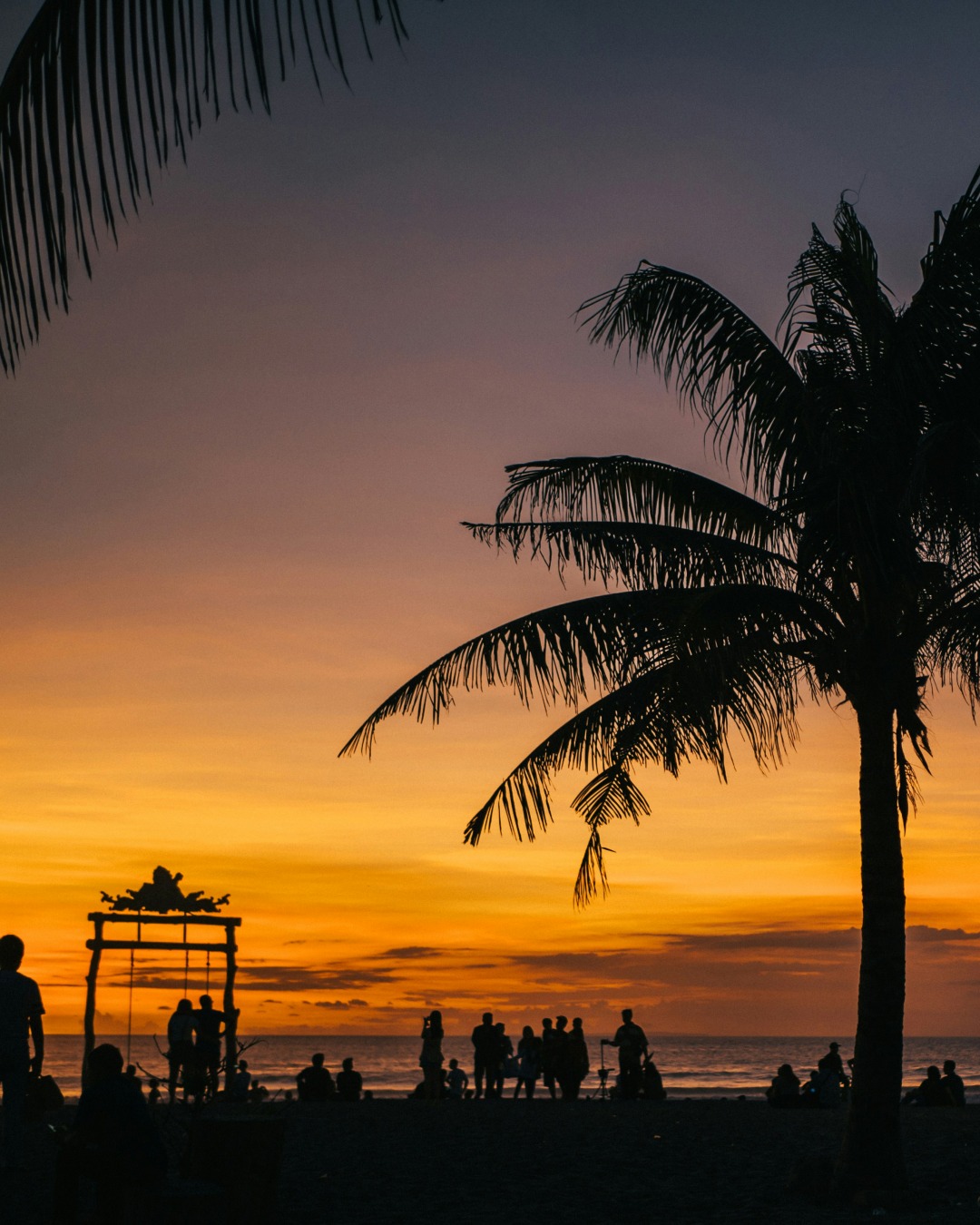
To ease traffic congestion, Sóller, a historic town on the island of Mallorca, has completely banned tourist vehicles, including rental cars, from entering its center. Only permitted vehicles may pass, and visitors must park on the outskirts and continue on foot. Mallorca also plans to impose an additional tax on rental cars, reportedly set at 30 to 85 euros depending on the length of the trip and the vehicle’s engine size.
- Bali, Indonesia
The Indonesian government has completely halted permits for new hotels, nightclubs, and villas in Bali’s crowded tourist areas, such as Ubud, Seminyak, and Canggu. The aim is to reduce indiscriminate environmental damage and naturally keep visitor numbers in check.
- Mount Fuji, Japan
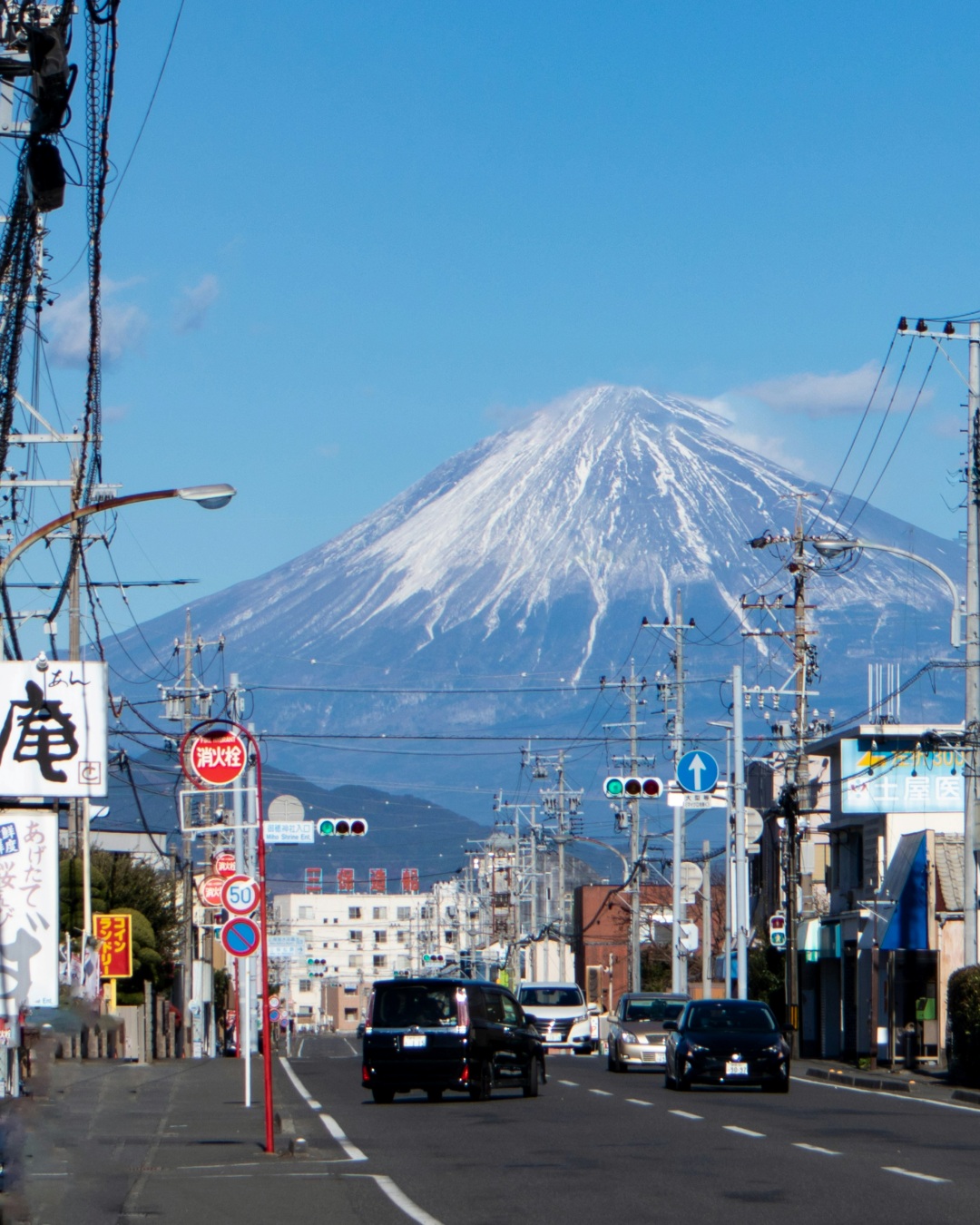
Since July 2024, Japan has capped the number of hikers on the Yoshida Trail, Mount Fuji’s most popular route, at 4,000 per day and raised the entrance fee to 3,000 yen per person. From 4 p.m. to 3 a.m. the next day, only guests staying at the mountain huts are allowed to climb.
- Nice, France
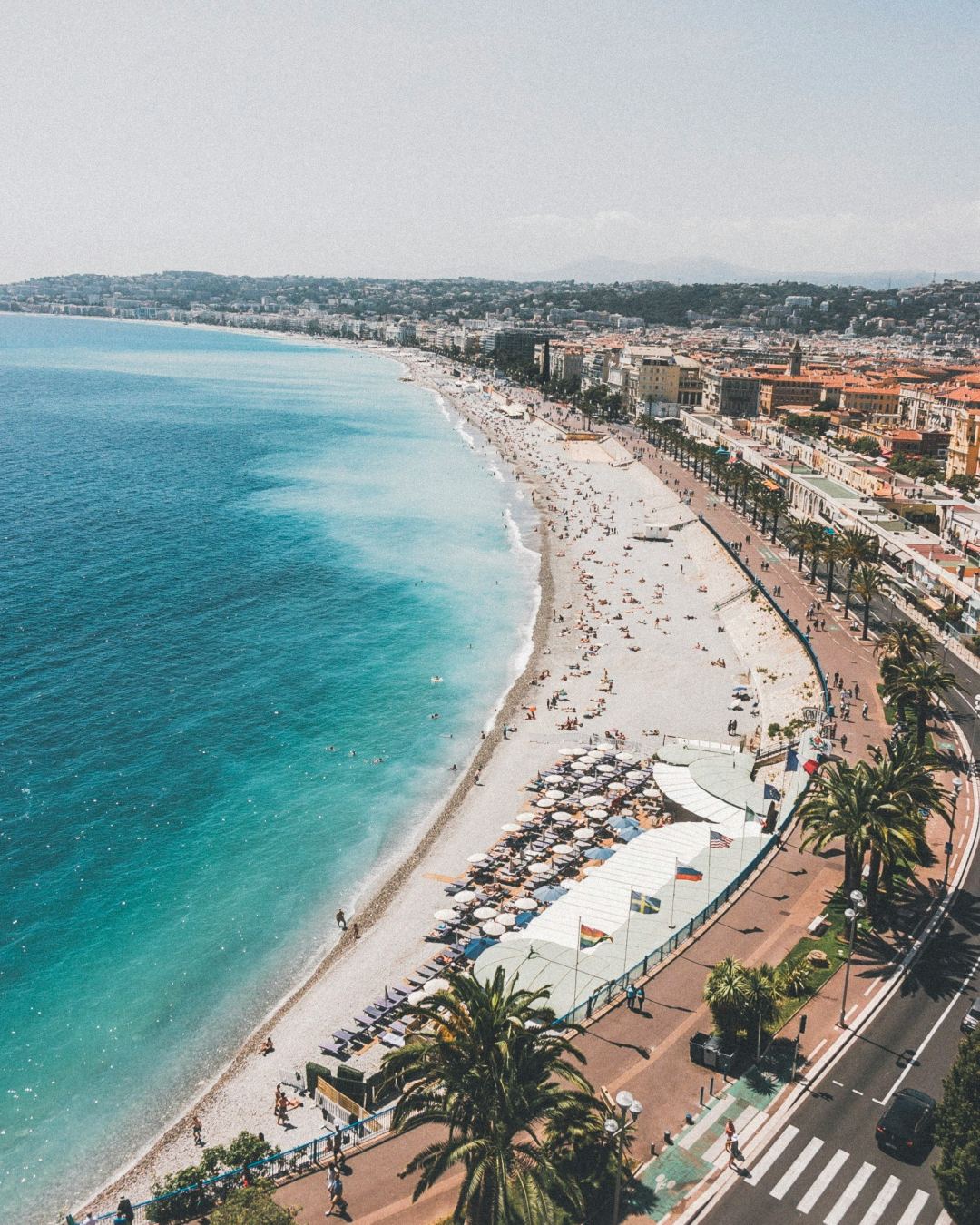
Led by its mayor, Nice is preparing legislation to ban cruise ships that are longer than 190 meters or carry more than 900 passengers from entering its port.
- Bukchon, Seoul
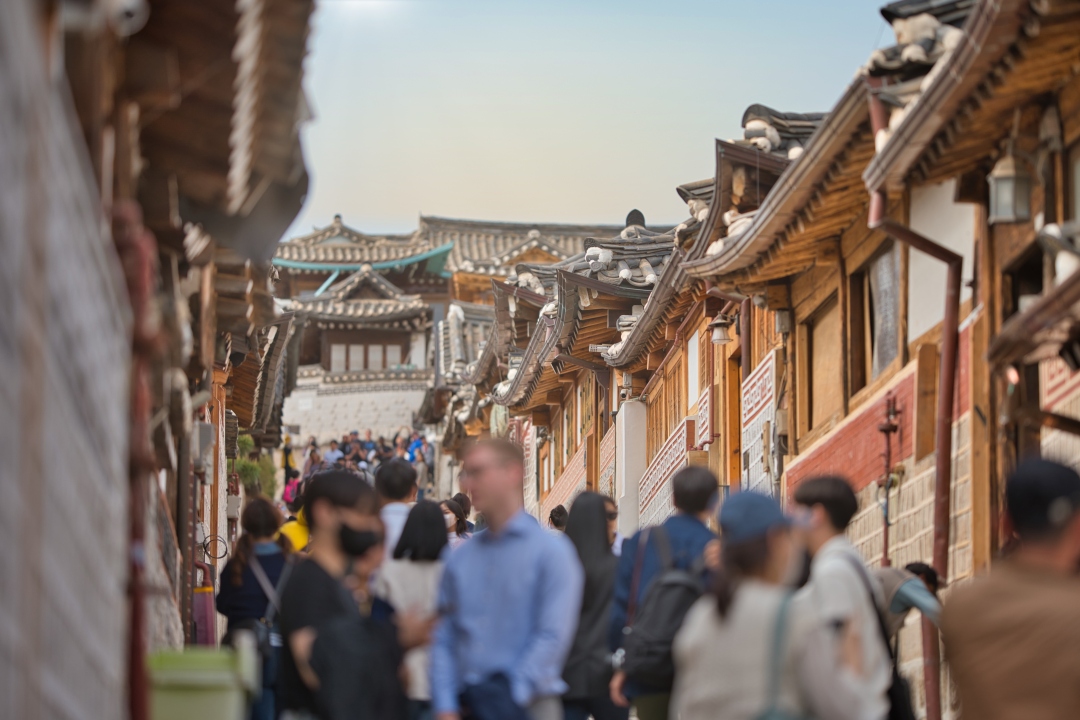
To protect the residency rights of Bukchon residents and foster a more responsible tourism culture, Seoul’s Jongno-gu is restricting visiting hours for tourists. From 5 p.m. to 10 a.m. the next day, tourists are barred from the “red zone” within Bukchon’s special management area, and violators face a fine of 100,000 won. Shop customers, hotel guests, and people simply passing through the red zone are exempt. From July 2025, authorities will also begin cracking down on illegal parking and stopping by chartered buses along Bukchon-ro and the stretch from Bukchon-ro 5-gil to Changdeokgung 1-gil.
- Athens, Greece
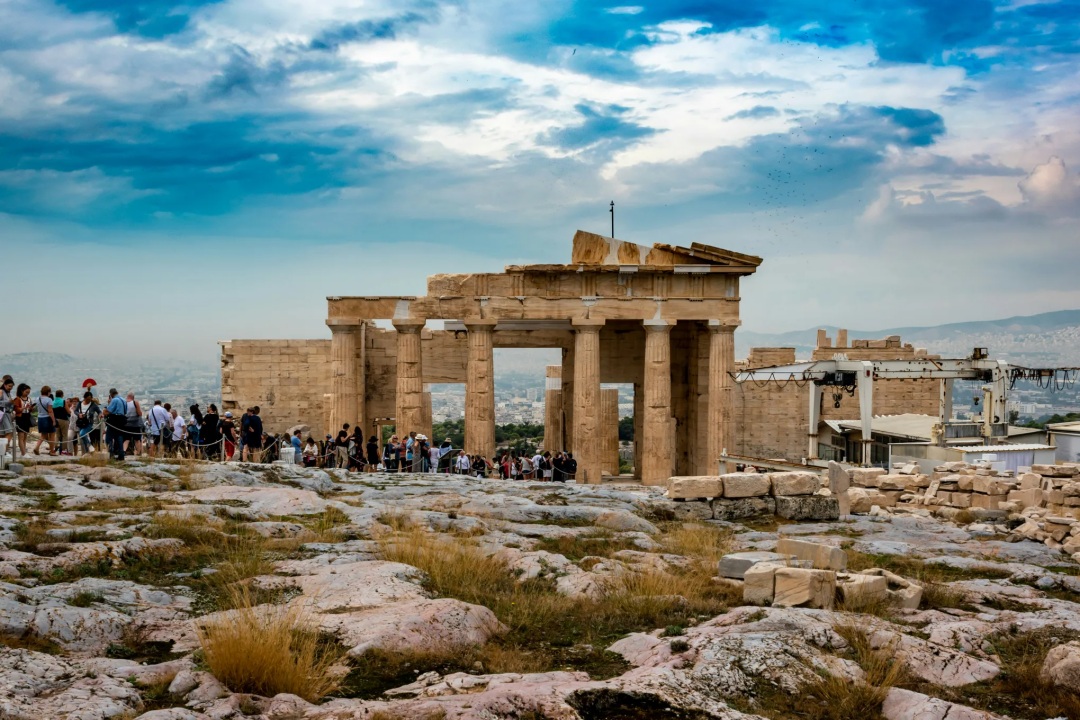
Since September 4, 2024, Greece has limited visitors to the Acropolis to 20,000 per day, while also enforcing different caps by time slot. Up to 3,000 people can enter between 8 and 9 a.m., and another 2,000 can enter before 10 a.m. The Acropolis stays open until 8 p.m.
- Pompeii, Italy
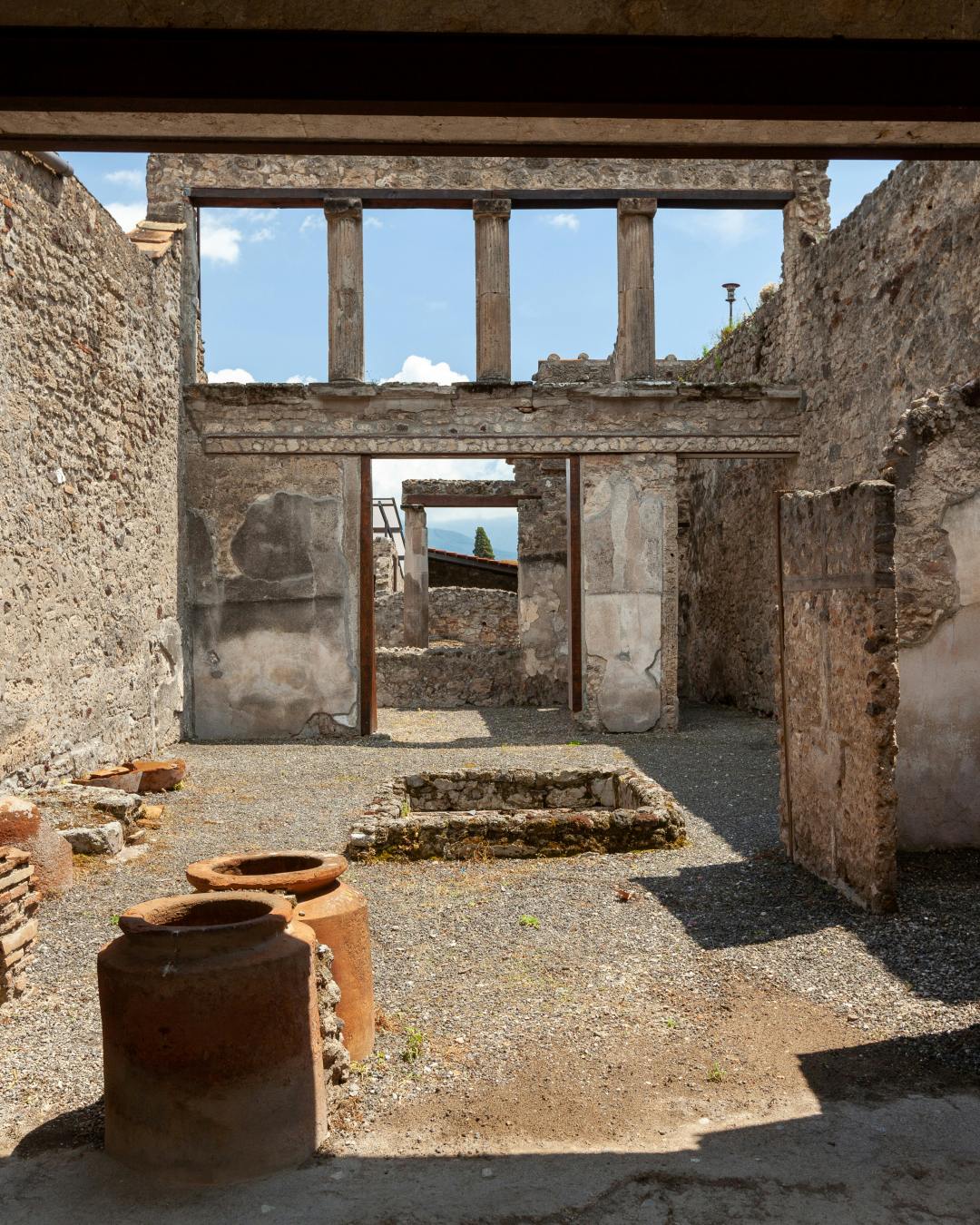
In 2024, the Pompeii archaeological site welcomed more than 4 million visitors. This year, the daily maximum is set to be capped at 20,000. On paper, 20,000 a day could accommodate more than 6 million a year, but attendance varies widely between peak and off-peak seasons.
- Norway
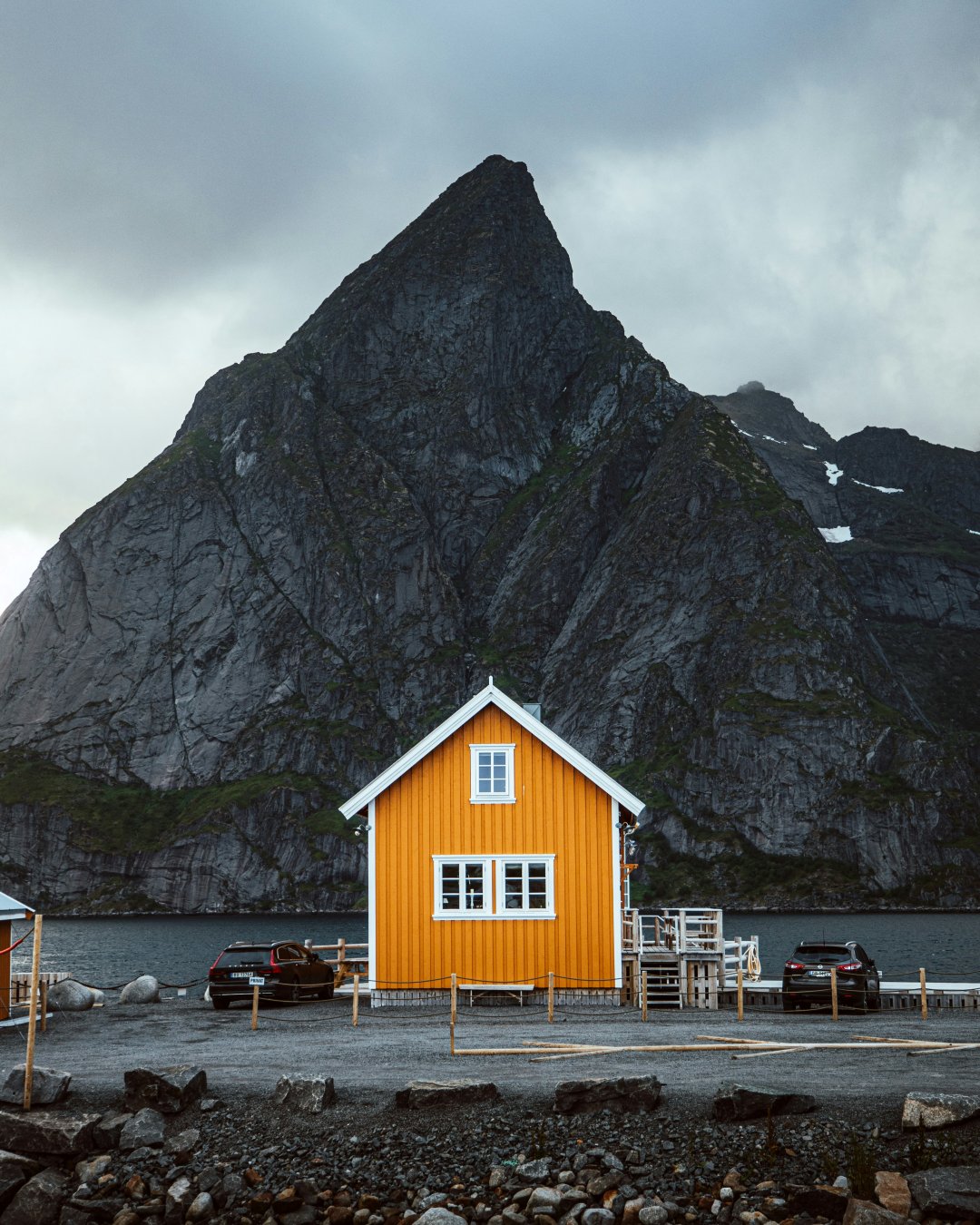
Norway has adopted an unusual restriction. To keep overtourism from damaging its natural environment, since 2024 it has held back on promotional activities that showcase the country’s appeal as an outdoor travel destination.