
How Singapore Became Asia’s Arts Hub — Singapore Dreams of Becoming Asia’s Cultural and Arts Hub
How is Singapore rising as a world-class art travel destination? We asked Serene Tan, Area Director for North Asia at the Singapore Tourism Board, along with Korea office director Nikki Seet and deputy director Yang Jisun.
How Singapore Became Asia’s Arts Hub — Singapore Dreams of Becoming Asia’s Cultural and Arts Hub
How is Singapore rising as a world-class art travel destination? We asked Serene Tan, Area Director for North Asia at the Singapore Tourism Board, along with Nikki Seet, director of the Korea office, and Yang Jisun, deputy director.
Compiled by Pyo Youngso
Interview with Serene Tan, Area Director for North Asia, Singapore Tourism Board
Interview with Serene Tan
Singapore Art Week 2026 wrapped up to great success this past January. First, could you tell us about this year’s achievements and how the public responded?
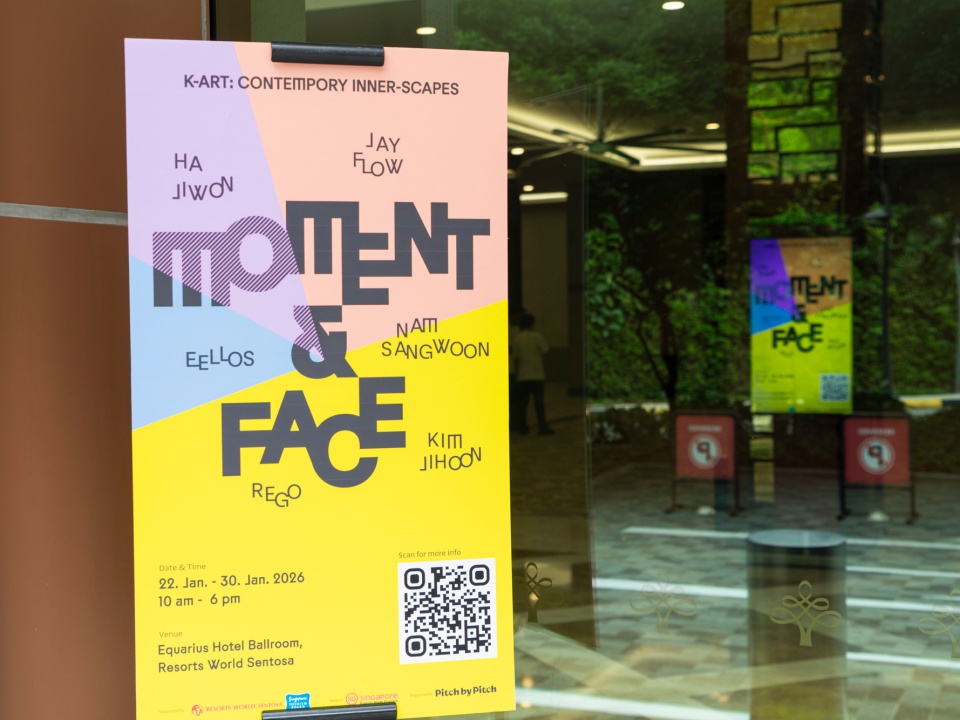
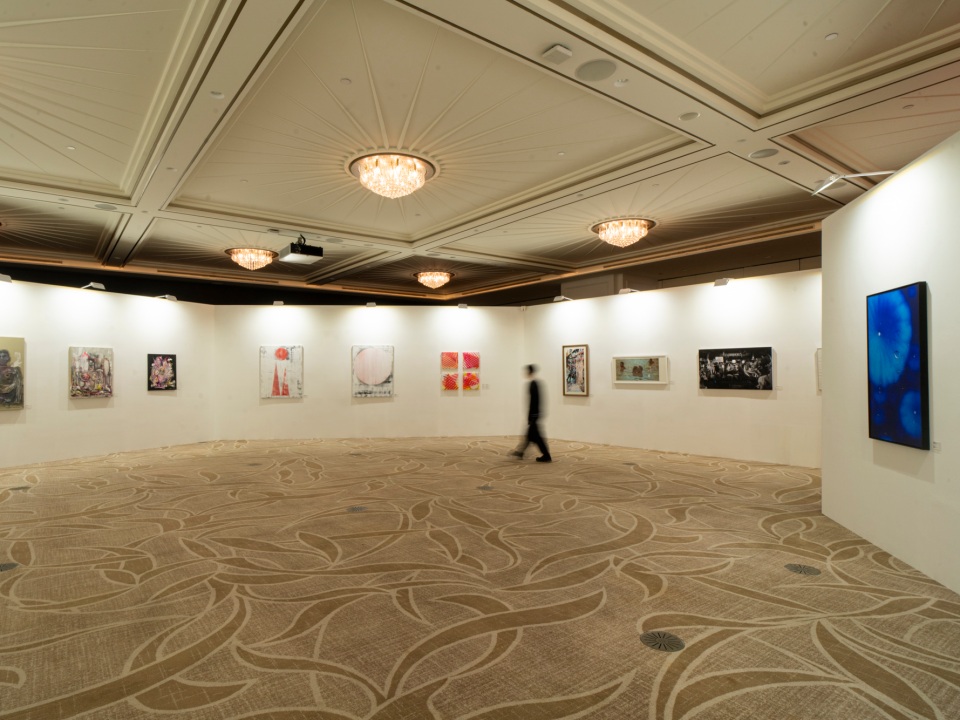
Singapore Art Week is an annual festival held every January, organized by the National Arts Council and supported by the Singapore Tourism Board. Singapore Art Week 2026 marked a meaningful leap in scale, ambition, and international participation. Through more than 200 programs, it showcased a remarkably diverse range of art, from strong solo exhibitions by local artists such as Hilmi Johandi, to the work of globally influential artist Ibrahim Mahama, to a variety of immersive technology and new media works. New art hubs such as Tanjong Pagar Distripark came alive alongside established art districts, and ART SG drew more than 44,000 visitors for its strongest fair yet. You could feel a vibrant energy across the city. I am especially proud of the depth of the international collaborations. For example, the exhibition “Moment & Face” was a wonderful meeting point between Singapore’s dynamic arts ecosystem and contemporary Korean art, and I think it was meaningful that visitors from around the world could experience the depth and appeal of K-art. It is one example of how this event attracted global trendsetters and strengthened Singapore’s soft power as a cultural hub. The public response was positive as well. Singapore Art Week 2026 successfully reinforced Singapore’s standing as a leading art hub for the region and the world.
What sets Singapore Art Week apart from art festivals and art fairs in other countries around the world?
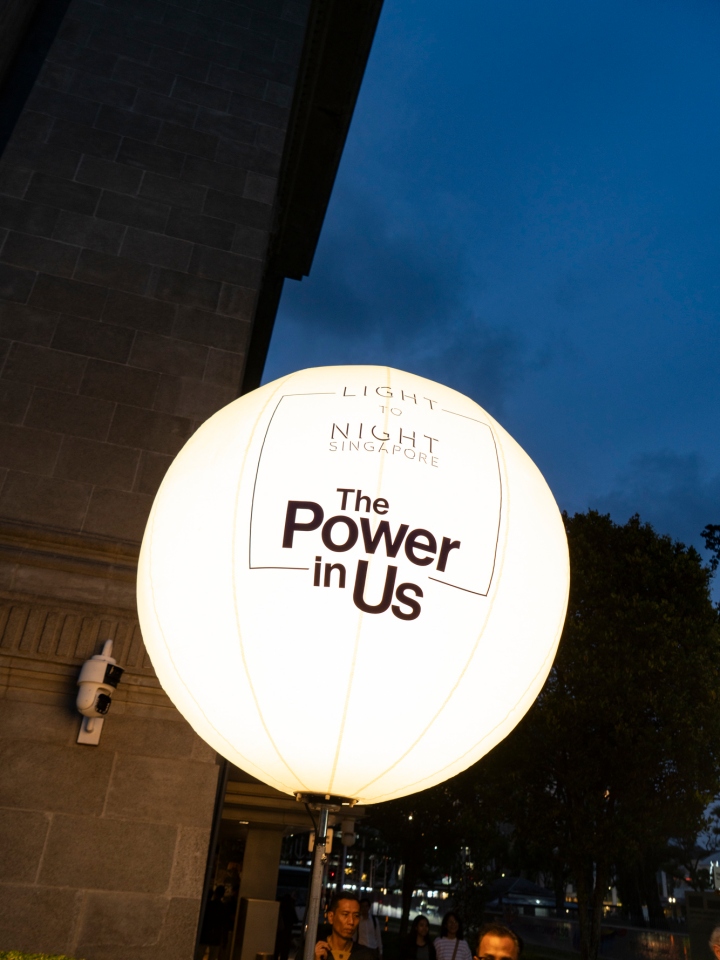
The greatest distinction of Singapore Art Week is that the entire city becomes one immersive gallery. Visitors could discover public artworks by following the Art in the City program, which debuted this year, or enjoy the dazzling cityscape of the Civic District during Light to Night Singapore 2026. They could explore the city and encounter art along the way, which made for a special experience. This seamless integration of art and urban landscape creates unforgettable memories, and it is a unique value that only Singapore Art Week can offer. Singapore Art Week also offers varied experiences for everyone, from seasoned collectors to curious travelers. A rich array of exhibitions unfolds around ART SG, Southeast Asia’s leading international art fair. For example, this year’s Botero in Singapore was a large-scale exhibition presenting more than 130 original paintings and drawings by the Colombian artist Fernando Botero. Another highlight was Singapore Biennale 2025, where more than 80 artists presented over 100 works in unexpected places, from historic landmarks to shopping malls. This multilayered approach serves as a gateway for visitors to explore a variety of art and lifestyle offerings during Art Week and to discover the many facets of Singapore.
Singapore Art Week began in 2013. How has it developed, and where is it headed?
Since its launch, Singapore Art Week has steadily grown into a world-class international platform. Our goal going forward is to firmly establish it as the pinnacle of visual art in Asia, with Singapore serving as a major hub for the rich and diverse art of Southeast Asia. We want to become a leading platform for Southeast Asian art, cultivate audiences who deeply value and connect with art, and build a dynamic art market. As part of that effort, we also celebrate the diversity of artistic expression across Asia. From the perspective of the Korean market, I think this is a great opportunity. In particular, the enthusiastic response to Korean contemporary art exhibitions such as this year’s “Moment & Face” was very encouraging. Given the vitality of Korea’s art market, I believe Singapore can be an ideal meeting place where K-art connects with global and Southeast Asian audiences.
The results of these partnerships can also become an exciting model. We hope to invite more talented international artists to hold exhibitions and to collaborate with Singaporean artists. We believe that cultural exchange, which brings artists and major cultural icons to Singapore to experience both art and Singapore’s distinctive local culture in depth, enriches Singapore and strengthens cultural ties between our two countries.
In which direction do you expect tourism tied to the art market to grow?
I believe the future of cultural tourism lies in art moving beyond the limits of the museum and becoming fully integrated into the travel experience itself, creating moments of discovery. Art can meet travelers at a hotel, at dinner, or at every moment of exploring the city. A prime example is the project “Wan Hai Hotel: Singapore Strait” at Singapore Art Week 2026. Imagine checking in to a restored historic hotel and walking straight into a high-caliber immersive exhibition. Created through a collaboration between ART SG and the Rockbund Art Museum, the exhibition transformed the hotel lobby into a dynamic space filled with films, installations, and performances by Southeast Asian artists. It is a case in which outstanding curation and seamless service come together perfectly. Integrated exhibitions also expanded to the scale of the entire city, as with the project “Next Stop: Together!” Through a mobile art bus and commissioned works installed at eight MRT stations, the project turned the public transport system itself into an art platform. I think these examples realize the “complete integration of experience.” We envision a future in which the enjoyment of art and the pleasure of travel are not separate but become a single journey.
Compared with other major Asian cities, what are Singapore’s strengths and appeal as an “art destination”?
Singapore’s unique appeal as an art destination lies in the perfect harmony of its diverse, world-class art. It offers visitors a rich, multilayered experience all year round. Beyond Singapore Art Week, the city’s cultural calendar stays lively throughout the year. Outstanding events include the Singapore Biennale for contemporary art and the Singapore International Festival of Arts (SIFA) for the performing arts.
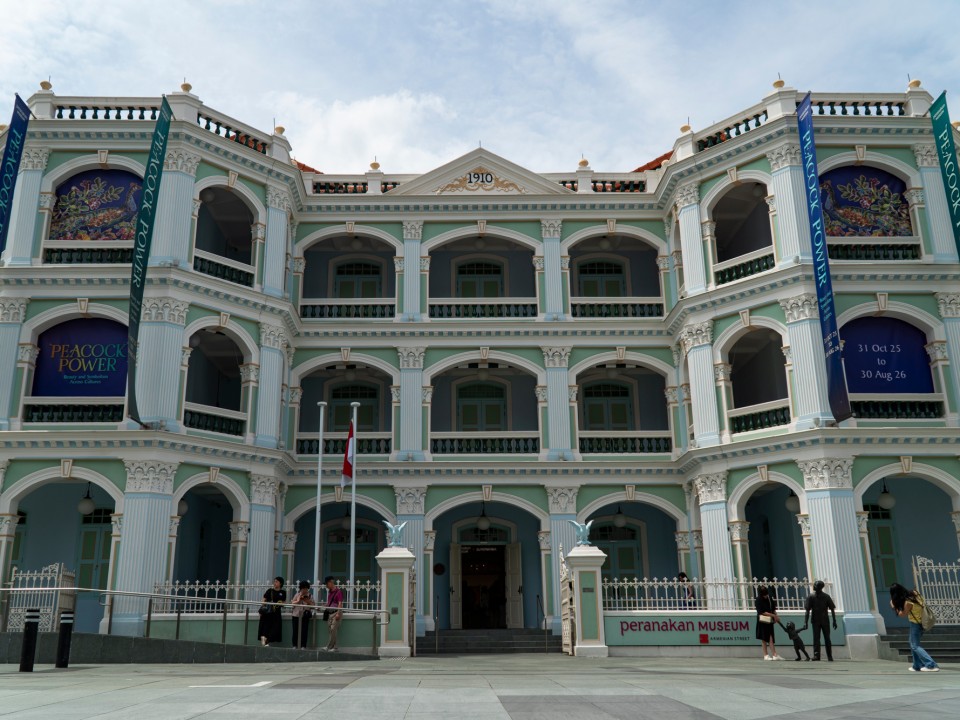
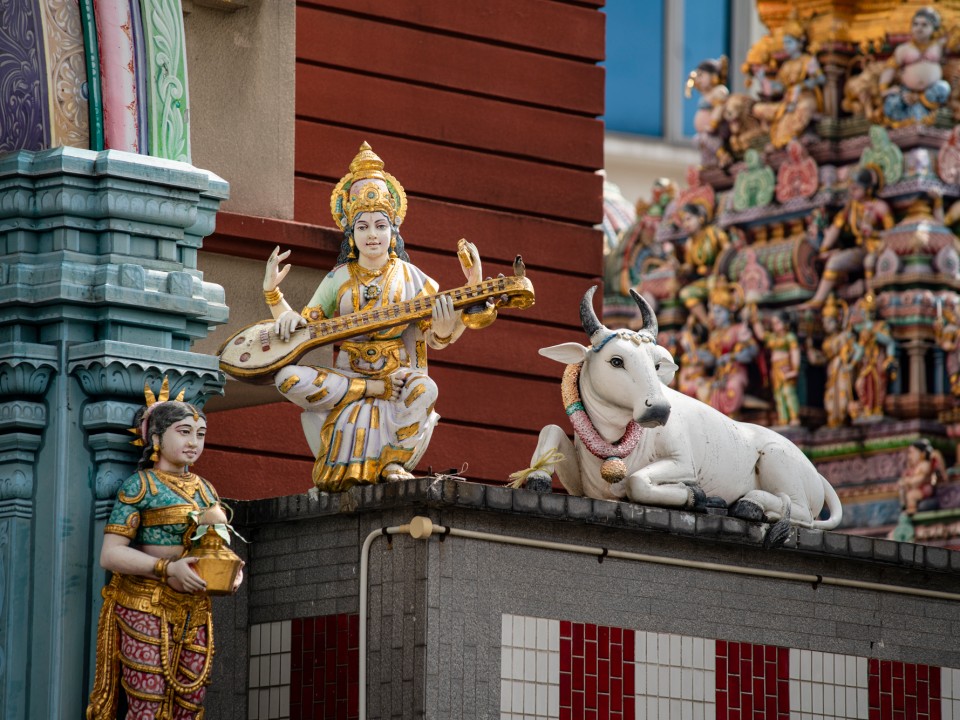
Every art lover can begin their journey at world-class cultural venues. National Gallery Singapore holds the world’s largest public collection of Singaporean and Southeast Asian modern art, while the Singapore Art Museum focuses on contemporary work. The Peranakan Museum offers a fascinating view into the island’s distinctive local culture. Beyond these core institutions, a lively ecosystem of smaller galleries and museums has formed across the city, where you can see work by emerging and established artists. The artistic experience extends to the streets of Singapore’s distinctive cultural districts. You can explore the vibrant street art of Kampong Gelam and Haji Lane, or immerse yourself in the rich heritage of Little India. You can also discover the unique Peranakan culture in Katong-Joo Chiat, and see how Singapore’s heritage is preserved and reinvented in places such as Dempsey Hill, where the latest brands occupy colonial-era buildings, or Nylon Bahru, a creative cluster led by local designers.
Five years from now, how do you hope Asian travelers will perceive Singapore as a destination?
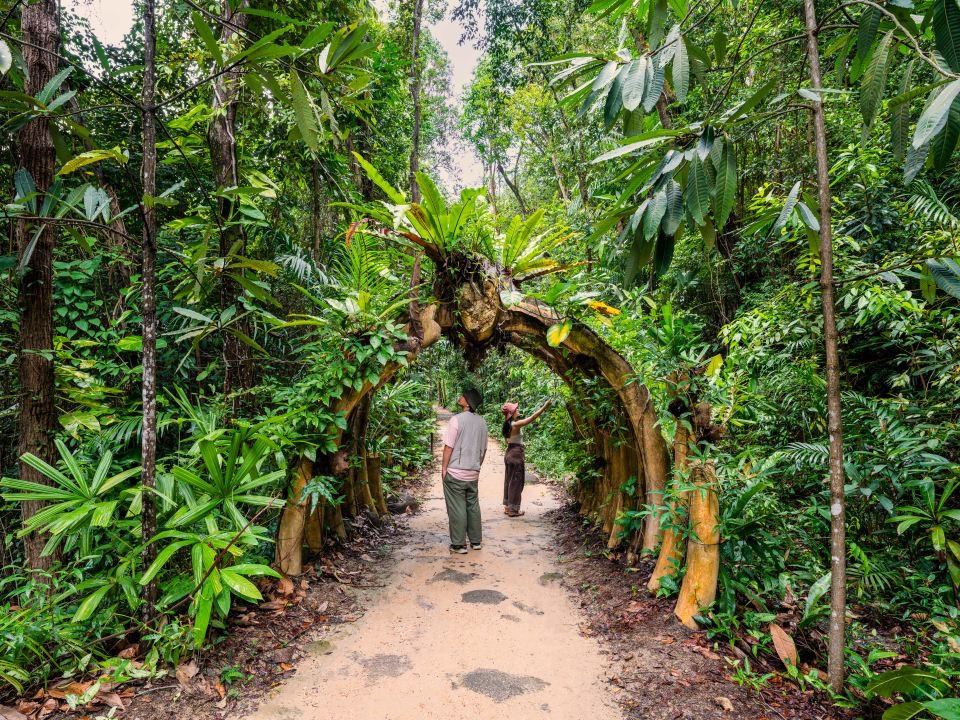
I would answer by pointing to T2040 (Tourism 2040), our long-term plan to establish Singapore as a global destination full of diversity, distinctiveness, and inspiration. Arts and culture are one of its core pillars. They will increasingly become a major reason to travel to Singapore, and they will further complement the city’s reputation as a vibrant metropolis set within lush greenery. To that end, Singapore is introducing new and innovative experiences this year and continuing to expand them. The highlights are as follows.
Attractions: For nature lovers, we will unveil new attractions at Mandai Wildlife Reserve.
Cruises: Singapore is set to become Disney Cruise Line’s first home port in Asia, and we will keep expanding our cruise offerings with new launches.
Lifestyle events: We are also planning lifestyle events, including a new sprint race at the Formula 1 Singapore Grand Prix, the spectacular return of Cirque du Soleil, and the exciting NBA Rising Stars Invitational.
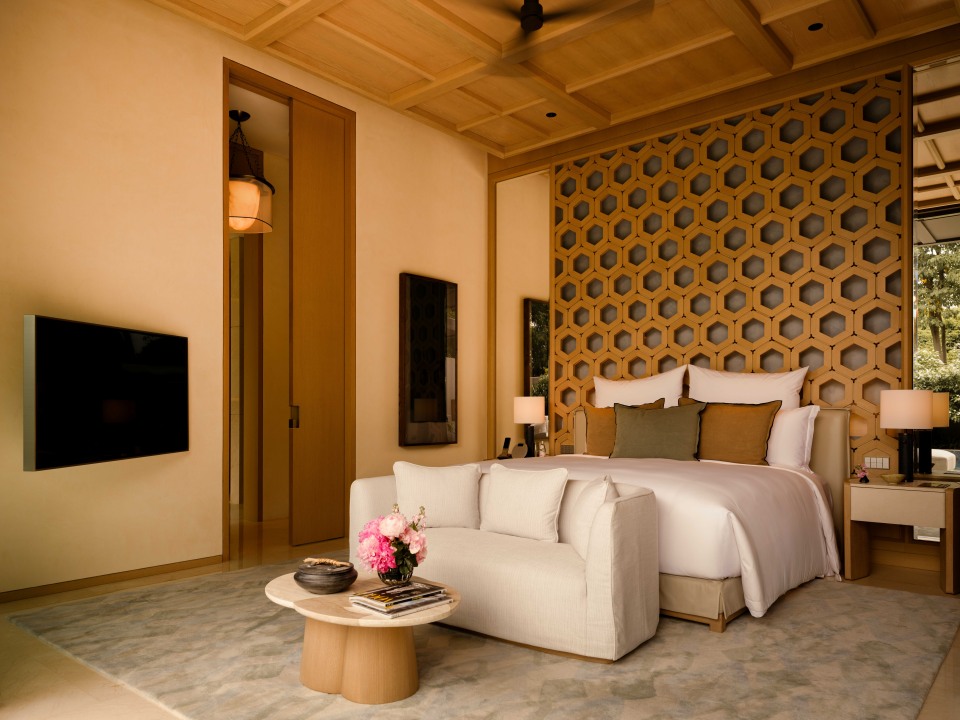
Hotels: Following the 2025 openings of premier hotels such as Raffles Sentosa and Mandai Rainforest Resort by Banyan Tree, new hotels will continue to open in 2026, further elevating Singapore’s hospitality offering.
Ultimately, through this blend of rich culture and new experiences, we hope Asian travelers will come to think, “If you want to find creative inspiration, you have to go to Singapore.” We want to be seen as a dynamic destination that energizes and inspires every visitor.
Nicky Seet, Director of the Singapore Tourism Board’s Korea Office
Interview with Nicky Seet


What strategy does the Korea office have for introducing Singapore’s new, evolving appeal to Korean travelers?
We focus on connecting deeply with the interests of Korean travelers, built around the Singapore Tourism Board’s brand DNA, ‘Passion Made Possible.’ First, in step with the ‘set-jetting’ trend of visiting places from films and dramas, we collaborate with K-content creators and artists to convey Singapore’s charm in an emotional way. We also work with major travel agencies and industry partners to develop innovative travel products tailored to the Korean market, and we are strengthening our activities aimed at business travelers, including attracting MICE events. Finally, through partnerships with domestic brands familiar to Korean travelers, we are making many efforts to make travel more convenient and to create new points of contact. For example, we ran a promotion with Shinhan Card that can be used throughout Singapore, and a recent winter-season promotion with Korean Air to attract travelers.
How important does the Singapore Tourism Board consider the Korean market?
In 2025, about 587,000 Korean visitors came to Singapore, an important achievement that ranks tenth among all countries. But our focus on the Korean market is not simply about visitor numbers. Two things are key: the character of Korean travelers, who seek ‘new and unique experiences’ and actively share them on social media, and the power of the ‘Korean Wave,’ which has formidable influence around the world. The Singapore Tourism Board is pursuing a strategy that combines these two elements. As I mentioned earlier, to inspire Korean travelers to visit Singapore, we collaborate actively with K-artists who have global influence and with high-quality K-content. Going further, we spread the content created this way through social media, working to showcase Singapore’s appeal more effectively not only to the Korean market but to potential travelers around the world.


What advantages can you expect from collaborating with the art world and creative industries, as with the ‘Moment & Face’ exhibition presented with Korean artists?
Collaboration with the arts and creative industries is a core strategy for maximizing Singapore’s value as a ‘cultural hub of Asia.’ The recent ‘Moment & Face’ exhibition was a project that introduced K-art within Singapore’s dynamic art scene. I believe it offered visitors to Singapore a special travel experience of discovering world-class art and Korean culture at the same time, while giving local artists new inspiration and opportunities. We will continue active artistic exchange with Korea to solidify our role as a cultural hub and to offer visitors to Singapore rich content.
What aspects of Singapore did you want to appeal to Korean travelers through Singapore Art Week?
We have seen interest in art and cultural experiences rise sharply in Korea recently, especially among younger generations. The success of large-scale art fairs such as Frieze Seoul proved that contemporary art is evolving into a ‘shared experience’ that anyone can enjoy. Noting this trend, we wanted to show that Singapore is a ‘global art city’ that can fully satisfy the cultural interests of Koreans. The ‘Moment & Face’ exhibition with actor and artist Ha Ji-won is a prime example. It was the first exhibition in Southeast Asia to present her work. By collaborating with an artist of high public recognition, we could introduce Singapore Art Week to the Korean market with greater impact, and I think it also helped establish Singapore’s standing as a leading cultural hub in Asia. Ultimately, through world-class art events and Singapore’s lively local atmosphere, we wanted to show Korean travelers who seek a deeper cultural trip that Singapore is the ideal destination.


You have actively pursued collaborations with K-content in recent years. Could you tell us about what you have achieved so far and any projects you are planning?
K-pop and K-content are powerful storytelling tools with global influence. We are making full use of that power to convey Singapore’s many-sided appeal to fans around the world in a more emotional and relatable way. Last year’s results were especially encouraging. The music video for BTS’s Jin, produced in cooperation with Big Hit Music, captured Singapore’s diverse landscapes and recorded more than 398 million views, giving audiences worldwide fresh inspiration about Singapore. We also filmed a special video for BLACKPINK Jisoo’s mini album at Mandai Wildlife Reserve, which has surpassed 46 million views and greatly raised Singapore’s profile among global fandoms. Beyond that, in addition to successful collaborations with global artists such as J-Hope and SEVENTEEN, we have teamed up with production companies and broadcasters such as Studio Dragon and JTBC to showcase Singapore through a variety of dramas and entertainment shows.
You can look forward to even more. In partnership with HYBE and Klook, we have secured four days of BTS world tour concerts in December 2026. It will be a very meaningful occasion that once again proves Singapore’s standing as a leading live entertainment hub in Asia. We also plan to present new K-content with K-pop artists and a collaboration with Mr. Romance, our new MOU partner. Recently, we also launched a new social content series, ‘Singapore Day Off,’ on the Singapore Tourism Board Korea Instagram account (@visit_singaporekor), and released the first episode with Sandara Park of 2NE1, so please do check it out.
Finally, what would you say is Singapore’s appeal as a ‘sustainable destination’?
Singapore’s appeal as a sustainable destination is proven not by slogans but by tangible results and the participation of the entire industry. We set concrete targets across the tourism sector, and we show leadership by achieving them. In the hotel sector, for example, more than 73 percent of all hotel rooms have already earned a global sustainability certification. That is an encouraging figure, well above the target of 60 percent by the end of 2025. The same is true in MICE (meetings, incentives, conferences and exhibitions). All six of our dedicated MICE venues are certified, and more than 80 percent of the members of the related association, the Singapore Association of Convention & Exhibition Organisers & Suppliers (SACEOS), have earned certification, which also surpasses the 2025 target. Since 2023, Singapore has also been certified as a sustainable destination under the Global Sustainable Tourism Council (GSTC) Destination Criteria, which is further proof of the country’s national commitment to sustainability. We haven’t stopped there. In partnership with the Association of Singapore Attractions, we recently launched the Attractions Sustainability Roadmap. All of this shows Singapore’s strong determination to put sustainability into practice in every area of the tourism industry. Choosing Singapore is more than visiting an eco-friendly city. It is a meaningful experience of taking part in a truly sustainable ecosystem built across the whole industry, from hotels and events to attractions.
An Interview with Yang Jisun, Deputy Director of the Singapore Tourism Board Korea Office
Interview with Yang Jisun


You have worked at the Singapore Tourism Board’s Korea office for many years. Could you tell us about the project that stands out most?
I have spent quite a long time at the Singapore Tourism Board’s Korea office, and a lot has happened. But four moments, when we showed Korean audiences Singapore’s charms ‘properly,’ stay with me most.
The first is our location support for the Netflix drama ‘Little Women.’ It was meaningful because Singapore wasn’t just used as a backdrop but treated as an important pillar of the drama’s narrative. When landmarks like the Cloud Forest at Gardens by the Bay filled the screen so beautifully, viewers thought, “Wow, I want to walk there like the heroine.” It was a truly atmospheric and wonderful project.
The second is the Singapore episode of MBC’s variety show ‘Omniscient Interfering View,’ featuring the show’s panelists. It captured everything in a real way, from restaurant hunting to the many activities friends and families can enjoy in the city center and on Sentosa Island. It was, quite simply, a lot of fun.
The third is Sung Si-kyung’s YouTube channel ‘Mukeultende’ (‘I’d Eat It, Though’). Since the content focuses on food, it featured ‘truly local favorites’ that locals love, such as hawker centers. Its impact was so great that some travelers watched the videos and then visited the exact same route.
Last, the special Korean contemporary art exhibition ‘Moment & Face,’ which we presented during Singapore Art Week 2026 this past January, is also a memorable project. It was meaningful to unveil works by leading Korean artists during Singapore Art Week and to share the appeal of K-culture directly with a global audience.


What travel themes are popular with Korean travelers in Singapore these days?
I’d sum it up in two words: local and Instagram-worthy. More travelers are trying on the nyonya kebaya, a colorful and delicate traditional garment, in neighborhoods like Joo Chiat and Katong, known for their vivid colors, and taking the photo of a lifetime against pastel Peranakan houses. Instagrammable places with a distinctive mood and visuals, where you can take pretty photos for social media, are also consistently popular. One of the best known is the spiral staircase at Fort Canning Park. Many Korean travelers line up from early morning to take photos there, and it has become a must-visit stop. The pure white octagonal pavilion, the Bandstand, at the Botanic Gardens is also counted among the best spots for a great photo.
Is there a hidden side of Singapore you would like to introduce to Korean travelers going forward?
I’d like to introduce the surprising charm of Clarke Quay, where thrilling activities and romance coexist. ‘Slingshot Singapore,’ a thrill ride launched into the middle of the city, drops you from about 70 meters above the ground and will give you an unforgettable adrenaline rush. Also, board a river cruise at Clarke Quay around sunset and take in the scenery calmly. You’ll feel a different kind of wonder. I recommend boarding at sunset rather than after it’s completely dark.


Which Singapore neighborhoods or attractions would you recommend to travelers interested in art?
First, I recommend National Gallery Singapore, which you could call the heart of Singapore’s art scene. It was created by renovating the former Supreme Court and City Hall buildings, so the architecture itself is like one giant work of art. It holds the largest collection of modern art in Southeast Asia, so there is plenty to see. I would also recommend The Intan, a private museum where you can experience the essence of Singapore’s Peranakan culture. It displays furniture and portraits steeped in Peranakan history, rare beadwork, intricate embroidery, beautiful kebayas and colorfully patterned ceramics. The museum’s owner guides visitors personally, telling stories about Peranakan culture and artifacts, so you can experience the Peranakan way of life and traditions even more vividly.
Is there a dish you personally make sure to eat every time you visit Singapore?
If there is one dish I always eat when I visit Singapore, it is without question laksa. 328 Katong Laksa in particular is my favorite spot. It is also famous for having been visited by chef Gordon Ramsay. It began as a local eatery that represented the neighborhood for many years, and its taste and reputation are now so well established that it has branches all over Singapore. The spicy broth, rich and thick with a coconut milk base, is generously loaded with seafood, and it’s truly delicious!


