
How Far Can You Go from Chubu Centrair International Airport? Part 1 — Nagoya & Around
Starting at Chubu Centrair International Airport, the gateway to central Japan, this journey takes in the pottery town of Tokoname, the tile town of Tajimi, and a night at The Nagoya Tower Hotel.
Journeys from Chubu Fukui-ken International Airport — How Far Have You Gone from Chubu Centrair International Airport? Part 1. Nagoya & Around
Chubu Centrair International Airport is the gateway to Japan’s Chubu region. Centered on Aichi Prefecture, where Nagoya is located, it connects Gifu, Nagano, Toyama, and Fukui prefectures, linking the inland heart of Honshu with the Northern Alps. From half-day outings just 10 minutes away by public transit to long-haul trips that take more than three hours by car, the airport is the starting point for journeys of every kind.
Words Pyo Youngso
Photos Jung Sooim
Coordinator Park Seonghui (Inpainter Global)
In collaboration with Chubu Centrair International Airport
The Start or End of a Nagoya Trip: Tokoname
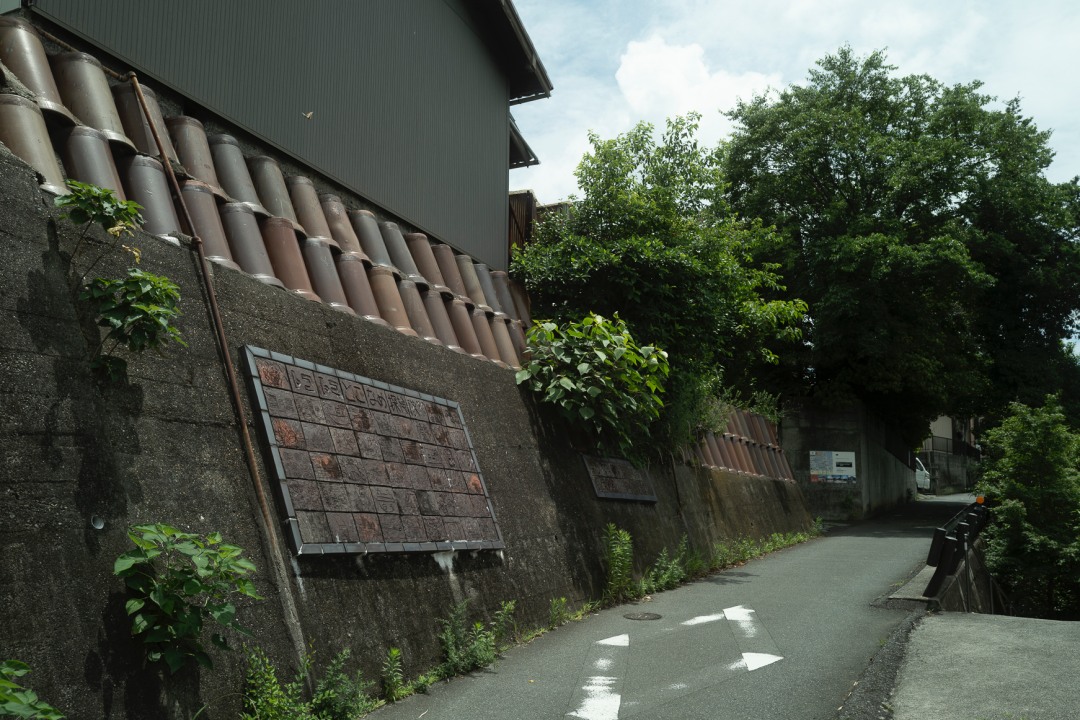
Near Chubu Centrair International Airport lies one of Aichi Prefecture’s best-known pottery towns. Tokoname is home to one of the six ancient kiln sites of Japan, steeped in history. Just 10 minutes from the airport by train, it is ideal for travelers who want to make the most of the spare hours before or after a Nagoya itinerary. Japan’s old pottery centers generally developed in forested areas, where kilns could be easily supplied with fuel, and grew around tea ceremony culture and traditional crafts. Tokoname is a little different. Facing the sea, it has long been convenient for distribution, and its kilns focused on everyday ceramics. The area is also known for its abundant soft, reddish-brown clay with a high iron content. That clay made possible the red teapot, now regarded as the symbol of Tokoname-yaki (Tokoname pottery).
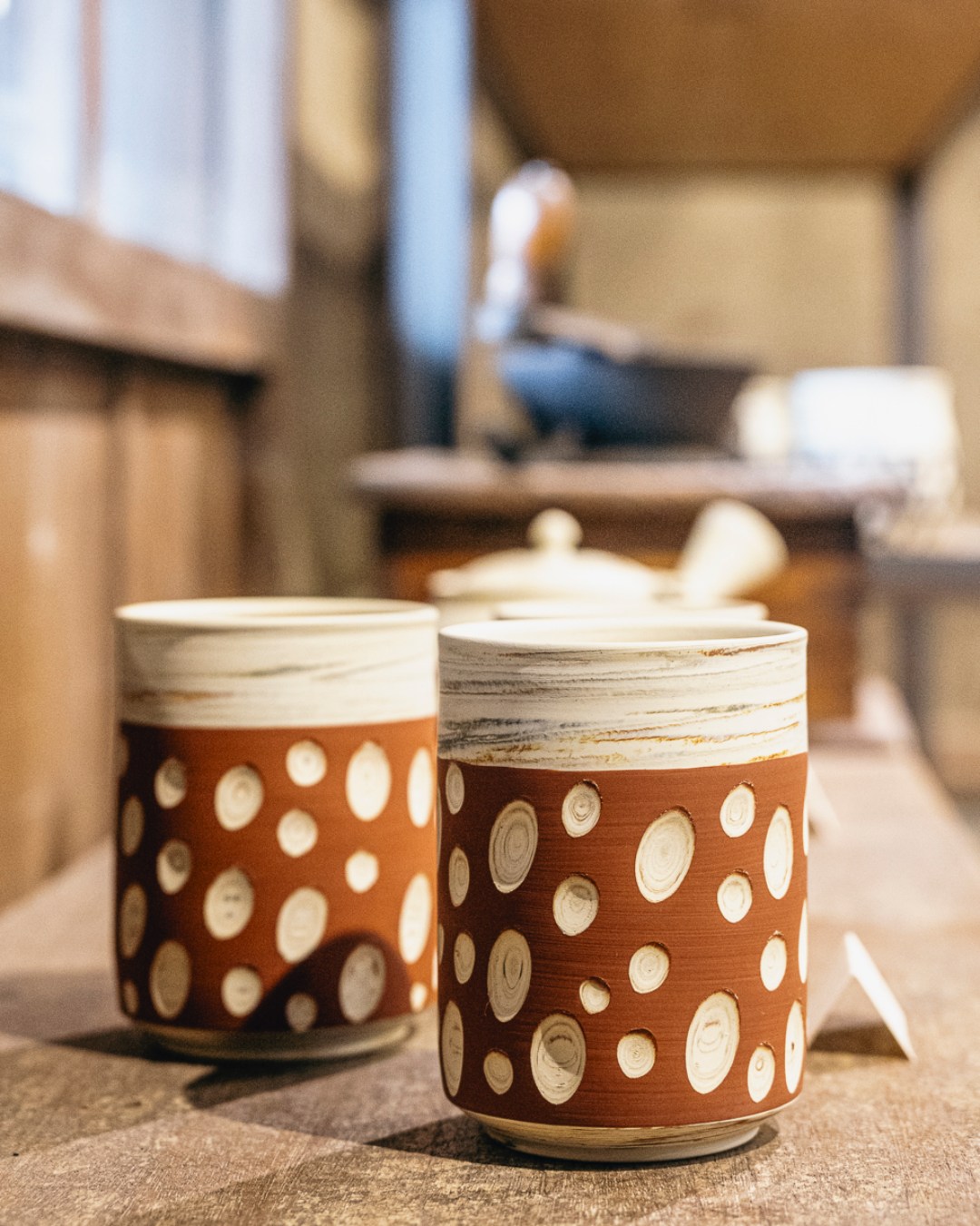
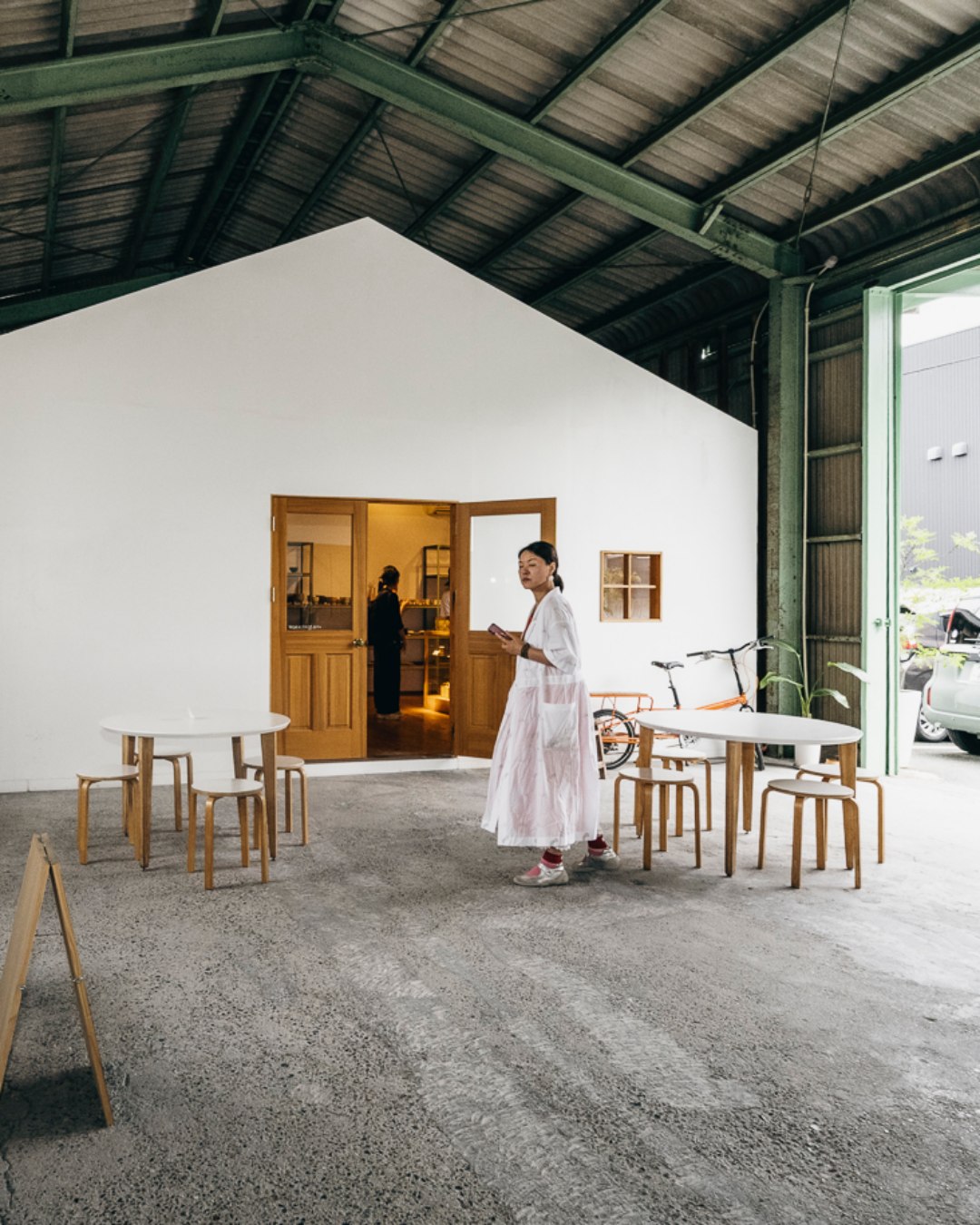
To see the legacy of Tokoname pottery, which stretches back more than 1,000 years, walk the Yakimono Sanpomichi (Ceramic Walking Path). The trail links the pottery-related sights that remain in the center of town. Split into two courses by length, it starts at the Tokoname City Ceramics Hall and passes Dokan-zaka (Pipe Slope), where clay drainage pipes made in the 19th century and large jars are stacked, as well as old kilns and brick chimneys, bringing the town’s past back to life. Along the narrow, maze-like alleys, weathered houses, charming shops, and workshops appear here and there, slowing your steps. Among them, Morrina is a good place to grasp the character and history of Tokoname pottery at a glance. It sells works by 25 Tokoname-yaki artists, from pieces that faithfully carry on the region’s ceramic tradition, which dates back to the Heian period, to modern pieces reinterpreted with a contemporary sensibility. The way pottery culture has changed over time can also be glimpsed at Tokoname Store. Yamagen Toen, a Tokoname pottery brand founded in 1967, uses three white huts inside an airy, oversized warehouse to offer a variety of ways to experience ceramics. The perfect itinerary: order coffee from Nagoya specialty coffee brand TRUNK COFFEE at the coffee stand, browse the lovely pastel-toned TOKONAME products in the shop with cup in hand, then settle into the workshop space for a pottery class.
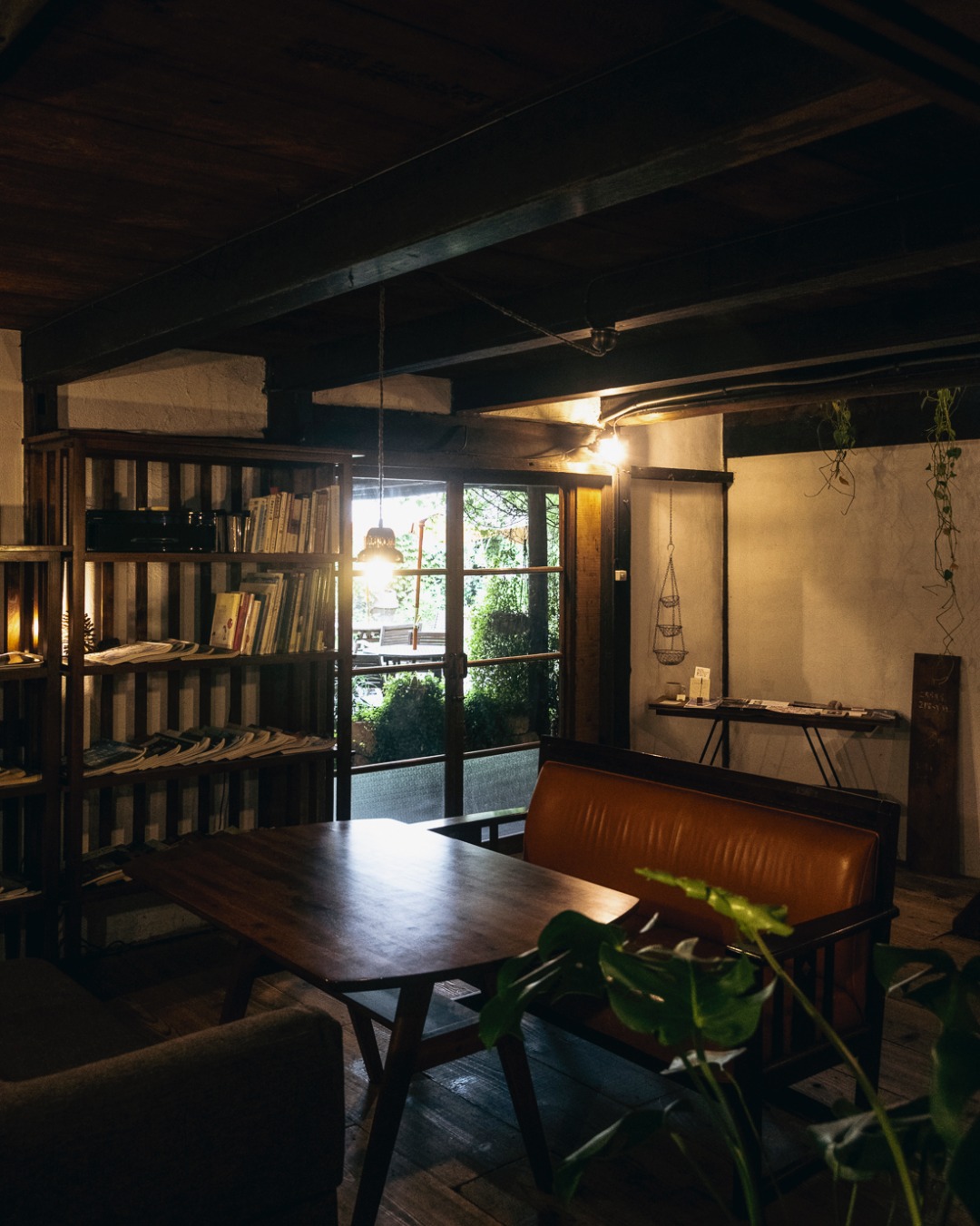
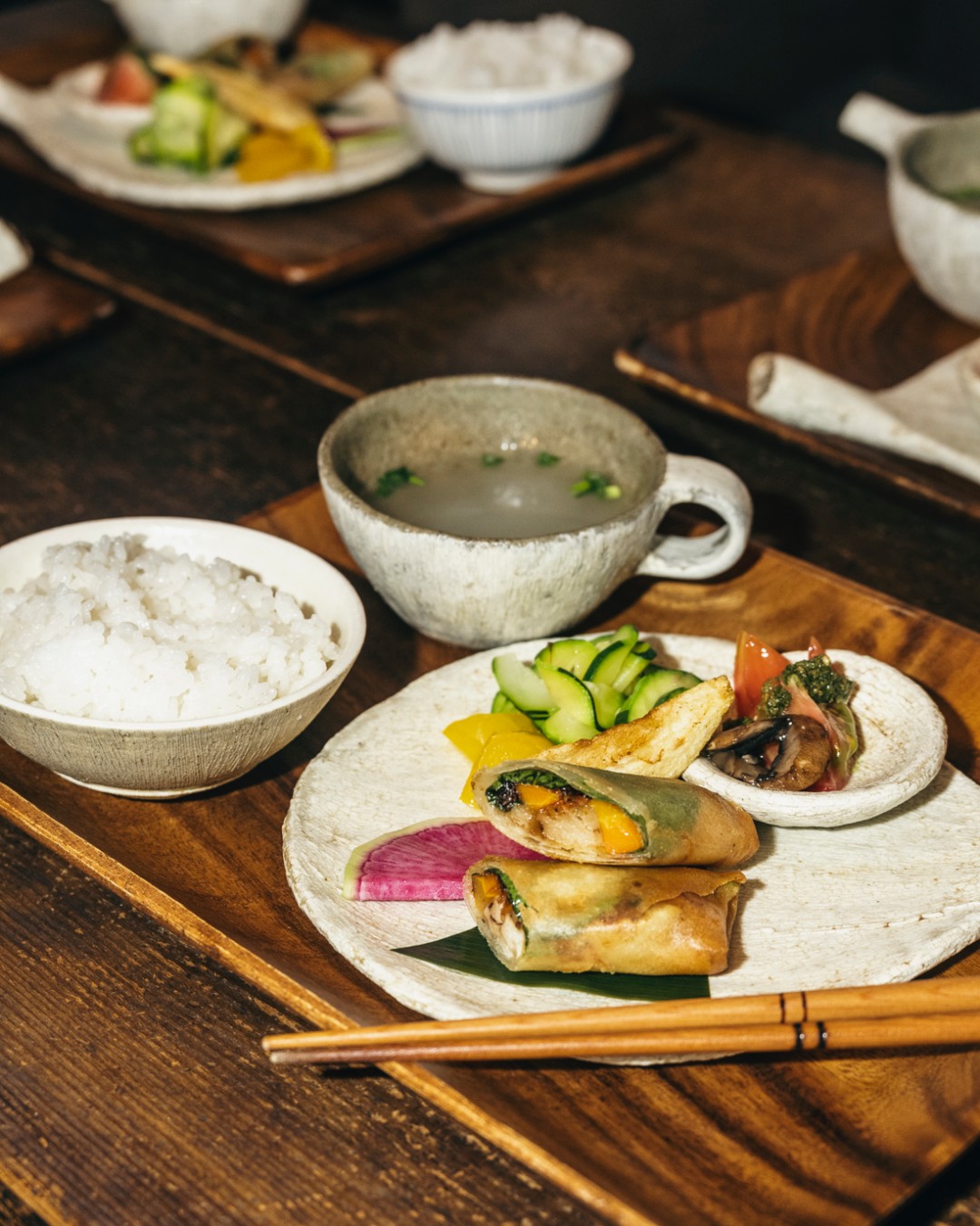
When you need a rest while exploring the town, head to the café nuu. Climb the stairs through the greenery along a back lane barely wide enough for one person, and a secret garden appears. Opened in 2011 in a renovated 100-year-old minka (traditional house), it blends old and new so naturally that it stirs nostalgia. It is as if a café-cum-gallery and a kimono shop had settled into an old house with a beautiful garden. The two-story café has no fixed format. Because it operates as a shared kitchen, various local groups take part and present new menus from time to time, while the gallery space on one side of the second floor regularly hosts small exhibitions, workshops, pop-ups, and other events.
A Half-Day Getaway: Tajimi
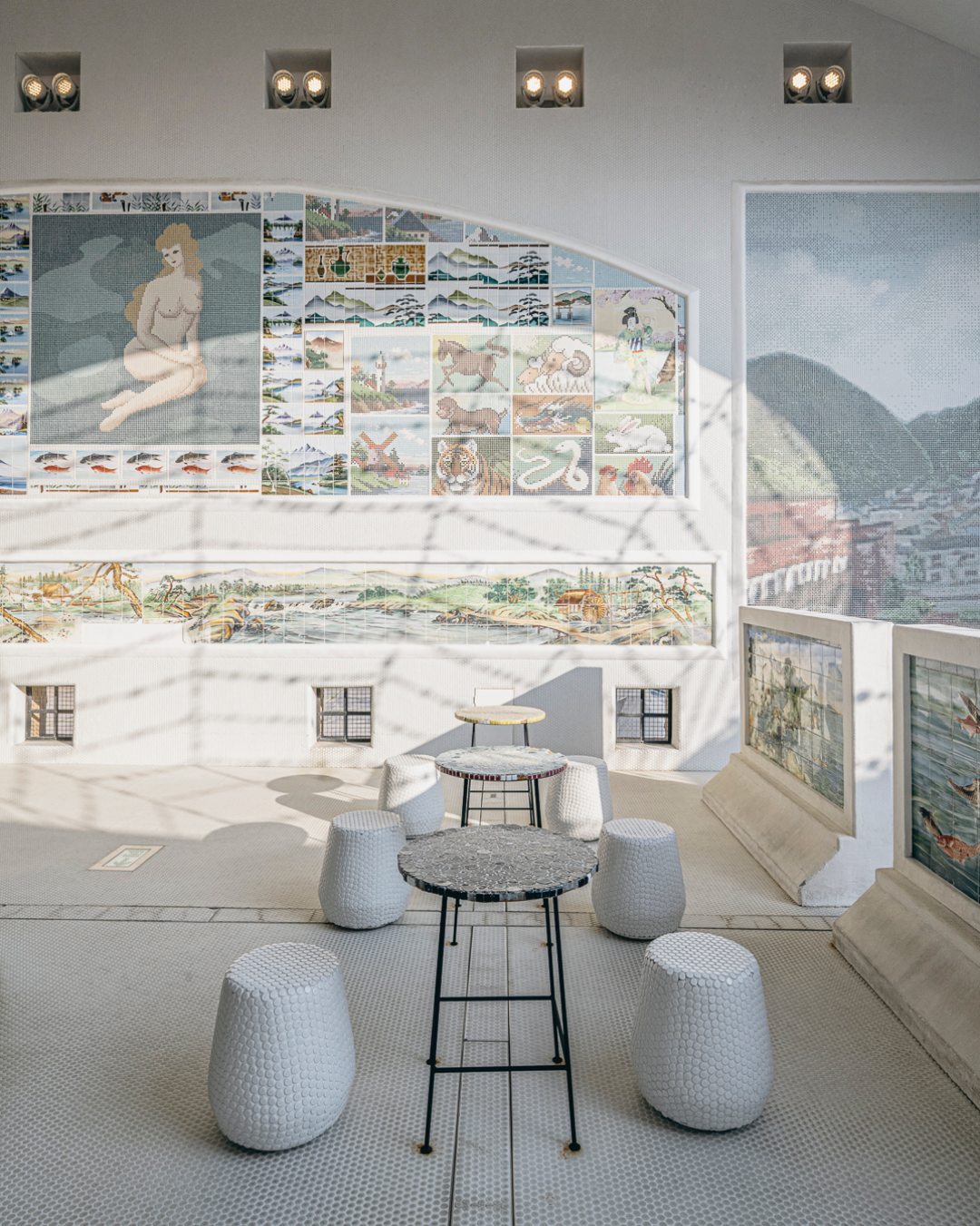
If Aichi Prefecture has Tokoname-yaki, Gifu Prefecture has Mino-yaki. One of Japan’s traditional ceramics, Mino-yaki boasts a long history dating back to the 7th century. Tajimi is the small city that preserves that history. It is about 50 minutes from Nagoya by public transit or car, making it an easy day trip. There are museums where you can trace the history of Mino-yaki and an old-fashioned pottery street, but the Mosaic Tile Museum Tajimi is the one place we especially recommend. It is a fascinating spot that shows how the legacy of a city once famous for producing Mino-yaki has carried into the present.
As demand for tiles surged with industrialization in the early 19th century, Tajimi grew into a hub of the tile industry, building on its ceramic-making expertise. At one point it was famous as Japan’s largest tile-producing center, with about 100 tile factories. Resistant to earthquakes and humidity and available in a wide range of colors and patterns, tiles sold as fast as they were made, but their popularity gradually faded over time. Old buildings were demolished, and faded tiles piled up. Some 20 years ago, local volunteers, hoping to preserve the city’s tile-making heritage, began collecting worn tiles instead of discarding them. That collection was the beginning of the Mosaic Tile Museum.
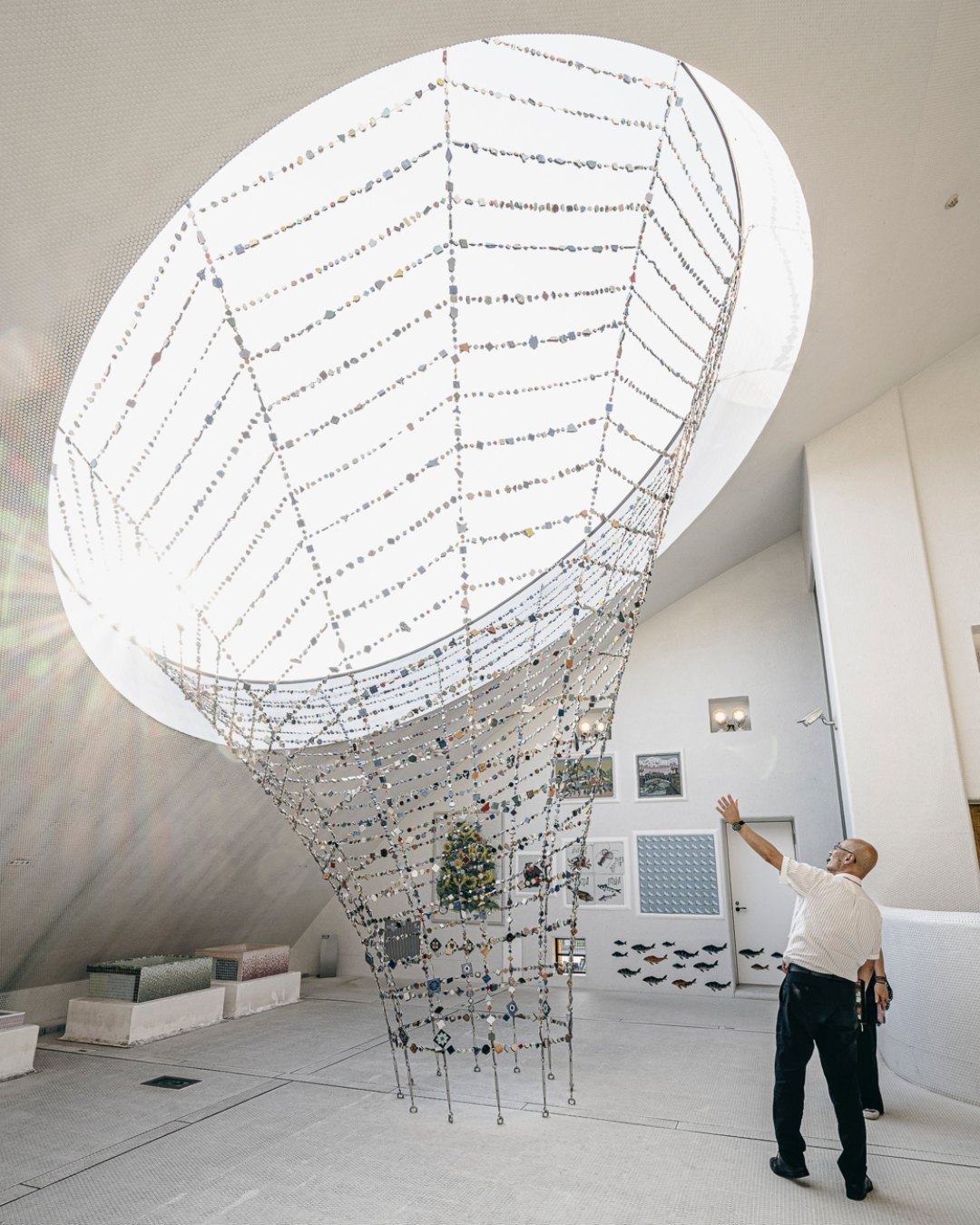
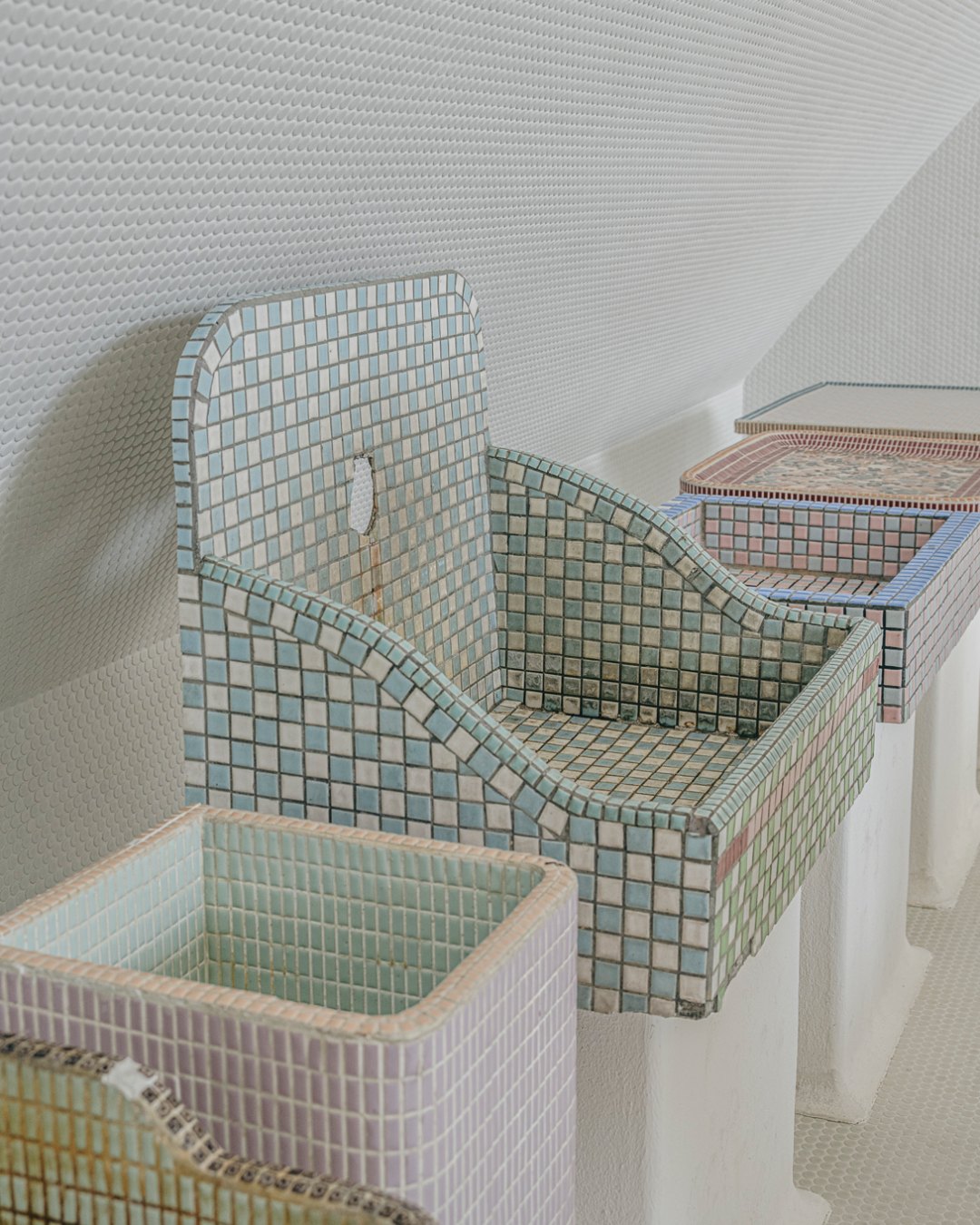
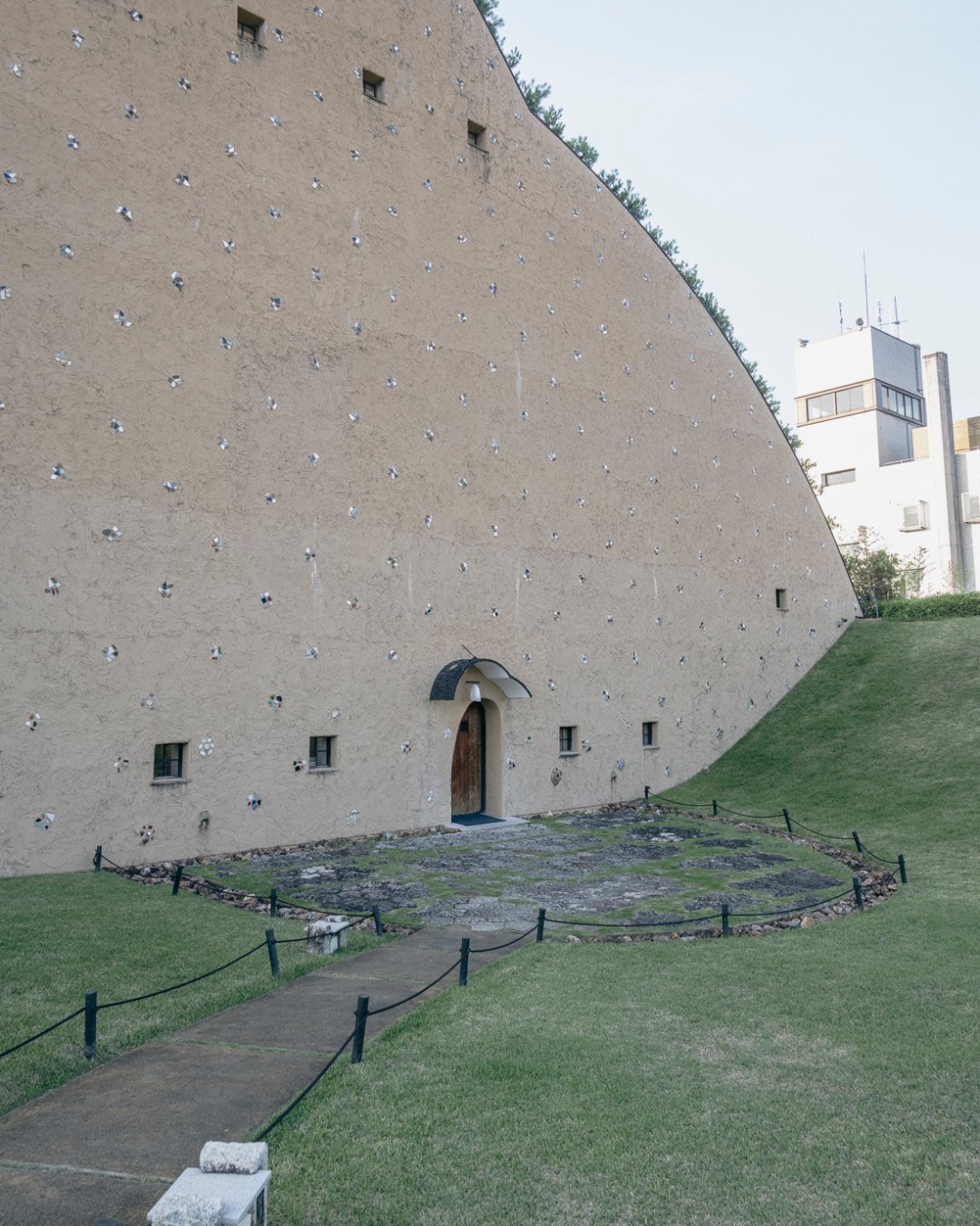
Opened in 2016, the museum is quite literally a treasure house of tiles. Here you can see an enormous collection of tiles produced in Japan from the 1920s to the late 1980s, along with some 10,000 items of tile-industry documents and artifacts. Rare tiles no longer made, the sample cases tile salesmen once carried on their backs, and tiled sinks and bathtubs that were once all the rage are sure to impress. The four-story museum is the work of Fujimori Terunobu, the celebrated Japanese architect and architectural historian known for buildings that use natural materials to realize fairy-tale imagination. Nothing about it is standardized: the color and texture of the façade evoke a clay quarry, the exterior has red pines, the kind used for firing pottery, planted on the roof to resemble a gentle hill, the site dips in the middle, and the visitor route begins on the fourth floor and descends to the first. It looks huge from the front, but step inside and the floor area is surprisingly small. Its narrow, elongated shape makes it feel like a cave, another twist.
A Night in Japan’s First TV Tower: The Nagoya Tower Hotel
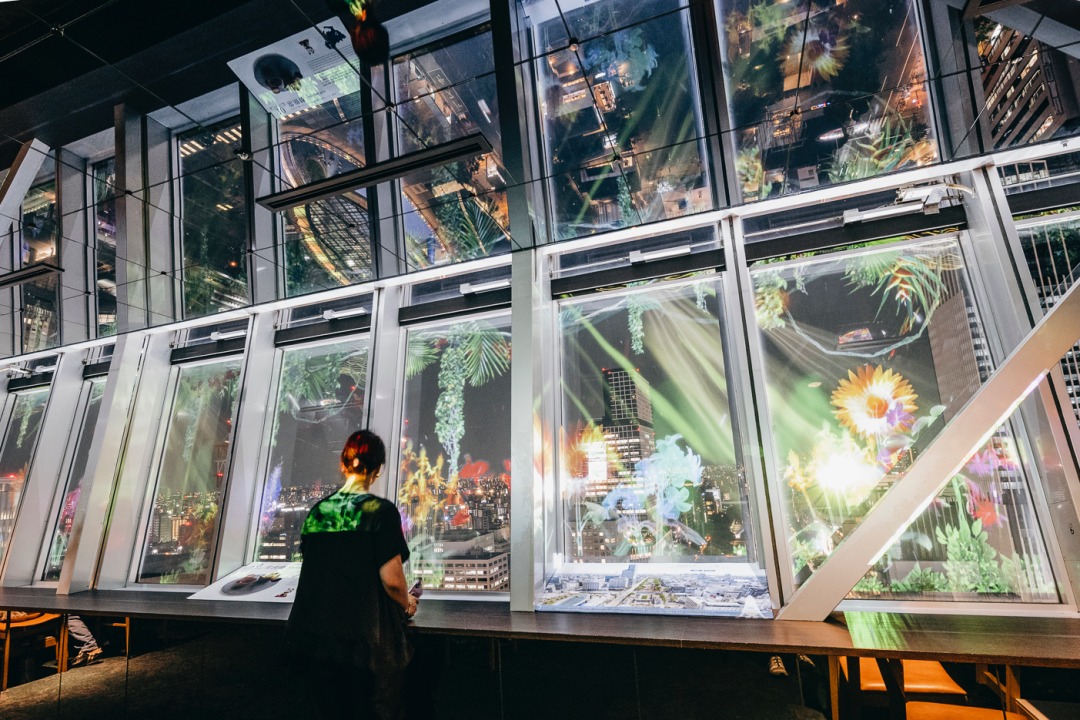
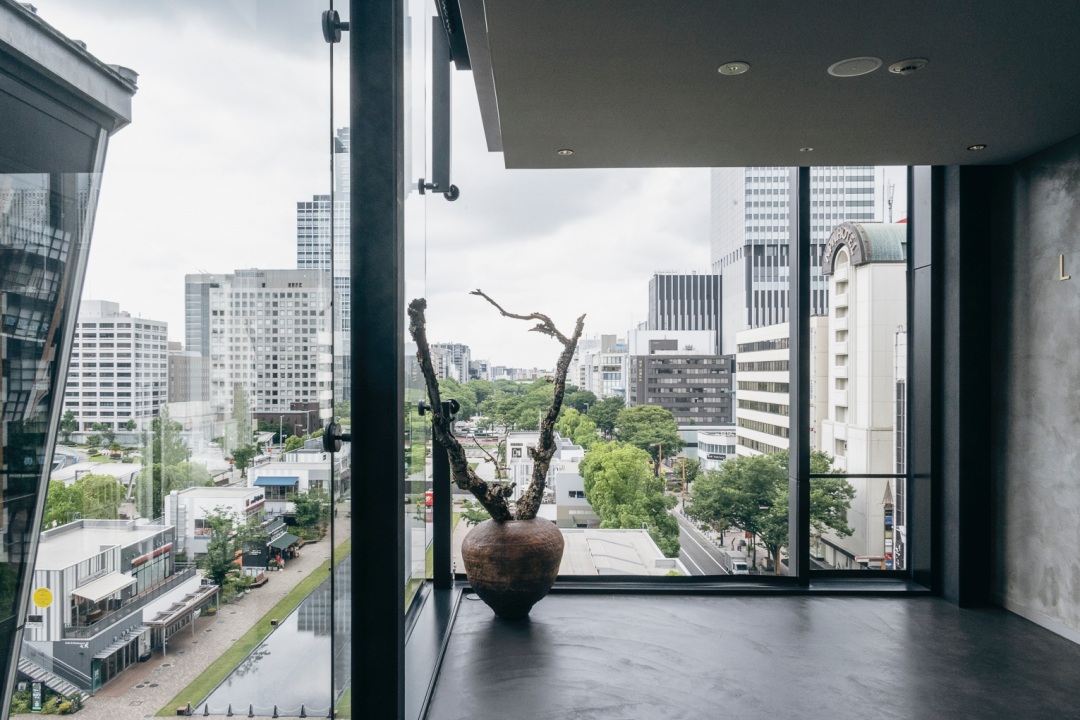
Rising 180 meters in Sakae (栄), Nagoya’s central entertainment district, Mirai Tower was built in 1954 as Japan’s first TV tower. Like the TV towers that went up in Tokyo, Sapporo, and other major Japanese cities after World War II, it was designed by Naito Tachu (内藤多仲), one of Japan’s leading modern architects. Thanks to its indoor and outdoor observation decks, at 90 and 100 meters above ground, it is now loved as both a landmark of the city and a prime spot for views. At one point, though, it faced demolition. The structure had no seismic design to speak of, and by the 2000s it had even lost its function as a broadcasting tower. Fortunately, it was registered as a nationally designated Registered Tangible Cultural Property in 2005, and reinforcement work and a revitalization project went ahead instead of tearing it down.
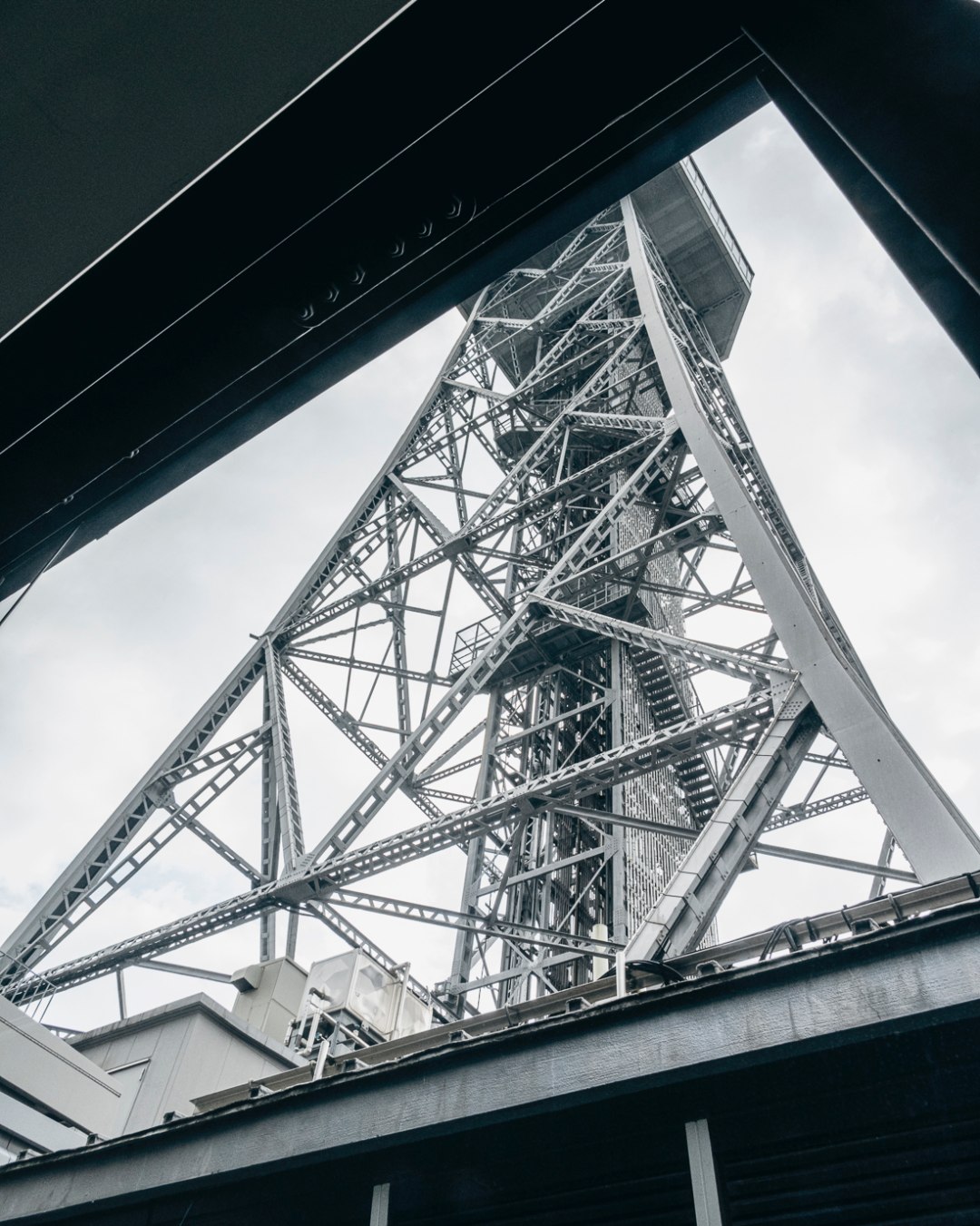
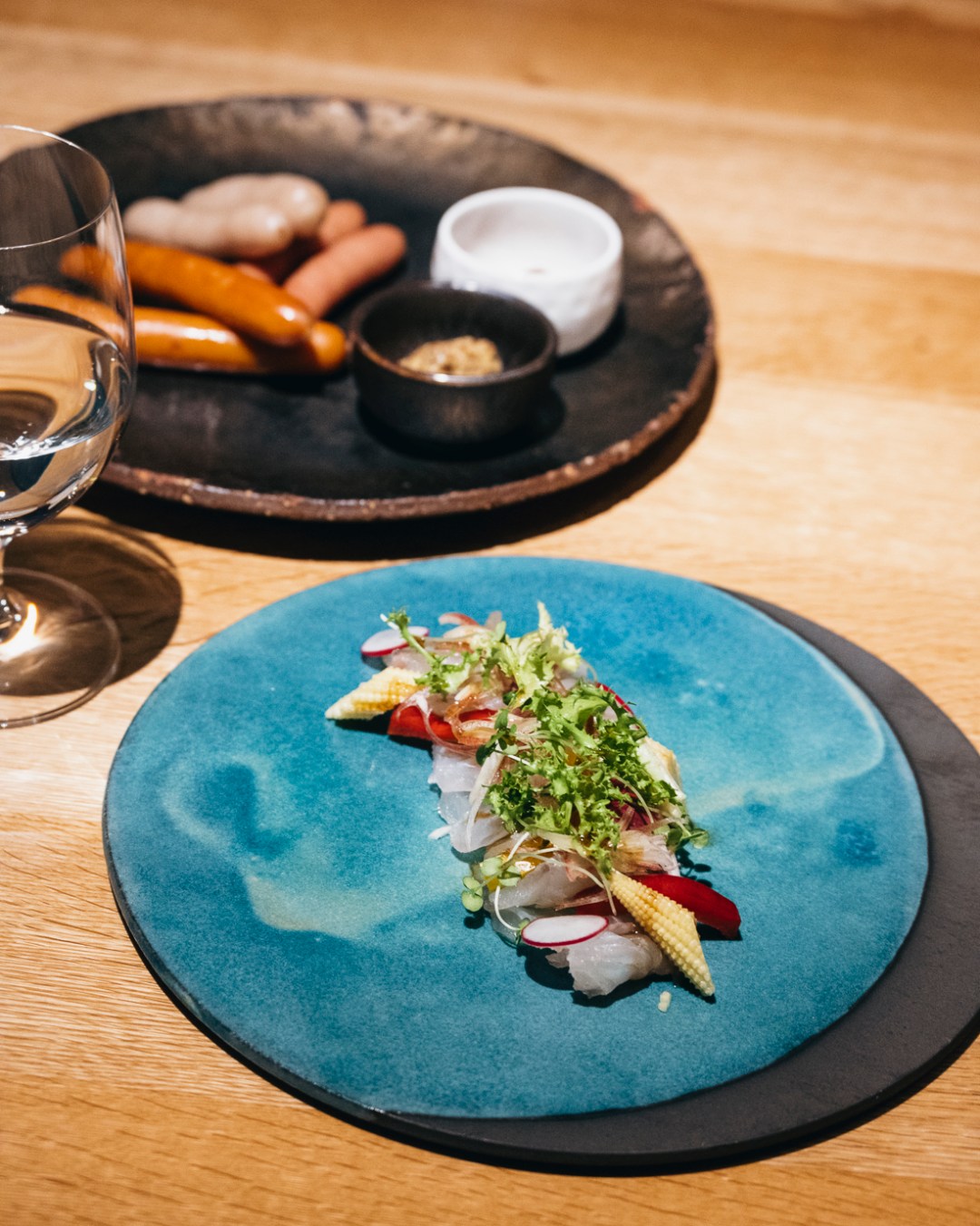
The Tower Hotel Nagoya, which opened in 2020, is the result. It is the world’s first hotel built inside a TV tower, with guest rooms, a restaurant, a gallery, a café, and banquet facilities spread across floors 1 through 5. It has only 15 rooms in total, but what stands out is that a local company headquartered in Nagoya runs it, offering a distinctive stay that embraces regional culture and art. Everything from room accessories and amenities to the tableware used in the restaurant comes from local brands, and the interior, remodeled to preserve the tower’s original structure and form, is furnished with works and furniture by local artists. This brand philosophy reaches its peak at breakfast: rice made from premium Gifu Prefecture grain and cooked in a cast-iron pot born in Nagoya, side dishes made with fresh local seasonal ingredients, and five kinds of soy sauce from Aichi Prefecture. During your stay, the windows look out over Hisaya-odori Park (久屋大通公園), where the tower stands, and the surrounding cityscape. Visiting the tower’s observation decks late at night and at dawn is another privilege reserved for hotel guests.


