Homes, Temples, Villages, Gardens — A New Way to Travel ASEAN
Architecture holds the way locals live and feel. From Malaysia to Thailand, rediscover unfamiliar art, culture and ways of life through buildings, starting with an architecture and culture tour of Melaka and Cebu.
Architecture holds the way locals live and what they hold dear. From Malaysia to Thailand, rediscover unfamiliar art, culture and ways of life through buildings. An architecture and culture tour of four ASEAN countries.
Words Lee Kiseon
In collaboration with ASEAN-Korea Centre
Melaka, Malaysia
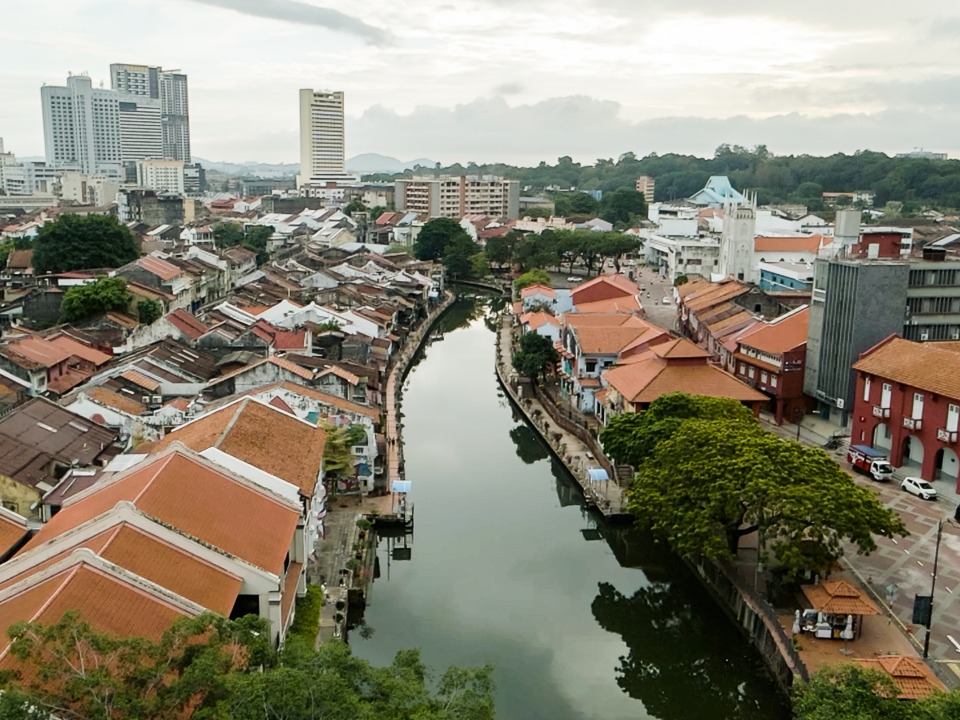
A city is made of layers of different eras and spaces, and in Melaka those layers are especially entangled. For hundreds of years, outsiders have come and gone, adding traces upon traces. In Dutch Square, the heart of Melaka, trishaws decked out with Hello Kitty or Frozen characters roll past, blasting pop songs. Passengers on the River Cruise, waving cheerfully, unwittingly reenact Melaka’s past: the history of ships from around the world passing through the Strait of Malacca, the narrow waterway linking the Indian and Pacific Oceans, and drifting up the Melaka River. Instead of vessels laden with cloves, nutmeg and silk, a maritime museum shaped like a sailing ship now stands guard on the riverbank.
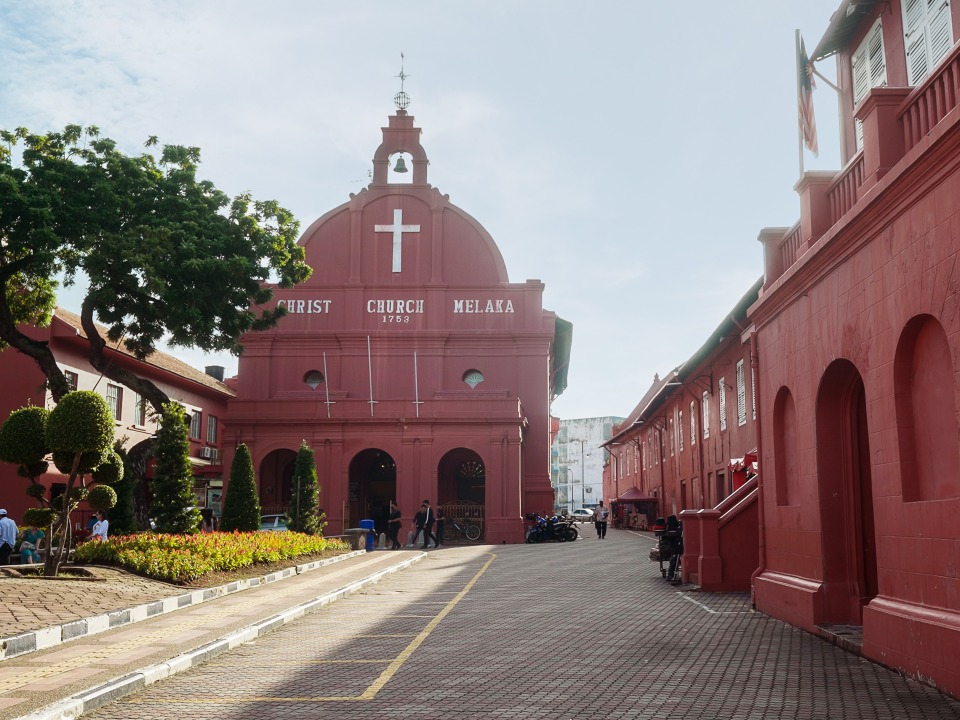
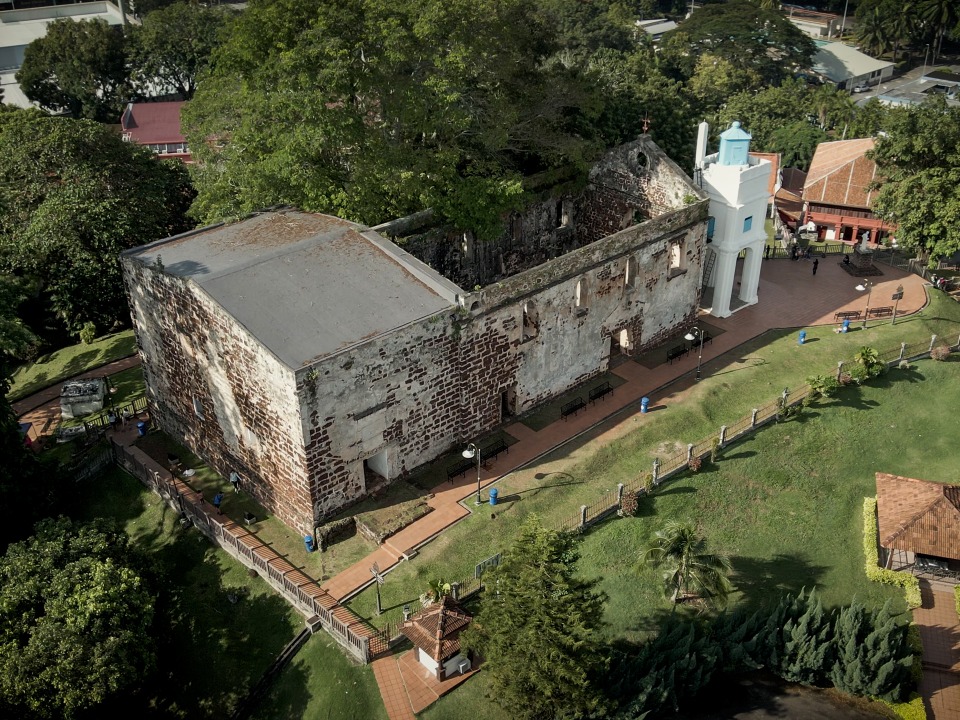
Dutch Square is the starting point for a walking tour of the old town. Here stand The Stadthuys, Melaka’s landmark and a symbol of the Dutch era, and Christ Church. After a ten-minute walk, you reach St. Paul’s Church and A’Famosa Fort, overlooking the sea. First built by the Portuguese in the 16th century, they are the oldest structures in the city. Cheng Hoon Teng Temple, the oldest Buddhist temple in Malaysia, Sri Poyatha Moorthi Temple, the oldest Hindu temple, and Kampung Kling Mosque sit side by side on a street named Harmony Street.
The lane beside the square was once known as Millionaires’ Row, and several houses built by wealthy Peranakans still remain. “Peranakan” means “locally born.” The term began with the descendants of foreigners who settled here and married Malays, and it is now used broadly for their culture, from food to architecture.
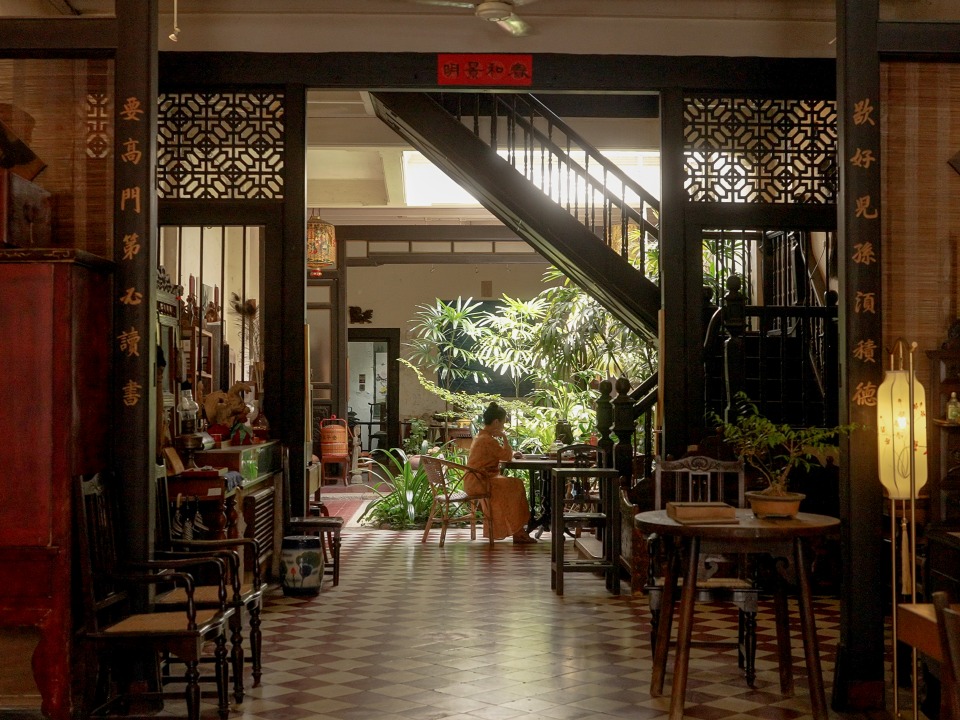
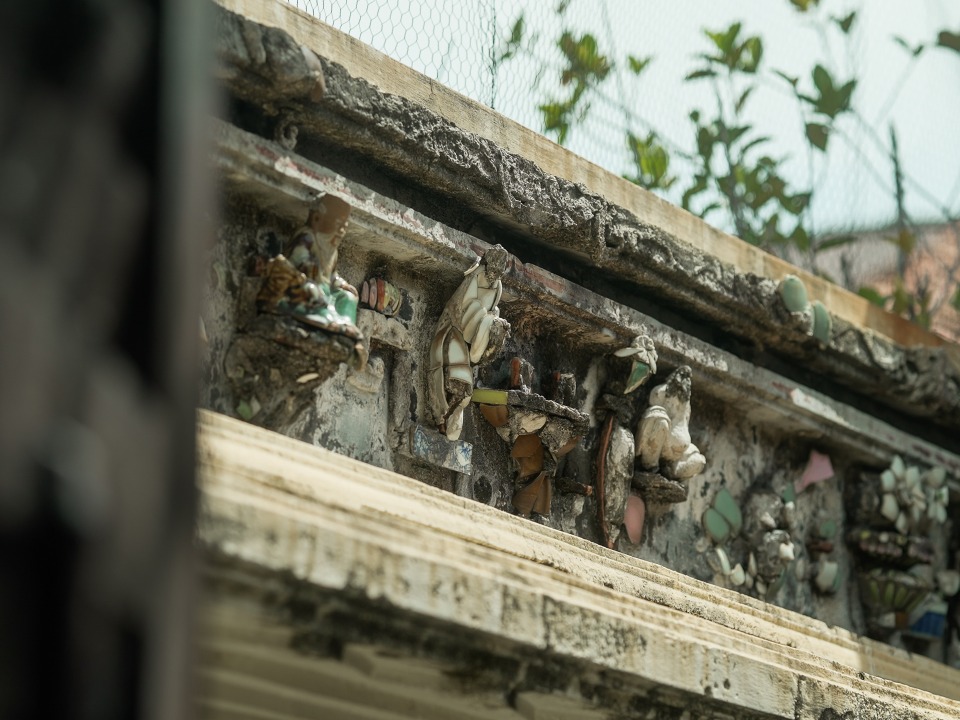
Malaqa House is a gallery converted from a Peranakan house. “Melaka is mixture itself,” says Grace Wong, who runs the place. Born and raised in Melaka, she adds that she is both Malaccan and Chinese. Asked what it means to coexist while keeping each tradition, to have two homelands, Wong smiles and says she isn’t sure. Built narrow under old Dutch regulations, the house stretches long and deep, with two courtyards inside. With European architecture as the frame, Chinese and Malay furniture and objects blend together. Beside a sunlit courtyard pool, guests sip Chinese tea, naturally, as a part of the beauty that mixture has made.
🎒Side Trip Continue your architecture tour in Ipoh, one of Malaysia’s hidden destinations. This faded former mining town is working toward a revival. Its old quarter preserves early 20th-century European buildings and shophouses, and recycled spaces are opening one after another. It is a five-hour drive from Melaka.
Korean Air, AirAsia and others operate direct flights from Incheon International Airport to Kuala Lumpur International Airport. From Kuala Lumpur to Melaka, it takes about two hours by car.
Architecture Tour of 4 ASEAN Countries — Melaka, Malaysia
Cebu, Philippines
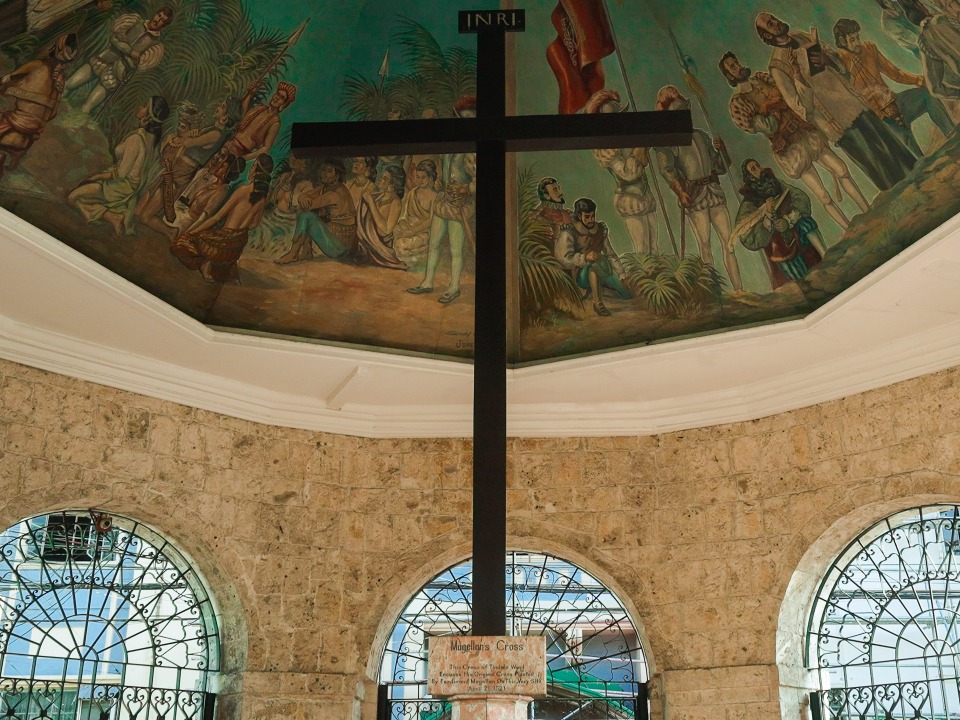
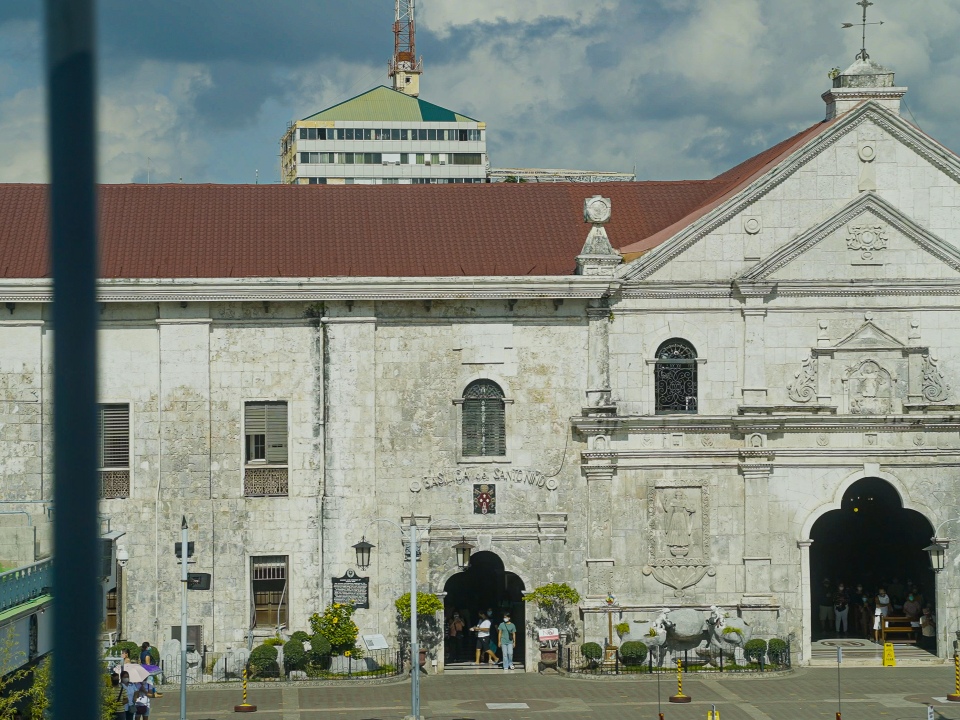
The wooden cross of Magellan’s Cross is said to enclose remains of the cross Magellan planted in Cebu in 1521. Its authenticity is uncertain. But when a candle vendor beneath the cross, bathed in early morning light, recites a prayer for us and dances the Sinug, that hardly seems to matter. The Sinug’s dance steps, repeated forward and back, imitate the ebb and flow of waves. A prayer to the heavens, the dance traces its origins to ancient indigenous beliefs and took its present form after meeting Catholicism.
As the Sinug shows, this oldest city in the Philippines has flexibly shaped a culture of its own while absorbing outside influences. Yet that is not all. The sea lies at the foundation of Philippine culture. The barangay, the smallest administrative unit in the Philippines, derives from the balangay, the boat in which the first settlers arrived. People who had sailed a long way together settled on the island and formed a village. Moreover, on an island nation prone to earthquakes, typhoons and floods, and standing at a crossroads of cultures, social bonds must have been essential.
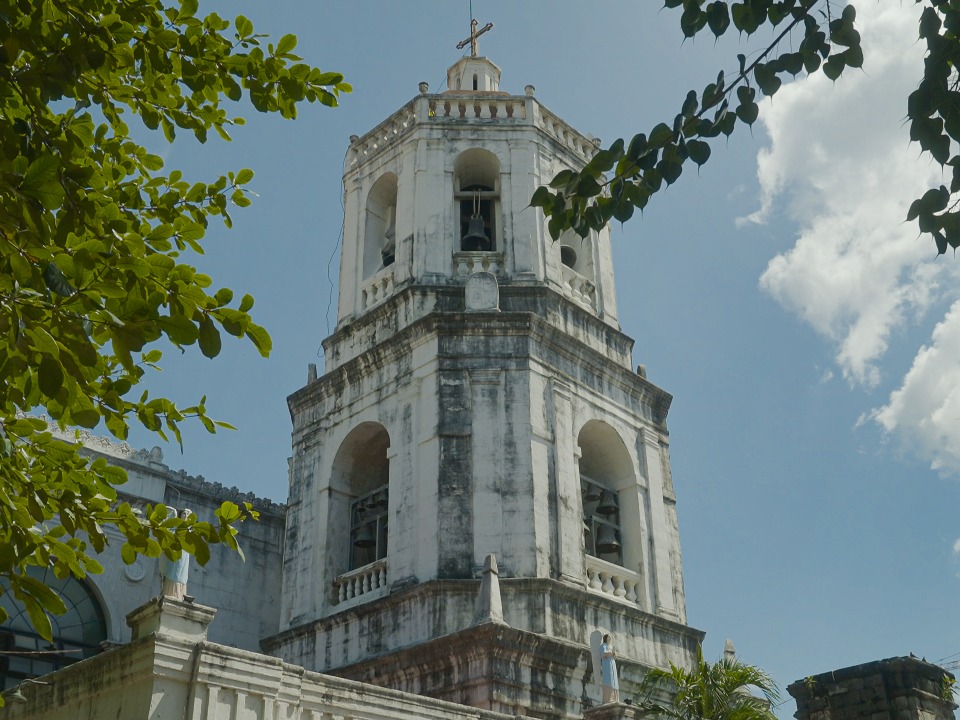
That is why so many of Cebu’s landmarks are Catholic buildings: they serve as places where people gather. The original of the Santo Nino image, seen everywhere in Cebu from street stalls to hotel lobbies, is housed in the Basilica Minore del Santo Nino, the oldest Catholic church in the Philippines. The Cebu Metropolitan Cathedral stands nearby. A way of life shaped by adapting to unpredictable natural disasters is built into the architecture too, as in church walls designed thick and low against earthquakes and made of durable coral stone.
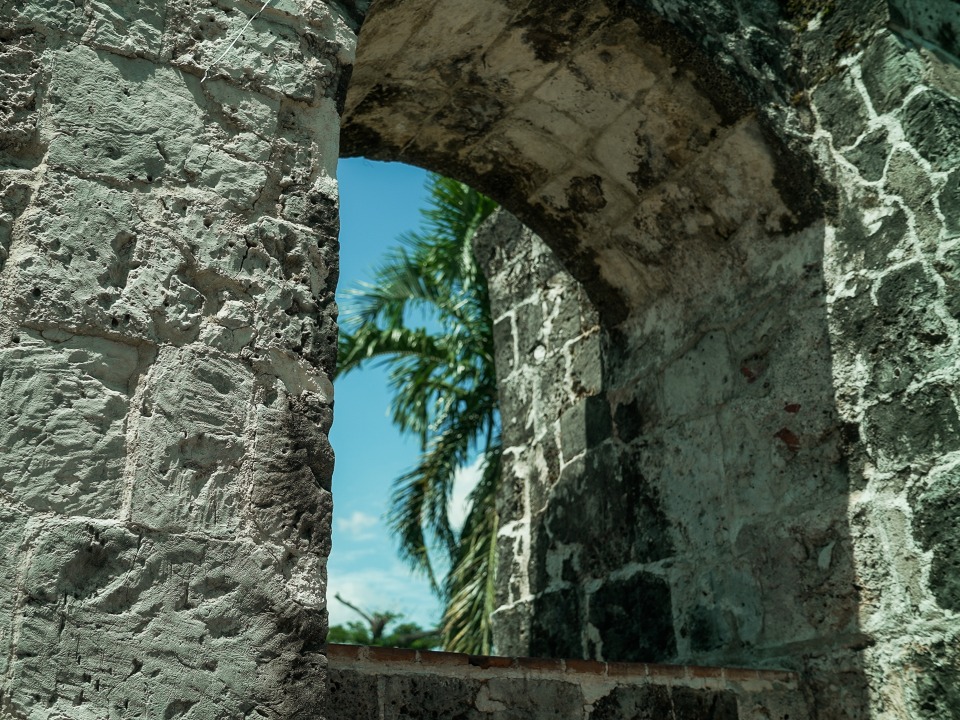
The walls of Fort San Pedro, the oldest fort in the Philippines, were built of hard coral stone. Casa Gorordo also uses coral stone, and its windowpanes are made of capiz shells, which are more durable than glass. It is also a fine example of balay nga tisa, Cebu’s distinctive mansion style that blends Filipino, Spanish and Chinese influences.
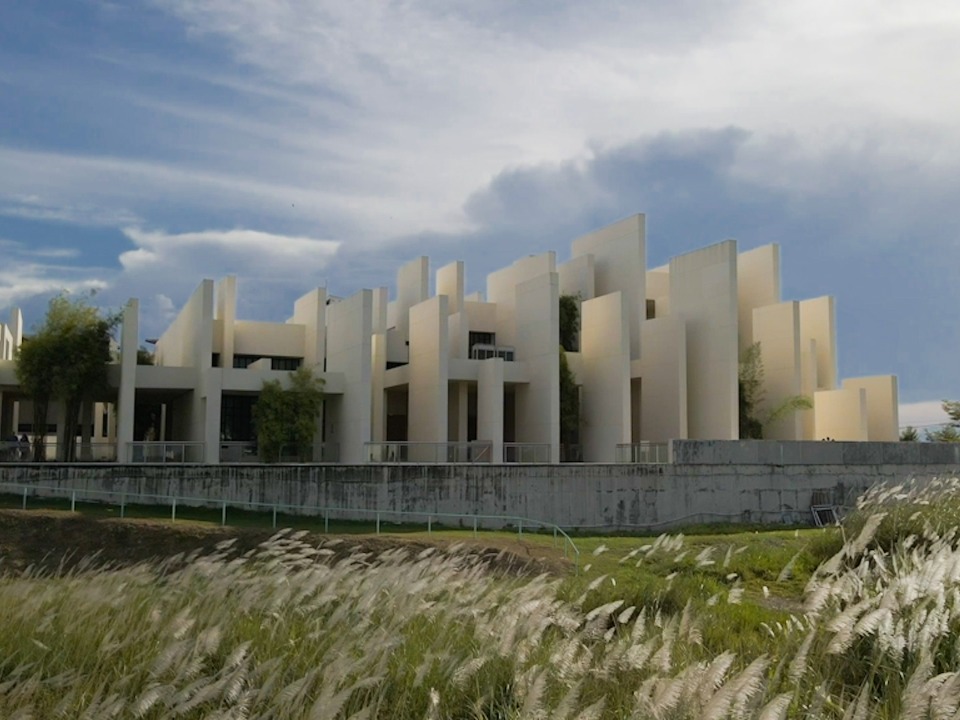
Ten minutes by car from downtown, you reach the Chapel of San Pedro Calungsod, on the grounds of SM Seaside City Cebu, the largest shopping mall in Cebu. Designed by Carlos Arnaiz, a Filipino-born architectural designer working in the United States, it uses concrete finished to resemble Mactan stone, a type of coral stone. The facade, formed by 100 walls, looks different depending on the angle from which you view it. It is as ever-changing as the country itself, made up of more than 7,600 islands, some 100 ethnic groups and about 150 languages.
🎒Side Trip Bacolod, the sugar capital of the Philippines, preserves beautiful mansions such as The Ruins and Balay ni Tana Dicang. It’s best to time your visit with the Masskara Festival, a celebration of masks. It’s a one-hour domestic flight from Cebu.
Korean Air, Cebu Pacific, and others operate direct flights from Incheon International Airport to Mactan-Cebu International Airport.
Architecture and Culture Trip Across 4 ASEAN Countries — Cebu, Philippines
Singapore
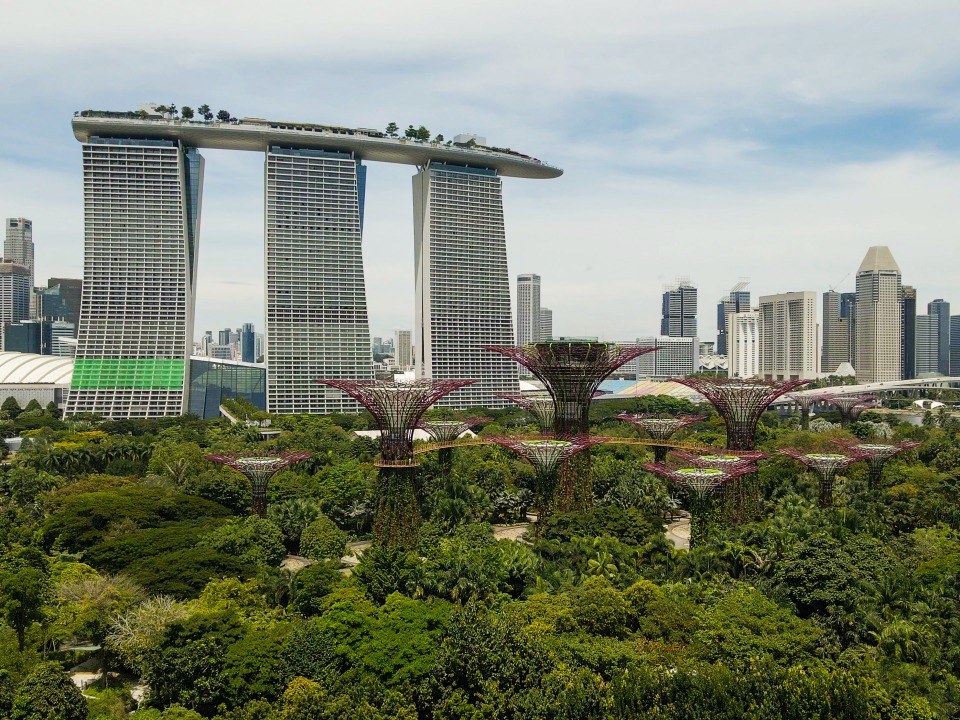
Which city is home to the world’s largest rooftop infinity pool, the largest glass greenhouse, and the largest indoor waterfall? Over the past two centuries, Singapore has reclaimed a quarter of its land and carried out bold urban planning. What is truly astonishing about Singapore is that greenery is everywhere. The ambition and foresight that keep reinventing its skyline have been poured just as evenly into its green spaces. Over the past century, the city’s catchphrase has evolved from “Garden City” to “City in a Garden” and, most recently, “City in Nature.” Gardens by the Bay is the garden that represents the “City in a Garden” vision. Its Supertrees, standing 20 to 50 meters tall, absorb sunlight and rainwater to generate energy, forming a kind of ecosystem with the other facilities in the garden.
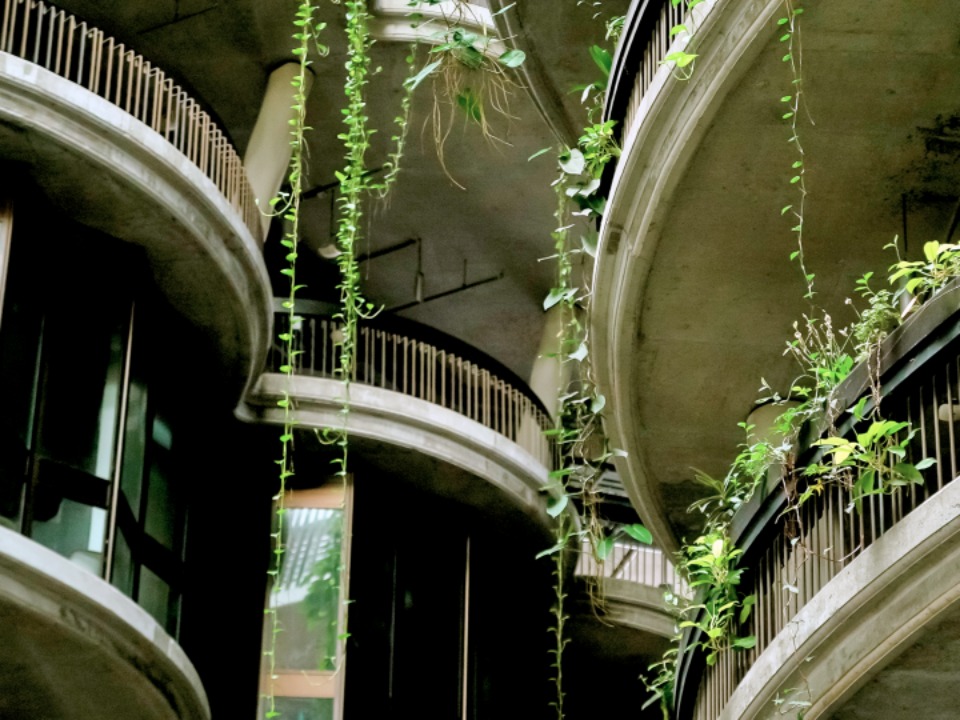
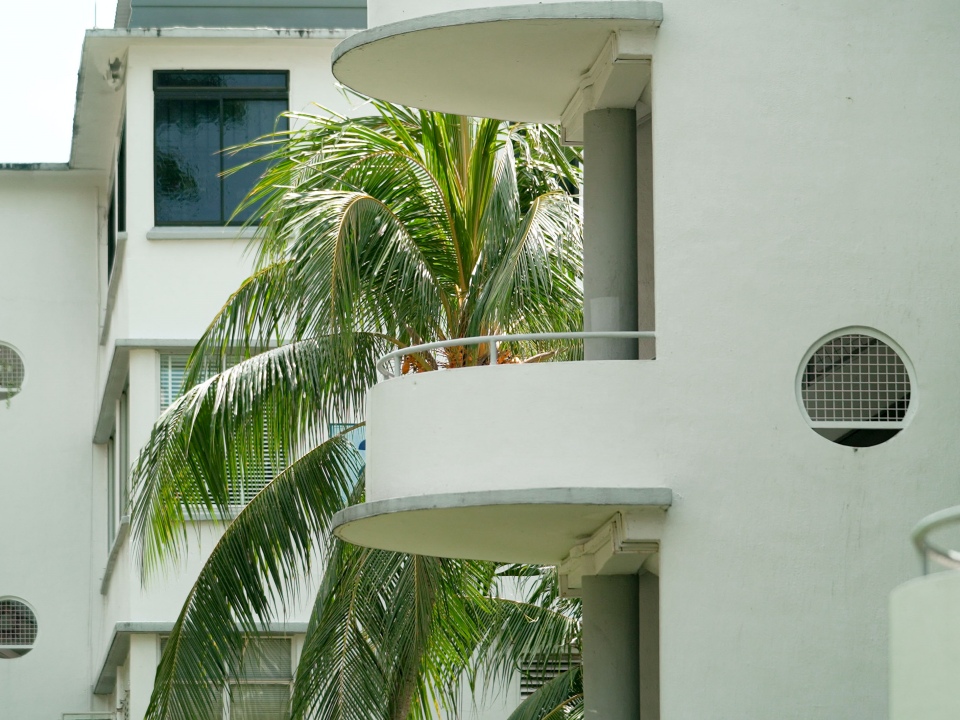
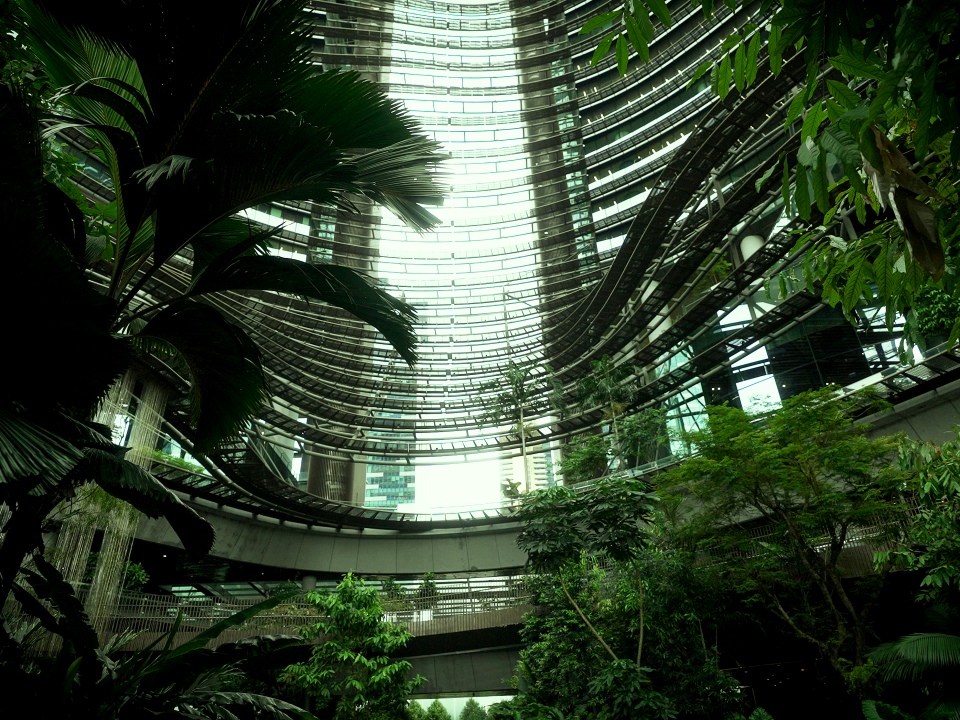
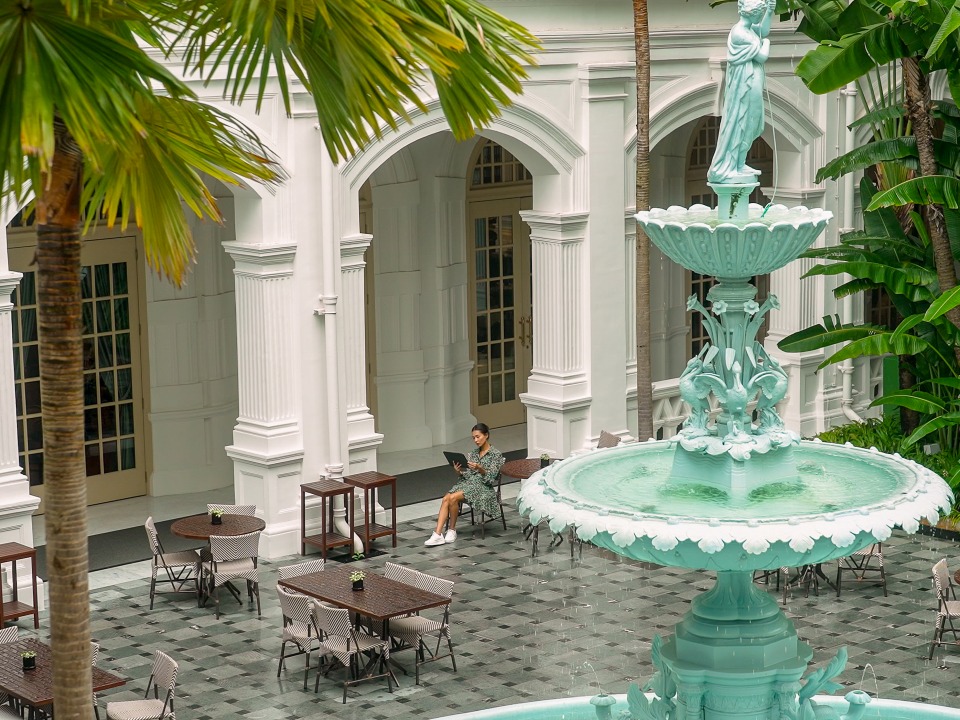
Quite literally, greenery exists everywhere in this city-state, and not only in famous gardens like the Singapore Botanic Gardens or Fort Canning Park. The central garden of the mixed-use development Marina One generates its own microclimate, where more than 350 plant species grow lushly. The Hive, an experimental learning center at Nanyang Technological University, has an eight-story open atrium, and plants trail down from the terrace on every floor. Designed by Britain’s Thomas Heatherwick, the building serves as a space where students and professors from various departments mingle freely and as a digital learning hub, and it is sustainable as well. And what about Tiong Bahru Estate, Singapore’s first public housing estate? Tropical trees grow along the walkways between its mid-20th-century Art Deco public housing blocks and in the courtyard of Tiong Bahru Market. Raffles Hotel, which began as a 10-room guesthouse and became a Singapore landmark, has also cultivated a lush, tropical courtyard after a recent full-scale renovation.
Whether it’s the Singapore Sling, the Merlion, or kaya toast, most of Singapore’s heritage is hardly more than two centuries old. Yet some of it reaches back to the 14th century, when foreign ships first dropped anchor at the small island. That heritage lives on in place names like Bugis, Chinatown, and Kampong Gelam. You can feel it, for instance, as a double-decker bus carries you between the golden dome of the Sultan Mosque, the Buddha Tooth Relic Temple, and colorful shophouses, or when you share a table with a stranger at a hawker center. It’s a spirit of coexistence that seeps quietly into the heart.
Asiana Airlines and others operate direct flights from Incheon International Airport to Singapore Changi Airport.
Architecture and Culture Trip Across 4 ASEAN Countries — Singapore
Chiang Mai, Thailand
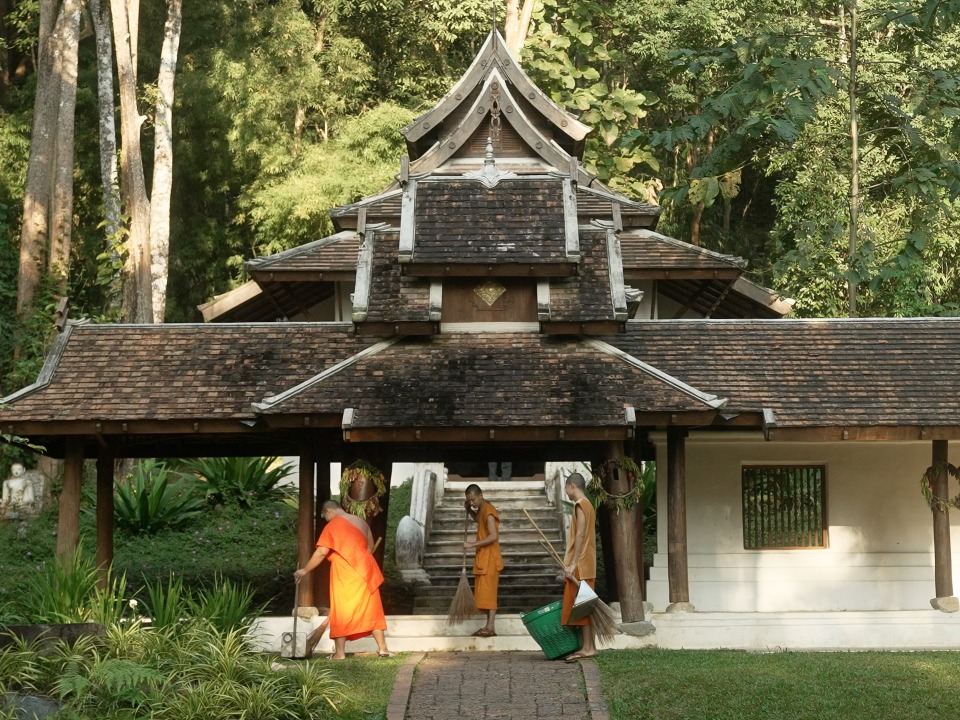
“You can never take this place in at a glance. You discover it piece by piece as you walk.” That is what architect Oh Youngwook said when recommending Wat Pha Lat. The temple owes this quality to its setting on the slopes of Doi Suthep. By the stream stands a crumbling great hall, and farther in, a chedi blends into the moss. According to legend, the white elephant that carried a Lanna king up Doi Suthep rested here once. For centuries afterward, only monks came and went from this secluded monastery.
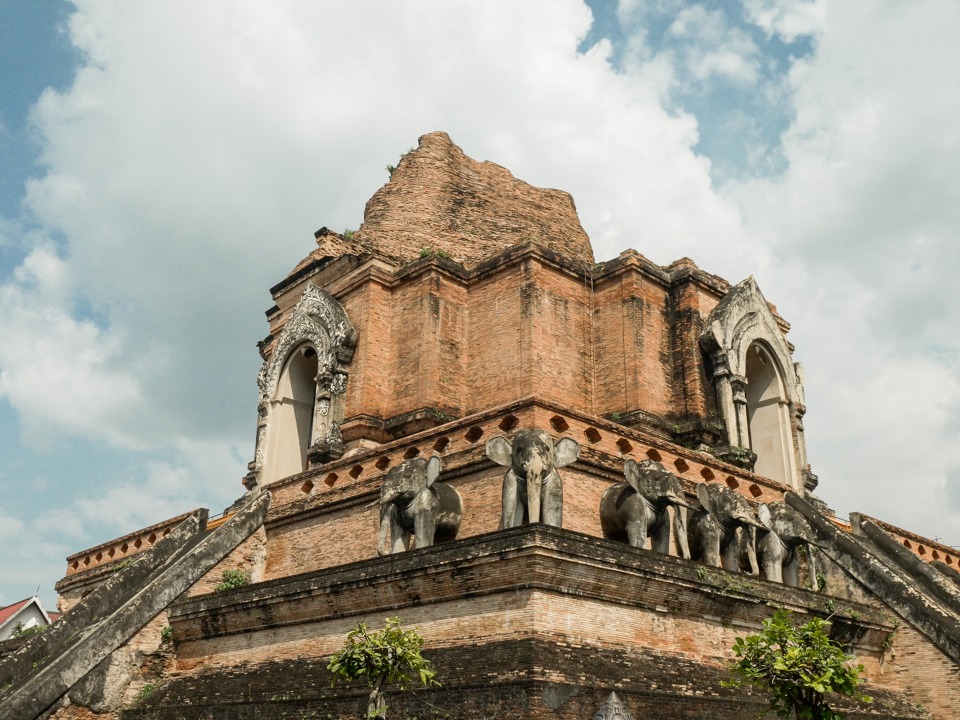
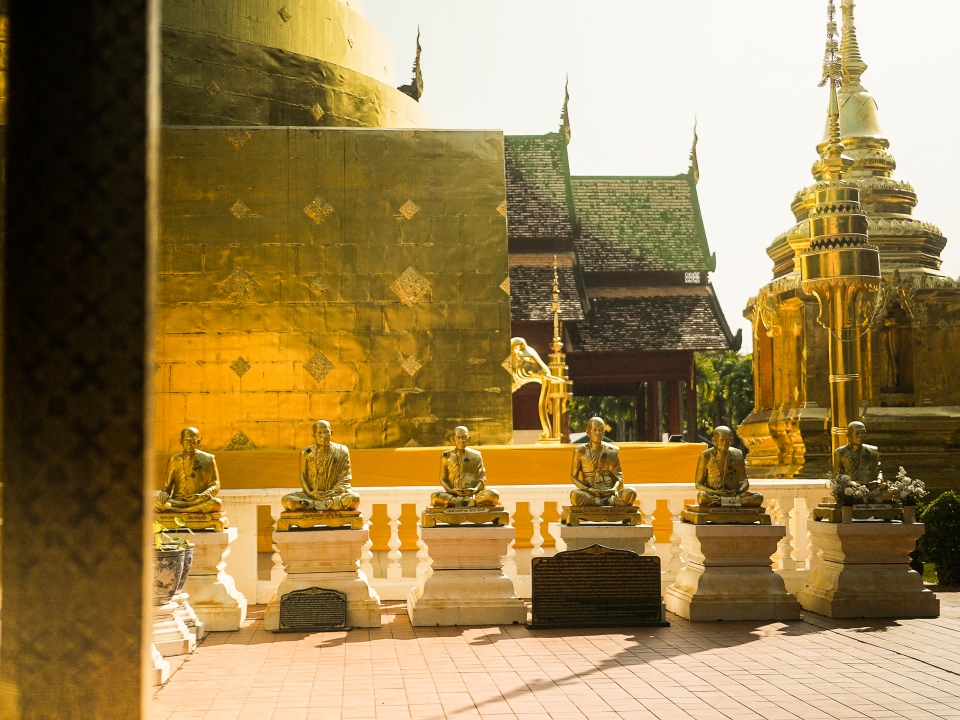
Chiang Mai has more Buddhist temples than any other city in Thailand. That’s because the Lanna Kingdom, which ruled northern Thailand for 500 years with Chiang Mai as its capital, was a devoutly Buddhist state. The architectural signature of a Lanna temple, or “wat,” can be found in its roof: several steep tiers, sometimes with metal ornaments at the ends. Walking through the old city, enclosed by sections of wall and a moat, you encounter wat after wat. Wat Chedi Luang Varavihara is famous for the largest chedi in Chiang Mai, and Wat Phra Singh houses the city’s most celebrated Buddha image.
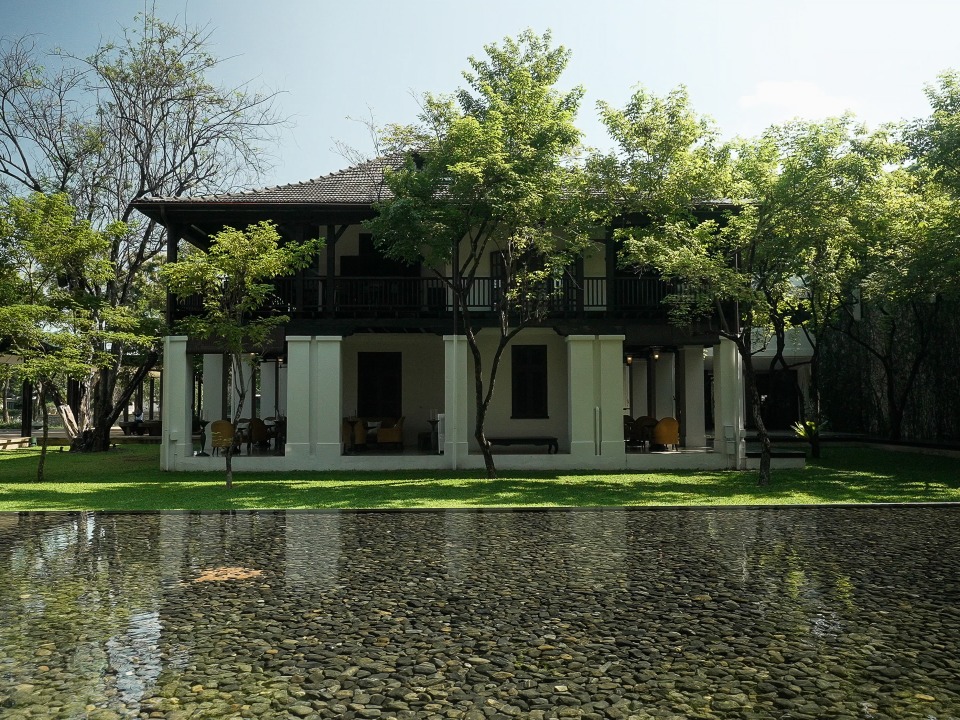
Even apart from Lanna heritage, a stay in Chiang Mai brings a sense of inner peace. It comes when you meditate at a yoga retreat in the suburbs, or when you sip a cocktail at the bar in Anantara Chiang Mai, a converted European-style residence. It may be the unadorned, modest buildings, or the effect of the mountains and fields that embrace the city.
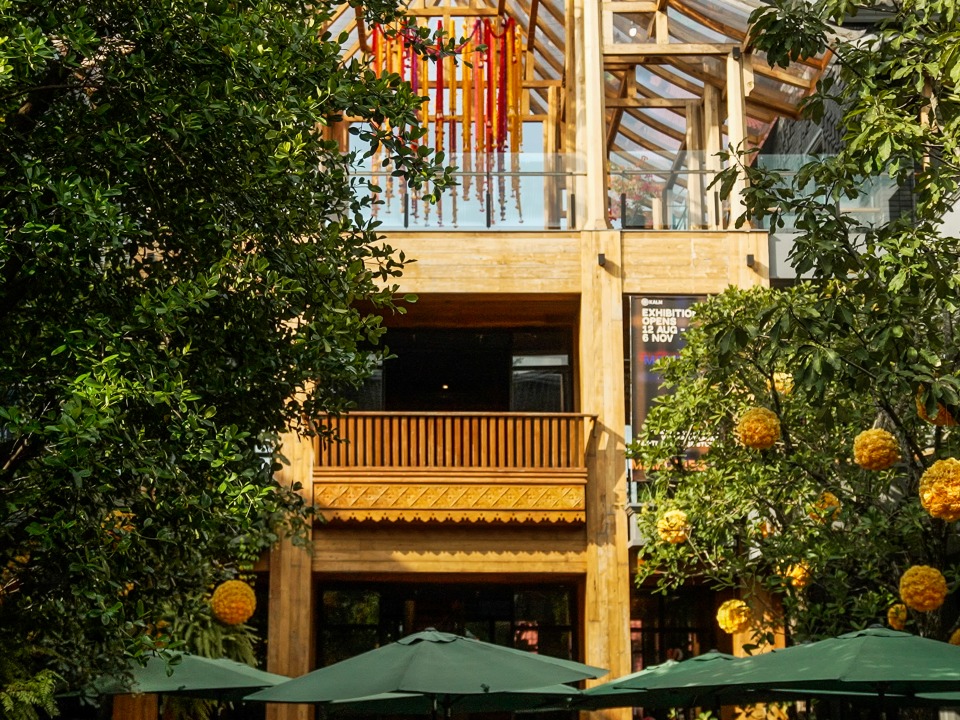
Or perhaps it’s because the people of Chiang Mai cherish their heritage and adapt it. The artists’ village Baan Kang Wat draws on the style of last century’s suburban wooden houses to create a pastoral aesthetic that is distinctly Chiang Mai. Kalm Village, in the old city, showcases local art, crafts, and culture, and is designed and run by a family of local architects. Creative director Achariyar Rojanapirom says the building is like a box of chocolates, and it’s true. The more closely you look, the more you discover: walls of hand-fired dark gray bricks laid in traditional weaving patterns, and hidden lettering across the walls naming those who contributed to the building, from the designers to the plumbers. The same conviction extends to its curation, which features only works made with local materials or in collaboration with local artisans, and content that draws on traditional culture.
🎒Side Trip Chiang Rai was the first capital of Lanna. Its best-known sights are Wat Rong Khun and the Baan Dam Museum, better known as the White Temple and the Black House. Both creatively reinterpret traditional architectural styles, including Lanna’s. It takes three to four hours by car from Chiang Mai.
Korean Air, Jeju Air, and others operate direct flights from Incheon International Airport to Chiang Mai International Airport.
Architecture and Culture Trip Across 4 ASEAN Countries — Chiang Mai, Thailand