
Freedom Index in Gongju — Traveling Gongju with a Sense of Freedom
Puzzle Lab's ‘Village Stay’ program helps travelers explore Gongju, Chungcheongnam-do, with freedom and openness, encouraging a deeper look into the region through direct encounters with its people, spaces, and everyday life.
Freedom Index in Gongju — Traveling Gongju with a Sense of Freedom
A day spent experiencing Puzzle Lab's ‘Village Stay,’ a program that connects the past and present of a village, the familiar and unfamiliar sides of travel, and outsiders with locals.
Words Parc Jinmyoung
Interviewee Kwon Osang (CEO of Puzzle Lab)
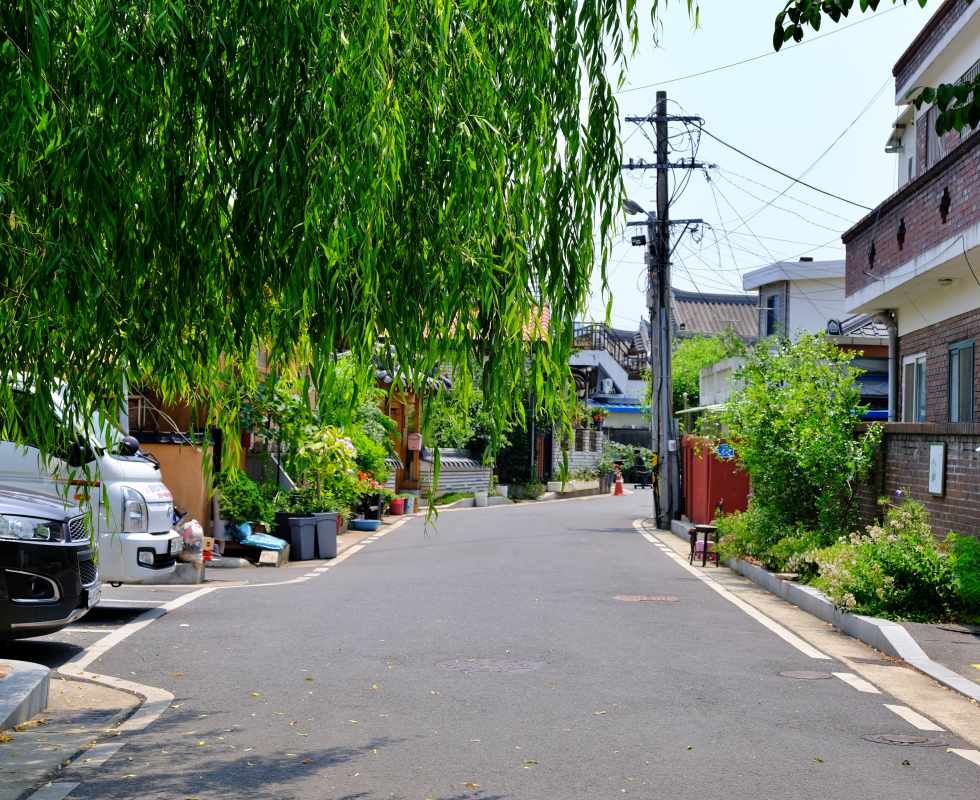
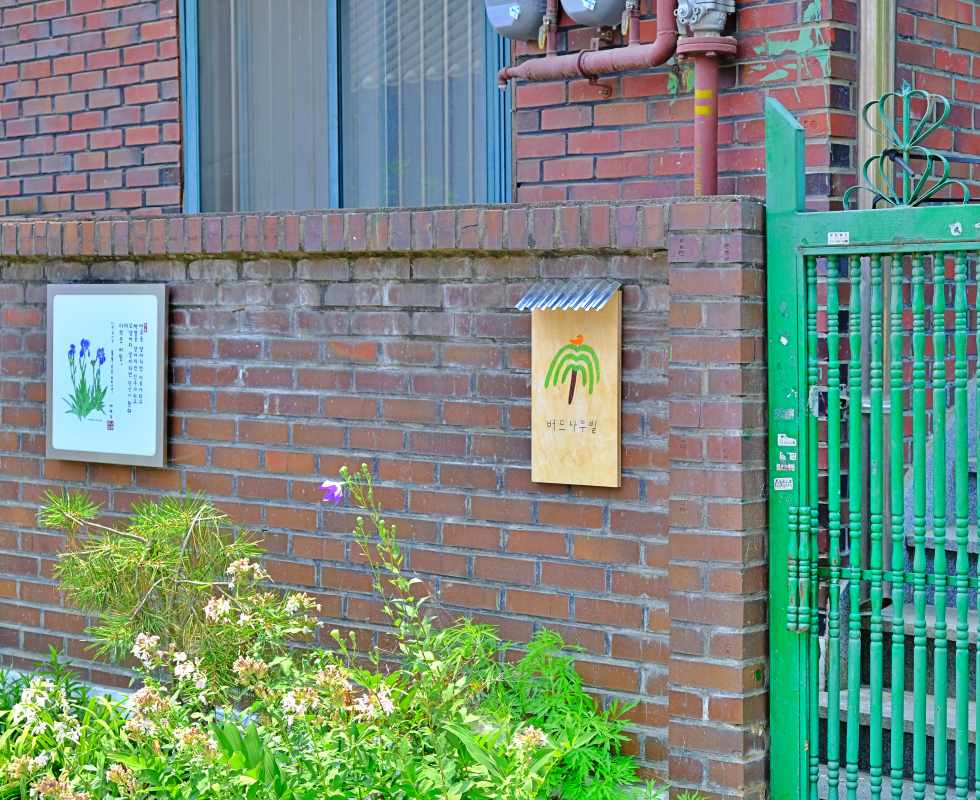
Since the Baekje era, Gongju in Chungcheongnam-do has existed as a city of education. Walking through the old downtown, still marked by the passage of time, I found myself thinking of a child who once dreamed of becoming a poet behind some gate, or an aspiring painter I'd never met. “Are the local residents welcoming toward newcomers?” I asked, worried that the region's culture and geography might make it conservative and closed off. “The old downtown was originally a boarding-house village, so the atmosphere actually welcomes young people and newcomers,” answered the manager of Village Stay, who had moved to Gongju a year earlier. Walking along Jemincheon Stream, paintings, lines of poetry, and cute sculptures hung on walls throughout the village as part of an urban regeneration project caught my eye at every turn.
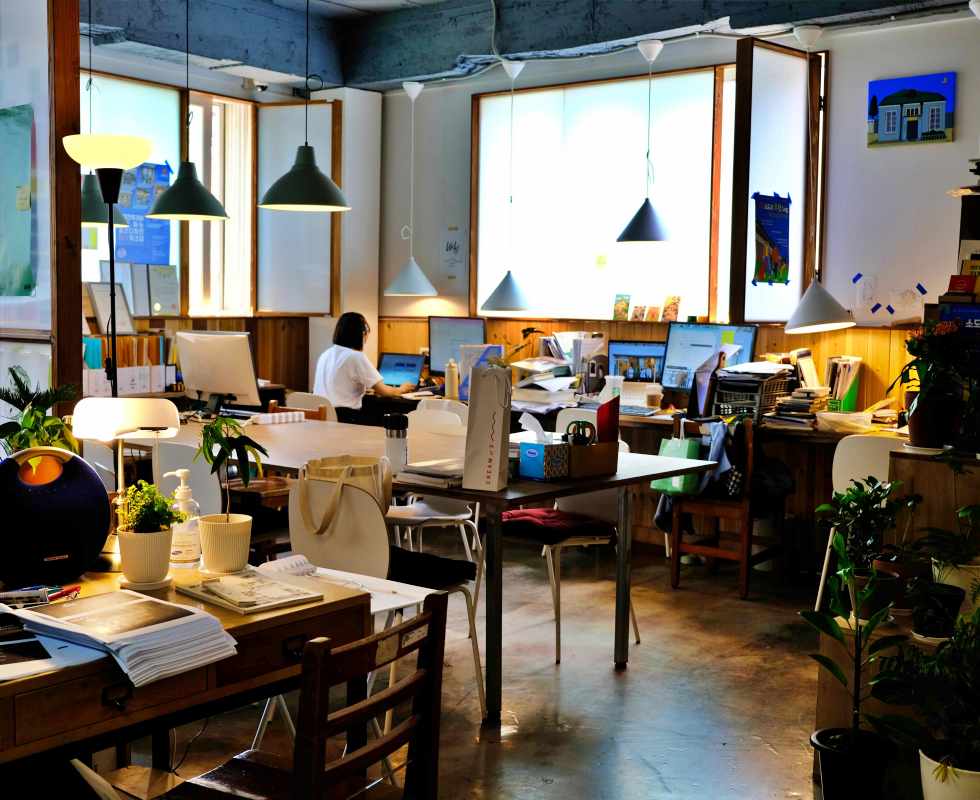
The Gongju old downtown village tour begins with participants gathering in a meeting room prepared by Village Stay to introduce themselves to one another. The tour introduces spaces that currently exist or once existed in the neighborhood, and includes time to speak directly with the people who run them. This holistic experience of traveling through the everyday life of a village is what's called ‘Village Stay.’
Note 1. What exactly is the identity of Village Stay?
What kind of work does Village Stay do?
I think it's best understood as an extension of the regional-living project run in 2021 through Gongju's youth village program, ‘Jayudo (Freedom Index).’ Jayudo was a project designed to meet a range of interests and needs — from young people who wanted to casually try living in the village, to those who wanted to look more deeply into it, to those who wanted to start their own work here. Once the program ended, the formats of the insight trip and workation naturally emerged. The insight trip is a village tour that runs either as a day trip or an overnight, one-night, two-day program. Participants visit local restaurants or spaces, speak directly with the people running them, and sometimes even join a talk show or small forum for further conversation. The workation, which runs for five nights and six days, provides accommodations and a shared office so participants can fully experience the community within the village.
Beyond that, we also run training programs for government agencies related to entrepreneurship, such as the Korea Institute of Startup & Entrepreneurship Development or the Ministry of SMEs and Startups. The most accurate way to understand how entrepreneurship actually works in a region is to see and experience it firsthand on-site. These field visits and training sessions can also lead to new projects, so it's a great opportunity for us as well.
When running community- or platform-based businesses in a region, cooperatives are often the go-to structure. Was there a particular reason you chose to operate as a corporation instead?
We didn't want the various teams operating meaningfully within the region to be lumped into a single bowl, so to speak. That's why we felt developing as a corporation made more sense than as a cooperative. Each program or space we run has its own distinct tone, and if everything were bundled together, there would inevitably be limits to how much each could grow and evolve.
We even produced our performance report in the form of a magazine. Everything — from planning and reporting to editing, printing, and design — was done locally, within the region. That in itself is significant, since it means we no longer need to look outside for talent; we can get it all done right here. And once the magazine is finished, it circulates within the community as well. It survives, one way or another. I think quality or originality comes second. What matters most is that people can sustain themselves within the region, doing the work they want to do — that, to me, is what sustainability really means.
Note 2. For a local youth business, coexistence with residents must be important…
How does coexistence with local residents actually happen?
Both older residents and people who have long been active in the region are connected to our community, whether directly or indirectly. And even among those with no prior connection to us, quite a few are quick to respond and join in whenever there's something worth doing together. For instance, there are five galleries in this village alone, and when we suggest holding a joint exhibition, it's no trouble at all to bring the space operators together. There are also plenty of community groups made up mostly of seniors — calligraphy clubs, poetry reading circles, local history exploration groups — that carry the region's history within them.
It seems like Puzzle Lab doesn't actively connect travelers and locals so much as observe and watch over them, intervening only indirectly.
What Puzzle Lab aims for is for participants to figure things out on their own. The name ‘Jayudo (Freedom Index)’ itself carries the meaning of judging freely for yourself. We don't cling or hover over people. (Laughs) We simply suggest a bit of stimulation, connection, or experience.
So you just offer the guidelines.
The less we intervene, the more unexpectedly interesting things tend to happen. There are cases where someone who joined our program ended up getting hired at another company in the village, or someone who wanted to farm used us as a stepping stone to go deeper into the countryside and start farming there.
It seems like all kinds of changes must have happened in the region since Puzzle Lab was founded in 2019.
I hear the number of young people has grown. Since Gongju has many universities, there's a campaign encouraging incoming freshmen to change their registered address here. Even so, there are years with no net increase, but this year, apparently, the youth population did rise. We try to catch small but positive signals like this. Looking closely, the details behind it might be different, but either way, once people start perceiving that ‘Gongju's population is growing,’ it can become a place young people seek out, even as a small city.
The lodging, coworking spaces, and lounges that Puzzle Lab runs must serve as places that connect young people to the region.
They could certainly be used that way. But we try not to define their purpose too precisely. For example, when we rent out the meeting room, we don't go out of our way to recruit people who want to build and run a community. If someone needs it, they'll come and use it. We just want it to happen naturally — for people to think, ‘there's a meeting room in Gongju's old downtown, let's gather there and try something,’ and for gatherings and activities to form organically from that.
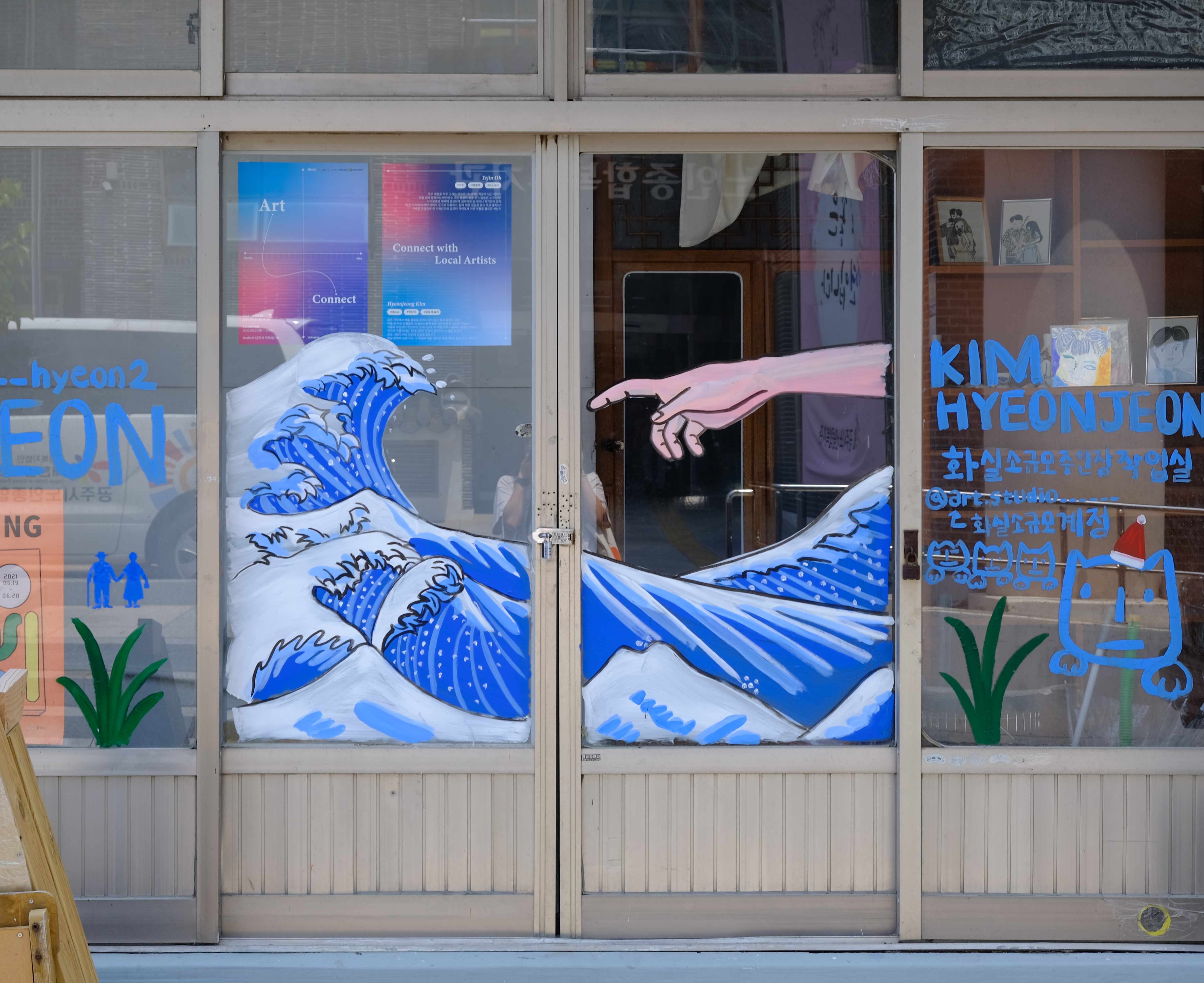
Note 3. Why should you travel to Gongju?
Is there a city whose model you looked to or referenced?
Every March, South by Southwest (SXSW) is held in Austin, Texas. Here's the story behind how SXSW came to be. Texas is rural, so young musicians had to head to big cities to get their chance. SXSW began with the idea of ‘let's bring people here instead.’ What started as a small local event gradually grew into a festival where innovations across content, technology, and many other fields could all be encountered in one place. We think Gongju could become a city like Austin. For example, one thing we're planning is a local magazine festival, where local magazines from across the country would each use a space within the village as their own booth, introducing their regions and magazines. People interested in that would naturally gather in Gongju.
It does seem like an event like that would bring a lot of energy to the region.
In this village, you can easily spot the poet Na Tae-joo riding his bicycle every day. I think the fact that running into a famous poet in your own neighborhood isn't some story from a faraway place, but simply part of everyday life here, is in itself a great source of nourishment for children. Middle and high schoolers, who are in the middle of their formative years, would be even more influenced by such an environment, and they also have the potential to create further change. If things like this keep happening in Gongju, someday people will be able to find opportunities within it, and someone out there will come to this village in search of that opportunity.
I'm curious how you came to discover this kind of potential in Gongju.
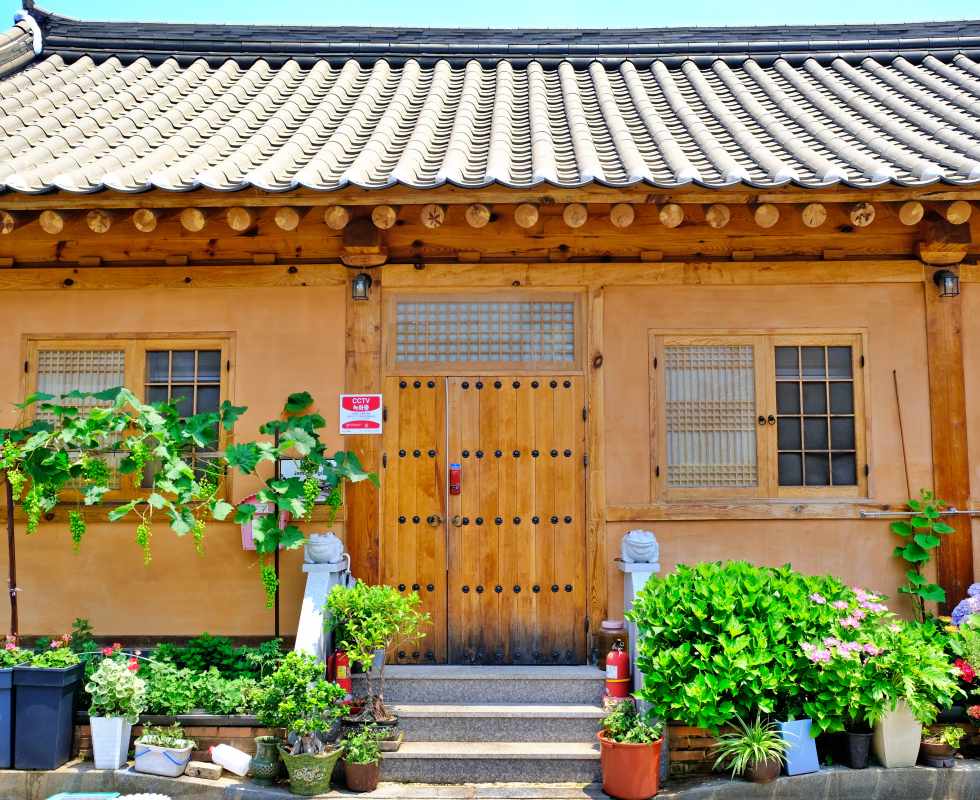
Gongju is small. It's quite compact. Surrounded by mountains, the ‘stage’ is clearly defined. Everything is exposed. From who's up to what, to who went for a run this morning — everything is visible, so there's a part of you that moves knowing your own actions will be seen by others in some way. There are clear pros and cons to that. From a traveler's perspective, the purpose of travel is usually to have an experience different from daily life, but visiting a completely different place can feel more like an adventure. In a place that's only slightly off from the familiar, you can have a distinctive experience through small curiosities, like wondering ‘why are people gathered here at this hour?’ That sense of being both familiar and slightly foreign at once — I think that's Gongju's greatest charm.
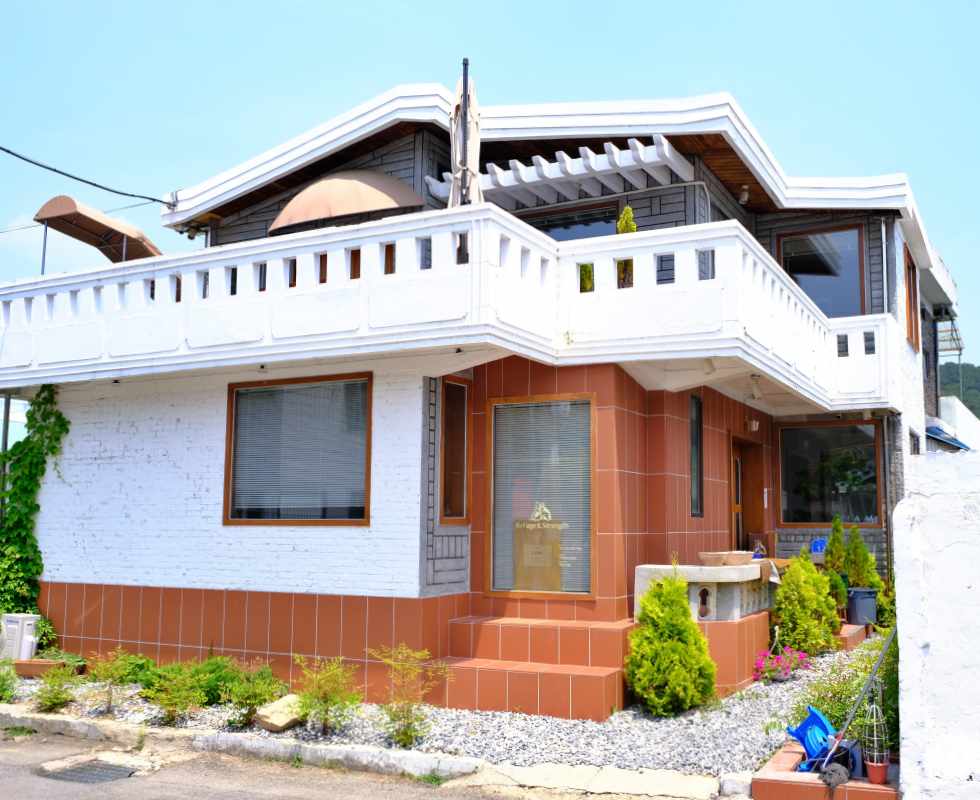
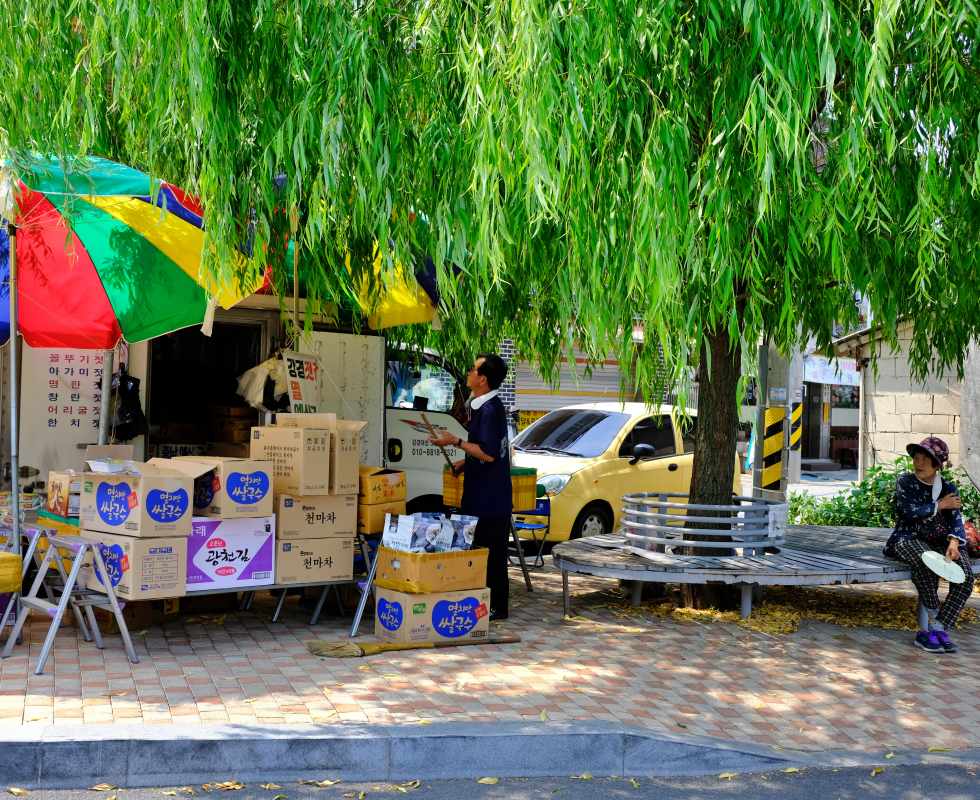
Does Puzzle Lab have its own way of showing travelers Gongju's charm?
A good example is our guide map — we've scattered little local quirks throughout it. There's a bakery on the map called 'Silladang,' and a curious traveler might wonder why a bakery in the former capital of Baekje would use the name 'Silla,' so they could go ask the owner why they chose that name. Or if you visit the 'Flower Grandma's House' in the neighborhood, you might catch the grandmother outside tending to all kinds of plants. That's how we connect travelers to the area, little by little, so they can absorb it naturally. Beyond the major attractions and travel information, we draw in these quirky, characterful details of the village. For people curious enough to notice them, we want to be the trigger for a new kind of experience — that's about as far as our role goes.
Since it's something people choose to do themselves, it becomes a genuinely personal experience.
If you walk along Jemincheon Stream, there's a 'fake tower.' It's made of plastic, but it stands there looking just like a real stone pagoda, fitting in perfectly with the town of Gongju. I think that actually matches the town's current character quite well. This town carries an enormous sense of pride in its past and a certain historical weight. But then there's this fake tower just sitting there, abandoned — it's random and kind of funny. That, to me, is exactly the charm of this town. We just help travelers discover and experience that charm scattered around the town on their own.
It sounds like what Puzzle Lab is aiming for is closer to a festival or a community.
It could be, or it might not be. Since we didn't set up this company with all of this mapped out as our business scope from the start, we want to let it flow naturally. Our next project might be a space, or it might be a program. The tricky part is we don't know what it'll be yet. (laughs) But our team is confident we can bring anything to life.
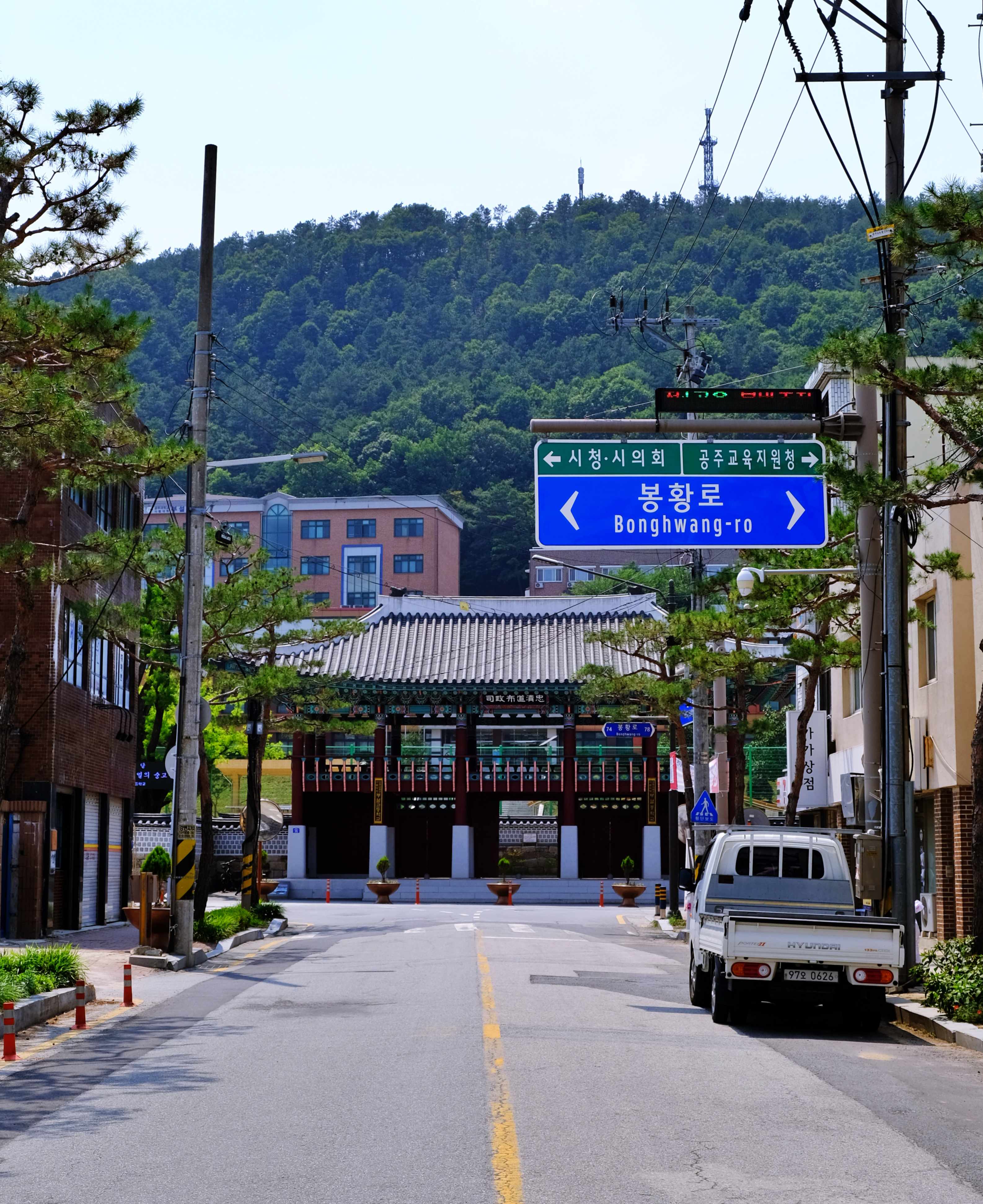
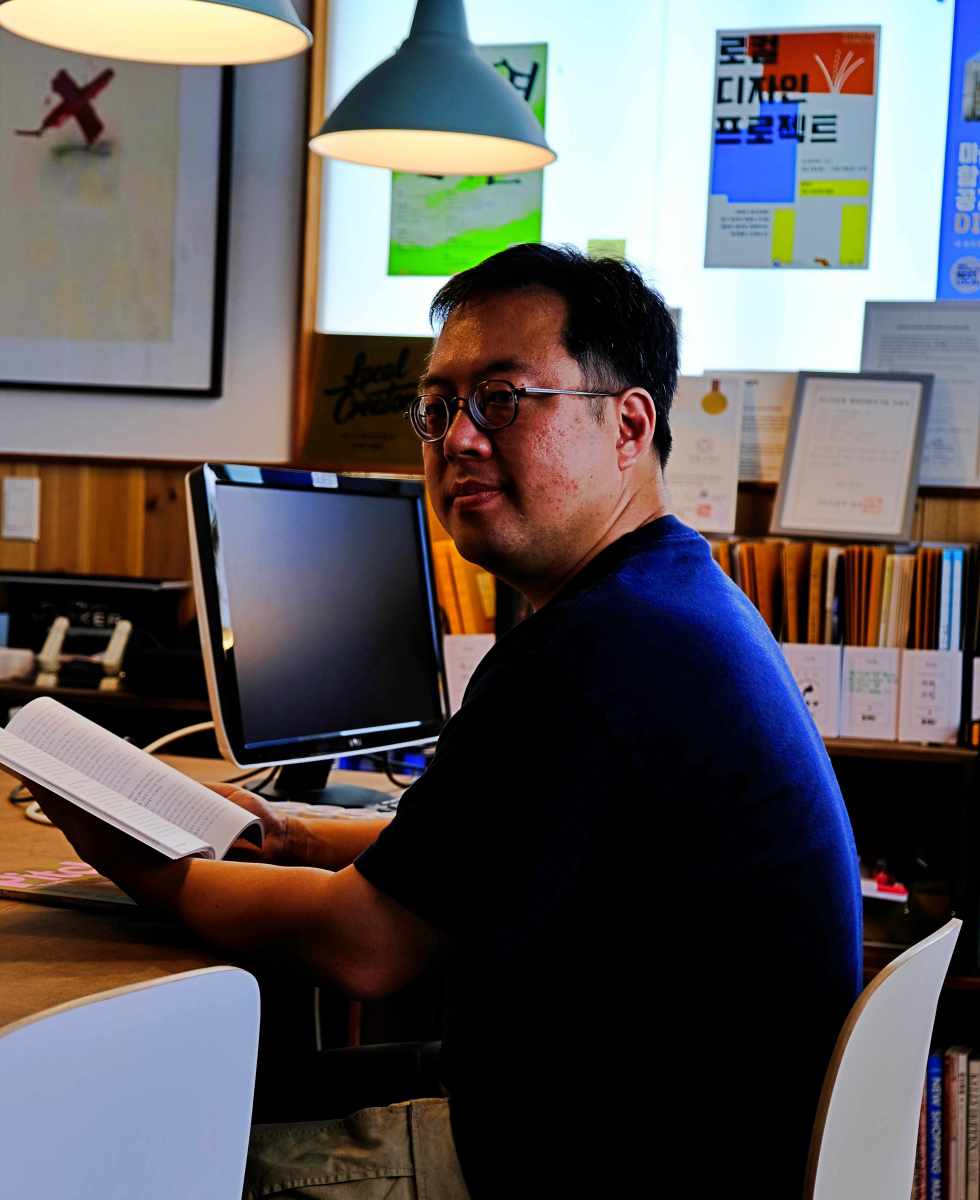
What does sustainable travel mean to you?
I think it means travelers becoming both suppliers and consumers. In local communities these days, that boundary is gradually disappearing. I hope someday the existing consumers in the greater Seoul area or big cities will find themselves needing to appeal to people in the surrounding regions. After all, we travel to Seoul too.
How can Puzzle Lab sustain itself going forward?
First, we need more lodging rooms, and more food and beverage businesses need to move in. After that, we need people with less mainstream, more distinct tastes to show up — like an occult specialty bookstore, a tattoo shop, or an incense expert. The town already has plenty of soft content, like cafes, galleries, and craft studios. In a way, Gongju's advantage is that cultural spaces came first. We'll keep working, the way we have been, to create a good environment where more of the spaces this town needs can emerge.
What are your plans going forward?
If you think of Gongju's old downtown as a single resort, you could say we're something like the sales and promotions team, or the front desk. The intangible asset we've gained through our activities is our network. You can't meet certain people just by showing up on your own, but through Puzzle Lab you can actually meet and talk with someone you've been curious about. We want to serve as a community where operators and travelers can interact in a loose, easy way.
Note 4. Cream of X is a pop-up space run by Puzzle Lab. It has a secret storage room that only insiders know about, stocked with everything from traditional liquors from Chungcheongnam-do to trendy drinks you'd expect to find only in a big city. Make a reservation and they'll give you the storage room's passcode. The fun part is that it also doubles as a personal liquor cellar for people in the town — so everyone can tell exactly who bought and drank what. You can enjoy wine on the rooftop atop the building, so if you're a traveler who loves a drink, don't miss the chance to experience it for yourself!


