For Zero-Waste Camping — Essential Items
Want to get closer to nature and leave trash behind? Try zero-waste camping with a soap bar, reusable tableware and a picnic mat made from upcycled plastic bags.
For Zerowaste Camping — Items for Zero-Waste Camping
The last step of camping is dealing with the trash, and afterward you may feel somehow farther from nature. When that happens, start by swapping out the things you use most. Choose reusable containers instead of disposables, a soap bar made through an eco-friendly process, and a picnic mat upcycled from discarded plastic bags, and you can get closer to nature while saying goodbye to trash for good.
Words Parc Jinmyoung
Photos courtesy of Kupilka, Pitch by Pitch, Komal Haath
Kupilka Reusable Tableware
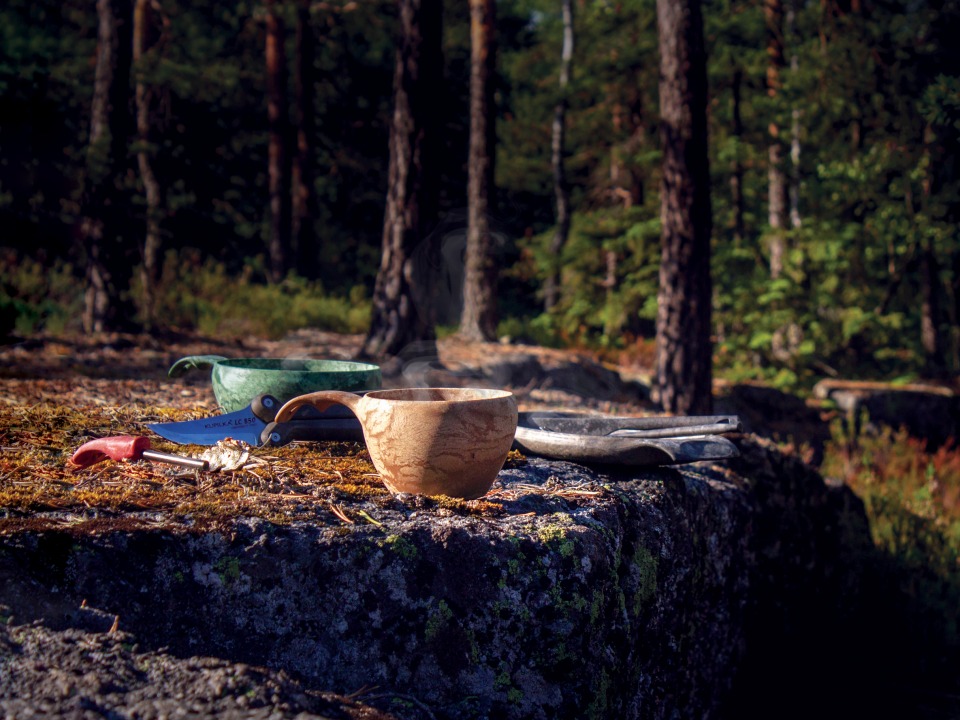
If you no longer want to create disposable trash outdoors, take a look at Kupilka. Kupilka is a Finnish brand that makes everyday containers, and its name comes from the traditional Finnish cup, the “kuppi.” Meaning “small cup” in Finnish, a kuppi is used to hold hot tea or other drinks and warm the hands. Every Kupilka product is made from wood plastic composites, a blend of wood fiber and plastic. It is as light and sturdy as plastic, yet there is no worry about endocrine disruptors even when you pour in something hot, and it can go in the dishwasher, so it’s easy to care for. Most impressive is the brand’s effort to achieve carbon neutrality. Everything is made in Finland. The electricity used in production emits no carbon dioxide, the factory is heated with waste heat and carbon-neutral electricity, and all waste from the production stage is reused. The carbon emissions across the entire process, from transporting raw materials and packaging to manufacturing, are extremely low, about the same as those from growing 1.2kg of potatoes. Besides cups in various sizes, the lineup covers picnic essentials such as cutlery and plates, and there are even products featuring Moomin, Finland’s best-known character. Why not take heart and try Kupilka, which has achieved zero carbon? Outdoor activities with charming reusable tableware, rather than disposable containers, are bound to be a little more enjoyable.
Kupilka Cup 21: 29,000 won
Veilment Body & Facial Bar
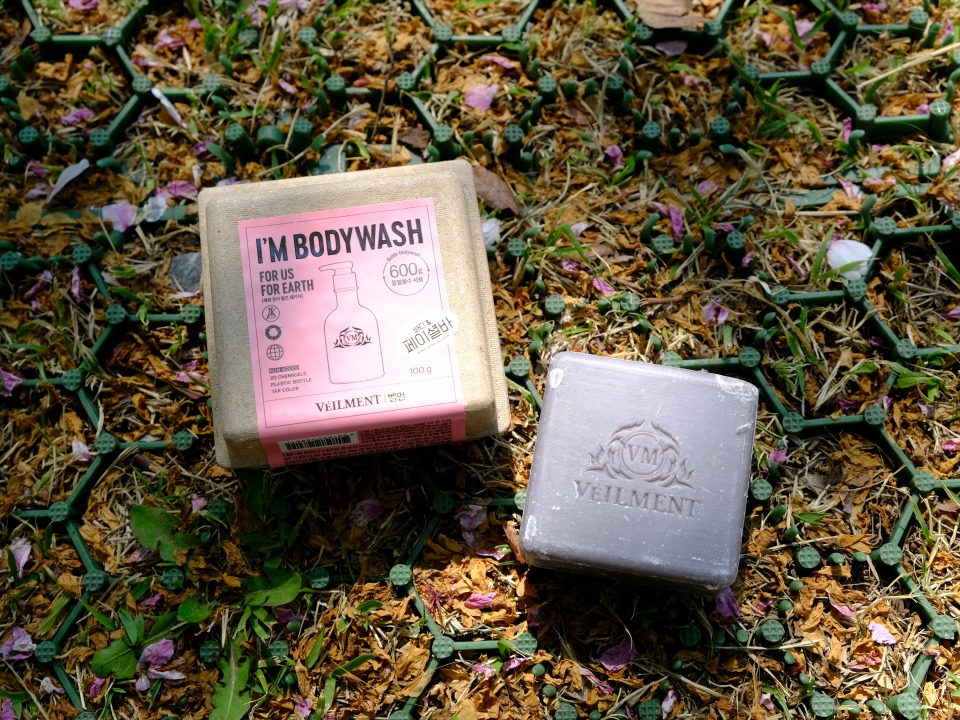
To practice zero-waste camping, I packed the Veilment Body & Facial Bar instead of body wash and facial cleanser. It cleanses the face and body at once, which is convenient and lightens the load. The packaging is made of natural pulp and recycled paper and printed with soy ink to minimize its environmental impact. Soap can be surprisingly hard to carry, but Veilment’s bar is firm and dense, so even when I stored it wet in its paper package, it didn’t turn mushy and dried quickly. Rub it with wet hands a couple of times and a soft lather forms right away. Washing off sunscreen with that fine-grained foam left my skin squeaky clean. Even in a dry season or in a forest with a breeze blowing, there’s no worry about dry skin, because the moisture stays soft and smooth until you get back to your campsite and put on lotion. It contains ceramide, hyaluronic acid and jojoba seed oil, and its mildly acidic formula is said to help strengthen the skin’s natural barrier. I also liked the faint floral scent of the soap. Because 600 grams of liquid has been compressed into 100 grams, a small amount lasts quite a long time. Next time, I’ll cut off just as much soap as I need and carry it in a tin case. Adding a shampoo bar and a dish soap bar would make the pack feel even lighter. After striking the tent, I felt proud to see how much less trash there was than before. With just a little diligence we can help nature, so wasn’t the convenience I enjoyed all this time thanks to nature’s sacrifice? Only now does it feel like I’ve truly enjoyed camping.
On the Body Veilment Dead Sea Mud Massage Body & Facial Bar, 100g (with moisture) / 85g (dry): 15,900 won
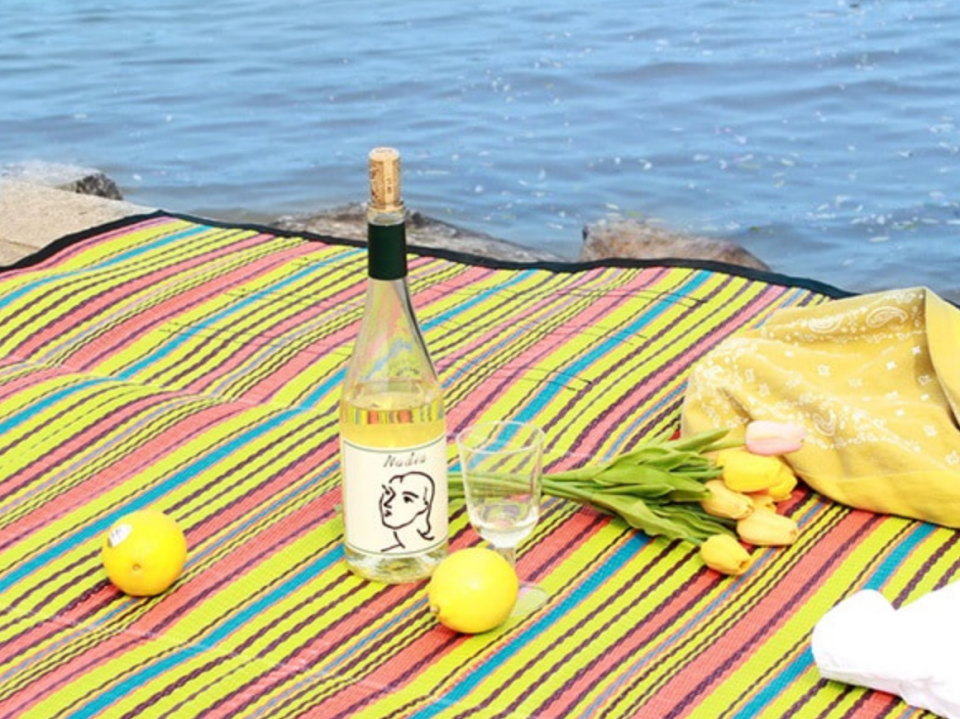
Komal Haath Picnic Camping Mat
In spring and autumn, when outing crowds fill the Han River parks, the trash that piles up there is no one-or-two-day problem. How many times have I frowned at the litter there? I even cut back on my visits to the river for a while. But turning away is not the answer if we want to protect the Han River we love. Picnic mats are indispensable, so they account for a considerable share of the trash left behind. Mats made of vinyl can’t be recycled and are said to take a full 500 years to decompose. So how about a picnic mat recycled from discarded plastic bags? Komal Haath, a living brand whose name means “good hands” in Hindi, collects waste plastic bags, washes and shreds them, liquefies them, and develops recycled yarn from the resulting fiber to make its picnic mats. Each mat uses 120 plastic bags, so making 2,000 mats keeps 24,000 plastic bags out of the waste stream. Komal Haath is a brand run by Fair Trade Korea, which introduces sustainable lifestyle products. It trades handmade goods by Asian women artisans at fair prices and also supports the sustainable livelihoods of their families and communities. This picnic mat, too, was made by artisans in Thailand. Its ethnic design, which captures Thailand’s nature, from the beautiful colors of the sky at dusk to the cool sea, is appealing. It is also waterproof and water-repellent, making it highly useful outdoors.
Komal Haath Recycled Color Block Picnic Camping Mat: 24,000 won