
Ehime Road Trip
A road trip through Japan's Ehime Prefecture, where the past reveals the present. Along the way, we found creative energy in history and a calm, restorative way of life in nature, from island-hopping bridges to pottery towns and old theaters.
Ehime Road Trip — A Driving Journey Through Ehime
A place where you can find a creative present in history and draw a sense of calm vitality from nature. A road trip to Japan’s Ehime Prefecture.
Words Hur Taewoo
Photos Park Shinwoo
In collaboration with Ehime Prefecture, Inpainter Global
Jeju Air operates direct flights from Incheon International Airport to Matsuyama Airport three times a week. Rent a car at Matsuyama Airport and start your road trip there. Nippon Rent-A-Car, Toyota Rent a Car and others run service desks inside the airport. When you rent, check the insurance terms and whether the navigation system supports Korean. If you request an ETC card, a prepaid-style expressway pass that is billed afterward, you can pay all your tolls at once when you return the car, which is very convenient.
Shimanami Kaido
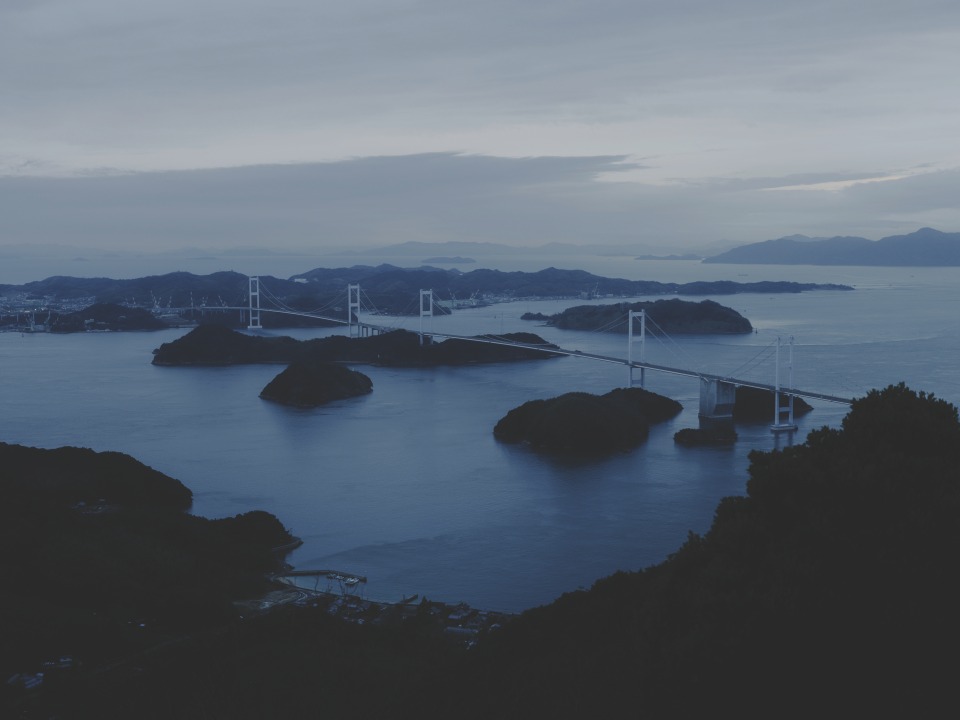
From Imabari in Ehime Prefecture, a road stretches out toward the Seto Inland Sea, linking island to island all the way to Hiroshima Prefecture on Honshu. The Kurushima Kaikyo Bridge and Oshima Island, the Omishima Bridge and Omishima Island… The road crosses the sea, connecting seven bridges and six islands. Its official name is the Nishiseto Expressway, but locally it is called the Shimanami Kaido, and it is considered one of the finest sea routes in the world for driving or cycling. Out in the middle of the Seto Inland Sea, you can take in the sea’s strong currents and rich scent just as they are.
Kirosan Observatory Park on Oshima Island is the place to see the charms of a Shimanami Kaido drive in panorama. After crossing the Kurushima Kaikyo Bridge, drive about 10 minutes up Mount Kiro’s winding road and you will arrive. The observatory, nestled in a peak shaped like a turtle, is the work of world-renowned architect Kengo Kuma. Designed to blend in with its surroundings, the building lowers its head like a turtle. It is an approach entirely unlike that of typical observation towers, which try to rise as high as possible. The main body of the building is set below the summit’s surface and the roof is covered with landscaping, so the whole structure seems to hide within the mountain. The view from this observatory, melded into nature, is stunning. A landscape of the Seto Inland Sea, Shikoku and the surrounding islands unfolds softly and expansively beneath your feet. At dusk, the streetlights of the Shimanami Kaido and the buildings along the coast light up in scattered points, and the horizon of the Seto Inland Sea deepens in color.
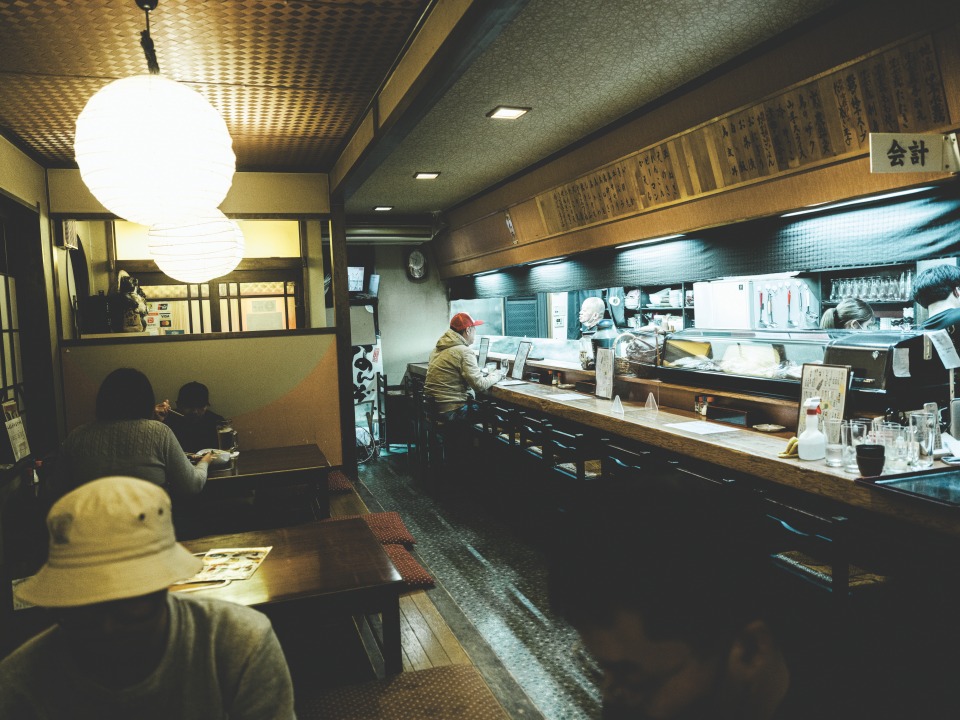
To eat Try Imabari-style yakitori at Yakitori Sancho. Yakitori is usually grilled over charcoal, but the Imabari style cooks the chicken on an iron griddle, almost as if frying it. Senzanki, Imabari-style fried chicken (karaage), is another specialty. Free-range chicken yakitori from 850 yen, @yakitori_sancho
To stay Imabari is famous for its towel manufacturing and is also the center of Japan’s shipbuilding industry. Imabari Kokusai Hotel, which resembles a giant harbor lighthouse, is the best hotel in Imabari in terms of size and facilities. Ship models are displayed in interesting ways throughout the lobby, and the hotel has a hot spring bath. The building itself is the second tallest in Shikoku. From 11,500 yen, imabari-kokusai-hotel.co.jp
Tobe
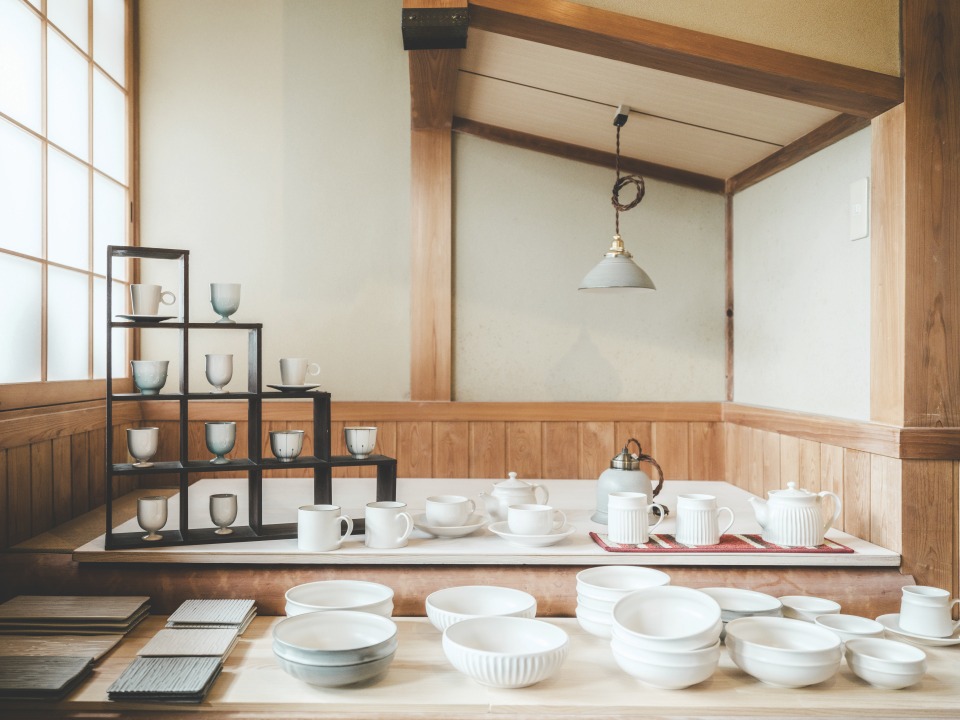
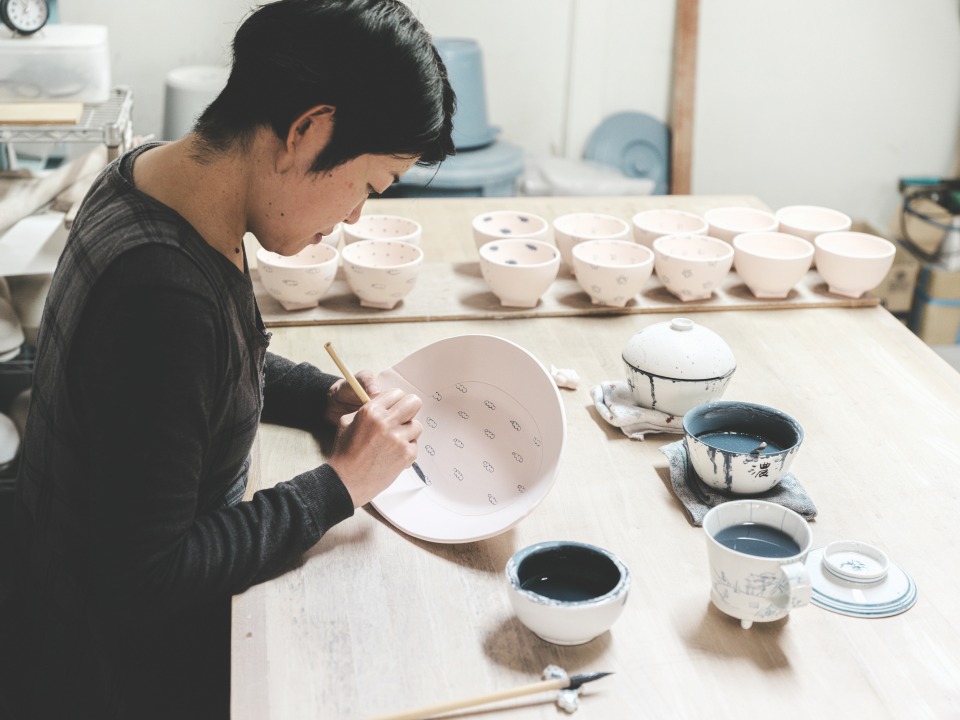
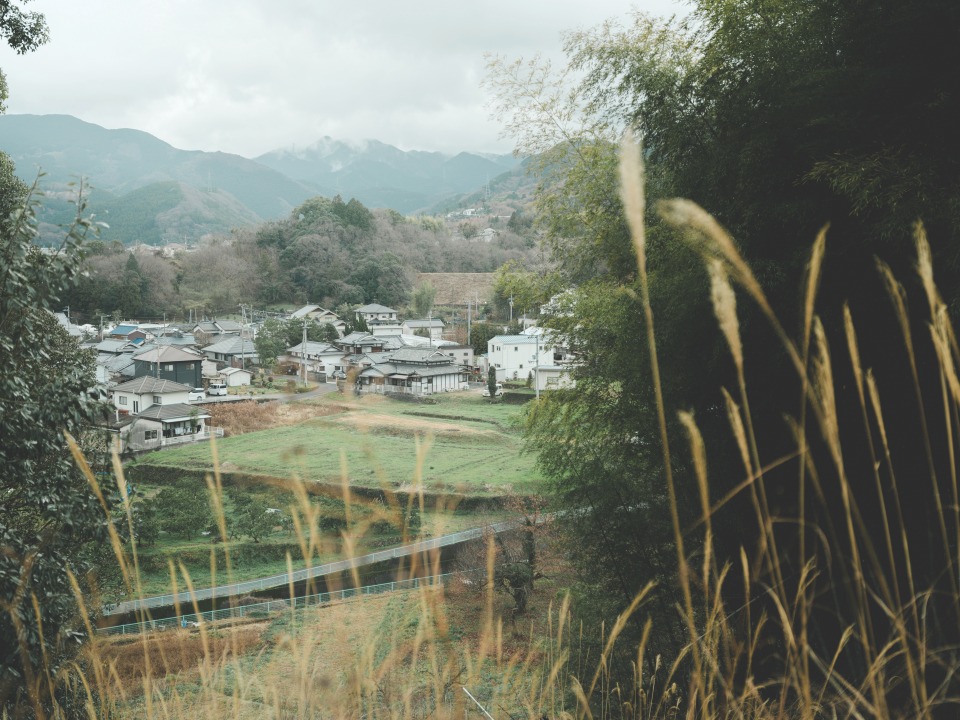
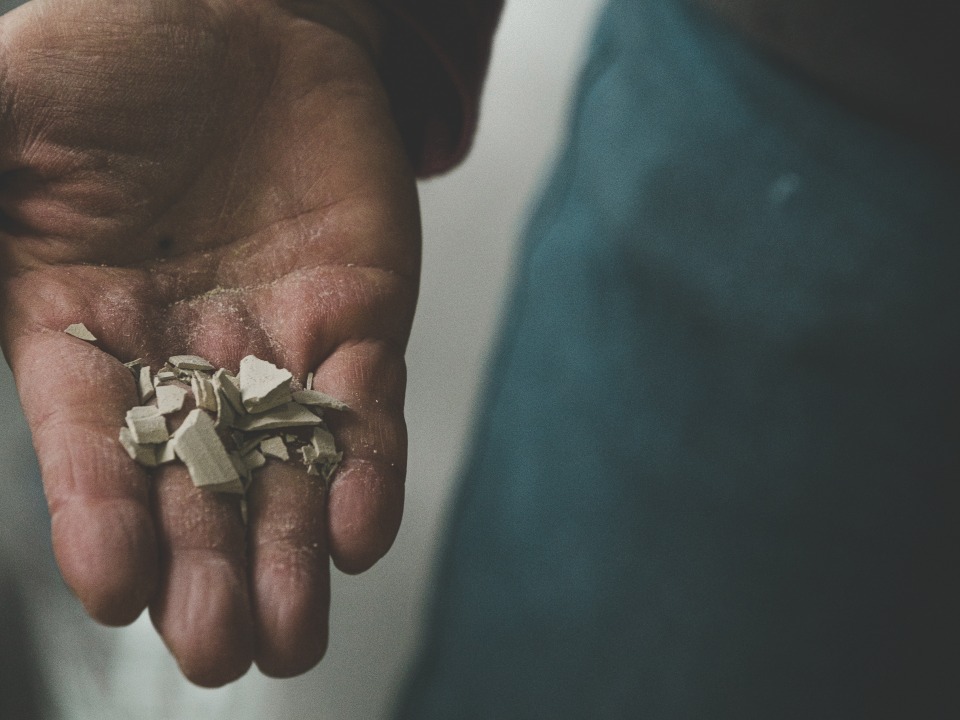
Tobe, the birthplace of Tobeyaki (Tobe ware), is a town surrounded by mountains. About 240 years ago, potters built kilns on the hillsides here and began firing porcelain using red pine as fuel. The porcelain was made from whetstone scraps and andesite. Tobeyaki is characterized by slightly rustic, thick white porcelain decorated with hand-painted patterns and colors. It gained popularity across Japan from the 1960s and has become one of the country’s representative ceramics.
The road that runs alongside a tributary of the Tobe River leads travelers to Gohonmatsu in Tobe. It is a neighborhood of workshops, shops and galleries run by potters, and a must-visit if you want to admire and buy Tobeyaki. Charming decorations made of Tobeyaki stand in every alley, and the lyrical atmosphere of the quiet natural surroundings seems certain to give artists a sense of free inspiration. There are said to be more than 100 Tobeyaki kilns in this area alone. Step into a workshop and works of striking shapes and colors catch the traveler’s eye. Contemporary Tobeyaki in particular is drawing attention thanks to the bold, fresh experiments of the young potters working in Tobe. Its uses are as varied as can be, from minimalist pure-white teacups to dolls with delicate patterns and large tiles. At Studio Ecco (studioecco.jimdofree.com), Higashigama (alyne.jp), Gallery Shion (gallery-shion.com) and other spots, listen to the artists explain and see for yourself how Tobeyaki has changed.
To eat Café Moegino, a lovely spot at the foot of a mountain in a Tobe valley, is both a café and a Tobeyaki shop. You can enjoy the works and the nature while eating a light lunch special made with local ingredients. There is also parking for travelers by car and bicycle. Lunch special 1,300 yen. @cafemoegino
Uchiko
Uchiko (town.uchiko.ehime.jp), in southern Ehime Prefecture, has had a thriving industry since the Edo period. It earned considerable wealth by producing washi, traditional Japanese paper, and wood wax, a raw material for everyday goods (made from the fruit of the sumac tree and used in candles, matches, cosmetics and ointments). Wealthy merchants who built fortunes this way erected one grand wooden building after another, and as money changed hands, traffic of people grew as well. Uchiko thus grew into one of Ehime’s major towns.
The Yokaichi Gokoku district of Uchiko, designated a Preservation District for Groups of Traditional Buildings, an important national designation, keeps the prosperity of that era well preserved. Several houses built in the 18th century, a kabuki theater more than a hundred years old and shops passed down through generations all stand just where they always have. Because residents actually live here, it does not feel like a folk village cut off from its history. It is a neighborhood where you can feel the energy of daily life.
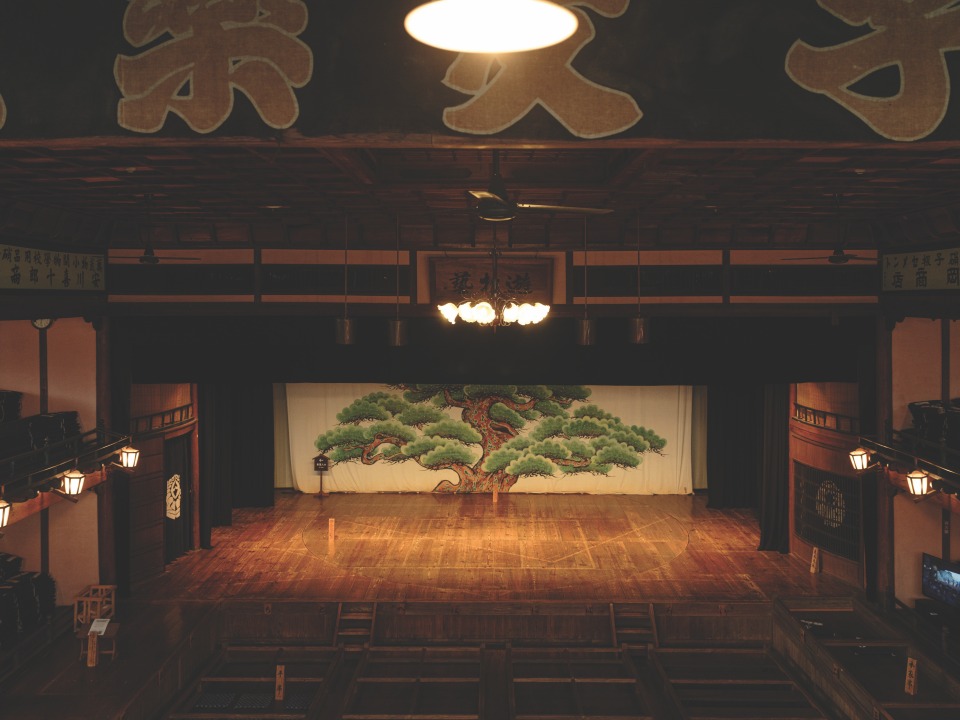
Uchikoza, a traditional theater standing gracefully at one end of the entrance to the preservation district, opened in 1916. This theater, which stages kabuki performances, was once threatened with demolition after the passage of time took its toll, but local residents raised 140 million yen in donations and completed its restoration in 1985. Inside, everything from the old pillars and ceiling to the seats and stage is elegant and finely crafted, as if the spirit of the many actors, storytellers and audience members who passed through still lingers. On days without performances, guides lead tours that reveal the theater’s hidden secrets in every corner. You can see innovative devices from early kabuki stages, such as the underground passage used by actors and the revolving stage operated with pulleys.
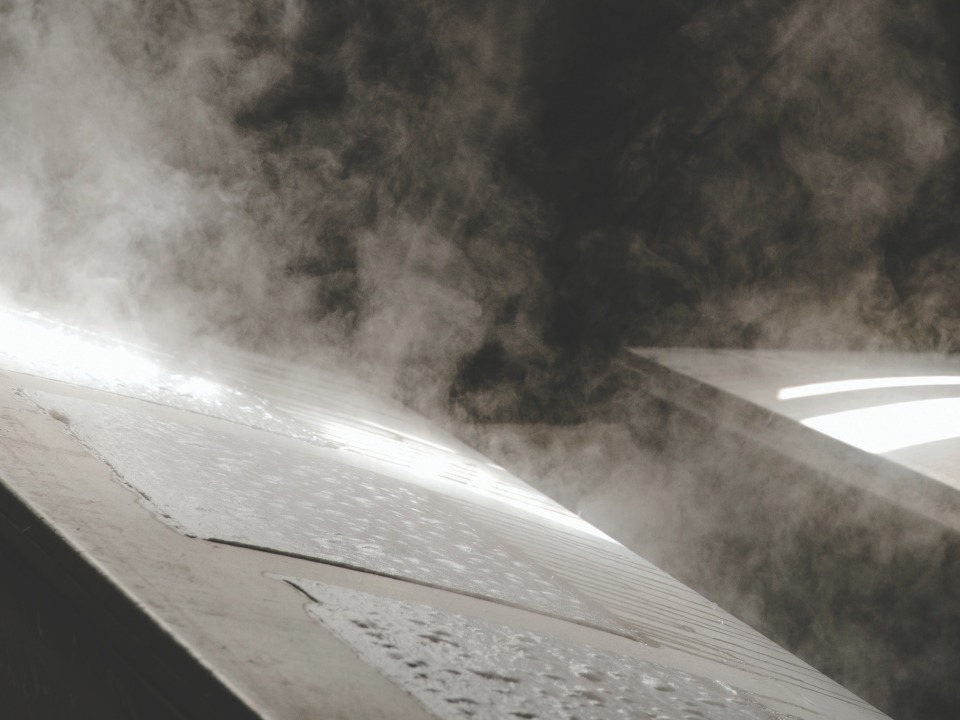
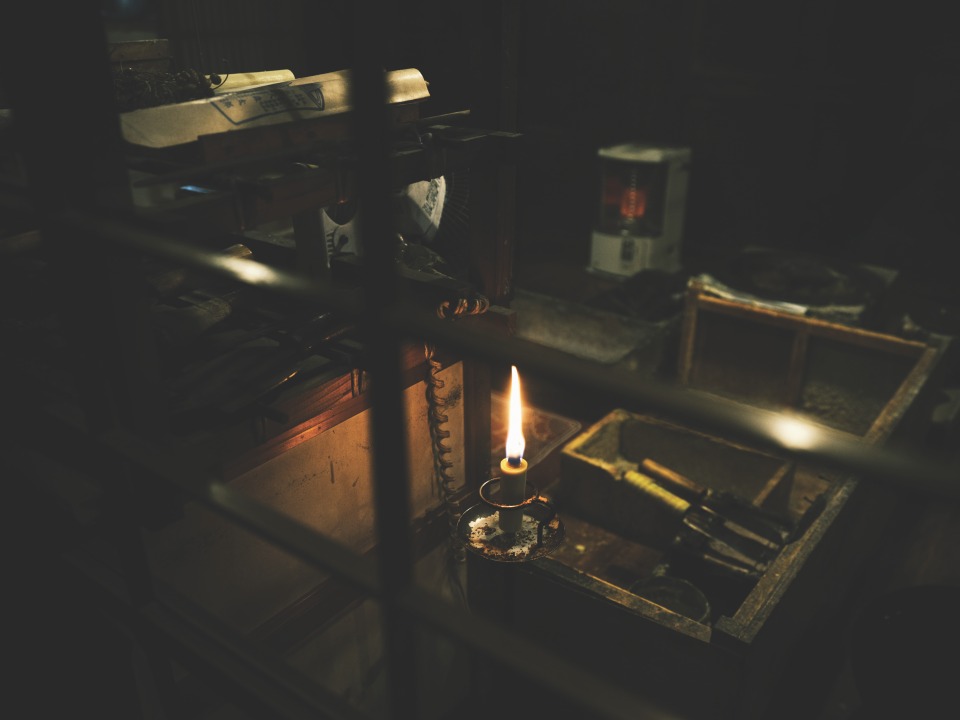
Among the old houses lining the historic street stands the grand residence of a wax merchant, along with an Omori (大森) traditional candle shop that is more than 200 years old. The shop’s candles are made from wax extracted from the berries of the Japanese wax tree, using a recipe handed down through the family. They burn for a long time without soot, and when the wind is calm, they don’t drip. If you time your visit right, you can watch the candles being made by hand.
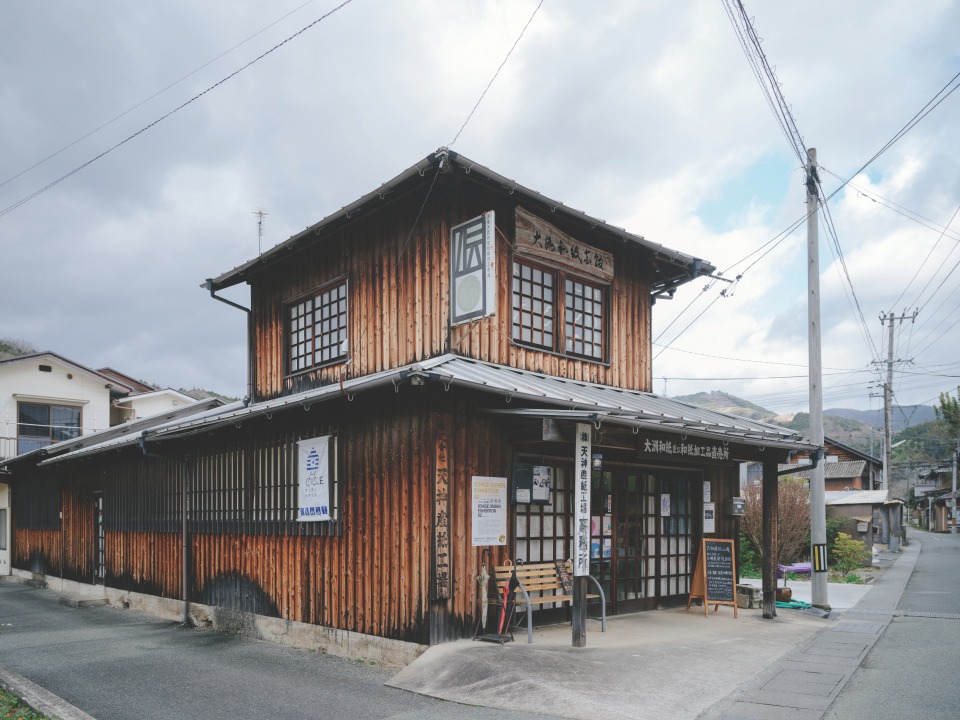
Uchikocho’s other major product is washi. Records show that paper has been made here since the Heian period (784–1191). The paper mulberry, the main raw material for washi, grows abundantly in the area, and clean water for papermaking could be drawn from the Odagawa (小田川) River. The region’s traditional paper is called Ozu washi, and it was designated a national craft in 1977. The Tenjinsanshi (天神産紙, tenjinsanshi.business.site) workshop, which produces Ozu washi, is one of the two remaining Ozu washi makers in Uchikocho. It runs a washi-making workshop inside an old building, while the Washi Hall across the street sells everything from postcards to decorative washi curtains.
Ozu
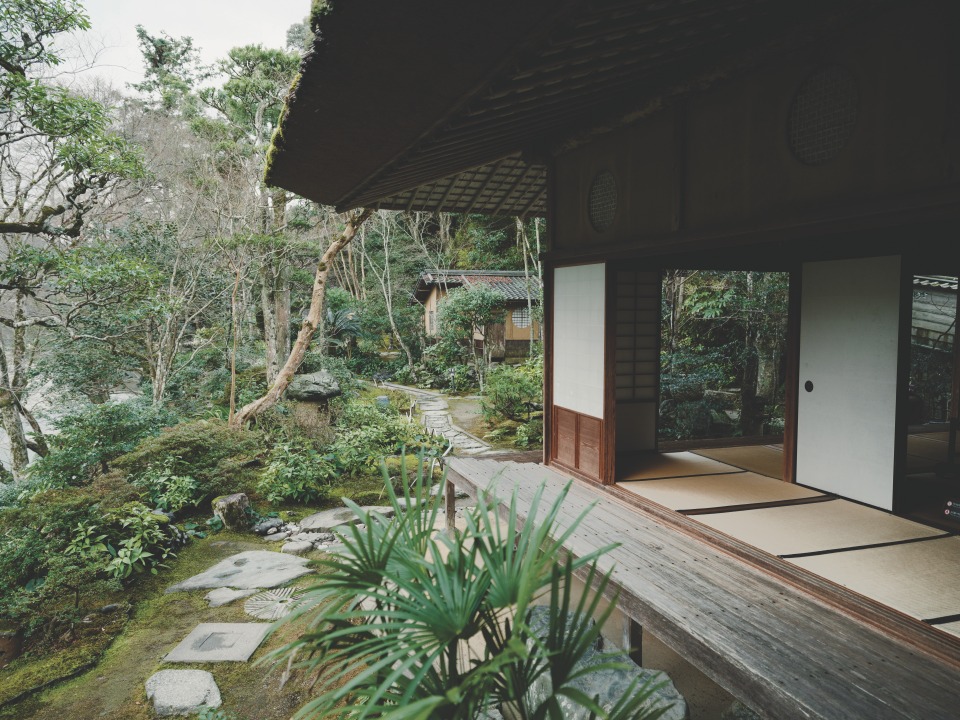
Ozu (大洲市) lives up to its nickname, “Little Kyoto of Ehime,” with an atmosphere of old-world charm and refinement. There are castles and villas overlooking mountains and rivers, atmospheric streets and time-worn shopping arcades, and new ventures such as village stays that reinterpret the past. This small city has more than enough to satisfy a traveler’s expectations.
Architecture speaks for Ozu’s past and present. Several major cultural properties, including Ozu Castle, still stand here, and urban regeneration projects that reuse old buildings are drawing attention. The site that has shown the finest of Ozu’s architectural culture over the past century is Garyu Sanso (臥龍山荘, garyusanso.jp). Perched on a low cliff along the Hijikawa (肱川) River, a scenic spot famous since the Edo period, the villa and its garden are often compared to Katsura Imperial Villa (桂離宮, a Kyoto garden considered among the finest in Japan). Kochi Torajiro (河内寅次郎), an Ozu-born trader who amassed a great fortune, reportedly brought in craftsmen from Kyoto and gardeners from Kobe to build it. Construction began in 1899 and took ten years, but sadly, Torajiro died not long after the villa was completed. The spaces inside are composed with great precision around the theme of the four seasons. The room reinterpreting summer has windows placed to let cool breezes pass through, while the room devoted to autumn is decorated with bat and gourd motifs and receives the shadow of the autumn moon. The tea room standing at the end of the garden, which looks like nature in miniature, is the pinnacle of Garyu Sanso’s architecture. The space was laid out even by calculating the angle at which the moon rises on the Mid-Autumn Festival. They say that if you sit in the tea room on a night when the full moon rises at Mid-Autumn, moonlight reflected off the river brightly lights up the ceiling.
Bansenso (盤泉荘), about a 15-minute walk from Garyu Sanso, is another masterpiece of Japanese architecture. It is a three-story wooden house built by the brothers Matsui Denzaburo (松井傳三郎) and Matsui Kunigoro (松井國五郎), who made their fortune trading with the Philippines. Completed in 1926, it used Southeast Asian timber, rare in Japan at the time, and was equipped with a viewing balcony and a powder room. In other words, Western techniques were introduced into traditional Japanese architecture, which makes the house an important reference for modern Japanese architecture. Crossing the garden and entering the house takes you straight to the second floor, so you can enjoy superb views from anywhere inside. The view from the balcony, of the Hijikawa River flowing through Ozu, is especially breathtaking.
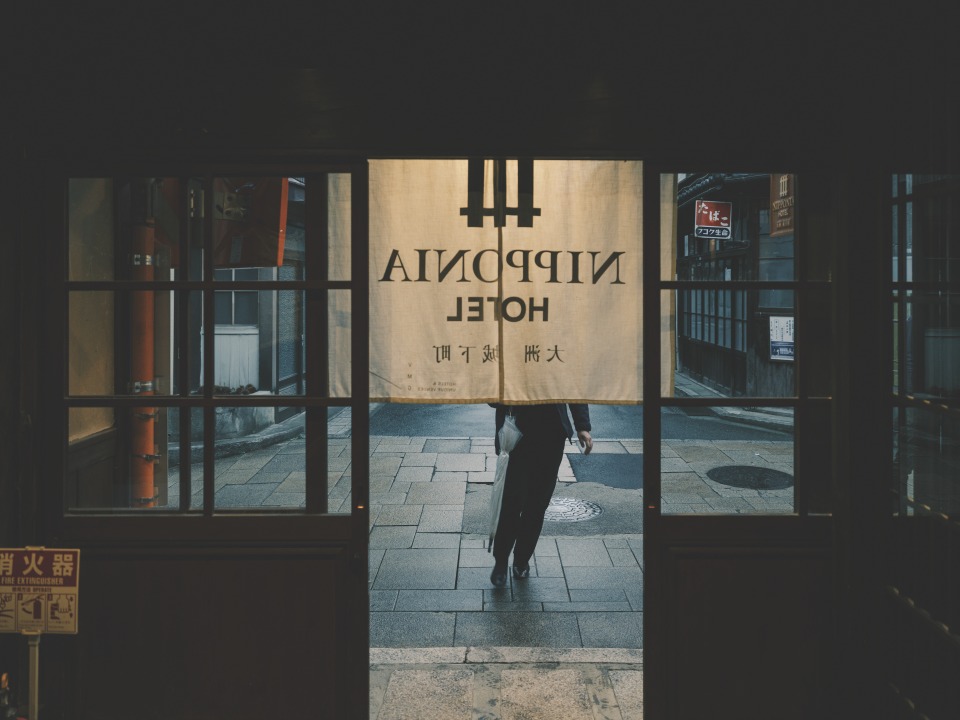
To Stay Nipponia, which runs regional revitalization projects across Japan using cultural properties, is adding to Ozu’s appeal as a destination, too. Have a special stay at Nipponia Hotel Ozu Castle Town. Buildings such as Ozu Castle, the former feudal lord’s office and old houses have been renovated into guest rooms, a reception and a restaurant, turning the whole of Ozu into a single hotel. Each room preserves the original architecture as much as possible while adding modern amenities, offering a timeless night’s stay. Every moment spent at Ozu Castle Town is closely tied to the community. Stepping out of your room and strolling the neighborhood to find spaces transformed into shared gardens, restaurants and local shops draws you deeper into daily life in the town. Food lovers shouldn’t miss dinner at Nipponia’s restaurant LE UN. It serves a French fine-dining course made with Ehime ingredients, plated on Tobe-yaki ceramics. From 54,000 yen, ozucastle.com
Uwajima
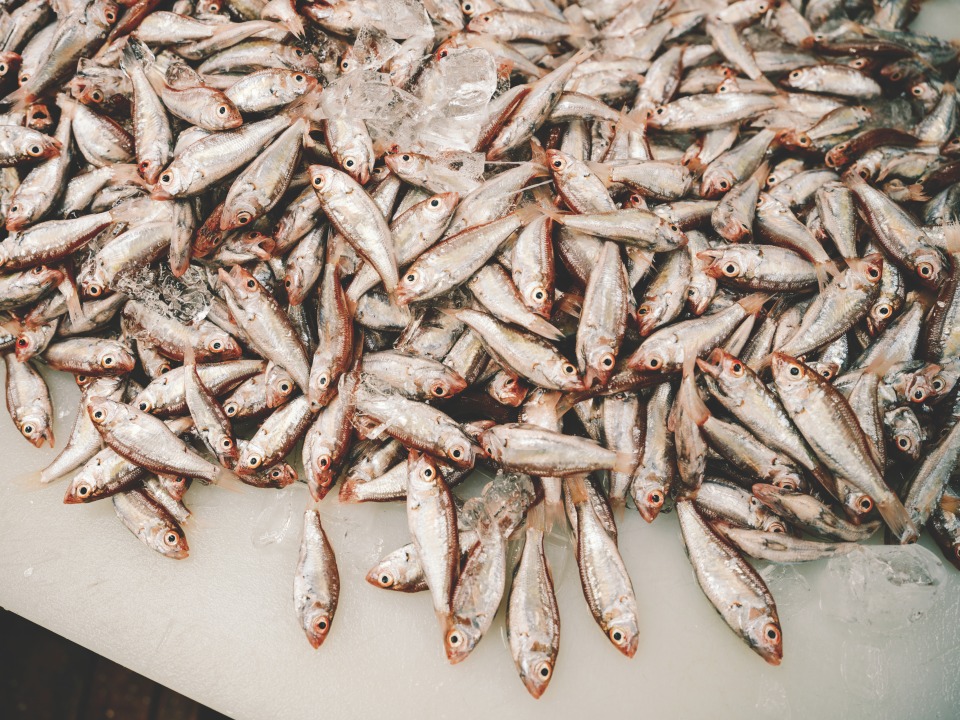
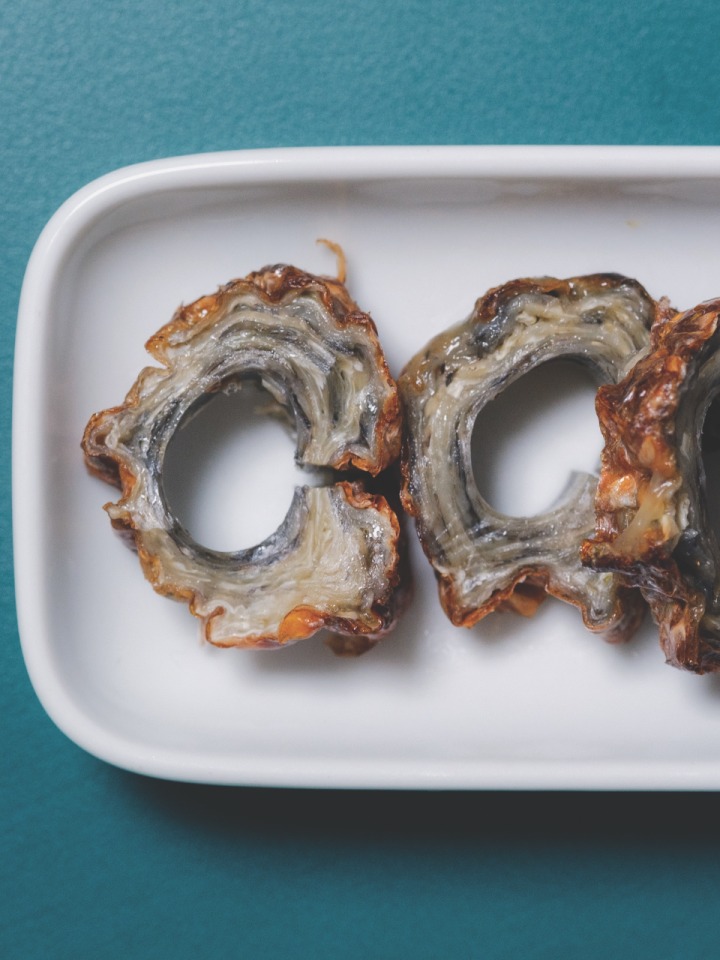
Uwajima (宇和島市), in southwestern Ehime, is well worth visiting just to taste its local specialties. Ehime’s best-known product is usually said to be the mandarin orange, but that holds true only on land. Uwajima’s specialties come from the sea. For a start, Uwajima accounts for about 50 percent of Japan’s entire sea bream catch. Uwajima-style sea bream rice bowl is beloved as one of Ehime’s signature local dishes. Kamaboko made by grinding fish into a paste and frying it fresh in oil, known as jakoten, is another Uwajima specialty. There are 14 shops specializing in jakoten in the city alone, and as you browse the market, you will often come across people hurrying along while eating kamaboko.
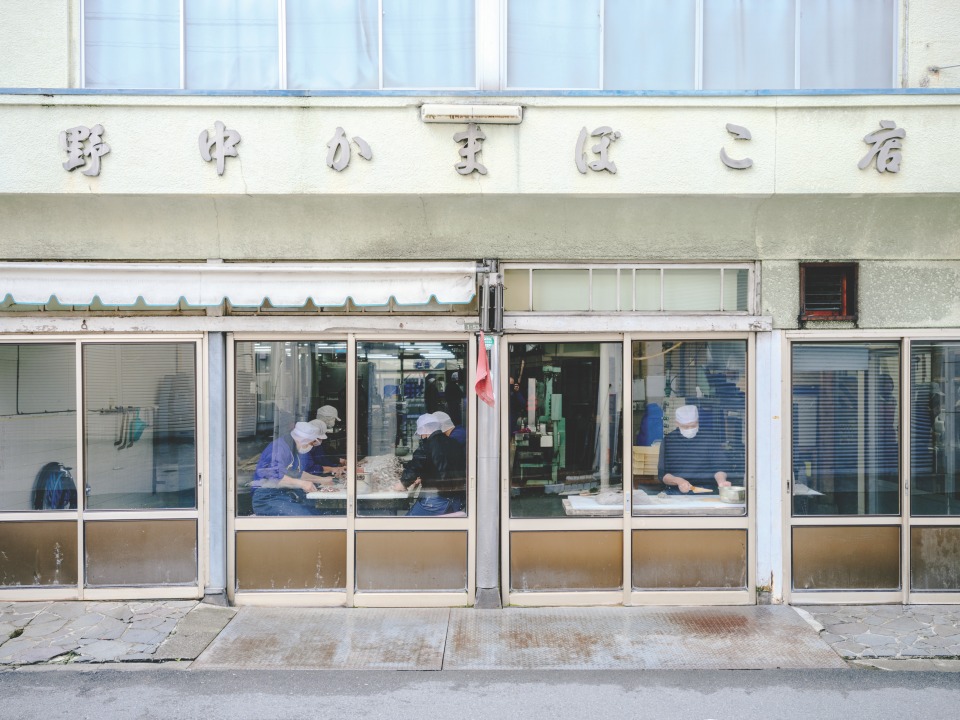
Nonaka Kamaboko Shop (野中かまぼこ店), not far from the market, has produced top-quality jakoten (じゃこ天) and kamaboko for more than 100 years. These days fish cakes taste much the same everywhere, but traditional kamaboko was made only from fish caught locally, so its flavor and color differ from region to region. Nonaka Kamaboko still makes traditional jakoten and kamaboko by hand, and its principle is to use only fish caught in Uwajima that same day. Its jakoten made with a batter of 100 percent haranbo (ハランボ), a type of sea bass, is the shop’s own specialty. The chewy texture and deep flavor of freshly fried jakoten are in a different league from ordinary kamaboko. There are also special products made on the spot depending on the season and the fish caught, so don’t just walk past when you travel to Uwajima.
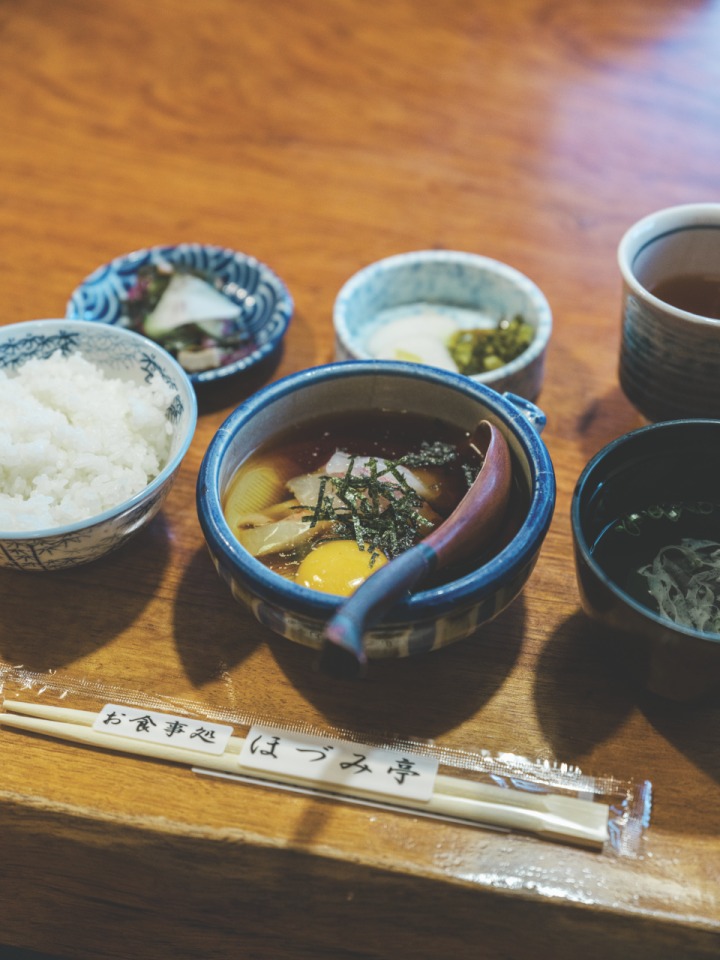
To eat Ehime’s sea bream rice, taimeshi (鯛めし), comes in two main styles: the Matsuyama style, in which rice is cooked with sea bream, and the Uwajima style, in which sliced raw sea bream is served over rice. Try a model version of Uwajima-style taimeshi at Hozumitei (ほづみ亭), a restaurant specializing in local cuisine. The sea bream sashimi is briefly marinated in a special egg-based sauce, then placed on top of the rice. Plump, fatty sea bream, a lightly sweet sauce and warm rice come together beautifully for a memorable taste. Satsuma (さつま), another local dish in which a broth of ground fish and miso is poured over rice, is also a treat. Taimeshi 1,500 yen, s401200.gorp.jp
Matsuyama
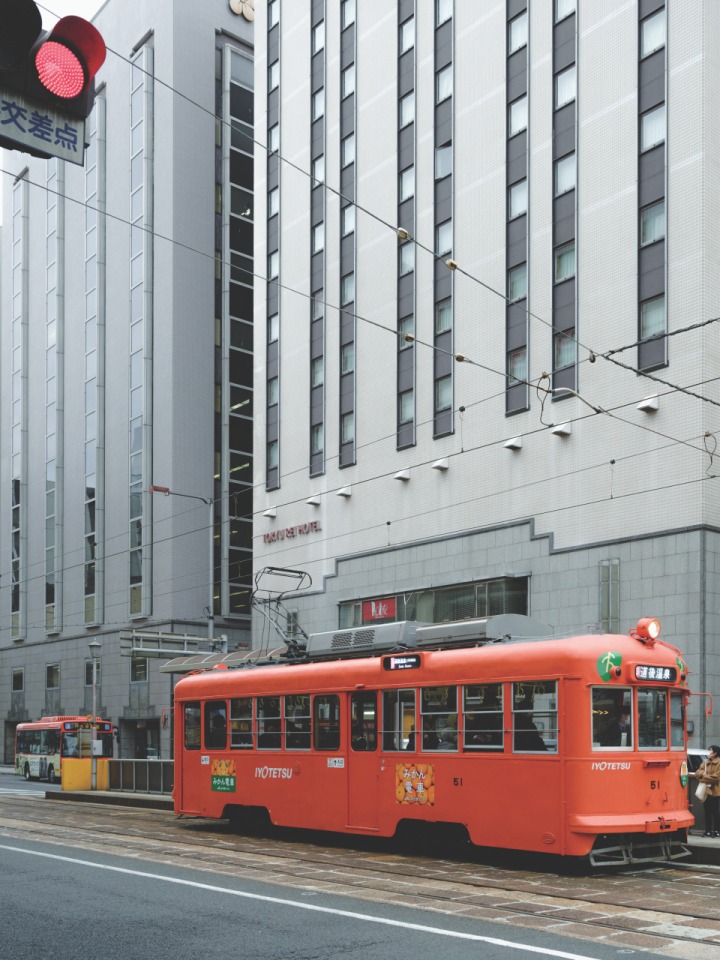
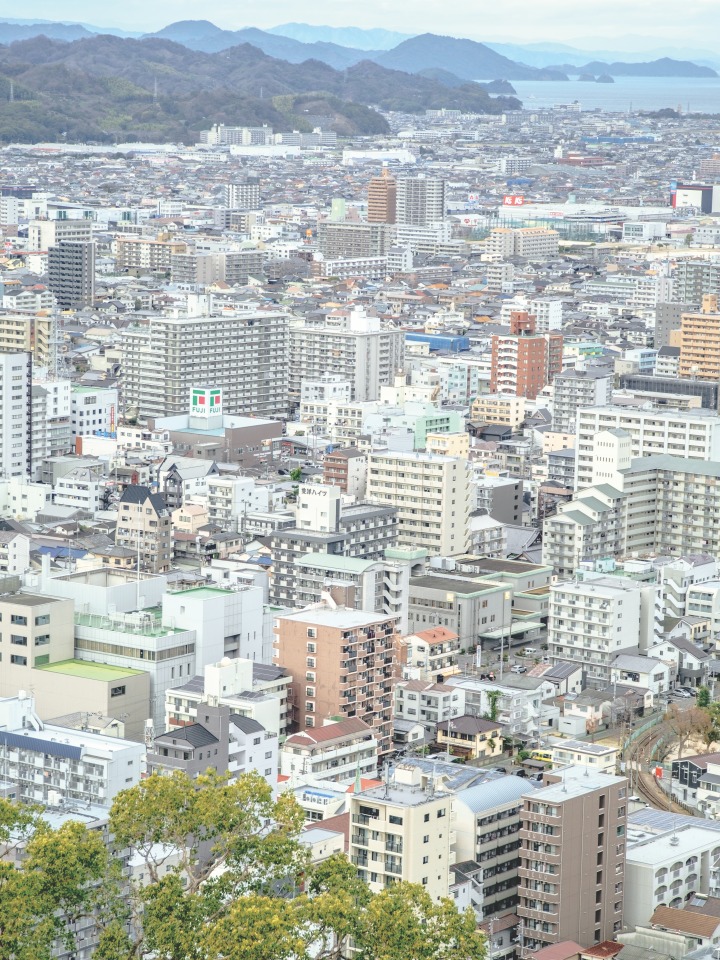
Step into the center of Matsuyama (松山市), the seat of Ehime Prefecture’s government, and the energy of the city is immediately palpable. Orange streetcars glide crisply between the buildings, carrying passengers, while people stepping off the trams stream in groups into the vast covered shopping arcades. Beyond the downtown skyline, one towering structure stands out unmistakably: Matsuyama Castle, begun in 1602 and completed in the Edo period (1603–1867).
The arcade stretches more than a kilometer from Matsuyama Station through Ginten-gai (松山銀天街) and Okaido (大街道). Lined with hotels, department stores, shops and restaurants, it forms the heart of Matsuyama. From the point where the arcade ends to the Matsuyama Castle ropeway station, a shopping street with a different mood takes over, filled with Ehime’s local brand shops. In effect, Matsuyama’s latest trends lead straight to a cultural heritage site more than 400 years old.
A ropeway or chairlift carries you up Shiroyama (城山) to the entrance of Matsuyama Castle. Shiroyama Park, which encompasses the castle, several other architectural heritage sites and rest facilities, bustles with locals and travelers taking photos. At the plaza near the summit of the park, an open, refreshing panorama awaits in every direction. All of Matsuyama spreads out below, with the deep blue Seto Inland Sea to the west and, to the east, Mount Ishizuchi (石鎚山), the highest peak in Shikoku, and its sturdy surrounding ridgelines unfolding like a grand landscape painting. On a clear day, they say, you can even see Hiroshima Prefecture across the sea. From the castle’s tenshu (天守, the largest and tallest keep in a Japanese castle), you can take in that view from an even higher vantage point. Of all the castles remaining across Japan, only 12, including this one, still have a tenshu built before the Edo period. Because Matsuyama Castle opens its keep to the public, it offers a rare chance for anyone to experience one firsthand. Learn the history in exhibition spaces that make clever use of the castle’s complicated interior, then climb the steep stairs all the way to the top floor. Through the keep’s small windows, the Matsuyama landscape feels close enough to touch, much closer than when viewed from the park.
Dogo Onsen
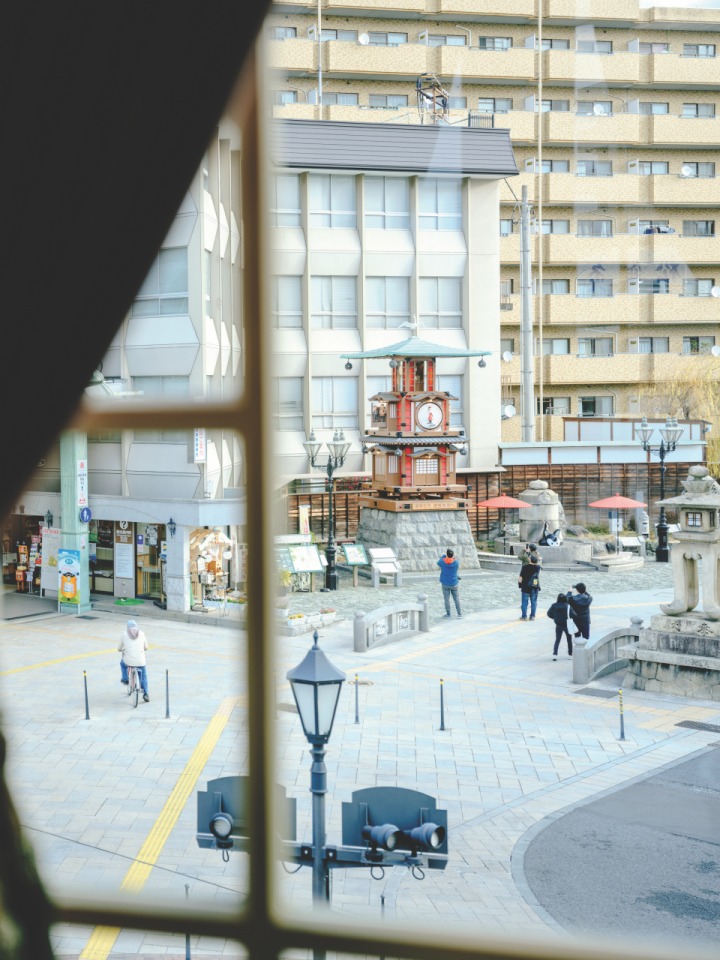
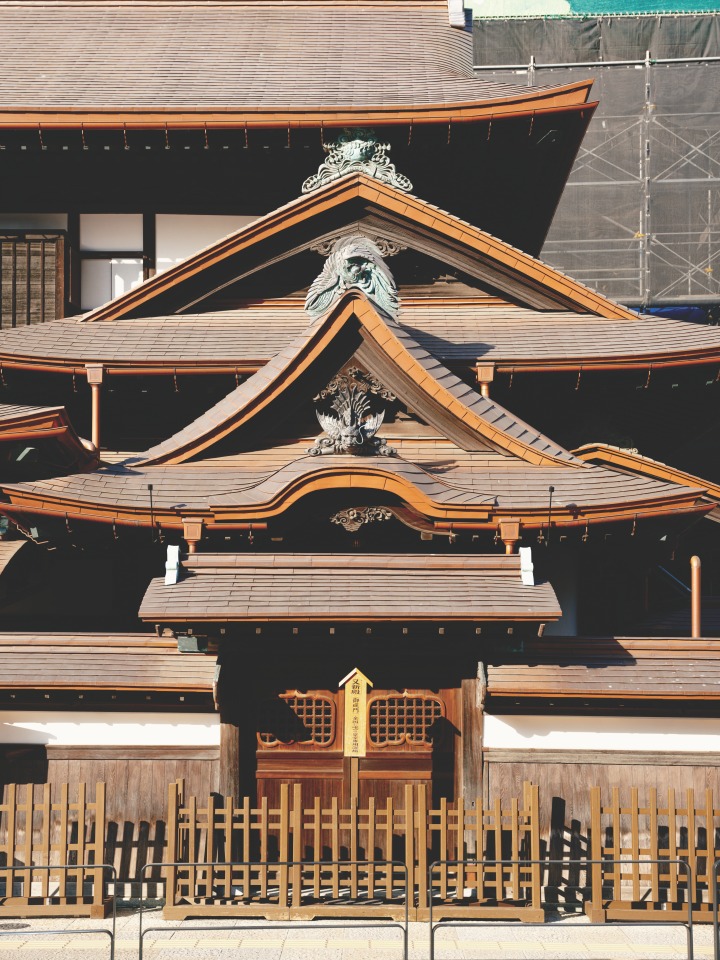
One of the oldest hot springs in Japan, mentioned even in ancient texts, Dogo Onsen (道後温泉) lies within the city of Matsuyama, yet its name is arguably better known than the city’s. Exactly how it began is unclear, but legend has it that a white heron healed an injured leg by dipping it in the spring seeping from a rock, and that locals began bathing after witnessing it. According to written records, Prince Shotoku (聖徳太子) bathed at Dogo Onsen in 596 and erected a stone monument, which makes its history at least 1,500 years long.
Countless hot springs and spa towns rise and fall in competition, but Dogo Onsen has firmly maintained its long-standing reputation, thanks, no doubt, to its constant adaptation to the times. Already in the Edo period, Dogo Onsen was run systematically, much like a modern bathhouse. Baths were divided by clientele, and entertainment venues grew up around the springs to welcome visitors. A bold system that supplied spring water to multiple inns and baths was introduced as well, aiming to develop the entire hot spring town. The three-story wooden main building, built in 1894, won popularity with its groundbreaking concept of combining hot springs, entertainment and conveniences in one place.
Today’s Dogo Onsen continues to reveal new charms like surprise gifts. Although the main building is shrouded in protective cloth because of preservation and repair work running through December 2024, there is no shortage of things to see and do. At the annex Tsubaki no Yu (椿の湯), which opened in 1957, and the annex Asuka no Yu (飛鳥乃湯泉), which opened in 2017, you can experience the same top-tier Japanese hot spring.
Local shops and cafés in the shopping arcade catch the footsteps of guests out for a short stroll after bathing, and at izakaya, people chat as they wash away the heat with a glass of Dogo beer. Riding the Botchan Ressha, another Dogo icon, eating Botchan dango (坊っちゃん団子) and snapping a souvenir photo in front of the Botchan clock tower are indispensable pleasures too.
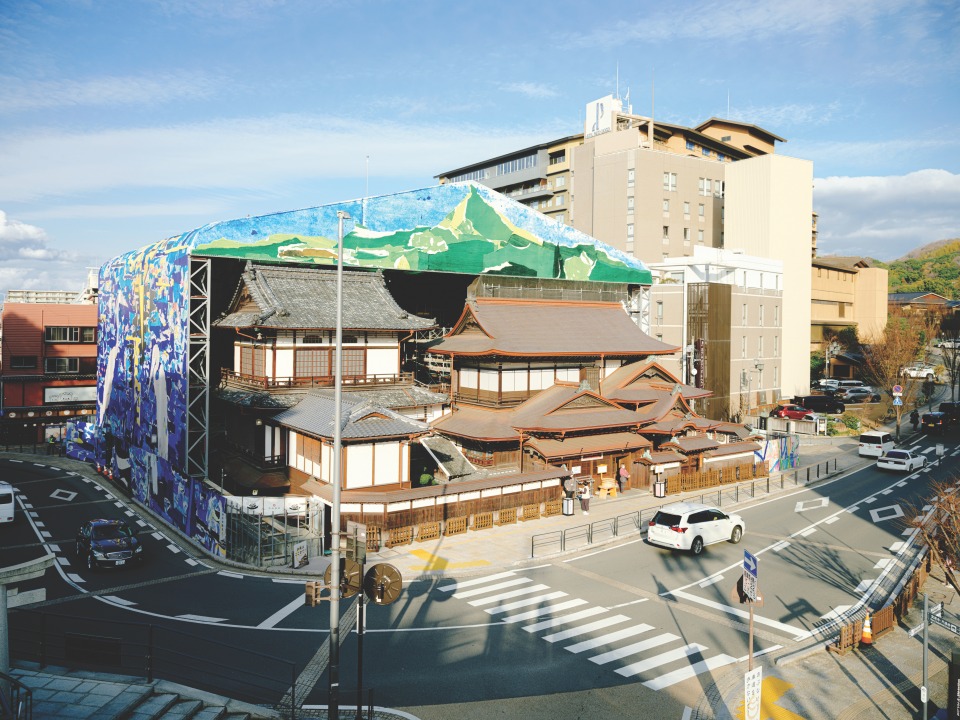
Recently, Dogo Onsen has been rolling out projects that upgrade it yet again. The starting point was Dogo Onsenart (dogoonsenart.com), an art festival held to mark the 120th anniversary of the main building’s reconstruction. The festival was an attempt to expand the area into a stage for art and pursue a new revival, and it succeeded. Video, sound, painting and sculpture works, installed throughout town starting with the main building, transformed a somewhat stagnant hot spring district into a space brimming with imagination and delight. Before long, people may well rank Dogo Onsen as the most vibrant hot spring in Japan.
To Stay Dogo Onsen is home to many hotels and ryokan. Among them, Tsubakikan is a large, reasonably priced hotel with a Meiji-era atmosphere. It has clean, spacious tatami rooms, as well as a public bath and an open-air bath. Guests heading to the Dogo Onsen main building or annexes can borrow a basket containing a towel and soap at the hotel lobby. From 25,300 yen, tsubakikan.co.jp


