Editor’s Travel Bucket List — 6 Destinations Picked by a Travel Magazine Editor
Where does a travel magazine editor dream of going? From America’s first designated wilderness to an eco city in Africa, here are six destinations with clear reasons to visit and a very personal touch.
Editor’s Travel Bucket List — 6 Destinations Picked by a Travel Magazine Editor
Where does an editor at ‘Pitch by Magazine,’ someone who makes a living from travel, dream of going? From the first designated wilderness in the United States to an eco city in Africa, here are six destinations, each with a clear reason to go and a personal touch.
Compiled by Pitch by Pitch
The Gila Wilderness, America’s First Wilderness, Turns 100
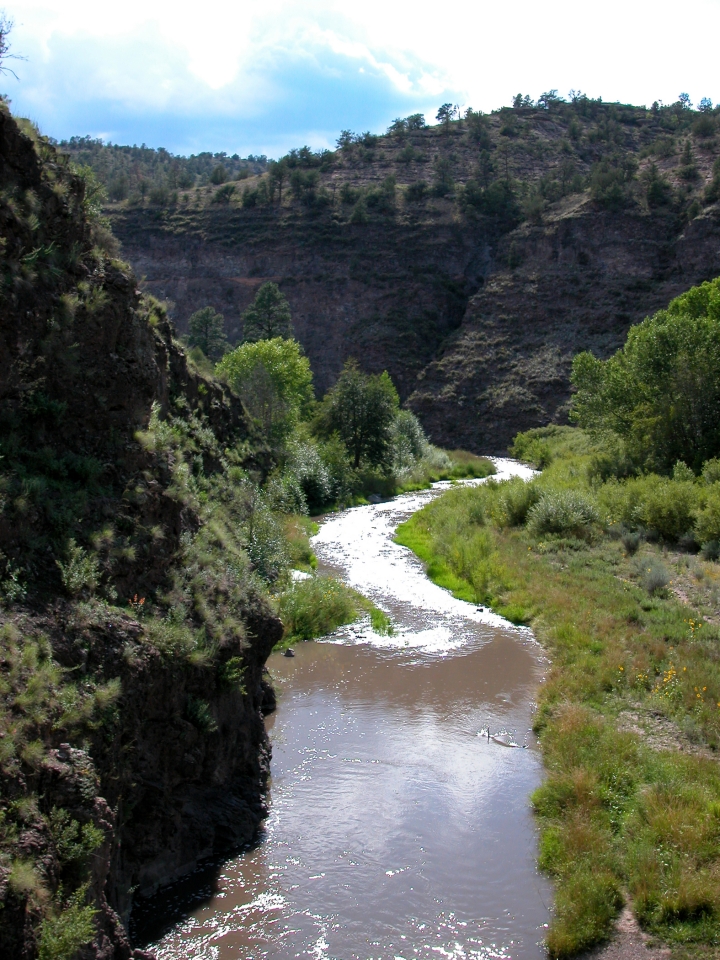
America’s first designated wilderness turns 100 this year. In June 1924, a tract of more than 220,000 hectares in southern New Mexico, part of the Gila National Forest, was designated the Gila Wilderness. In US wilderness areas, all forms of mechanized transport, bicycles included, are prohibited, and road building, construction, logging and mining are strictly restricted. Hunting and fishing are allowed only with the proper permits. Thanks to these rules, the area has remained a wild land completely cut off from the outside world for the past century. Against a backdrop of unspoiled nature, with mountain meadows, canyons walled in by rock cliffs and aspen forests, live mammals such as cougars, black bears and gray foxes, along with birds such as hawks, eagles and ospreys. The Gila River, which cuts across the wilderness, is home to trout, bass and beavers. Adventurous travelers explore the wilderness on hiking trails stretching hundreds of kilometers, or by backpacking and camping. Pack a swimsuit and you can soak in natural hot springs bubbling up here and there (though, of course, no damaging the environment). Silver City, a former mining town reborn as an ‘arts town,’ lies nearby and serves as the gateway to the Gila Wilderness.
Alenquer, Starting Point of the World’s Longest Loop Trail
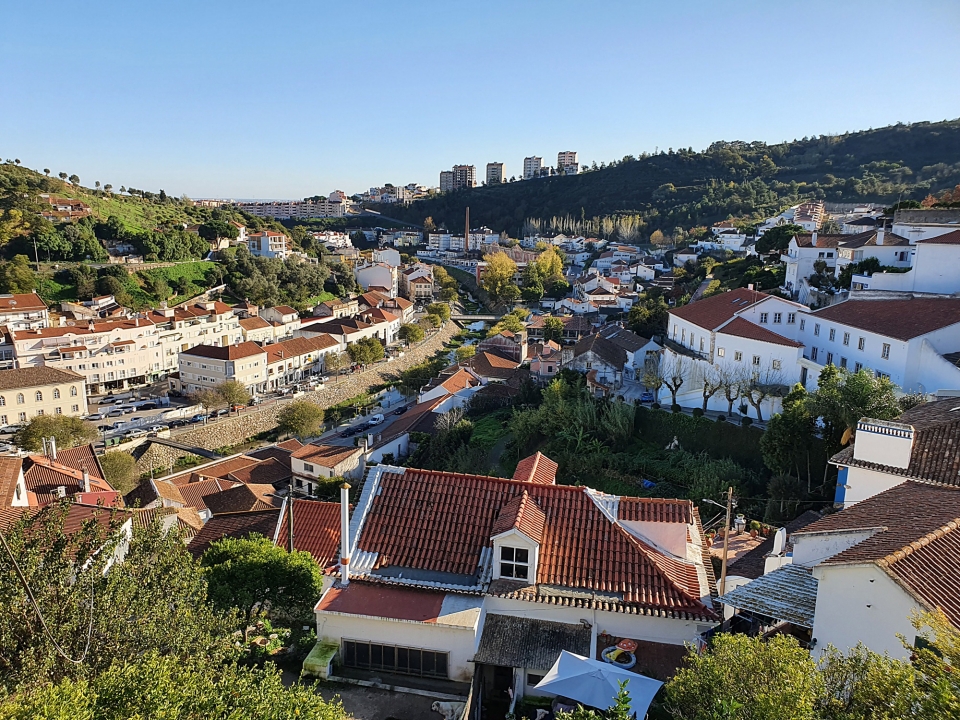
If tourist taxes are one way to tackle overtourism, could hiking trails be a solution for places that tourism has passed by? New hiking trails are popping up one after another, meant to shine a fresh light on regions overlooked by travelers and to revive their tourism industries. Following the new trail in Italy’s Dolomites that we recently featured on Pitch by Pitch’s social media account, the first section of the world’s longest circular hiking route opens this July. Called Palmilhar Portugal, meaning ‘walking Portugal,’ the 3,000-kilometer route begins in Alenquer, a small town about 40 kilometers north of Lisbon. With a population of around 43,000, it is a small town, yet it offers distinctive cultural and historical attractions, from ancient Roman ruins and a rich medieval heritage left by the Moors in the 8th century and the Kingdom of Portugal in the 12th, to a variety of festivals and events. It also sits in one of Portugal’s best-known wine regions, so you can visit a winery and enjoy a tasting after your hike. Starting with Alenquer, 15 more routes are planned by the end of this year, with the entire trail targeted for completion within three years.
Genoa Instead of Venice
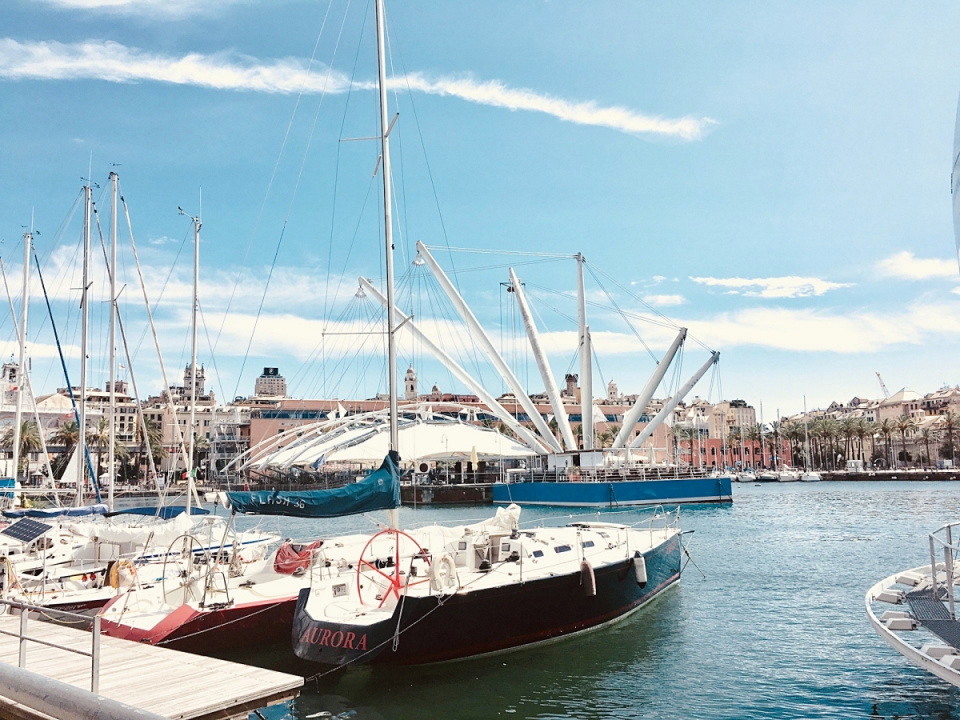
After years of talk, Venice’s tourist tax has finally been put into effect. It remains to be seen how effective a 5-euro fee will be, but travelers who want to help ease Venice’s overtourism in another way should keep an eye on Genoa. One of the major port cities of northern Italy, it has a historic center where narrow lanes called caruggi twist like a maze, full of charm that rivals Venice’s back alleys, and where splendid medieval palaces coexist with modern architecture to create a distinctive atmosphere. It is the hometown of the 15th-century explorer Christopher Columbus and of Renzo Piano, the architect famous for the Centre Pompidou in Paris, and the birthplace of Pesto alla genovese, what we commonly call basil pesto. Perhaps for these reasons, the British outlet The Independent recently named Genoa an alternative to Venice. News also arrived recently that Genoa’s airport was included in CNN Travel’s ‘15 airports with the most spectacular landing views in the world’ (on landing, the cityscape unfolds on the right while the Ligurian Sea sparkles on the left). As someone who has tasted pesto alla genovese on its home turf, I recommend visiting Genoa at least once.
Rediscovering Sydney
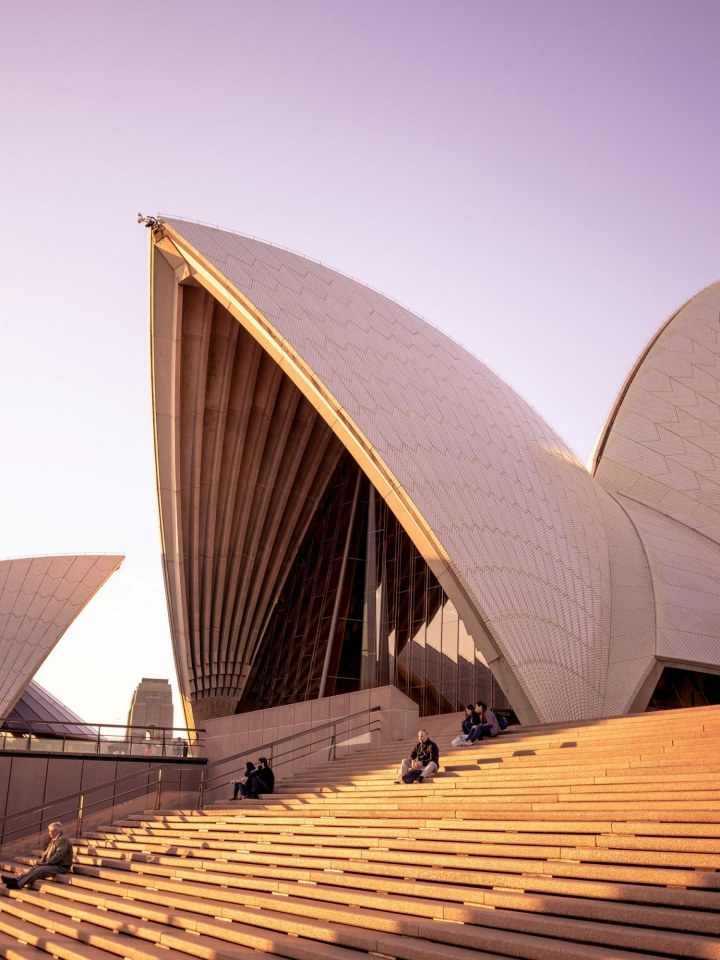
I watched ‘The Fall Guy,’ which opened last May. I had been waiting for it because its two leads are actors I love. It is directed by David Leitch, a former stuntman who also directed ‘John Wick,’ ‘Deadpool 2’ and ‘Bullet Train.’ The film carries the joys and sorrows of the stuntman’s trade and the behind-the-scenes life of action shoots, along with a deep affection for it all. It is light and fun, with action scenes bursting left and right, yet it suddenly tugs at your heart and leaves you a little teary. Another striking thing is how fully it captures the charm of Sydney. I can’t think of another film that uses the city so unabashedly. Including the hiring of about 1,000 local crew members and 3,000 local extras, the production reportedly brought Sydney a total economic benefit of $244 million (about KRW 332.9 billion), so it seems to have been a location shoot that was positive even in terms of sustainability (?). The camera digs into every corner, from landmarks such as the Harbour Bridge, the Sydney Opera House and the Kimpton Margot Hotel to suburbs like Rushcutters Bay and Potts Point. Kurnell (pictured above), about 21 kilometers south of downtown Sydney, is one of them. It is known as the historic site where James Cook first landed in Australia in 1770, and for Kamay Botany Bay National Park, which holds geographical and botanical value. The film’s car rollover scene, which set a new Guinness World Record with eight and a half rolls, and the desert landscape seen in the latter part of the film were shot here.
Europe’s Most Dizzying Pedestrian Suspension Bridge, Sellano, Italy
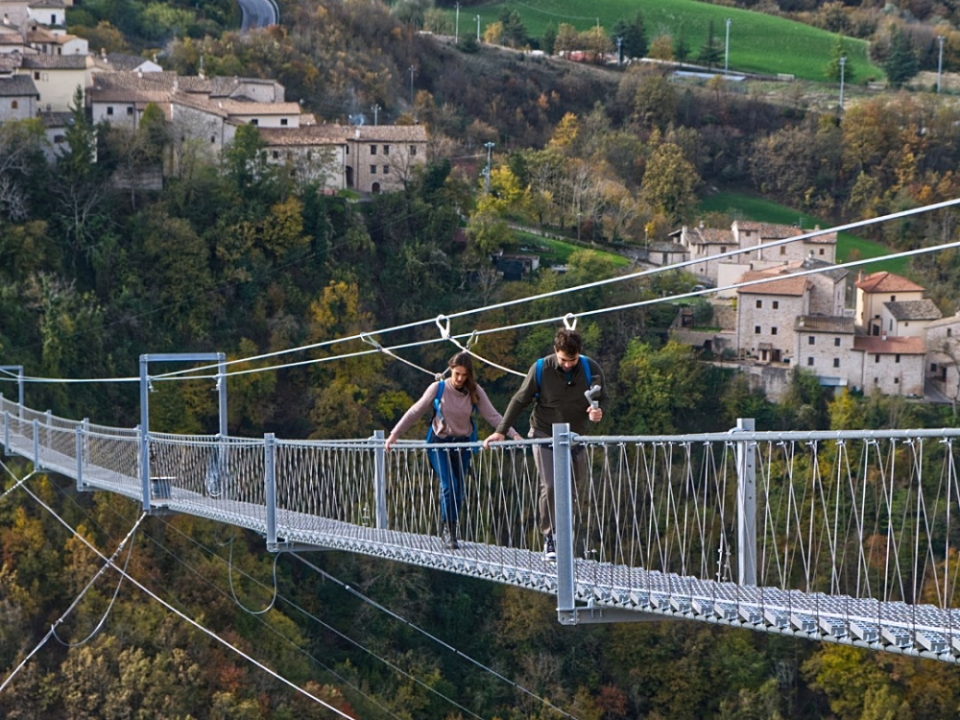
Europe’s highest pedestrian-only suspension bridge officially opened last March. It is in Sellano, in Italy’s Umbria region. About 50 kilometers southeast of Perugia, the regional capital, Sellano is a historic area that has been inhabited since before Roman times and consists of several small villages in the valley of the Vigi River in the Apennine Mountains. Besides its historical and architectural sights, it is also known as an ecotourism destination thanks to the natural surroundings of mountains and valleys. With the arrival of the suspension bridge, often called a ‘Tibetan bridge,’ a thrilling activity has been added to the mix. The aim is to secure an appealing tourist attraction, stem population decline and revitalize the area (the region was also hit hard by the 2016 earthquake in central Italy). The bridge, 175 meters high and 517 meters long, runs straight from Sellano’s old town to the neighboring villages of Foligno and Spoleto (one-way only). Remarkably, the endpoint sits a full 68 meters higher than the starting point. The bridge can be used only after booking online in advance; visitors must be at least 120 centimeters tall and wear safety equipment. Because there are gaps between the footboards, I don’t recommend it to anyone with a fear of heights (the writer, for one).
Dreaming of an African Eco City, Sherbro Island, Sierra Leone
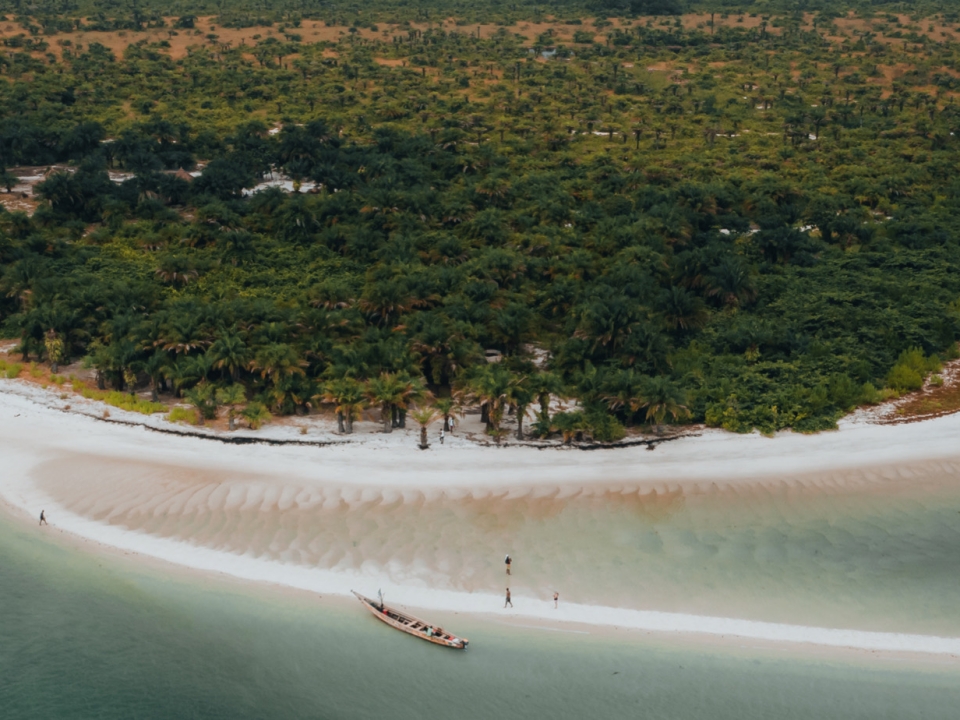
The news broke recently on the BBC. Idris Elba, the British actor known for the TV series ‘Luther,’ is reportedly involved in a project to develop Sherbro Island into an eco city. Sierra Leone, a West African country on the Atlantic coast, is where his father was born. Located off the country’s southwest coast, Sherbro Island is a tropical island with an area similar to Seoul’s (600 square kilometers) and a population of about 40,000. It is also a nesting ground for green sea turtles and leatherback turtles. The project began with a question: How could the island’s roughly 30 kilometers of beautiful beaches be used as a tourism resource? The ultimate goal is to strengthen the island’s self-sufficiency through sustainable redevelopment and to drive economic revitalization, both in the surrounding region and across Sierra Leone. It is also the first project in Sierra Leone to attempt using wind-generated renewable energy. The Sherbro Island Eco City project is a collaboration among public and private partners, including the Sierra Leone government, Sherbro Alliance Partners (SAP), and Octopus Energy Generation, Europe’s largest renewable energy investor, and it is only just getting started. For now, the island has no tourism infrastructure at all, and it is hard not to wonder whether it will emerge as a sustainable destination in the near future.