Dreaming of a New Port in East Incheon — InTheLocal Cooperative
An interview with Kim Ahyoung, CEO of InTheLocal Cooperative, which introduces East Incheon’s local culture through a café, a stay, and curated travel content.
Another Port For Travelers in East Incheon — Dreaming of a New Port in East Incheon, InTheLocal Cooperative
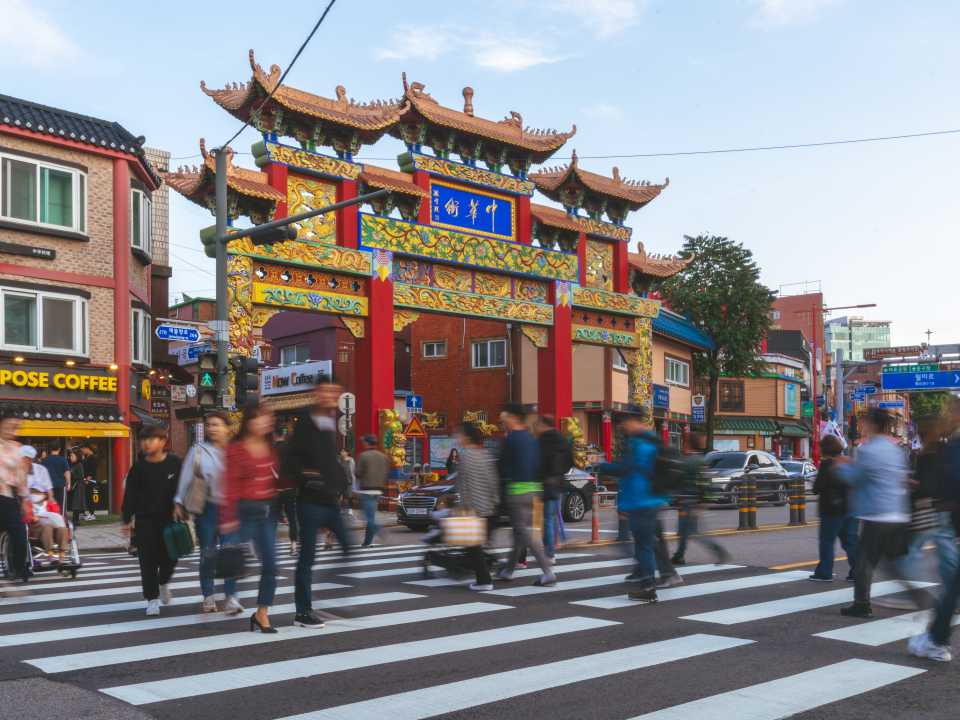
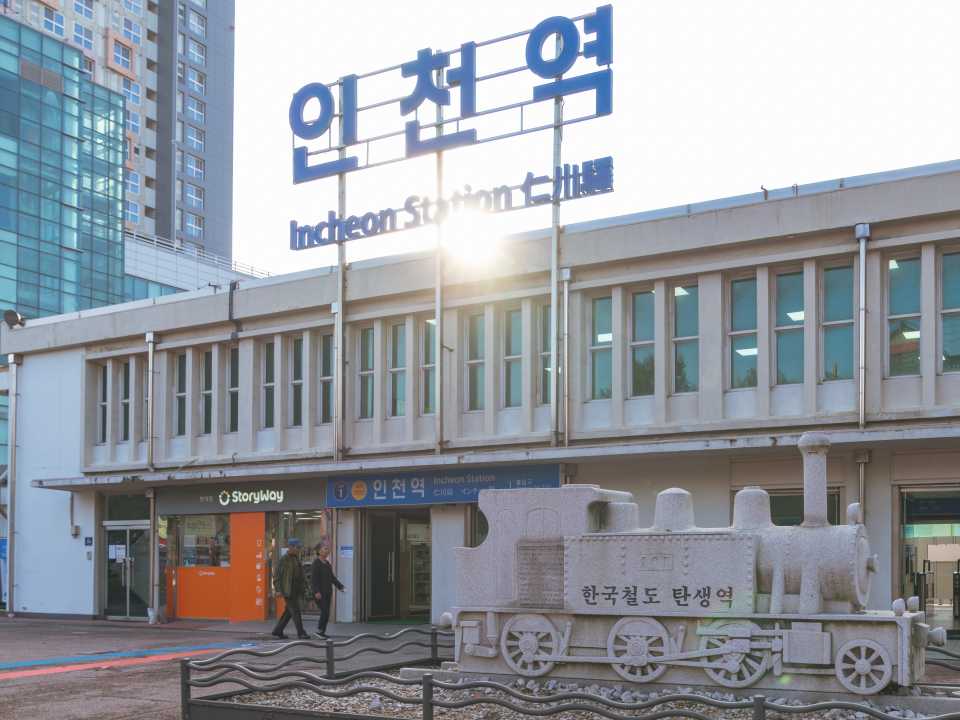
In East Incheon, home to Chinatown, there’s a cooperative called InTheLocal, founded to connect locals and travelers. Given that this area was the site of Korea’s first opened port in 1883, through which Western modern culture first entered the country, InTheLocal is, in a sense, playing the role of a new port for East Incheon today.
Interviewer Parc Jinmyoung
Interviewee Kim Ahyoung (CEO of InTheLocal Cooperative)
Could you briefly introduce InTheLocal Cooperative?
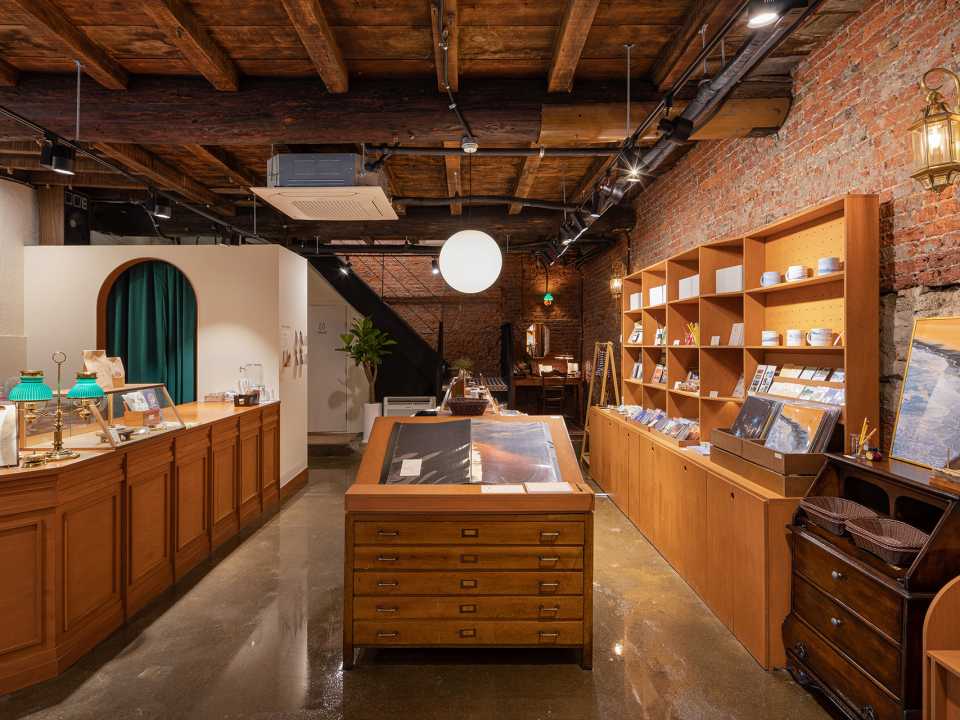
We’re a cooperative that plans and designs local content in East Incheon, the site of the historic open port and Incheon’s oldest original downtown. We’re running a village hotel project called *Reincheon Guraakbu, which introduces East Incheon to travelers. We turn the attractive culture of Incheon, experienced firsthand by locals and planners, into travel products. We also directly operate spaces like the café and souvenir shop **Podium126 and the local stay Boneun House.
*The name combines the English prefix ‘re,’ meaning ‘again,’ with ‘guraakbu,’ the Japanese-style pronunciation of ‘club.’
**The name comes from ‘Podium,’ an architectural term referring to a base or foundation, and Incheon’s longitude (126˚42’18”E).
Podium126 in particular drew attention for renovating a 100-year-old wooden building.
Podium126 serves as the reception for the village hotel, designed with a concierge concept. It’s a place where you can find East Incheon travel information, local goods made by regional creators, and delicious coffee and desserts all in one spot. It’s also our most memorable project because we handled everything ourselves, from design to construction supervision to branding. Our fingerprints are on every small detail, from the furniture to the decor.
Since it’s a wooden building over 100 years old, there were plenty of twists and turns. During the years it sat abandoned, it had become home to bugs and pigeons. We cleaned it so many times, covered head to toe in dust... It was really tough, but seeing this space become a proper travel destination in East Incheon fills me with emotion. When I read visitor reviews saying things like ‘I feel so relaxed here’ or ‘thank you for introducing Incheon so wonderfully,’ I sometimes get choked up, feeling like our sincerity really came through.
I heard Boneun House came about with help from a resident.
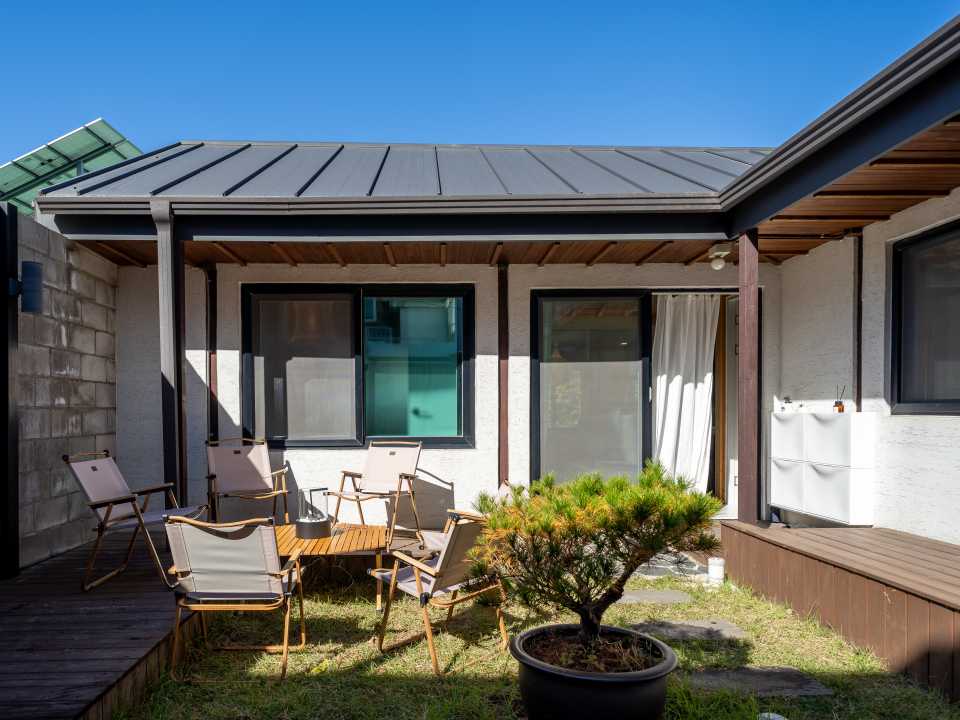
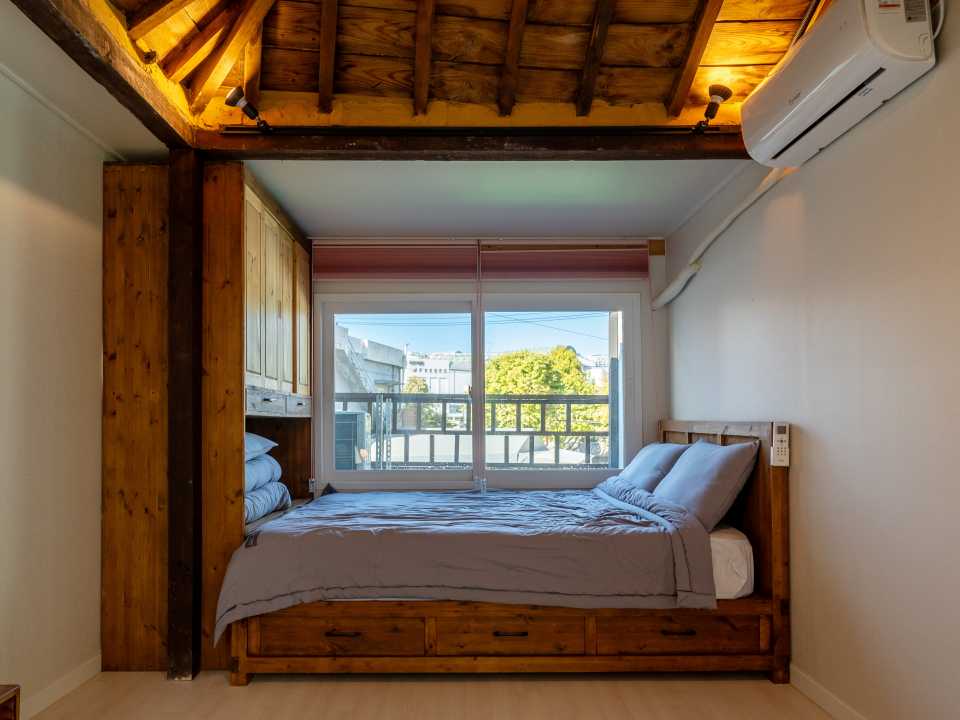
It was originally an old wooden house that the building owner used as a second home. We learned through a real estate agent that the owner was a local resident. The agent suggested to the owner that the house be used as a stay and connected us. After meeting and talking directly, the owner understood our business direction well, and that’s how Boneun House came to open.
What sets Boneun House apart?
Its advantage is that guests can get a real taste of local charm and information. We share a list of spots recommended by InTheLocal—restaurants, cafés, shops, pubs—with our guests. Boneun House also functions as a showroom. We’ve stocked it with goods made by local creators, magazines, drip bags, diffusers, and more, turning it into a space where people can directly experience the local scene.
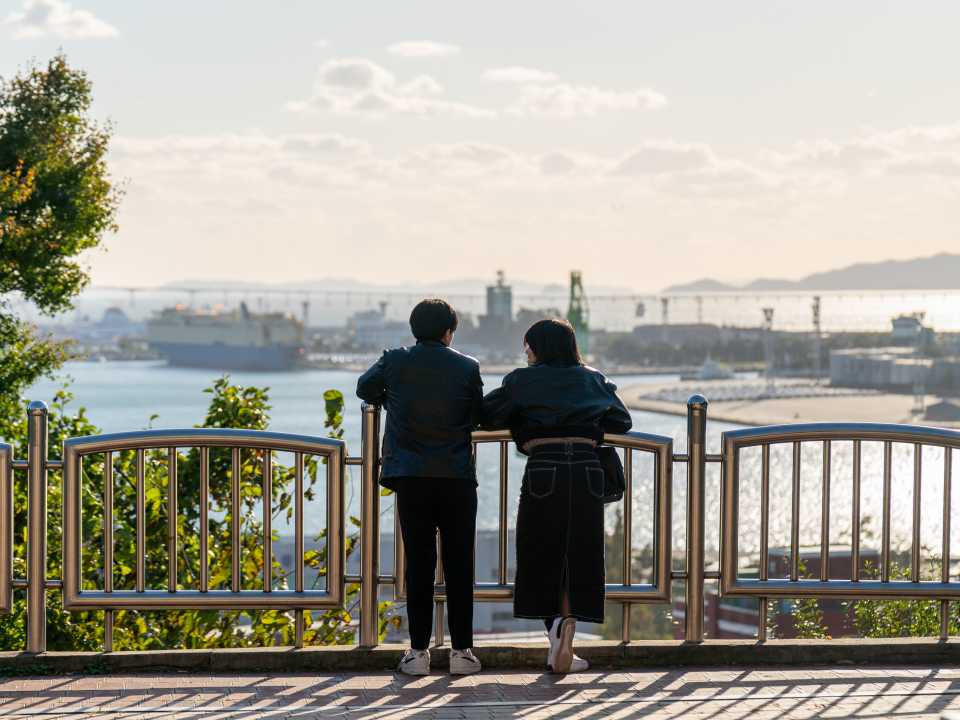
I’m curious about your connection to Incheon.
I majored in cultural management at a university in Incheon. A project I started with my college classmates and juniors became the starting point for InTheLocal. I wanted to make the culture of the region I’d be living in more fun and rich. After about two years of project-based work—making local magazines, planning exhibitions, and so on—I established InTheLocal. This year marks my seventh year working in Incheon.
Why East Incheon specifically?
During my college years, most of my class assignments were about Incheon. Back then, I didn’t feel much connection to East Incheon’s history or culture, but when I thought about where I’d like to live in the future, East Incheon came to mind. This area has a wealth of historical and cultural resources. From a planner’s perspective, that means plenty of source material for content. What really sealed it for me was that so many people here love and care for this neighborhood. That means there are people working to make it an even better place. I thought it would be interesting to build both my life and my work here at the same time.
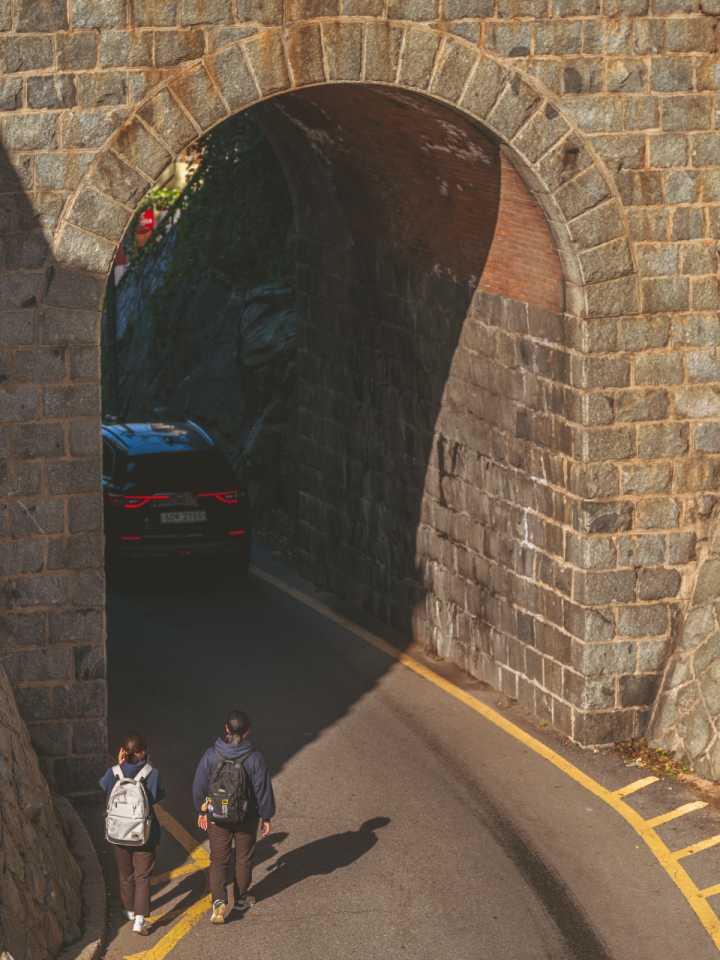
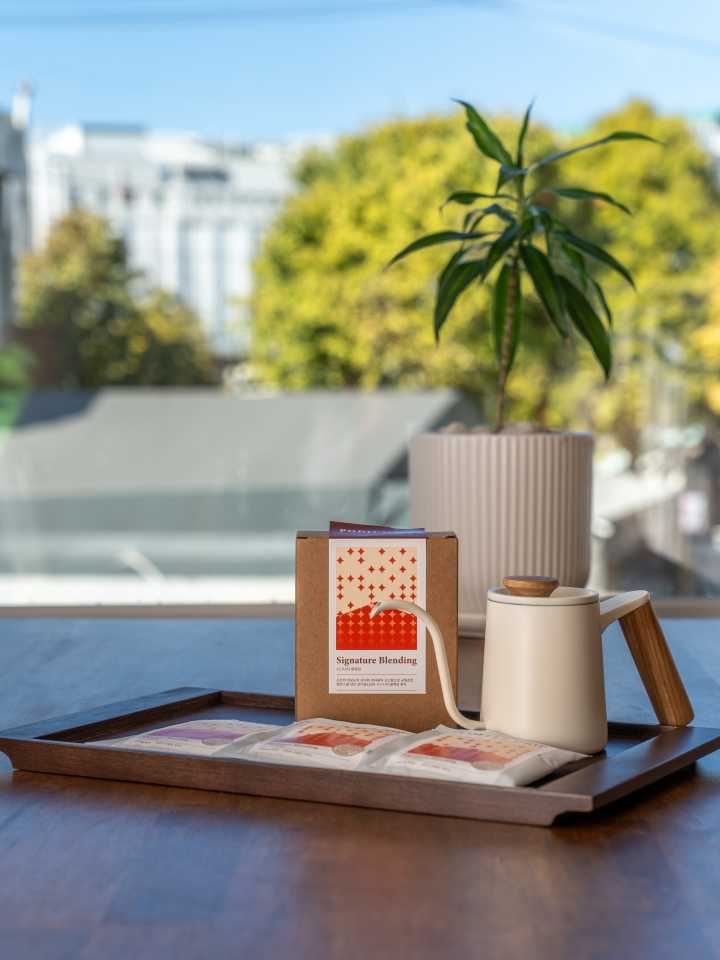
So you thought that travel and life in East Incheon could be sustainable.
East Incheon has many famous attractions, like Chinatown, Songwol-dong Fairy Tale Village, and Sinpo Market. While the number of tourists is increasing, the resident population keeps declining. I think that if the number of local residents keeps shrinking, it will ultimately be difficult for East Incheon to become a popular travel destination as well. For sustainable living and travel, we needed travel content that deeply understands the region’s culture and charm while continuing to draw travelers in, and I think that as InTheLocal has taken on that role, the neighborhood has gradually become more sustainable.
What charm does East Incheon have as a travel destination?
I think it’s a neighborhood where everyone can enjoy it according to their own taste. Compared to other areas, there are fewer chain stores, and many people, like myself, have settled here drawn by its charm. As a result, most spaces are filled with individual taste and personality. In particular, you’ll find cafés, pubs, restaurants, and gift shops tucked into modern wooden buildings and renovated Western-style houses all over the area. In short, it’s a neighborhood where you can enjoy exploring different tastes.
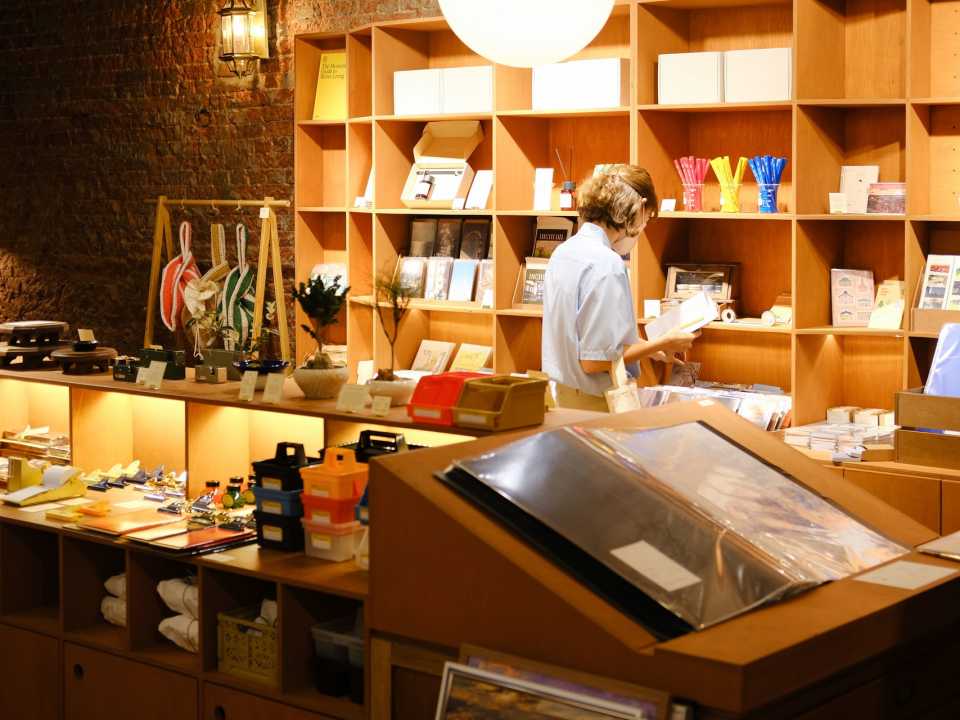
How did the members of the cooperative come together?
The relationships among our members are fairly complex. They range from people who worked together back when we were an informal group before incorporating, to the owner of the Boneun House building, to residents who simply support our work. Each member has different tasks and roles within the cooperative, but they all share a deep affection for East Incheon. Anyone who aligns with InTheLocal’s direction and values can become a member.
Do you have your own way of traveling sustainably?
I try to take part in efforts to build a region’s own unique culture. I prefer spending time at independently run shops rather than chain stores. I especially make a point of visiting independent bookstores, where I read the phrases and quotes written around the space in detail. Doing that makes me want to show my affection and support. I don’t hesitate to open my wallet, hoping that the small, individually run shops that enrich a neighborhood’s culture can keep operating without disappearing.
What are your plans or goals going forward?
I’d like to operate more accommodations. As the number of stays grows, we can introduce products from a wider range of creators, and through stay management like cleaning, we can also provide small jobs for local residents. That would be a solid resource for building a sustainable operating structure. But first, we need to make Boneun House a strong example, right?